Artwork
Holy Family
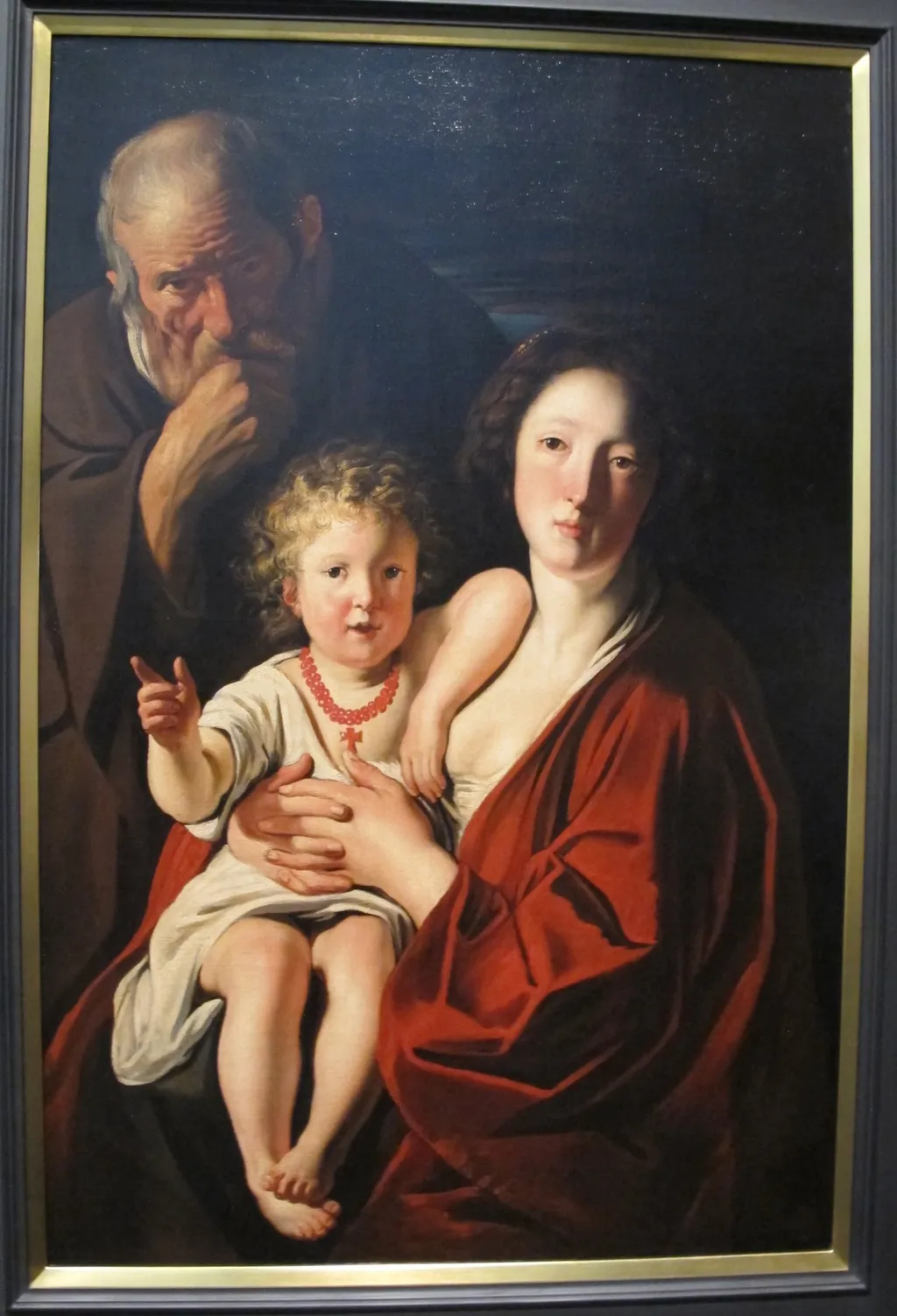
Holy Family is an oil painting by the Flemish Baroque painting artist Jacob Jordaens. It dates from 1628 and is held in the collection of the National Museum of Western Art.
About this work
Overview
The painting resides in the National Museum of Western Art, reflecting its significance in early 17th-century Northern European religious art.
Painted in 1628 by Jacob Jordaens, this oil-on-canvas work portrays the Holy Family in a quiet domestic moment. Jordaens, a central figure in Flemish Baroque art, developed his style in the wake of Rubens and van Dyck, maintaining a distinct focus on human warmth rather than grandeur. The painting resides in the National Museum of Western Art, reflecting its significance in early 17th-century Northern European religious art.
Subject & Meaning
The composition centers on Mary holding the Christ Child, with Joseph observing nearby. The child’s upward gesture suggests divine awareness, while Mary’s direct gaze invites the viewer into the scene, bridging sacred and earthly realms. Joseph’s downward look conveys quiet reverence. The intimate setting, devoid of celestial symbols, emphasizes familial tenderness as a vessel for spiritual presence, aligning with Counter-Reformation ideals of accessible holiness.
Technique & Style
Jordaens employs chiaroscuro to model the figures with soft, warm light against a deep, neutral background, enhancing their three-dimensionality. The red of Mary’s robe and the child’s necklace anchors the palette, contrasting with the muted tones of Joseph’s attire. Brushwork is fluid yet controlled, capturing texture in fabric and skin without overt embellishment. The composition’s closeness and restrained gestures reflect a move toward naturalism over theatricality.
History & Provenance
Commissioned during Jordaens’s mature period, the painting reflects his established reputation in Antwerp’s artistic circles. Unlike contemporaries who traveled widely, Jordaens remained in the Low Countries, shaping a regional Baroque idiom. The work entered the National Museum of Western Art’s collection through documented acquisitions in the 20th century, preserving its continuity within institutional holdings of European religious art.
Context
Created during the height of the Counter-Reformation, the painting responds to Catholic efforts to humanize sacred narratives for devotional use. While Rubens emphasized dynamism, Jordaens favored stillness and psychological presence. The domestic setting aligns with contemporary Flemish tastes for intimate religious scenes, contrasting with the more monumental altarpieces of Italy. This work exemplifies how Northern artists adapted theological themes to everyday emotional experience.
Legacy
Jordaens’s *Holy Family* contributed to a lasting tradition of tender, human-centered religious imagery in Northern Europe. Its emphasis on quiet intimacy influenced later genre scenes and devotional paintings, even as Baroque grandeur dominated public spaces. Though less celebrated than his peers, Jordaens’s approach preserved a distinct regional voice, one grounded in observation rather than spectacle, and continues to inform interpretations of sacred domesticity.
Artist & collection
Artist
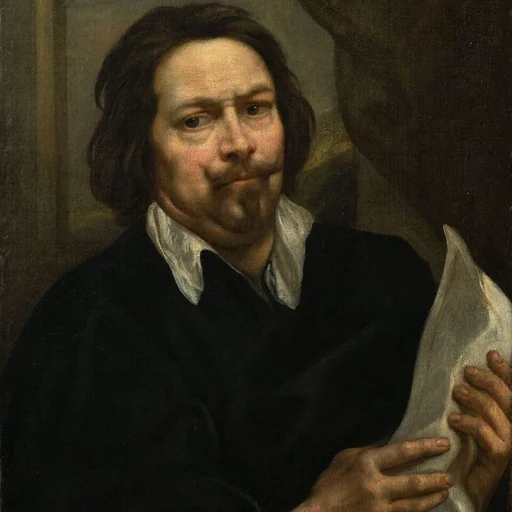
Jacques (Jacob) Jordaens (19 May 1593 – 18 October 1678) was a Flemish painter, draughtsman and a designer of tapestries and prints.

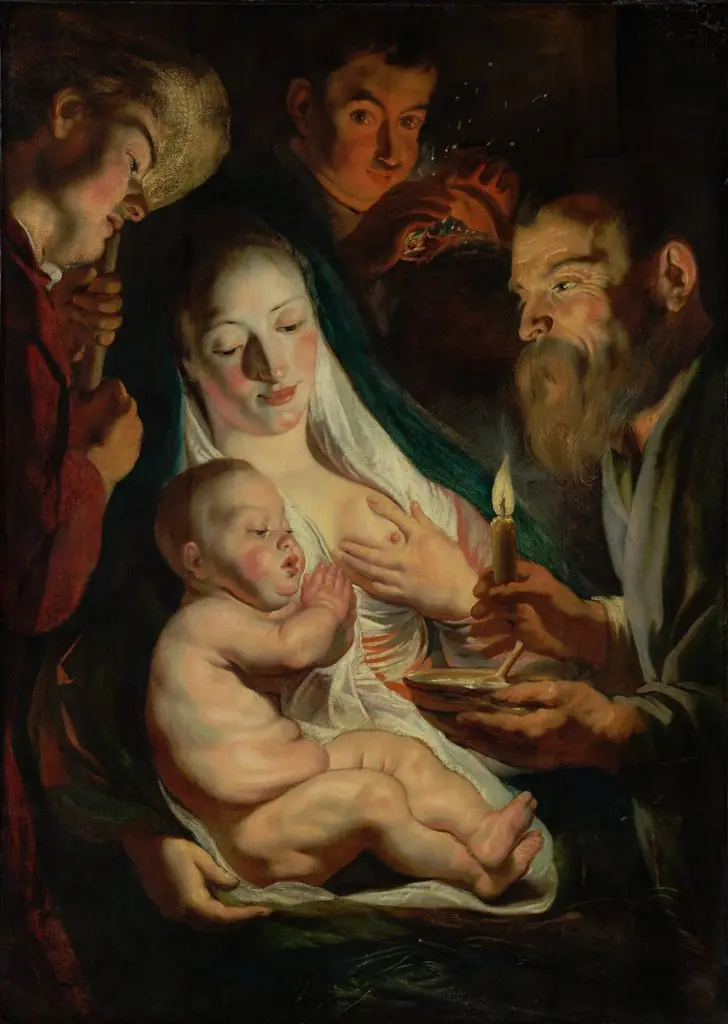 The Holy Family with Shepherds
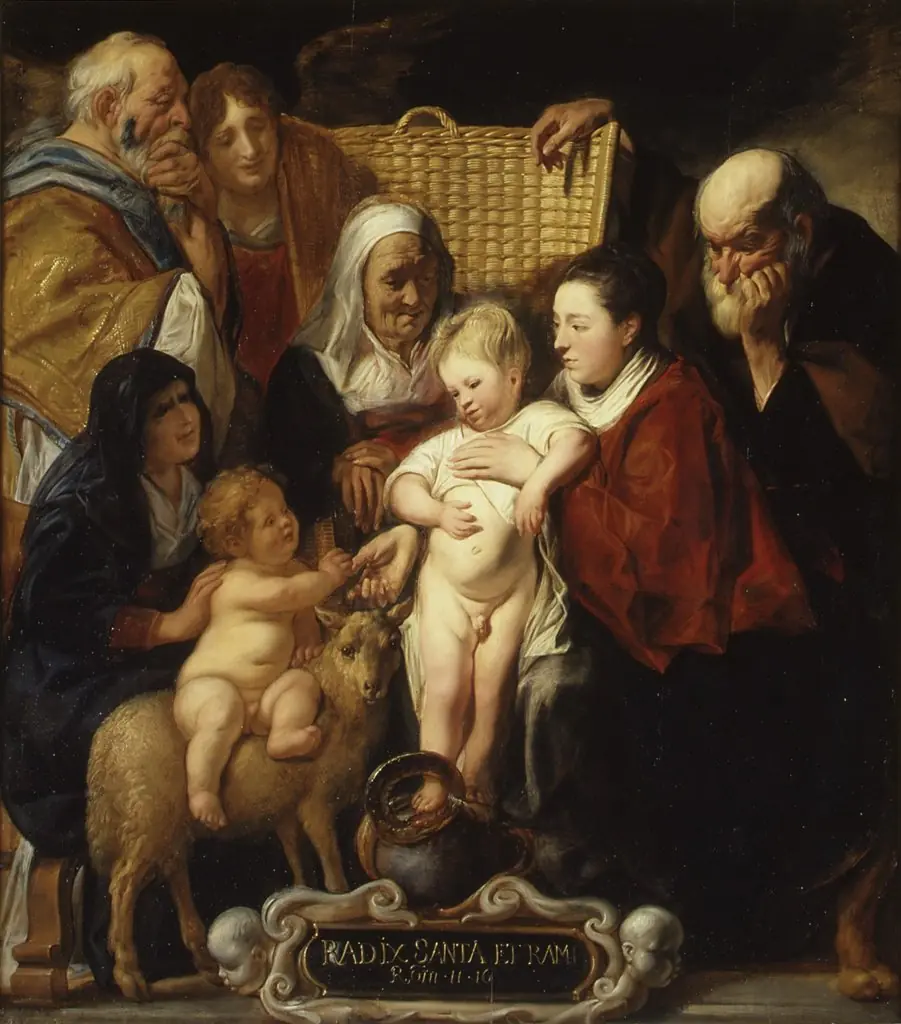 The Holy Family with Saint Anne and the Young Baptist and His Parents
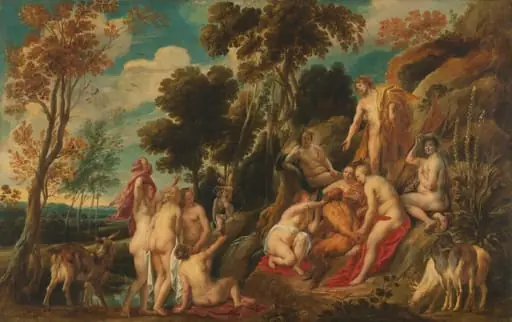 Untitled
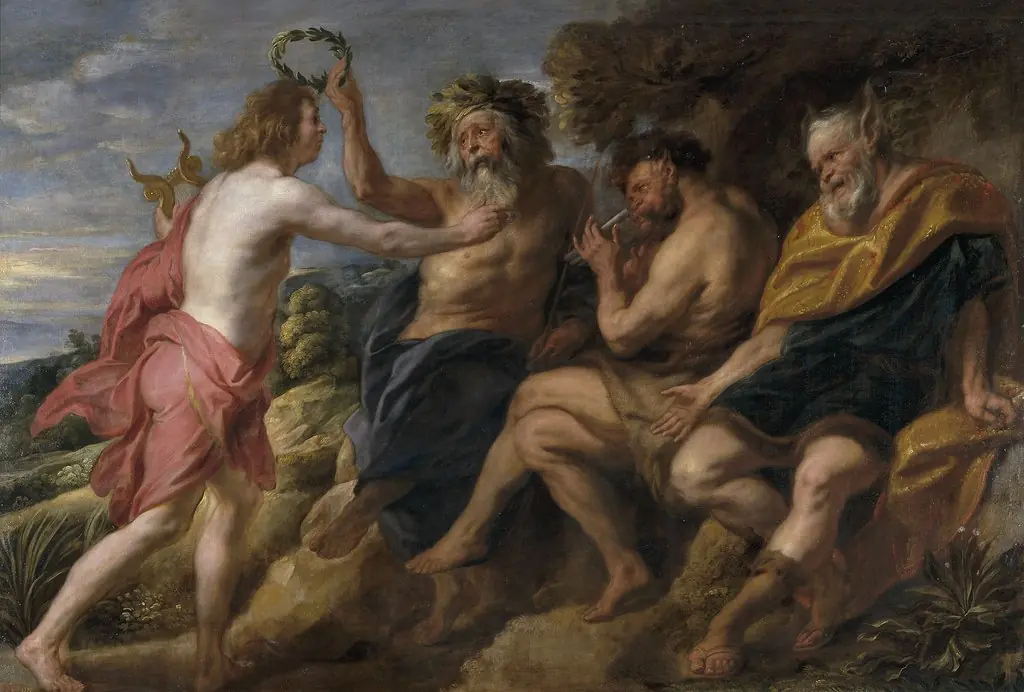 Apollo as Victor over Pan
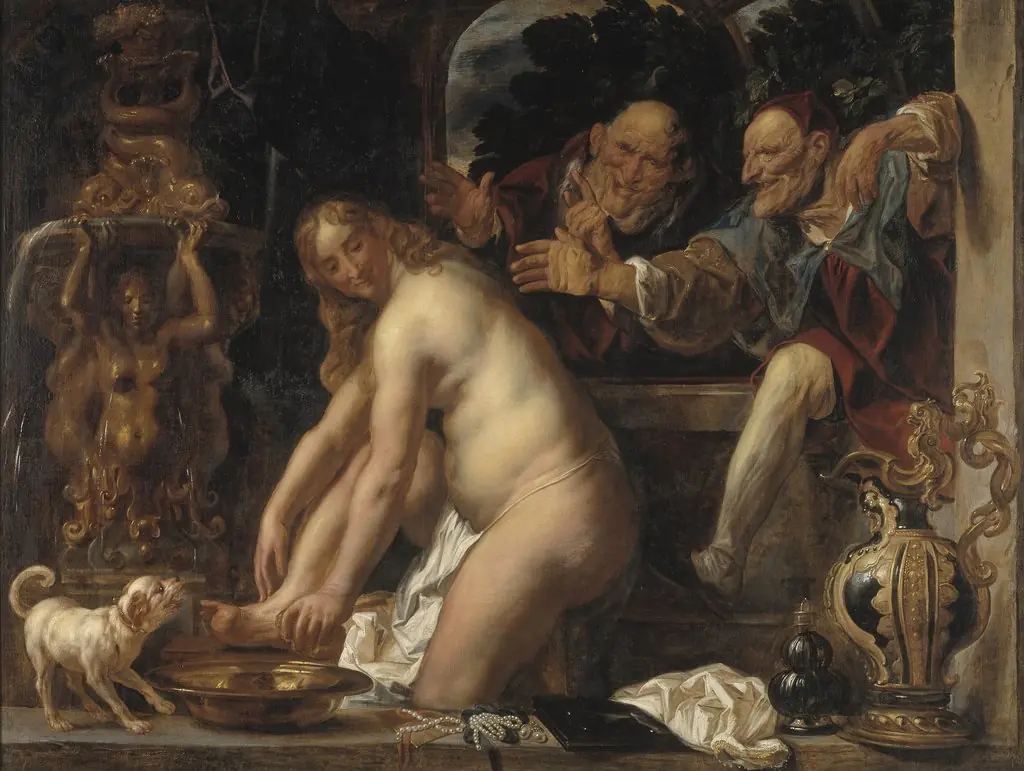 Susanna and the Elders
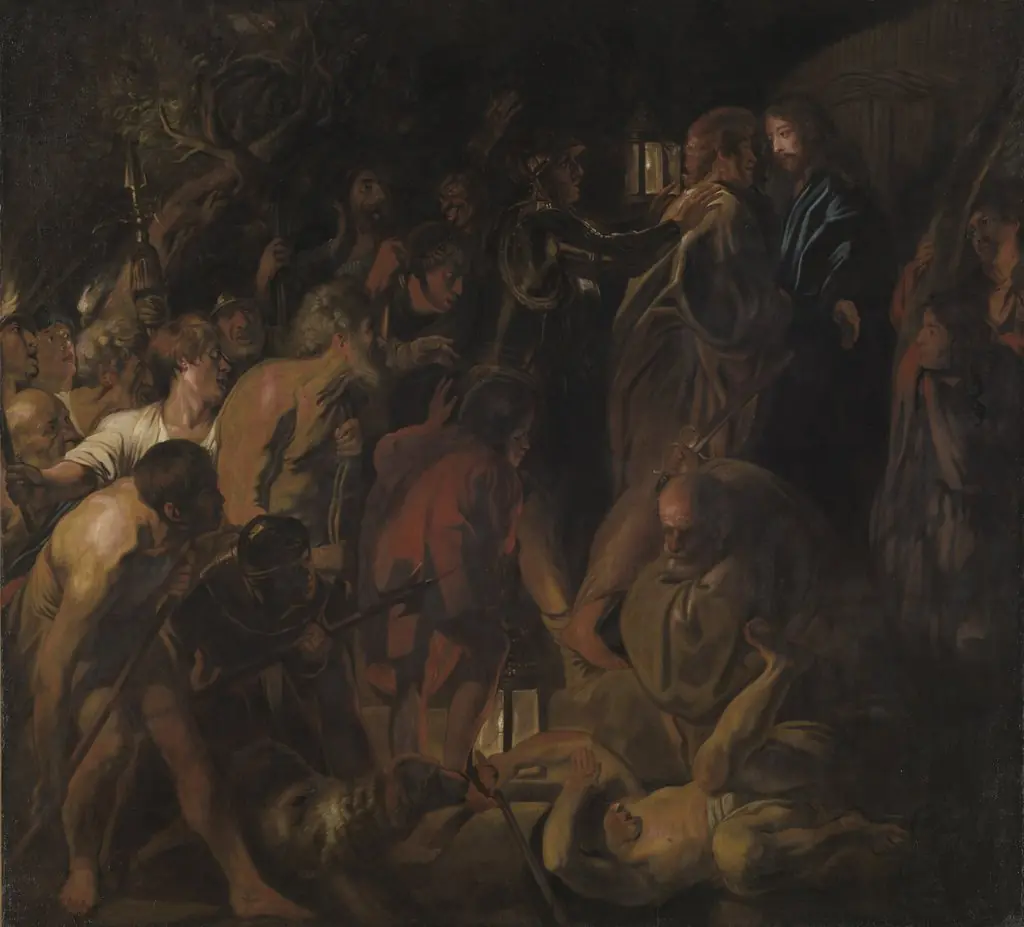 The Betrayal of Christ
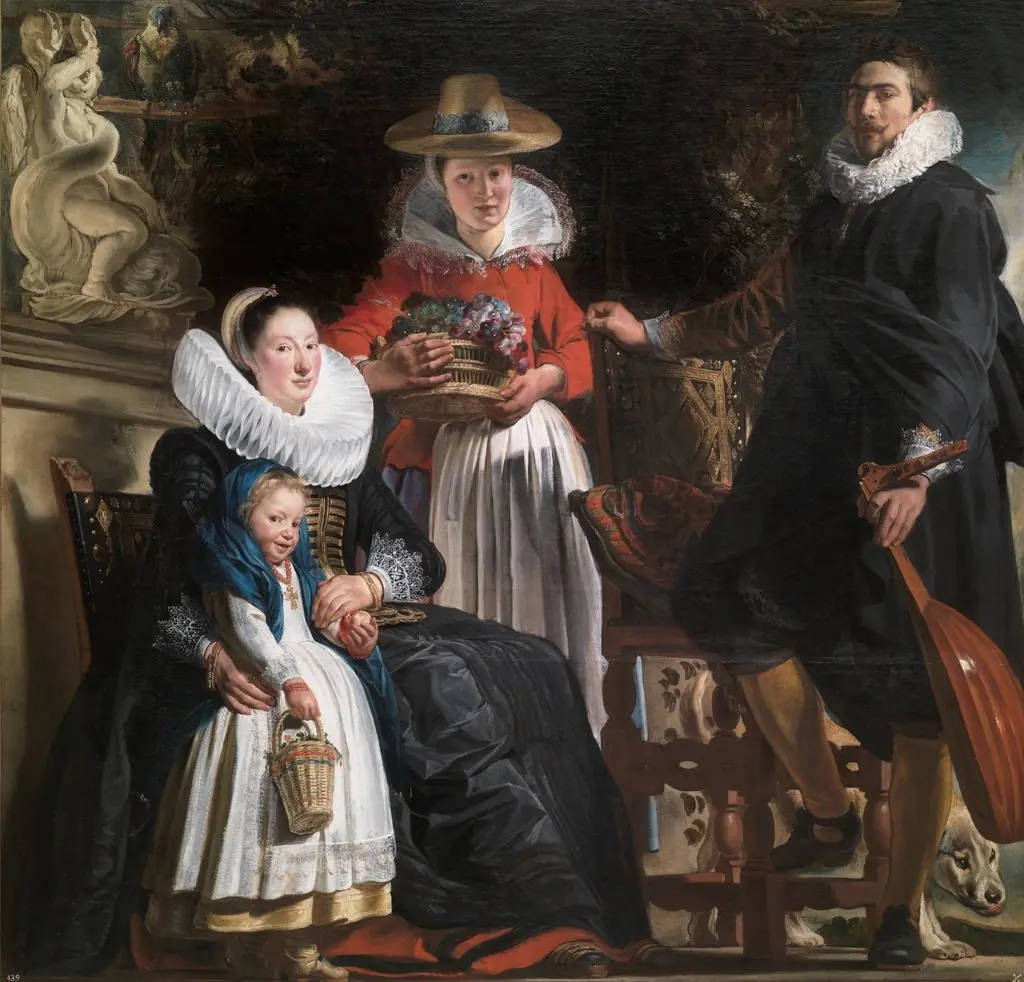 Portrait of the artist with his family
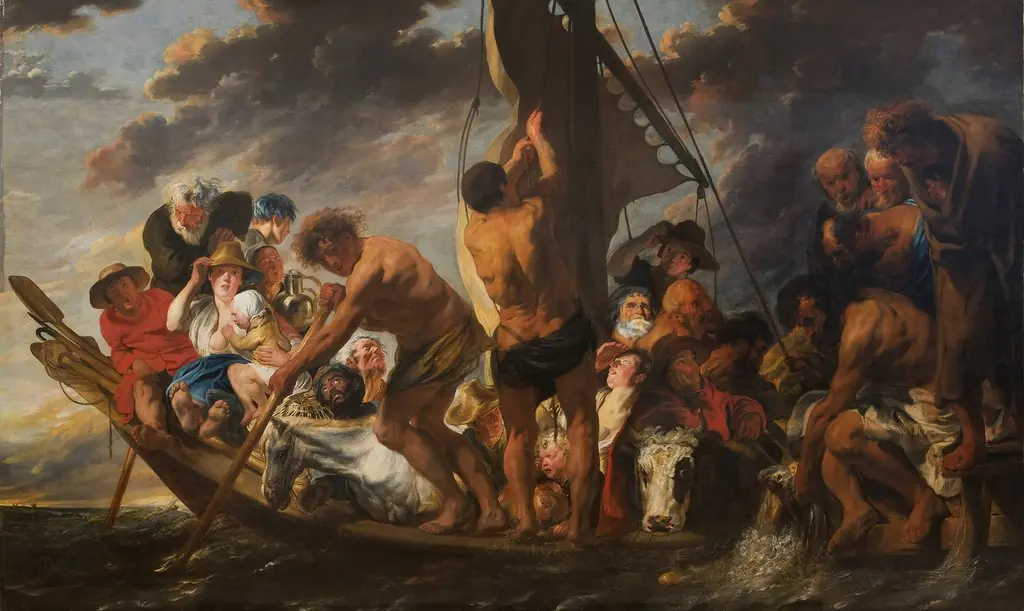 The Tribute Money. Peter Finding the Silver Coin in the Mouth of the Fish. Also called "The Ferry Boat to Antwerp"
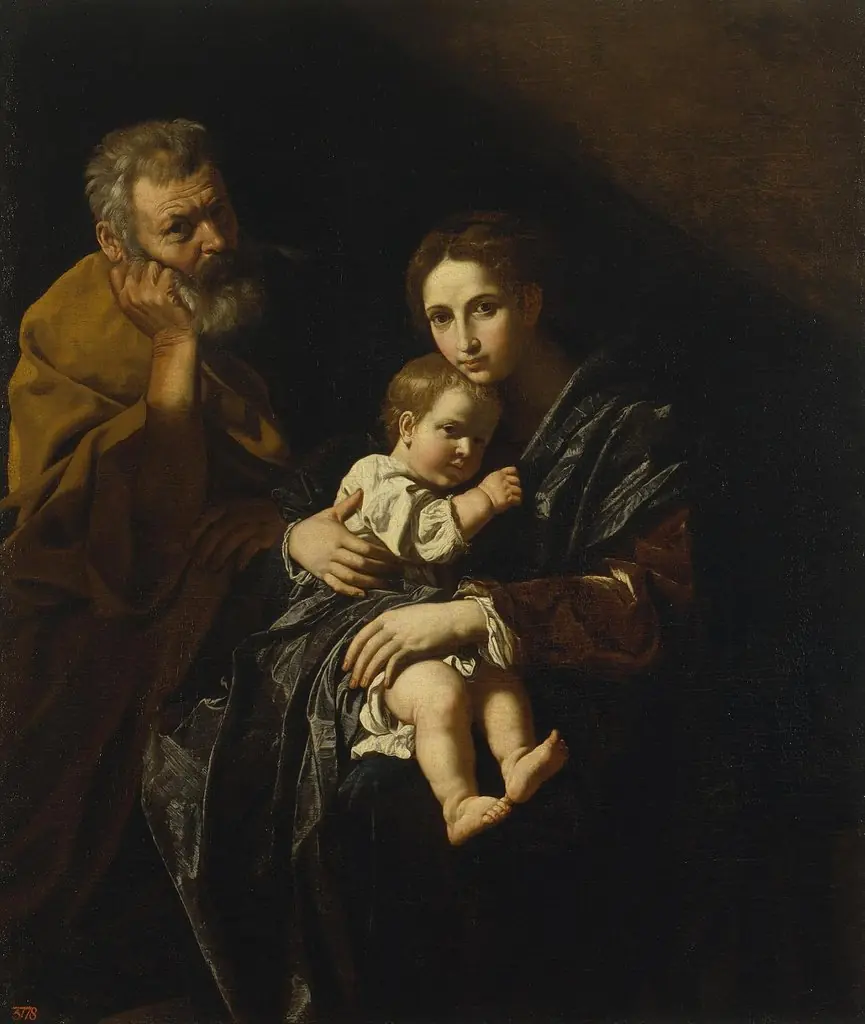 Holy Family
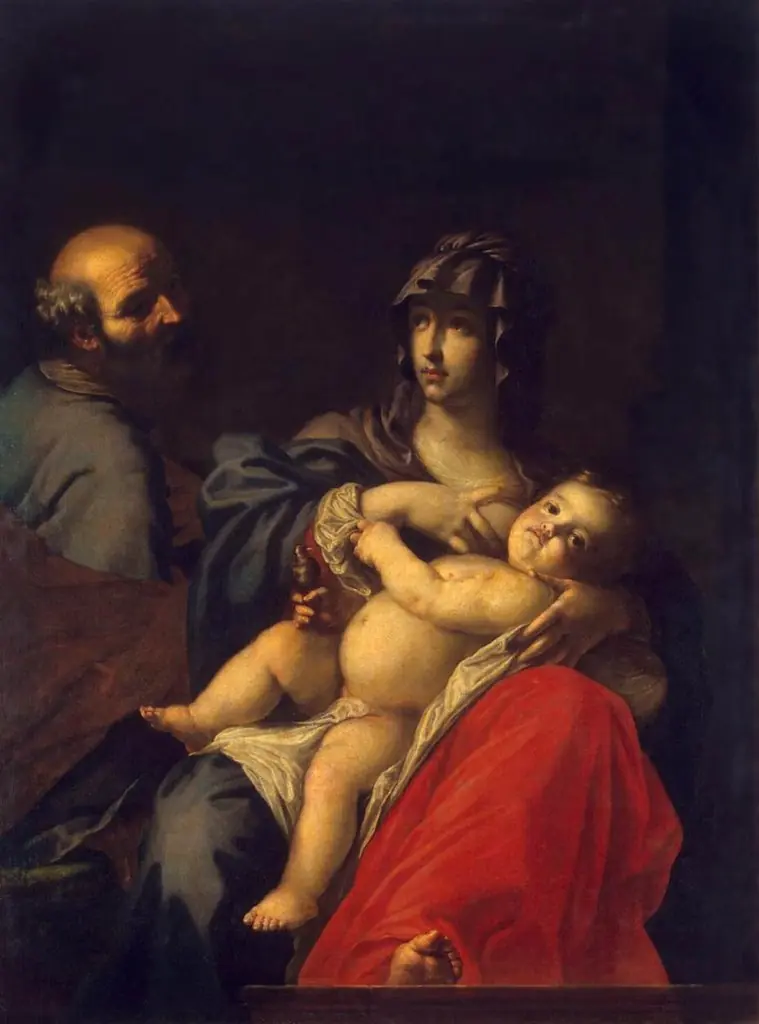 Holy Family
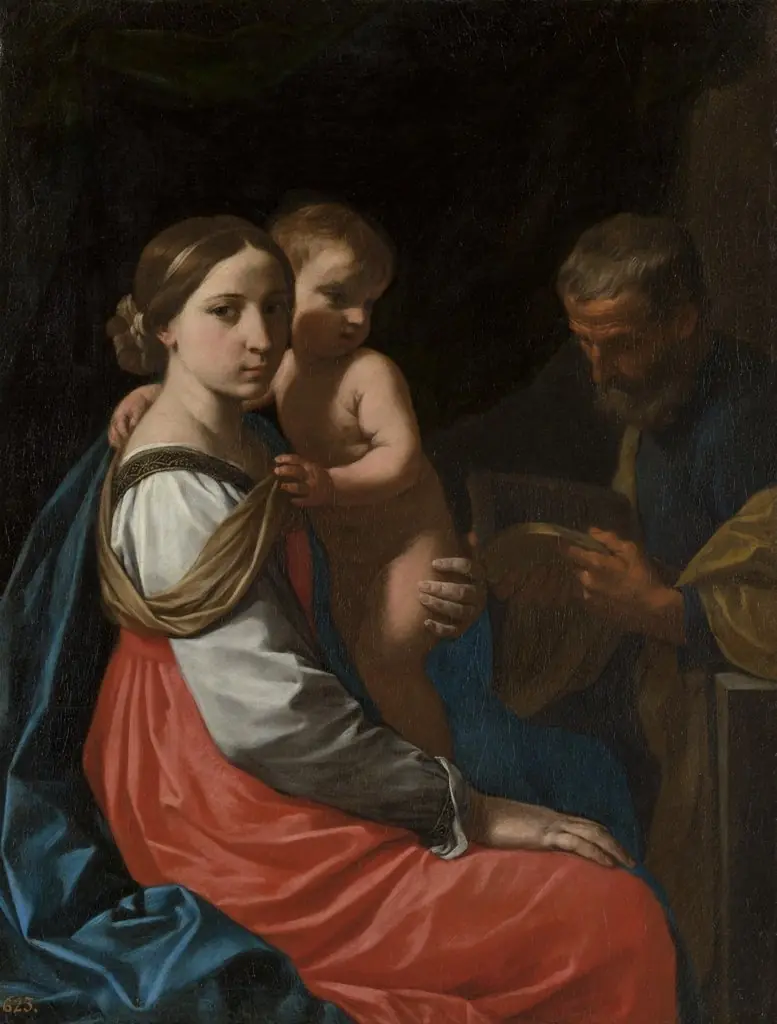 Holy Family
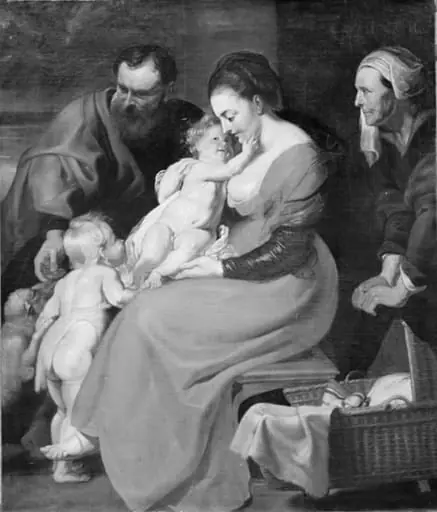 The Holy Family
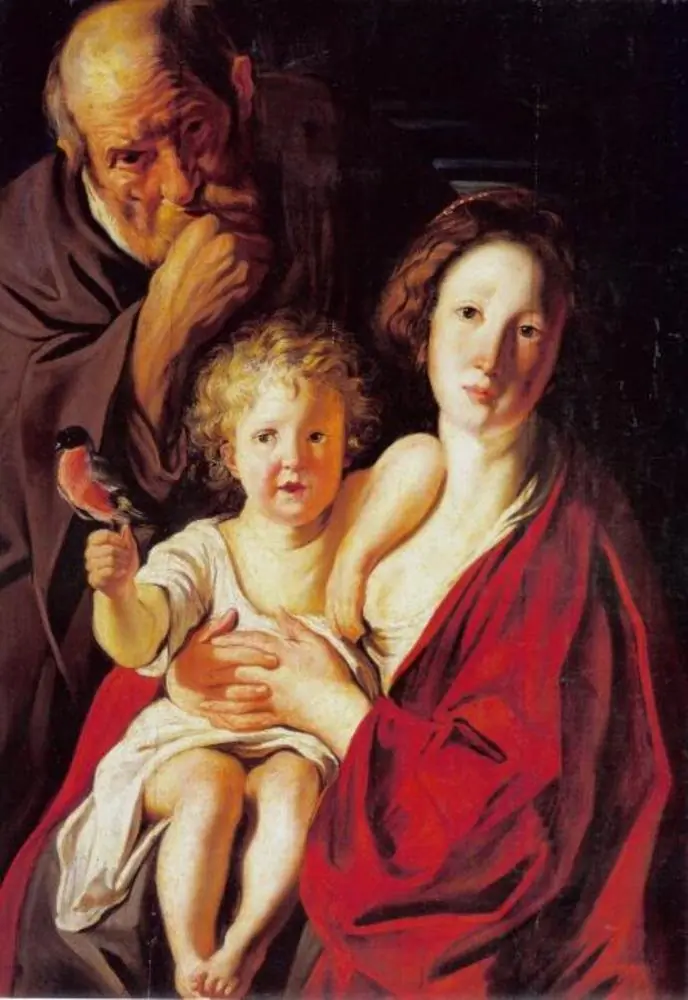 The Holy Family
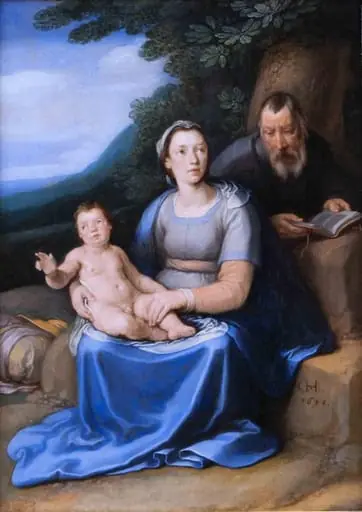 Popas în timpul Fugii în Egipt
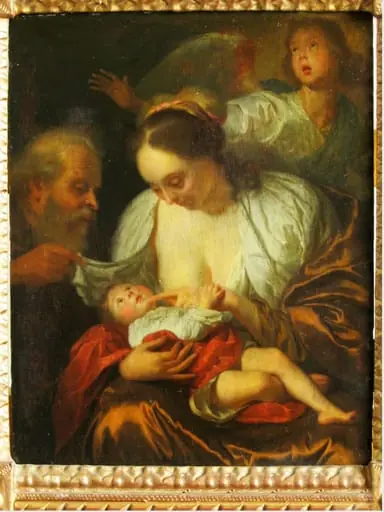 Sfânta Familie
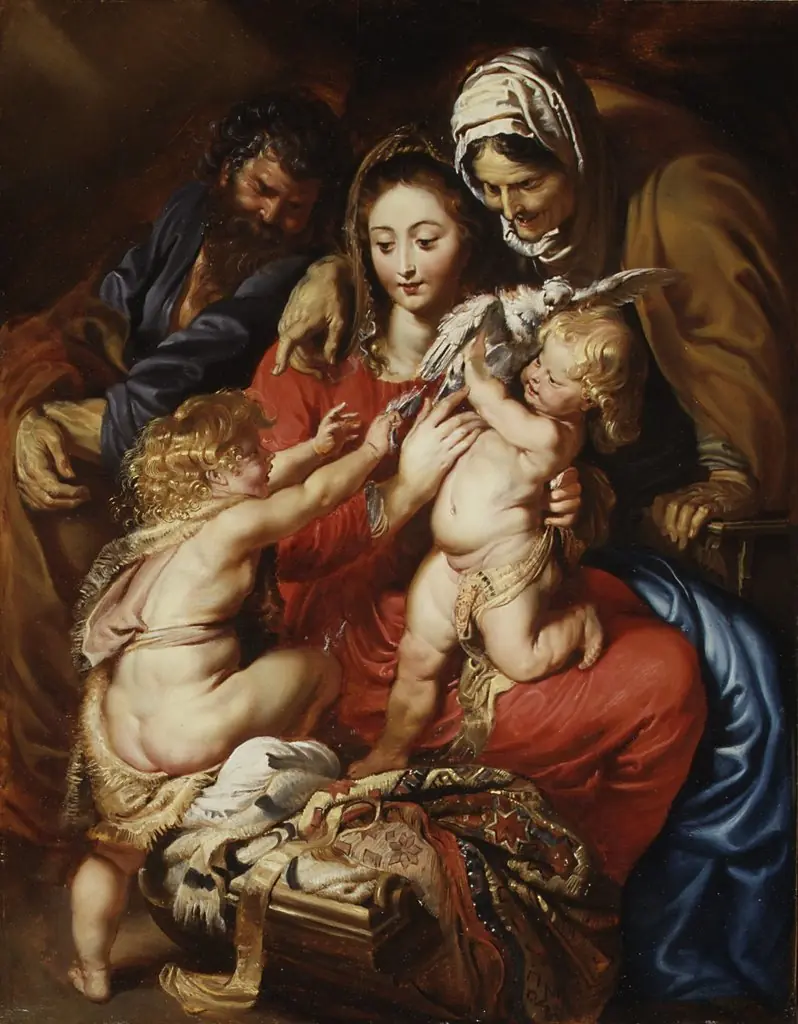 The Holy Family with Saint Elizabeth, Saint John, and a Dove
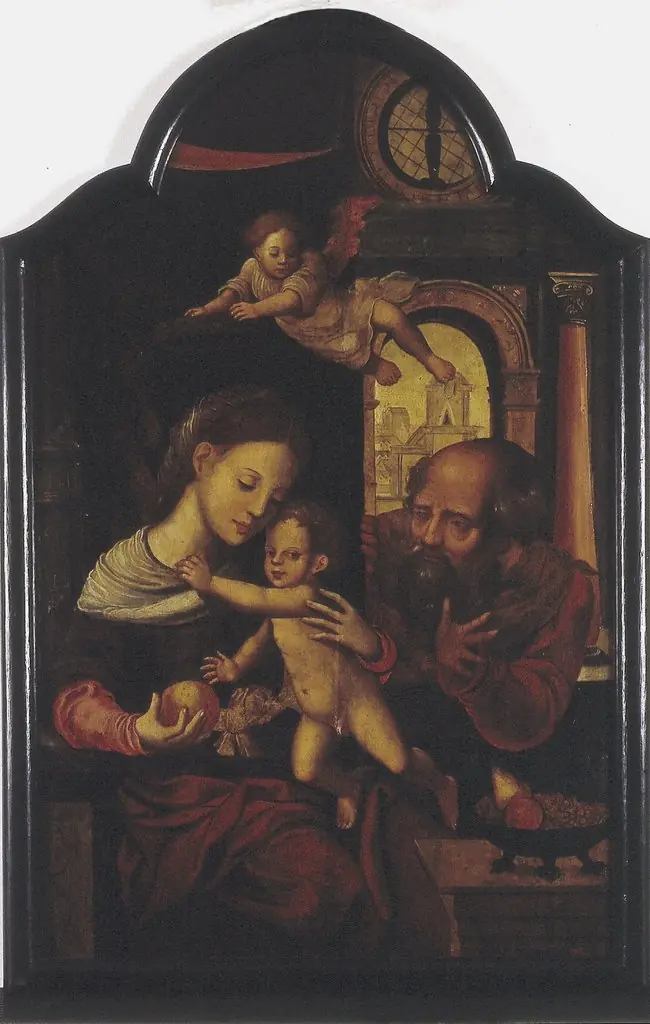 The Holy Family
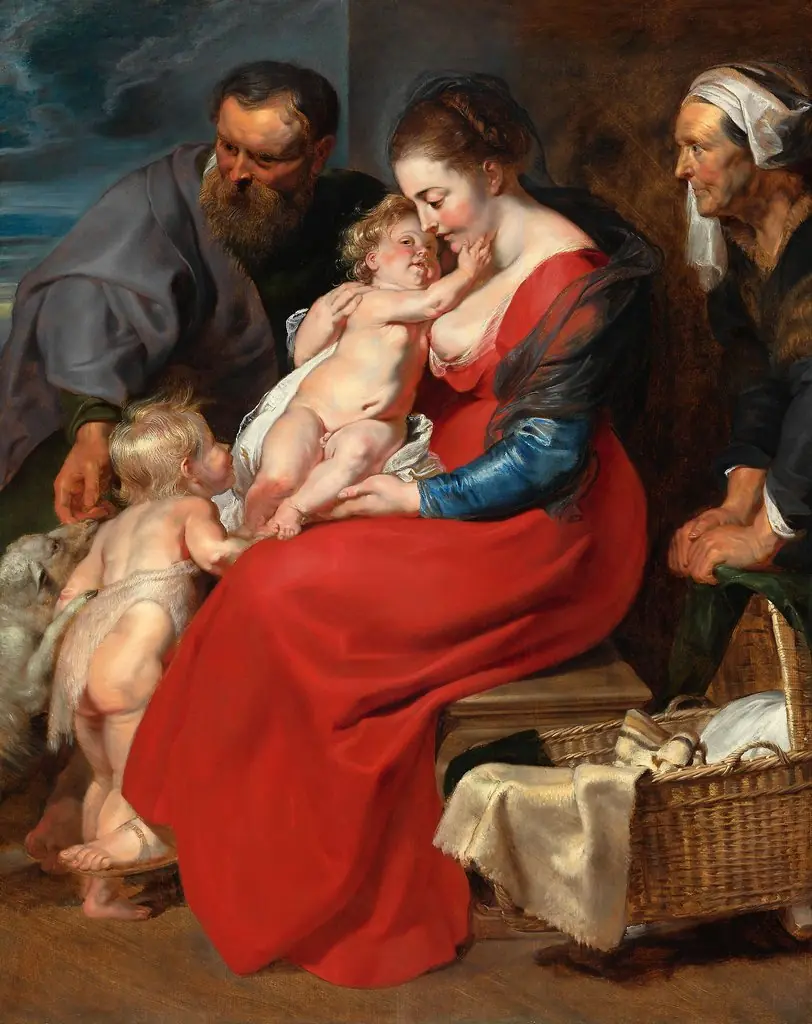 The Holy Family with Saint Elizabeth and Saint John
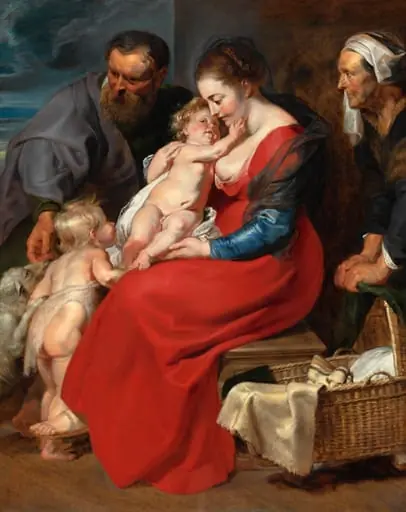 The Holy Family with Saints Elizabeth and John the Baptist
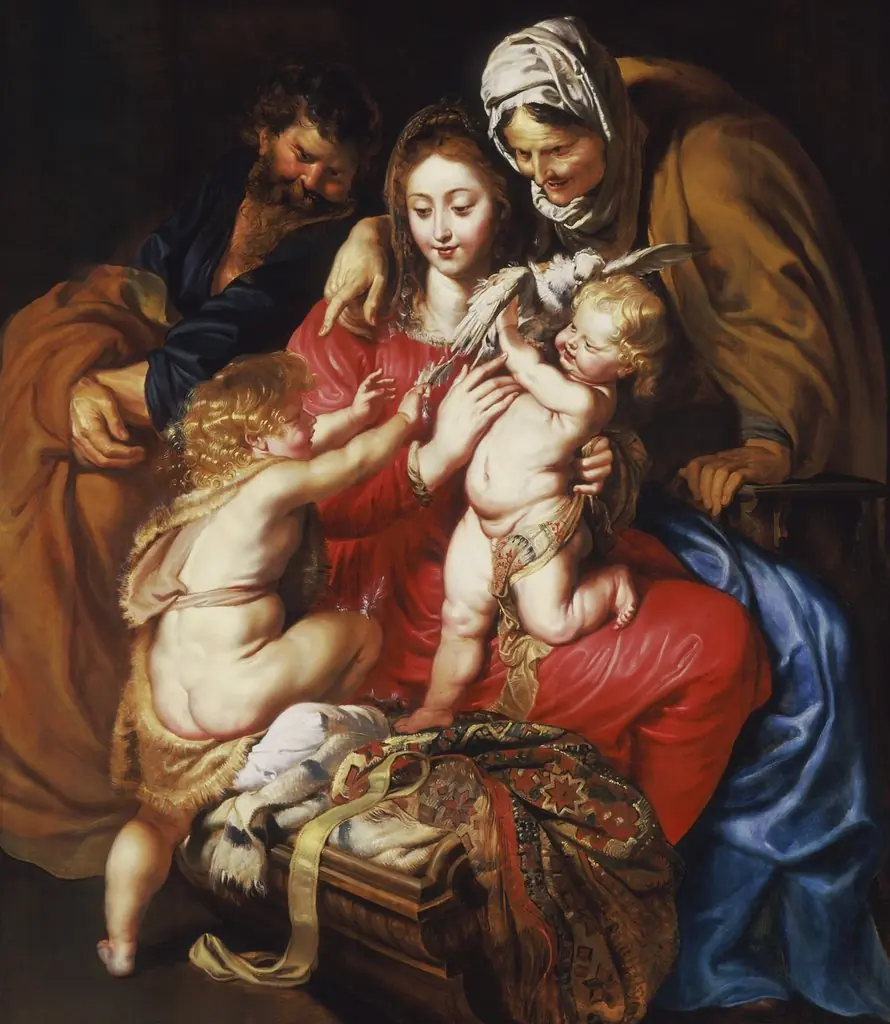 The Holy Family with St. Elizabeth, St. John, and a Dove