Artwork
The Sacrifice of Isaac
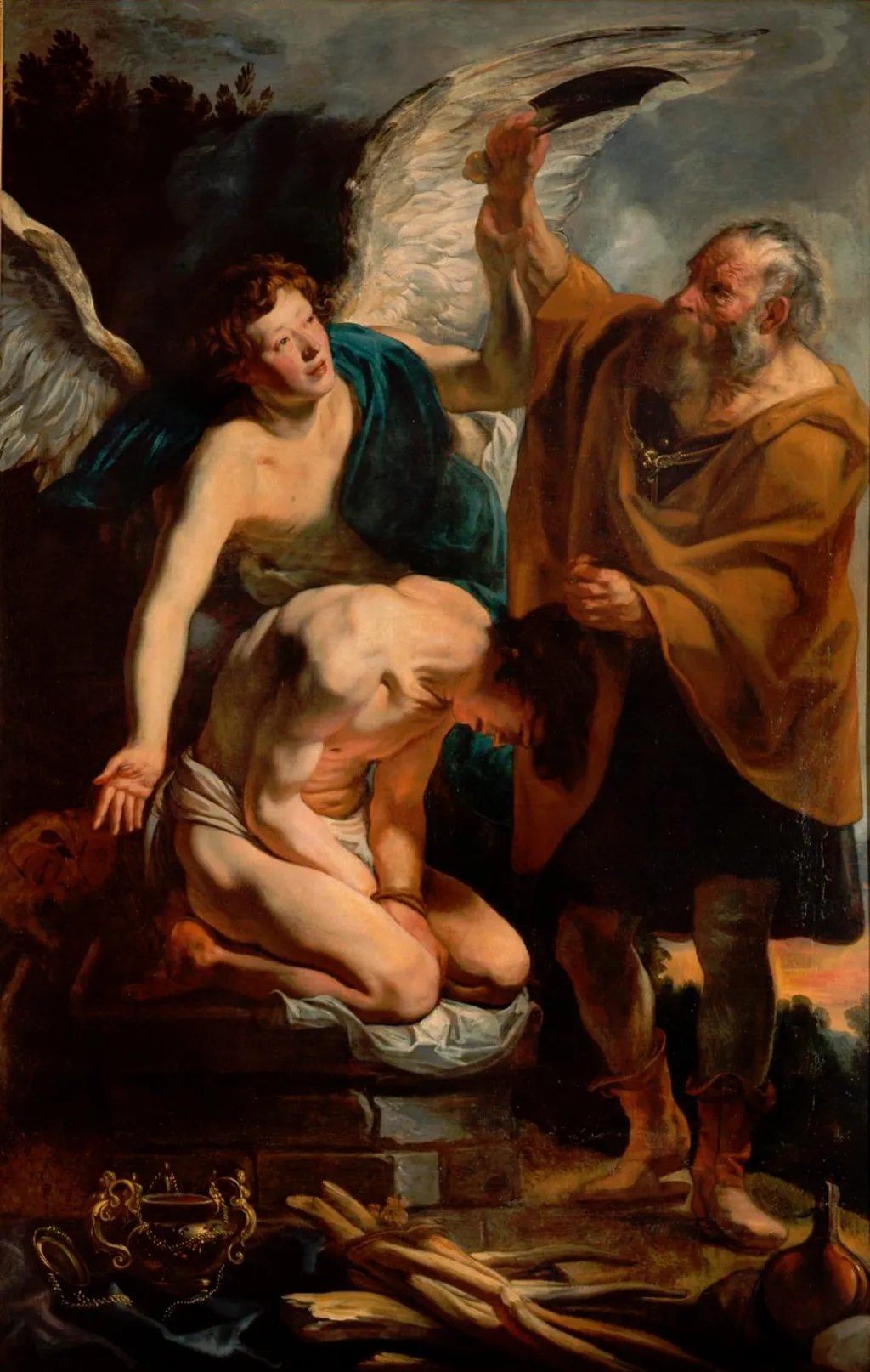
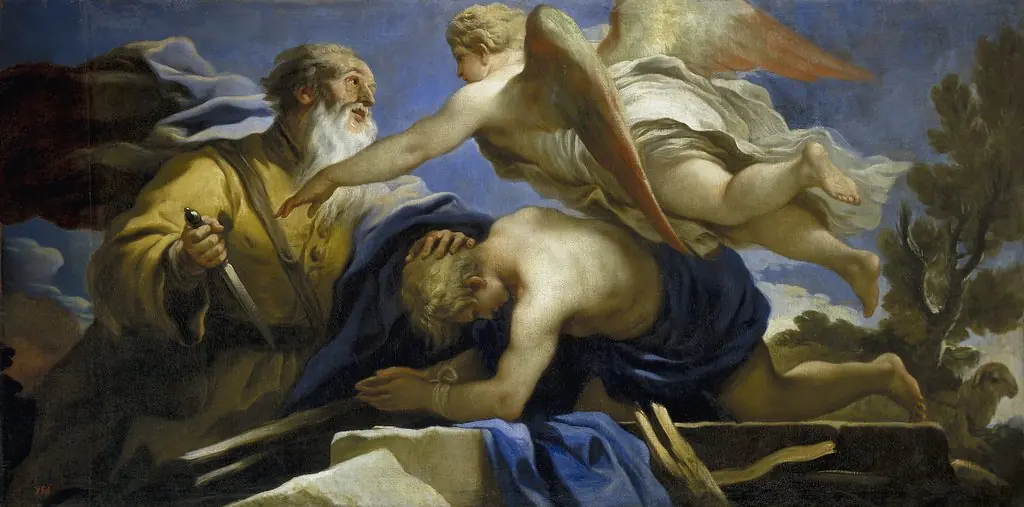
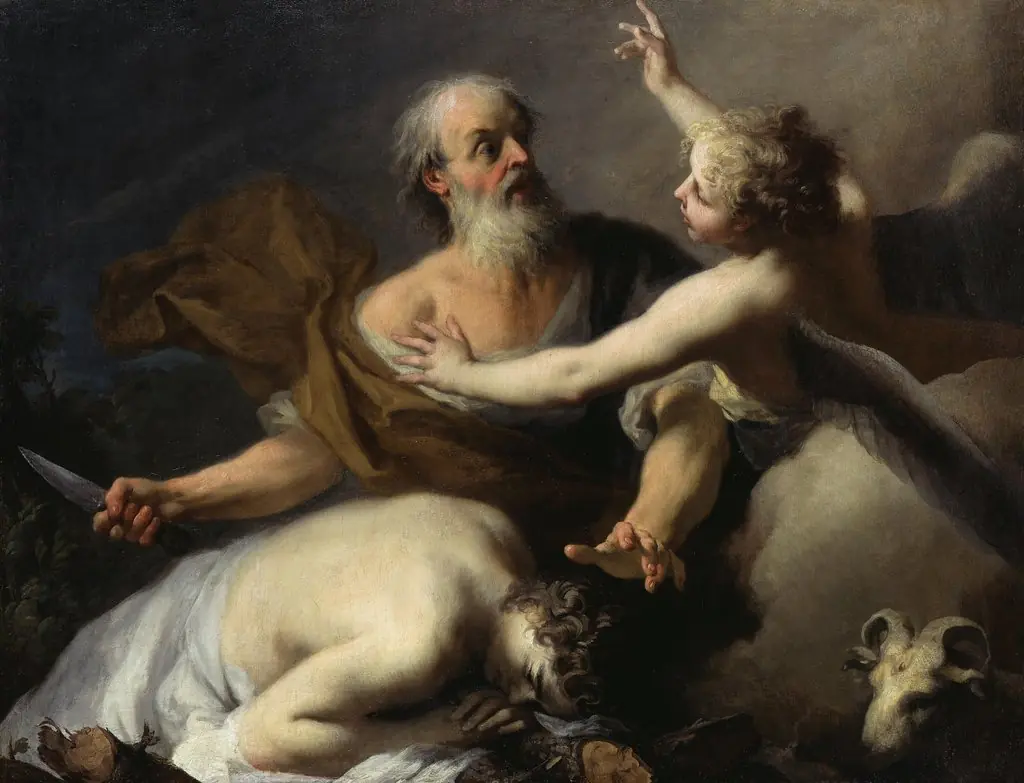
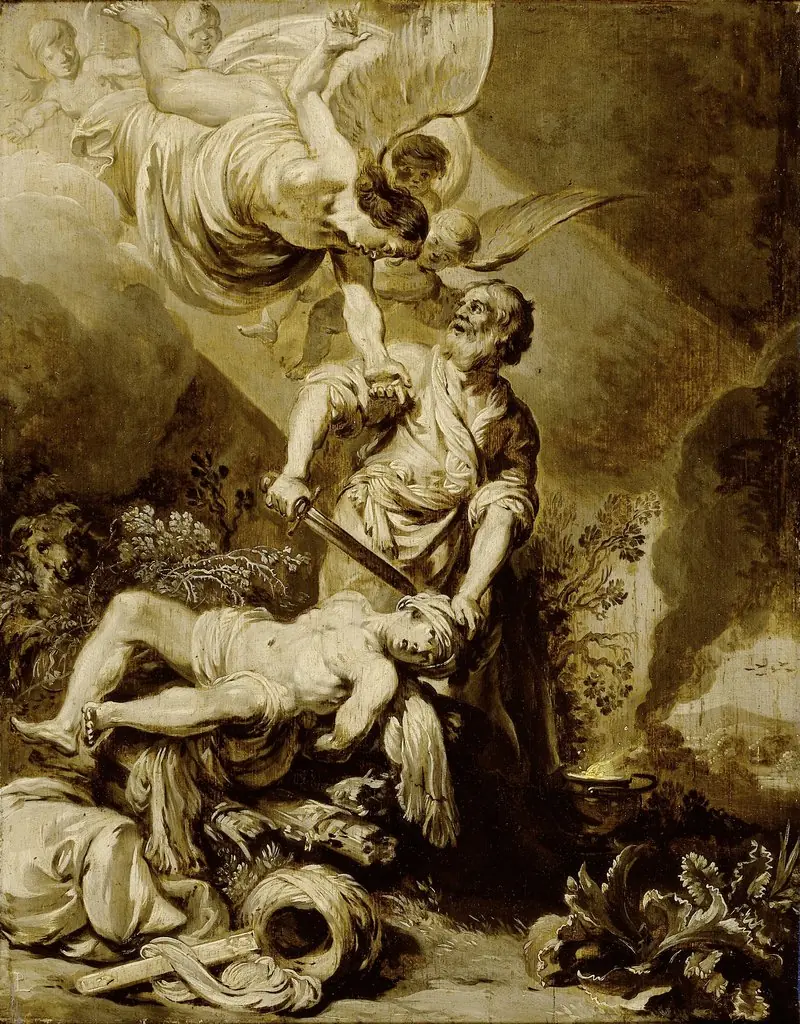
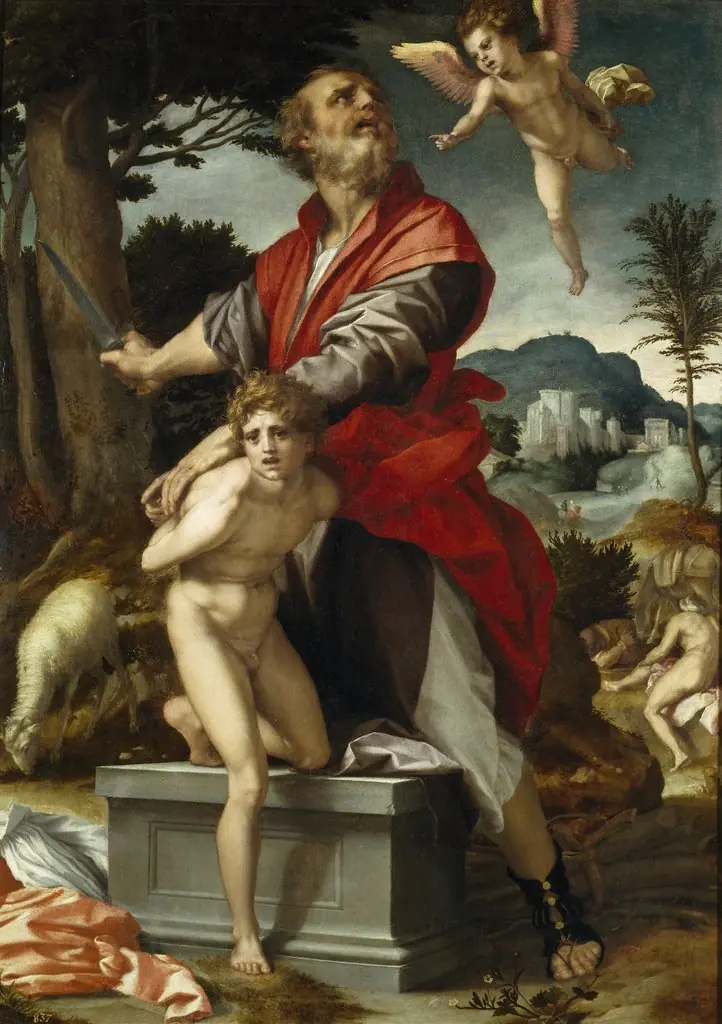
The Sacrifice of Isaac is an oil painting by the Flemish Baroque painting artist Jacob Jordaens. It dates from 1620 and is held in the collection of the Pinacoteca di Brera.
About this work
Overview
Jacob Jordaens’ *The Sacrifice of Isaac* (1620) is an oil painting that presents a pivotal moment from the Genesis narrative. The composition centers on three figures on a stone platform: a man poised with a knife, a kneeling youth partially clothed, and an intervening angel. The work is part of the collection of the Pinacoteca di Brera in Milan.
Subject & Meaning
The scene illustrates Abraham’s readiness to offer his son Isaac as a test of faith, halted by divine intervention. The angel’s outstretched hand and the halted blade convey the tension between obedience and mercy, emphasizing the biblical theme of trust in God’s providence.
Technique & Style
Jordaens employs strong chiaroscuro, contrasting illuminated figures against a dark, indistinct background of trees. The dramatic lighting focuses attention on the central action, while the textured brushwork renders the folds of the brown robe and the gleam of a golden vessel on the ground, enhancing the sense of immediacy.
History & Provenance
Created early in Jordaens’ career, the painting reflects his emergence as a leading Flemish Baroque artist after the deaths of Rubens and van Dyck. It entered the Pinacoteca di Brera’s holdings in the 19th century, where it has remained on public display.
Context
The work aligns with the Flemish Baroque tradition of grand religious narratives, combining dynamic composition with emotional intensity. Jordaens’ focus on large‑scale biblical subjects parallels contemporary commissions for churches and private patrons seeking visual reinforcement of scriptural stories.
Artist & collection
Artist
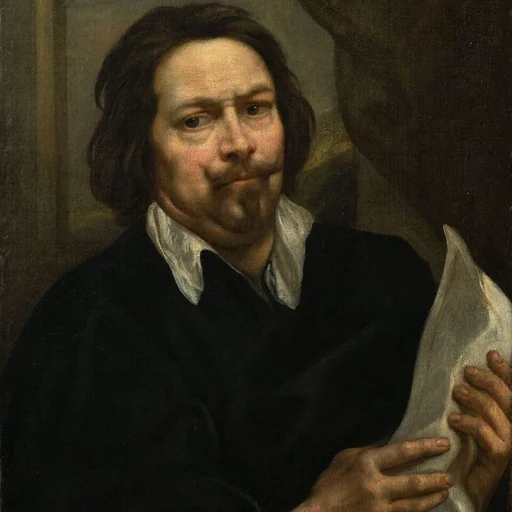
Jacques (Jacob) Jordaens (19 May 1593 – 18 October 1678) was a Flemish painter, draughtsman and a designer of tapestries and prints.

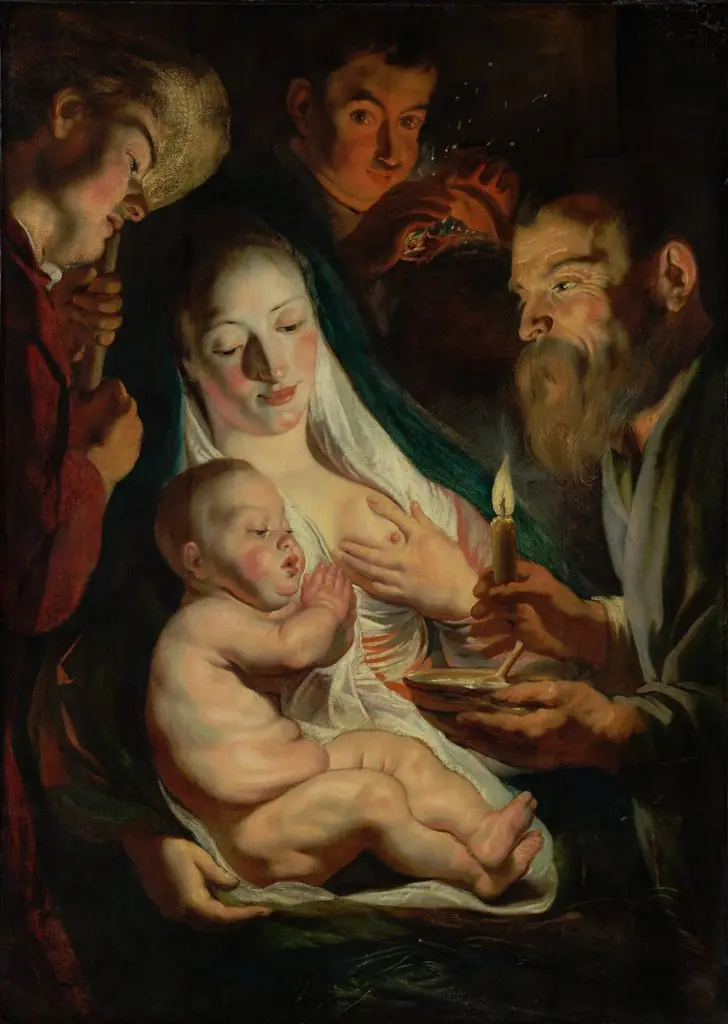 The Holy Family with Shepherds
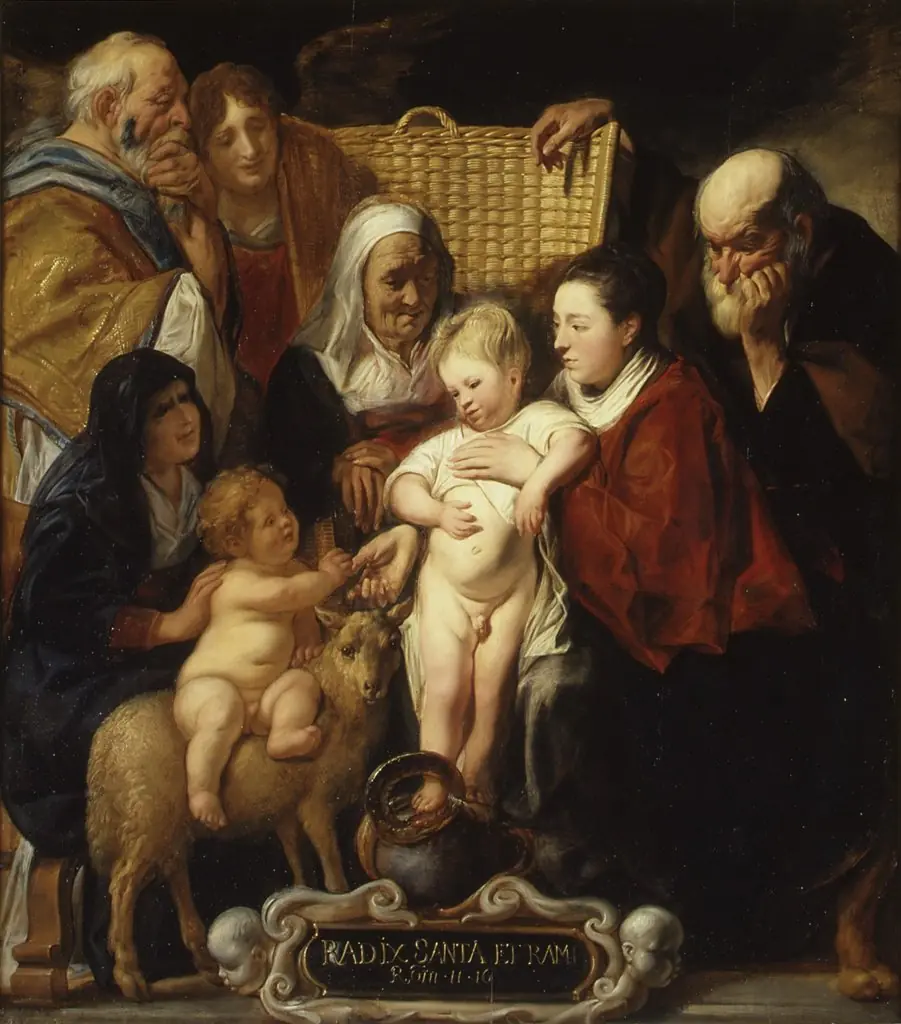 The Holy Family with Saint Anne and the Young Baptist and His Parents
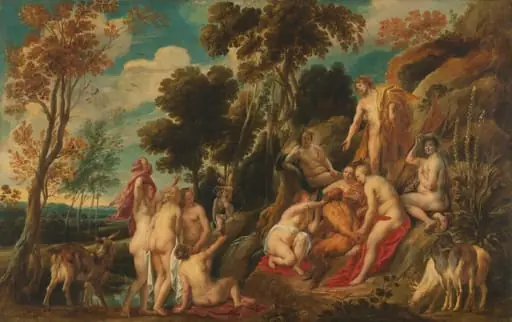 Untitled
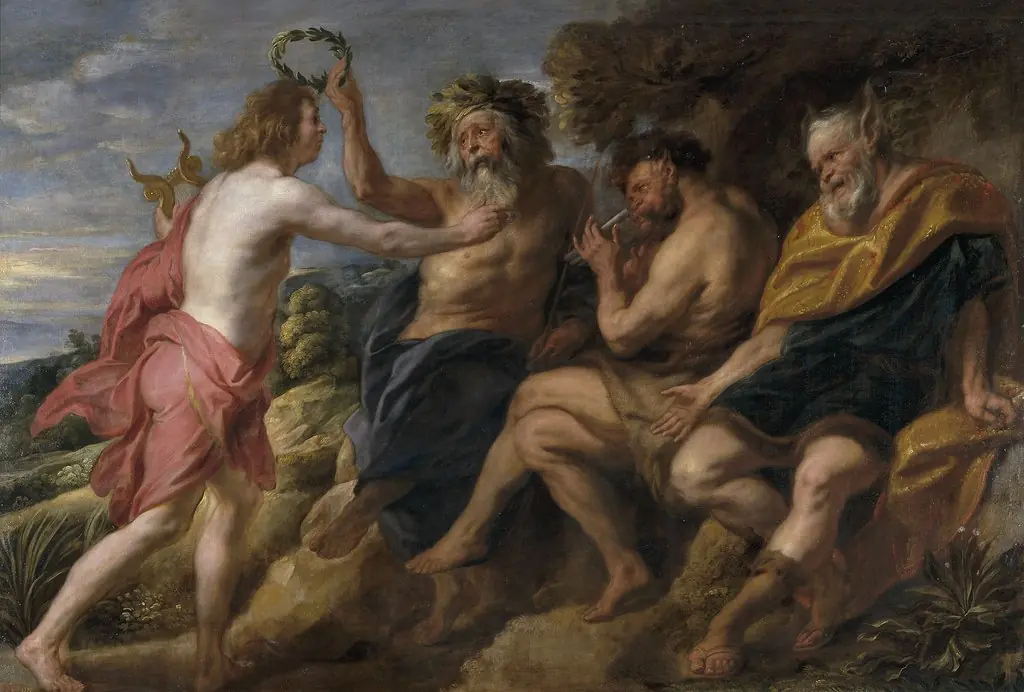 Apollo as Victor over Pan
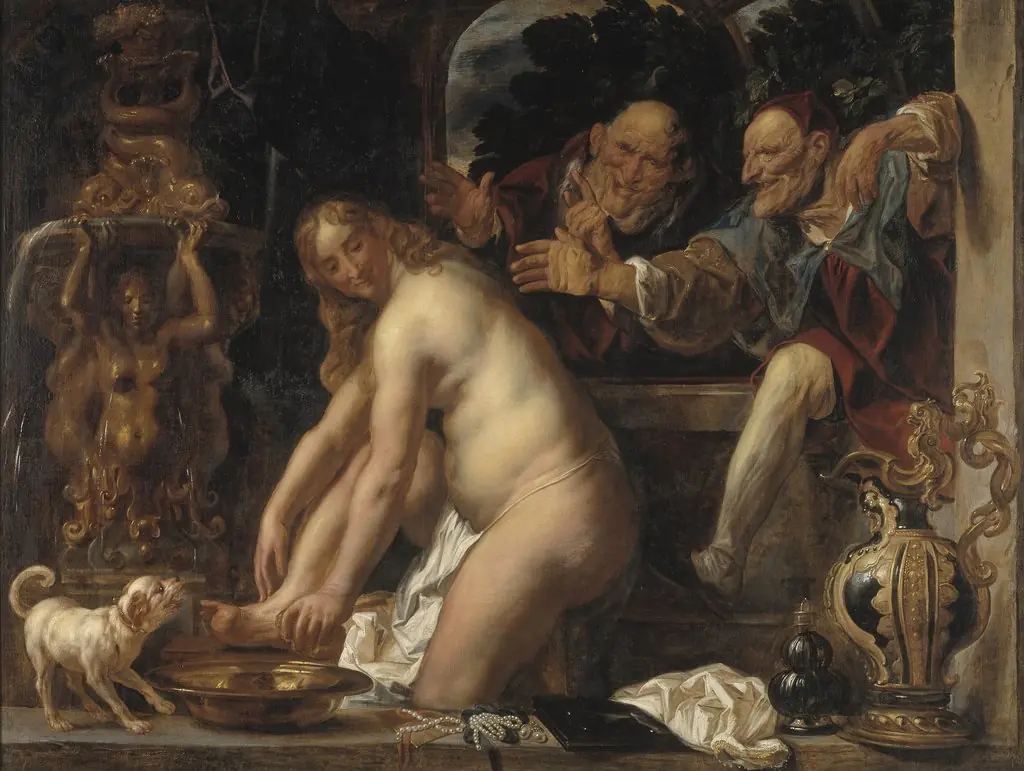 Susanna and the Elders
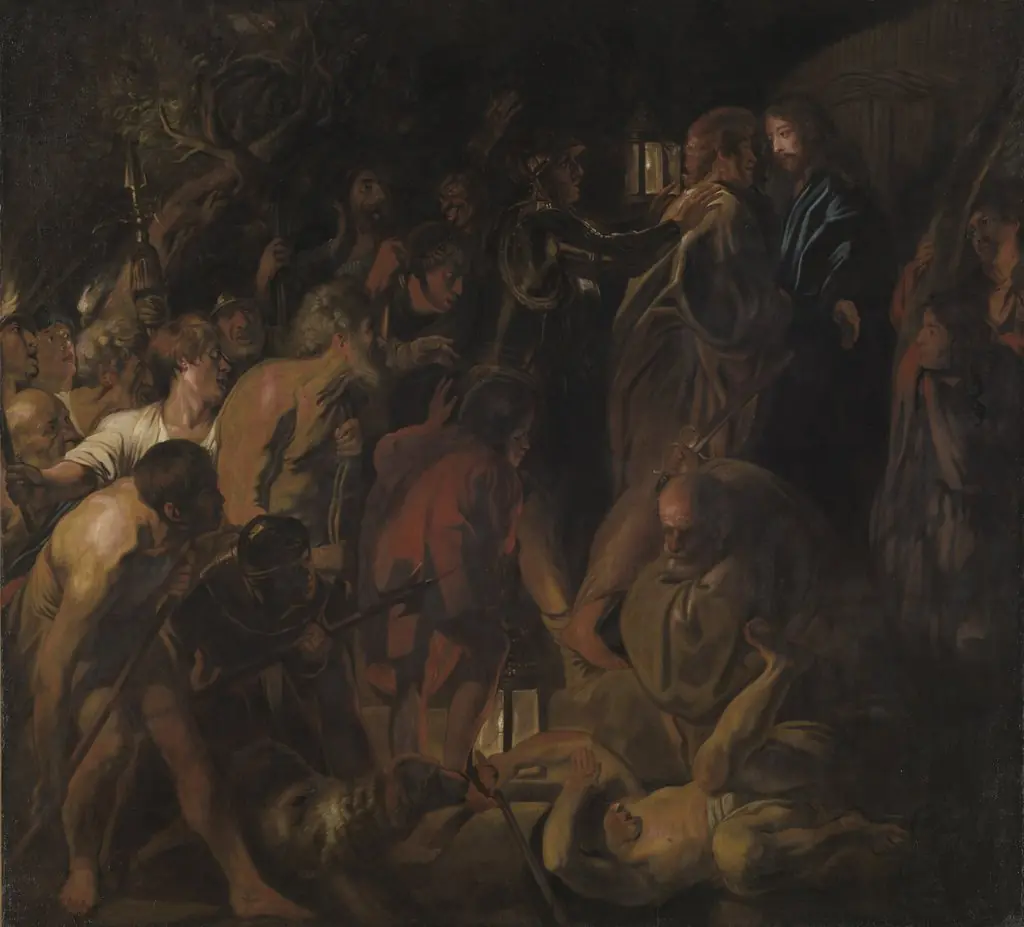 The Betrayal of Christ
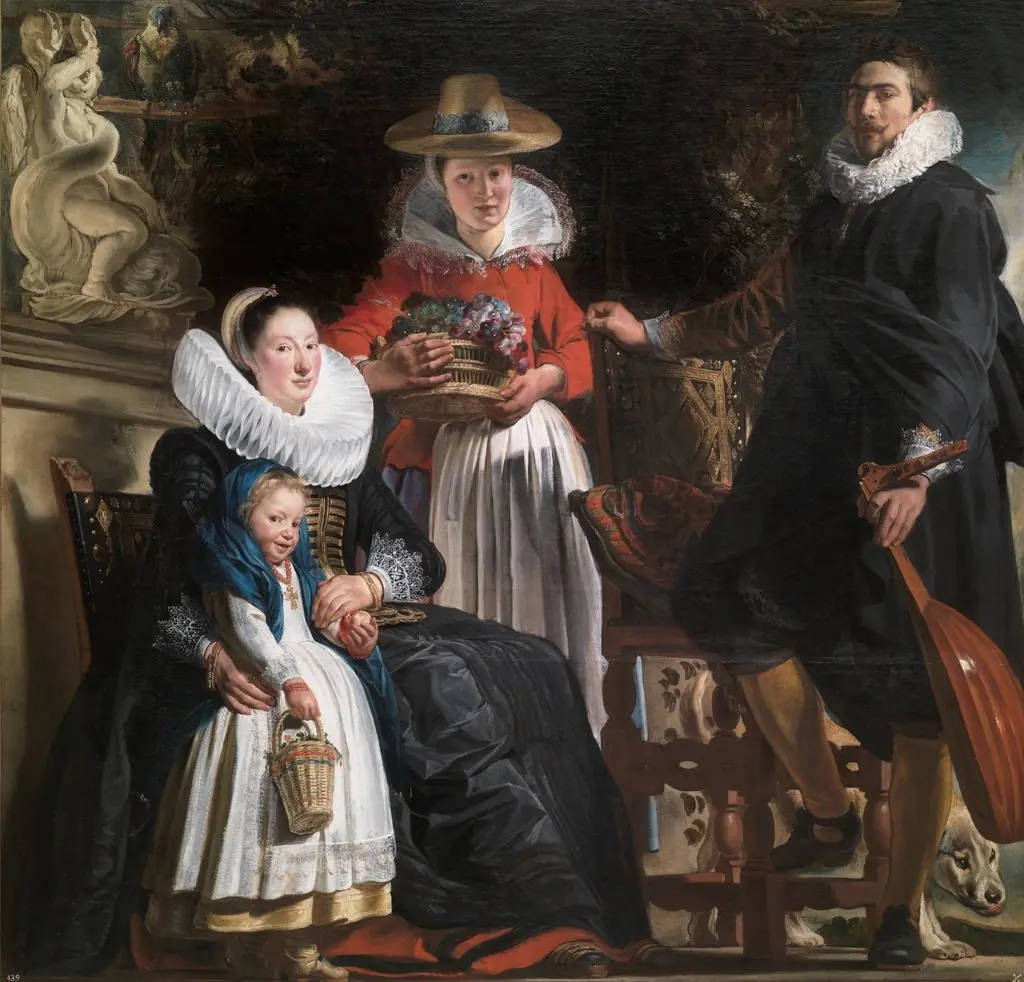 Portrait of the artist with his family
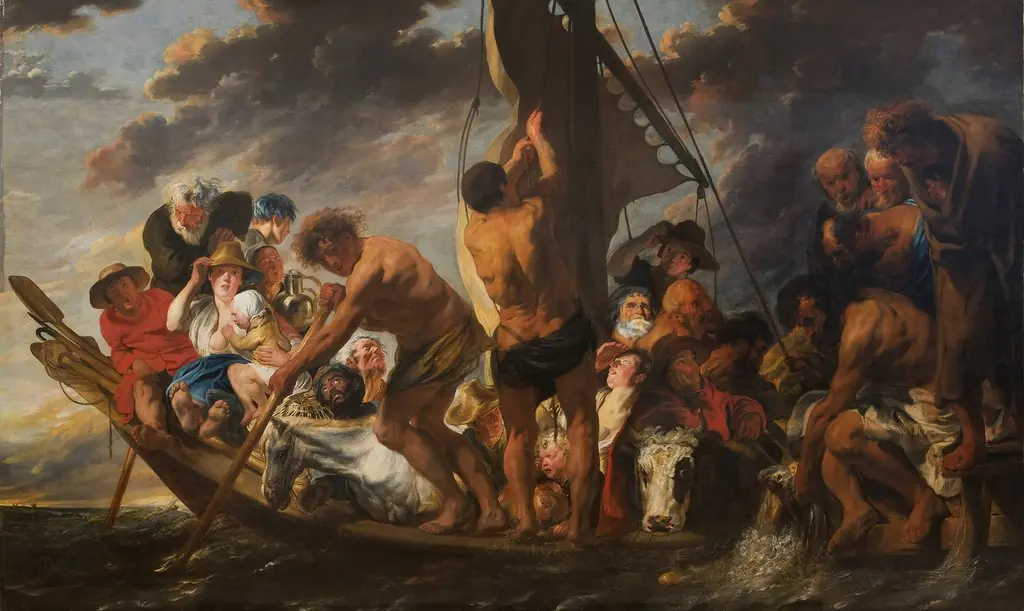 The Tribute Money. Peter Finding the Silver Coin in the Mouth of the Fish. Also called "The Ferry Boat to Antwerp"