Artwork
The sacrifice of Abraham
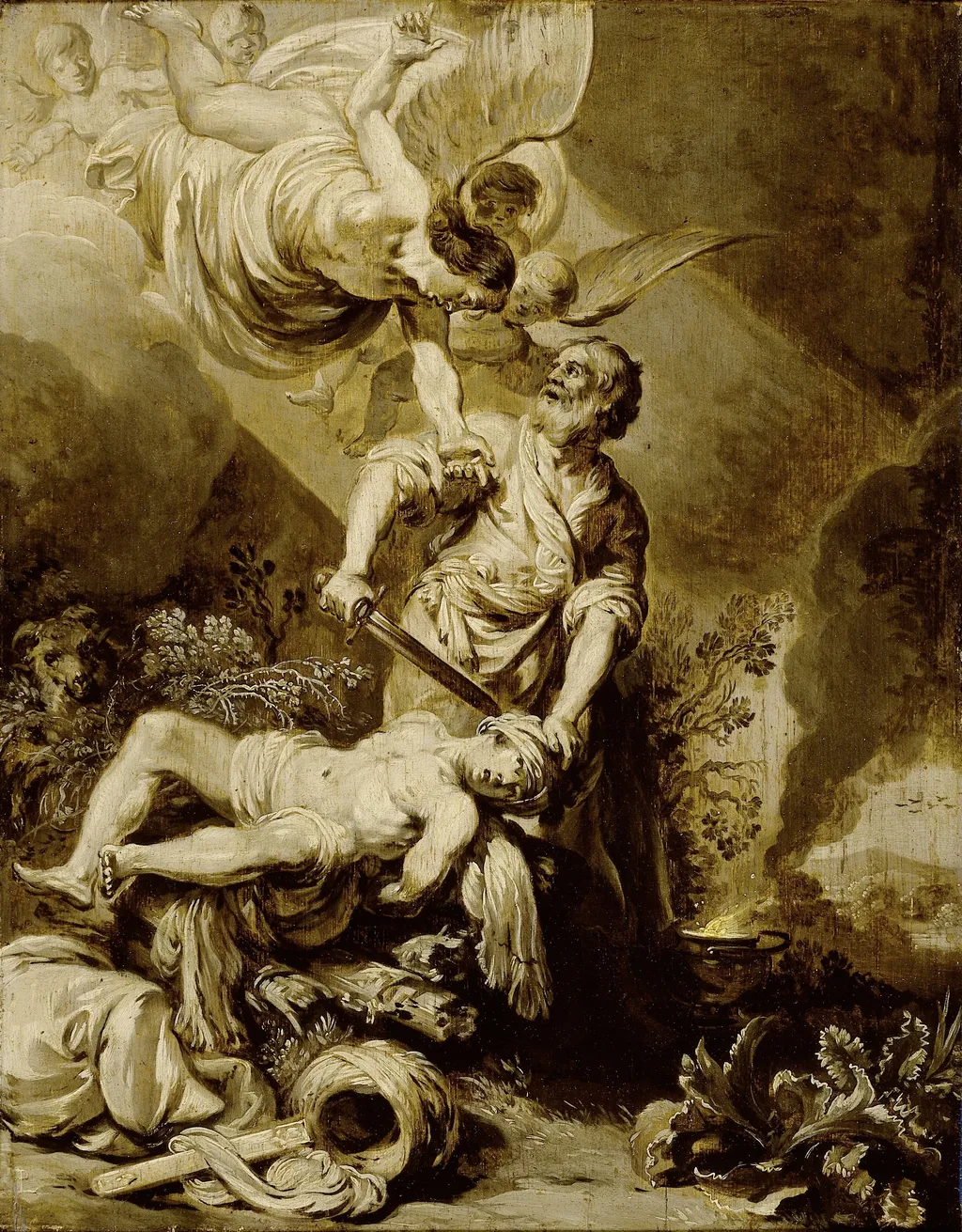
The sacrifice of Abraham is an oil painting by Pieter Lastman. It dates from 1612 and is held in the collection of the Rijksmuseum.
About this work
Overview
The work is part of the Rijksmuseum’s collection and reflects his engagement with religious themes common in early 17th-century Dutch art.
Pieter Lastman painted *The Sacrifice of Abraham* in 1612 using oil on panel. A Dutch artist known for narrative biblical scenes, Lastman focused on expressive human figures and dramatic compositions. The work is part of the Rijksmuseum’s collection and reflects his engagement with religious themes common in early 17th-century Dutch art. His approach to storytelling through gesture and expression would later influence his pupils, including Rembrandt.
Subject & Meaning
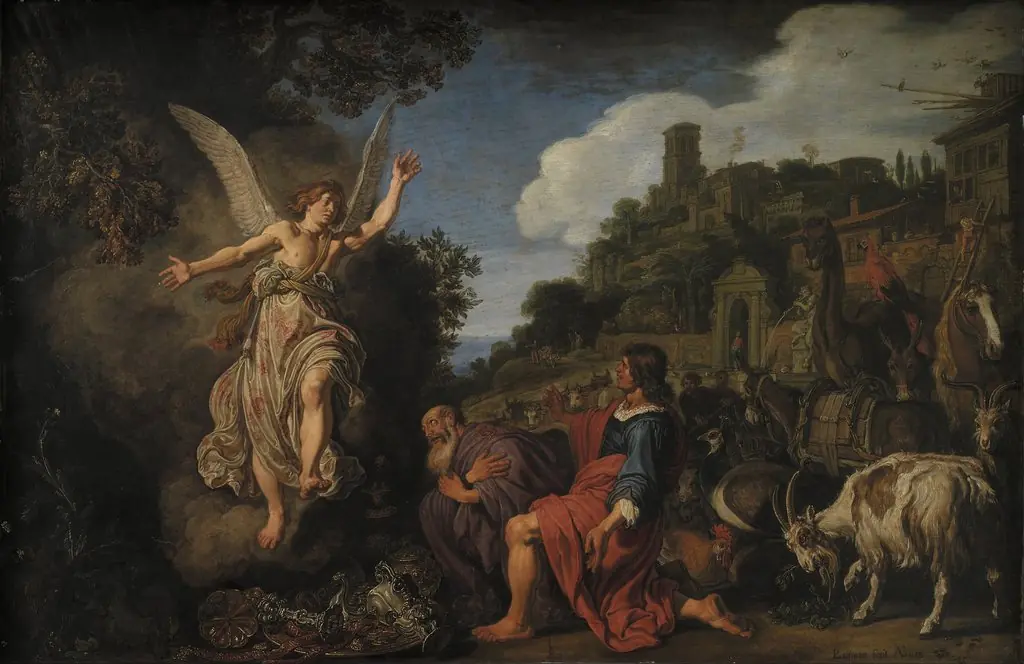
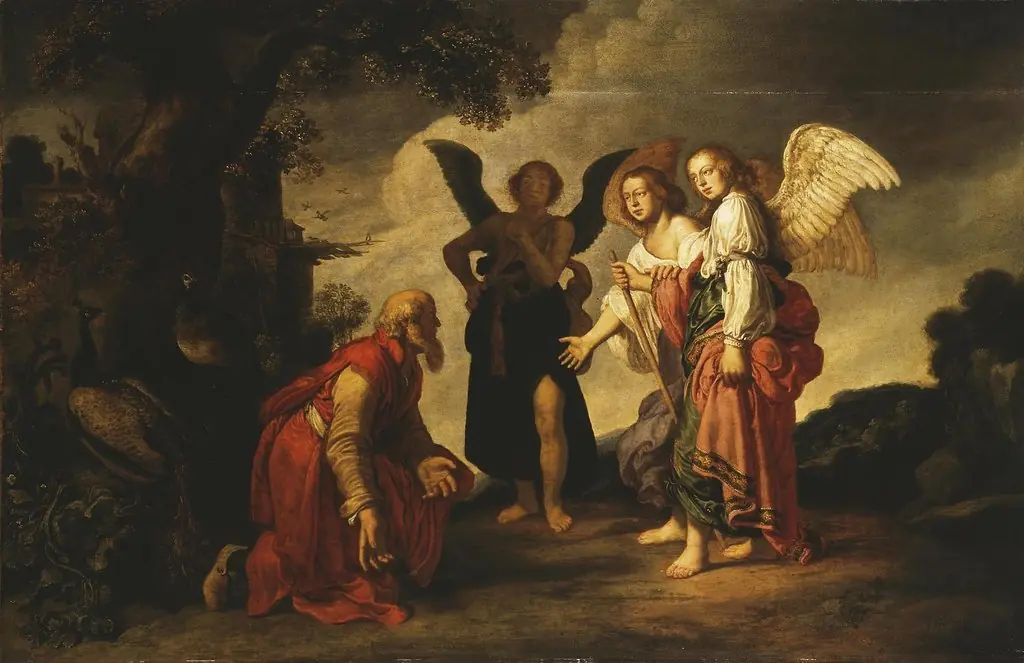
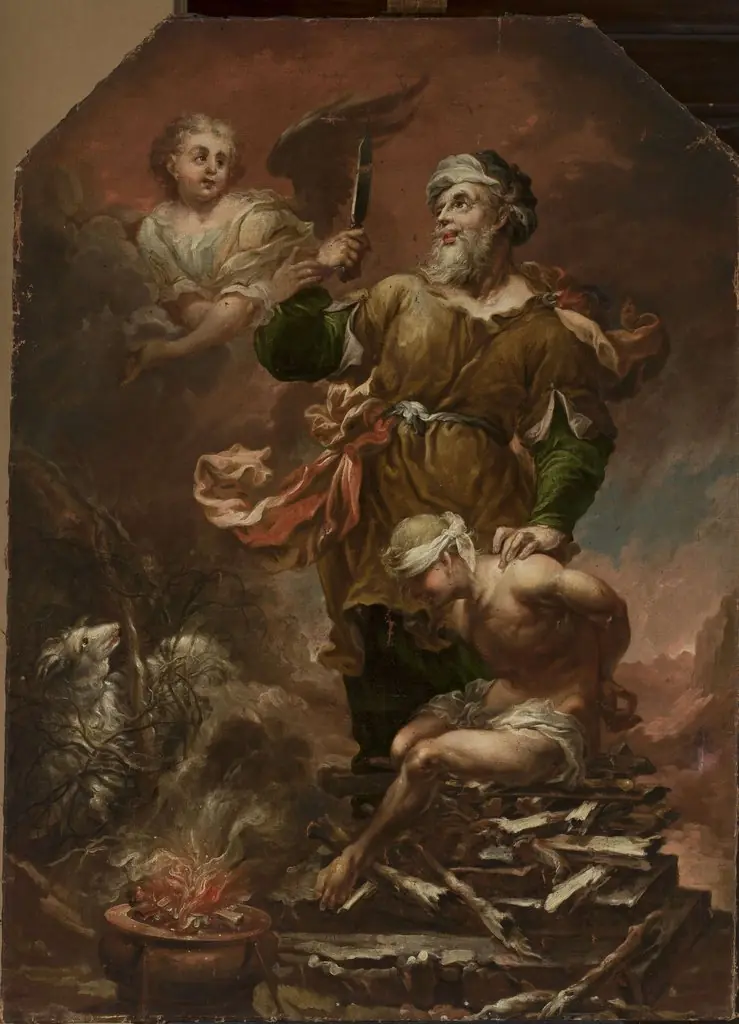
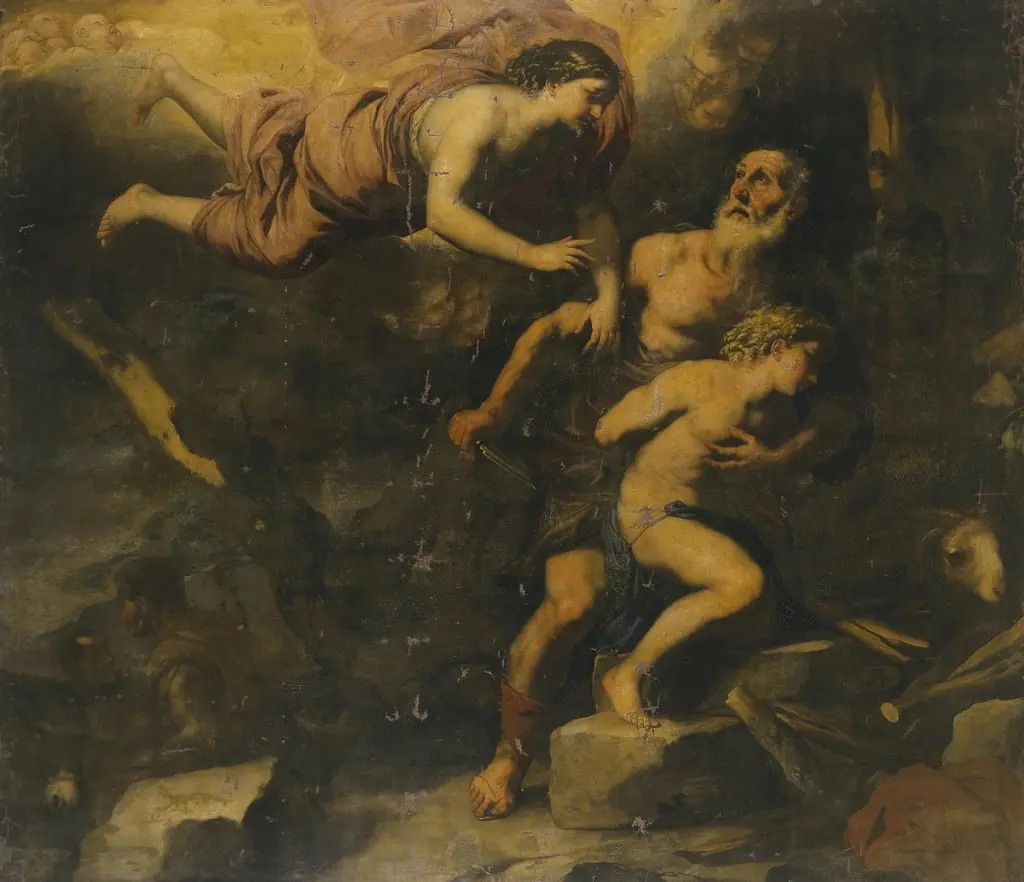
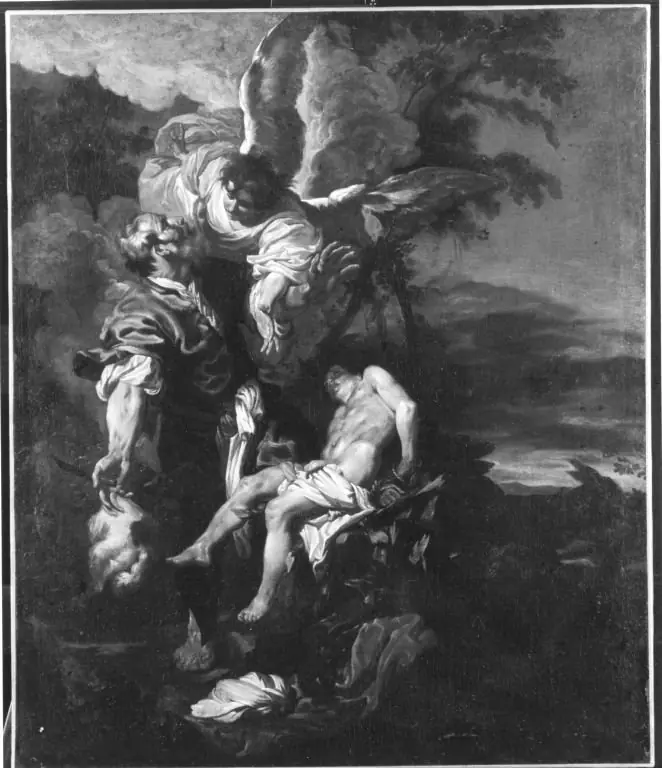
The painting depicts the moment from Genesis when Abraham is halted by an angel as he prepares to sacrifice his son Isaac. The tension lies in the contrast between Abraham’s desperate resolve and the divine intervention that stops him. The scene conveys obedience tested by faith, a theme central to Protestant interpretations of the Old Testament. The angel’s outstretched hand and Abraham’s frozen motion emphasize divine authority overriding human will.
Technique & Style
Lastman employed chiaroscuro to heighten emotional intensity, using stark contrasts between light and shadow to define the figures’ forms and gestures. Facial expressions and anatomical details—hands, feet, and strained muscles—are rendered with precision, underscoring psychological depth. The rocky terrain and scattered vegetation ground the scene in a tangible world, while swirling clouds above suggest celestial intervention, reinforcing the narrative’s spiritual weight.
History & Provenance
Created in 1612, the painting entered the Rijksmuseum’s collection in the 19th century. Lastman, active in Amsterdam, was a leading figure in the development of Dutch history painting before Rembrandt’s rise. Though few of his works survive, this piece is among the most complete examples of his mature style. Its preservation reflects its recognized significance in the evolution of Dutch religious art during the early Baroque period.
Context
In early 17th-century Holland, biblical narratives were favored subjects for artists, especially as Protestantism discouraged ornate church decoration. Paintings like this served as private devotional aids or demonstrations of moral virtue. Lastman’s focus on psychological realism and dynamic composition aligned with broader trends in Northern European art, where narrative clarity and emotional immediacy were increasingly valued over idealized forms.
Legacy
Lastman’s treatment of this biblical episode directly influenced his students, particularly Rembrandt, who revisited the subject multiple times with greater psychological complexity. While Lastman’s style was more theatrical and less introspective than his pupil’s, his emphasis on expressive anatomy and dramatic lighting laid foundational techniques for Dutch Baroque painting. His work helped shift religious art toward human-centered storytelling.
Own this work as a print
Artist & collection
Artist
Pieter Lastman (1583–1633) was a Dutch painter. Lastman is considered important because of his work as a painter of history pieces and because his pupils included Rembrandt and Jan Lievens. In his paintings Lastman paid…