Artwork
Portrait of Philippe le Mire (1596-?)
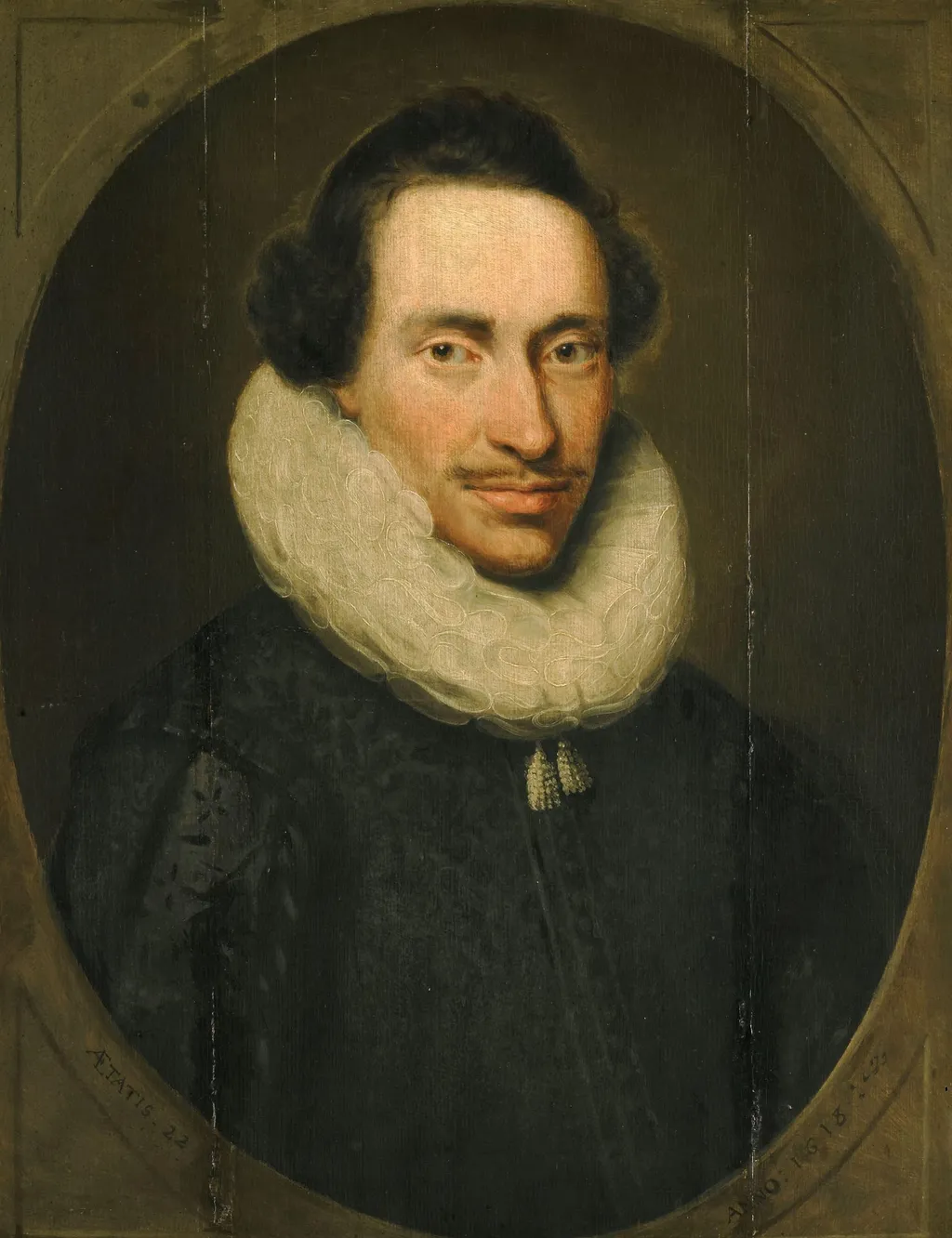
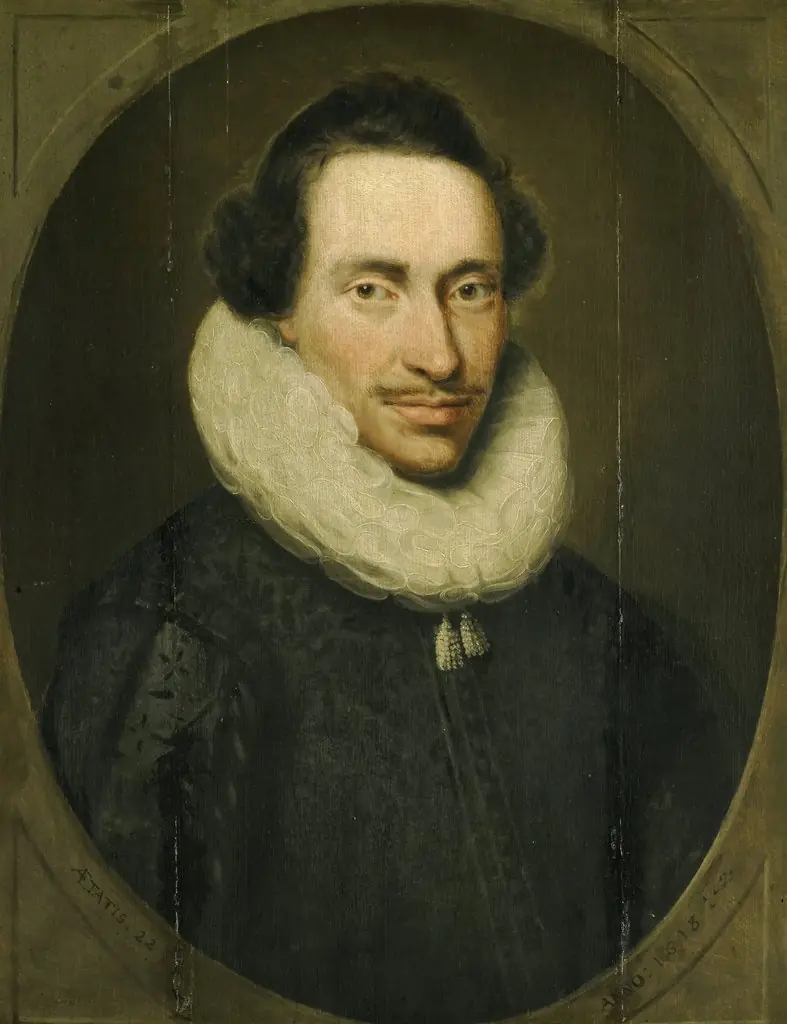
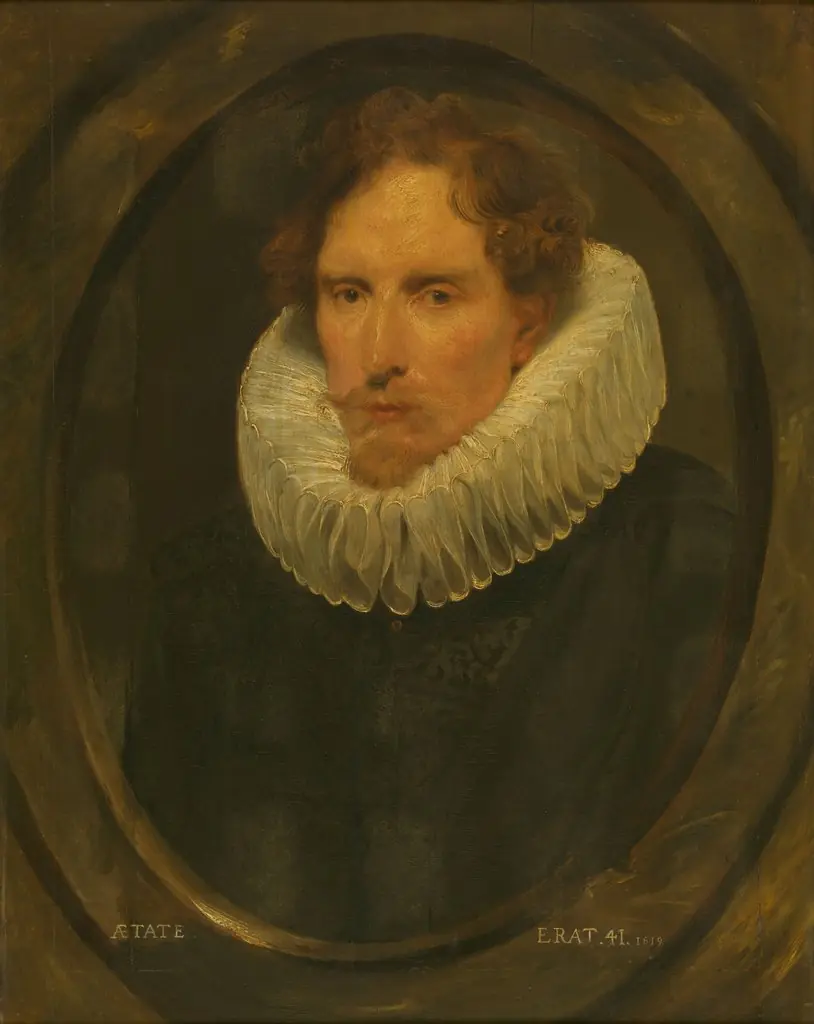
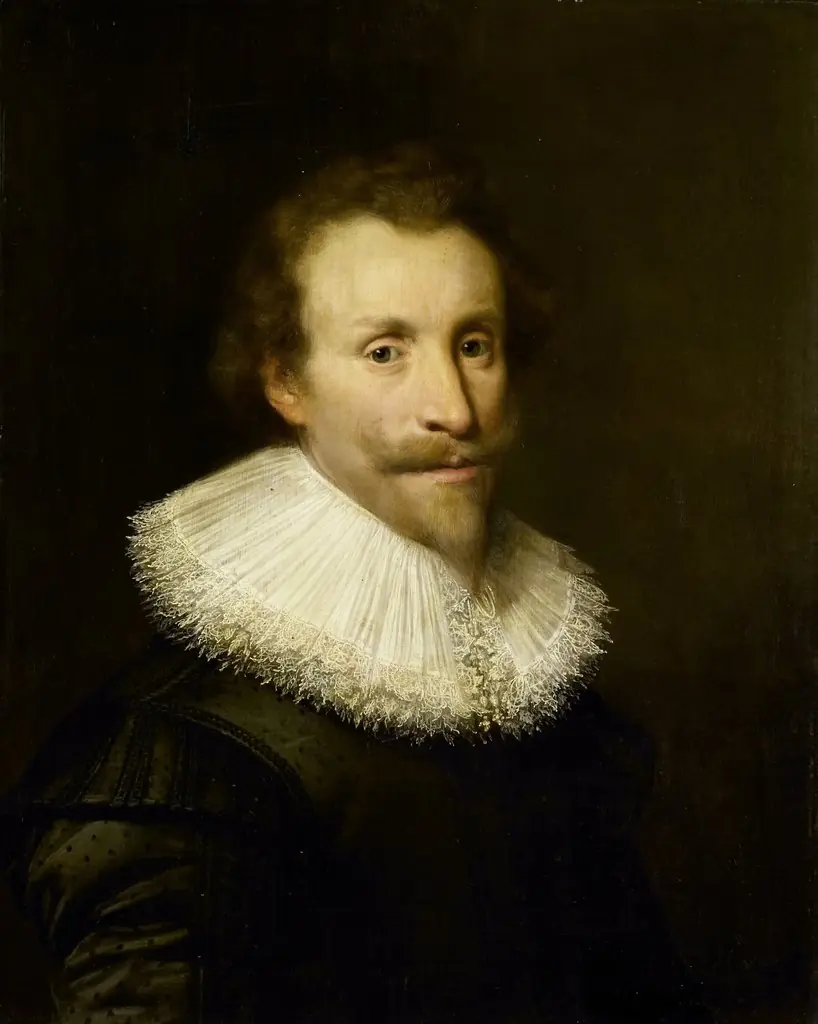
Portrait of Philippe le Mire (1596-?) is an unspecified painting by the Dutch Golden Age artist Jacob Lambrechtsz Loncke. It dates from 1618 and is held in the collection of the Rijksmuseum. The work is a portrait bust of a man presented within an oval frame, turned slightly to the viewer’s right.
About this work
The museum thinks it was made in 1618, but the man lived much earlier—so this might be a copy of an older portrait.
A man in a black coat looks straight at you from inside an oval frame. His white collar is stiff, his mustache thin. The background is dark, so his face stands out.
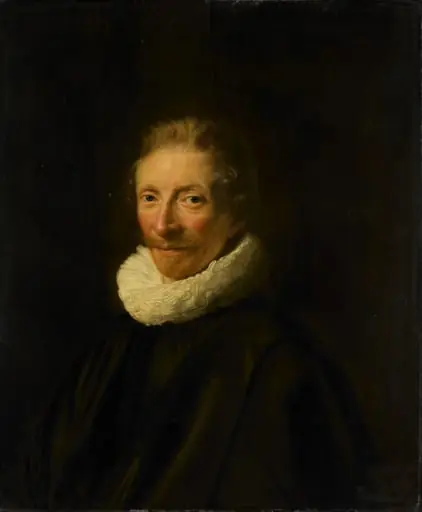
We don’t know who painted it or even what paint was used. The museum thinks it was made in 1618, but the man lived much earlier—so this might be a copy of an older portrait. The label calls it a “pendant,” meaning it probably hung next to another picture, maybe of his wife.
To see more faces like this, visit the Rijksmuseum.
Overview
The work is a portrait bust of a man presented within an oval frame, turned slightly to the viewer’s right. He wears a dark coat, a crisp white collar, and a thin mustache, set against a deep, unlit background that emphasizes his facial features. The composition suggests a formal, individual likeness typical of early‑modern portraiture.
Subject & Meaning
The sitter is identified as Philippe le Mire, a figure whose lifespan is recorded as 1596 onward. The portrait’s direct gaze and restrained attire convey a sense of personal dignity and social standing, while the oval format and solitary presentation hint at a commemorative purpose, possibly intended for display alongside a complementary image, such as a spouse’s portrait.
Technique & Style
Executed in an unknown medium, the painting displays a restrained palette dominated by dark tones and a stark white collar, creating a chiaroscuro effect that isolates the subject. The thin, precise rendering of the moustache and the smooth modeling of the face reflect a careful, realistic approach characteristic of early seventeenth‑century portraiture, though the exact hand remains unidentified.
History & Provenance
The museum dates the piece to around 1618, a period later than the sitter’s birth, suggesting the image may be a later copy of an earlier portrait. It is catalogued as a pendant to another work (SK‑A‑907), indicating it was originally paired with a companion piece, likely forming a double portrait set.
Context
Oval‑shaped portraits were common in the early modern period for private or domestic display, often flanking each other in a pair to represent a married couple or family members. The somber background and formal attire align with contemporary conventions for depicting gentlemen of status, emphasizing personal virtue over decorative surroundings.
Artist & collection

Artist
Jacob Lambrechtsz. Loncke (1580–1644) was a Dutch Golden Age painter from Zierikzee. He was the son of Lambrecht Jeroen Pietersz Loncke and Mayke Cornelis Leijst and the brother of Rochus. He married Sara Rembrandtsdr…