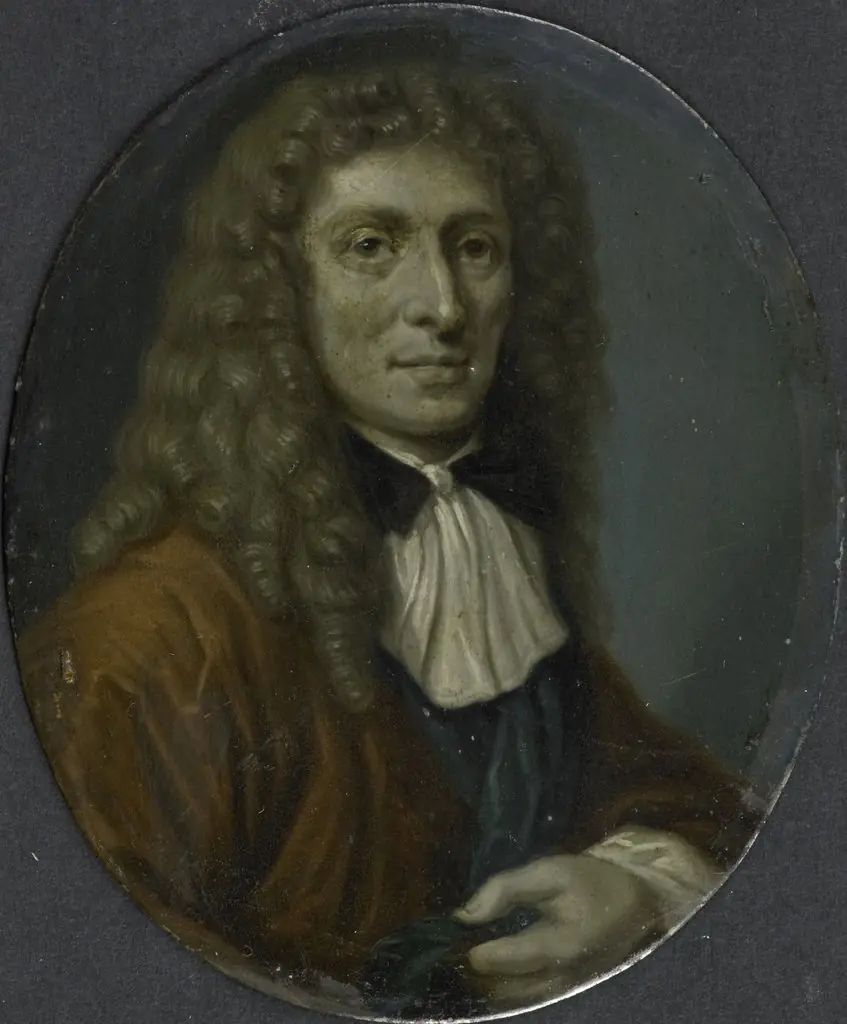
Artwork
Portrait of a man
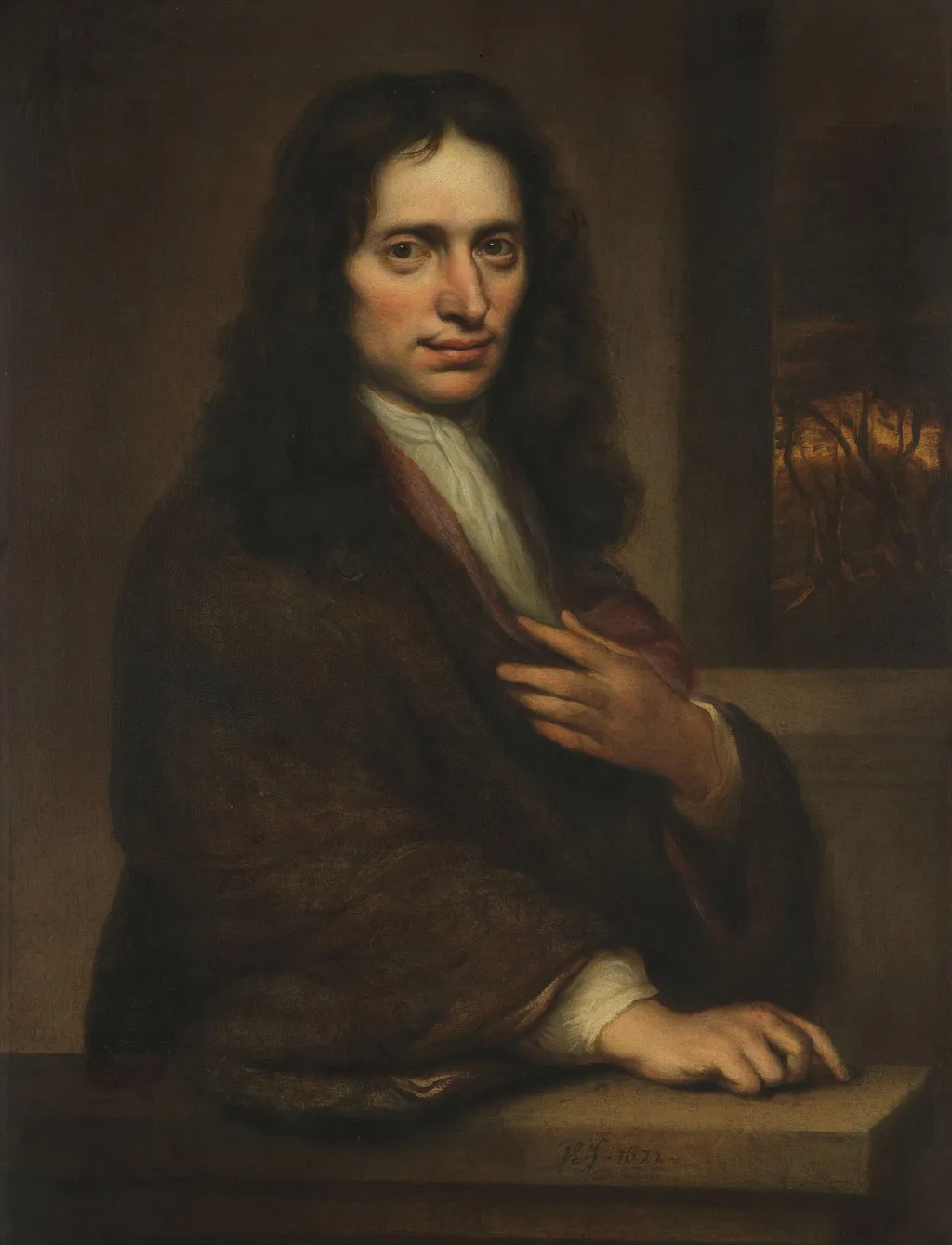
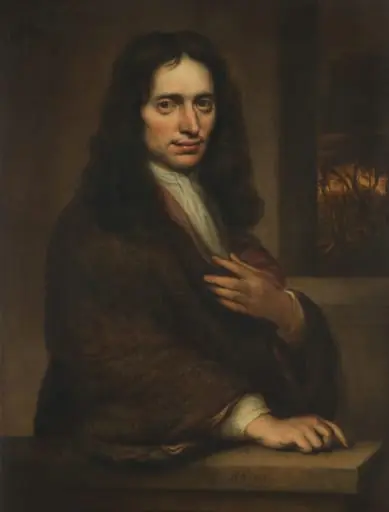
Portrait of a man is an oil painting by the Dutch Golden Age artist Jacob Levecq. It dates from 1672 and is held in the collection of the Rijksmuseum.
About this work
Overview
Jacob Levecq’s *Portrait of a Man* (1672) is an oil painting from the Dutch Golden Age. Executed by an artist who studied under Rembrandt, the work depicts an anonymous sitter and currently belongs to the Rijksmuseum’s collection.
Subject & Meaning
The canvas presents a middle‑aged gentleman dressed in a dark coat with contrasting white cuffs. He rests his chin on one hand while the other grasps a small, indeterminate object—perhaps a letter or a glove—suggesting a moment of quiet contemplation. The sitter’s expression is restrained, conveying a sober, introspective mood.
Technique & Style
Levecq employs a pronounced chiaroscuro, using deep shadows to isolate the figure against a muted backdrop. The interplay of light and dark accentuates the facial features, rendering the cheekbones and eyes with crisp clarity. The limited background, hinted by a fragment of another painting, reinforces the focus on the individual.
History & Provenance
Created in 1672, the portrait reflects Levecq’s mature period after his apprenticeship with Rembrandt. Over the centuries it entered various private collections before being acquired by the Rijksmuseum, where it remains on display as part of the museum’s representation of 17th‑century Dutch portraiture.
Own this work as a print
Artist & collection
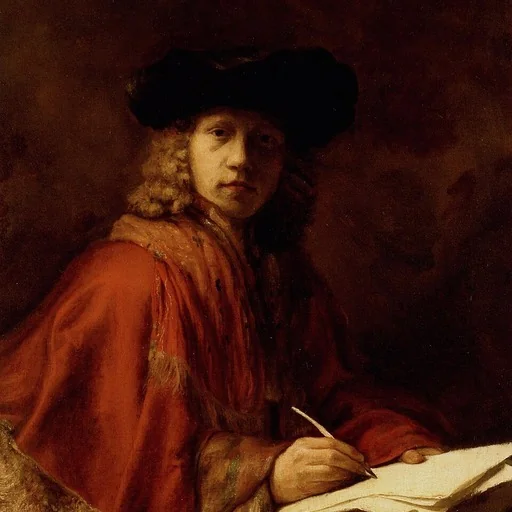
Artist
Jacob Levecq (c.1634–1675), né Jacques L'Evesque, who signed his name J. Leveck or J. L., and was also referred to as Jakob Lavecq, Jacobus Levecq, Jacobus L'Evesque, and Jacobus Lavecq, was a Dutch Golden Age painter trained by Rembrandt.