Artwork
Portrait of a Man
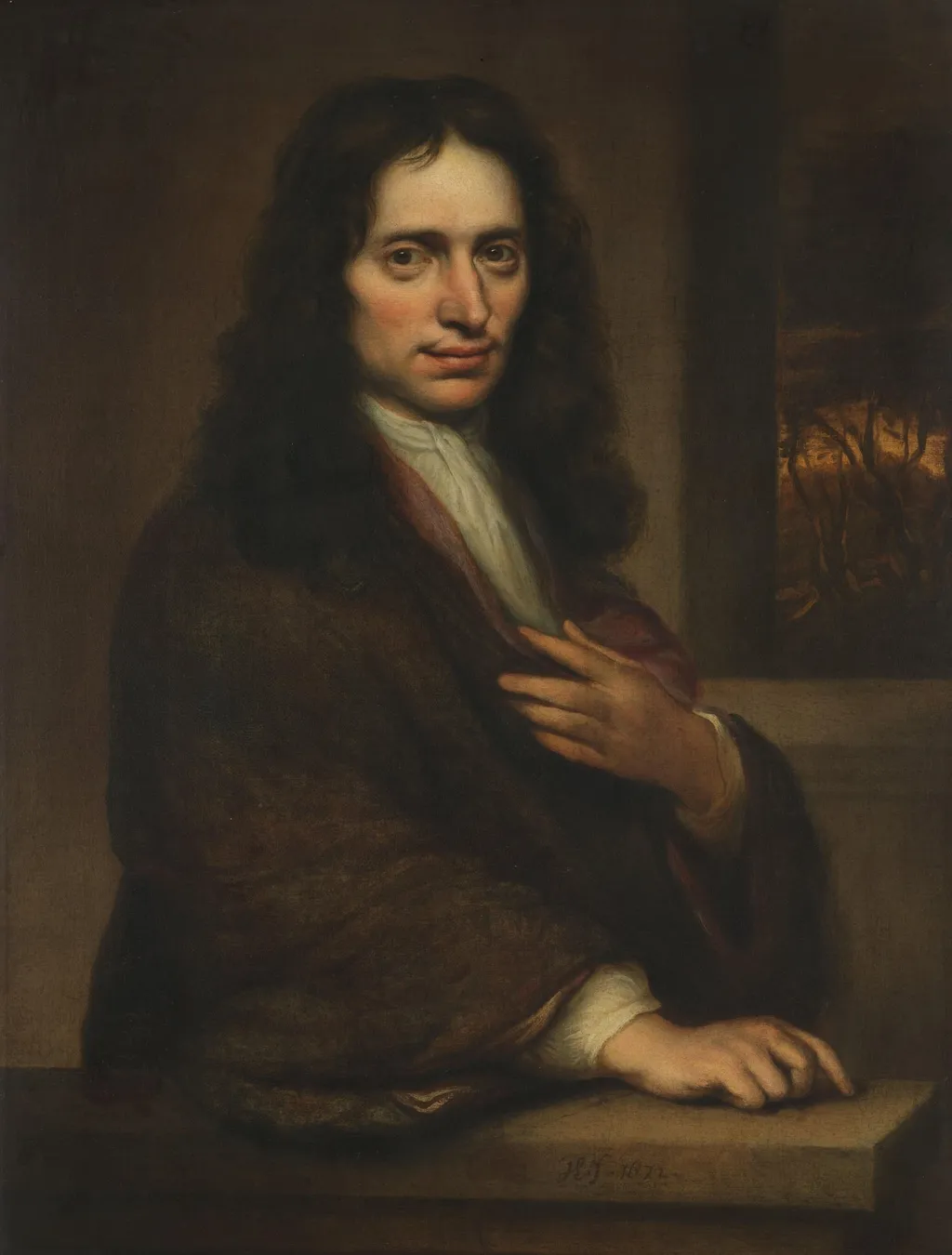
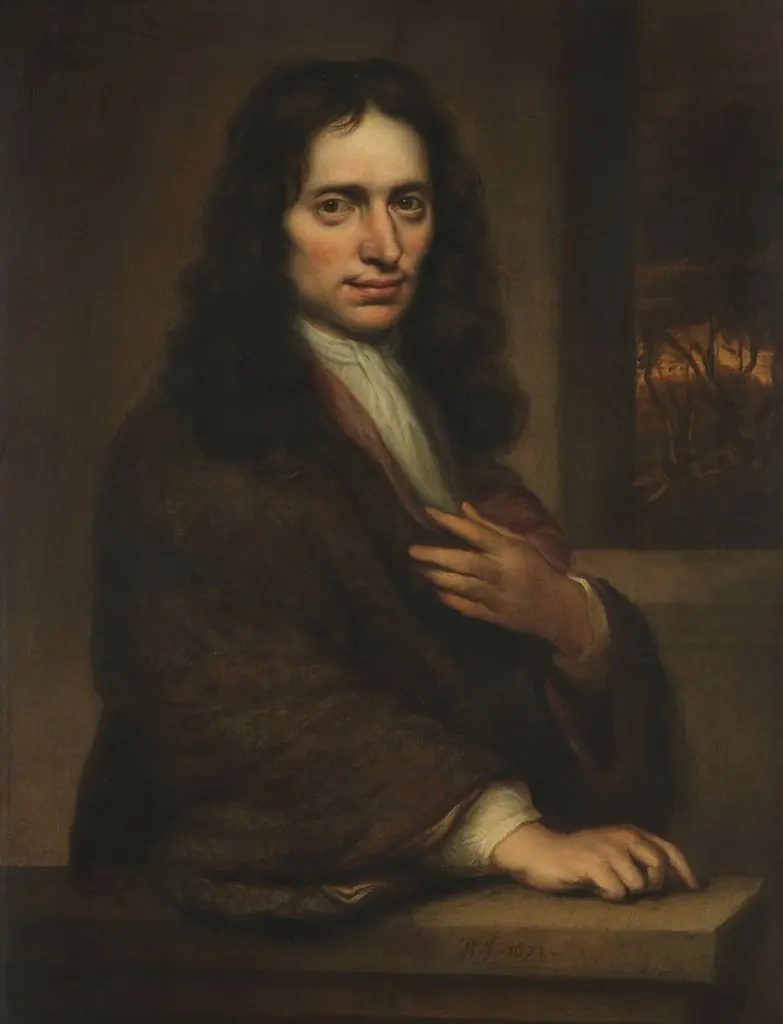
Portrait of a Man is an unspecified painting by the Baroque artist Jacob Levecq. It dates from 1672 and is held in the collection of the Rijksmuseum. The work presents a half‑length figure of a young man, positioned in profile as he leans against a stone balustrade.
About this work
Overview
The work presents a half‑length figure of a young man, positioned in profile as he leans against a stone balustrade. To his right a window opens onto a gently rolling landscape, allowing daylight to illuminate his dark coat and crisp white collar. The composition captures a brief, contemplative pause.
Subject & Meaning
The sitter appears poised yet unembellished, his gaze directed outward without a smile. The restrained expression and the simple setting suggest a focus on personal presence rather than narrative, inviting viewers to consider the individual's inner steadiness.
Technique & Style
The painter employs a clear contrast between illuminated areas and shadowed planes, a hallmark of chiaroscuro. Soft modelling of the facial features and the subtle gradation of light across the fabric convey depth, while the background remains loosely rendered, emphasizing the figure.
History & Provenance
The artist’s identity remains unknown, and no documented commission or ownership trail accompanies the piece. Its provenance is limited to its current museum collection, where it is displayed as an example of early portraiture employing dramatic light effects.
Own this work as a print
Artist & collection
Artist
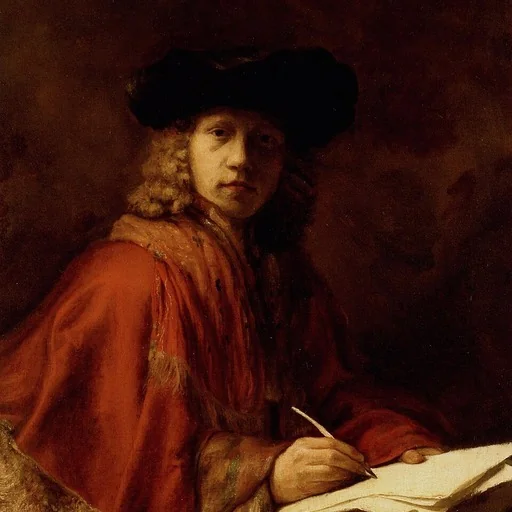
Jacob Levecq (c.1634–1675), né Jacques L'Evesque, who signed his name J. Leveck or J. L., and was also referred to as Jakob Lavecq, Jacobus Levecq, Jacobus L'Evesque, and Jacobus Lavecq, was a Dutch Golden Age painter trained by Rembrandt.