Artwork
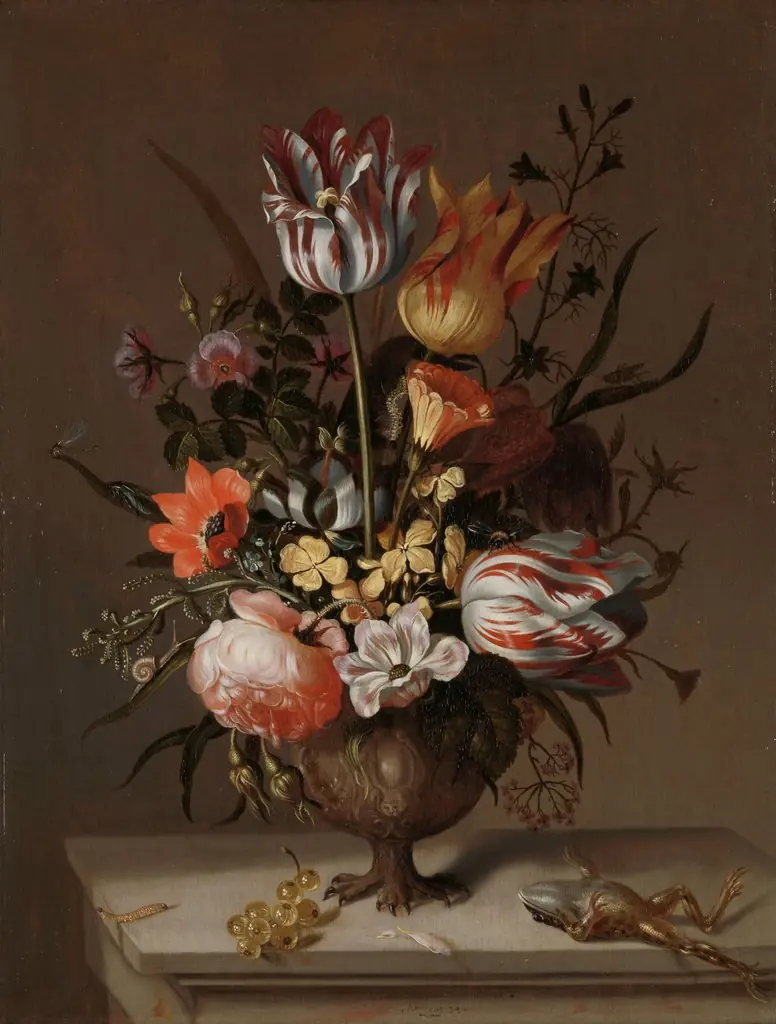
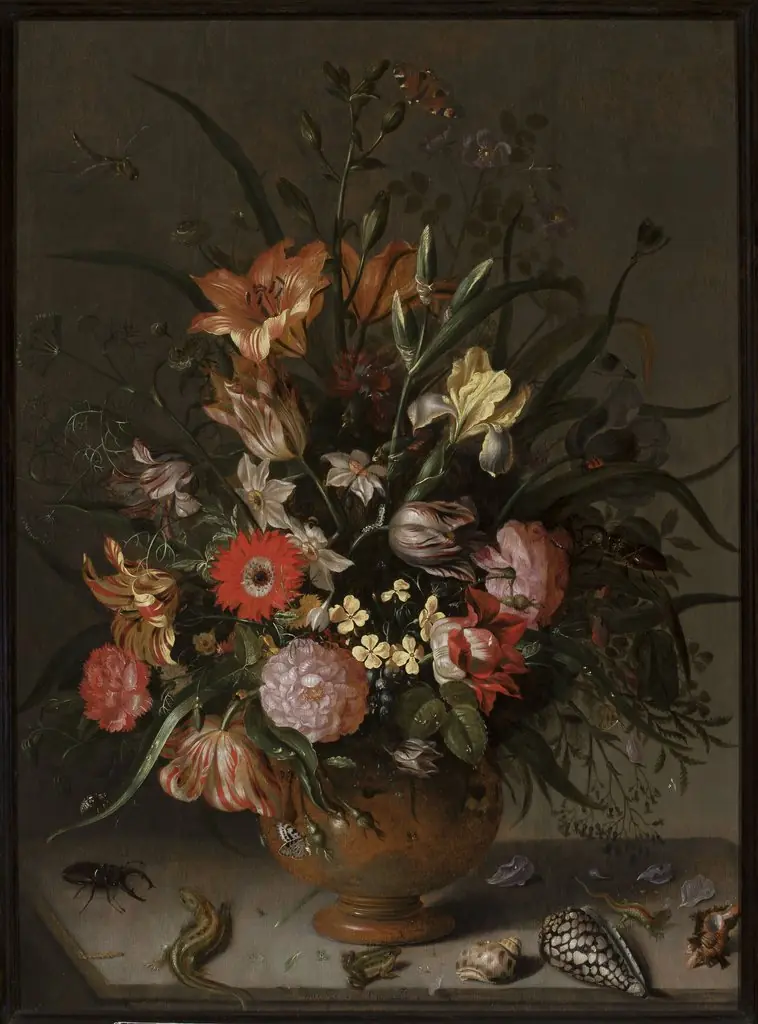
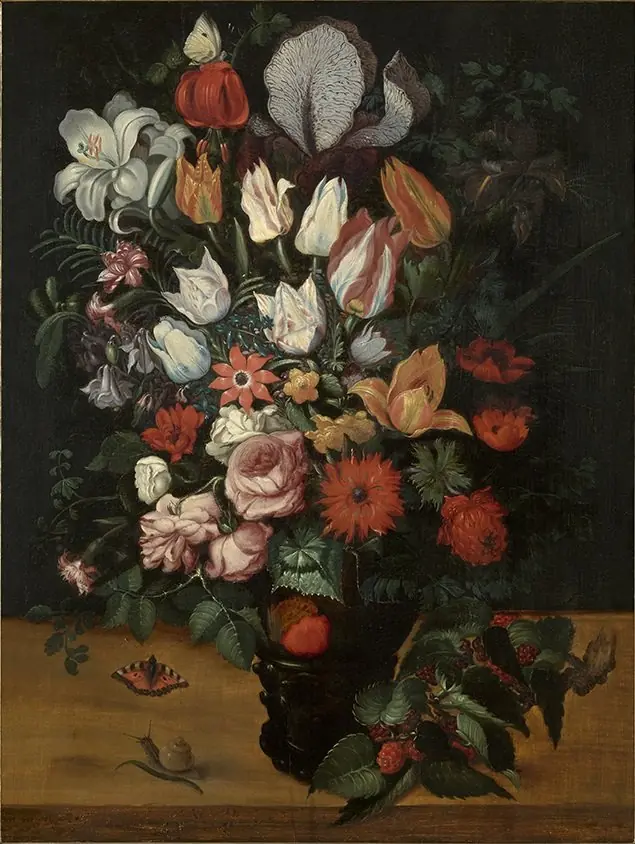
En stentøjskrukke med blomster
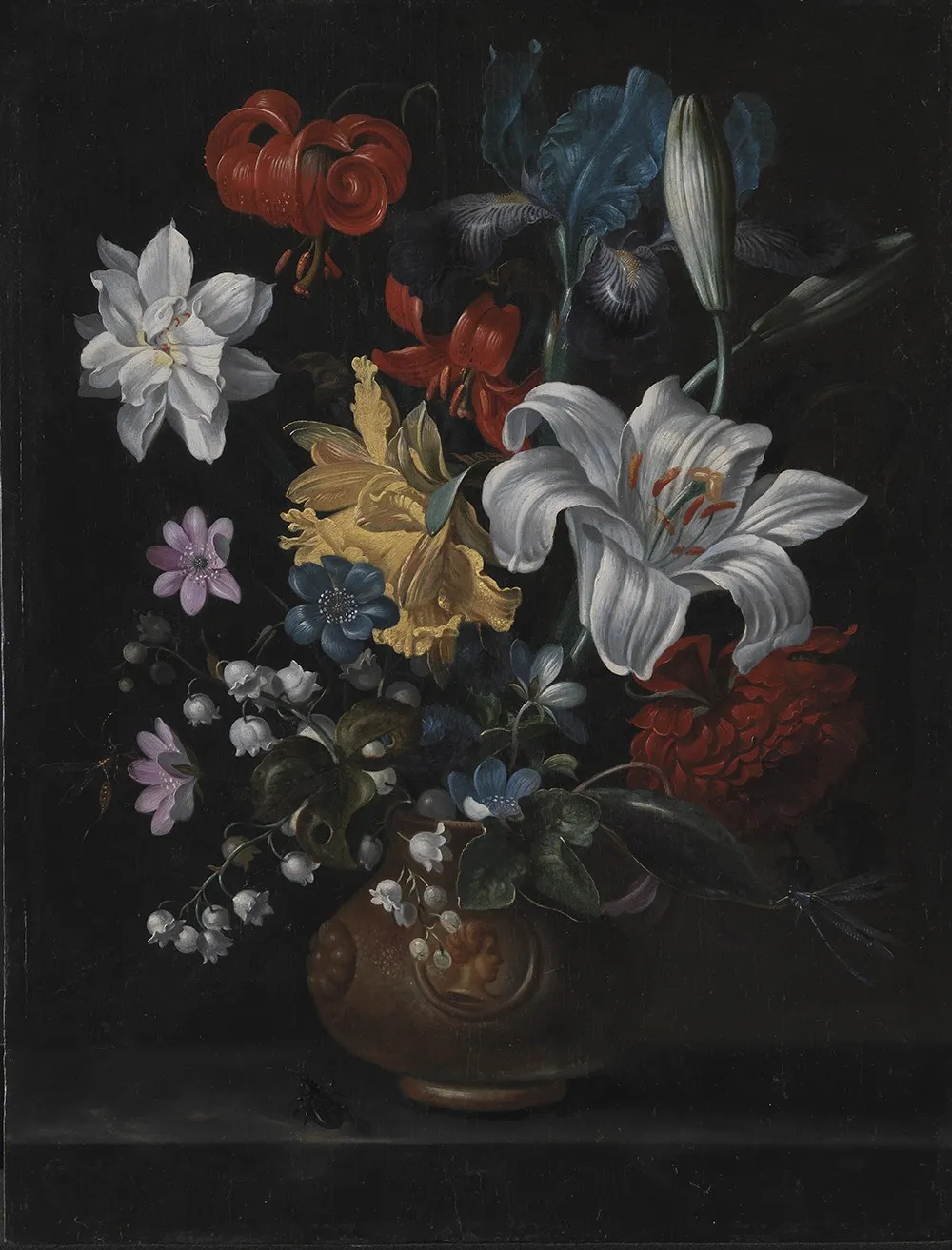
En stentøjskrukke med blomster is an oil painting by the Dutch Golden Age artist Jacob Marrel. It dates from 1652 and is held in the collection of the Statens Museum for Kunst.
About this work
Overview
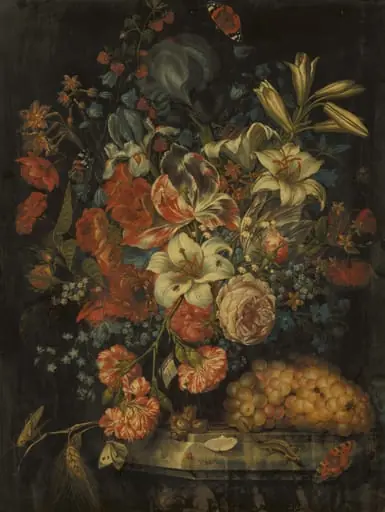
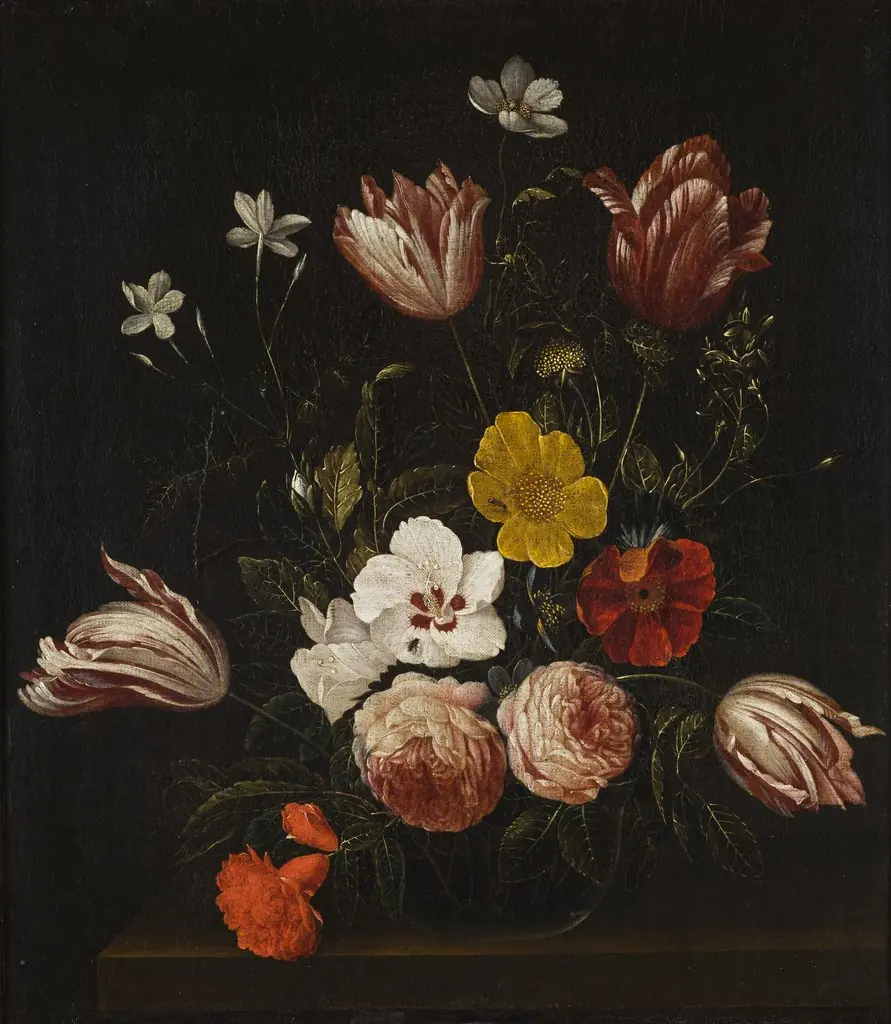
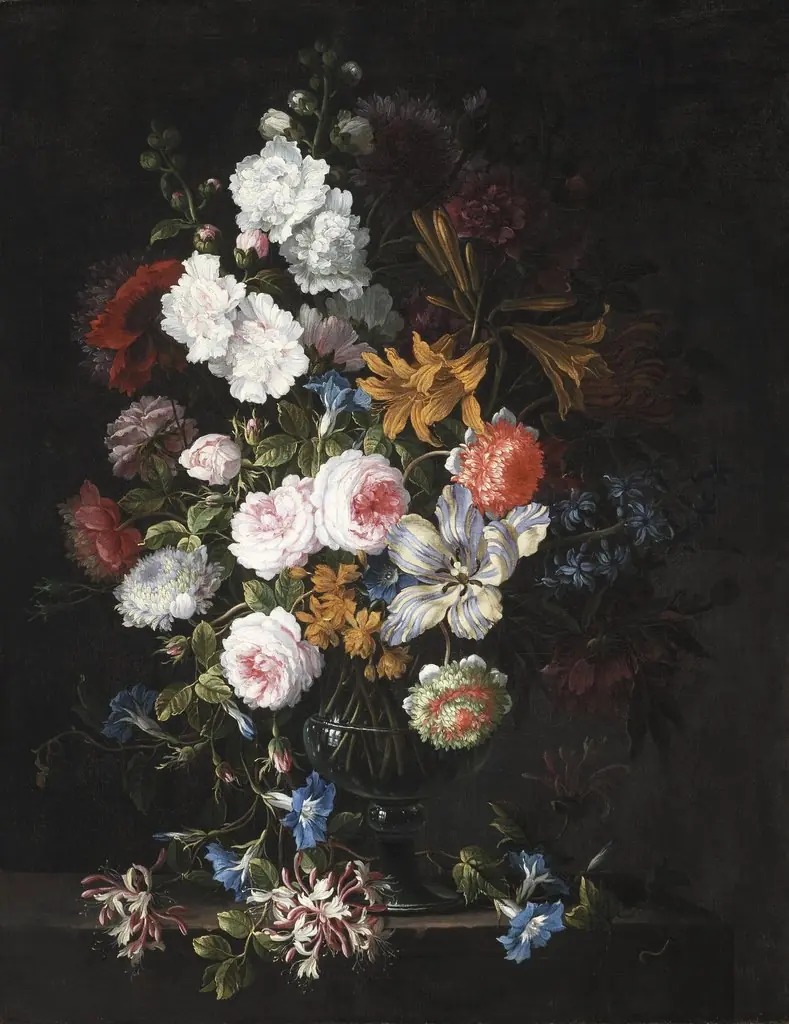
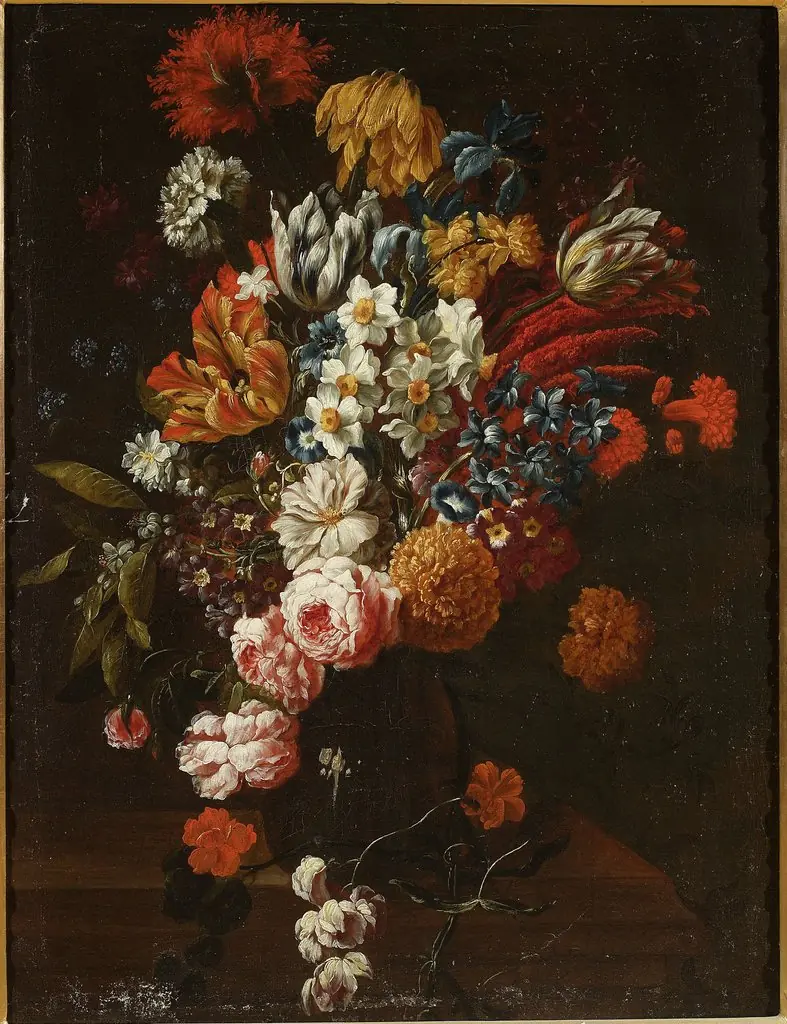
Painted in 1652 by Jacob Marrel, this oil-on-canvas work presents a quiet still life centered on a tin-glazed ceramic jug filled with flowers.
Painted in 1652 by Jacob Marrel, this oil-on-canvas work presents a quiet still life centered on a tin-glazed ceramic jug filled with flowers. Marrel, a German artist active in Utrecht during the Dutch Golden Age, contributed to the period’s flourishing genre of floral still lifes. The painting is part of the permanent collection at Statens Museum for Kunst in Copenhagen, where it represents the细致 observation and restrained elegance characteristic of Northern European still life painting of the mid-seventeenth century.
Subject & Meaning
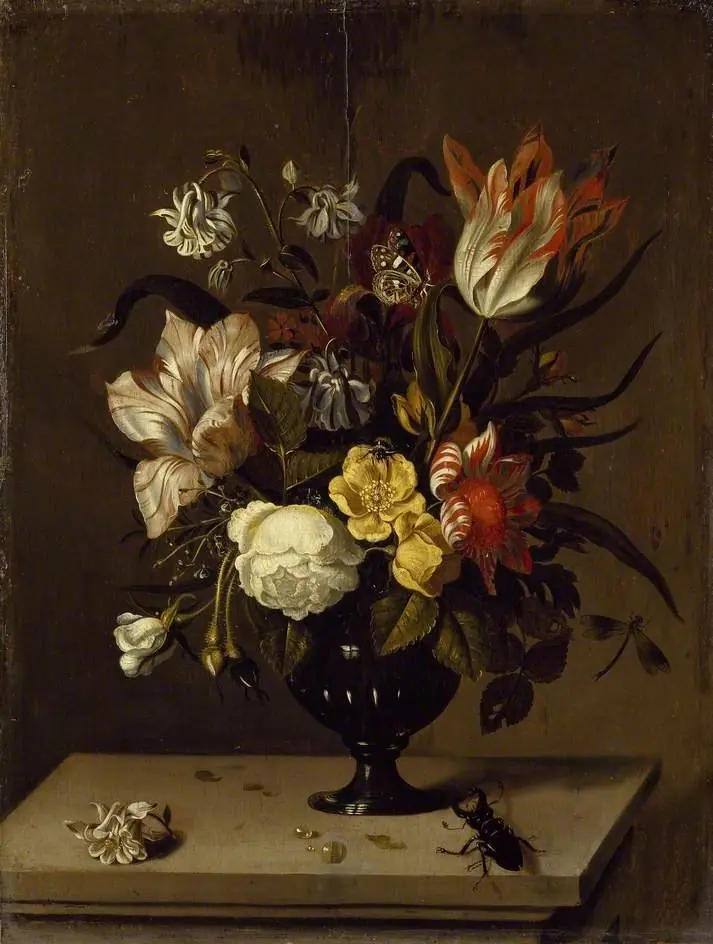
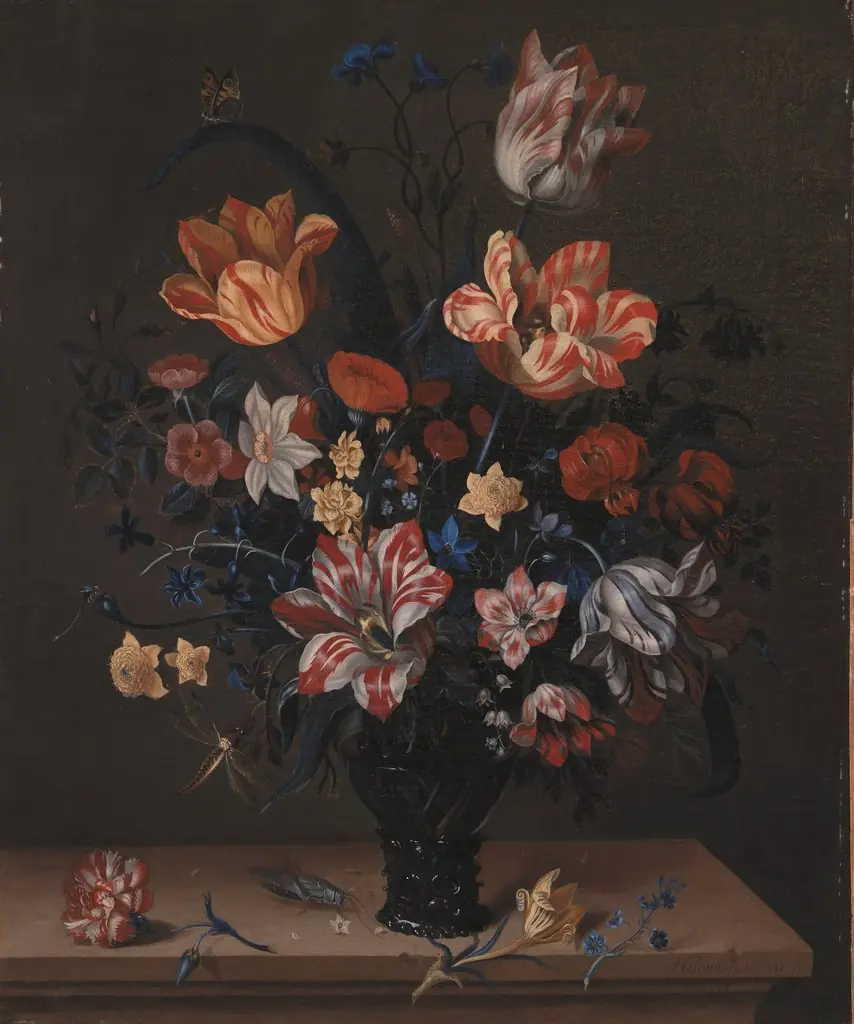
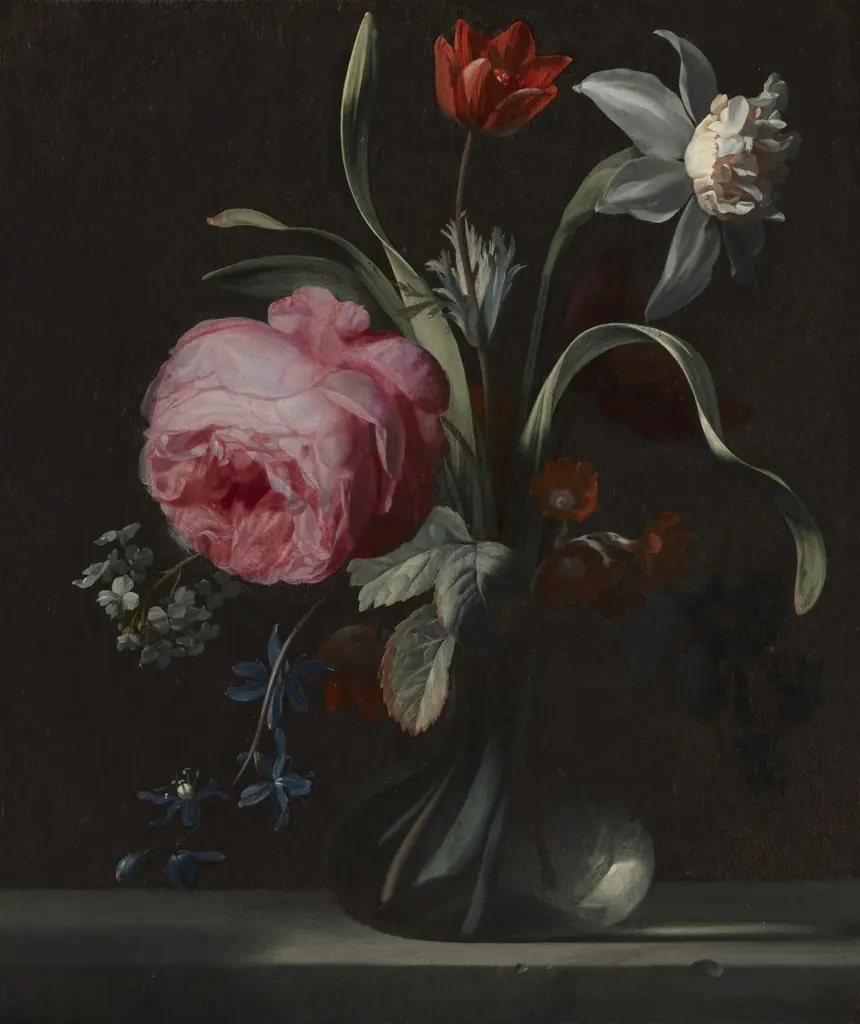
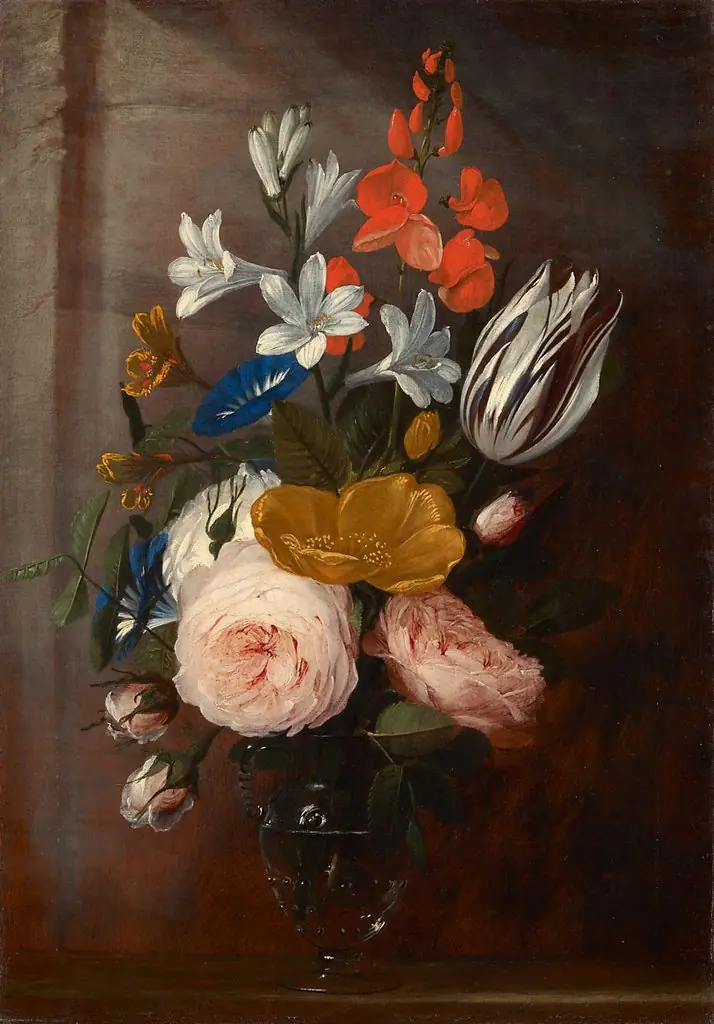
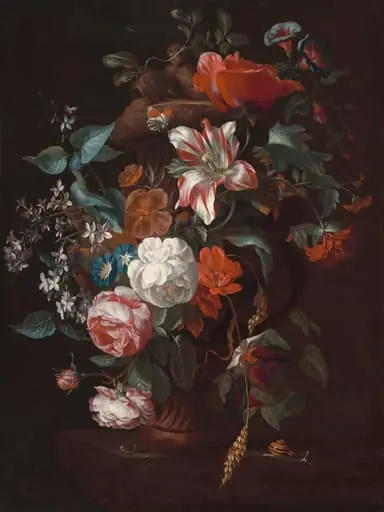
The composition centers on a single earthenware jug, its glazed surface catching subtle light, brimming with a modest bouquet of seasonal blooms. Unlike grander floral displays of the era, this arrangement avoids ostentation, suggesting an intimate, domestic moment. The flowers, likely chosen for their fleeting beauty, imply themes of transience and quiet contemplation, common in Dutch still life traditions without overt moralizing.
Technique & Style
Marrel employed fine brushwork to render the texture of the jug’s tin glaze and the delicate petals of the flowers with precision. Light falls softly across the surfaces, creating gentle contrasts that define form without dramatic chiaroscuro. The palette is muted, dominated by earth tones and soft pastels, reinforcing the work’s calm, unassuming character. Compositionally, the arrangement is balanced yet informal, reflecting a naturalistic approach to still life.
History & Provenance
The painting was completed in 1652 during Marrel’s time in Utrecht, a hub for still life artists. It entered the collection of Statens Museum for Kunst in Denmark at an unknown date, likely through acquisition or donation in the 19th or early 20th century. Its documented history is limited, but its attribution to Marrel is consistent with his known body of work and stylistic fingerprints from the period.
Context
In mid-17th century Utrecht, still life painting thrived as urban merchants and collectors sought art that reflected domestic order and natural beauty. Marrel, trained in Frankfurt and active in the Netherlands, bridged German and Dutch traditions. His floral works, less ornate than those of Amsterdam contemporaries, aligned with Utrecht’s more subdued aesthetic, emphasizing quiet observation over symbolic overload.
Legacy
While not widely exhibited outside Denmark, the painting remains a representative example of regional Dutch still life practice. Marrel’s restrained approach influenced later artists who favored intimacy over spectacle. The work contributes to scholarly understanding of how floral themes were adapted across Northern Europe, reflecting shared values of precision, material awareness, and understated beauty.
Artist & collection
Artist
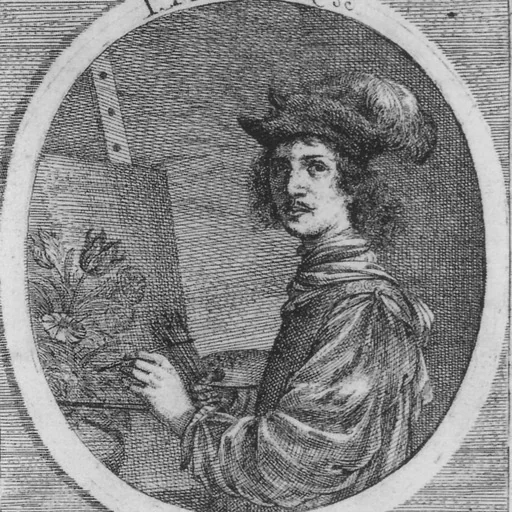
Jacob Marrel (1613/1614 – 11 November 1681) was a German still life painter active in Utrecht during the Dutch Golden Age.