Artwork
Landschaft mit Tobias und dem Erzengel Raphael auf Wanderschaft
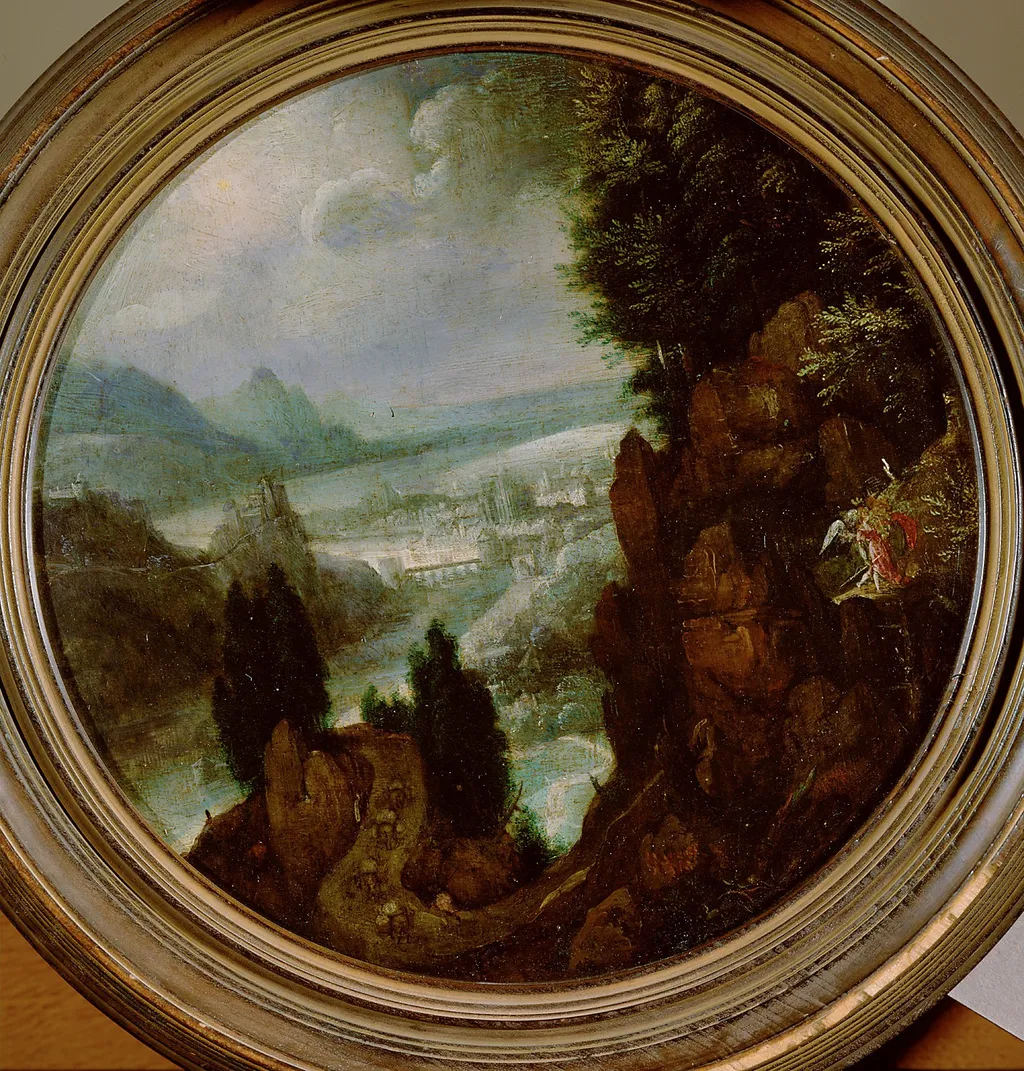
Landschaft mit Tobias und dem Erzengel Raphael auf Wanderschaft is an unspecified painting by the Northern Renaissance artist Jacob Savery. It dates from 1596 and is held in the collection of the Kunsthistorisches Museum.
About this work
Overview
Painted in 1596 by Jacob Savery the Elder, this landscape work captures a quiet moment from the biblical story of Tobias and the Archangel Raphael.
Painted in 1596 by Jacob Savery the Elder, this landscape work captures a quiet moment from the biblical story of Tobias and the Archangel Raphael. Savery, originally trained in Antwerp and later based in the Dutch Republic, focused on natural scenes and everyday subjects. The painting reflects his skill in integrating narrative elements into atmospheric environments, blending religious themes with detailed observation of the natural world.
Subject & Meaning
The scene illustrates Tobias and the Archangel Raphael on their journey, as recounted in the Book of Tobit. Raphael, disguised as a companion, guides Tobias toward healing and destiny. The figure in dark clothing, partially obscured, invites contemplation rather than direct identification. The narrative is subtly embedded in the landscape, emphasizing pilgrimage and divine guidance over dramatic spectacle.
Technique & Style
Savery employed delicate brushwork to model light filtering through dense woodland, creating a sense of depth and atmosphere. Shadows are rendered with layered tones, while the central clearing glows with soft, diffused illumination. The use of chiaroscuro enhances spatial recession without overt theatricality. The figures are scaled to harmonize with the environment, reinforcing the painting’s quiet, introspective mood.
History & Provenance
The painting has remained in the Kunsthistorisches Museum’s collection since at least the early modern period. Its presence there suggests it was acquired during a time when Habsburg patrons valued Flemish and Dutch landscape traditions. No significant alterations or reattributions are recorded, and its condition reflects careful preservation over centuries.
Context
In late 16th-century Northern Europe, religious narratives were often rendered within naturalistic settings as part of a broader shift toward secular landscape painting. Savery’s work aligns with this trend, merging devotional content with the growing interest in observed nature. His approach contrasts with more ornate Italianate styles, favoring subdued tones and intimate scale.
Legacy
Savery’s integration of biblical figures into detailed landscapes influenced later Dutch painters who prioritized mood and environment over narrative clarity. While not widely celebrated in his lifetime, his work represents an important transition in Northern art toward landscape as a subject worthy of independent attention, paving the way for the 17th-century Dutch tradition.
Artist & collection
Artist
Jacob Savery or Jacob Savery the Elder (1566 – buried 23 April 1603) was a Flemish painter, etcher and draughtsman.

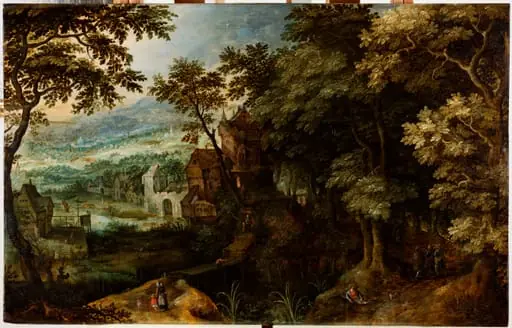 Waldlandschaft mit dem Gang nach Emmaus
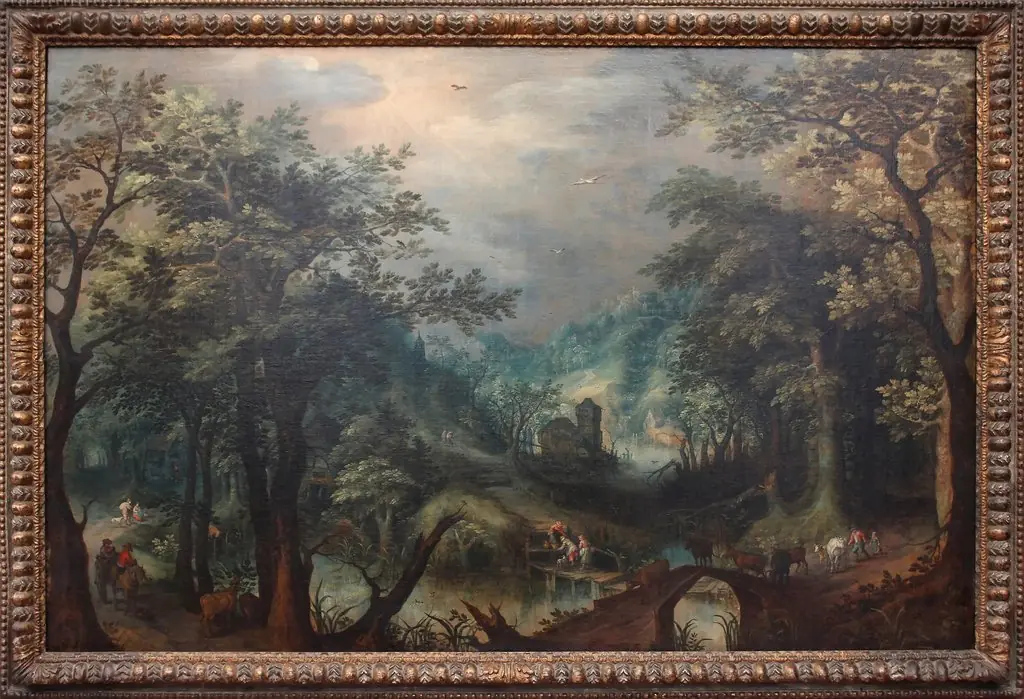 Wooded landscape with a river and cows on a bridge
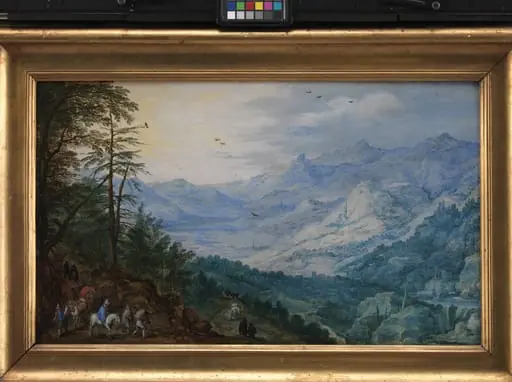 Rocky Landscape
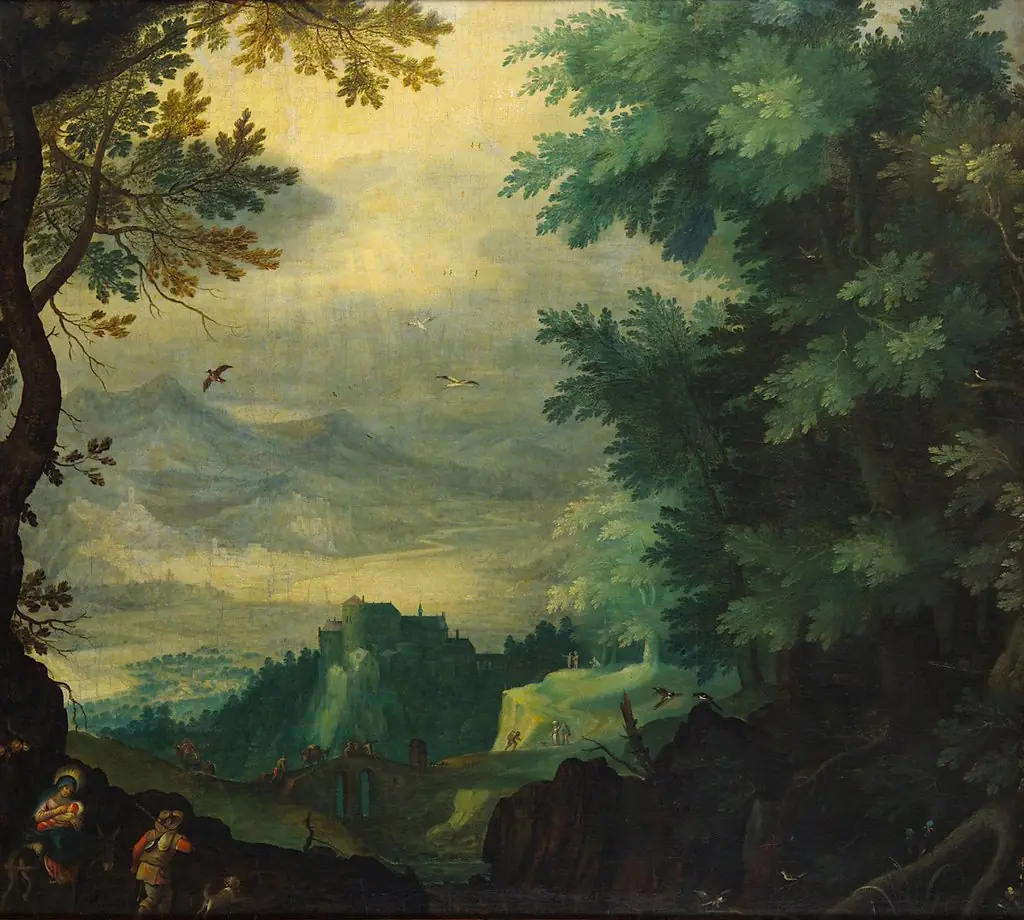 Landscape with the Flight into Egypt
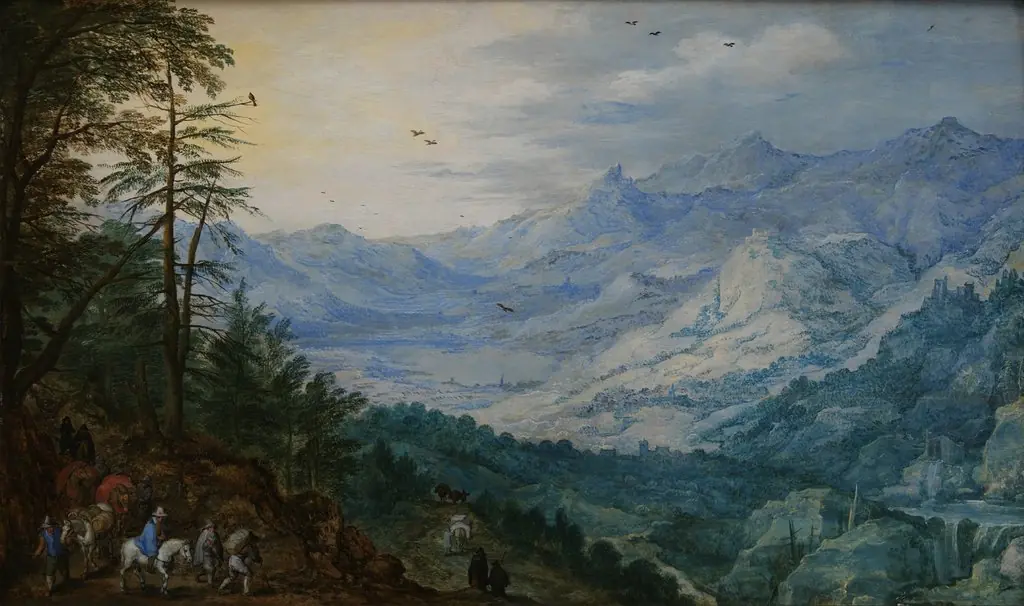 Rocky Landscape
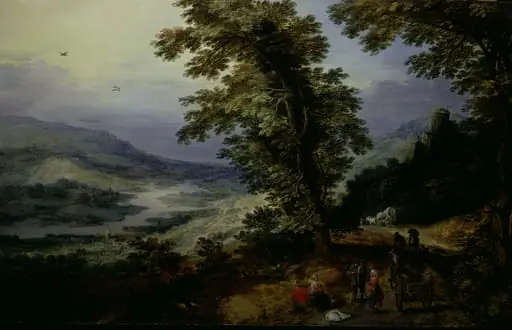 Mountain Road with Travelers
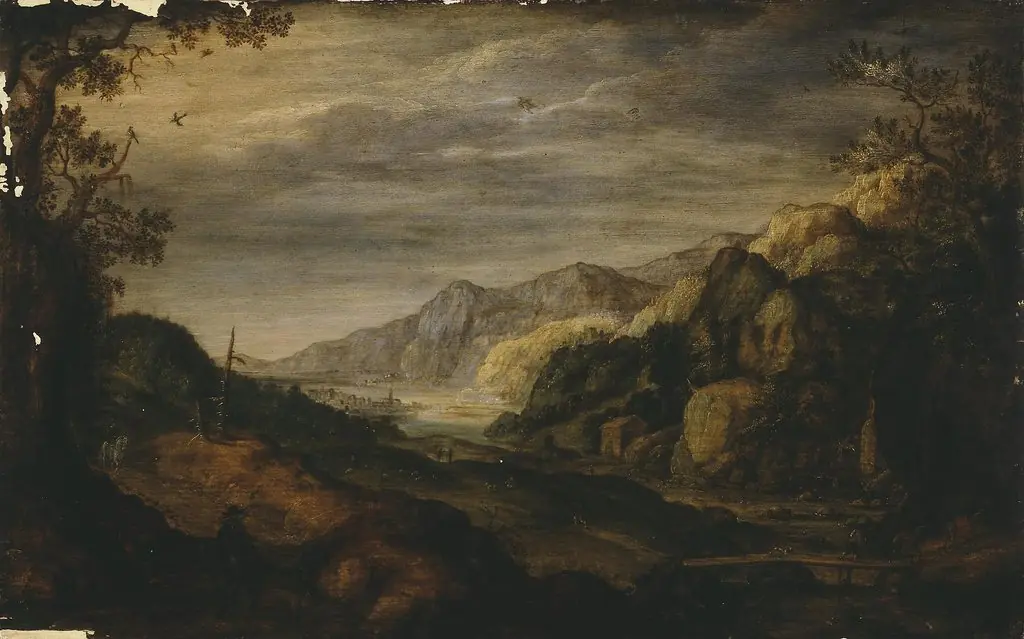 Mountainous Landscape
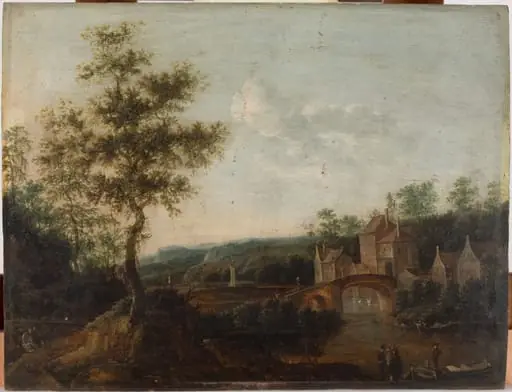 Flußlandschaft
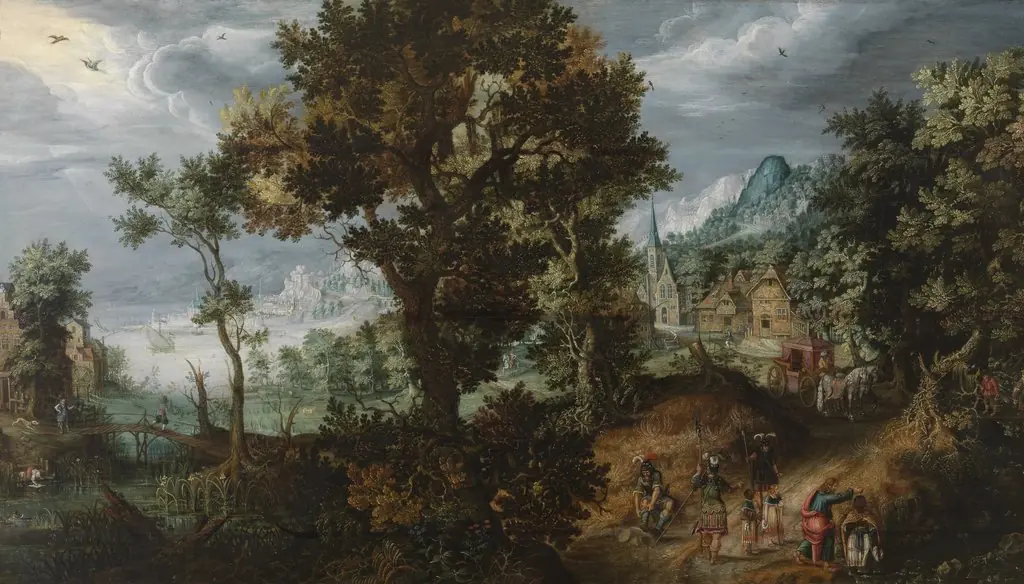 The Baptism of the Moorish Chamberlain
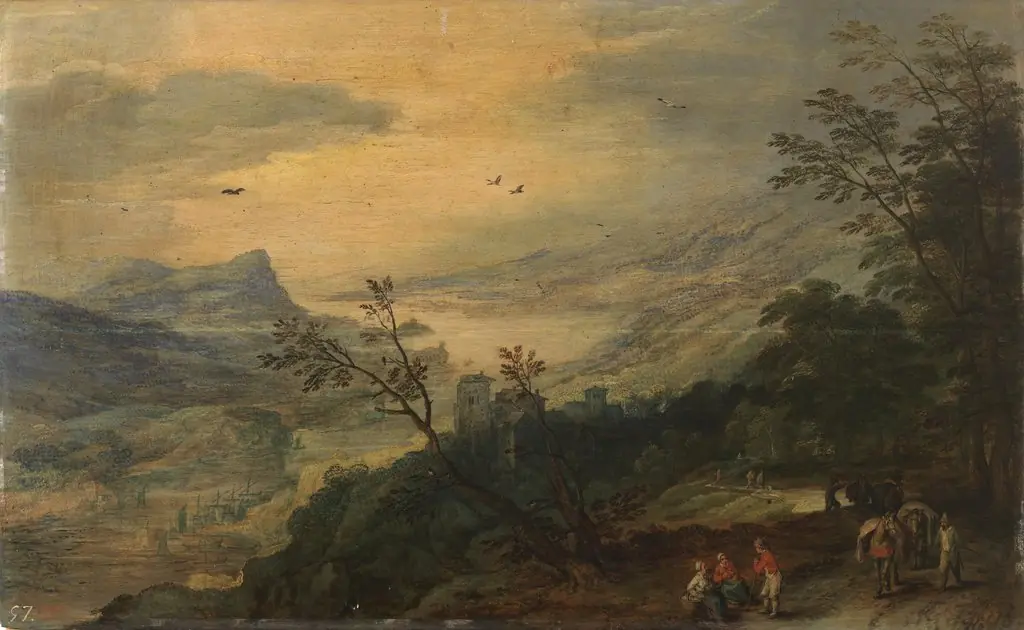 Landscape
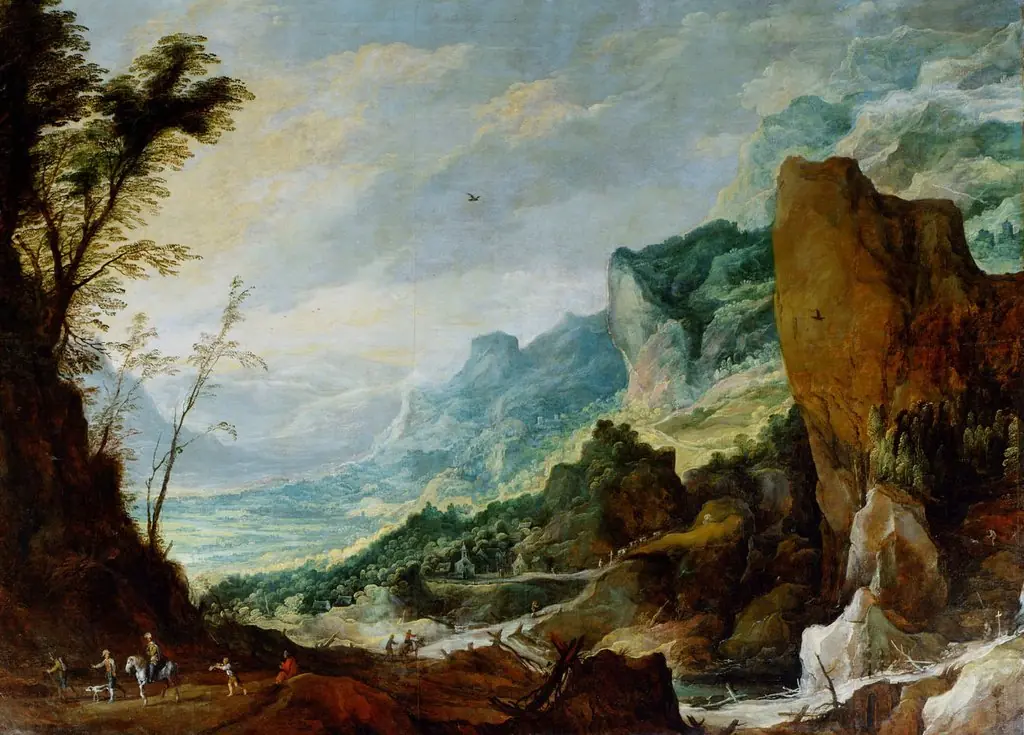 Mountain Landscape
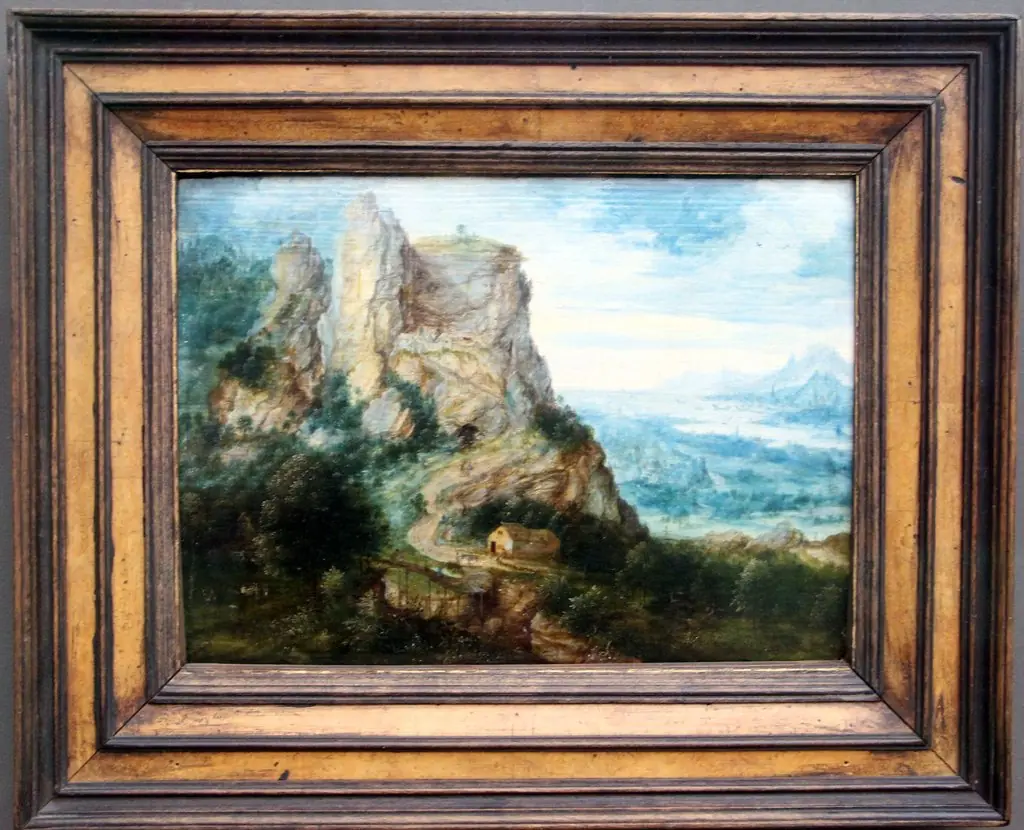 Gebirgslandschaft mit Flußtal