Artwork
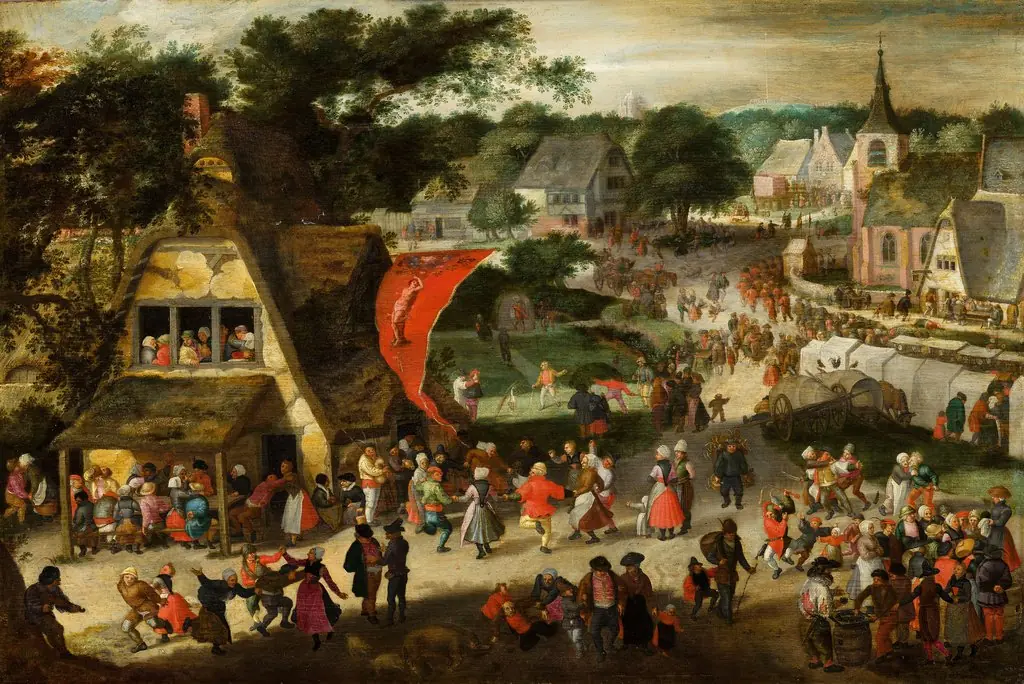
A Village Kermis
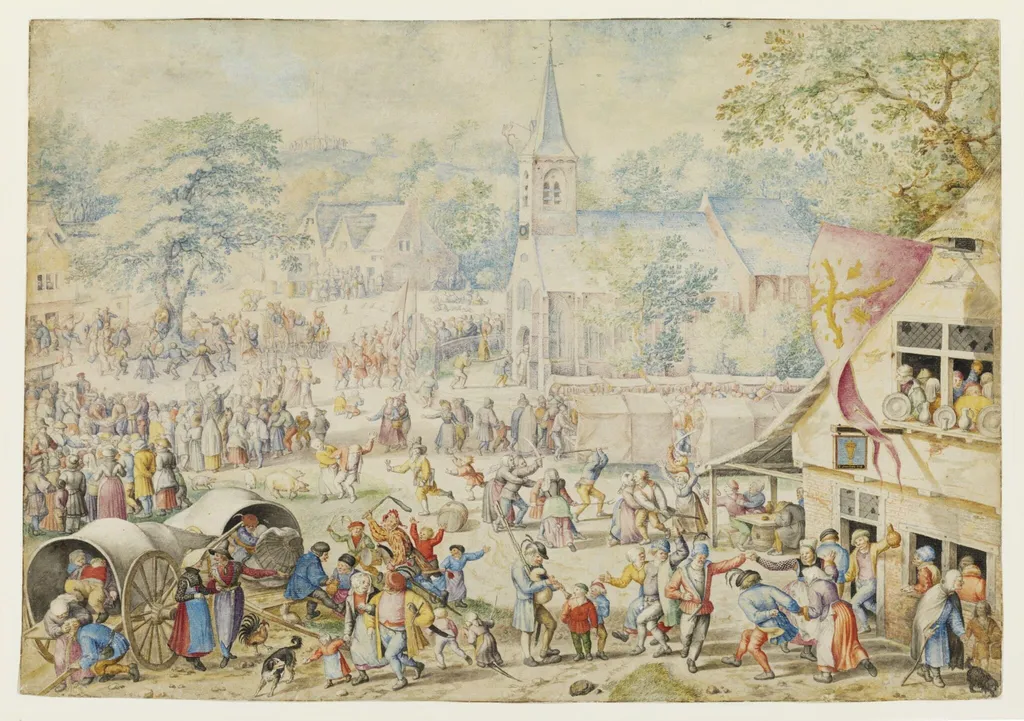
A Village Kermis is a watercolor drawing by the Renaissance artist Jacob Savery. It dates from 1598 and is held in the collection of the Victoria and Albert Museum.
About this work
Overview
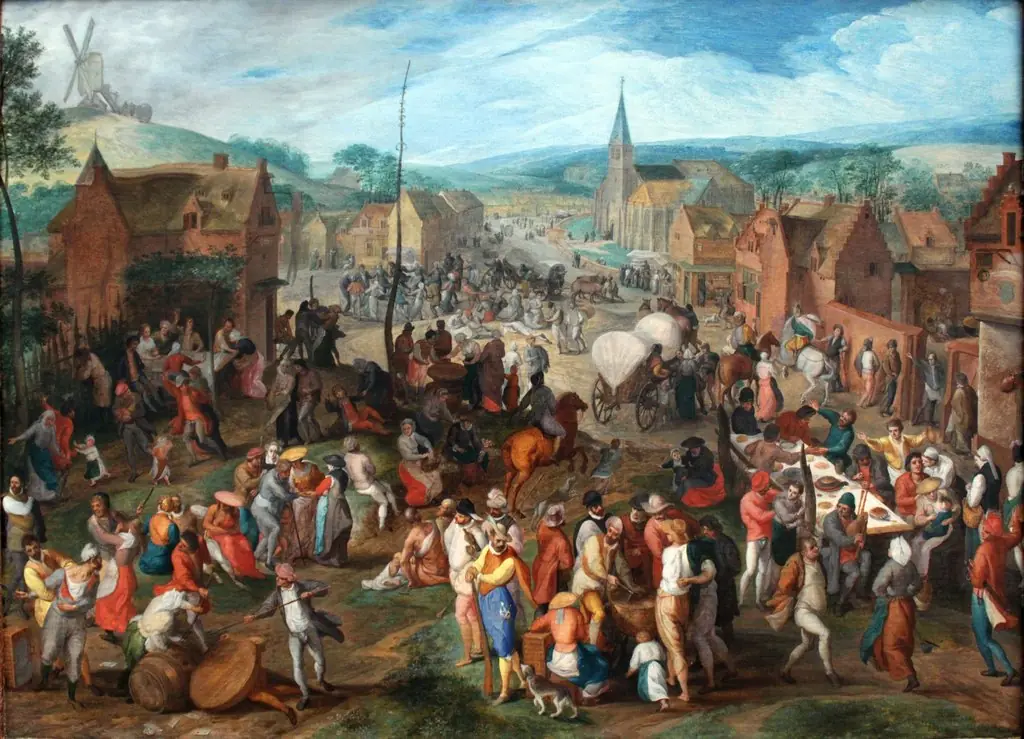
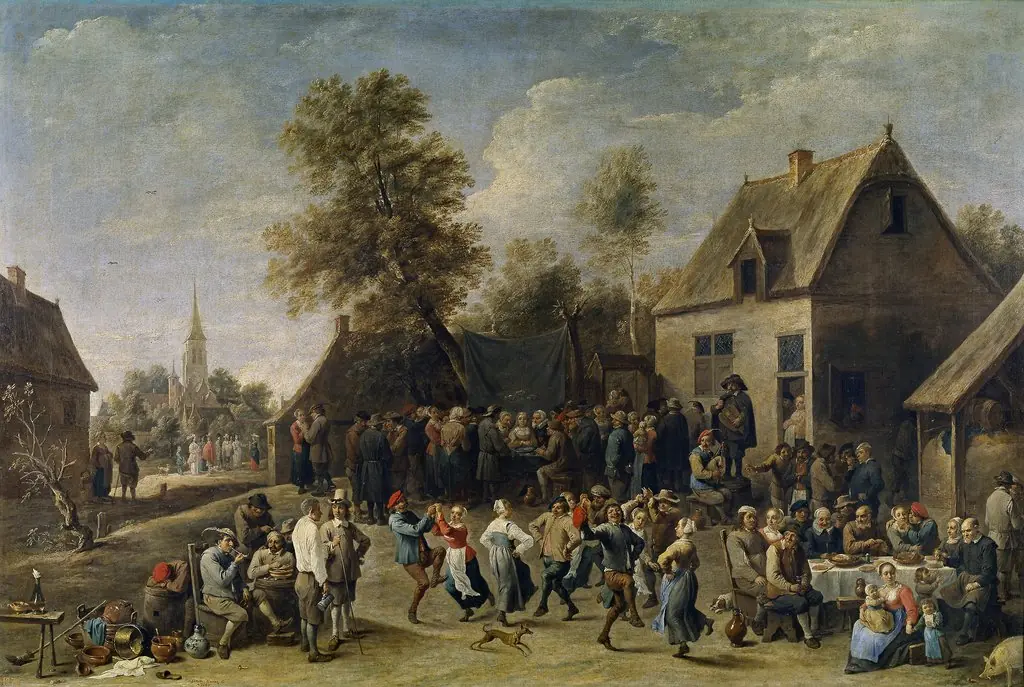
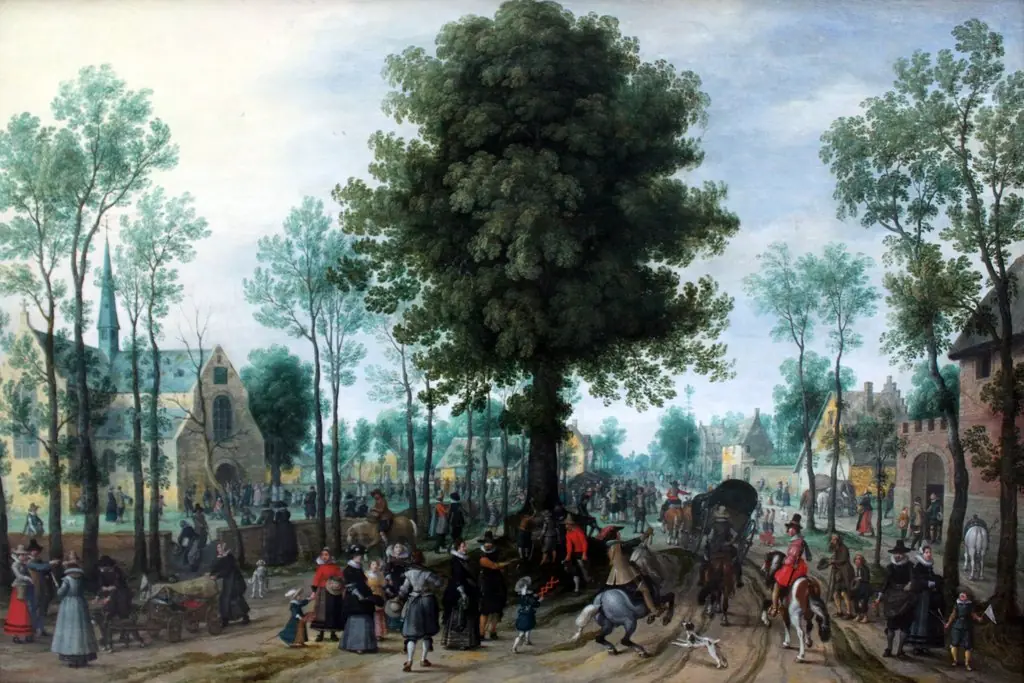
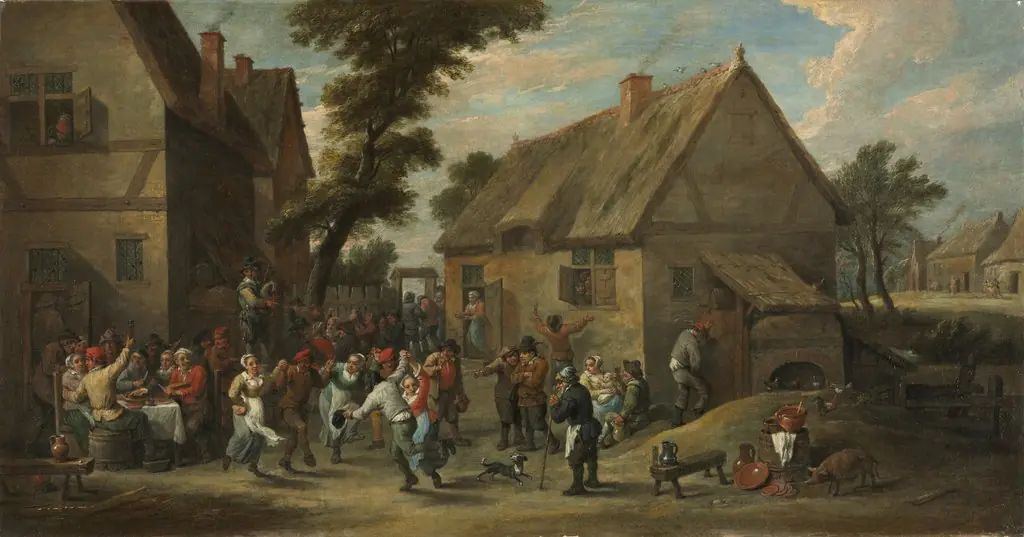
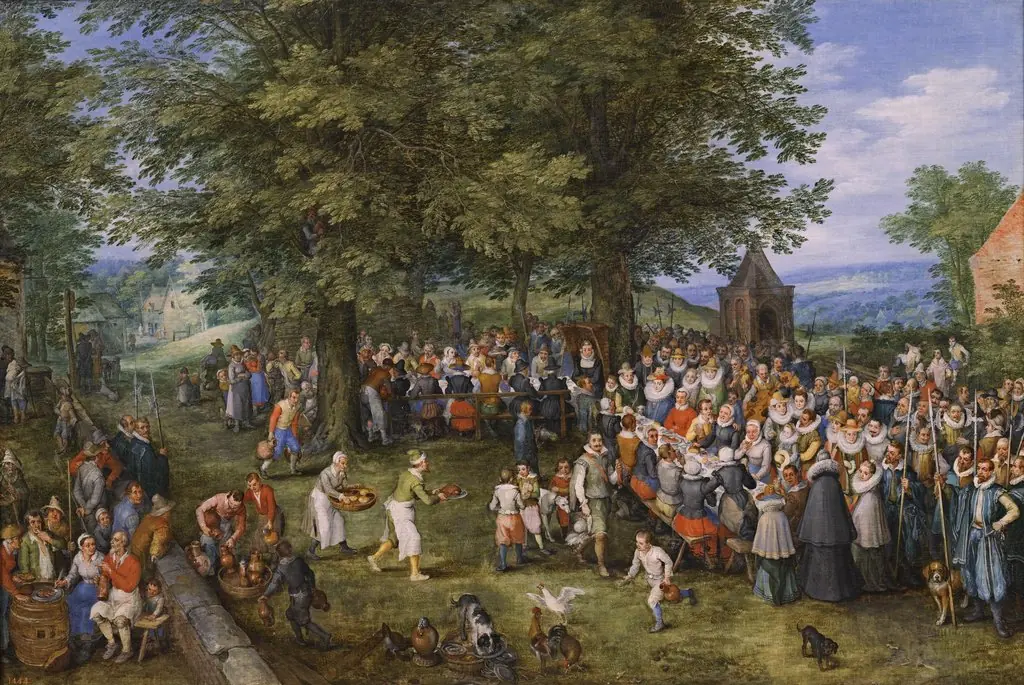
A Village Kermis, created in 1598 by Jacob Savery, is a watercolour drawing that captures a vibrant village festival scene. Executed primarily in watercolour with pen, grey ink, and touches of gold on paper, the work conveys dynamic energy through its depiction of communal celebration.
Subject & Meaning
The scene focuses on a lively village kermis (festival), highlighting communal joy and participation across all ages. Figures in the foreground dance and play music, while others observe from the sidelines, illustrating the social and festive aspects of rural life during the Renaissance.
Technique & Style
Savery utilized watercolour as the primary medium, complemented by pen and grey ink for detail and gold accents. This approach, characteristic of the period, achieves a sense of movement and vitality, typical of Renaissance genre scenes which often portrayed everyday life.
History & Provenance
A Village Kermis entered the museum's collection in 1869 through a bequest by Rev. Alexander Dyce, following its creation in 1598 by Jacob Savery.
Context
The work reflects the Renaissance interest in genre scenes, which sought to capture the essence of ordinary life and communal activities. Such depictions were popular during the Renaissance, offering glimpses into the social dynamics of the time.
Artist & collection
Artist
Jacob Savery or Jacob Savery the Elder (1566 – buried 23 April 1603) was a Flemish painter, etcher and draughtsman.