Artwork
Landscape, ca. 1646
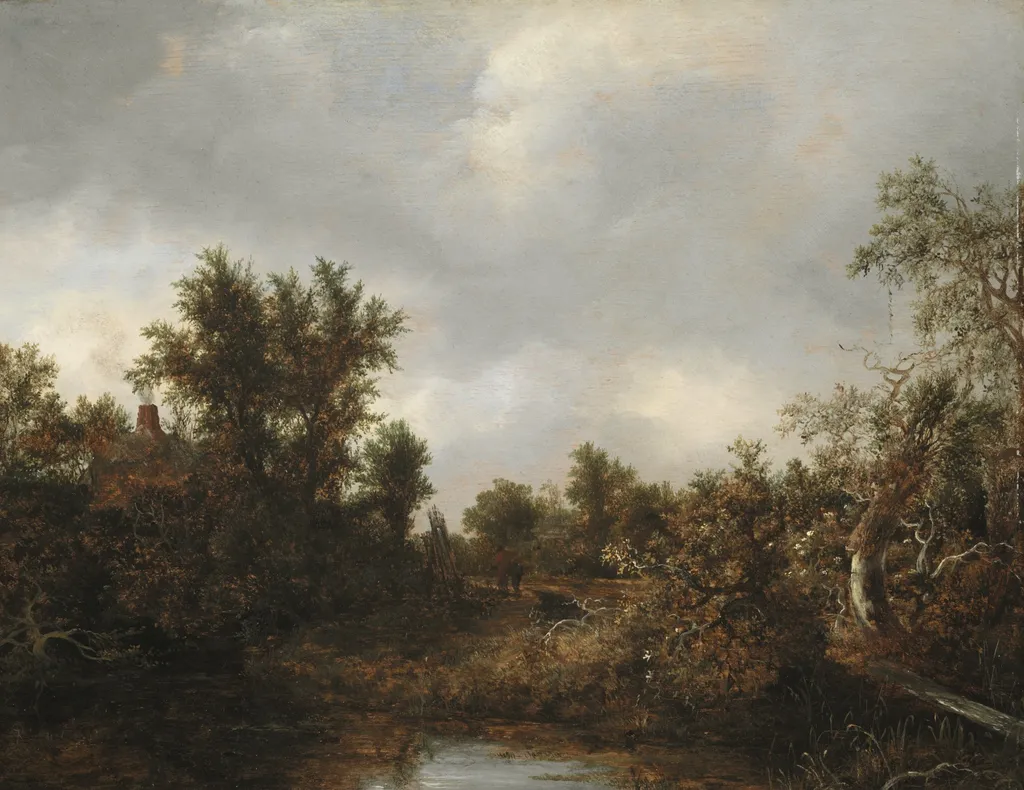
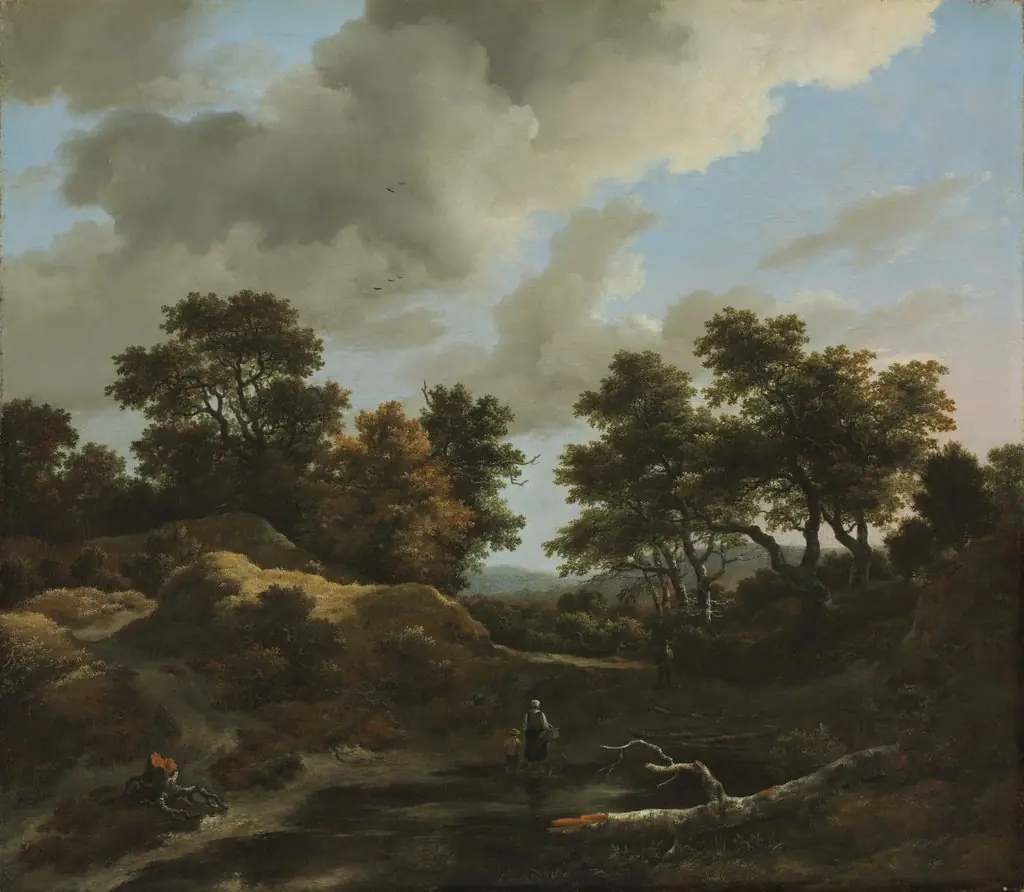
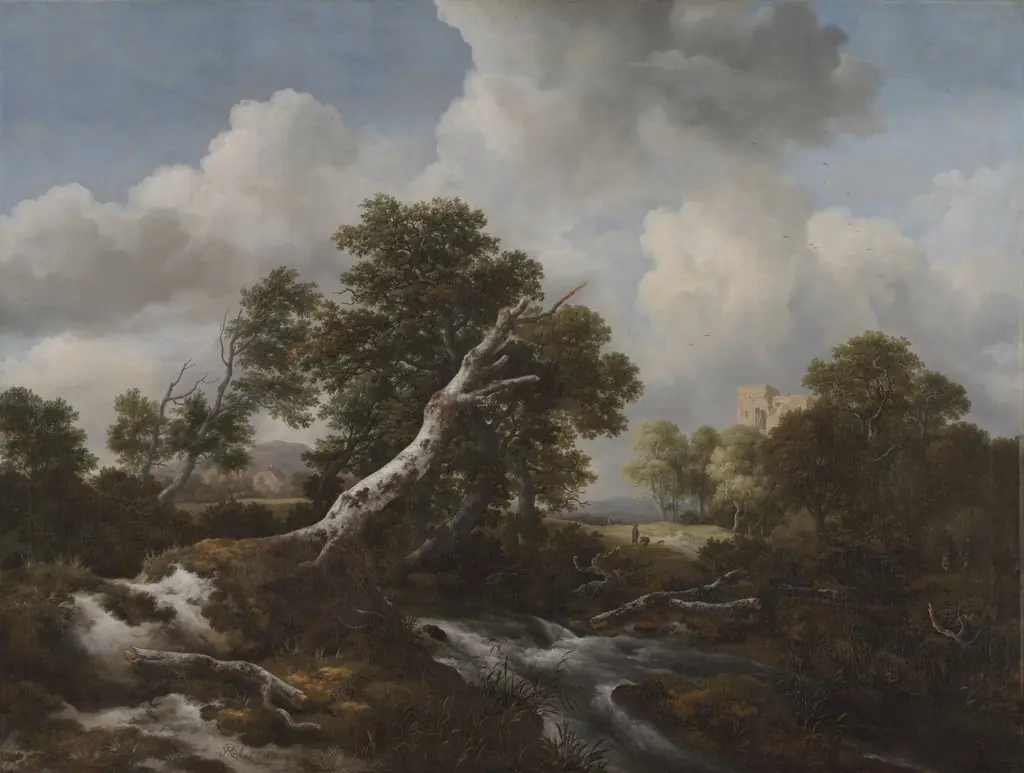
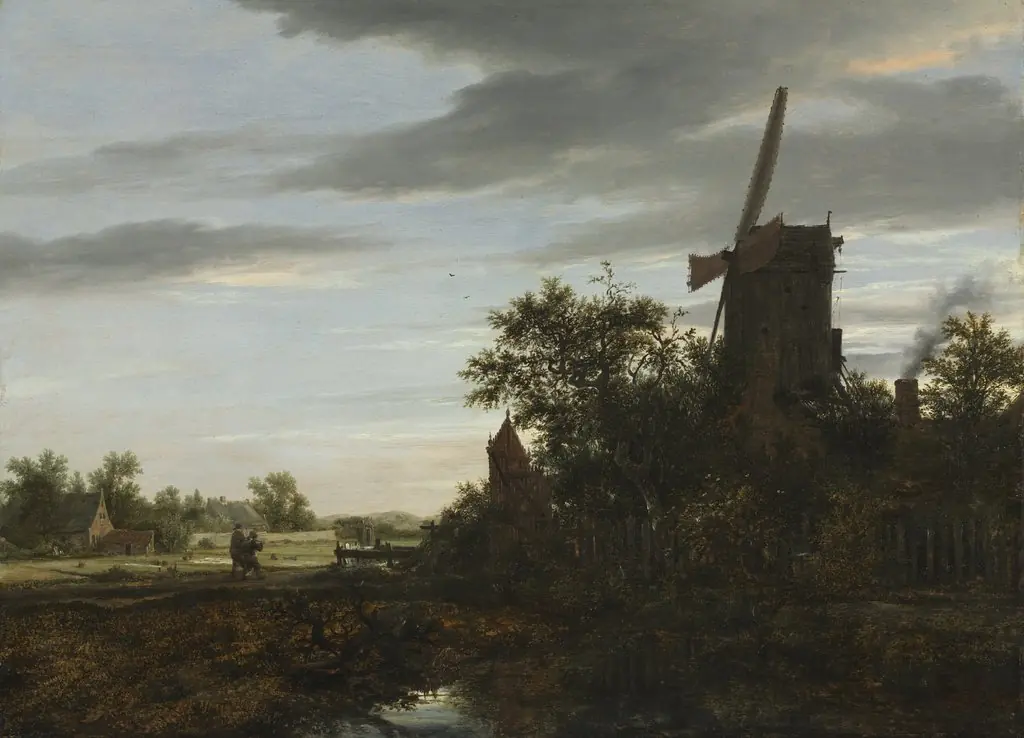
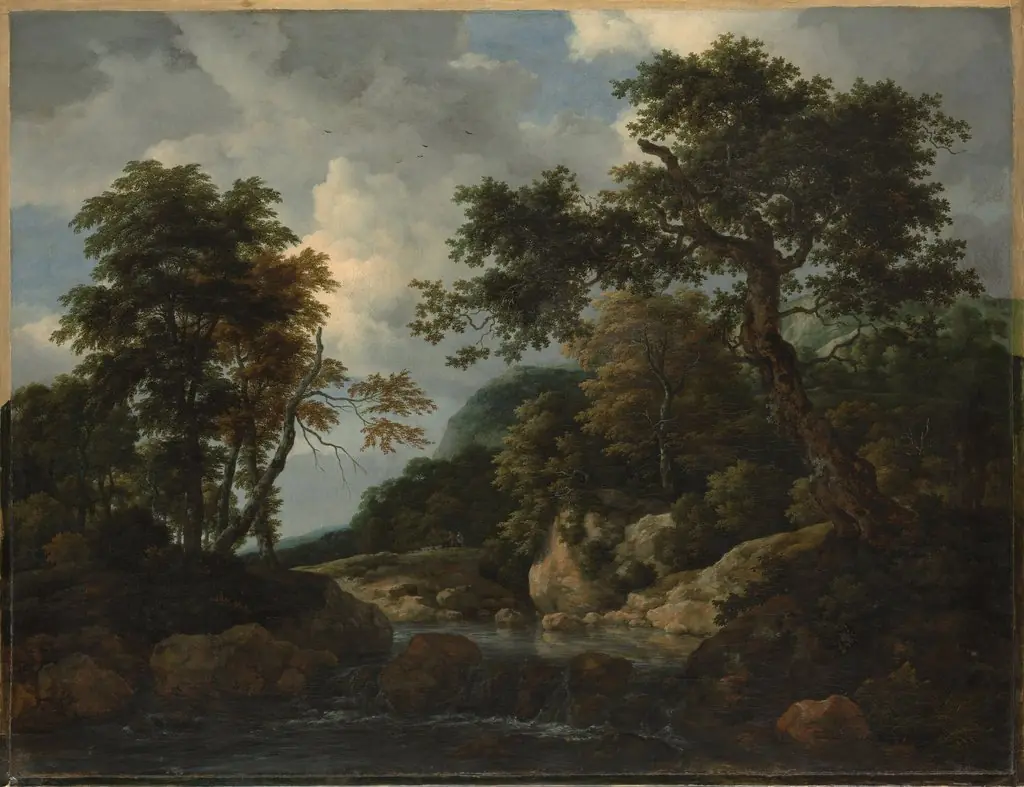
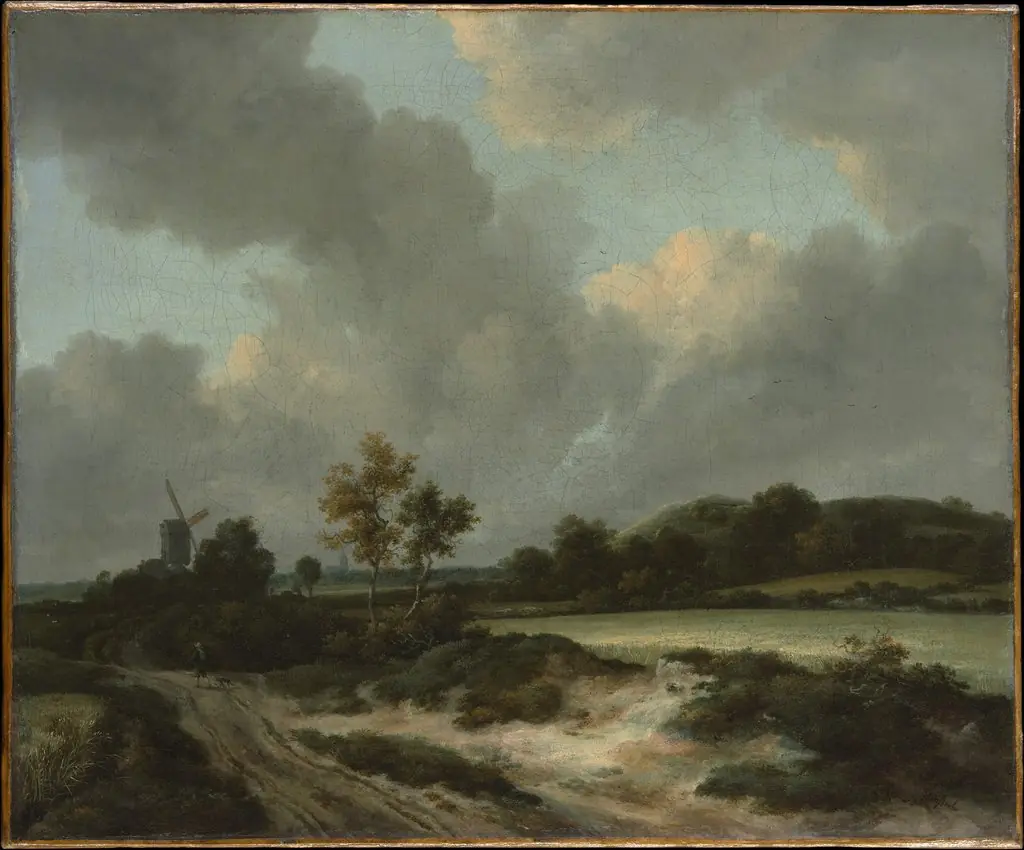
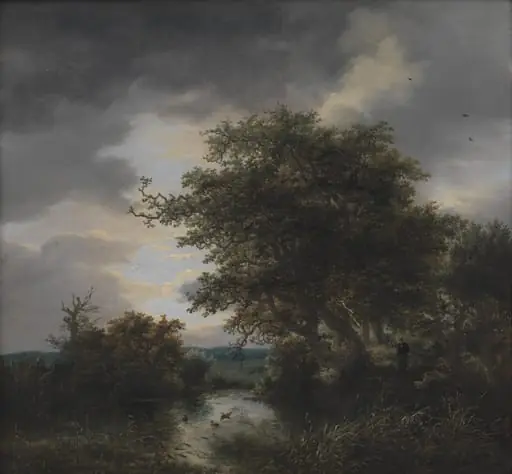
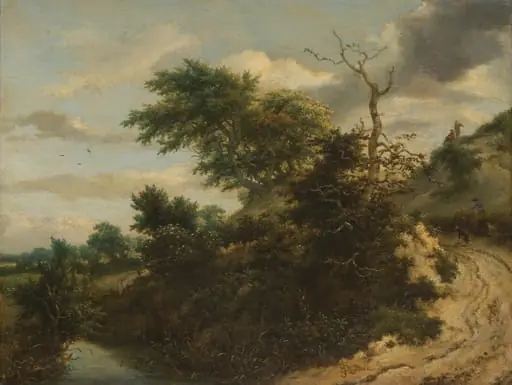
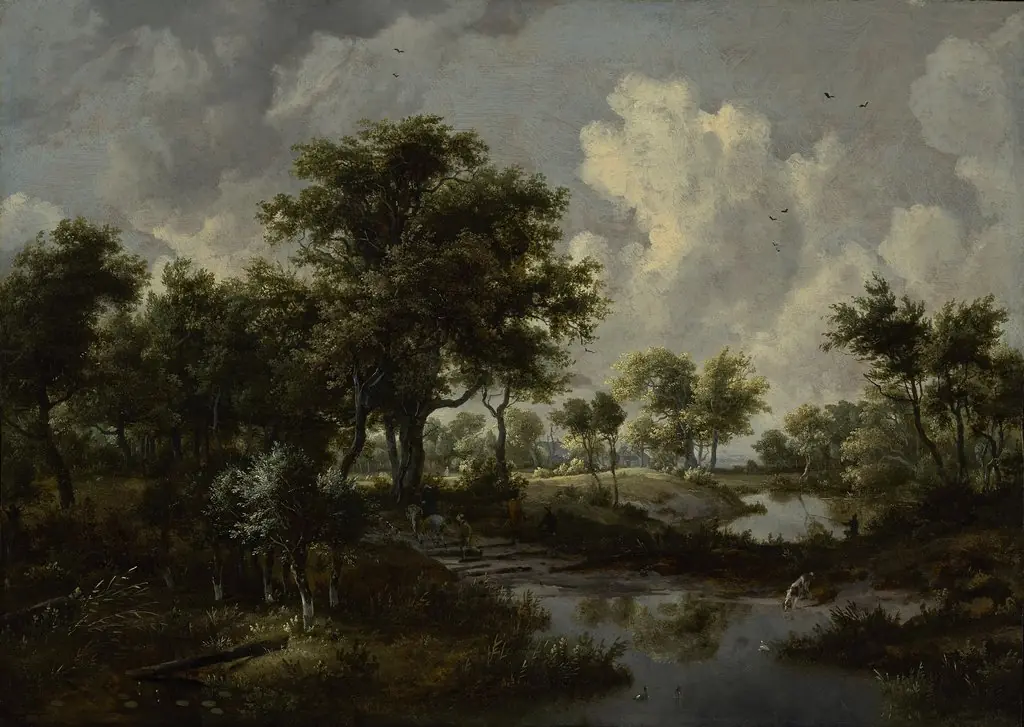
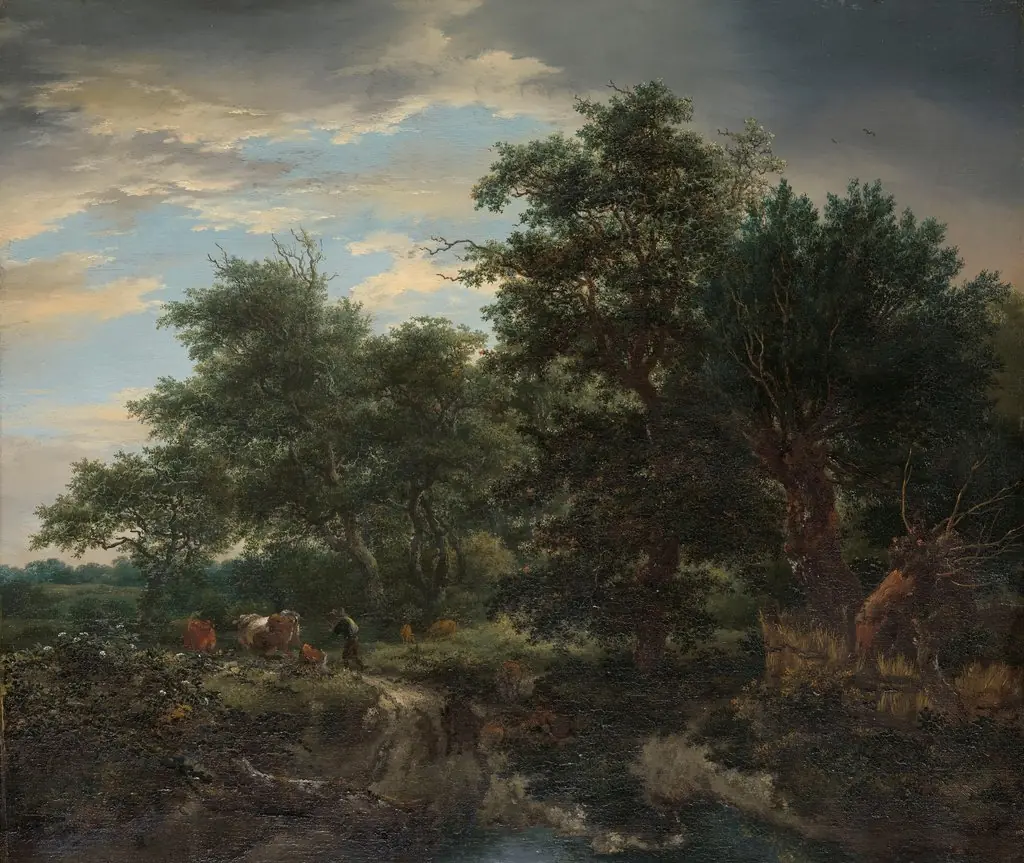
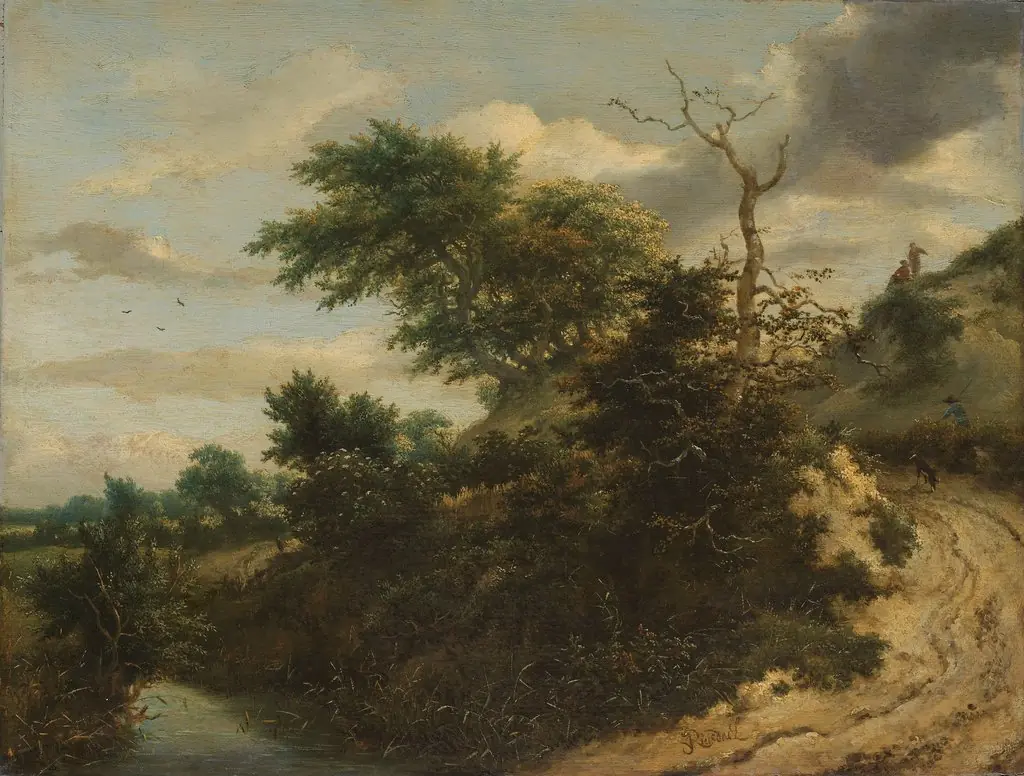
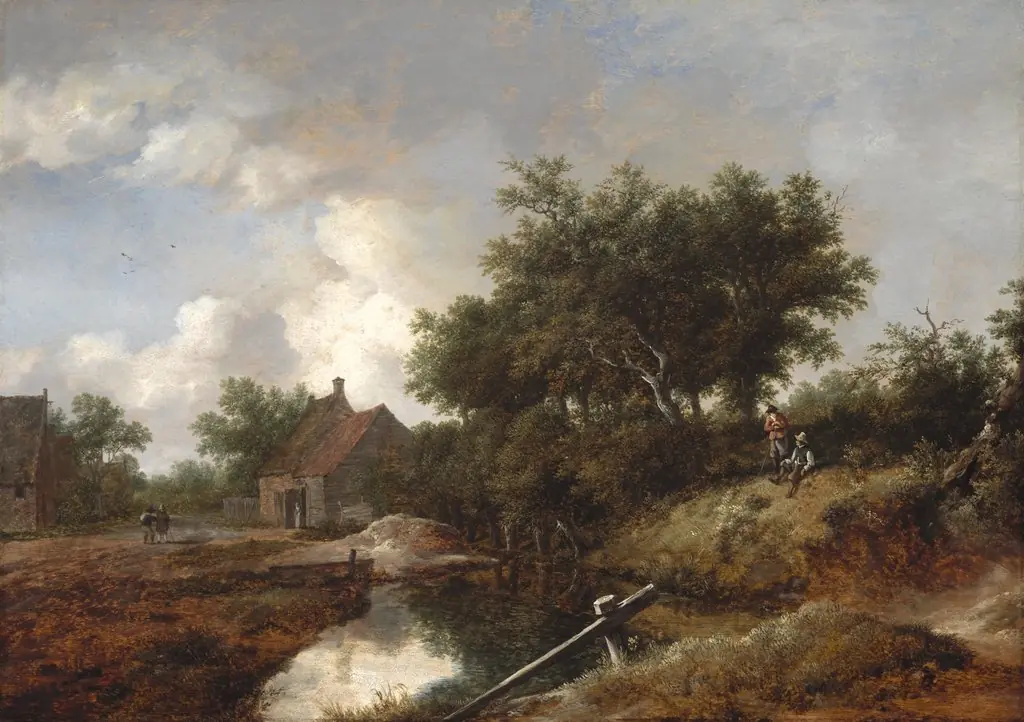
Landscape, ca. 1646 is an oil painting by the Dutch Golden Age artist Jacob van Ruisdael. It dates from 1646 and is held in the collection of the Detroit Institute of Arts.
About this work
Overview
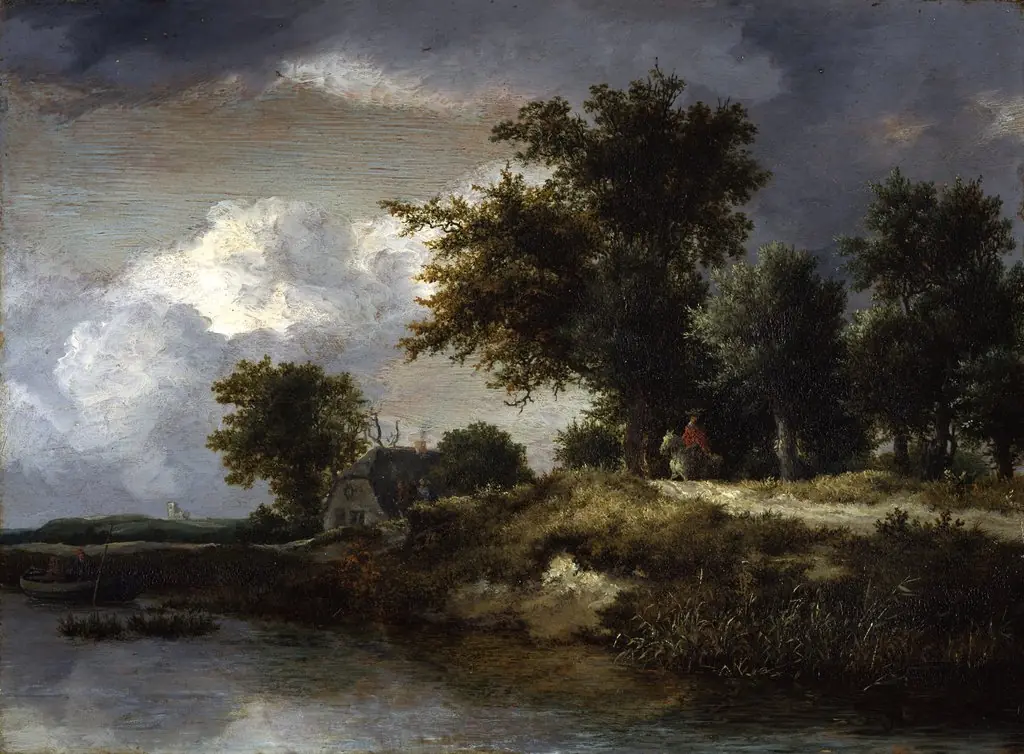
Painted around 1646, this oil-on-canvas landscape is attributed to Jacob van Ruisdael, a leading Dutch artist of the 17th century. It depicts a quiet rural scene with a winding stream, dense vegetation, and a distant dwelling under a variable sky. The work is part of the collection at the Detroit Institute of Arts, where it has been held since the early 20th century.
Subject & Meaning
The painting presents an unidealized view of the Dutch countryside, centered on a meandering stream that draws the eye from foreground to background.
The painting presents an unidealized view of the Dutch countryside, centered on a meandering stream that draws the eye from foreground to background. A modest house with a chimney, barely visible among trees, suggests human presence without intrusion. The calm atmosphere reflects a contemplative relationship with nature, typical of Dutch landscape traditions that valued quiet observation over dramatic narrative.
Technique & Style
Ruisdael employs subtle chiaroscuro to model forms and suggest atmospheric depth. The interplay of light and shadow across the trees, water, and clouds enhances texture without overt contrast. Brushwork is restrained yet precise, particularly in rendering foliage and the reflective surface of the stream. The composition balances horizontal elements with vertical tree trunks, creating a harmonious, grounded structure.
History & Provenance
The painting was likely created during Ruisdael’s early mature period, when he was refining his approach to naturalistic landscape. It entered the Detroit Institute of Arts collection in 1925 through the bequest of a private donor, having previously remained in private hands in the Netherlands. Its attribution has remained consistent among scholars since its acquisition.
Context
In mid-17th-century Holland, landscape painting flourished as a distinct genre, reflecting national pride in the cultivated land and a growing secular interest in nature. Ruisdael’s work stood apart for its emotional resonance and attention to meteorological detail. This painting aligns with contemporaneous trends that favored tranquil, everyday scenes over mythological or grandiose subjects.
Legacy
Ruisdael’s landscapes influenced generations of European painters, particularly in their psychological depth and fidelity to natural conditions. This work exemplifies his ability to convey stillness through careful observation. Though not among his most famous, it remains a representative example of his restrained, atmospheric style and the broader Dutch tradition of landscape as meditative observation.
Own this work as a print
Artist & collection
Artist
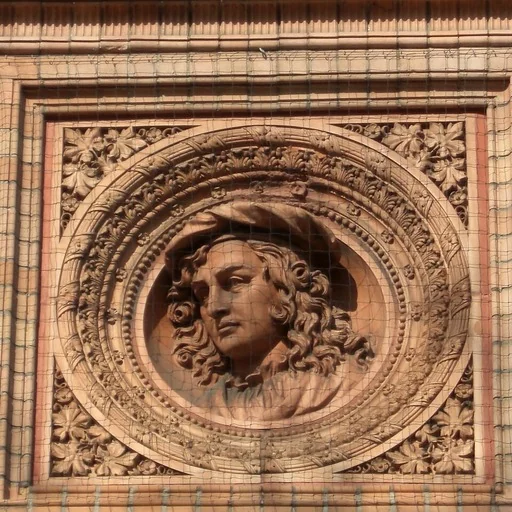
Jacob Isaackszoon van Ruisdael was a Dutch painter, draughtsman, and etcher. He is generally considered the pre-eminent landscape painter of the Dutch Golden Age, a period of great wealth and cultural achievement when…