Artwork
Portrait of a Young Man
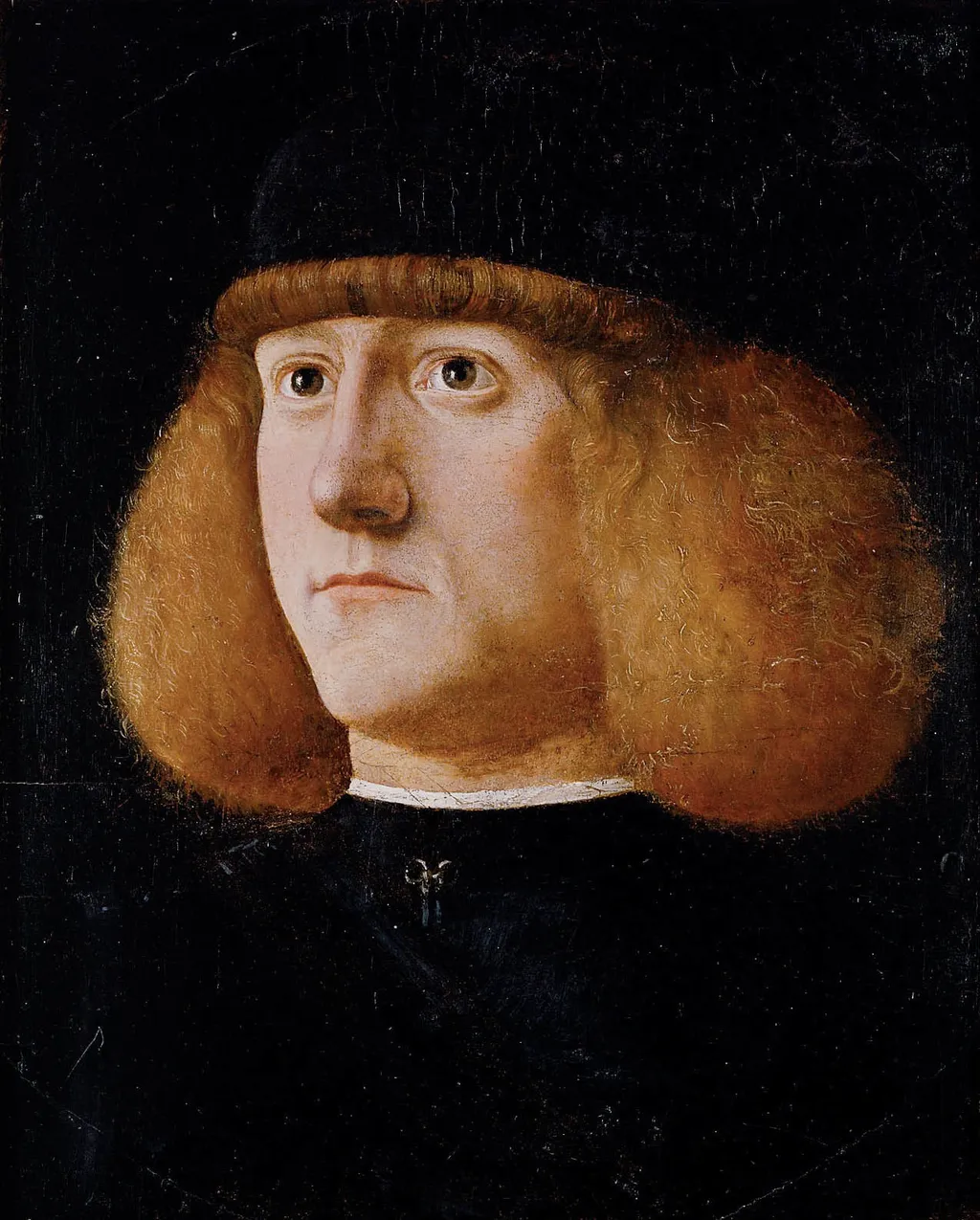
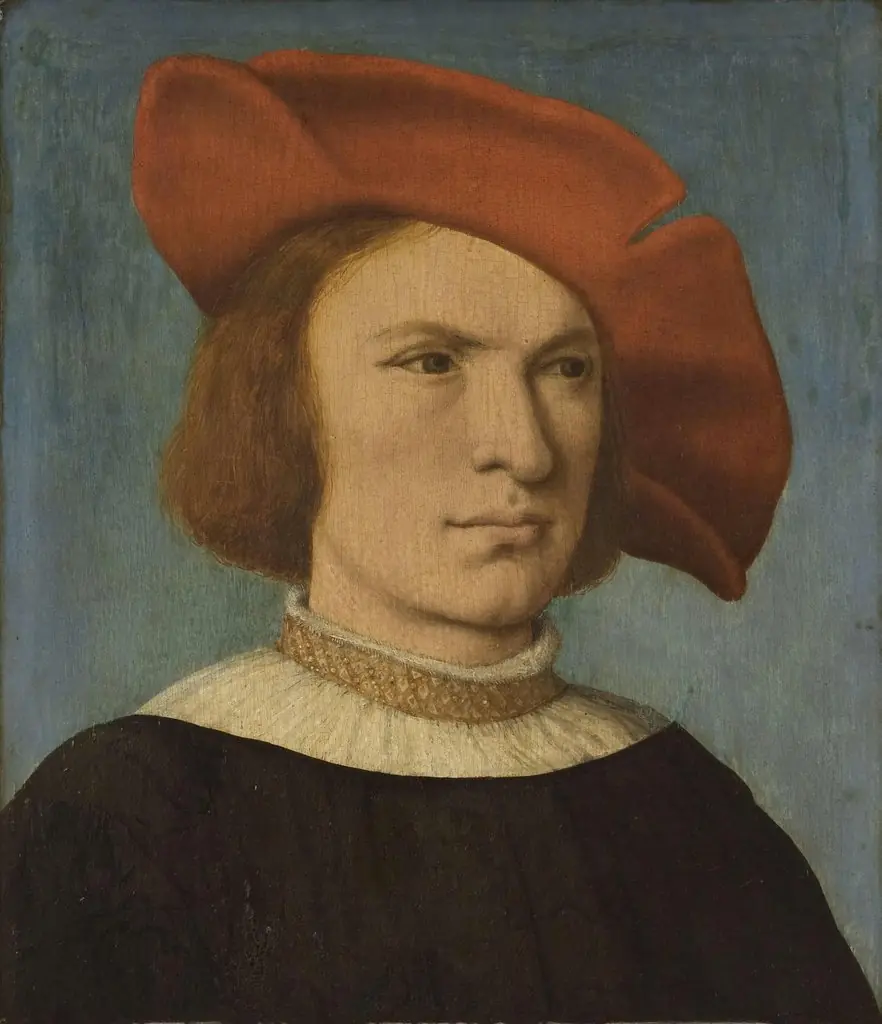
Portrait of a Young Man is an unspecified painting by the Early Renaissance artist Jacometto Veneziano. It is held in the collection of the Kunsthistorisches Museum.
About this work
Overview
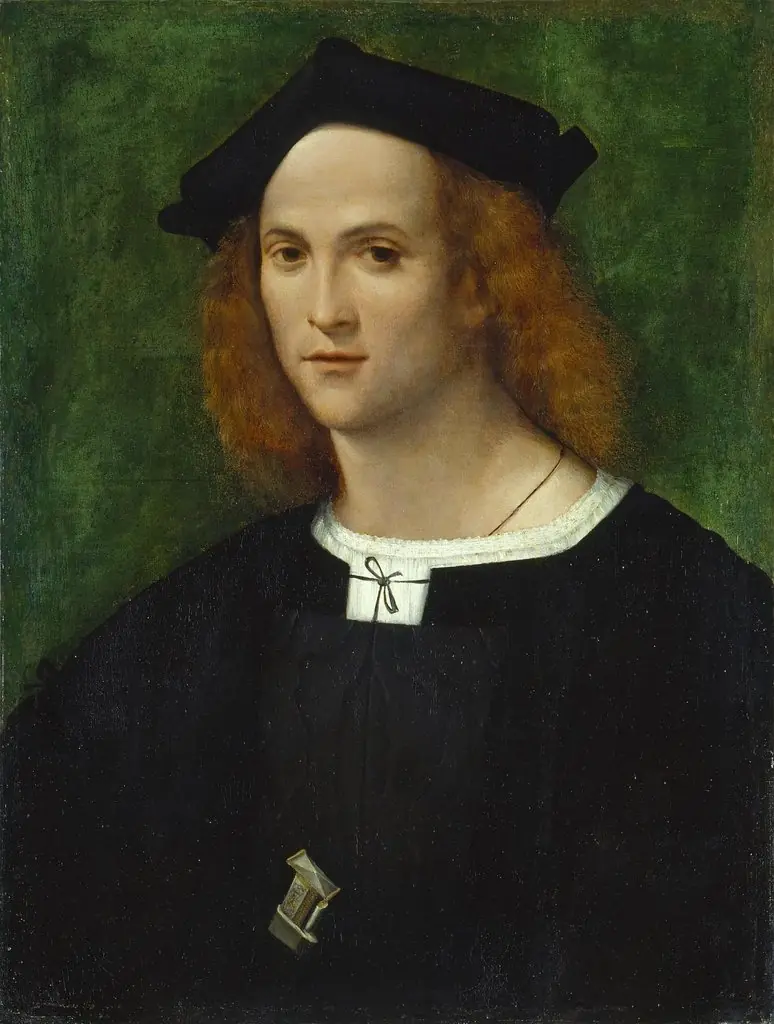
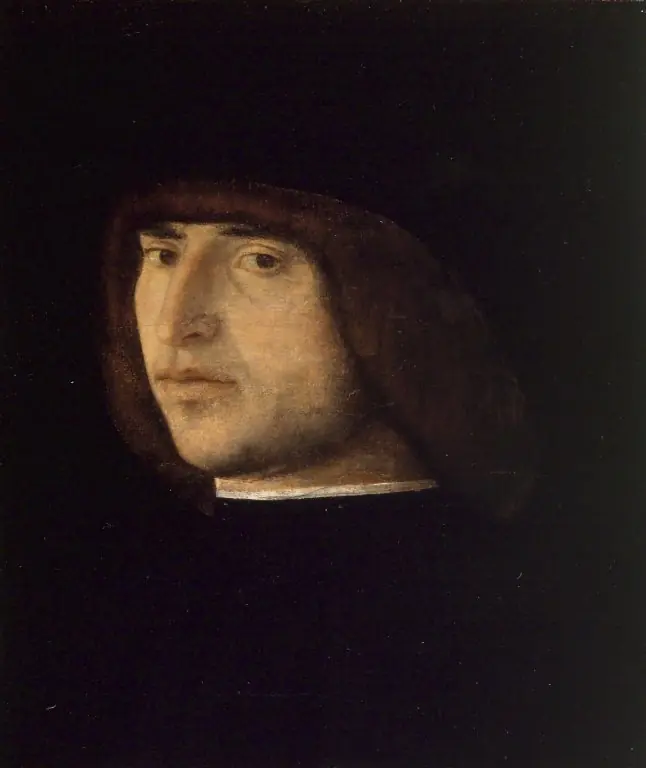
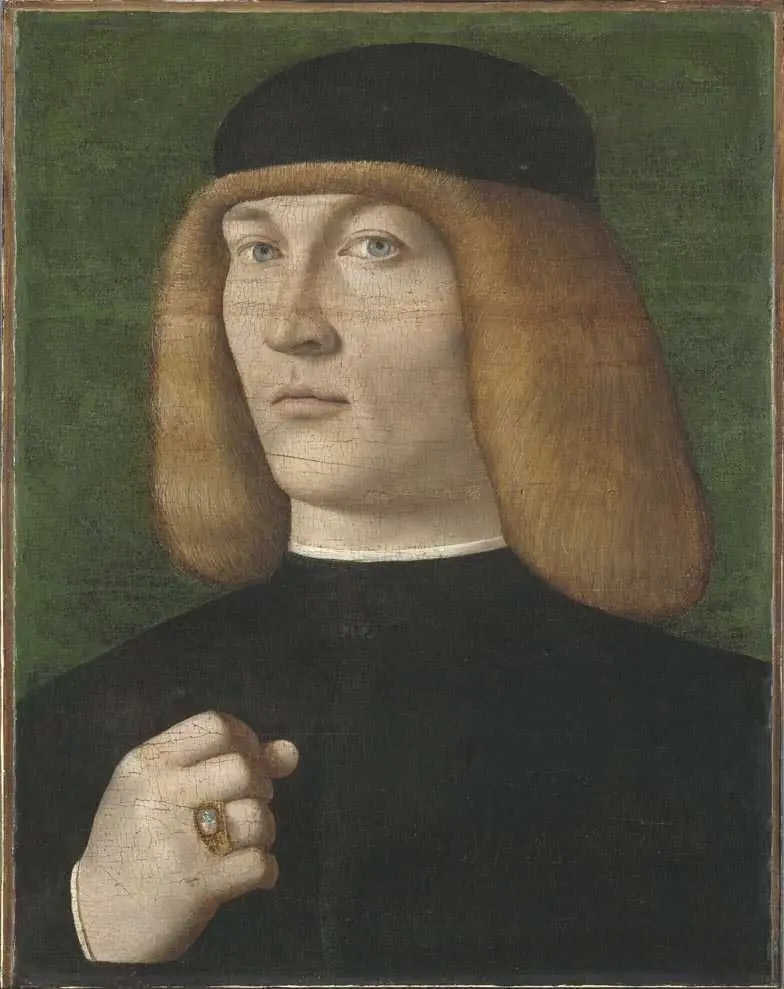
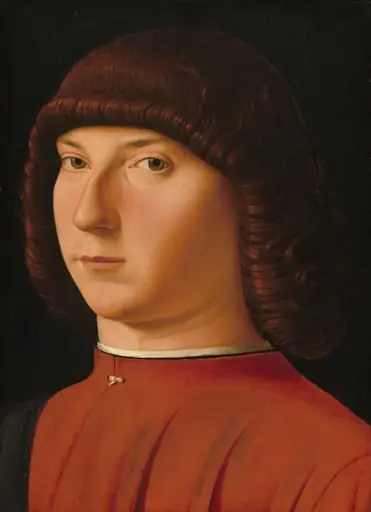
Painted around 1500 by Jacometto Veneziano, this small-scale portrait depicts an unidentified young man in intimate close-up.
Painted around 1500 by Jacometto Veneziano, this small-scale portrait depicts an unidentified young man in intimate close-up. Executed in oil on panel, it resides in the Kunsthistorisches Museum in Vienna. The composition is tightly framed, eliminating any contextual elements to focus entirely on the sitter’s presence. The quiet intensity of the gaze and the restrained palette reflect a Northern European sensitivity to psychological nuance, even as the technique shows Italian influences.
Subject & Meaning
The subject is a young man, likely of modest nobility or urban elite status, rendered with solemn dignity. His direct, unsmiling gaze invites contemplation rather than familiarity. The absence of symbols, clothing embellishments, or background details suggests an emphasis on inner character over social status. The stillness and clarity of his expression convey a sense of introspection, aligning with Renaissance ideals of individuality and moral gravity.
Technique & Style
Jacometto employed subtle gradations of tone to model the face, using soft brushwork to blur transitions between light and shadow—a technique anticipating sfumato. The red-gold curls are rendered with feathery strokes that suggest texture without detail, while the pale skin appears luminous against the deep, unmodulated background. The white collar is rendered with minimal strokes, its simplicity reinforcing the portrait’s restraint. Light falls evenly, avoiding dramatic contrast to preserve a calm, meditative mood.
History & Provenance
The painting entered the Kunsthistorisches Museum’s collection in the 19th century, likely from an Austrian noble family’s holdings. Its attribution to Jacometto Veneziano, a Venetian painter active in the early 1500s, is based on stylistic comparisons with his few surviving works. Little is known of its earlier ownership, but its preservation suggests it was valued within private collections for its quiet realism and technical refinement.
Context
Created during a period when Venetian artists were absorbing Northern European portraiture techniques, the work reflects a hybrid style: the psychological depth of Albrecht Dürer meets the tonal subtlety of Venetian painting. Unlike grand court portraits, this intimate scale and lack of heraldry point to a private commission, possibly for domestic display. It stands as an example of how Renaissance ideals of individuality were expressed beyond major urban centers.
Legacy
Though Jacometto Veneziano remains a minor figure in art history, this portrait endures as a quiet exemplar of early 16th-century psychological portraiture. Its restrained elegance and sensitive handling of light influenced later Venetian painters seeking emotional resonance over grandeur. It continues to be studied for its synthesis of Northern precision and Italian tonalism, offering insight into the transmission of artistic ideas across regions.
Own this work as a print
Artist & collection
Artist
Jacometto painted crisp, small-scale portraits during the late 1400s in Venice. In *Portrait of Alvise Contarini; A Tethered Roebuck* he paired a man’s likeness on one side with a delicate deer tethered to a tree on the…

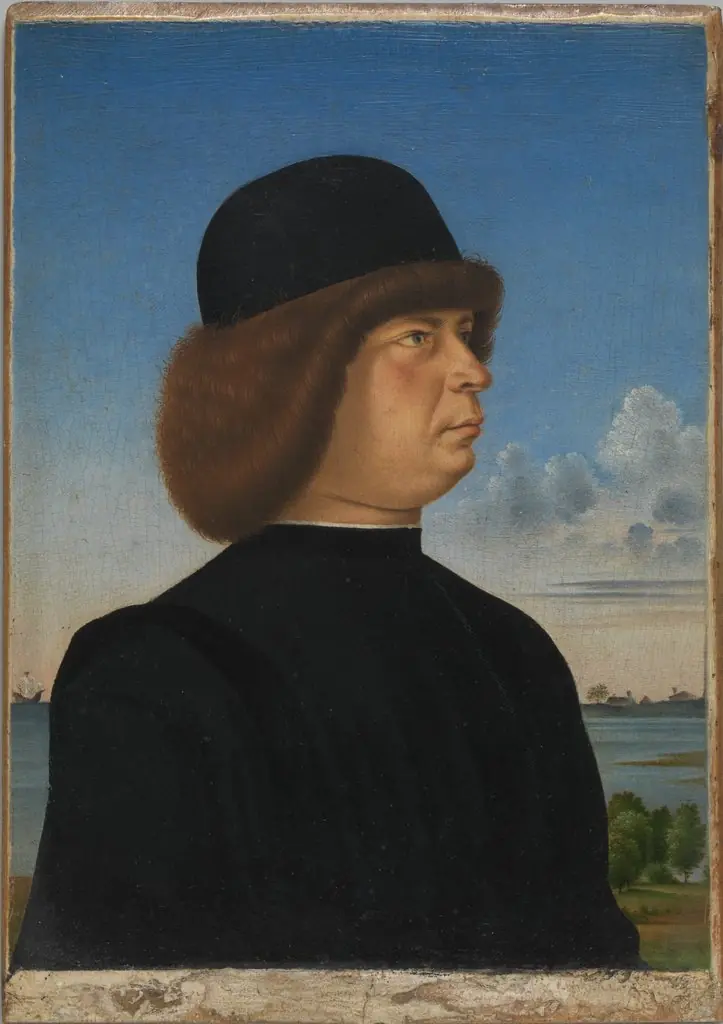 Portrait of Alvise Contarini(?); (verso) A Tethered Roebuck
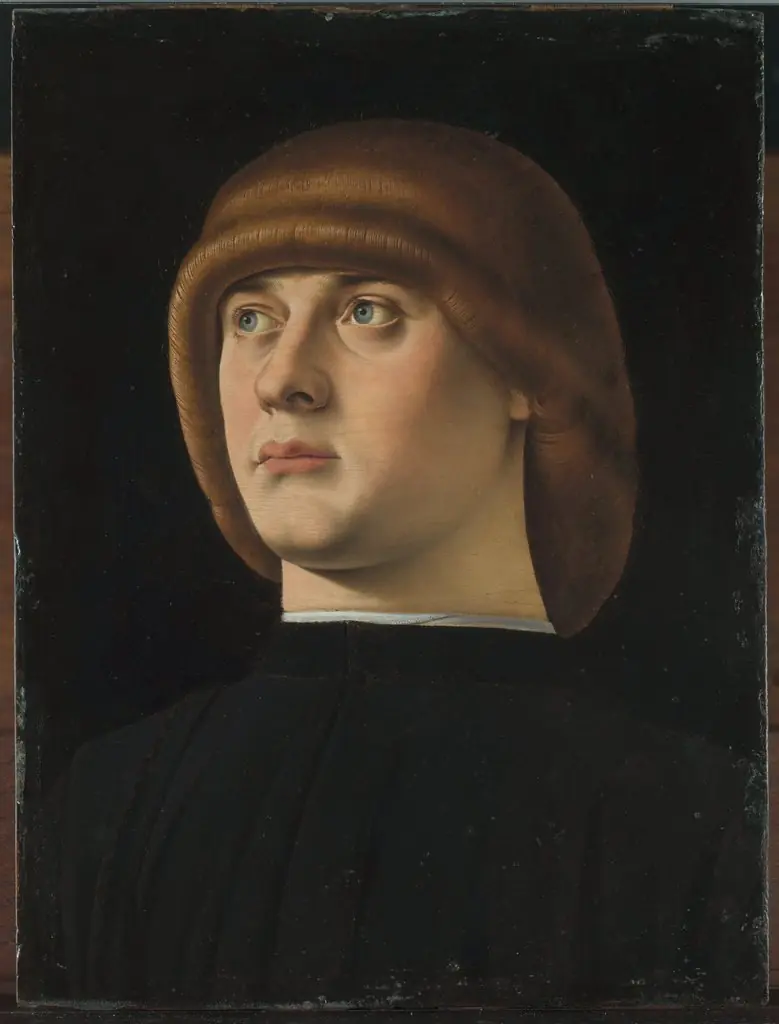 Portrait of a Young Man
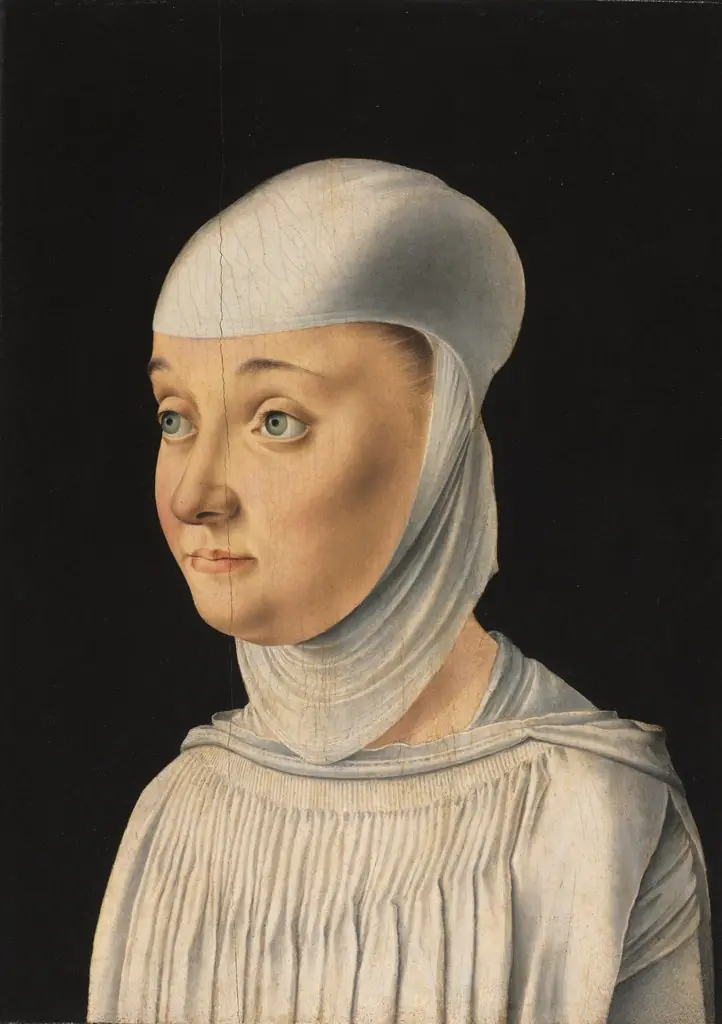 Portrait of a Woman, Possibly a Novice of San Secondo
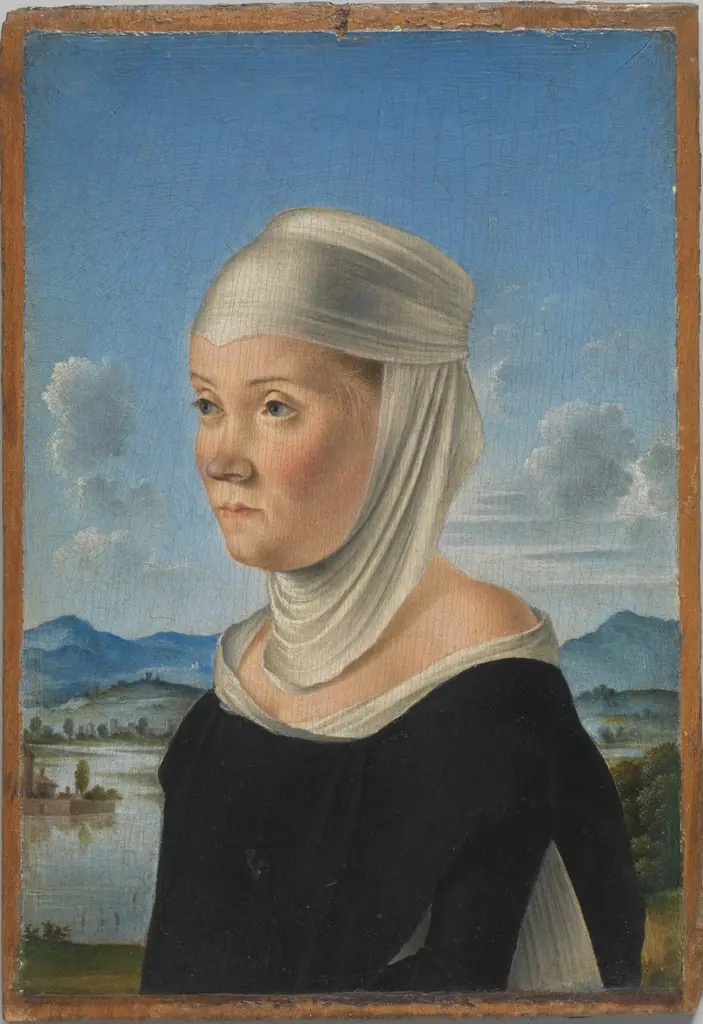 Portrait of a Woman, Possibly a Nun of San Secondo; (verso) Scene in Grisaille
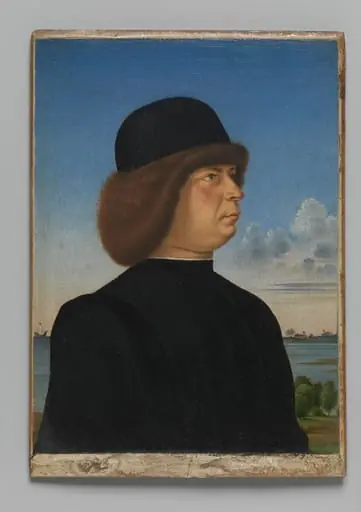 Portrait of a man (Alvise Contarini?)
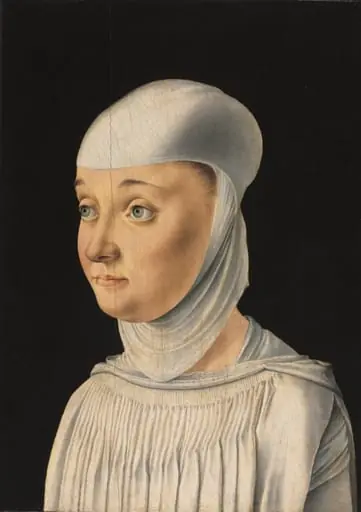 Portrait of a Woman, Possibly a Novice of San Secondo