Artwork
Portrait of a Gentleman
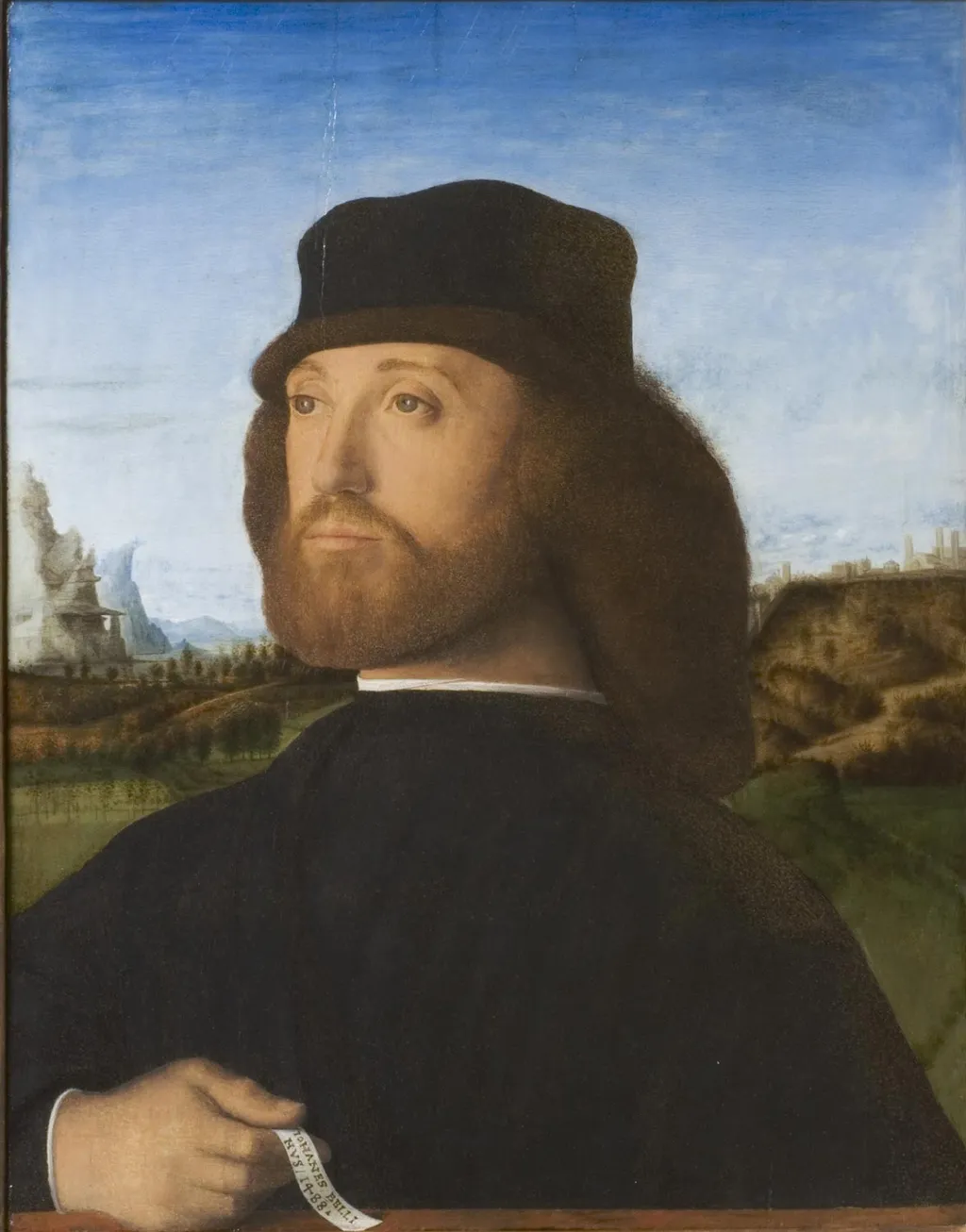
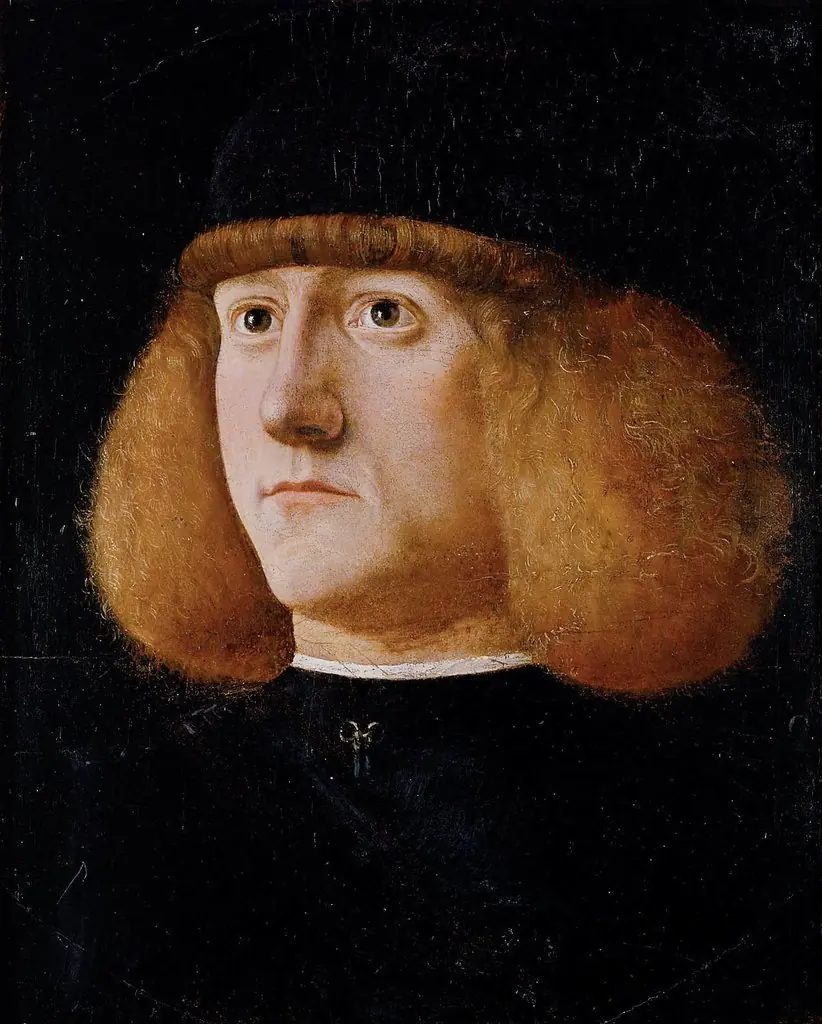
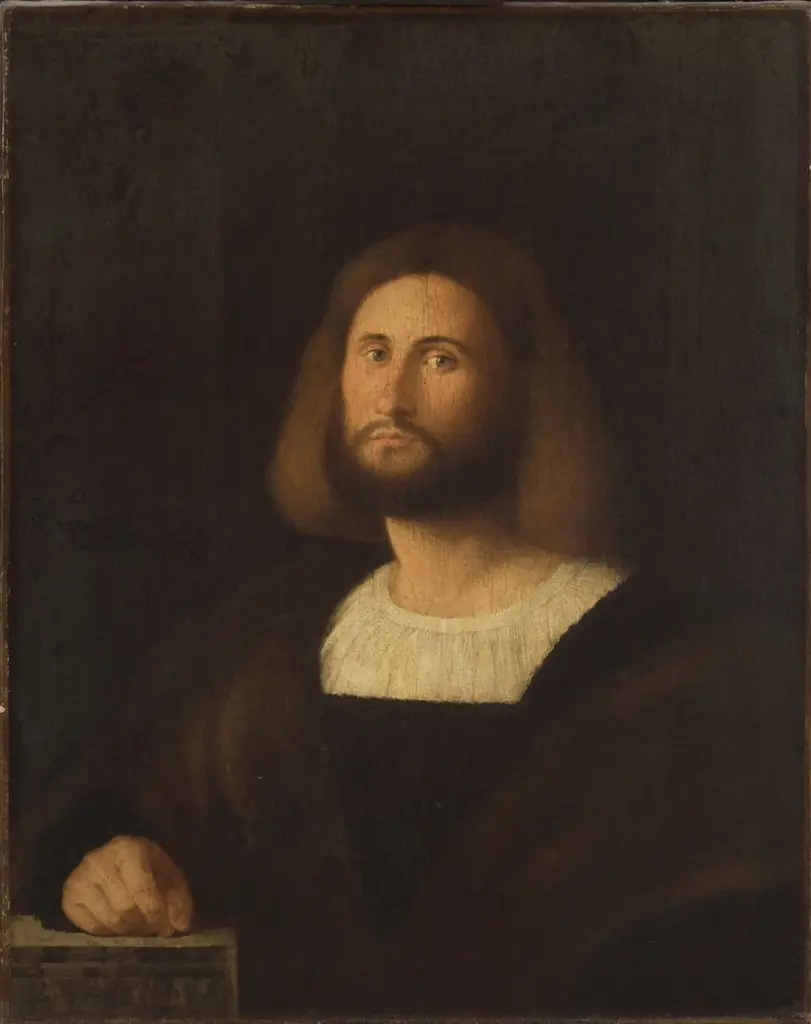
Portrait of a Gentleman is an oil painting by the Early Renaissance artist Marco Basaiti. It dates from 1500 and is held in the collection of the Philadelphia Museum of Art. Created around 1500, this oil painting on panel presents a solitary gentleman in a contemplative pose.
About this work
Overview
Created around 1500, this oil painting on panel presents a solitary gentleman in a contemplative pose. Executed by the Venetian painter Marco Basaiti, the work is part of the collection at the Philadelphia Museum of Art. It stands as one of the few surviving examples that illustrate Basaiti’s focus on individual portraiture during the early Renaissance.
Subject & Meaning
The sitter is shown with a full beard and flowing hair, dressed in a dark hat and robe over a white shirt, and he holds a sheet of paper in his right hand. The inclusion of the document and the dignified attire suggest a person of some status, possibly a scholar or official, whose identity remains unknown.
Technique & Style
Basaiti employed oil pigments on a wooden panel, achieving a subtle modeling of light and shadow that recalls the chiaroscuro methods popular among his contemporaries. The background features a modest landscape with a blue sky, a rocky outcrop and a distant building, integrating the figure into a gently idealized Renaissance setting.
History & Provenance
The painting entered the Philadelphia Museum of Art’s holdings through acquisition in the twentieth century, though earlier ownership records are sparse. Basaiti’s name appears in archival documents under several spellings, and his oeuvre is chiefly known through portraits such as this, which serve as primary evidence of his artistic activity in early sixteenth‑century Venice.
Artist & collection

Artist
Marco Basaiti (c. 1470 – 1530) was a Venetian painter of the Renaissance who worked mainly in Venice and was a contemporary of Giovanni Bellini and Cima da Conegliano. He has been referred to by several names including…

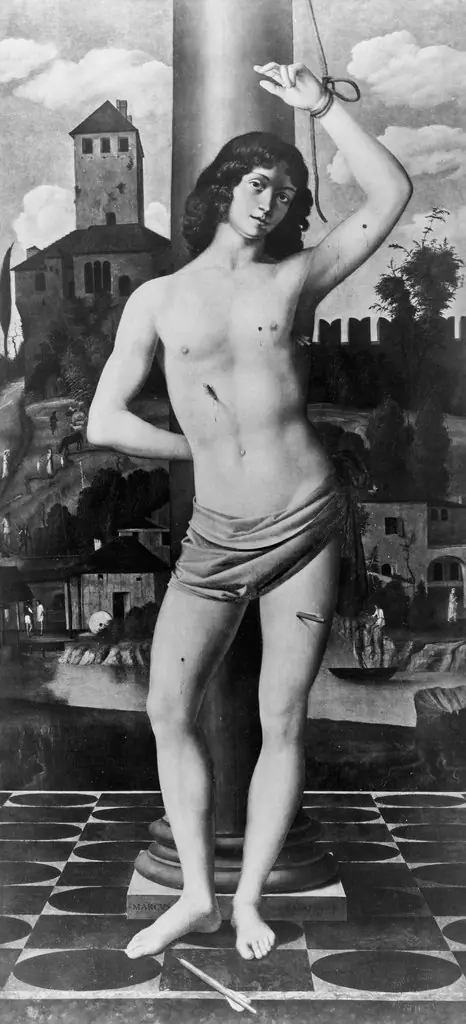
 Portrait of a Young Man
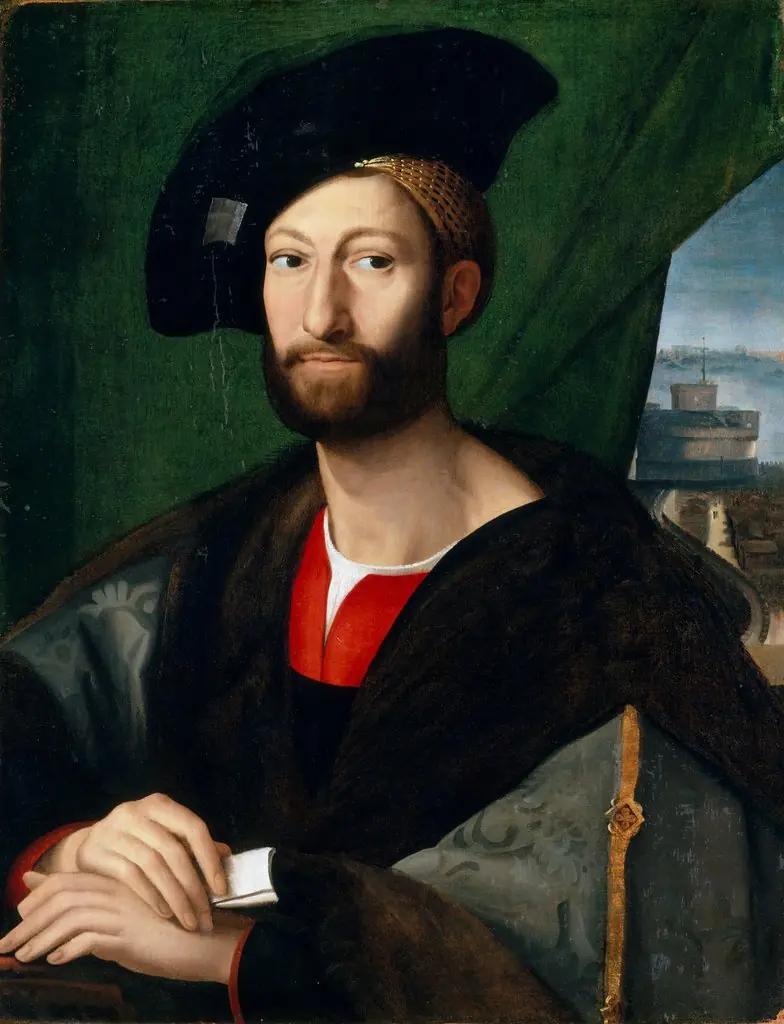 Giuliano de' Medici (1479–1516), Duke of Nemours
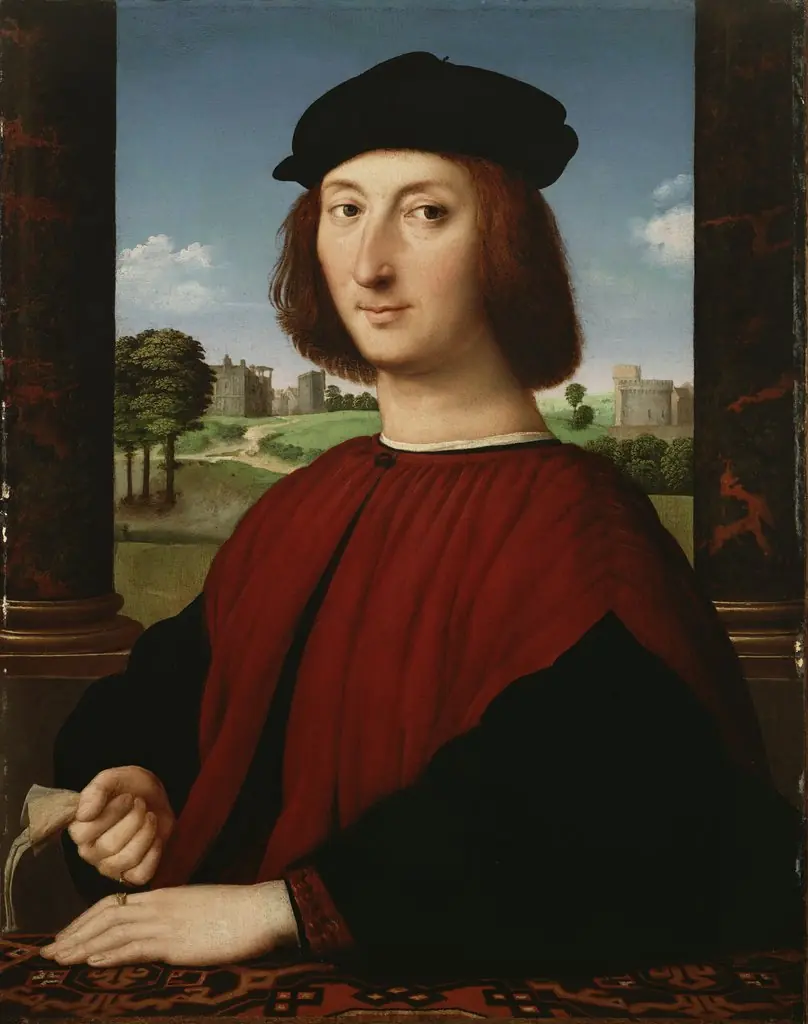 Portrait of a Young Man in Red
 Portrait of a Gentleman
 Portrait of a young Man
 Portrait of Francesco delle Opere
 Portrait of a Man
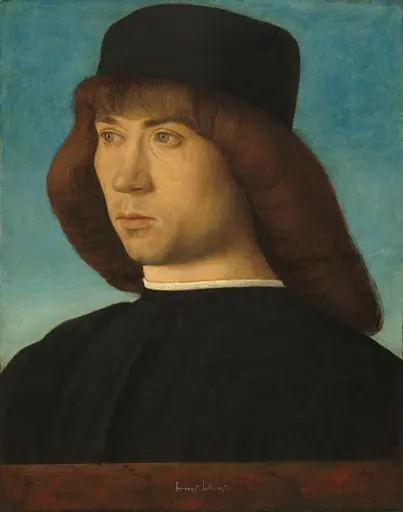 Portrait of a Young Man
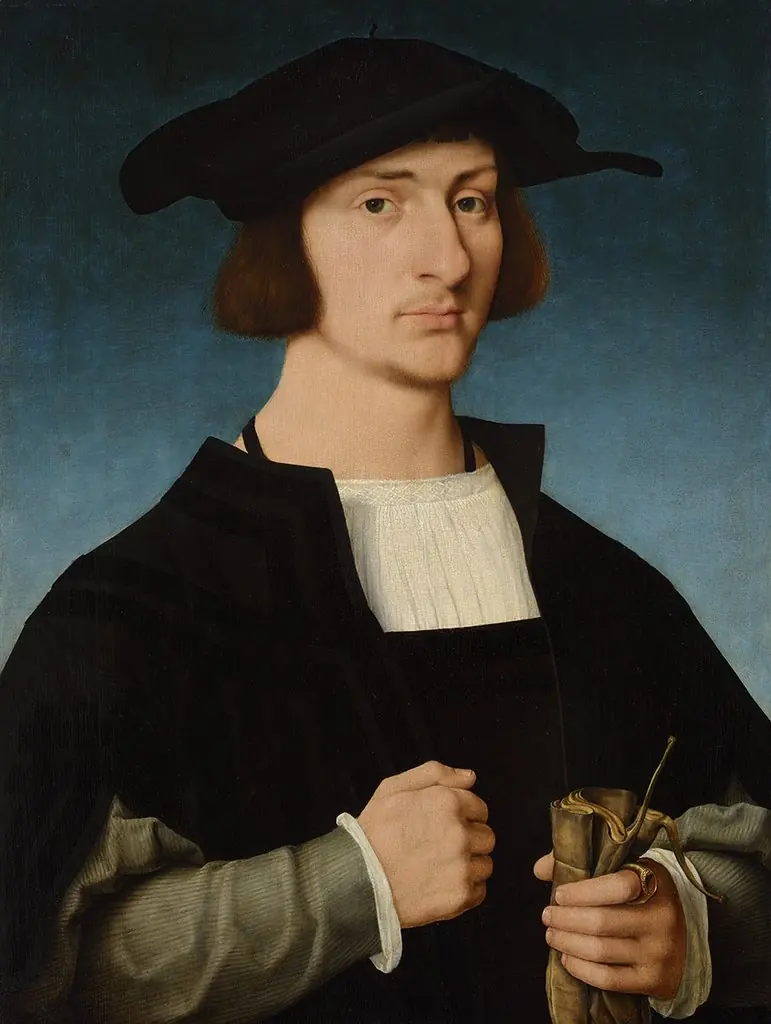 Portrait of a Young Man (Lyons)
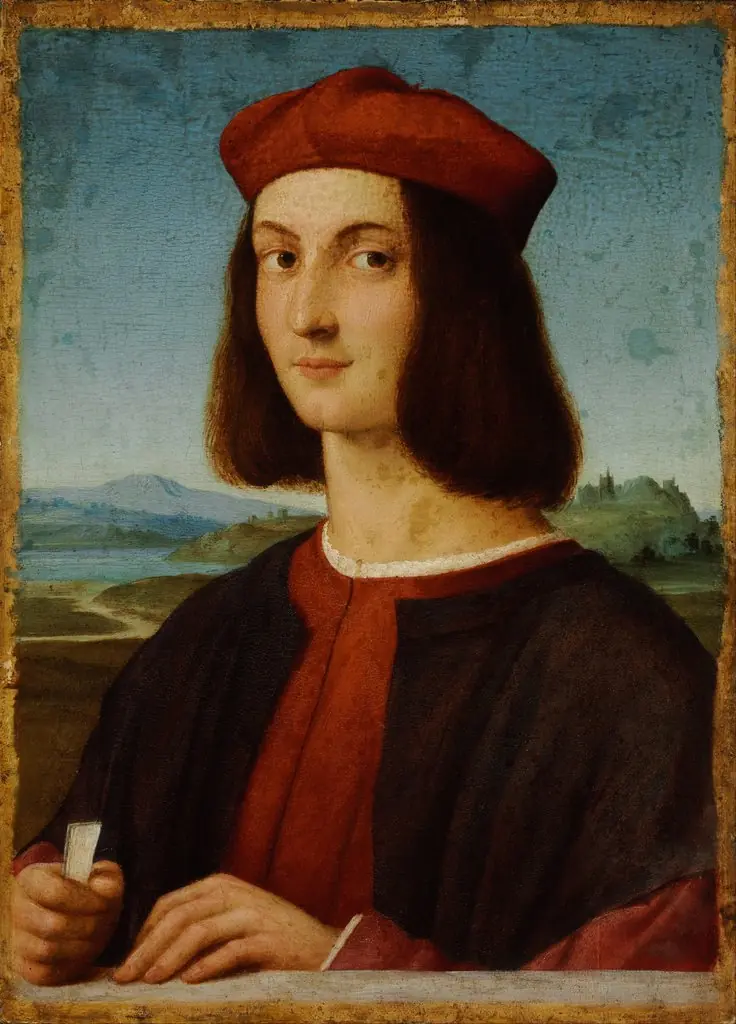 Portrait of Pietro Bembo
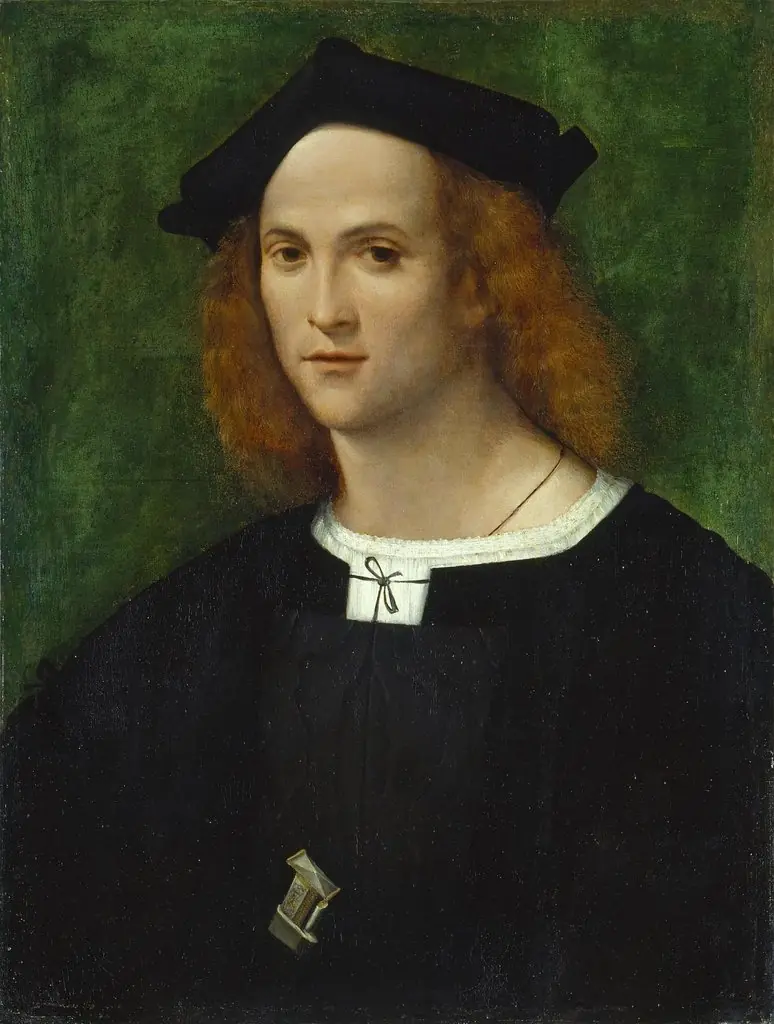 Portrait of a Young Man
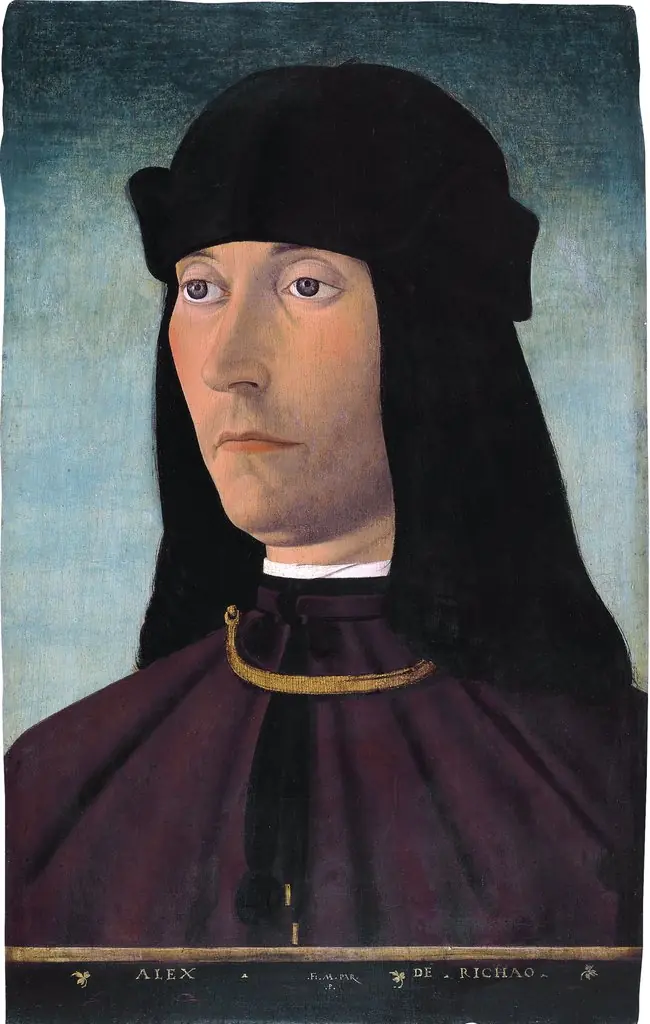 Portrait of Alessandro de Richao