Artwork
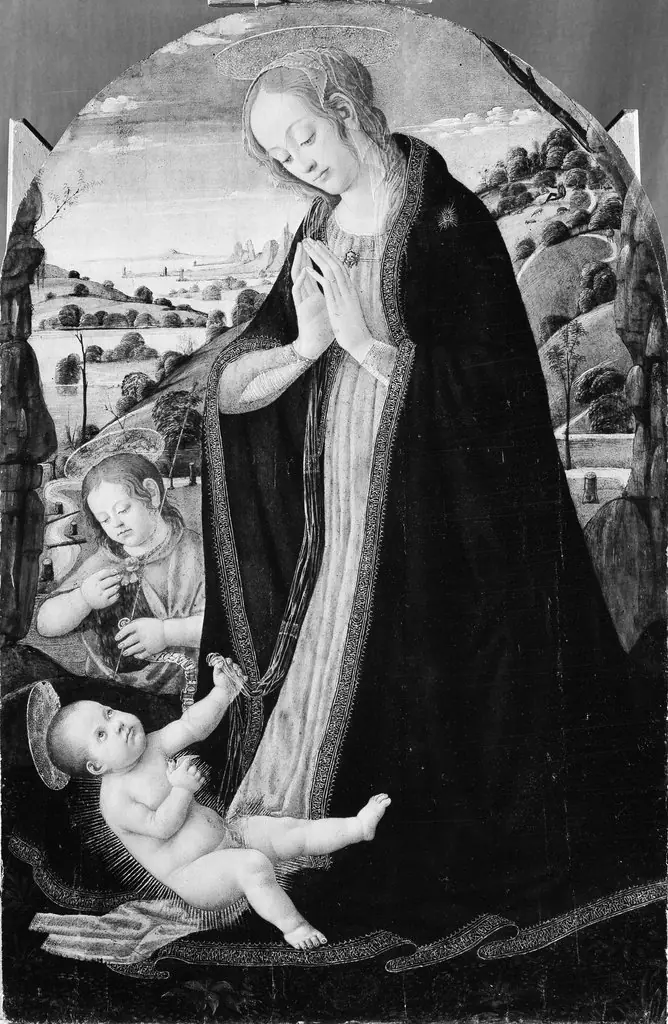
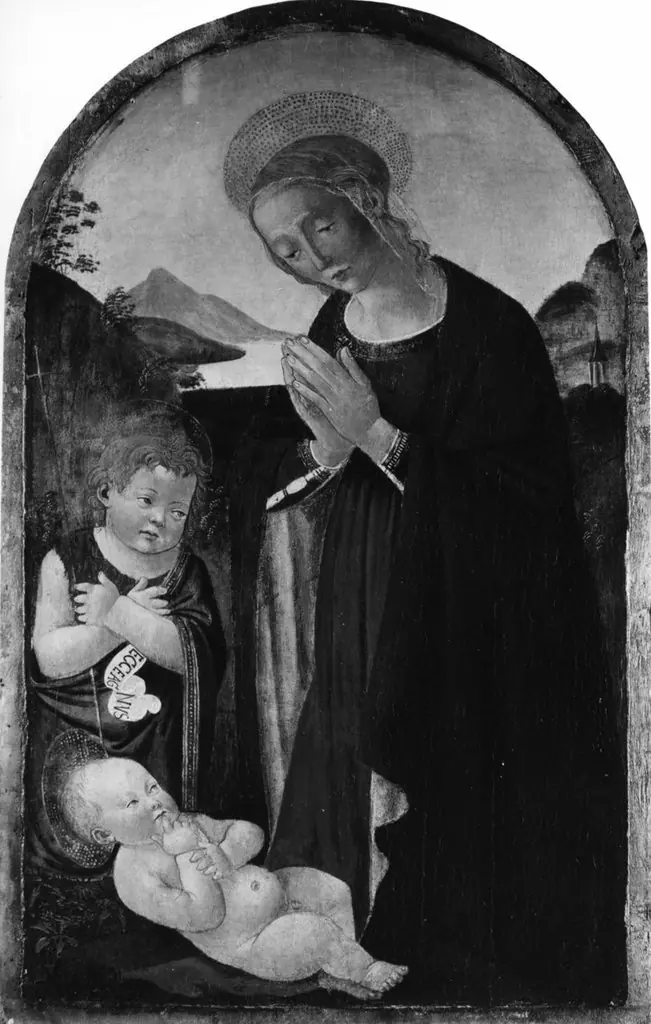
Madonna Adoring The Child
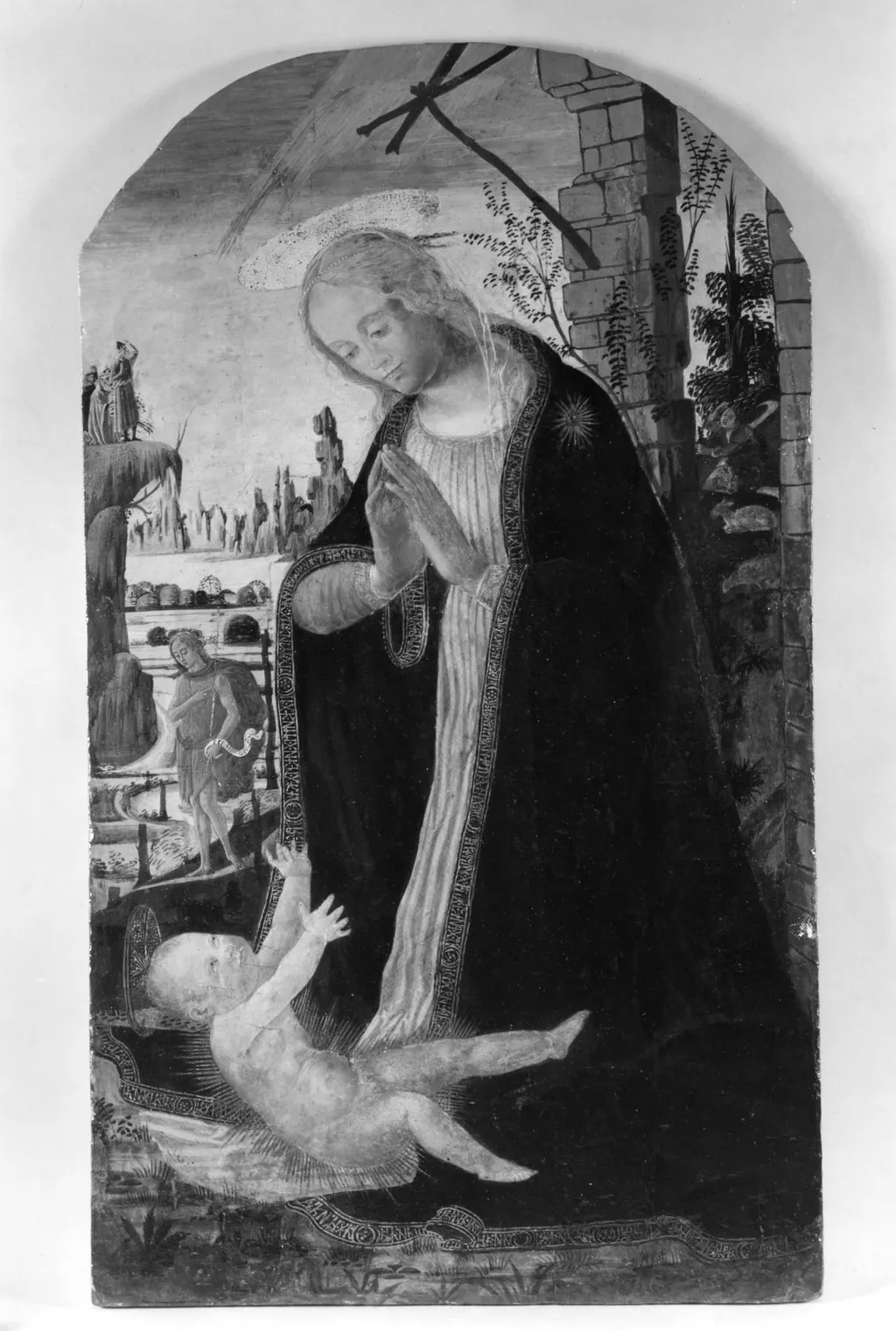
Madonna Adoring The Child is an oil painting by Jacopo da Sellaio. It is held in the collection of the Walters Art Museum.
About this work
Overview
Painted in 1500 by Jacopo da Sellaio, this oil-on-panel work presents a quiet devotional moment between the Virgin Mary and the infant Christ.
Painted in 1500 by Jacopo da Sellaio, this oil-on-panel work presents a quiet devotional moment between the Virgin Mary and the infant Christ. Executed in Florence during the late Quattrocento, it reflects the city’s enduring religious painting traditions. Sellaio, trained in the workshop of Fra Filippo Lippi, absorbed the lyrical style of his contemporaries, blending it with his own restrained sensitivity to form and gesture.
Subject & Meaning
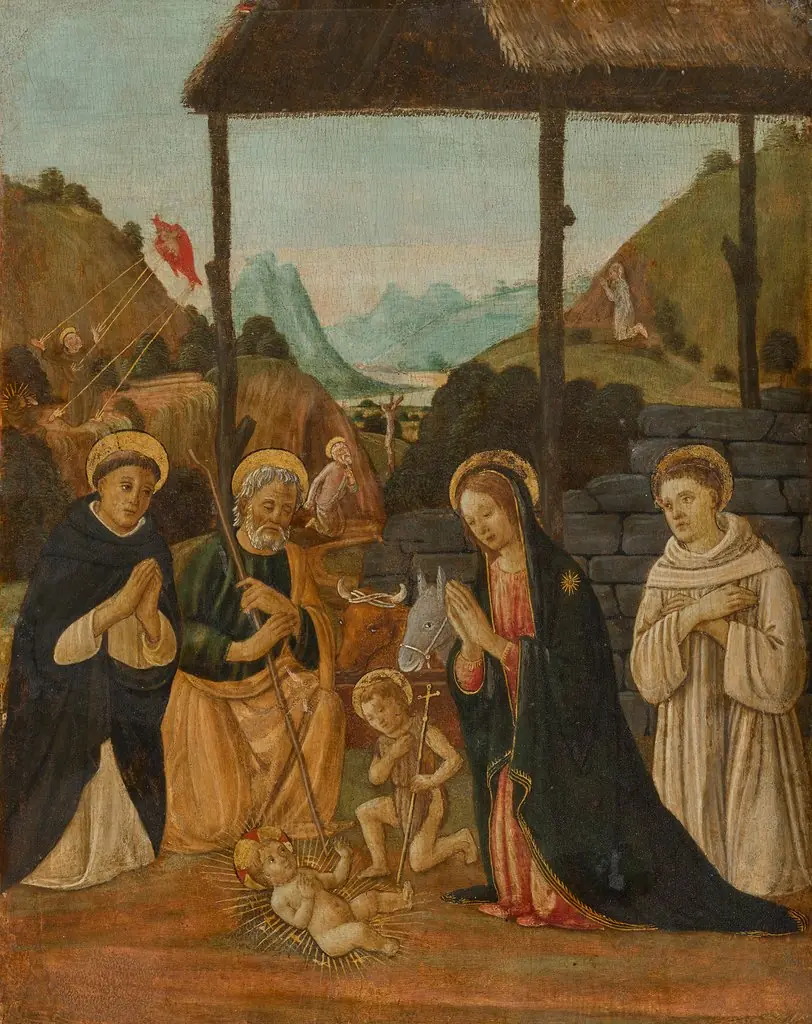
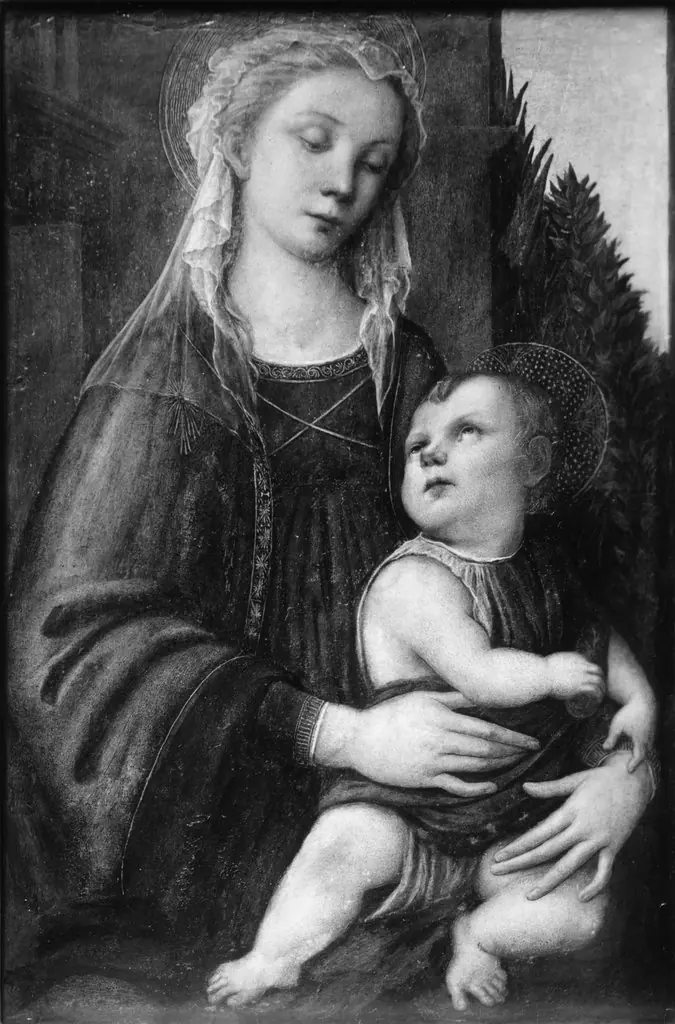
The Virgin Mary is shown in a posture of contemplative reverence, her hands folded as she gazes at the Christ child resting on a cushion. The scene emphasizes maternal devotion rather than grandeur, aligning with early Renaissance ideals of intimate spiritual connection. The child’s outstretched arms suggest both vulnerability and divine purpose, reinforcing the theological theme of incarnation through tender human interaction.
Technique & Style
Sellaio employed oil paint to achieve subtle gradations of tone and rich, luminous color, particularly in the deep blues and whites of Mary’s garments. The delicate rendering of fabric folds adds tactile depth, while the soft modeling of faces and limbs reflects the influence of Botticelli and Ghirlandaio. The background, with its muted landscape and stone wall, provides spatial depth without distracting from the central figures.
History & Provenance
The painting remained in Florence’s private collections before entering the Walters Art Museum’s holdings. Its attribution to Sellaio is supported by stylistic parallels to his other known works and documentary evidence linking him to Florentine workshops of the period. The work’s survival in good condition offers insight into the devotional art produced for domestic or small-scale ecclesiastical use in early 16th-century Tuscany.
Context
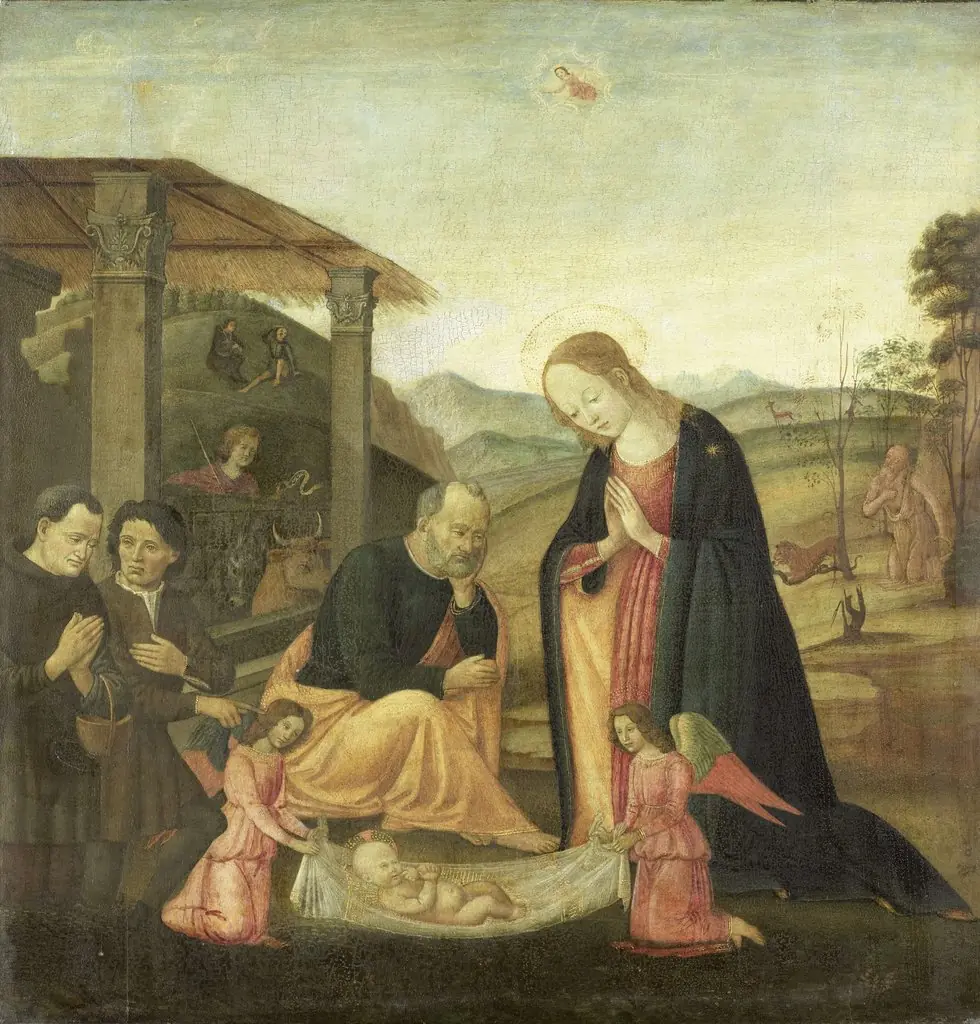
In early 16th-century Florence, religious imagery was central to both public worship and private devotion. Sellaio’s painting reflects a shift toward more personal, emotionally resonant depictions of sacred figures, moving away from rigid iconography. His training under Filippo Lippi placed him within a lineage that valued grace and naturalism, even as High Renaissance ideals began to emerge in the city.
Legacy
Though less widely known than his contemporaries, Sellaio’s work exemplifies the quiet refinement of Florentine painting between the late 15th and early 16th centuries. His ability to convey spiritual stillness through restrained composition and careful handling of oil paint influenced minor workshop practices and contributed to the broader evolution of devotional art in Renaissance Italy.
Artist & collection
Artist
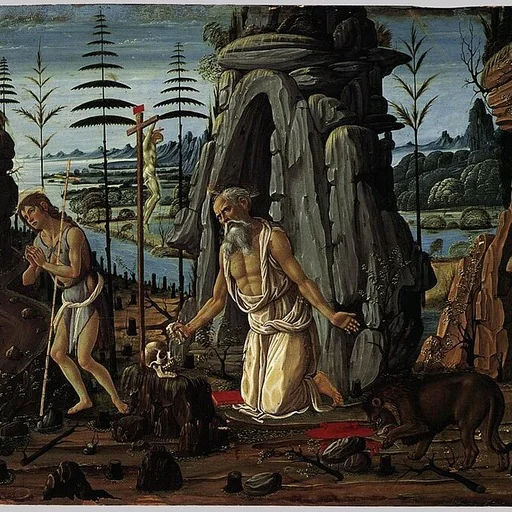
Jacopo del Sellaio (1441/42–1493) was an Italian painter of the early Renaissance, active in his native Florence.