Artwork
Christ and the Adulteress
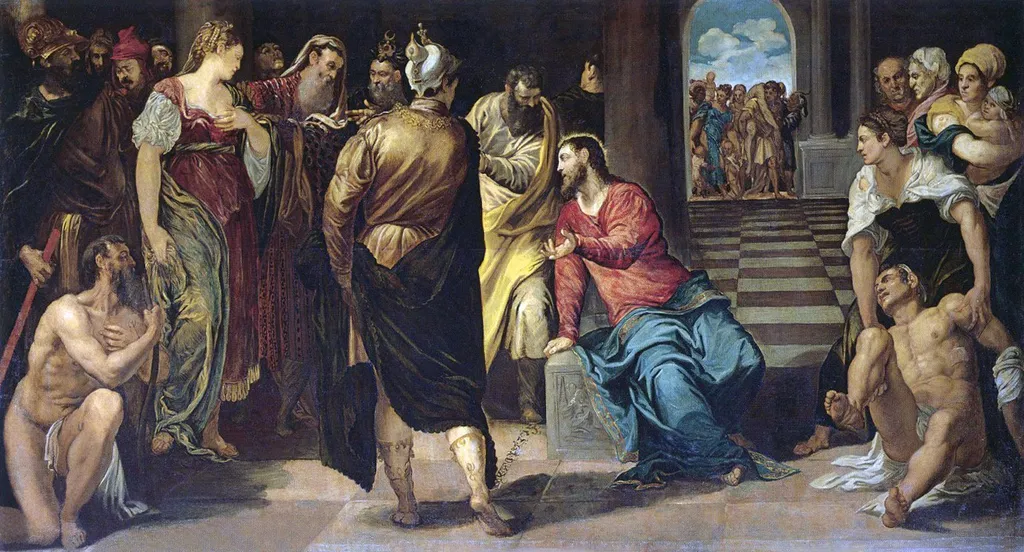
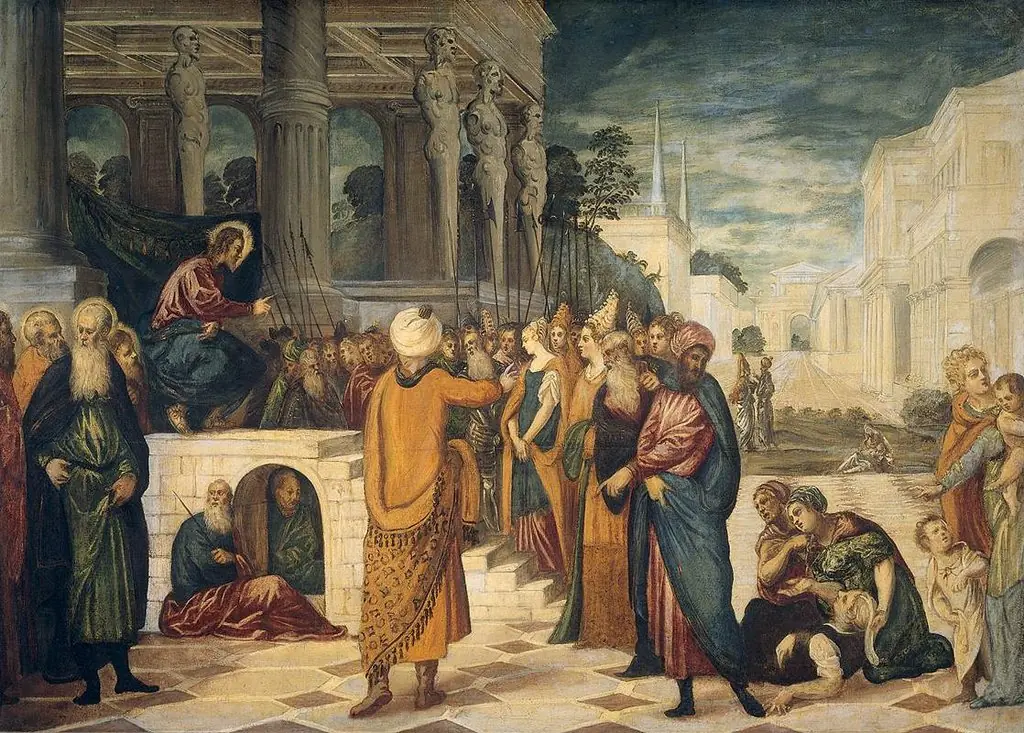
Christ and the Adulteress is an oil painting by the Mannerist artist Jacopo Tintoretto. It dates from 1547 and is held in the collection of the Staatliche Kunstsammlungen Dresden.
About this work
Overview
Painted in 1547 by Jacopo Tintoretto, this oil-on-canvas work portrays the biblical episode of Christ and the woman taken in adultery. Executed in the Venetian tradition, it reflects the Mannerist tendency toward heightened emotion and complex spatial arrangements. The painting is part of the Gemäldegalerie Alte Meister collection in Dresden, where it has remained since the 18th century.
Subject & Meaning
The scene captures Christ’s confrontation with the Pharisees who bring a woman accused of adultery before him.
The scene captures Christ’s confrontation with the Pharisees who bring a woman accused of adultery before him. Christ, seated and calm, appears to be writing on the ground, while the accusers gesture aggressively. The kneeling man with the stone box may represent the accusers’ intent to stone her, yet the box remains untouched—emphasizing Christ’s silence as moral authority. The woman’s posture conveys vulnerability amid judgment.
Technique & Style
Tintoretto employs dynamic composition and strong chiaroscuro to heighten drama. Figures are arranged diagonally across the space, creating tension and depth. Rich, dark fabrics contrast with illuminated skin and garments, drawing focus to the central figures. The brushwork is loose yet purposeful, especially in the rendering of drapery and the hazy background crowd, enhancing the scene’s emotional weight without sacrificing clarity.
History & Provenance
The painting entered the Dresden collection in the 1740s, likely acquired by Augustus III of Saxony during his travels in Italy. It was cataloged among the Elector’s growing holdings of Venetian art. Its survival through wars and reorganizations reflects its recognized importance within the German royal collection, though it was never widely reproduced or publicly exhibited until the 19th century.
Context
Created during the Counter-Reformation, the painting responds to Catholic emphasis on Christ’s mercy and moral authority. Tintoretto’s interpretation diverges from serene Renaissance depictions, instead embracing psychological intensity and theatrical staging. The inclusion of nude figures, unusual in biblical scenes, may reference classical ideals of human form or symbolize moral exposure, aligning with Mannerist experimentation.
Legacy
Though less celebrated than Tintoretto’s large-scale altarpieces, this work exemplifies his ability to distill narrative tension into intimate, psychologically charged moments. Its presence in Dresden underscores the broader European appreciation for Venetian Mannerism. Scholars note its influence on later Baroque painters who sought similar emotional immediacy in religious subjects.
Artist & collection
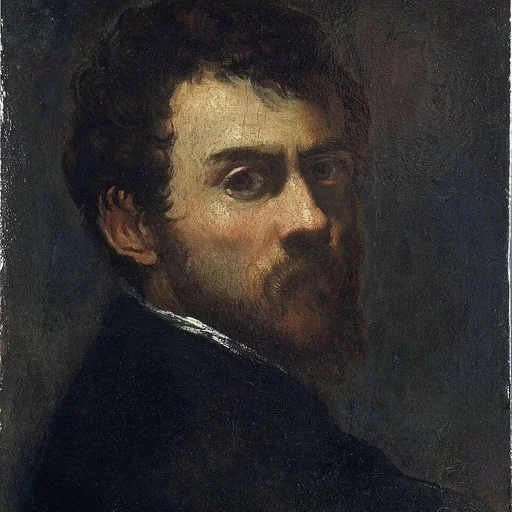
Artist
Jacopo Robusti (late September or early October 1518 – 31 May 1594), best known as Tintoretto ( TIN-tə-RET-oh; Italian: ; Venetian: ), was an Italian Renaissance painter of the Venetian school.


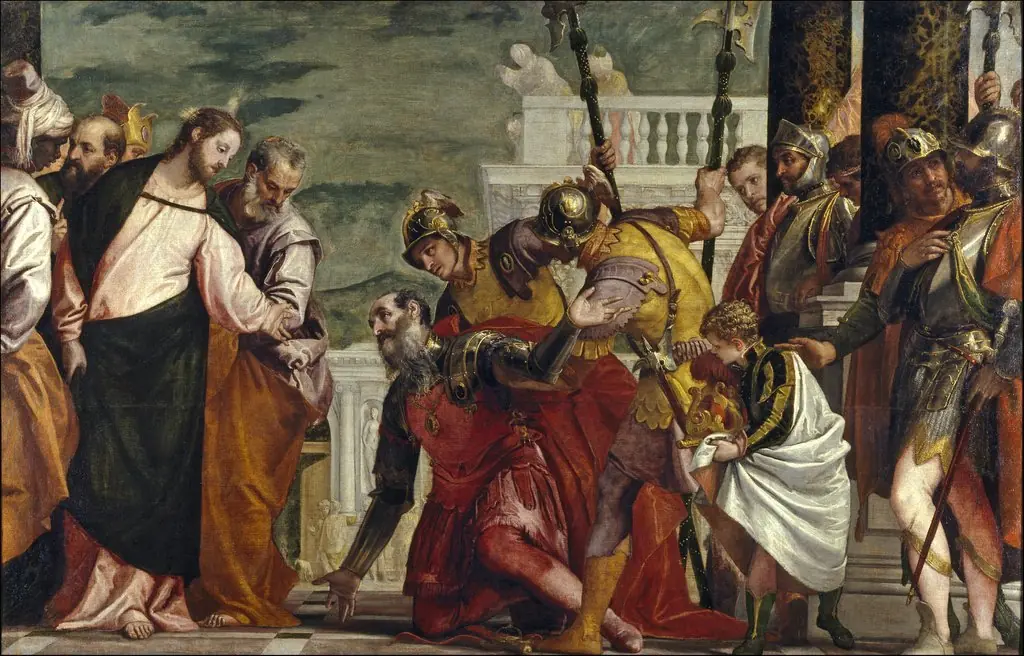 Christ and the Centurion
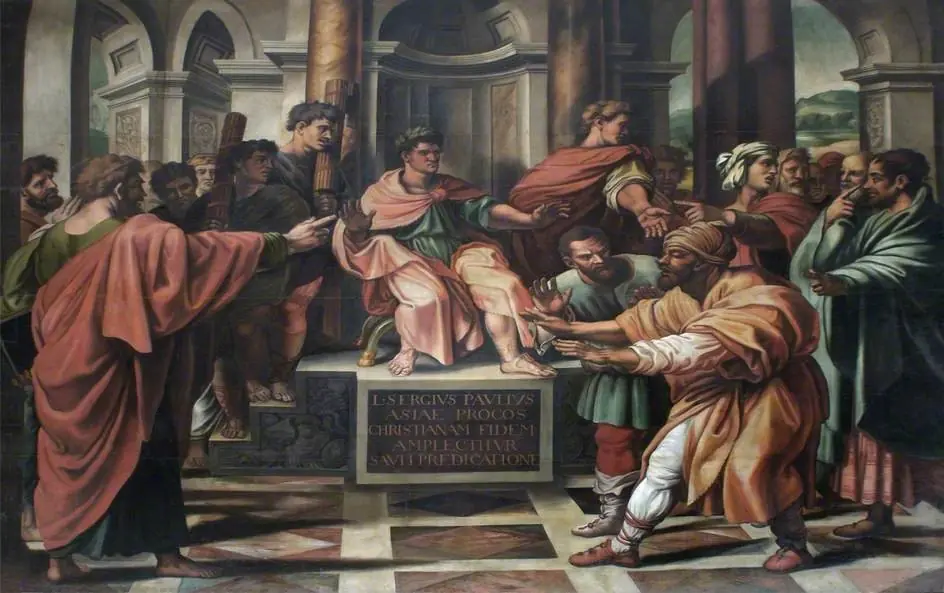 Elymas
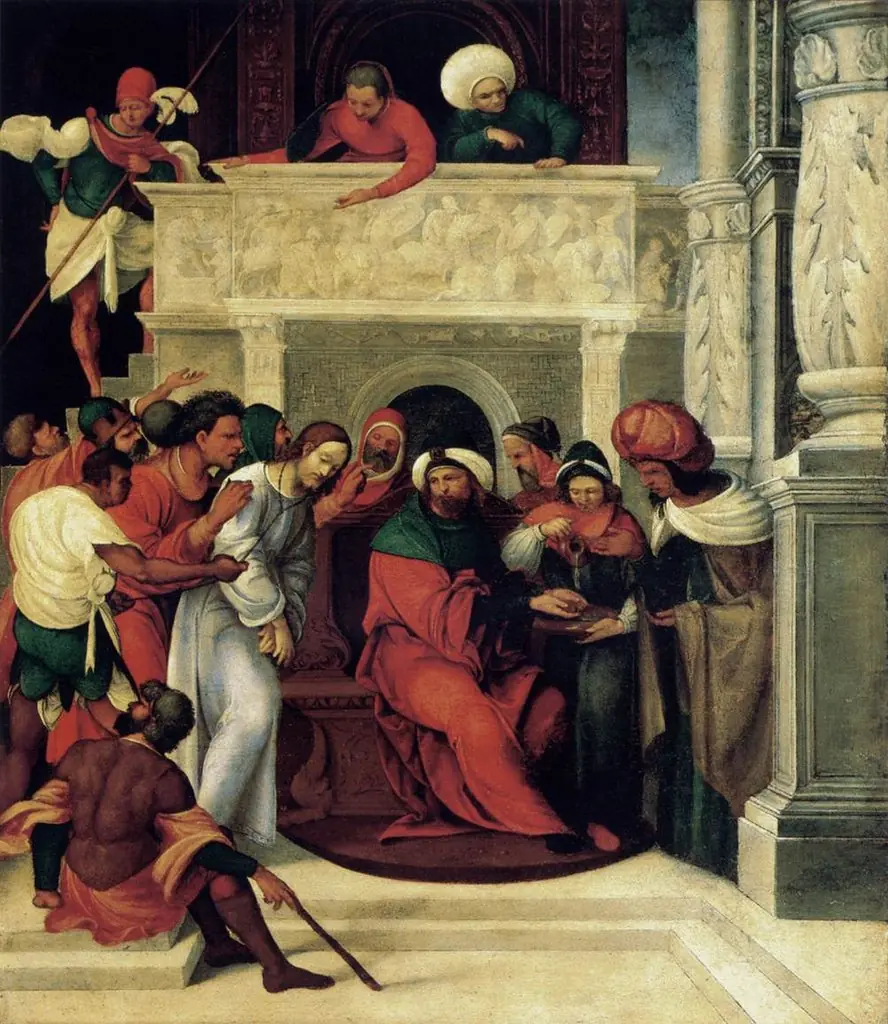 Christ before Pilate
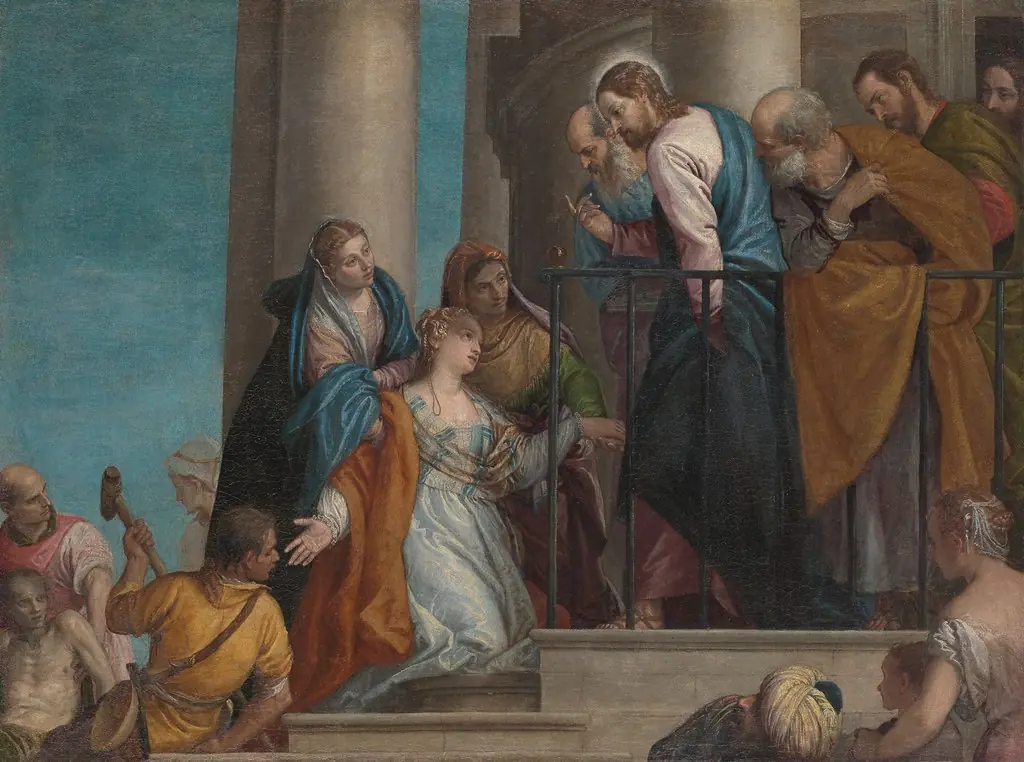 Raising the Young Man of Nain
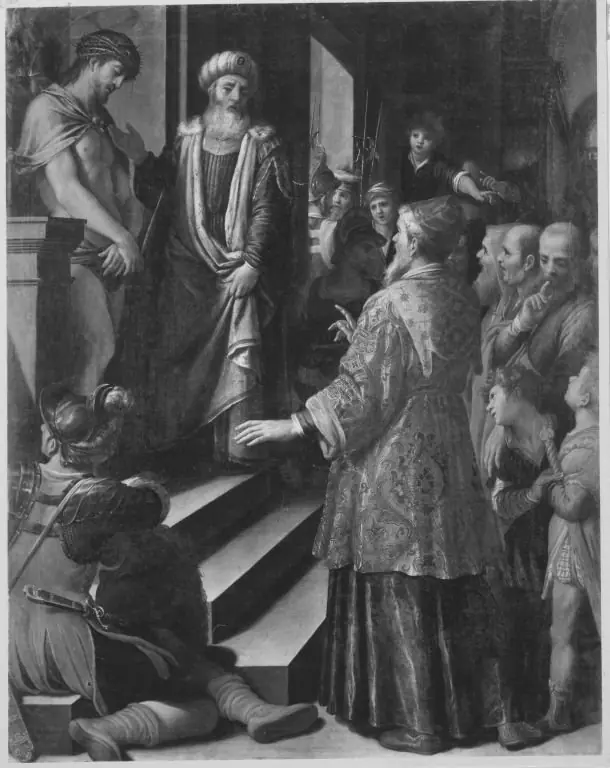 Ecce homo
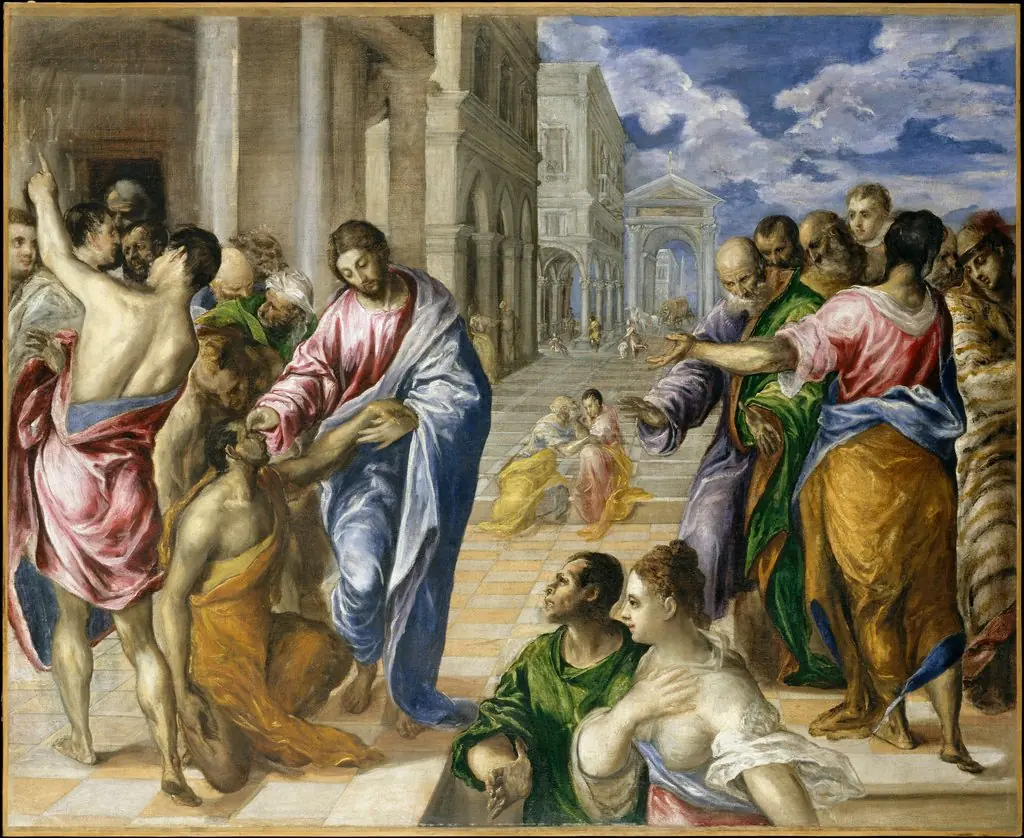 Christ Healing the Blind
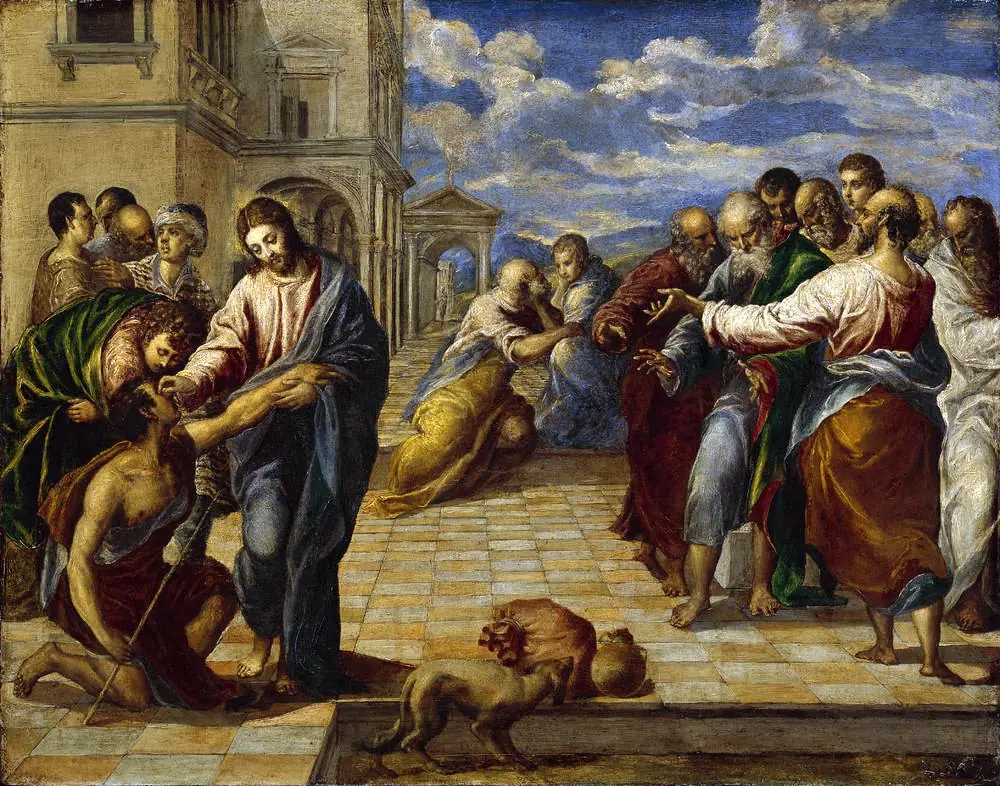 Christ Healing the Blind
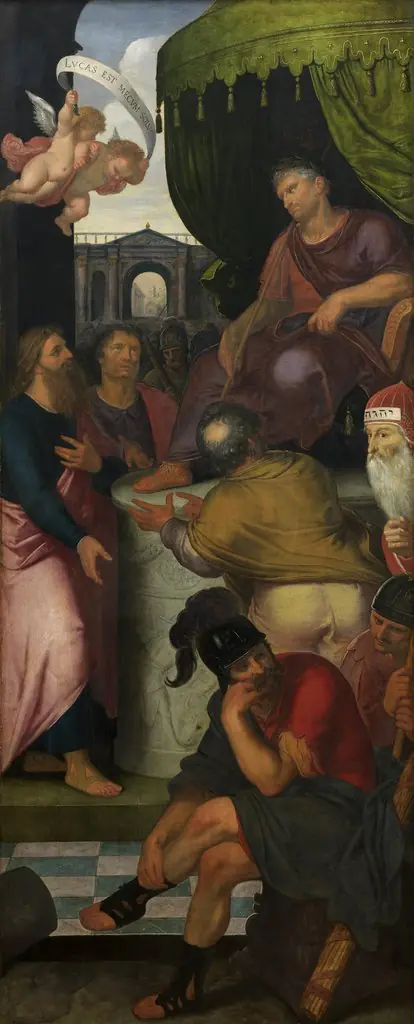 Saint Paul before proconsul Felix of Caesarea
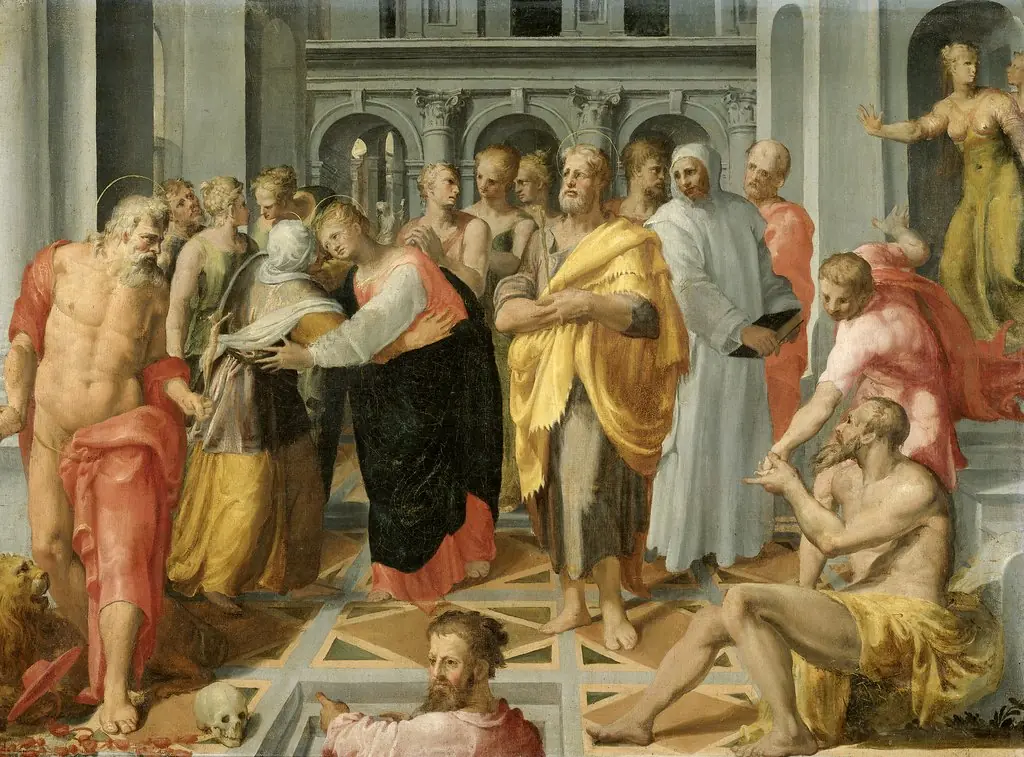 Visitation (Meeting of Mary and Elizabeth in the Presence of Saints Joseph and Jerome)
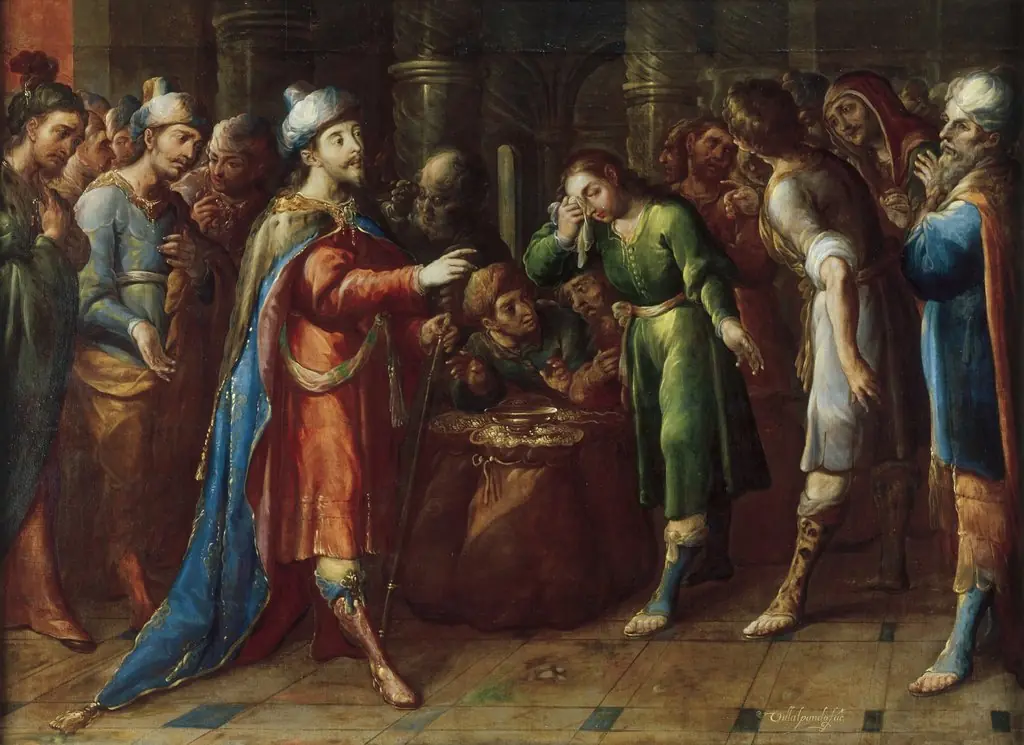 Joseph Claims Benjamin as his Slave
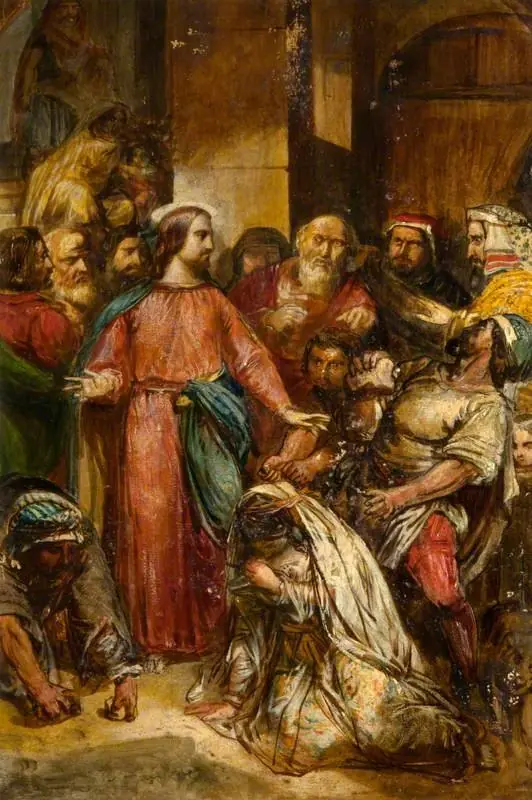 Christ and the Woman Taken in Adultery
 Christ with the Adulterous Woman