Artwork
Christ Healing the Blind
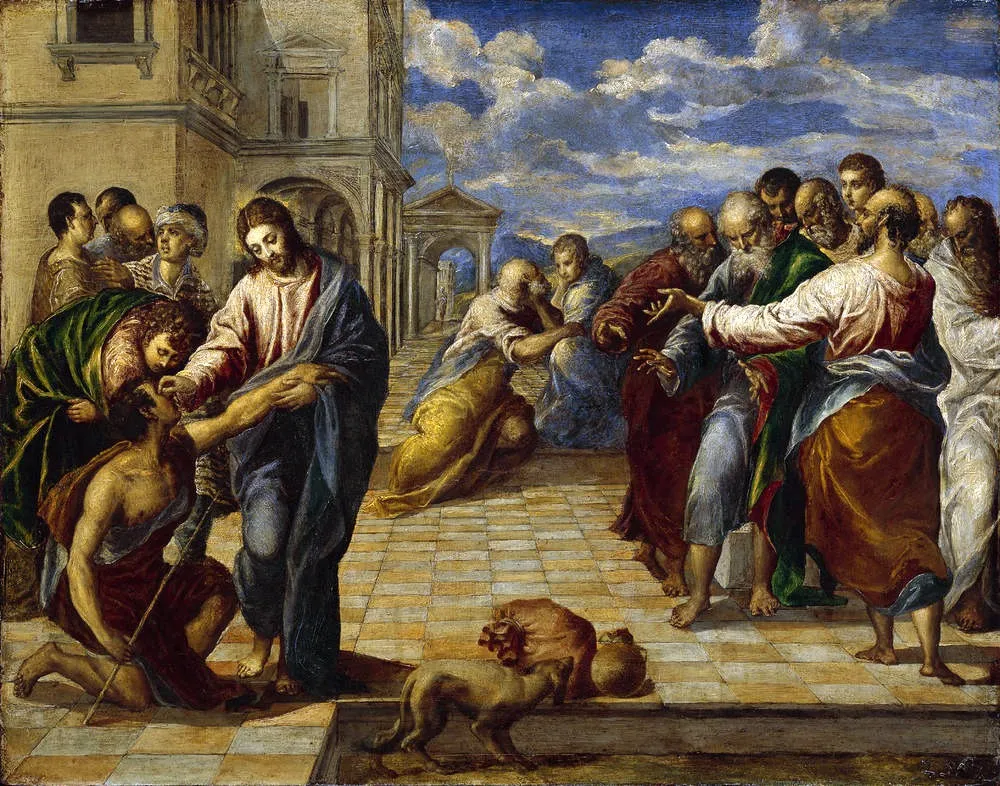
Christ Healing the Blind is an oil painting by the Mannerist artist El Greco. It dates from 1572 and is held in the collection of the Staatliche Kunstsammlungen Dresden.
About this work
Overview
Christ Healing the Blind, executed in oil in 1567, depicts the biblical episode of a man born without sight receiving Christ’s touch. The central figure kneels, arms outstretched, while a companion places a hand on his eyes. A surrounding crowd observes, and a dog rests at the kneeler’s feet, all set within a tiled courtyard that opens onto distant architecture.
Technique & Style
The handling of light and color reflects the influence of Tintoretto, Titian and Veronese, while retaining the artist’s emerging personal vigor.
The work marks a decisive shift from El Greco’s earlier Byzantine training toward a spatially organized composition, employing linear perspective to structure the courtyard. Strong chiaroscuro illuminates the central figures against darker surroundings, a method reminiscent of Venetian masters. The handling of light and color reflects the influence of Tintoretto, Titian and Veronese, while retaining the artist’s emerging personal vigor.
Subject & Meaning
The painting visualizes the moment of miraculous restoration, emphasizing the physical act of healing through Christ’s hand on the blind man’s eyes. The upward gaze of the healed figure suggests anticipation of spiritual insight, while the attentive onlookers underscore the public nature of the miracle and its didactic function within the narrative.
History & Provenance
Created during El Greco’s Venetian period, the canvas later entered the collection of the Palazzo della Pilotta in Parma, where it remains on display. The artist revisited the same biblical theme five years after this version, producing another composition now also housed in Parma, indicating the subject’s continued relevance to his oeuvre.
Context
The painting emerges at a time when Italian Renaissance ideas of perspective and naturalistic light were reshaping artistic practice. El Greco’s adoption of these techniques reflects his engagement with contemporary Venetian trends, positioning the work at the crossroads between his Greek origins and the evolving visual language of 16th‑century Italy.
Artist & collection
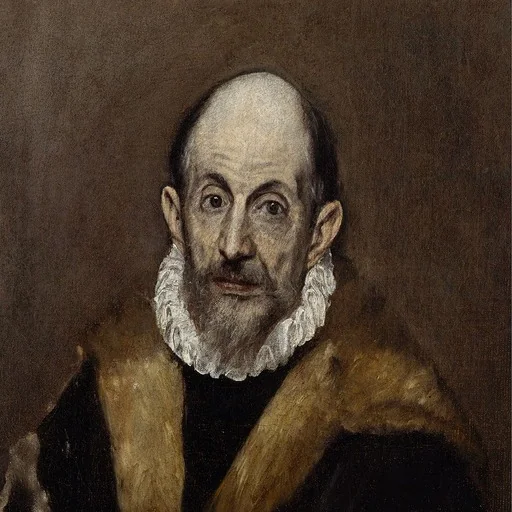
Artist
Doménikos Theotokópoulos was born in 1541 in Candia (modern Heraklion), the capital of Venetian-ruled Crete, where he was trained in the post-Byzantine tradition of icon painting.

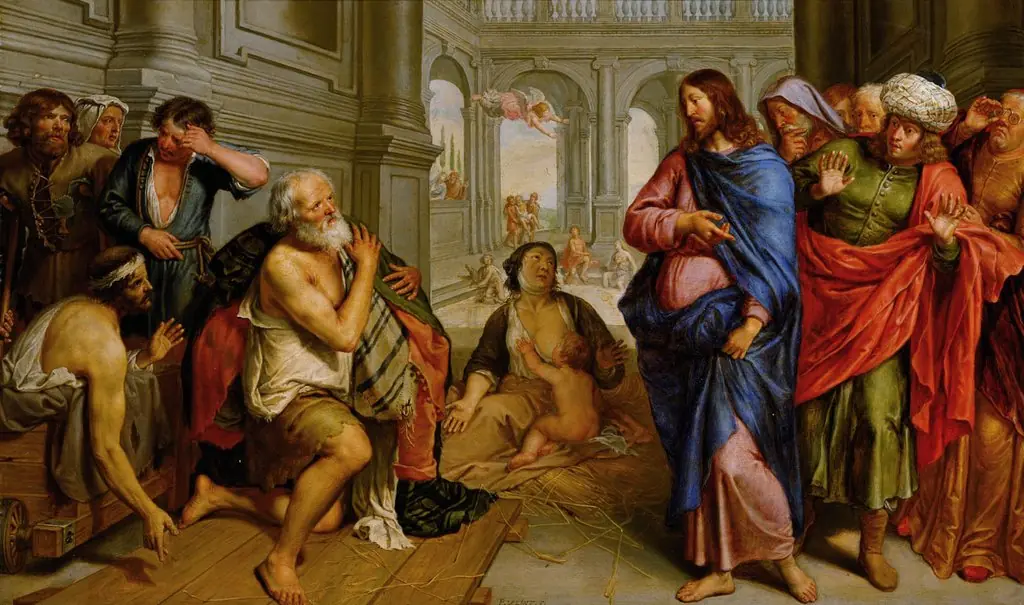 Christ healing the lame at the pool of Bethesda
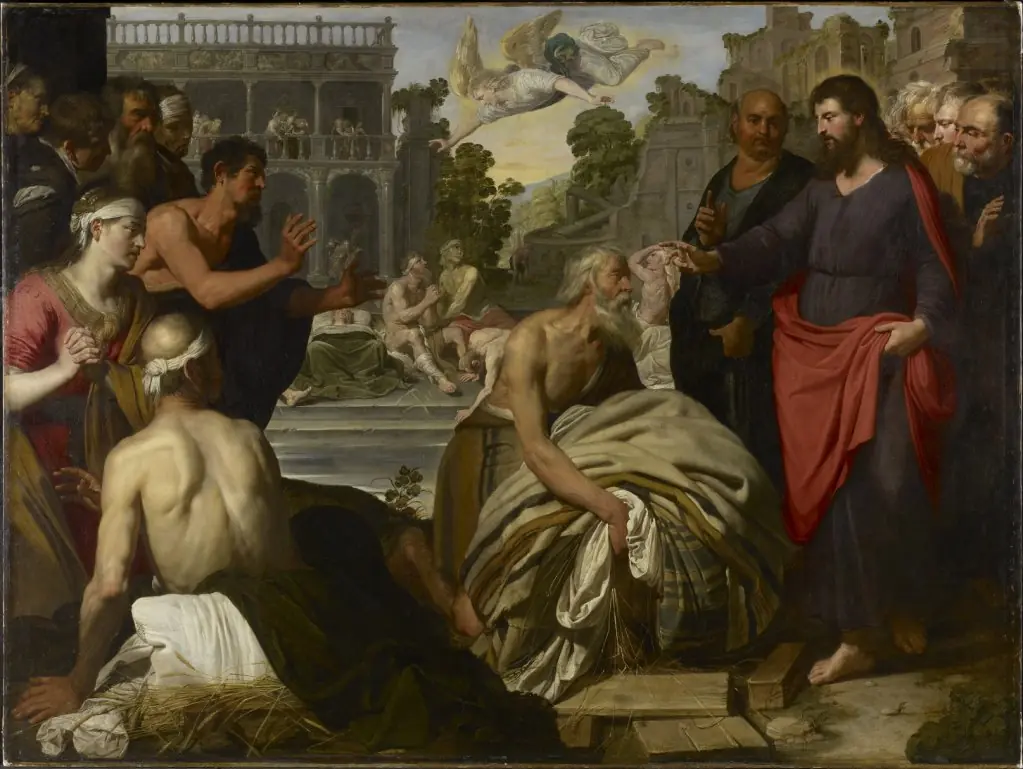 Christ at the Pool of Bethesda
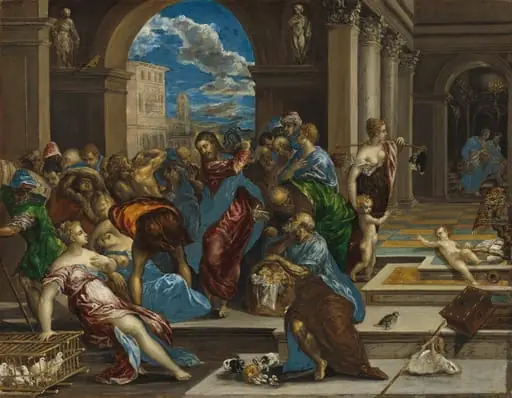 Christ Cleansing the Temple
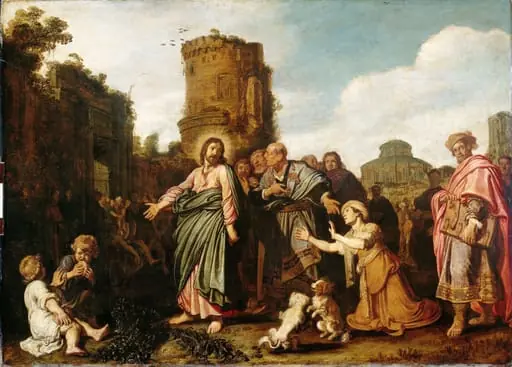 Christ and the Woman of Canaan
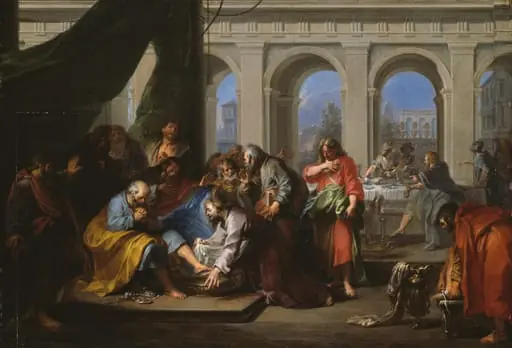 Christ Washing the Feet of His Disciples
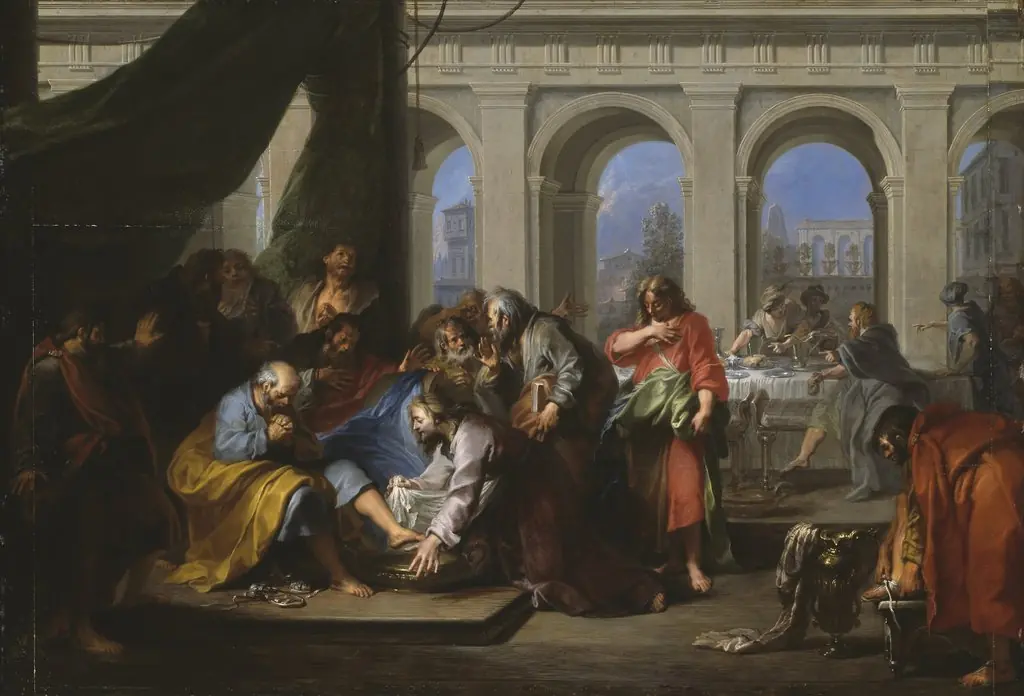 Christ Washing the Feet of His Disciples
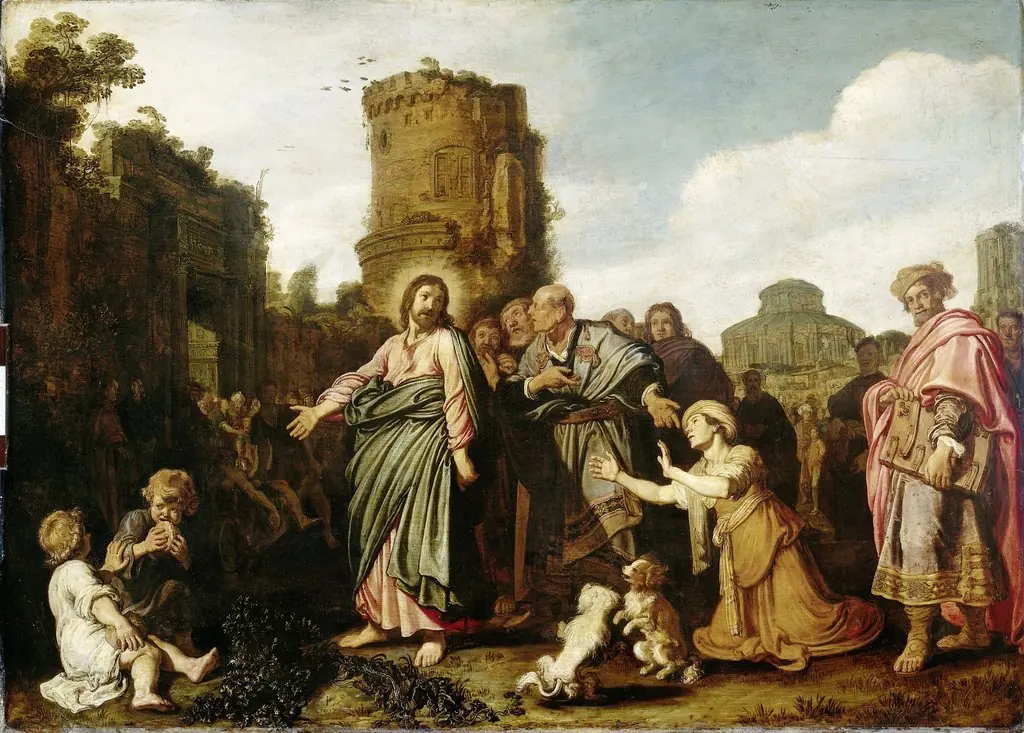 Christ and the woman of Canaan
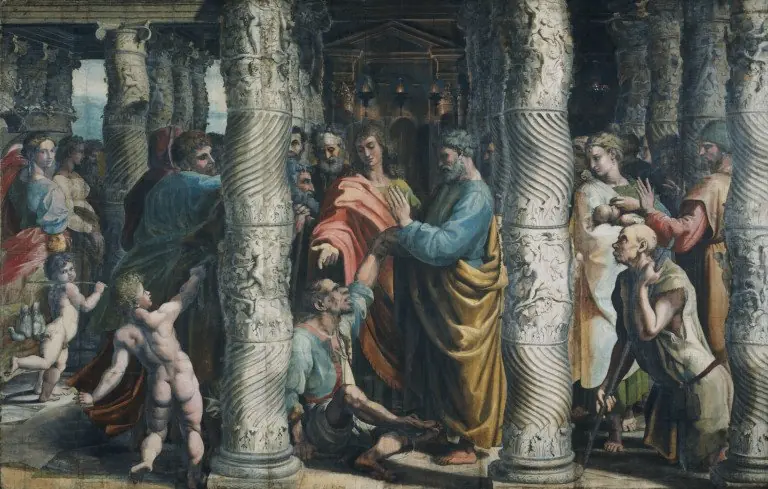 The Healing of the Lame Man
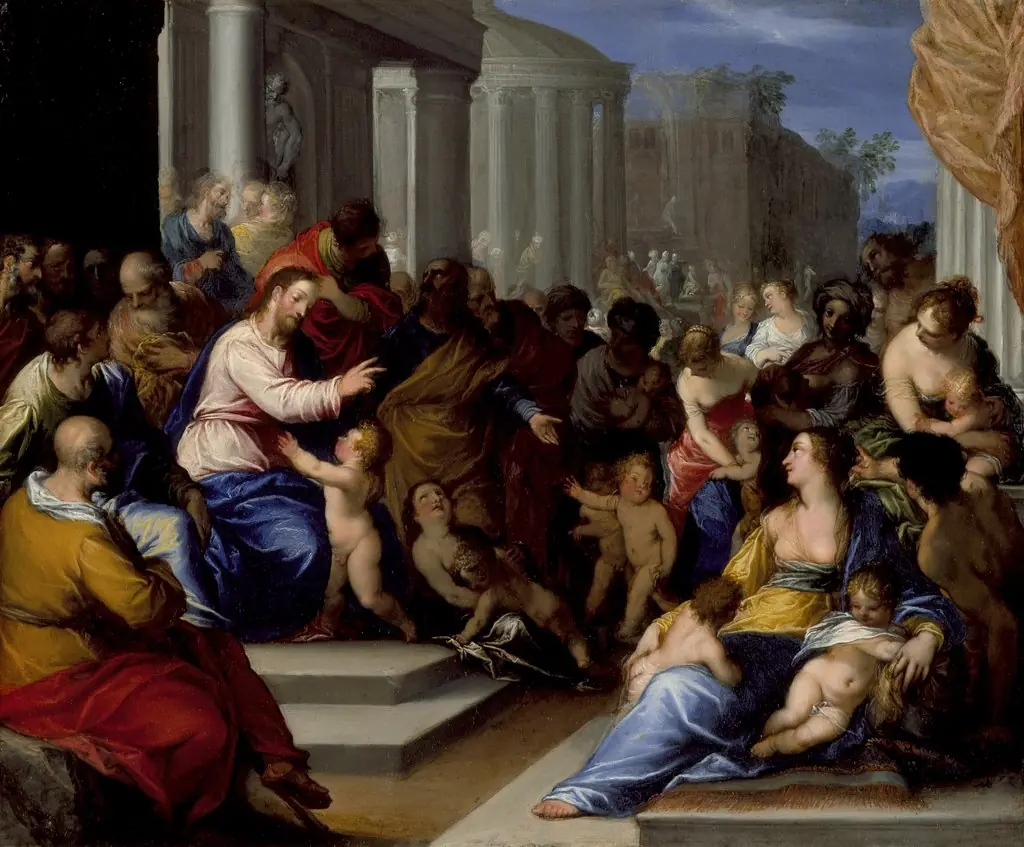 Suffer Little Children to Come Unto Me