Artwork
Portrait of Alvise Contarini (?)
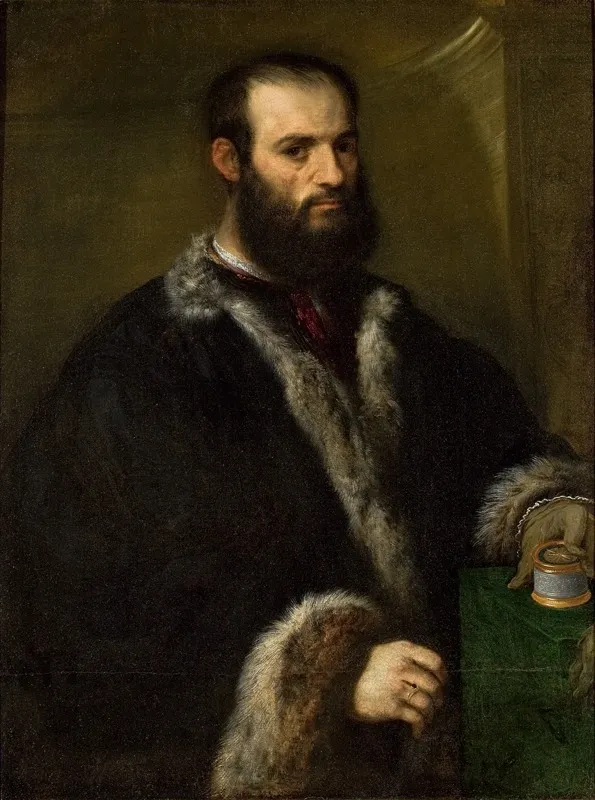
Portrait of Alvise Contarini (?) is an oil painting by the Mannerist artist Paris Bordone. It dates from 1550 and is held in the collection of the São Paulo Museum of Art.
About this work
Overview
The painting resides in the São Paulo Museum of Art, where it represents Bordone’s mature style during the mid-16th century.
Painted around 1550, this oil portrait is attributed to Paris Bordone, a Venetian artist influenced by Titian. It presents a seated nobleman in formal attire, rendered with careful attention to texture and posture. The composition avoids elaborate settings, focusing instead on the subject’s presence. The painting resides in the São Paulo Museum of Art, where it represents Bordone’s mature style during the mid-16th century.
Subject & Meaning
The sitter is tentatively identified as Alvise Contarini, a member of Venice’s patrician class. His dark beard, fur-trimmed black coat, and poised demeanor suggest high social standing. The small round object on the table may be a seal or ceremonial item, hinting at civic or diplomatic roles. The portrait conveys dignity through restraint, aligning with elite ideals of composure and authority in Renaissance Venice.
Technique & Style
Bordone employs chiaroscuro to model the figure with subtle gradations of light and shadow, enhancing the three-dimensionality of the face and fabric. The fur trim and silk textures are rendered with delicate brushwork, reflecting Venetian attention to material richness. The background is deliberately muted, isolating the subject and emphasizing the controlled elegance characteristic of Mannerist portraiture.
History & Provenance
The painting entered the São Paulo Museum of Art’s collection in the 20th century, though its earlier ownership remains undocumented. It was likely commissioned in Venice during Bordone’s peak activity, possibly for a private residence or family chapel. No records confirm the sitter’s identity definitively, but the attire and pose align with known portraits of Venetian nobility from the period.
Context
In mid-16th century Venice, portraiture evolved beyond mere likeness to express social identity through refined aesthetics. Bordone, bridging Titian’s naturalism and Mannerist stylization, catered to patrons seeking both prestige and artistic sophistication. This work reflects a broader trend: portraits as instruments of status, where quiet elegance replaced overt grandeur in elite representation.
Legacy
Though less celebrated than Titian’s portraits, Bordone’s work exemplifies the nuanced Venetian approach to character depiction. This painting contributes to understanding how Mannerist tendencies were adapted in regional contexts, balancing idealization with observed detail. It remains a representative example of civic portraiture in a city where art and aristocracy were deeply intertwined.
Artist & collection
Artist
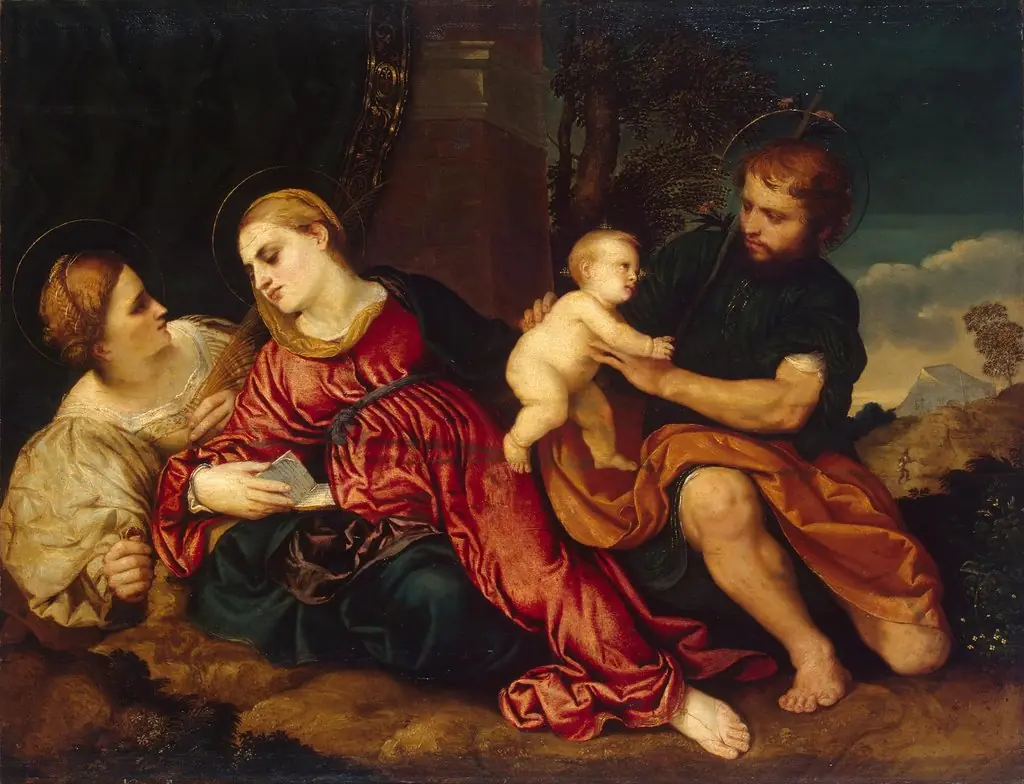
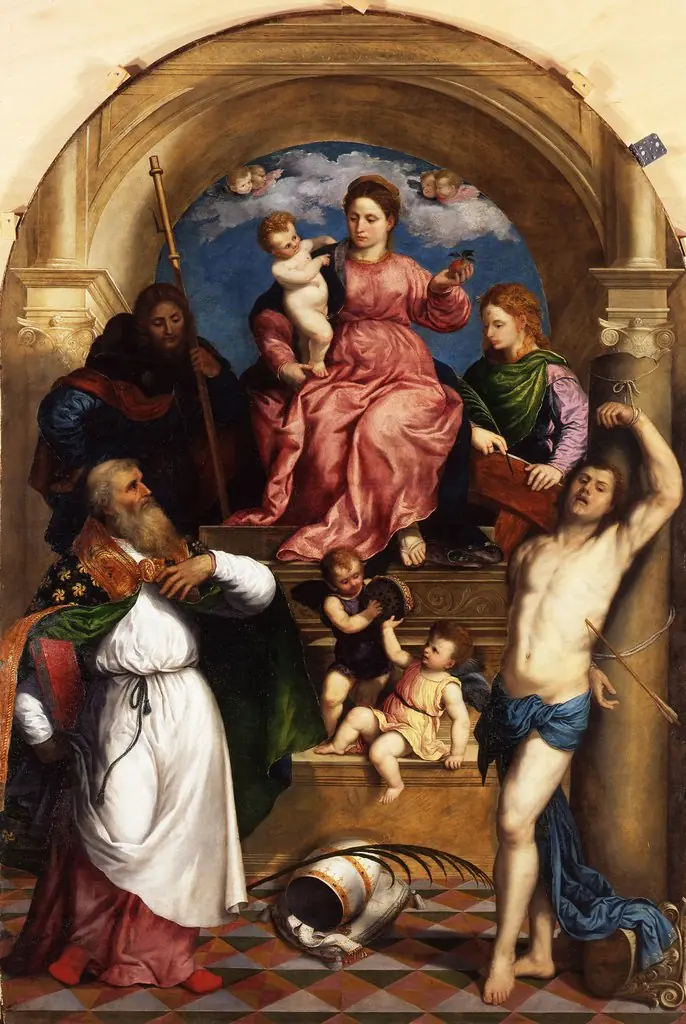
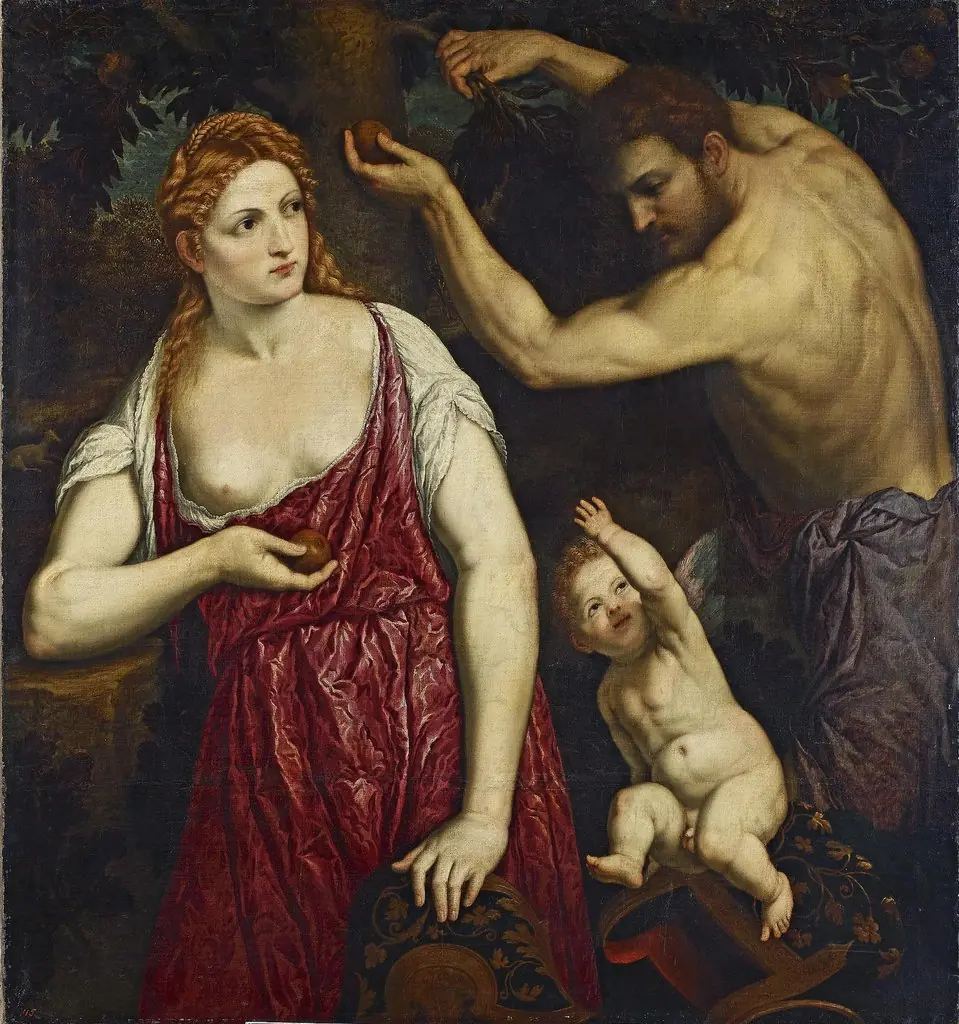
Paris Bordone (Paris Paschalinus Bordone; 5 July 1500 – 19 January 1571) was an Italian painter of the Venetian Renaissance who, despite training with Titian, maintained a strand of Mannerist complexity and provincial vigor.

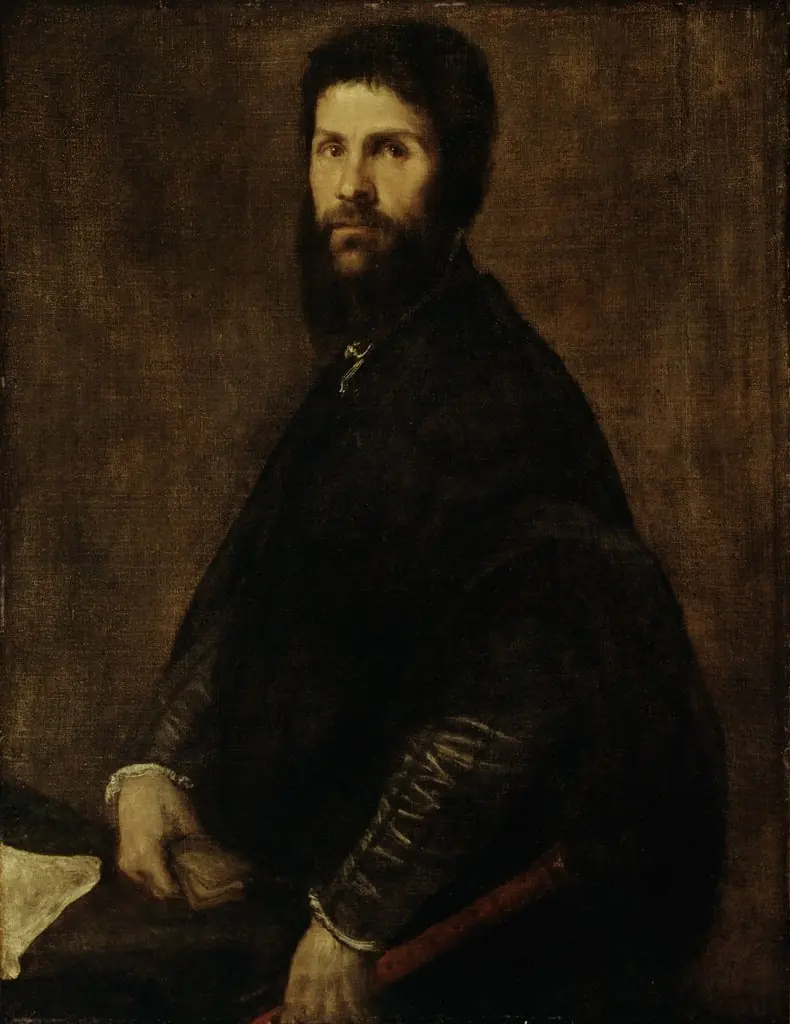 Man Holding a Flute
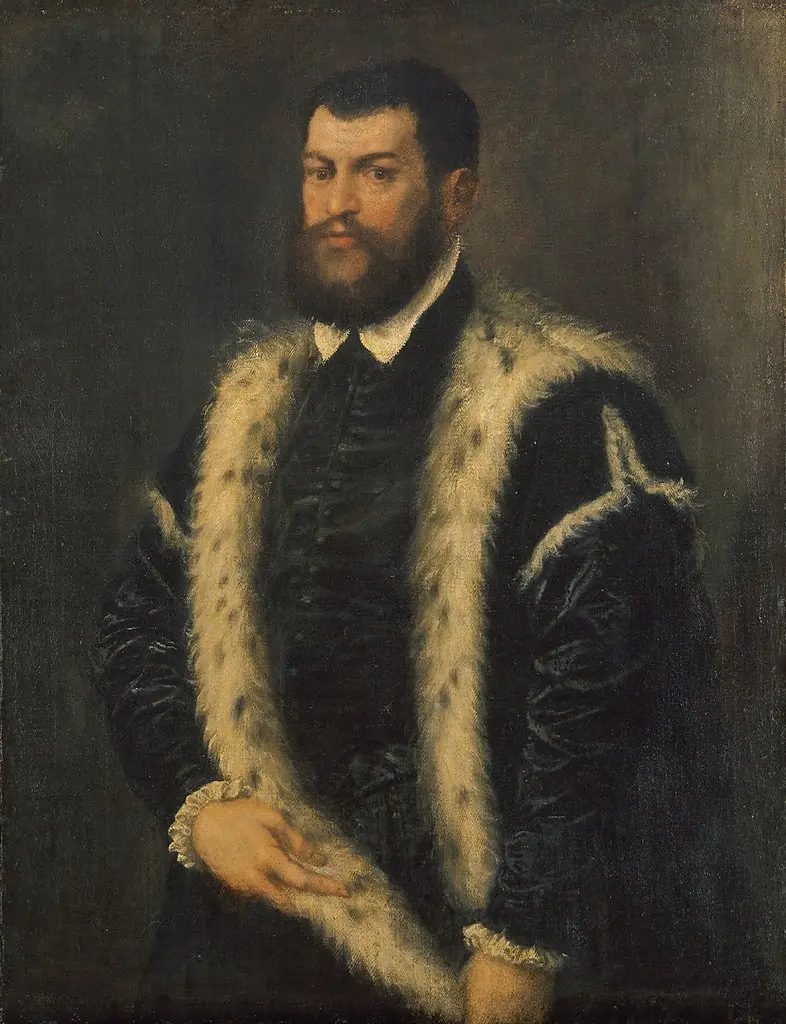 Man with Ermine Coat
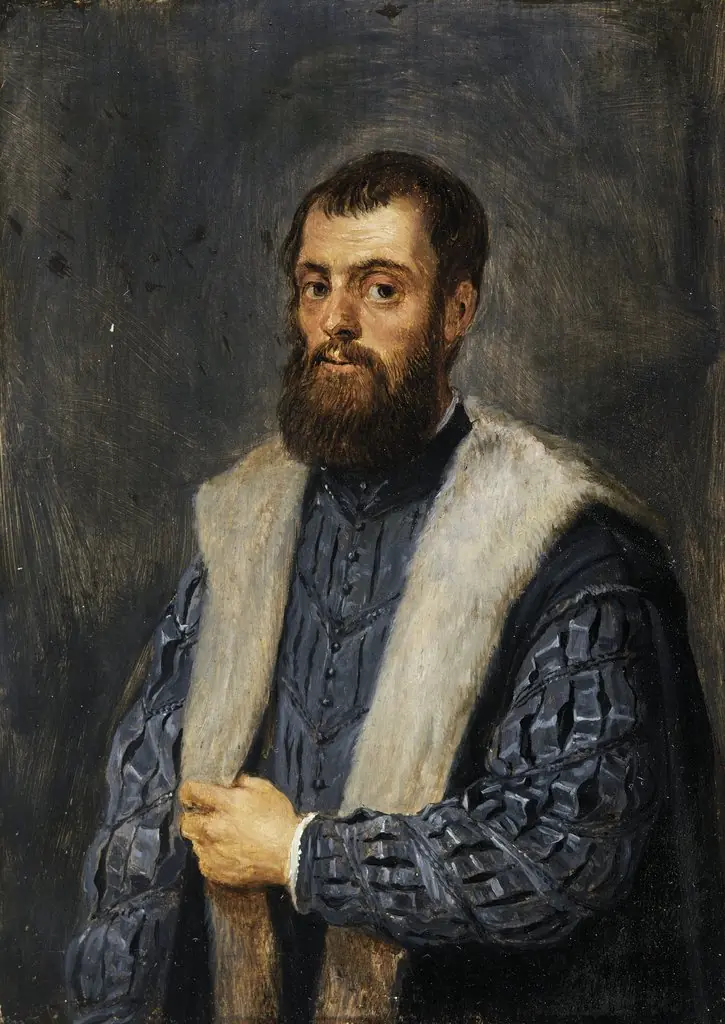 Portrait of a Man
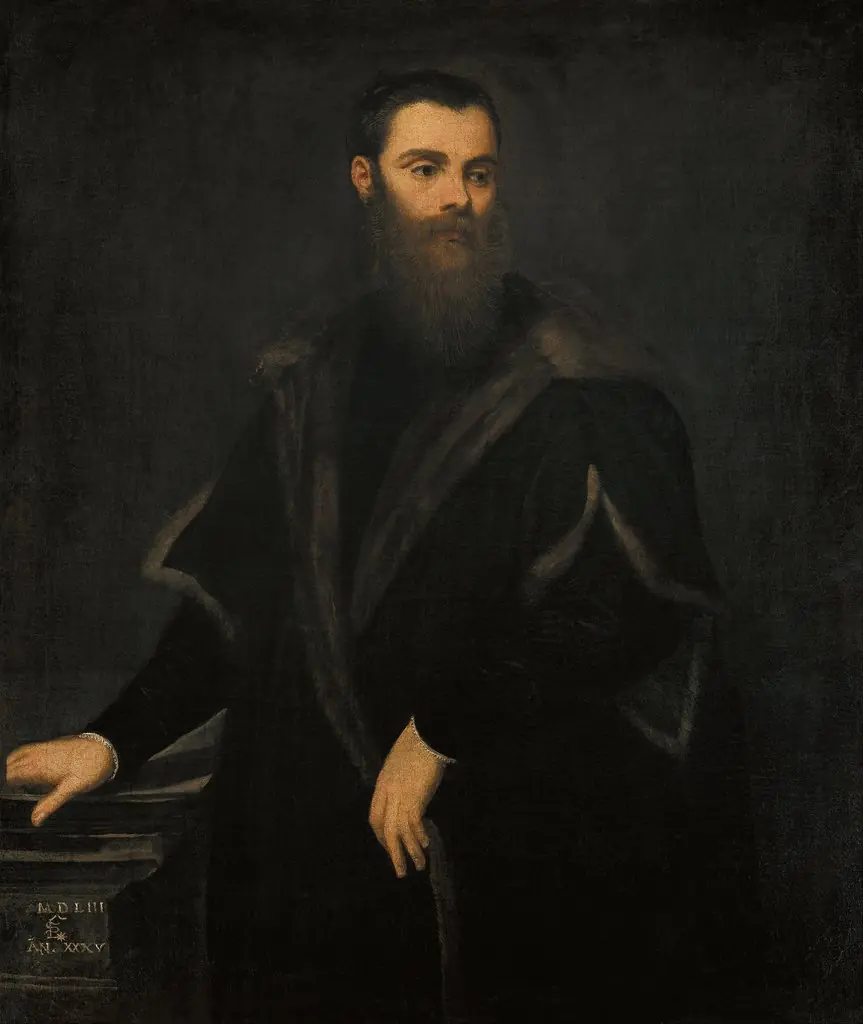 Lorenzo Soranzo
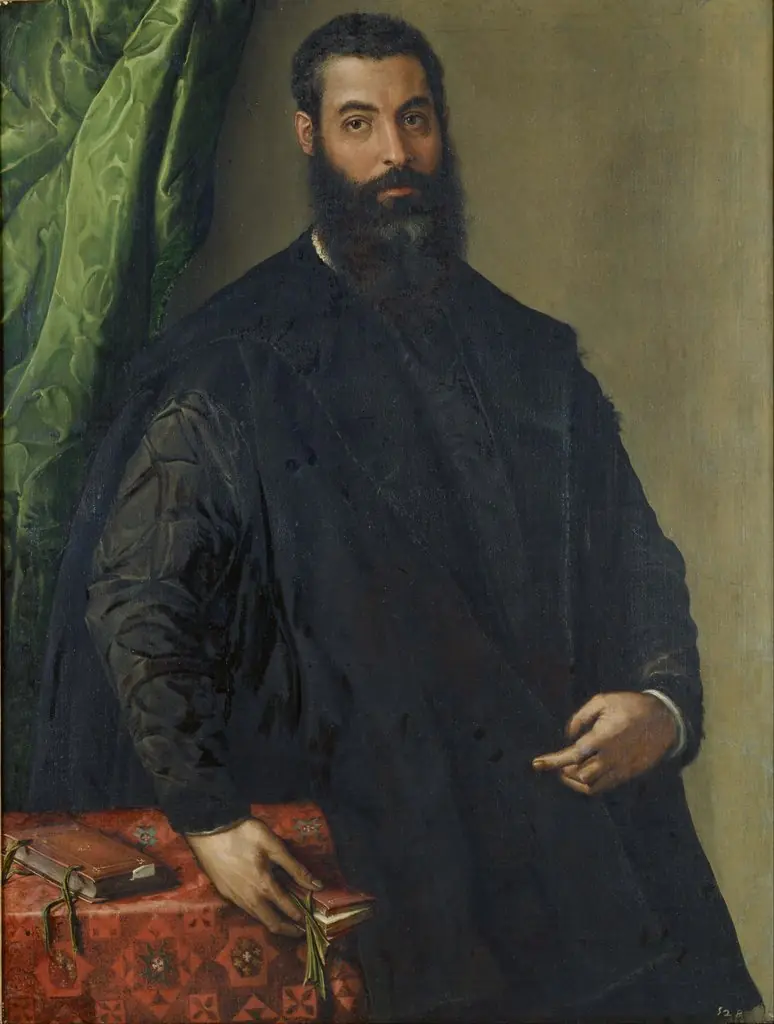 Portrait of a Man
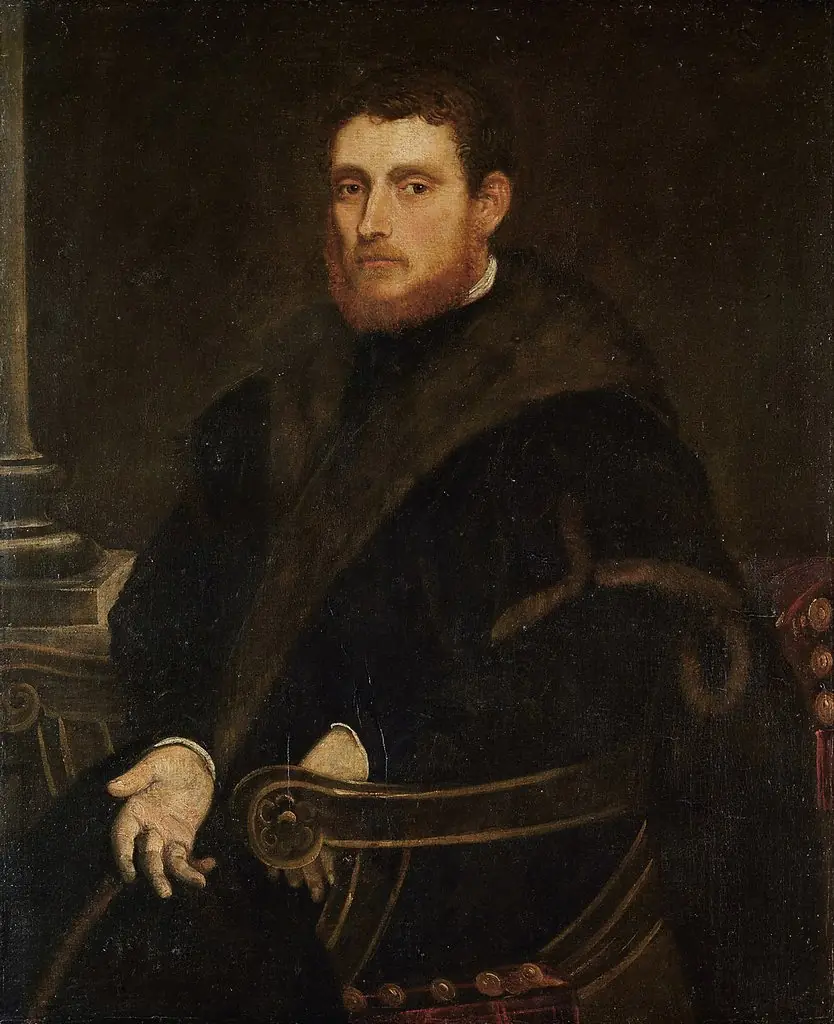 Bildnis eines jungen rotbärtigen Mannes im Lehnstuhl
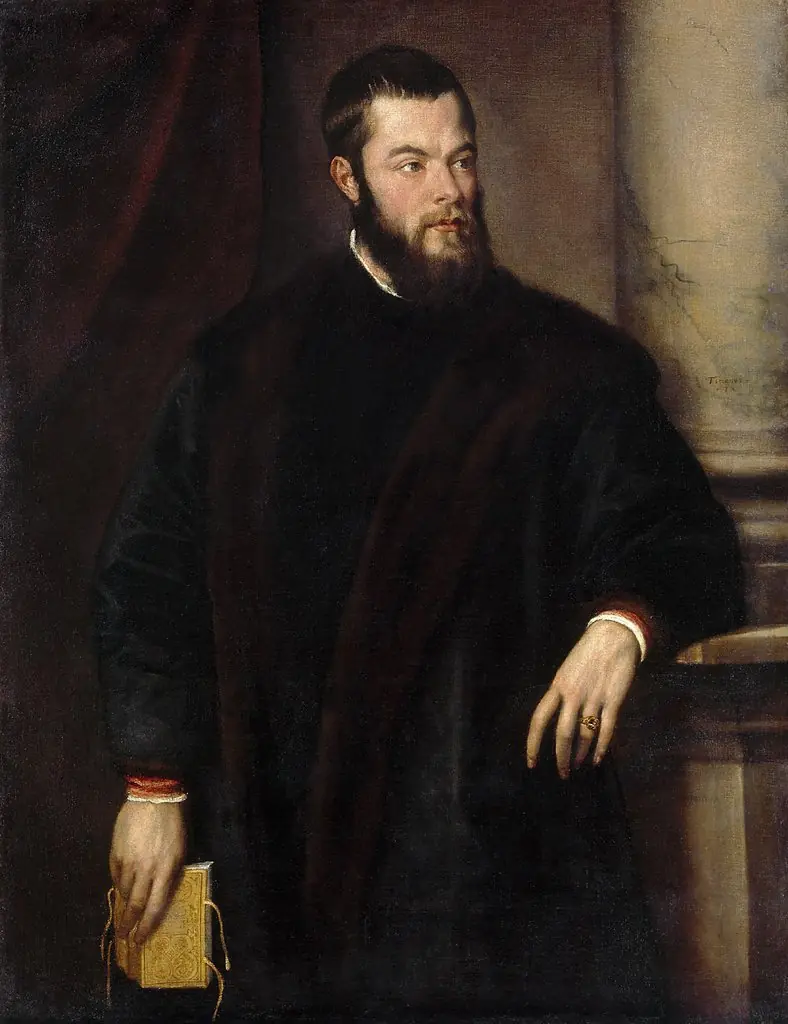 Portrait of Benedetto Varchi
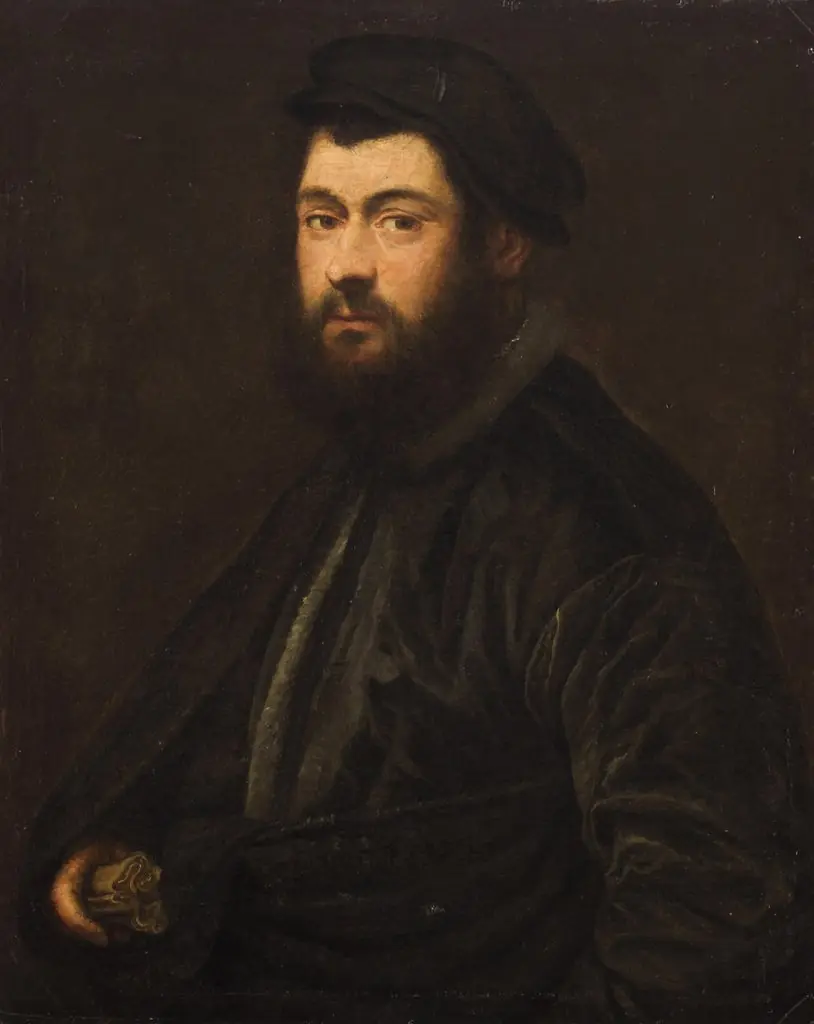 Bildnis eines bärtigen Mannes mit Barett
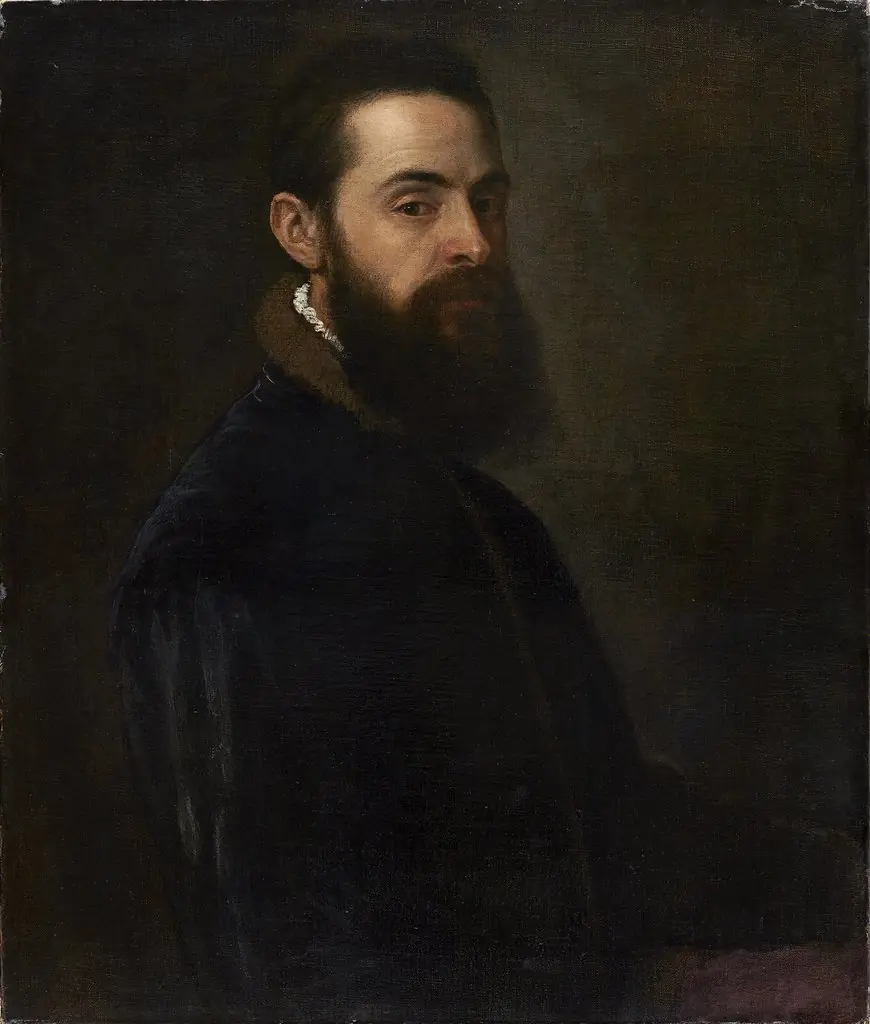 Portrait of Antonio Anselmi
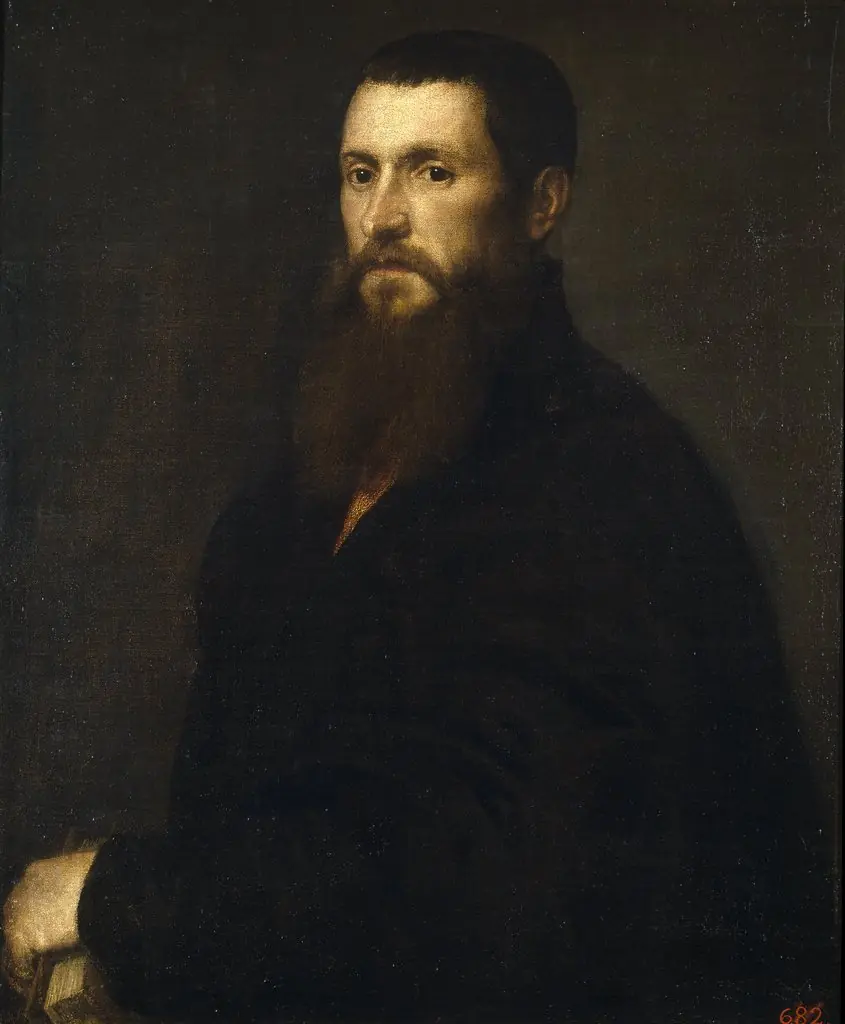 Daniele Barbaro, Patriarch of Aquileia
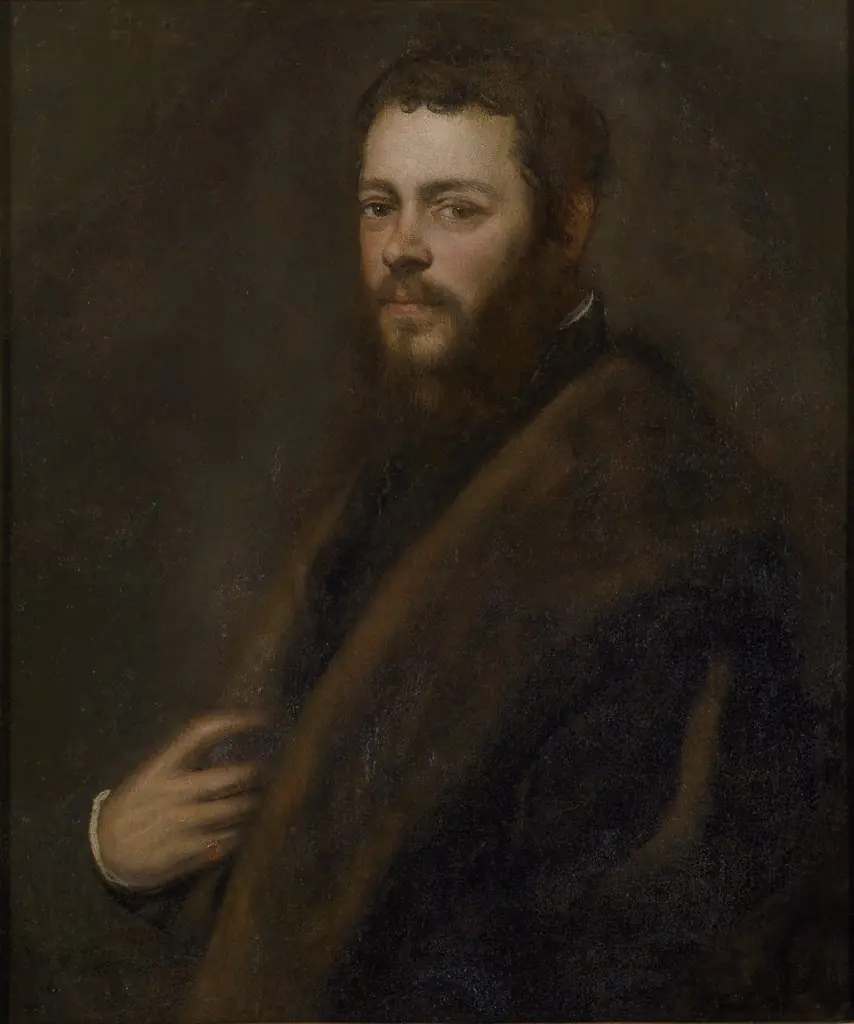 A Venetian Patrician
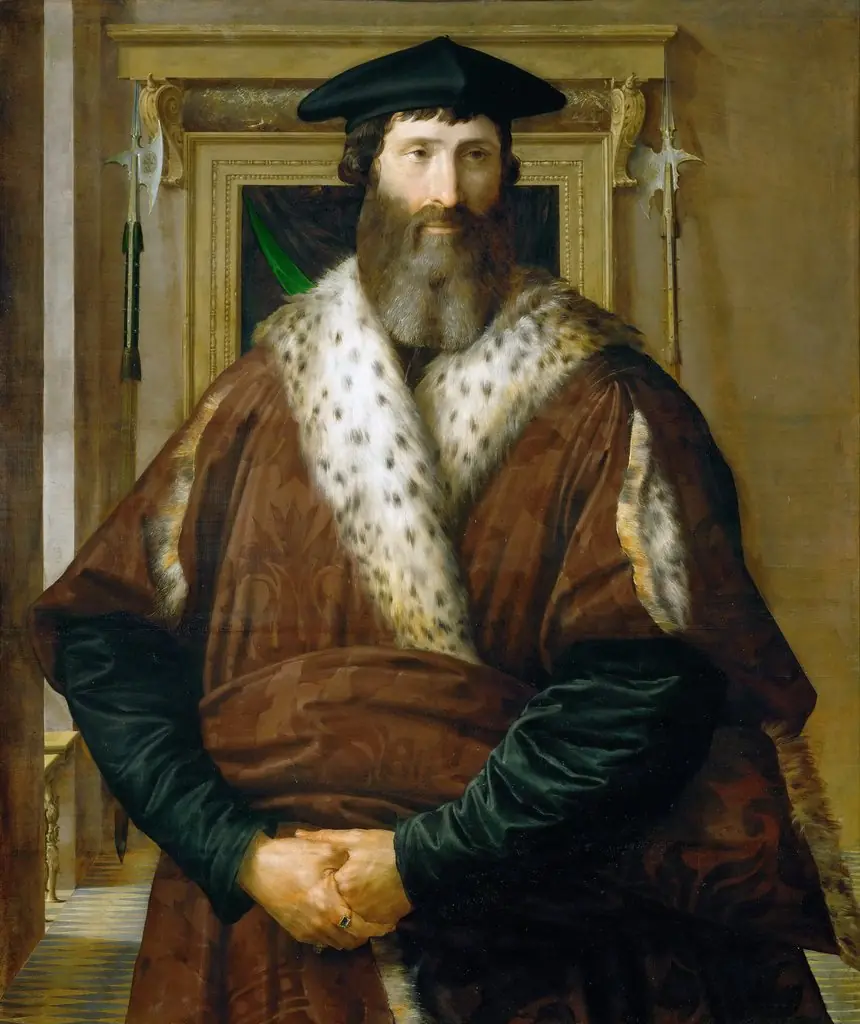 Portrait of a Man (Condottiere Malatesta Baglioni?)