Artwork
Self-Portrait
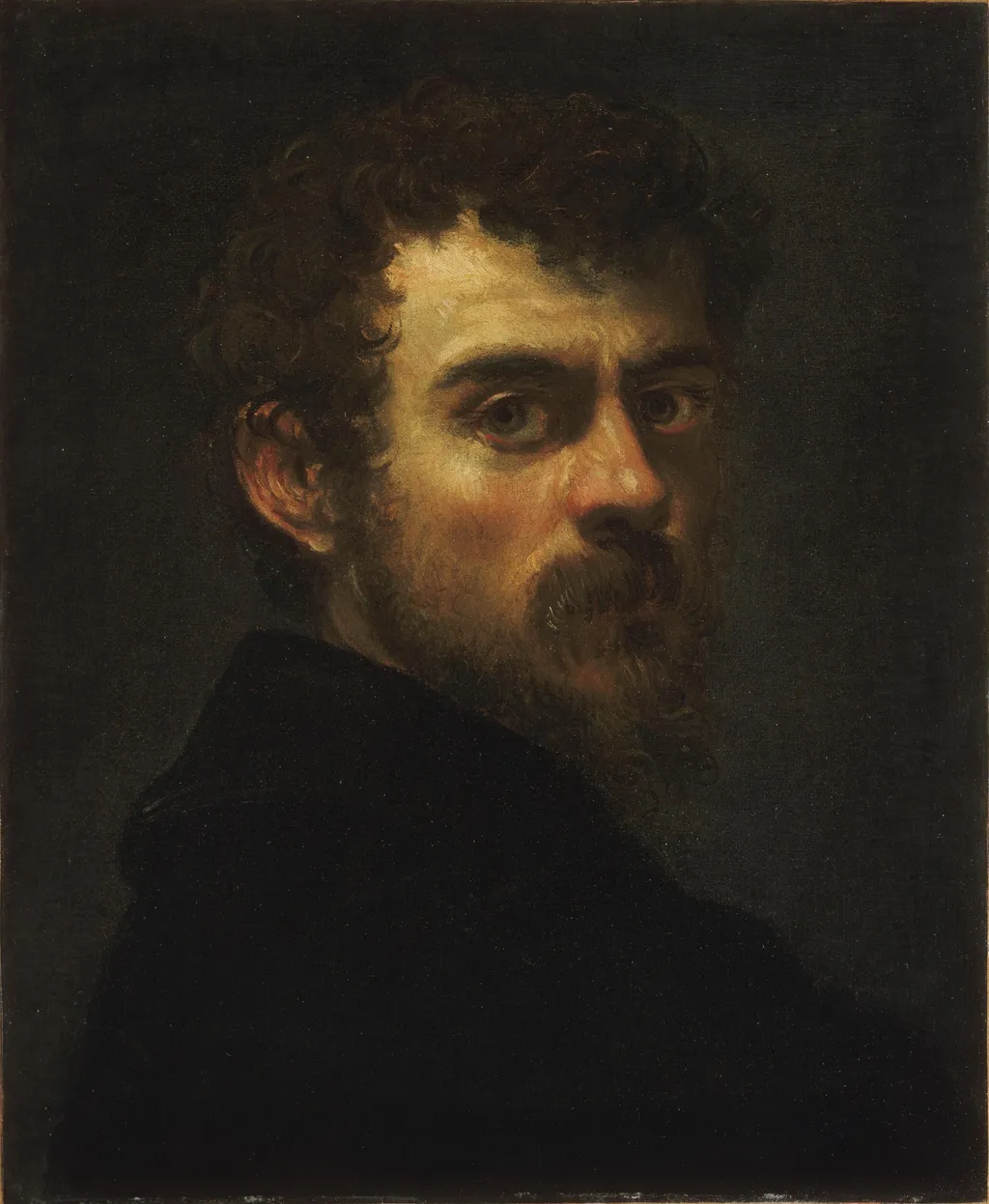
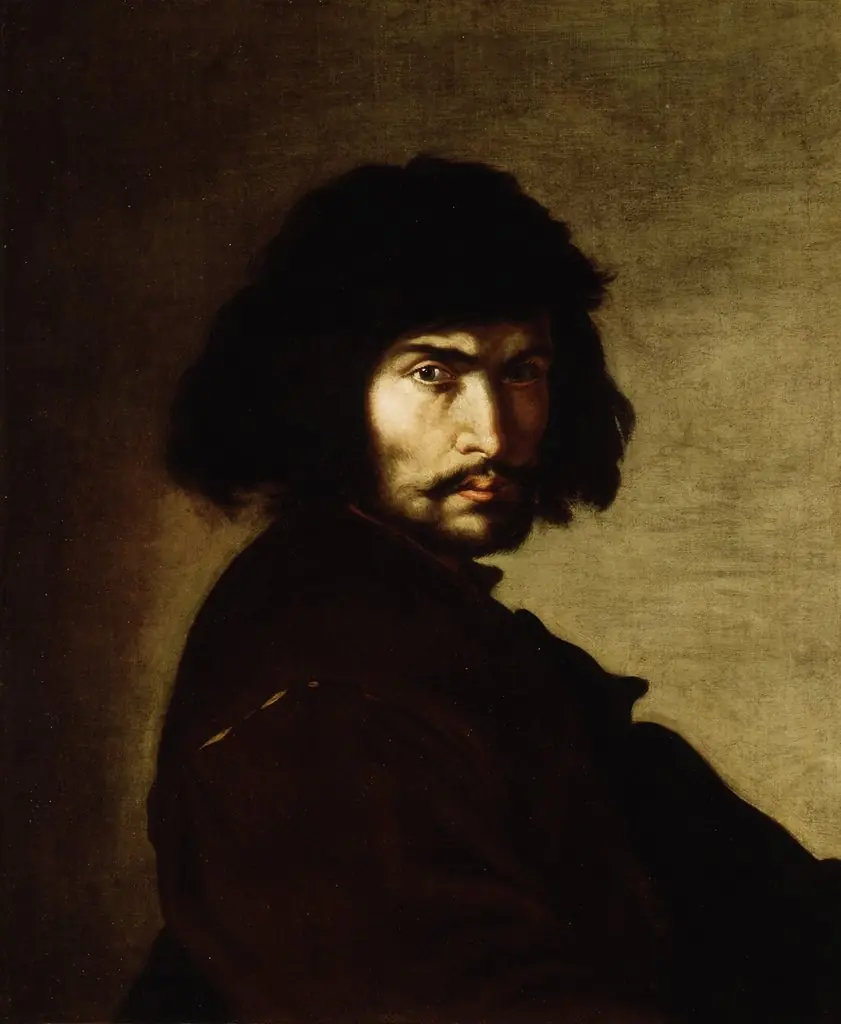
Self-Portrait is an oil painting by the Mannerist artist Jacopo Tintoretto. It dates from 1547 and is held in the collection of the Philadelphia Museum of Art.
About this work
Overview
This oil painting, dated 1547, presents a self-portrait by Jacopo Tintoretto, a Venetian artist active during the late Italian Renaissance.
This oil painting, dated 1547, presents a self-portrait by Jacopo Tintoretto, a Venetian artist active during the late Italian Renaissance. The work reflects the artist’s characteristic approach, marked by vigorous brushwork and a focus on expressive, sculptural forms. Executed in a period when self-representation among painters was gaining prominence, the portrait offers insight into Tintoretto’s self-perception and artistic identity.
Subject & Meaning
The portrait depicts the artist with tightly curled hair and a short beard, his face rendered in a neutral expression. His gaze is directed slightly away from the viewer, creating an air of introspection. The subdued dark background serves to isolate the figure, emphasizing his features and the immediacy of his presence. Such self-portraits often functioned as both personal statements and demonstrations of skill.
Technique & Style
Tintoretto’s brushwork is energetic, aligning with his reputation for rapid, forceful execution. The painting exemplifies Mannerist tendencies, favoring elongated proportions and a sense of dynamic movement within a constrained format. The use of oil allows for subtle tonal gradations, particularly in the flesh tones, while the dark ground heightens the contrast and lends the figure a sculptural quality.
History & Provenance
Created in Venice in 1547, the painting has since entered the collection of the Philadelphia Museum of Art. Its early history remains largely undocumented, though it likely remained in the artist’s possession or studio for some time. The work’s survival attests to its significance within Tintoretto’s oeuvre, representing an early instance of his engagement with self-portraiture.
Context
Self-portraits became increasingly common among Renaissance artists, serving as a means to assert individuality and professional status. Tintoretto’s work emerges from a Venetian tradition that valued color and light, though his approach often diverged from the harmonious compositions of contemporaries like Titian. This portrait reflects the broader shift toward more personal and expressive modes of representation in 16th-century Italy.
Own this work as a print
Artist & collection
Artist
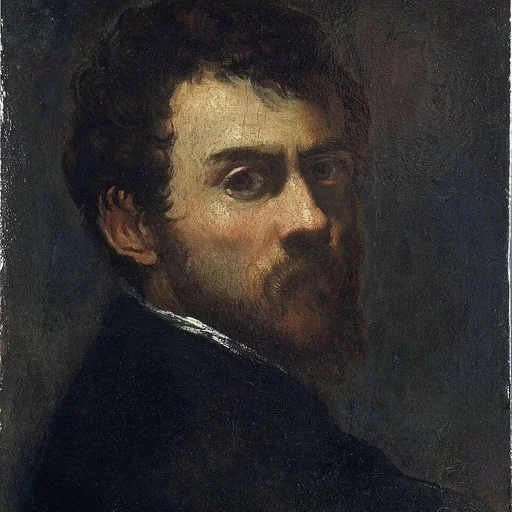
Jacopo Robusti (late September or early October 1518 – 31 May 1594), best known as Tintoretto ( TIN-tə-RET-oh; Italian: ; Venetian: ), was an Italian Renaissance painter of the Venetian school.

 Self-portrait
 Self-Portrait
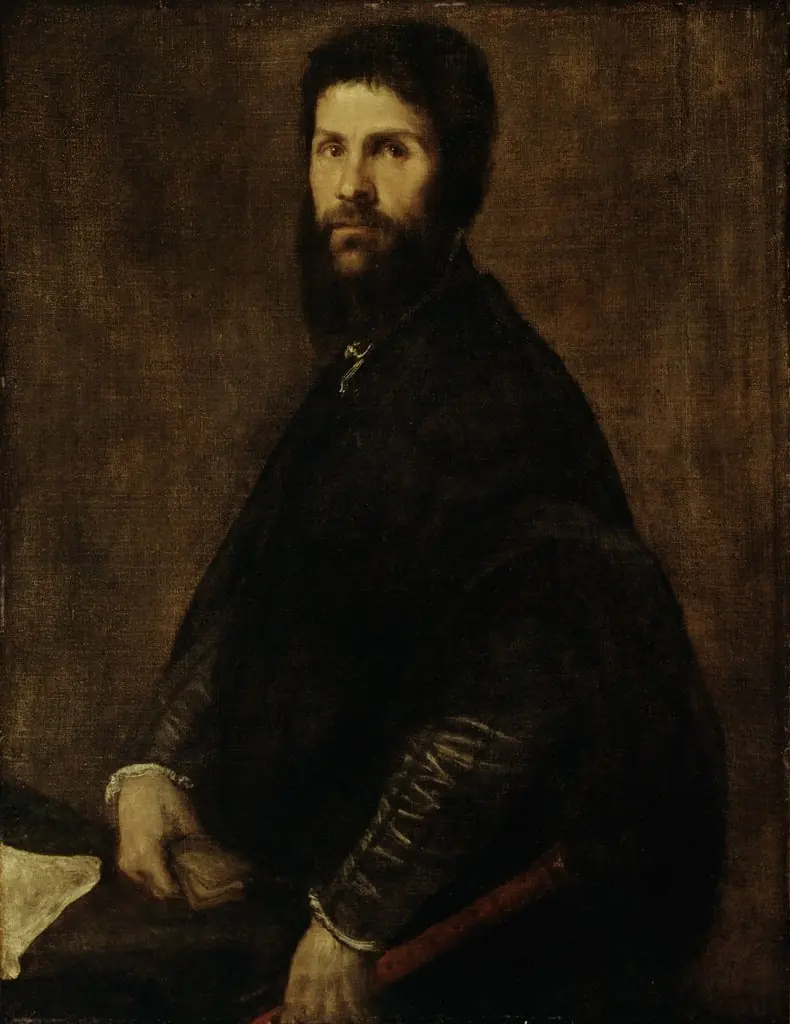 Man Holding a Flute
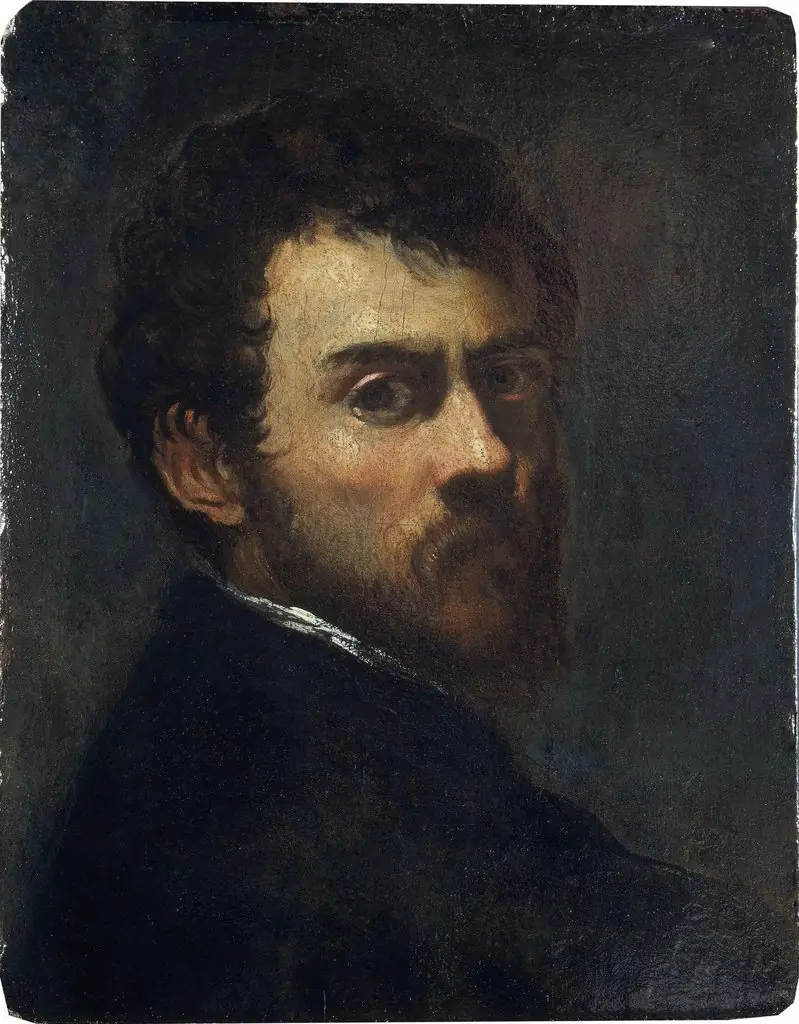 Self Portrait as a Young Man
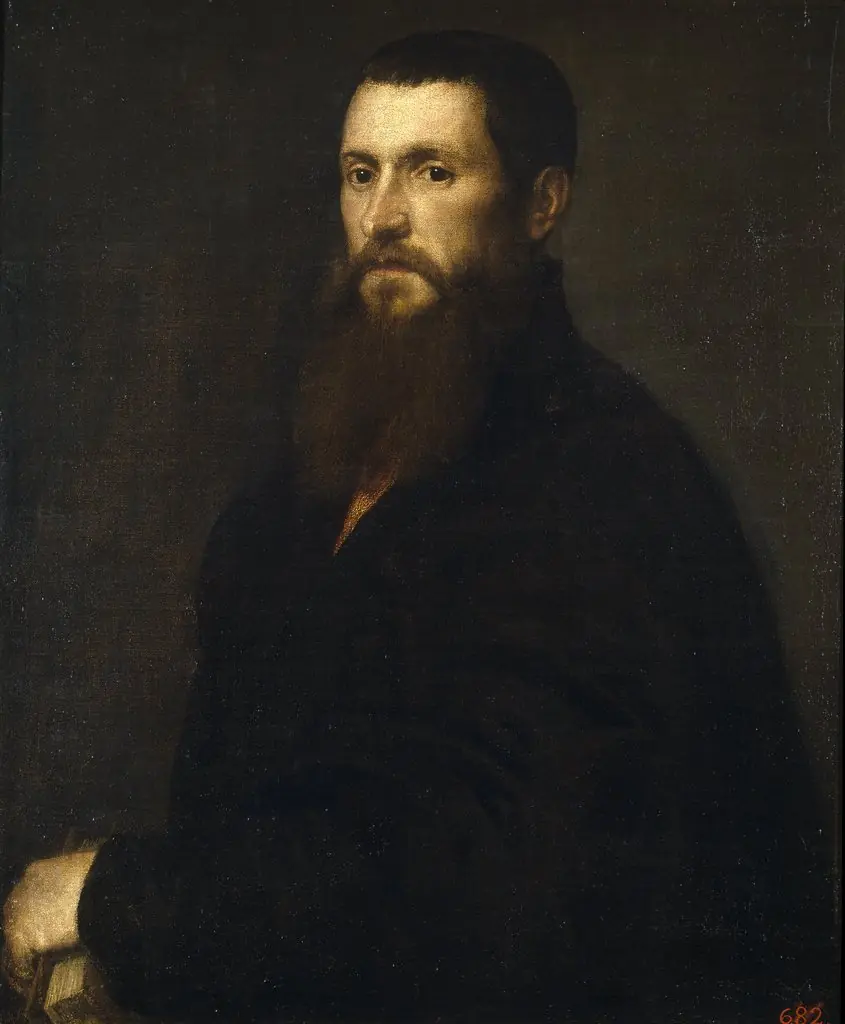 Daniele Barbaro, Patriarch of Aquileia
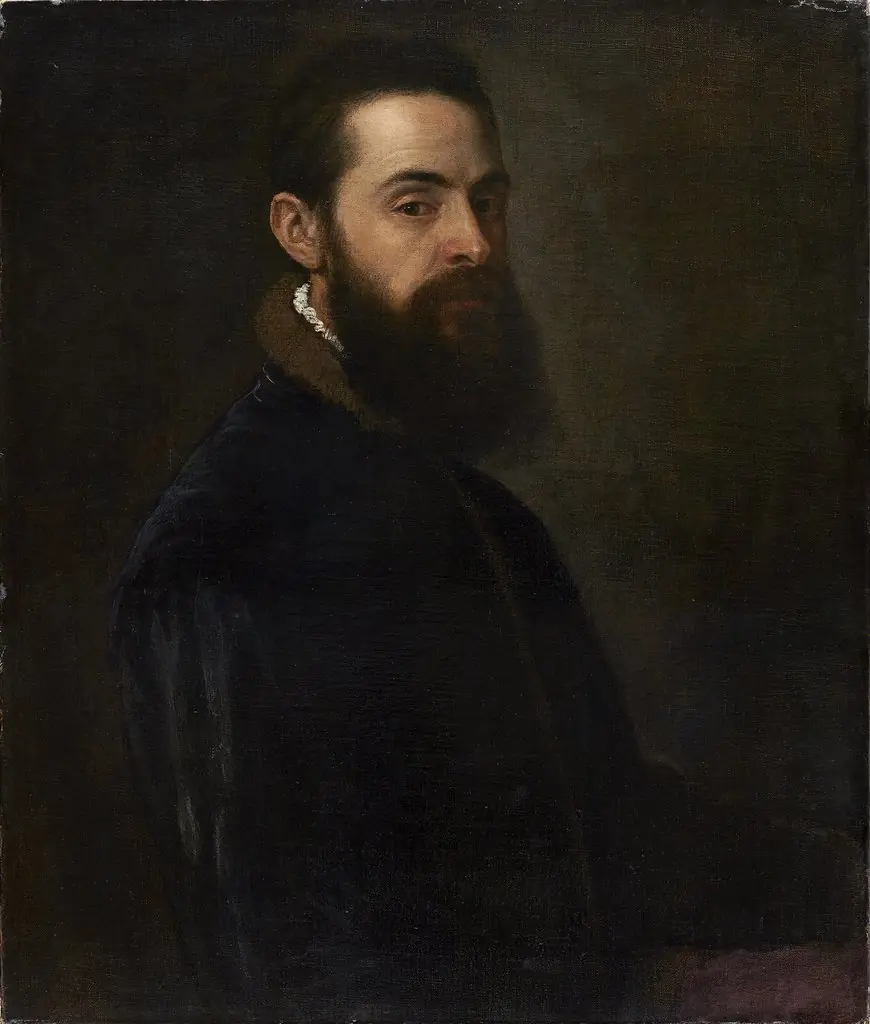 Portrait of Antonio Anselmi
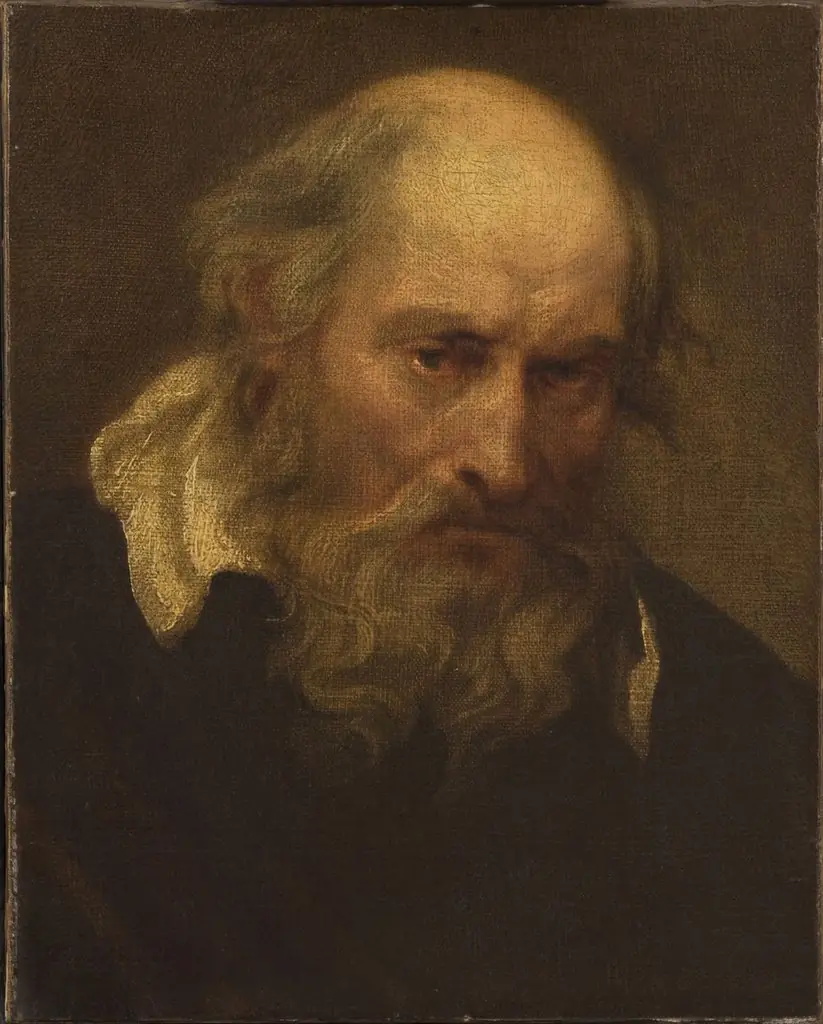 Head of an Old Man
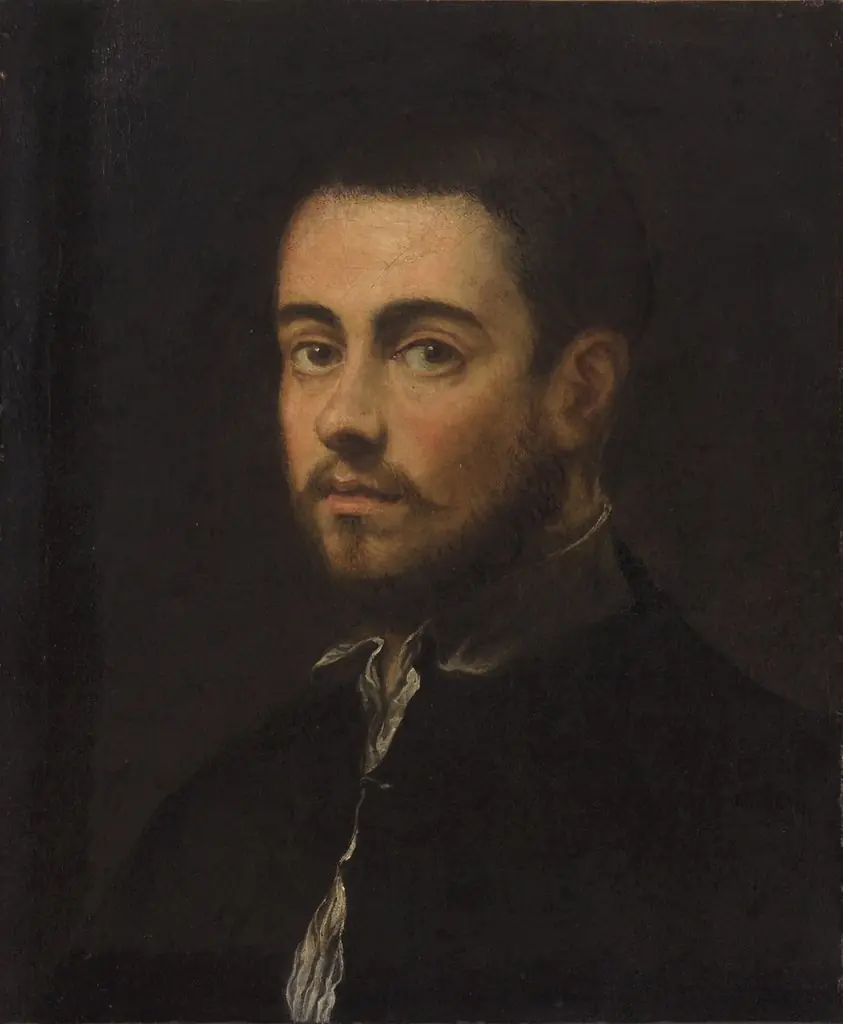 Brustbild eines jungen bärtigen Mannes
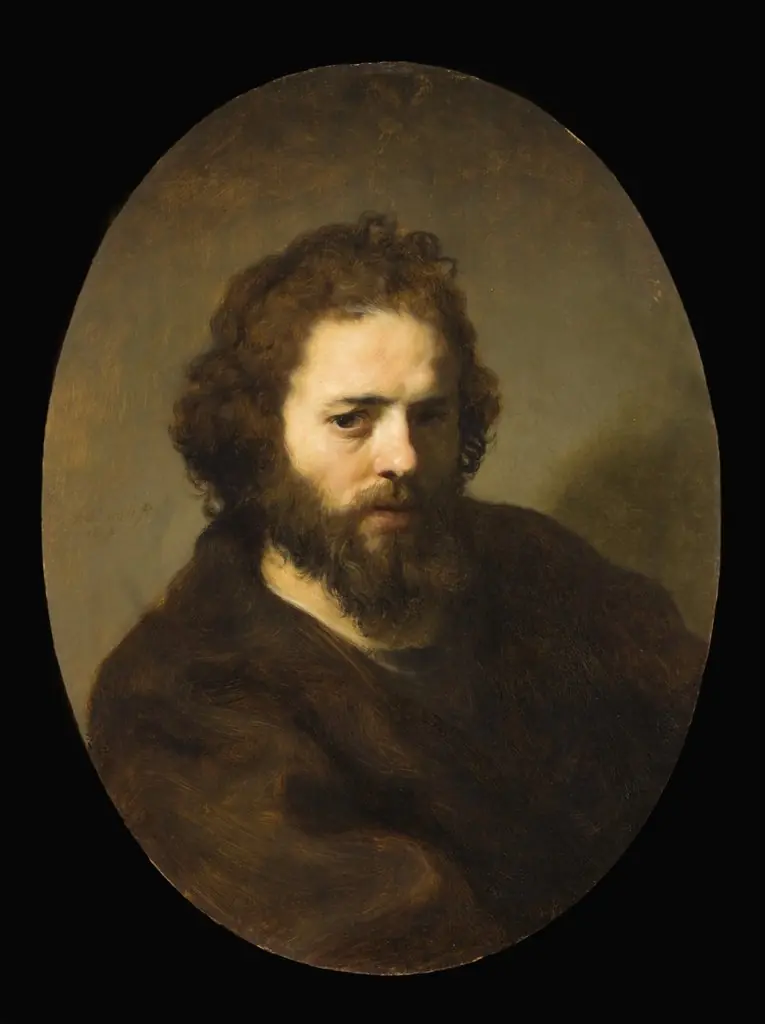 Portrait of a Bearded Man, formerly called John the Baptist
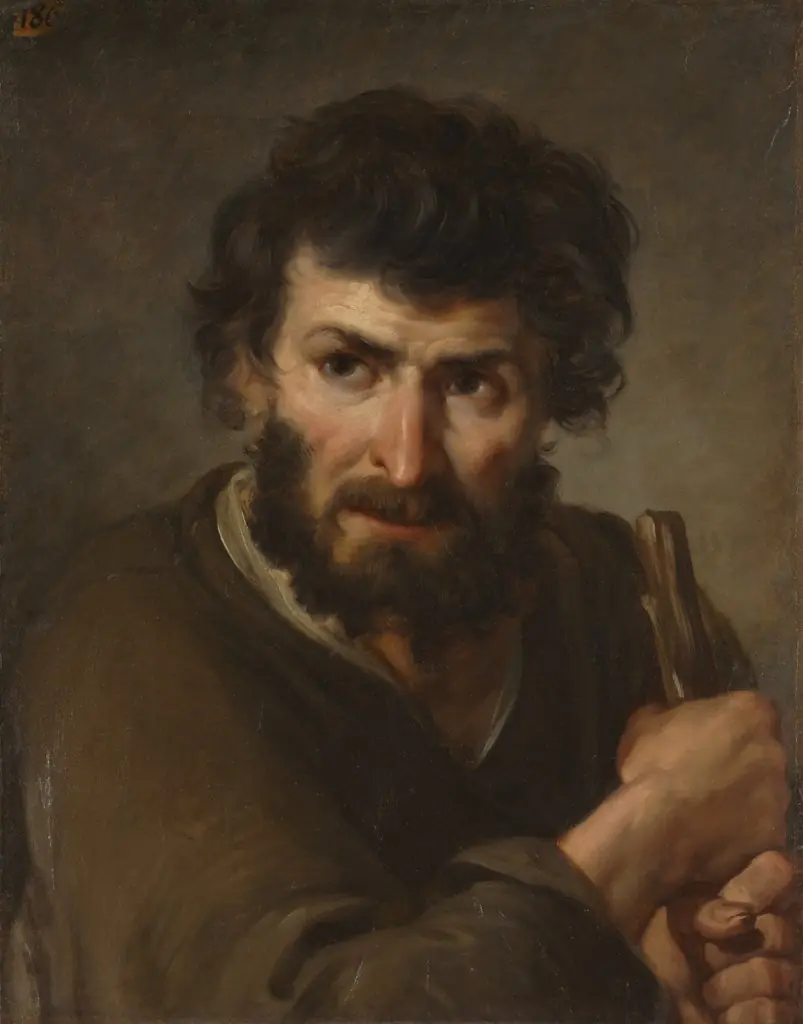 Study of a Shepherd
 Head of a Man in Profile
 Bildnis eines bärtigen Mannes mit Barett