Artwork
The Resurrection of Christ
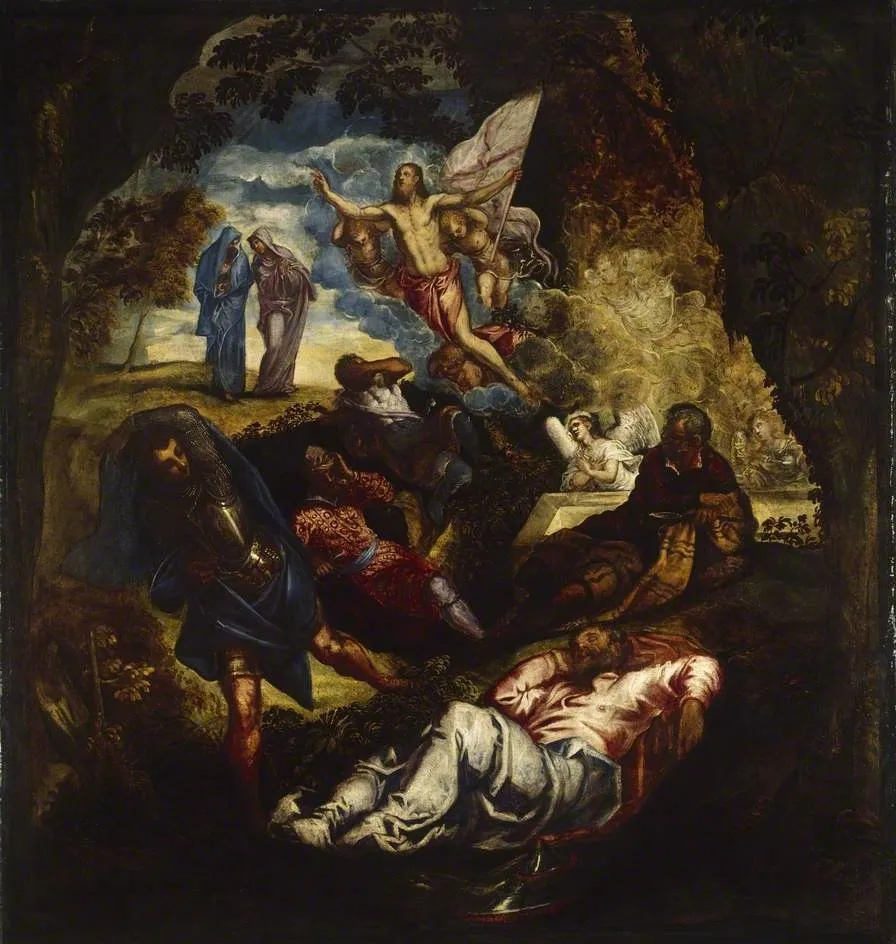
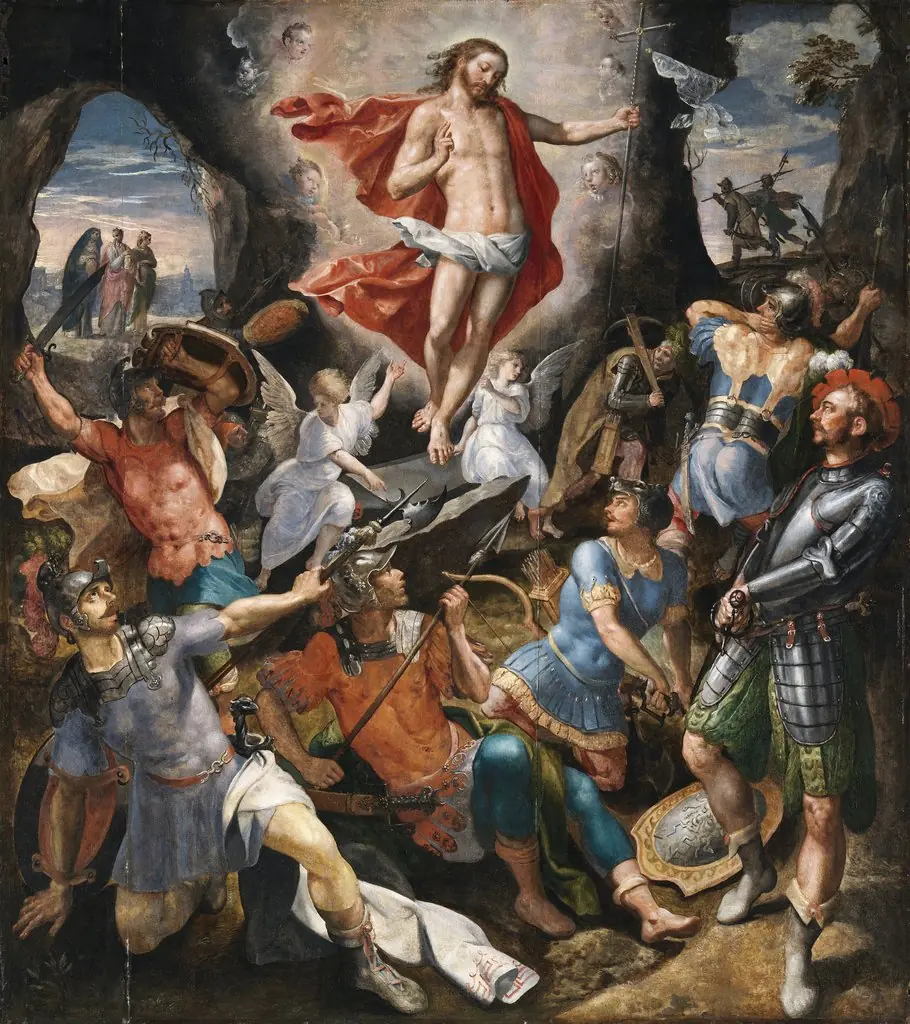
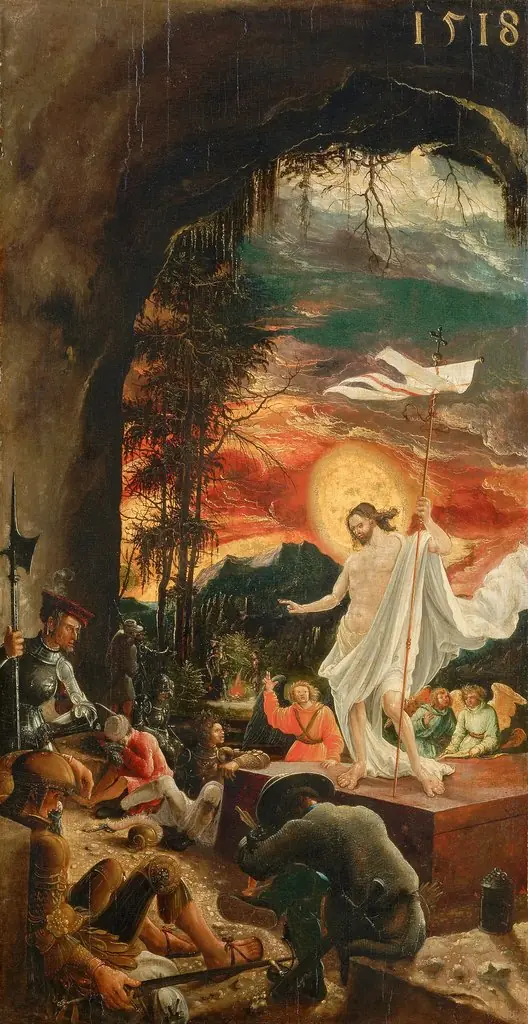
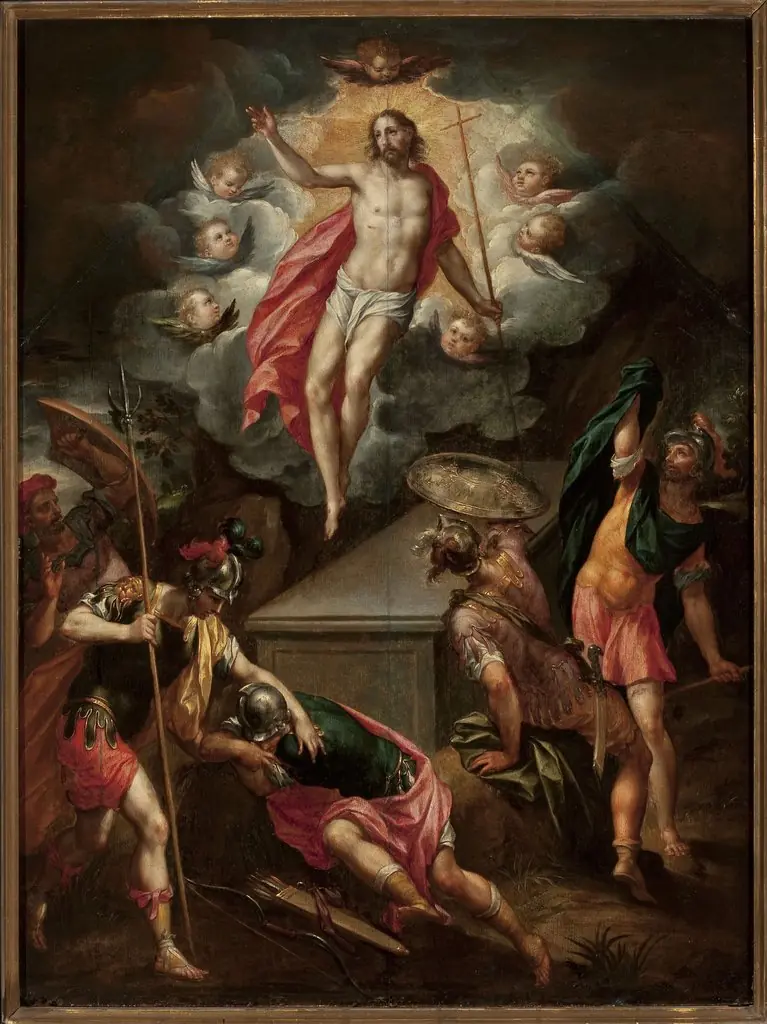
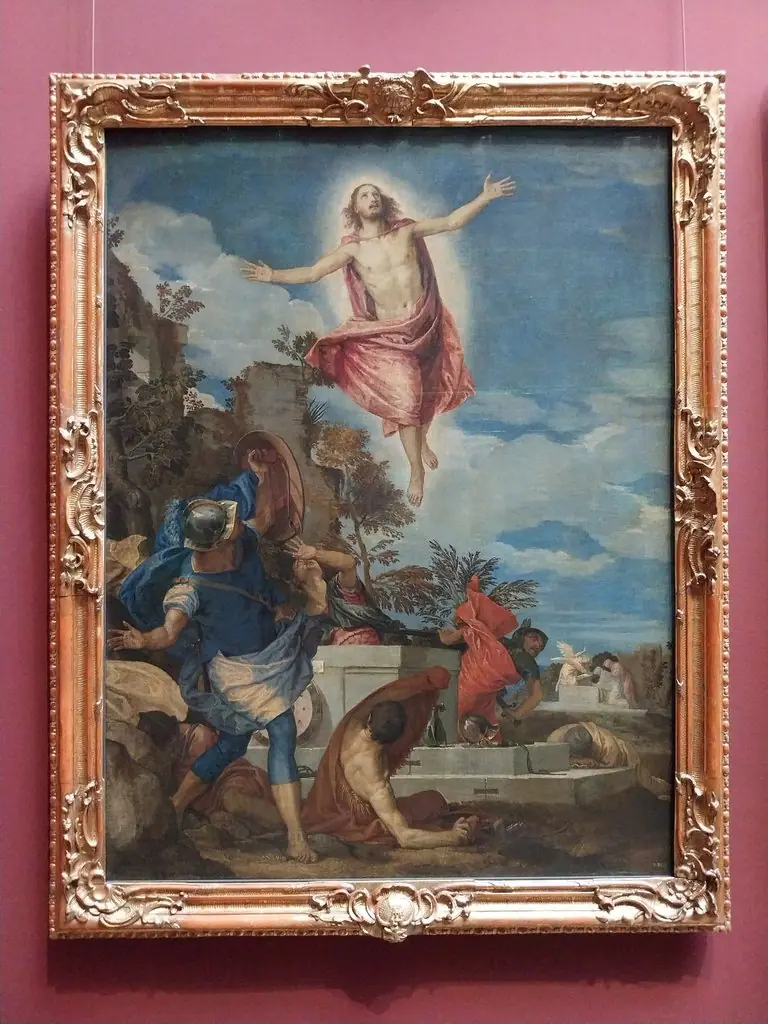
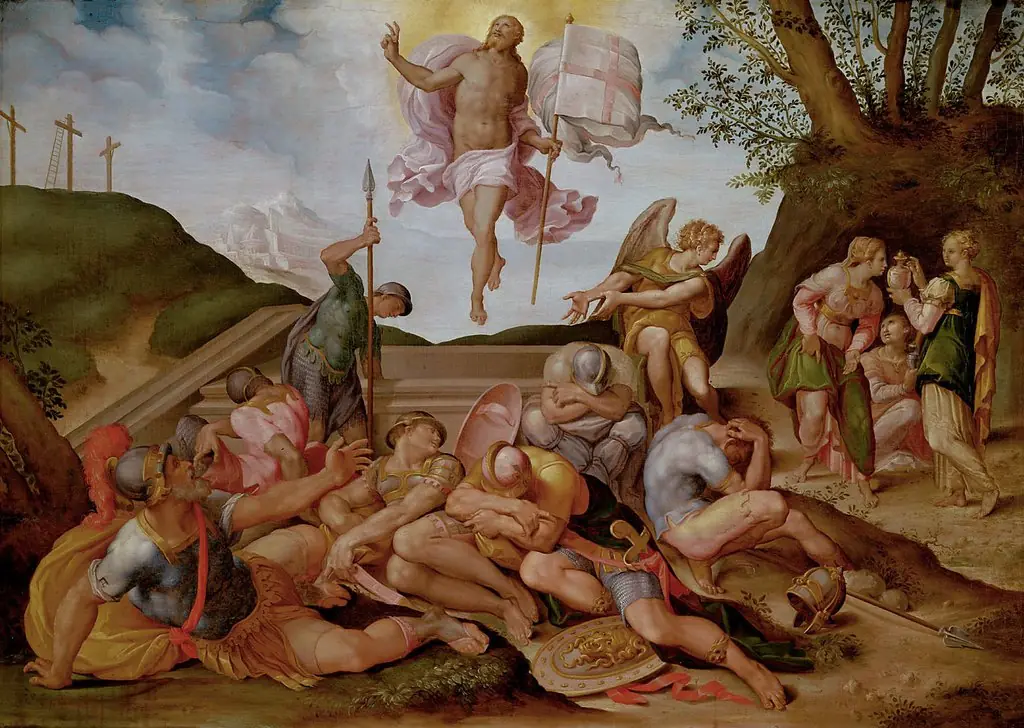
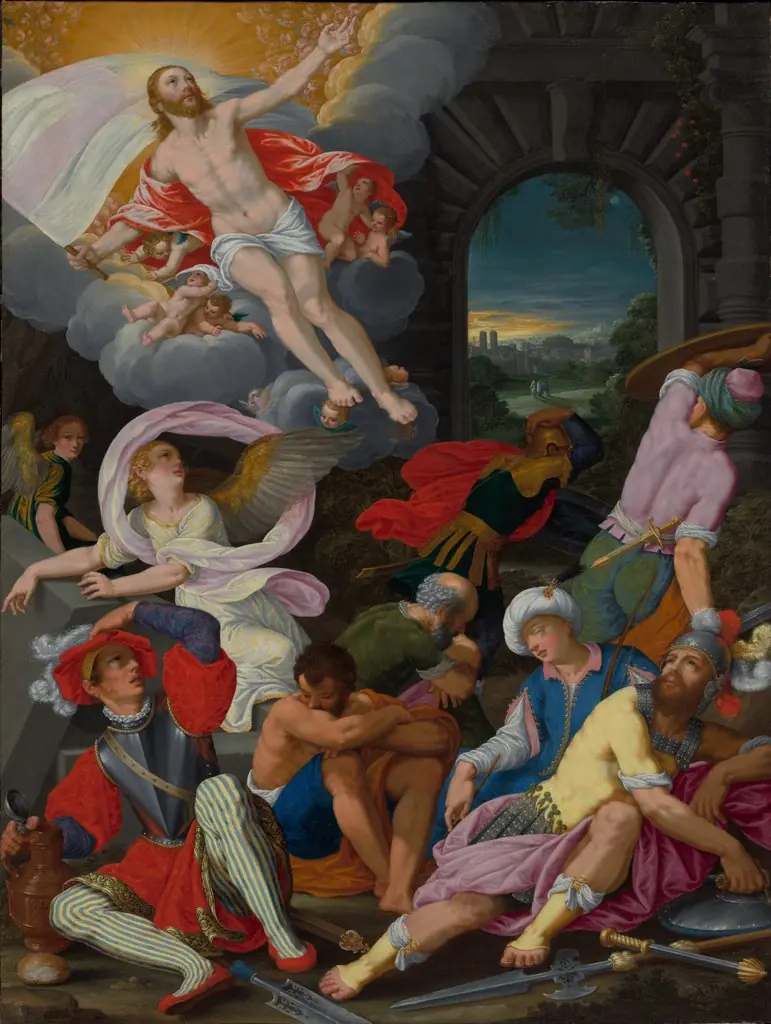
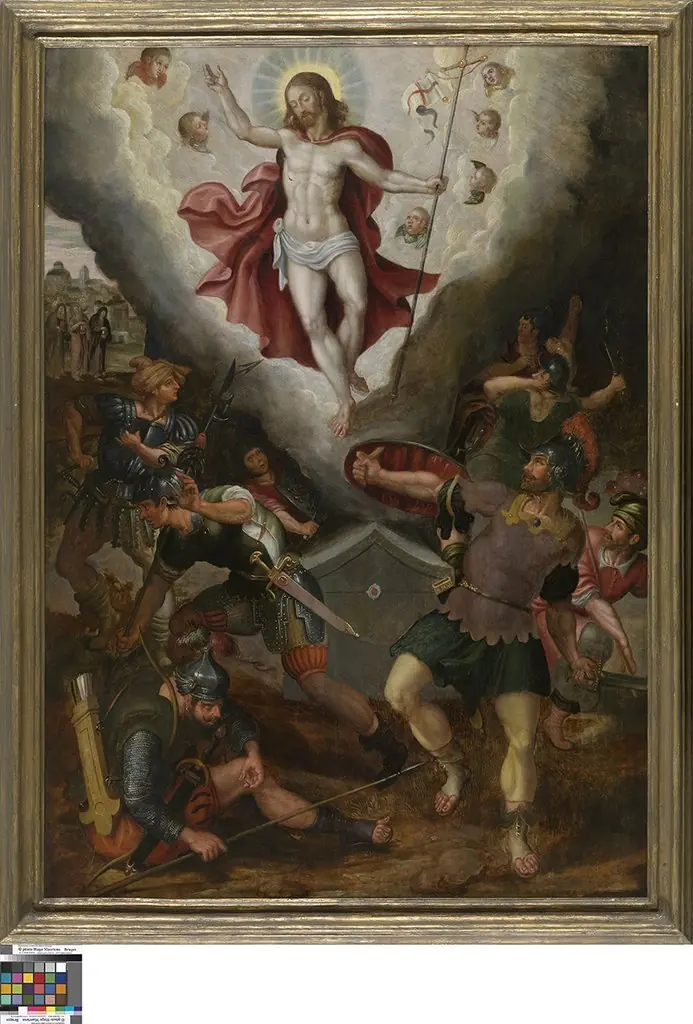
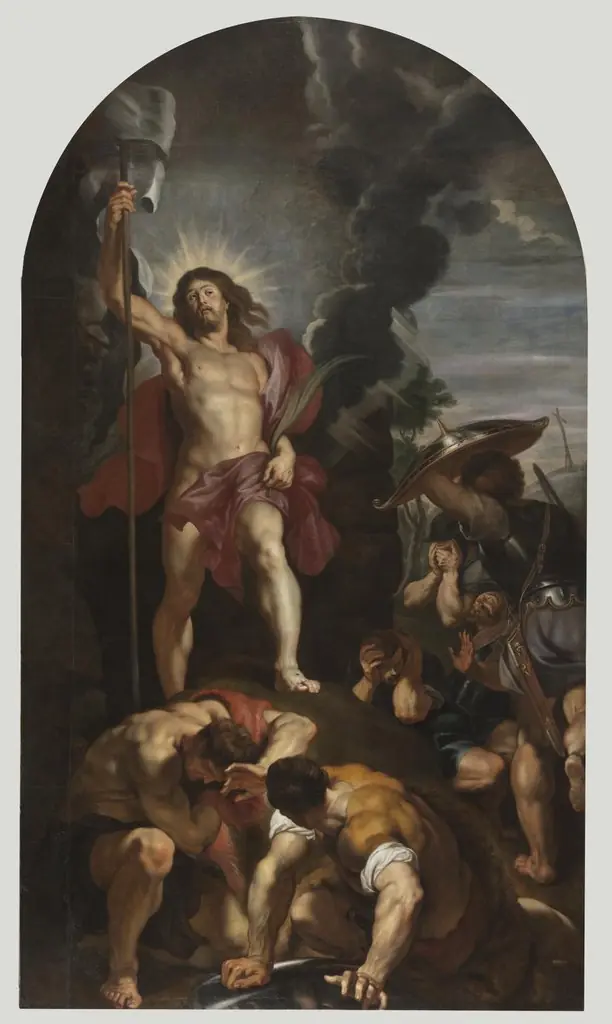
The Resurrection of Christ is an oil painting by the Mannerist artist Jacopo Tintoretto. It dates from 1550 and is held in the collection of the Ashmolean Museum. Created circa 1550, this oil painting by the Venetian artist Tintoretto portrays the biblical moment when Christ emerges from the tomb.
About this work
Overview
Created circa 1550, this oil painting by the Venetian artist Tintoretto portrays the biblical moment when Christ emerges from the tomb. Executed in the Mannerist idiom, the work is part of the Ashmolean Museum’s collection and exemplifies the painter’s reputation for vigorous composition and striking visual drama.
Subject & Meaning
The central figure, a nude Christ with flowing hair, rises triumphantly while clutching a banner, symbolising victory over death. Surrounding him are mournful onlookers dressed in dark, opulent garments; some kneel, others lean forward, and one figure lies prostrate with outstretched arms, conveying the shock and sorrow of the resurrection narrative.
Technique & Style
Tintoretto employs a pronounced chiaroscuro, juxtaposing deep shadows with luminous highlights to give the scene a three‑dimensional immediacy. The composition’s diagonal thrust and exaggerated musculature reflect Mannerist tendencies toward tension and movement, while the vigorous brushwork underscores the artist’s moniker “il Furioso.”
History & Provenance
The painting has remained in the Ashmolean Museum since its acquisition, where it is displayed as a representative example of mid‑sixteenth‑century Venetian Mannerism. Its provenance traces back to the artist’s workshop, with no recorded alterations to its original format.
Artist & collection
Artist
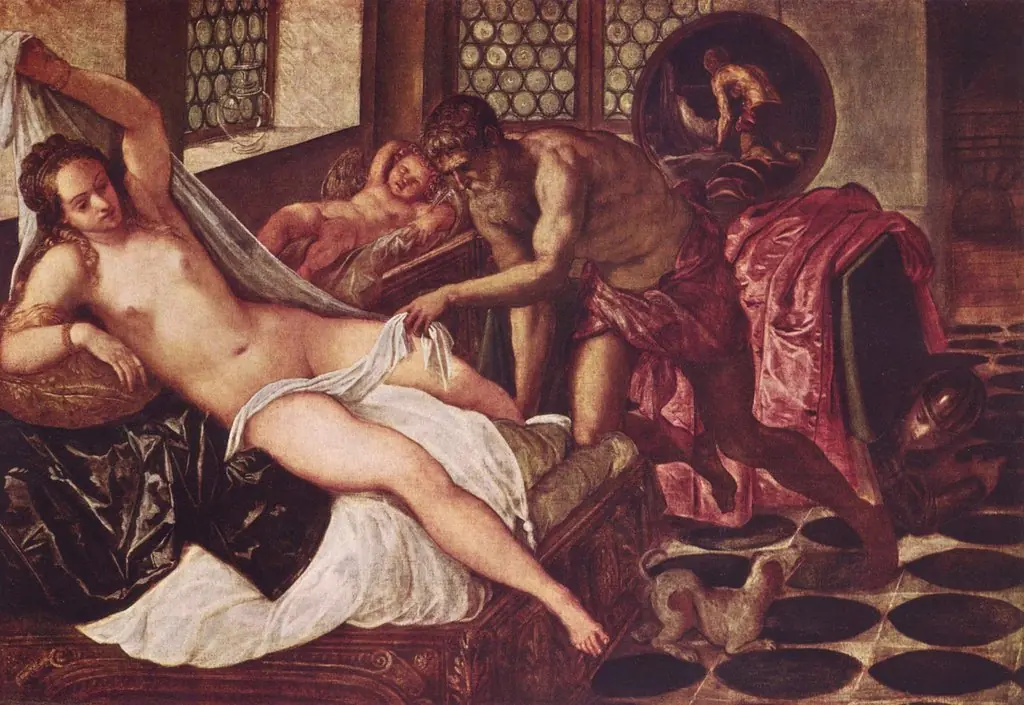
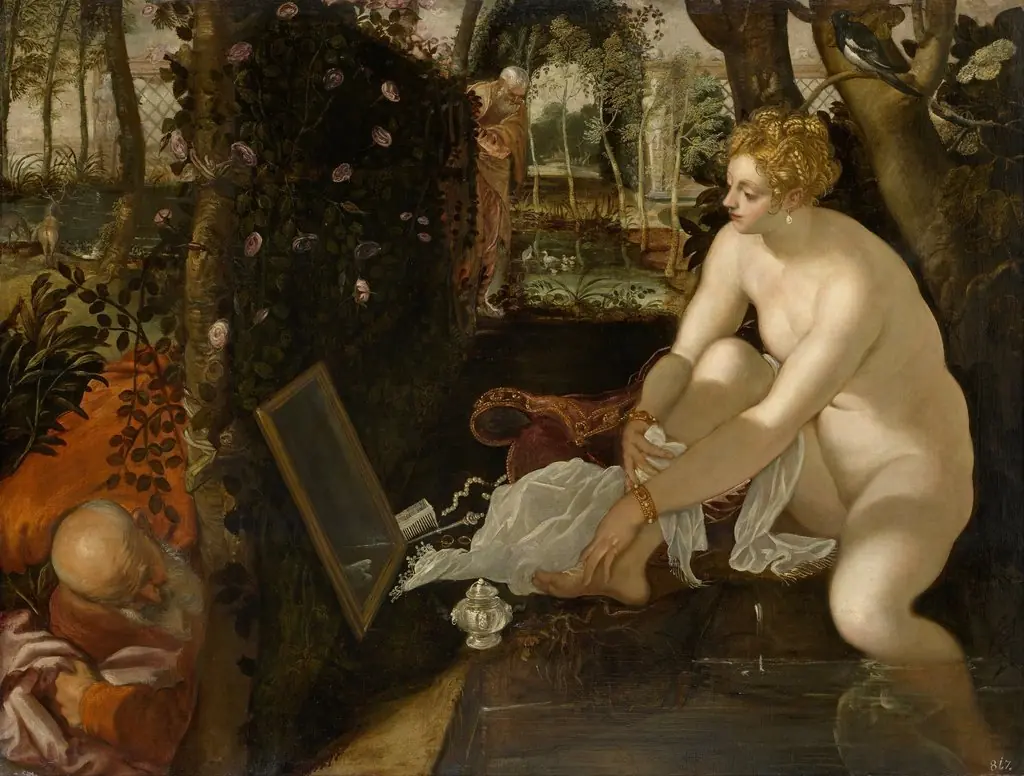
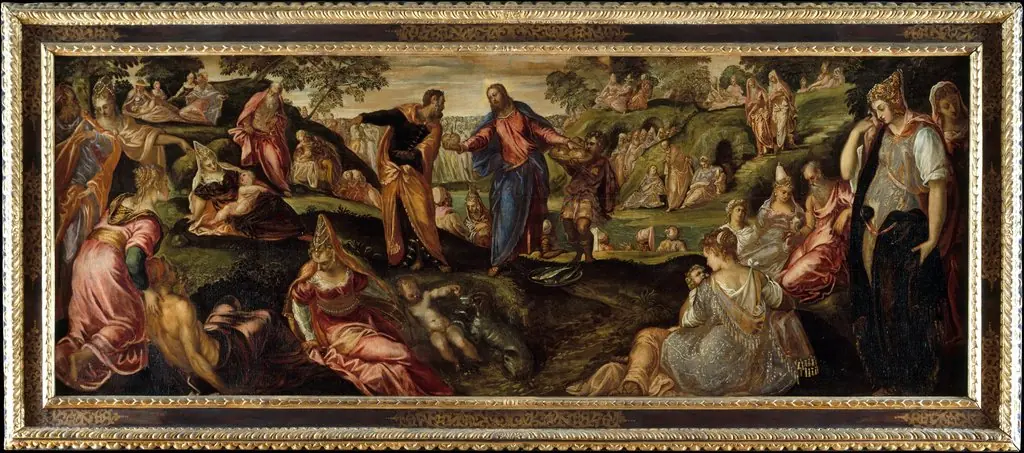
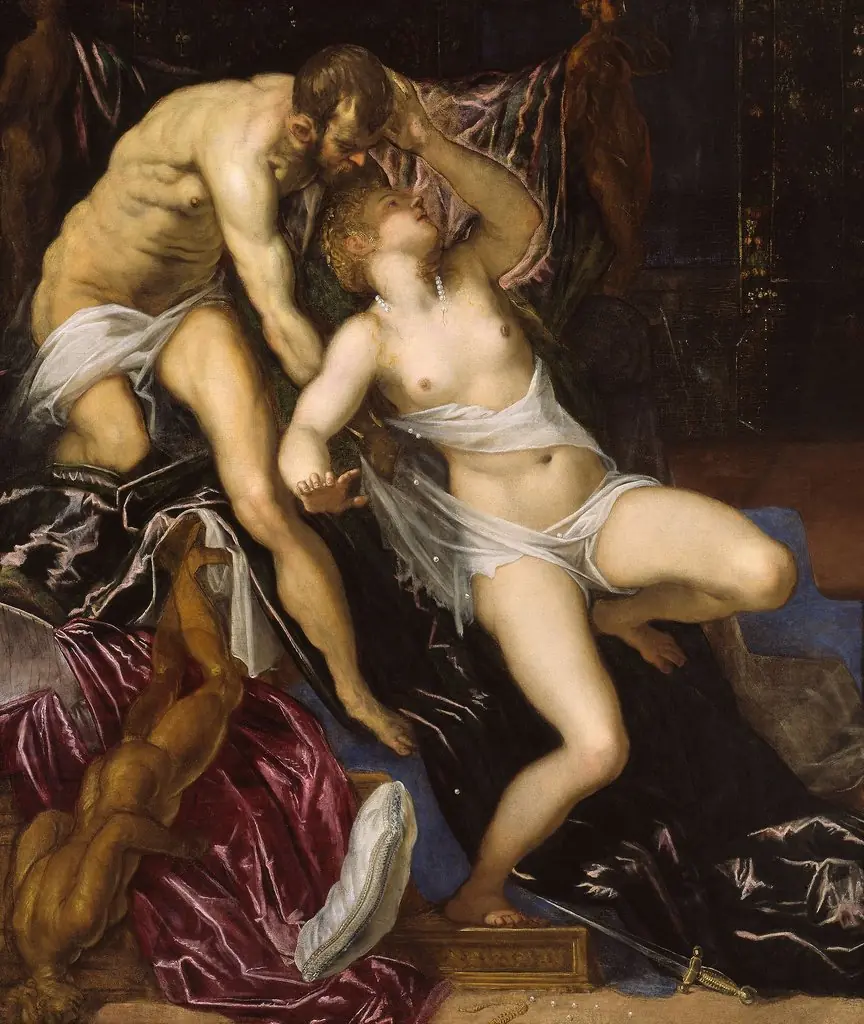
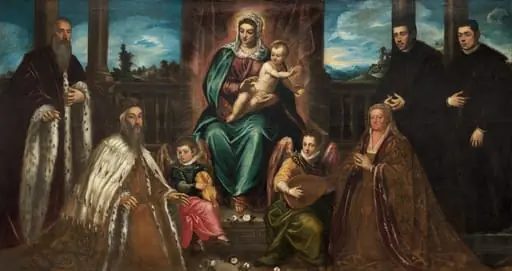
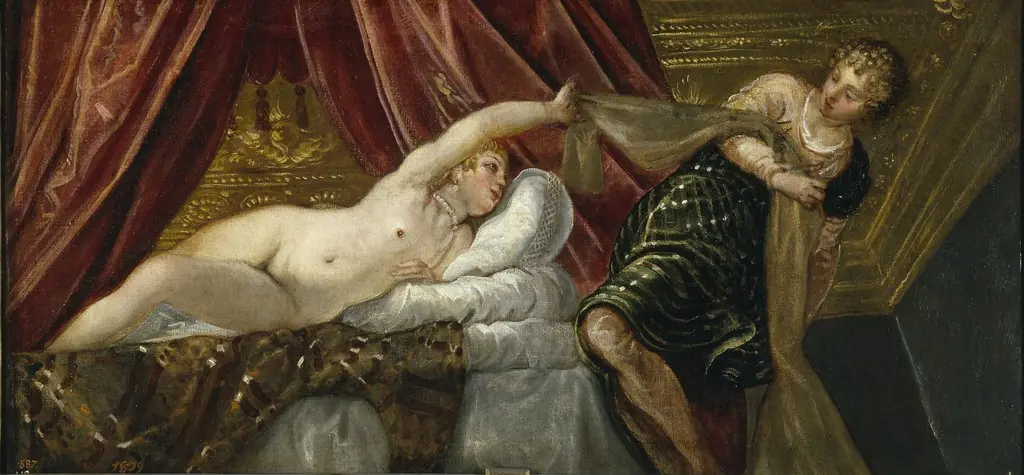
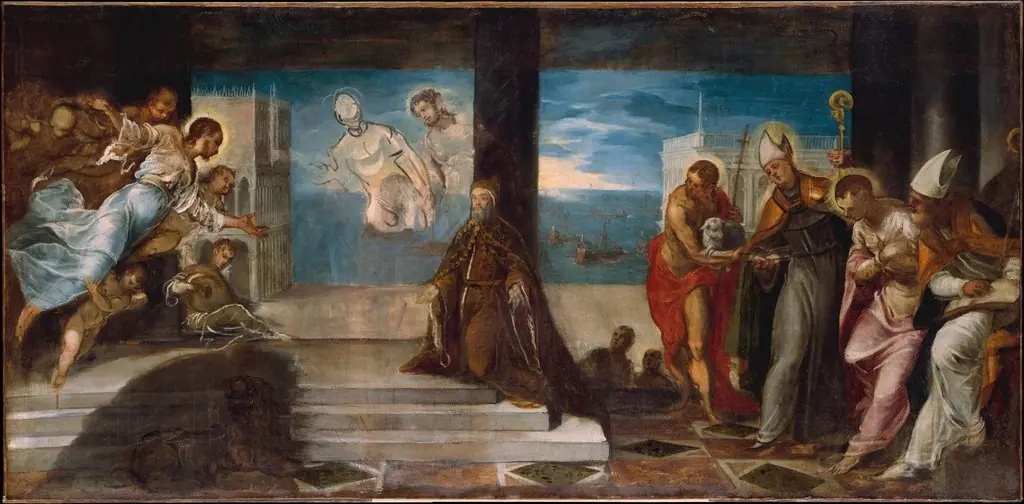
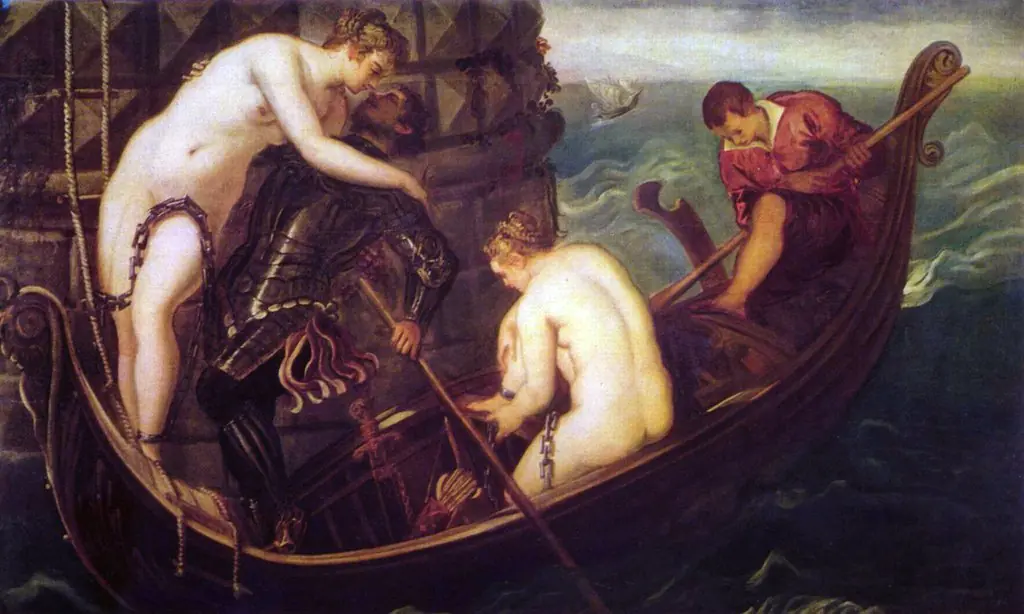
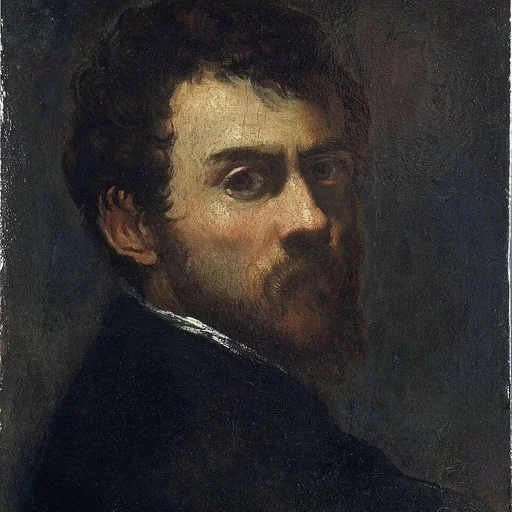
Jacopo Robusti (late September or early October 1518 – 31 May 1594), best known as Tintoretto ( TIN-tə-RET-oh; Italian: ; Venetian: ), was an Italian Renaissance painter of the Venetian school.