Artwork
The Martyrs of Japan
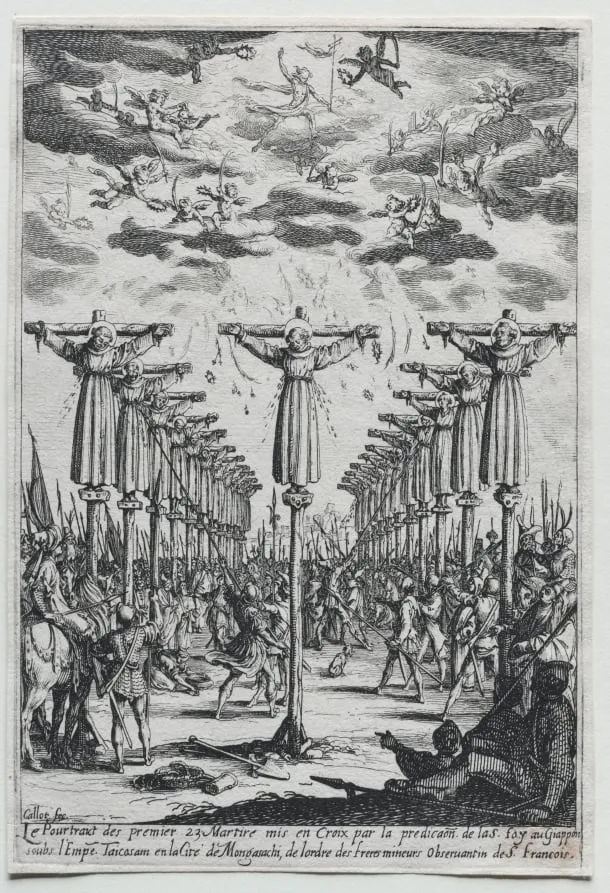
The Martyrs of Japan is a print by the Baroque artist Jacques Callot. It dates from 1604 and is held in the collection of the Cleveland Museum of Art.
About this work
This etching shows a row of men tied to wooden posts, their heads bowed. The men wear simple robes, and soldiers stand around them with guns. The men look calm before what comes next.
Callot made this in 1635. He used fine lines to show detail and light. The scene feels quiet but heavy with what’s about to happen.
Want to see more like this? Look up Jacques Callot (French, 1592–1635).
Overview
Created in 1635 by French artist Jacques Callot, this etching depicts the execution of Christian martyrs in Japan.
Created in 1635 by French artist Jacques Callot, this etching depicts the execution of Christian martyrs in Japan. The work is part of a series documenting persecution under the Tokugawa shogunate. It is currently held in the collection of The Cleveland Museum of Art. Callot’s precise technique and restrained composition convey a solemn atmosphere, emphasizing the dignity of the condemned rather than the violence of their fate.
Subject & Meaning
The scene portrays a group of Christian converts bound to wooden stakes, their heads bowed in quiet resignation. Soldiers with firearms stand nearby, their presence implied rather than dramatized. The focus on stillness and composure suggests a spiritual resolve in the face of death. Callot’s choice to avoid graphic violence underscores the religious significance of martyrdom, aligning the image with devotional traditions of passive endurance.
Technique & Style
Callot employed fine-line etching to render delicate textures in fabric, wood, and skin. His use of controlled hatching and minimal shading creates a sense of quiet tension without overt emotion. The composition is tightly arranged, with figures aligned in a horizontal row that enhances the feeling of inevitability. The absence of background detail directs attention solely to the figures and their shared moment of stillness.
History & Provenance
The print was produced during a period of heightened European interest in Japanese Christian persecution, fueled by missionary reports. Callot, though never traveling to Asia, relied on written accounts and possibly earlier illustrations. The work entered The Cleveland Museum of Art’s collection in the 20th century, where it remains as part of a broader group of Callot’s narrative prints on religious and military themes.
Context
In early 17th-century Japan, the Tokugawa regime suppressed Christianity, executing foreign missionaries and Japanese converts. European audiences, particularly in Catholic regions, received these events through printed images and letters. Callot’s etching reflects this transnational flow of religious news, transforming distant violence into a visual meditation for viewers unfamiliar with the actual events but familiar with martyrdom narratives.
Legacy
Callot’s series on the Japanese martyrs contributed to the visual language of religious suffering in early modern print culture. While not widely reproduced in his lifetime, the work influenced later depictions of persecution in European art. Its restrained tone and emphasis on dignity set it apart from more sensationalist imagery, offering a model of quiet solemnity that resonates in studies of martyrdom and cross-cultural representation.
Artist & collection
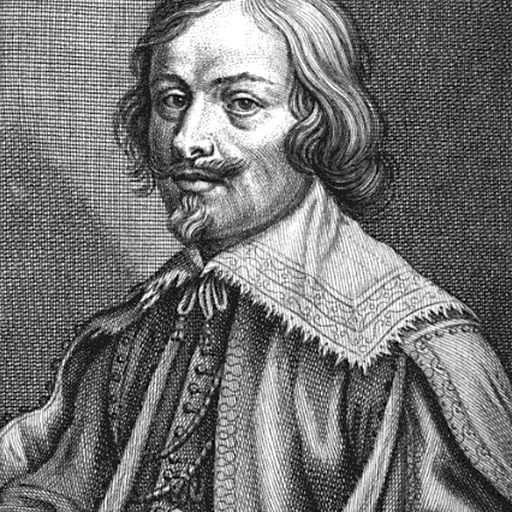
Artist
Jacques Callot was a baroque printmaker and draftsman from the Duchy of Lorraine.

 Holy Family at supper
 Restoration of the Aqueduct at Pisa
 Restoration of the Aqueduct at Pisa
 Square in Paris with Many Figures
 Square in Paris with Many Figures
 Horsemen Attacked by Robbers
 HOW WILL A COVERED PART BE CORRECTED?HOW WIKA A COVERED HEART DEED CORRECTED?
![Christ Walking on the Water [second plate], by Jacques Callot](https://artifactworldgallery.com/img/jacques-callot--christ-walking-on-the-water-second-plate--2069f3bfe4cb2126-w320.webp) Christ Walking on the Water [second plate]
Christ Walking on the Water [second plate]
 The Martyrs of Japan
 The Martyrs of Japan
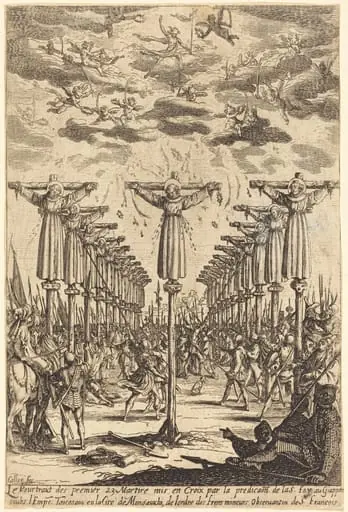 The Martyrs of Japan
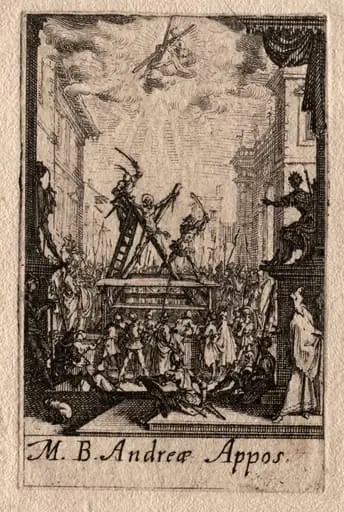 The Martyrdom of the Apostles: St. Andrew
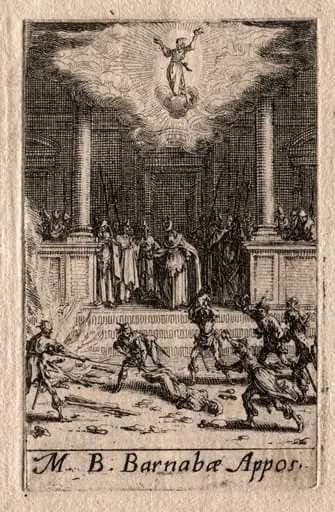 The Martyrdom of the Apostles: St. Barnabas
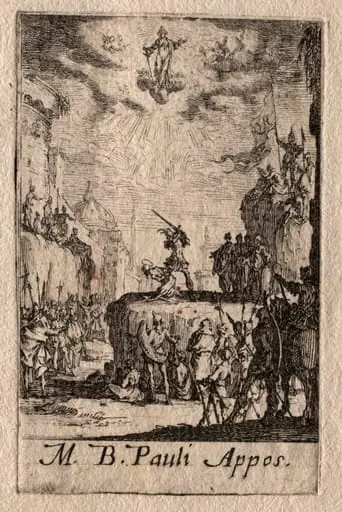 The Martyrdom of the Apostles: St. Paul
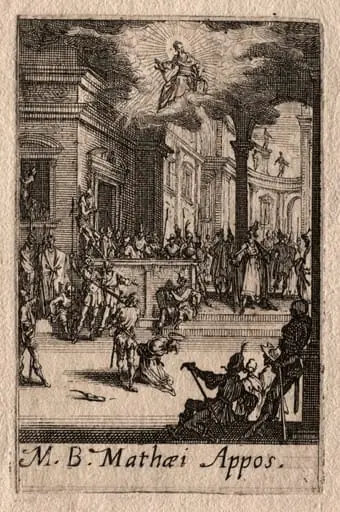 The Martyrdom of the Apostles: St. Matthew
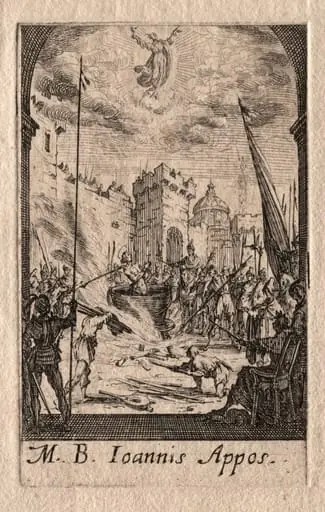 The Martyrdom of the Apostles: St. John the Evangelist
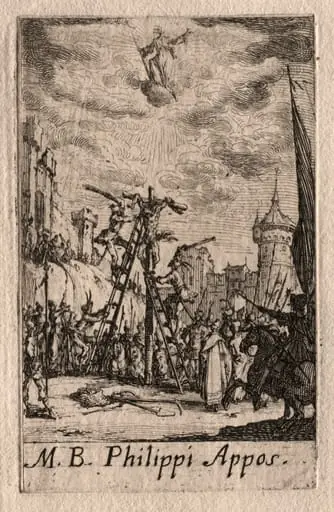 The Martyrdom of the Apostles: St. Philip