Artwork
The Mysteries of the Passion: The Visitation
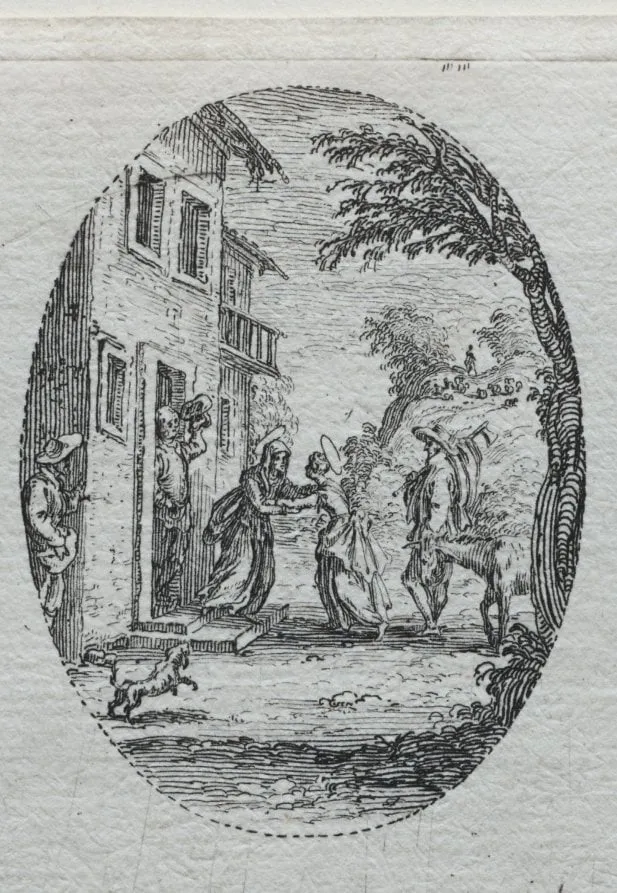
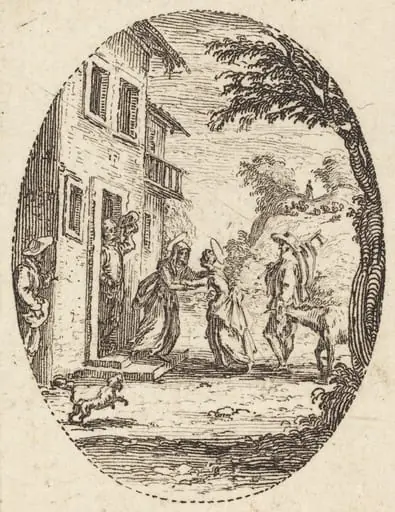
The Mysteries of the Passion: The Visitation is a print by the Baroque artist Jacques Callot. It dates from 1631 and is held in the collection of the Cleveland Museum of Art.
About this work
Overview
Created in 1631 by Jacques Callot, this etching is part of a series depicting scenes from the Passion of Christ. Rendered in monochrome, the work captures a moment of quiet tension between figures gathered before a modest dwelling. Its precise linework and dramatic lighting reflect Callot’s mastery of the etching technique, characteristic of early 17th-century Northern European printmaking.
Subject & Meaning
Though the figures are dressed in contemporary attire, the moment carries theological weight: a private encounter charged with divine significance.
The scene illustrates the Visitation, when the Virgin Mary visits her cousin Elizabeth, both pregnant with Jesus and John the Baptist. Though the figures are dressed in contemporary attire, the moment carries theological weight: a private encounter charged with divine significance. The children at the window and the attentive dog suggest an intimate, watchful atmosphere, reinforcing the sacredness of the unseen event.
Technique & Style
Callot employed fine, controlled etching lines to model form and depth, using stark contrasts between light and shadow to heighten emotional resonance. The figures are arranged with deliberate gestures, their postures conveying narrative tension. The architectural elements and foliage are simplified, directing focus to the interpersonal dynamics and the psychological weight of the moment.
History & Provenance
The print was produced as part of a larger series commissioned to illustrate biblical narratives for devotional use. It entered the collection of The Cleveland Museum of Art through established acquisition channels in the 20th century. Its preservation reflects its status as a well-documented example of Callot’s graphic work from his mature period.
Context
Made during the height of the Baroque era, the work aligns with a broader European trend of using printmaking to disseminate religious imagery. Callot’s approach, blending realism with emotional intensity, responded to Counter-Reformation demands for accessible, evocative sacred scenes. His prints circulated widely among both clergy and lay audiences seeking spiritual reflection.
Legacy
Callot’s etchings influenced generations of printmakers through their technical precision and narrative clarity. This particular image exemplifies how religious subjects were rendered with psychological nuance and everyday detail, bridging the sacred and the domestic. Its inclusion in major collections underscores its enduring role in the study of early modern visual culture.
Artist & collection
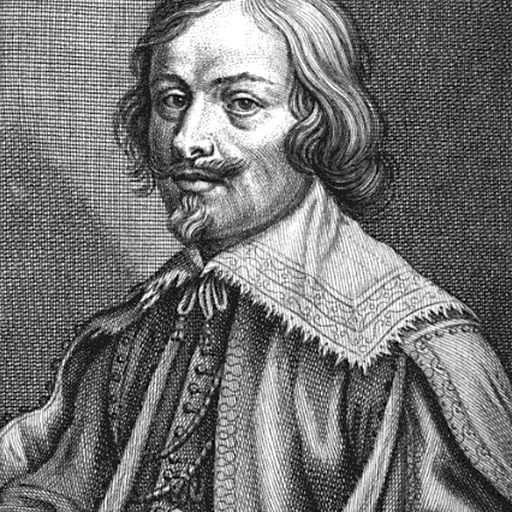
Artist
Jacques Callot was a baroque printmaker and draftsman from the Duchy of Lorraine.

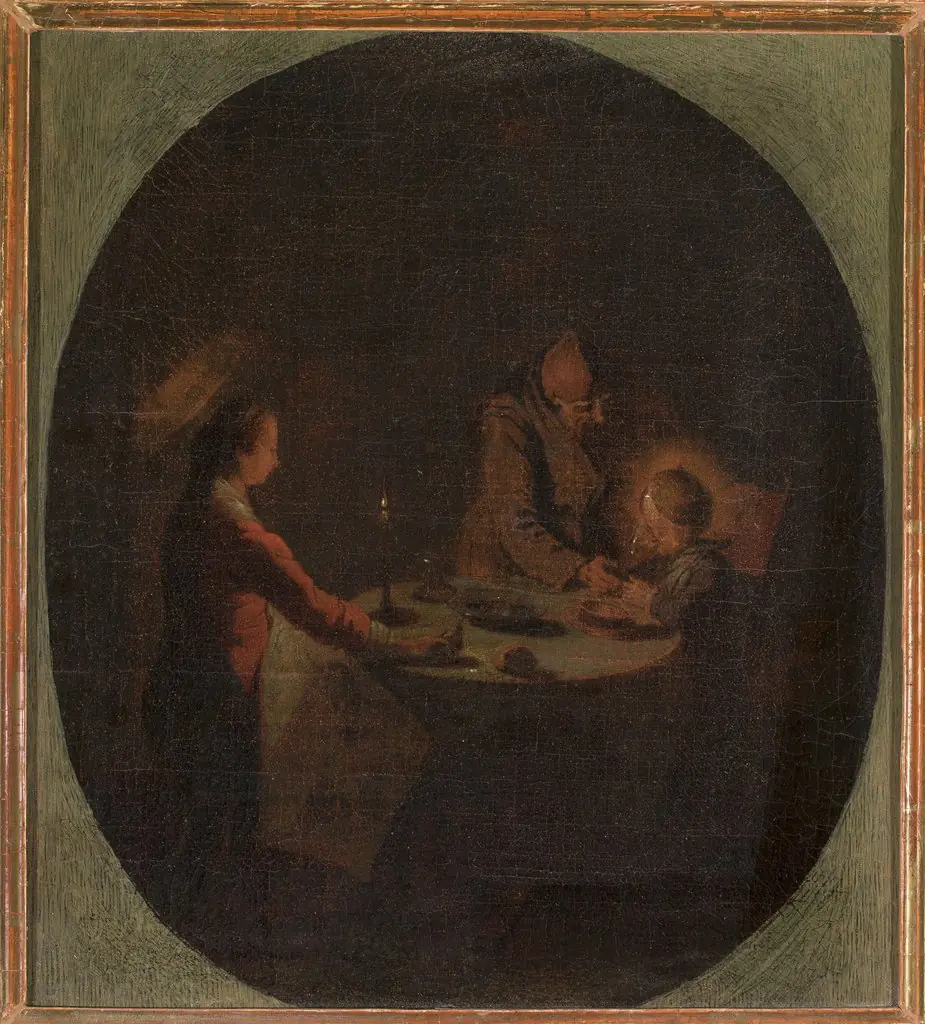 Holy Family at supper
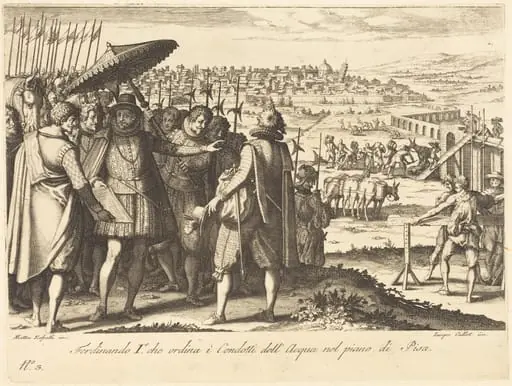 Restoration of the Aqueduct at Pisa
 Restoration of the Aqueduct at Pisa
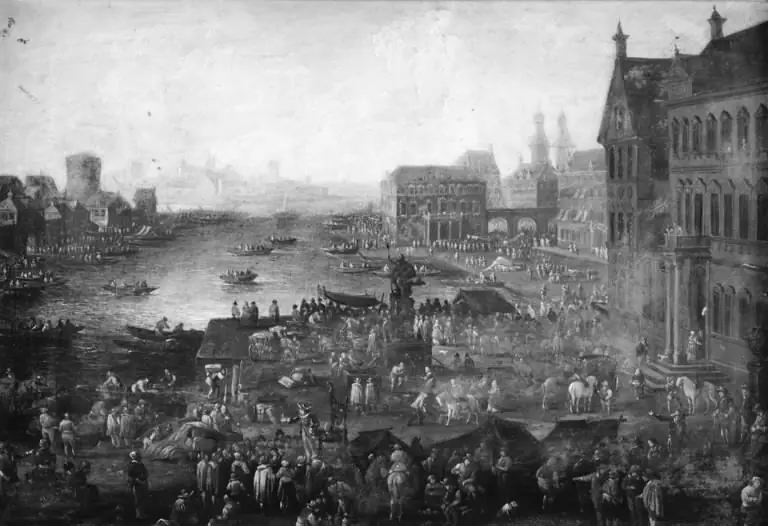 Square in Paris with Many Figures
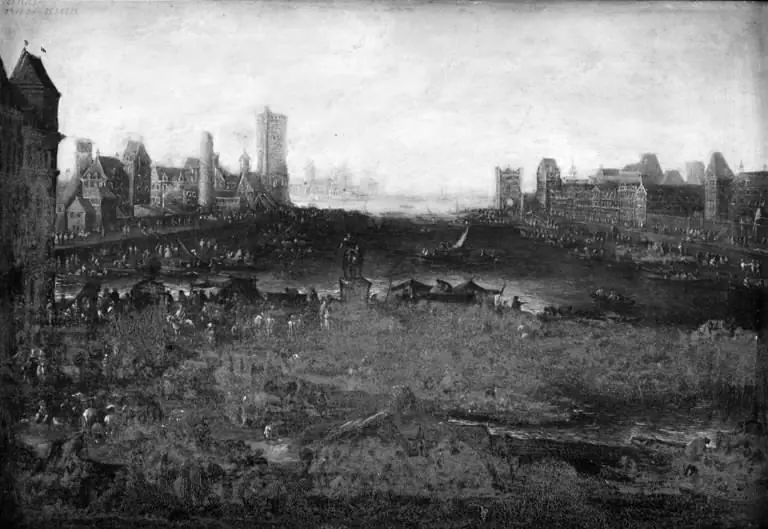 Square in Paris with Many Figures
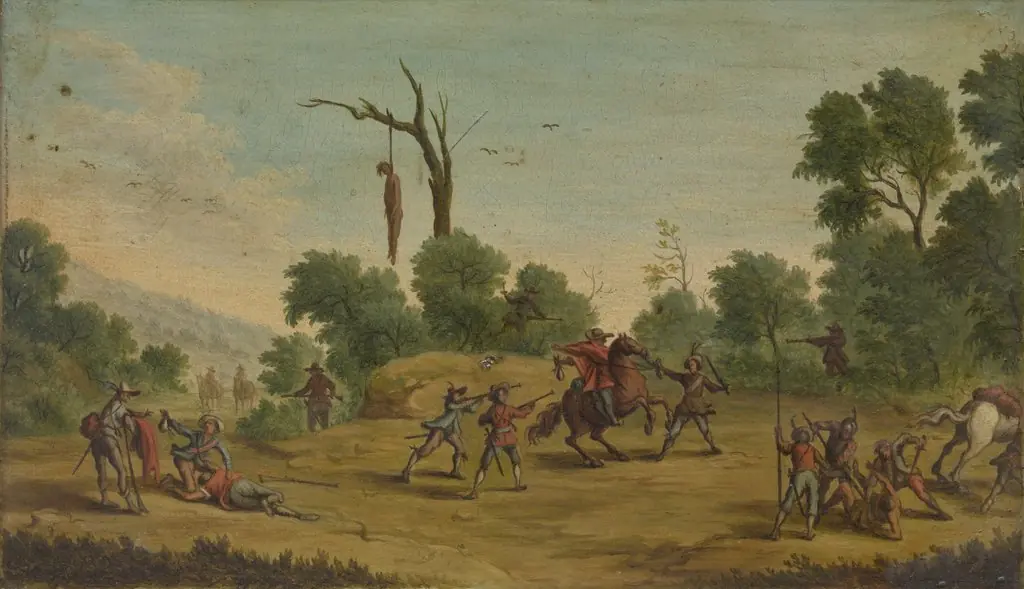 Horsemen Attacked by Robbers
 HOW WILL A COVERED PART BE CORRECTED?HOW WIKA A COVERED HEART DEED CORRECTED?
![Christ Walking on the Water [second plate], by Jacques Callot](https://artifactworldgallery.com/img/jacques-callot--christ-walking-on-the-water-second-plate--2069f3bfe4cb2126-w320.webp) Christ Walking on the Water [second plate]
Christ Walking on the Water [second plate]