Artwork
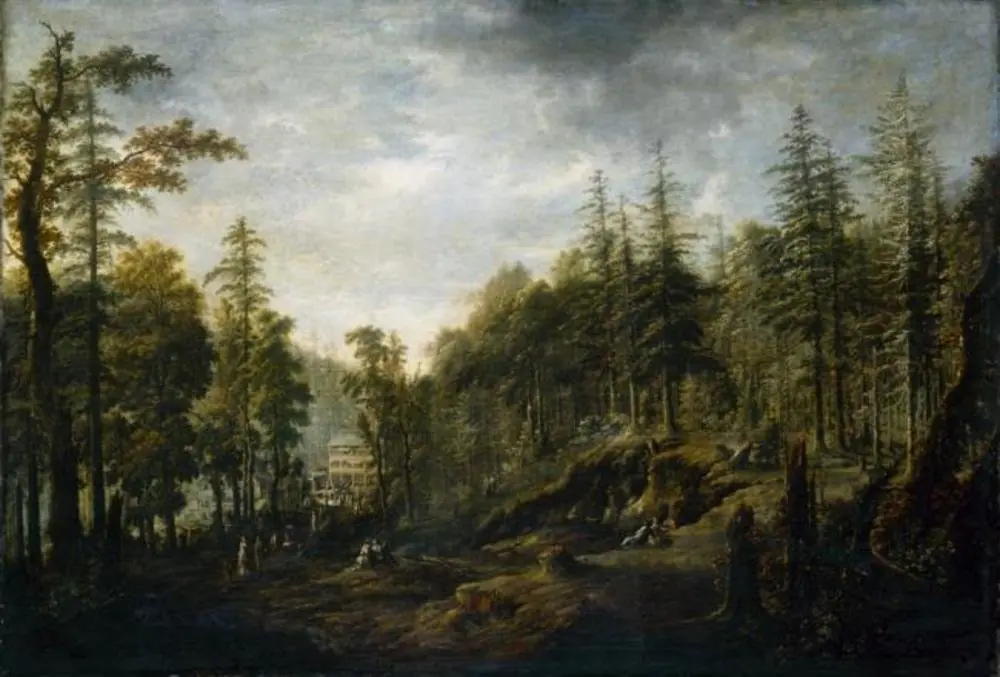
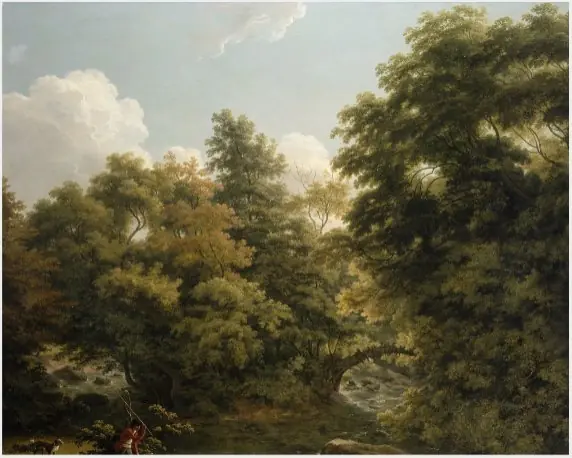
Landscape with Entrance to a Forrest
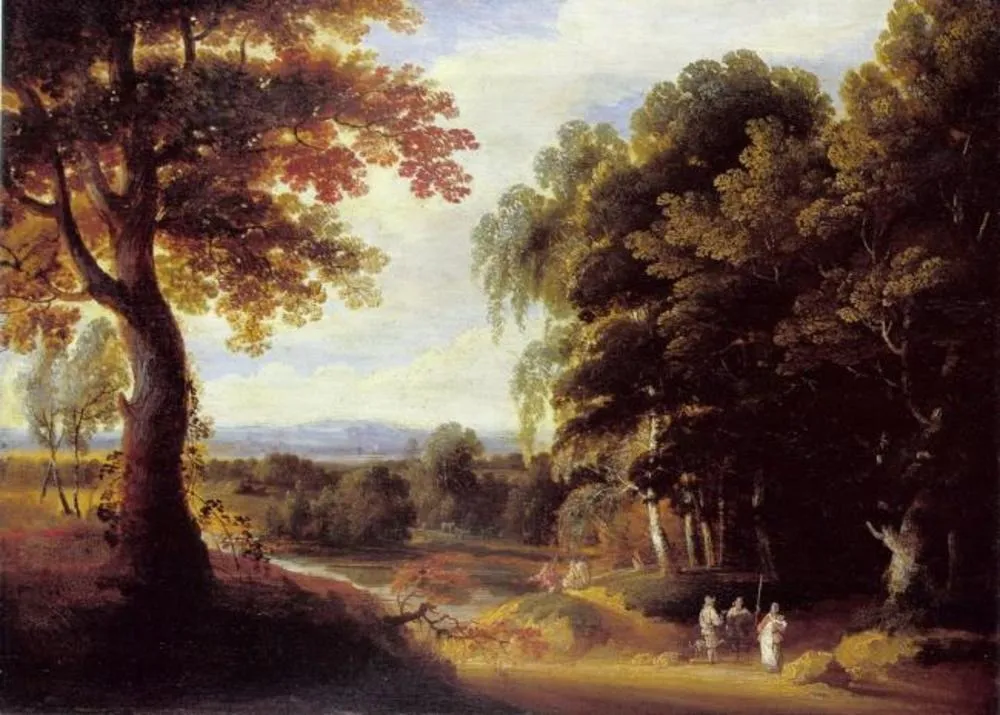
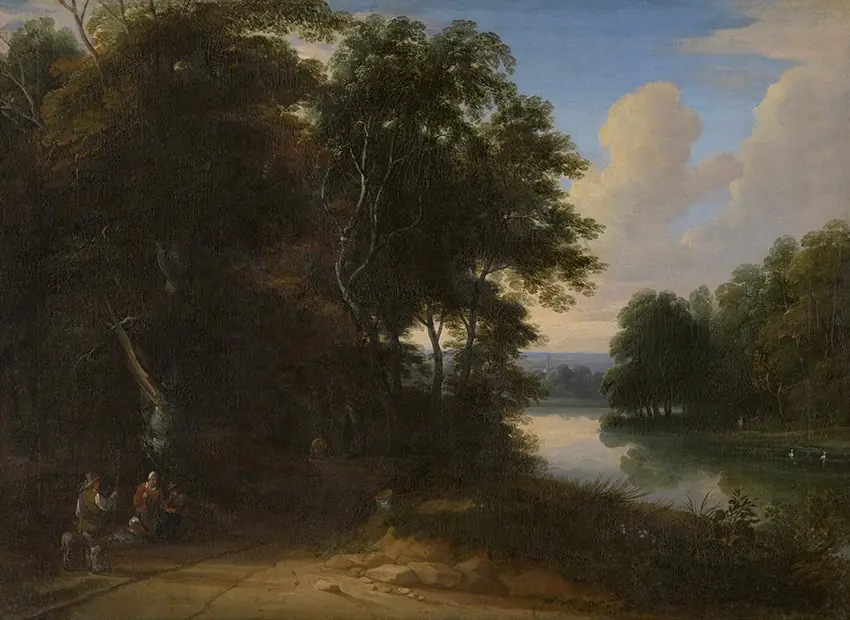
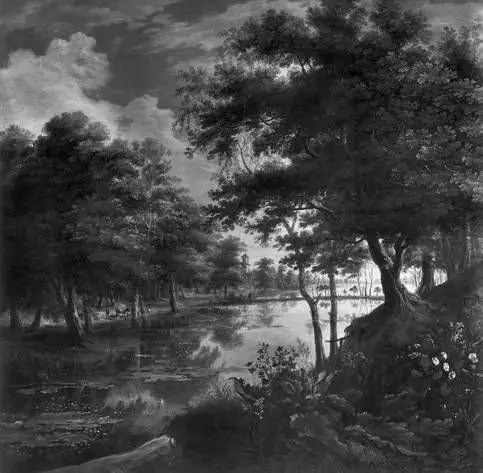
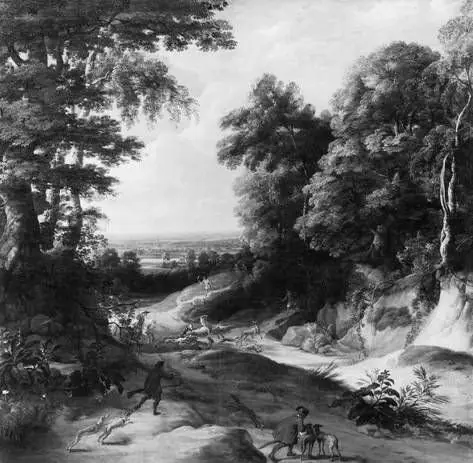
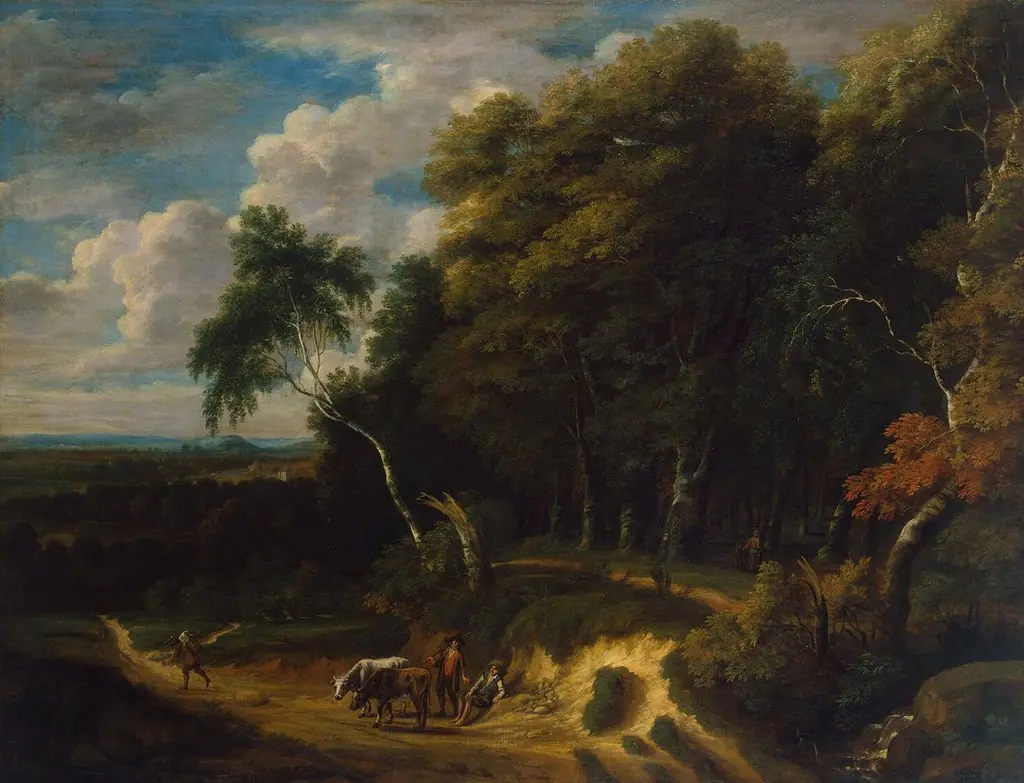
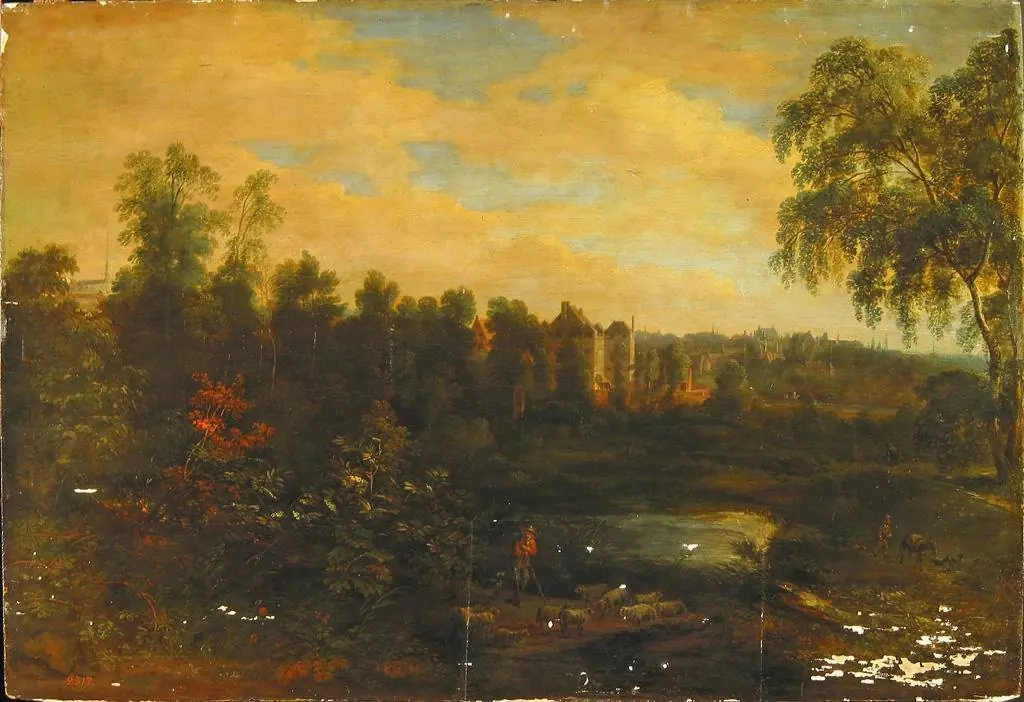
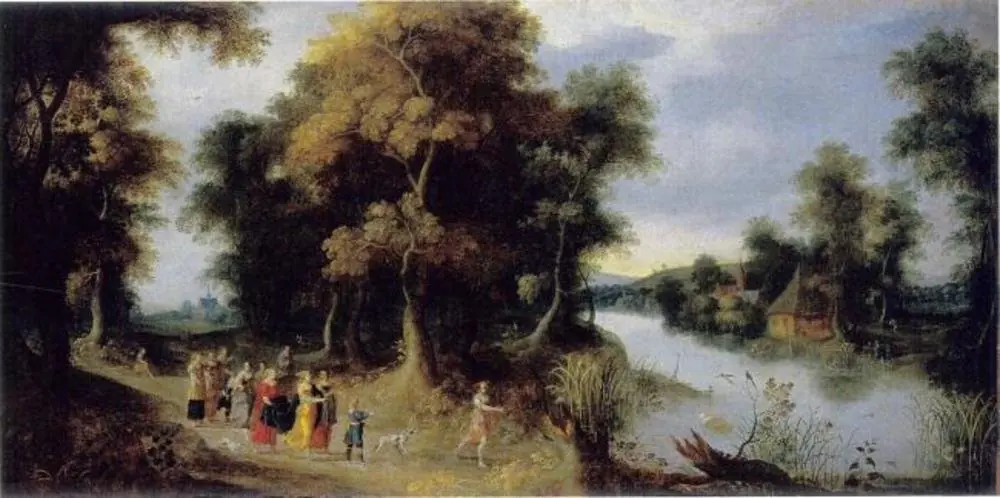
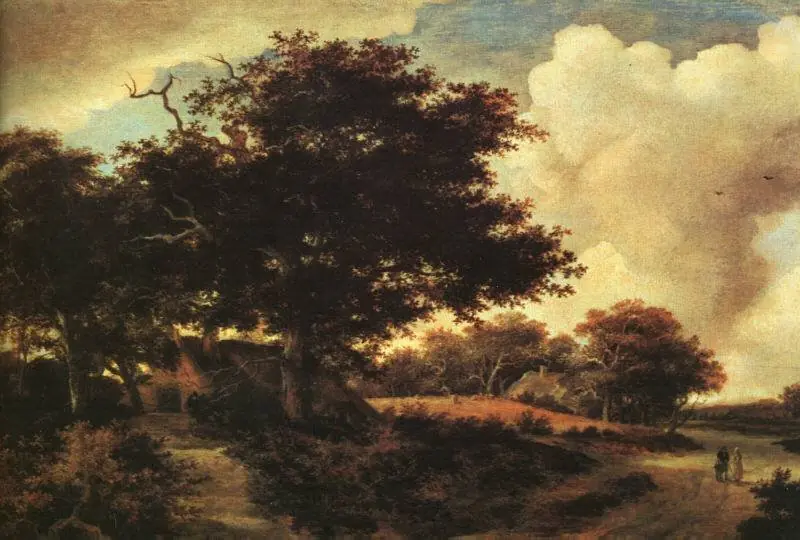
Landscape with Entrance to a Forrest is an oil painting by the Barbizon school artist Jacques d'Arthois. It dates from 1650 and is held in the collection of the Städel Museum.
About this work
Overview
The painting belongs to the Städel Museum’s collection and exemplifies the Flemish tradition of naturalistic landscape painting in the mid-seventeenth century.
Painted around 1650, this oil-on-canvas work by Jacques d'Arthois presents a tranquil woodland scene near Brussels, where the artist lived and worked. As a specialist in wooded landscapes, d'Arthois captured the quiet character of the region’s forests with careful observation. The painting belongs to the Städel Museum’s collection and exemplifies the Flemish tradition of naturalistic landscape painting in the mid-seventeenth century.
Subject & Meaning
The scene centers on a forest entrance, framed by a massive, twisted tree on the left and a small group of figures near the path on the right. Their presence suggests daily life—perhaps travelers, laborers, or locals passing through—but no narrative is imposed. The focus remains on the quiet interaction between humans and nature, emphasizing atmosphere over story, in keeping with the contemplative tone of Flemish landscape painting of the period.
Technique & Style
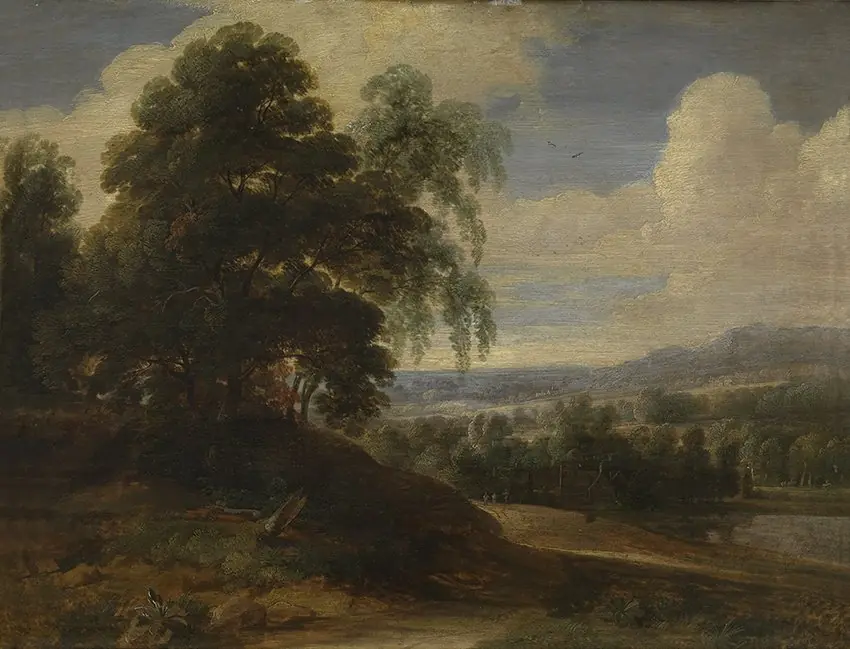
D'Arthois employed chiaroscuro to model forms and suggest depth, using subtle shifts in light and shadow across the tree trunks, foliage, and ground. The brushwork is precise yet unobtrusive, allowing textures—bark, grass, cloud edges—to emerge naturally. The composition guides the eye from the foreground tree through the forest opening to the distant hills, creating a sense of spatial recession without theatricality.
History & Provenance
Created during d'Arthois’s mature period, the painting reflects his established reputation as a landscape specialist in Brussels. It entered the Städel Museum’s collection in the 19th century, likely through acquisitions of Flemish works by German collectors interested in Northern European traditions. Its documented history is modest, but its presence in a major European museum attests to its enduring recognition among scholars of 17th-century painting.
Context
In mid-17th-century Flanders, landscape painting flourished as a distinct genre, separate from religious or mythological themes. Artists like d'Arthois focused on local terrain, often near their homes, contributing to a growing interest in the natural world as worthy of artistic attention. His work aligns with contemporaries such as Jan Brueghel the Elder and Lucas van Uden, who also rendered wooded environments with quiet precision.
Legacy
Though not widely known today, d'Arthois’s approach influenced later Flemish and Dutch landscape painters who favored naturalistic detail and subdued tonal harmonies. His emphasis on local scenery helped shape a regional tradition that valued observation over idealization. The painting remains a quiet example of how everyday landscapes became subjects of sustained artistic study in the early modern period.
Artist & collection
Artist
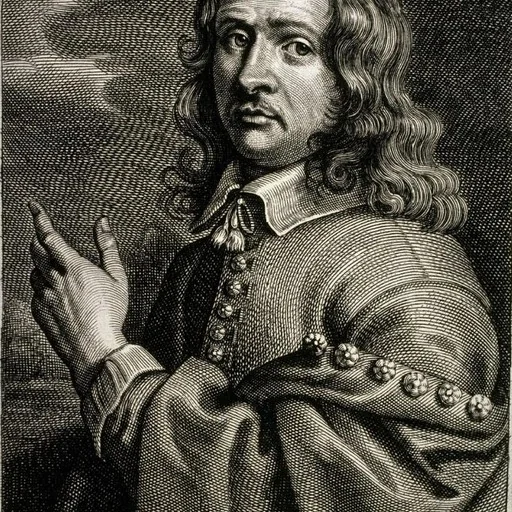
Jacques d'Arthois (12 October 1613 (baptised) – May 1686) was a Flemish painter and tapestry designer who specialized in wooded landscapes with figures.