Artwork
The River in the Demesne at Charleville
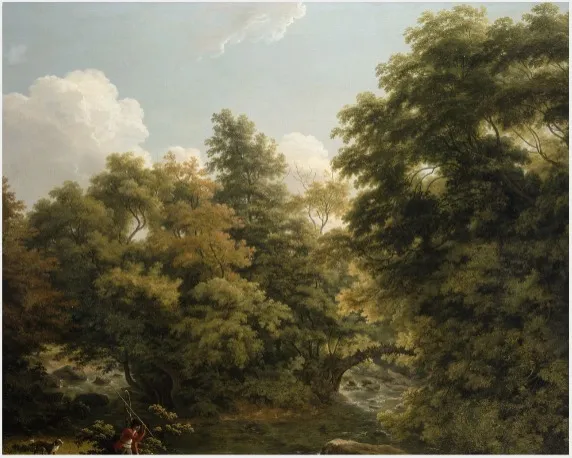
The River in the Demesne at Charleville is an oil painting by William Ashford. It dates from 1801 and is held in the collection of the National Gallery of Ireland.
About this work
Overview
Ashford, an English artist who relocated to Ireland in his youth, turned from still life to landscape painting in the 1770s.
Painted in 1801 by William Ashford, this oil landscape captures a tranquil stretch of river within the Charleville demesne. Ashford, an English artist who relocated to Ireland in his youth, turned from still life to landscape painting in the 1770s. This work belongs to a group of commissioned views created for the 4th Earl FitzWilliam, reflecting a growing interest in recorded estate scenery during the period.
Subject & Meaning
The scene portrays a quiet, wooded riverbank in County Cork, emphasizing natural harmony over human intervention. A solitary figure in red, standing near the water’s edge with a long pole, suggests quiet activity—perhaps fishing or surveying—but remains subordinate to the landscape. The composition conveys order and serenity, aligning with aristocratic ideals of cultivated nature rather than wild wilderness.
Technique & Style
Ashford employs soft, layered brushwork to render foliage and water, with muted greens and browns dominating the palette. The sky, lightly brushed with pale blues and whites, provides gentle contrast without drawing focus. Details are observed but not exaggerated; the painting favors atmospheric cohesion over dramatic effect, characteristic of late 18th-century topographical landscape traditions.
History & Provenance
Commissioned by the 4th Earl FitzWilliam, the painting was part of a series documenting his estates, including Mount Merrion. Ashford, who held leadership roles in both the Irish Society of Artists and the Royal Hibernian Academy, was a key figure in institutionalizing Irish art. The work entered the National Gallery of Ireland’s collection through established institutional acquisition practices of the 19th century.
Context
In early 19th-century Ireland, landscape painting served both aesthetic and social functions, often reinforcing landownership narratives. Ashford’s work reflects the influence of English landscape conventions adapted to Irish topography. His shift from still life to landscape mirrored broader artistic trends, where nature became a subject worthy of systematic study and patronage among the landed class.
Legacy
Ashford’s landscapes, including this one, contributed to the development of a distinct Irish pictorial tradition. While not widely known outside Ireland, his role in founding art institutions and documenting estate scenery laid groundwork for later generations of Irish painters. The painting remains a quiet testament to the intersection of art, land, and aristocratic patronage in the early modern period.
Artist & collection
Artist
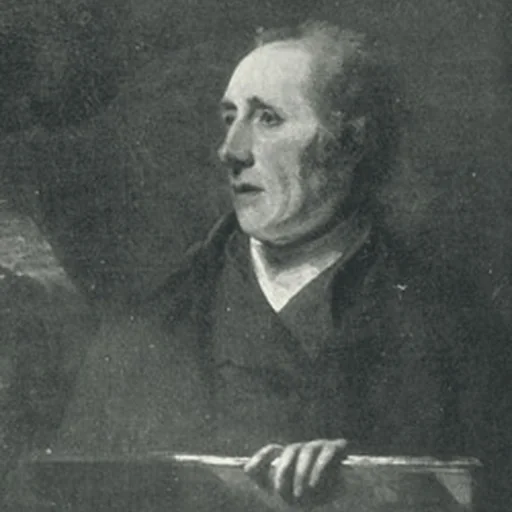
William Ashford (1746 – 17 April 1824) was an English painter who worked exclusively in Ireland, where he lived from the age of 18, having initially gone there to take up a post with the Ordnance Office.

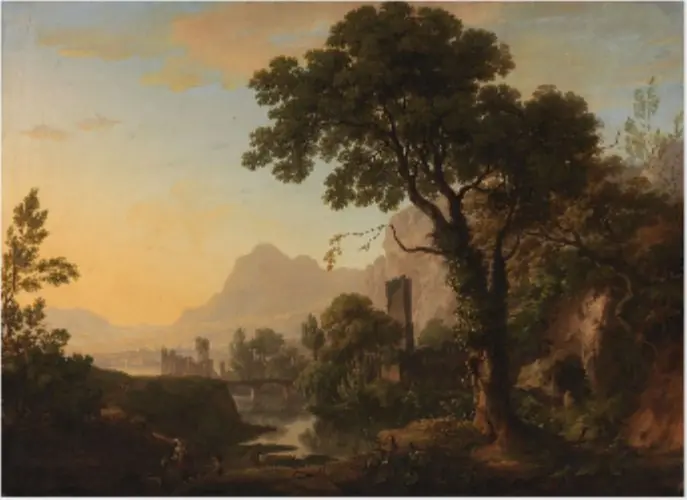 An Idyllic Landscape
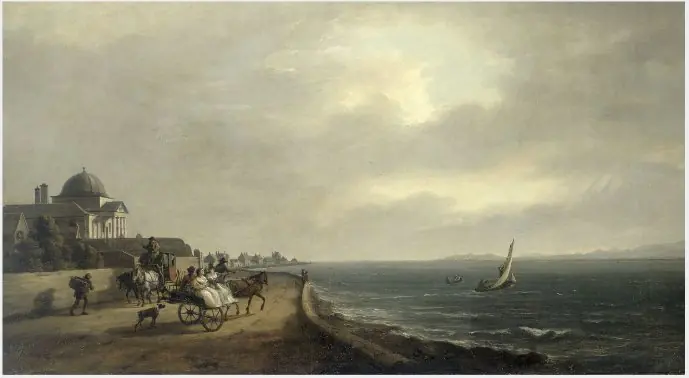 The Royal Charter School, Clontarf, County Dublin
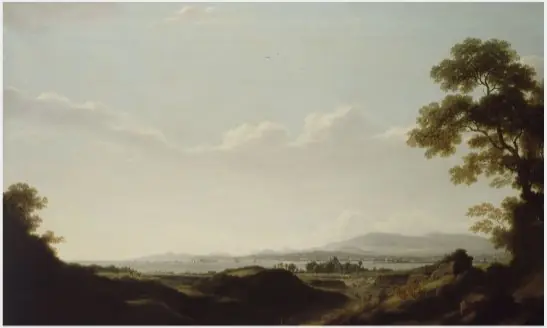 A View of Dublin from Clontarf
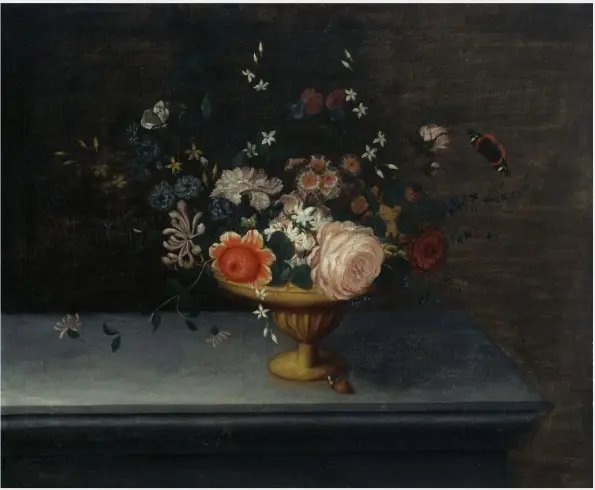 A Group of Flowers
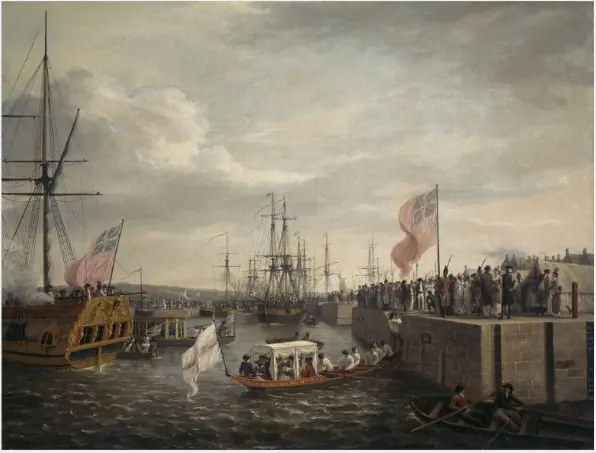 Opening of the Ringsend Docks, Dublin, 23 April 1796, with Lord Camden Conferring Knighthood on Mr John Macartney
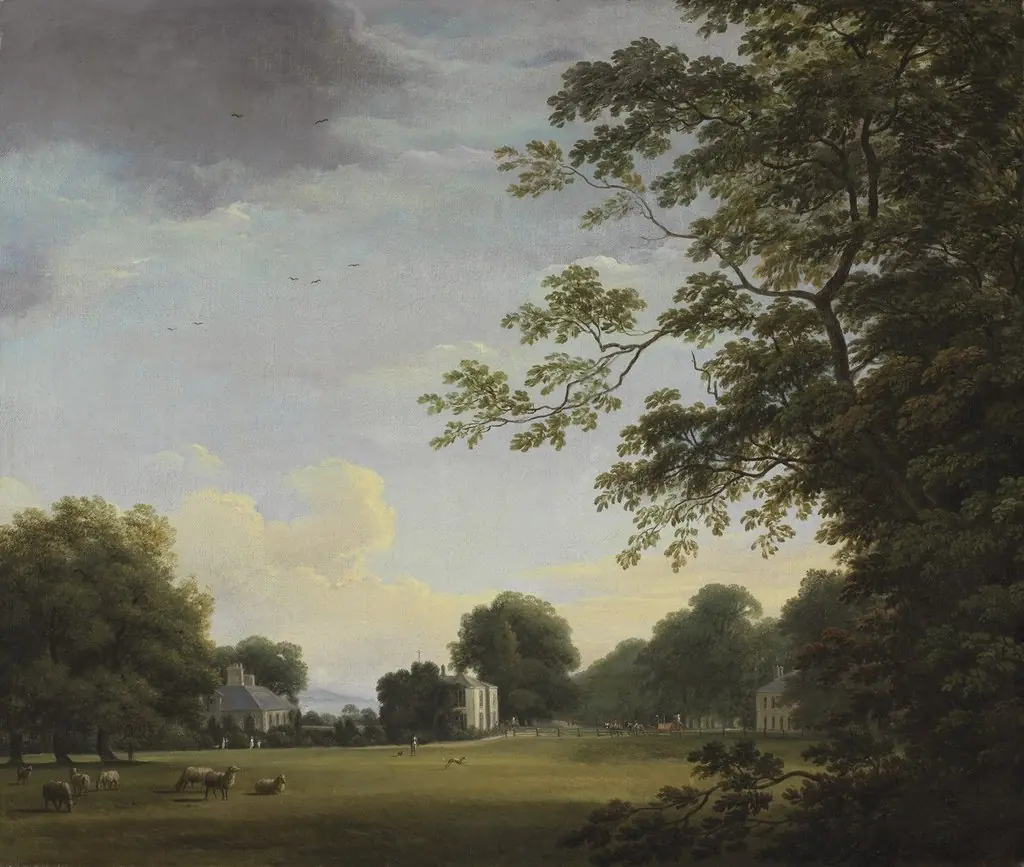 View in Mount Merrion Park
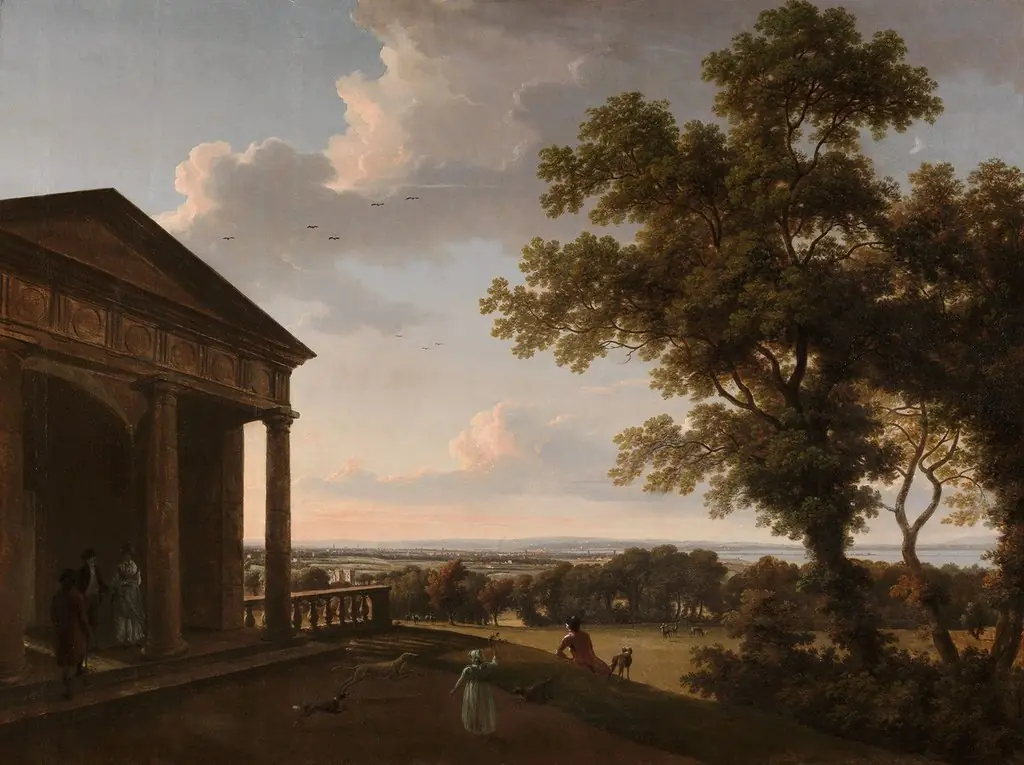 View in Mount Merrion Park (1804)
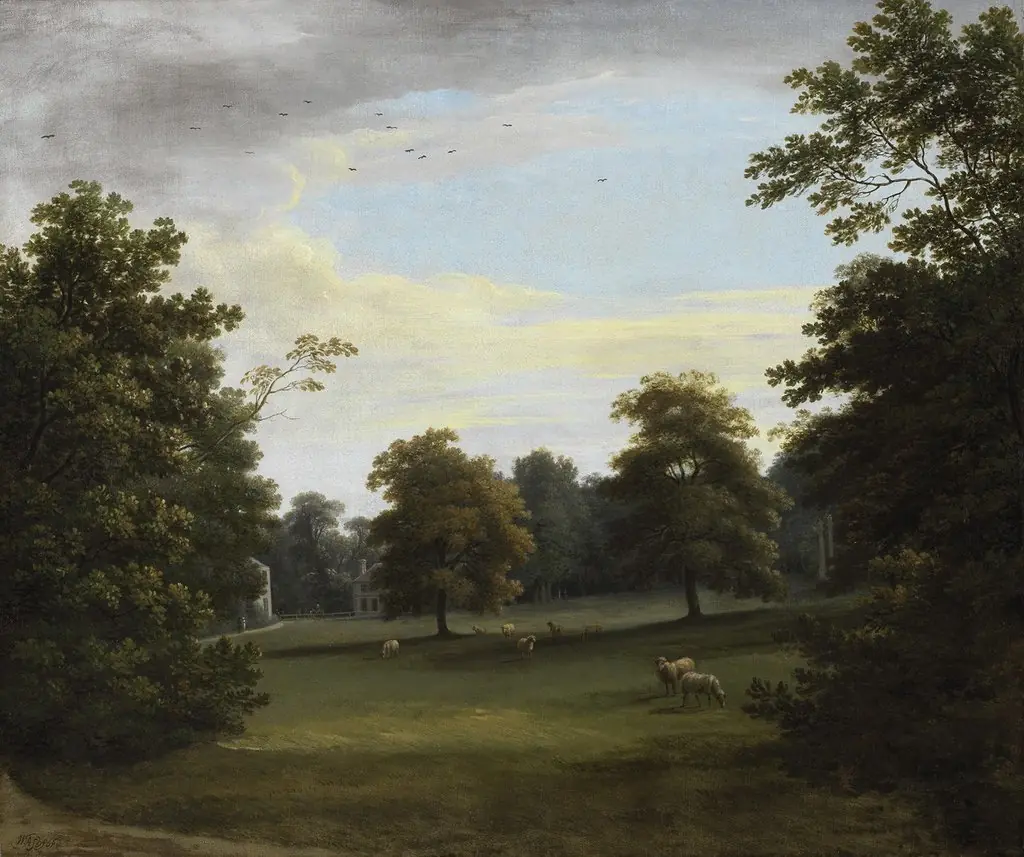 View in Mount Merrion Park
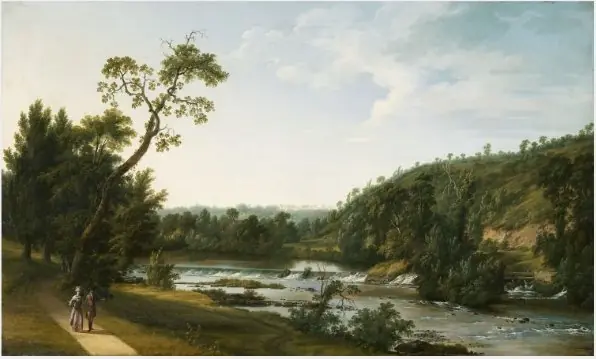 The River Liffey in Lucan House Demesne
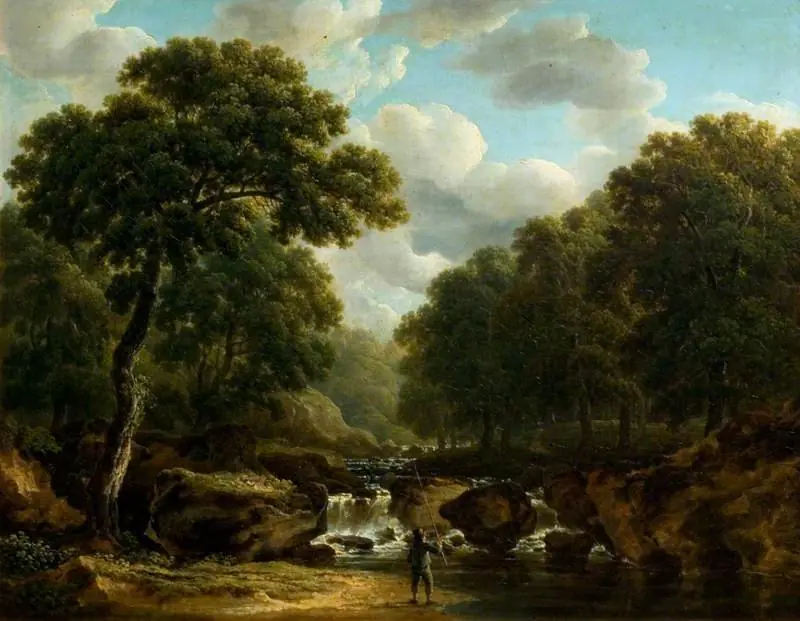 The Devil's Glen, County Wicklow
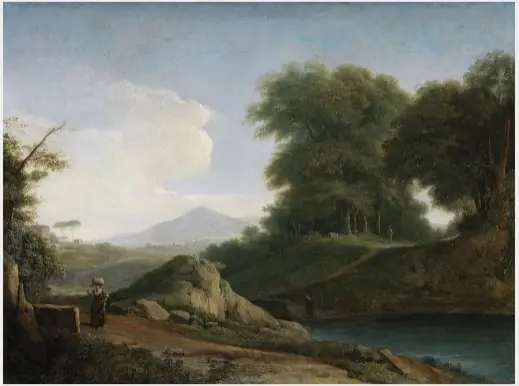 Italianate Landscape
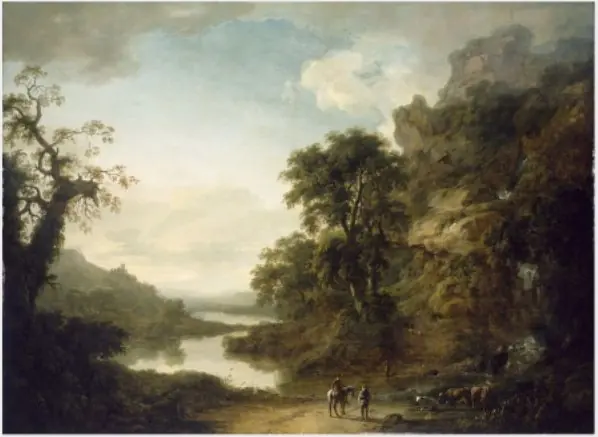 A Landscape
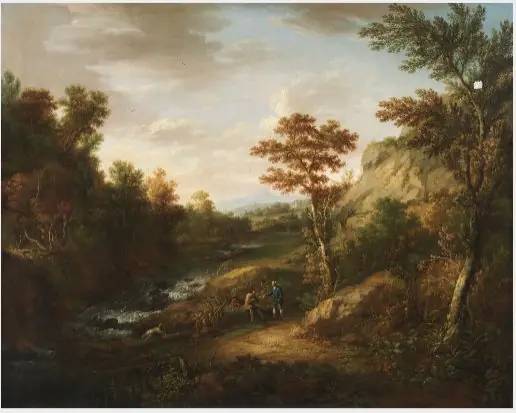 A Landscape with Peasants and a Dog
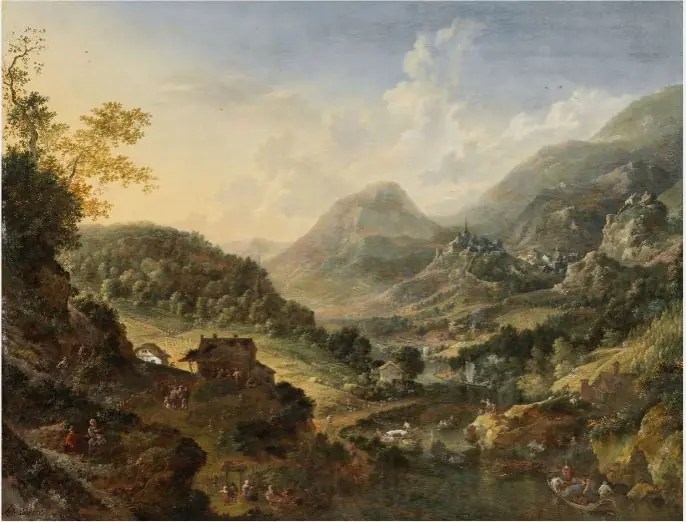 A River Landscape
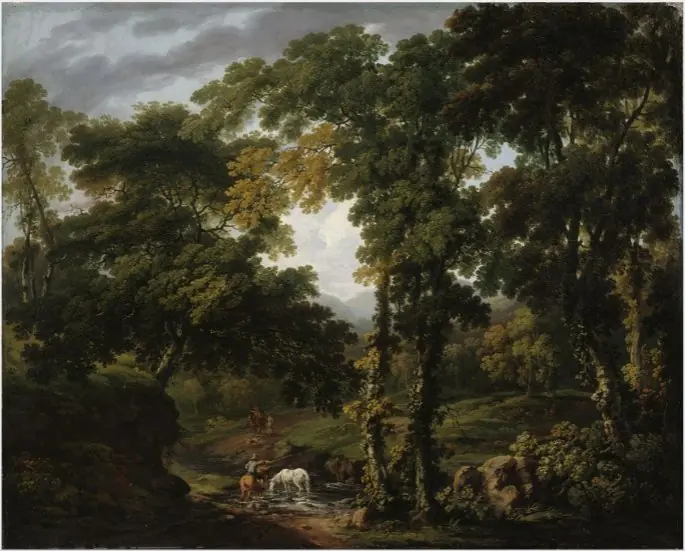 A Wooded River Landscape with Figures and Horses at a Ford and Fallow Deer in a Clearing
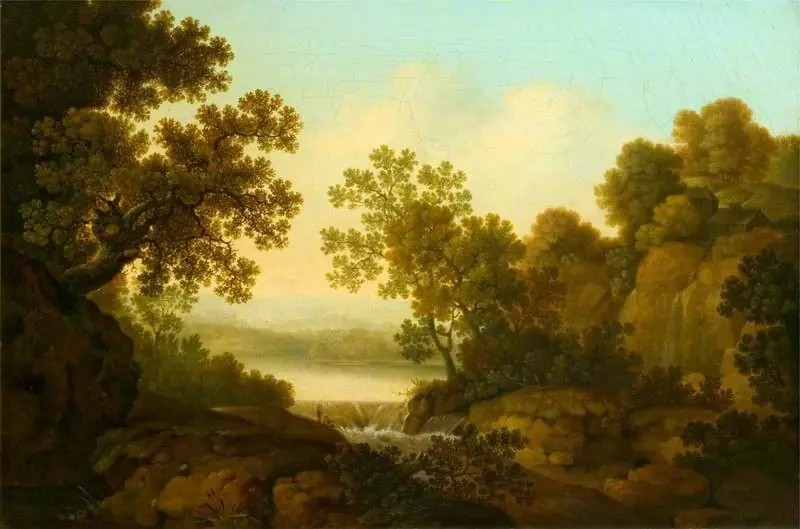 Landscape with a Waterfall and Anglers
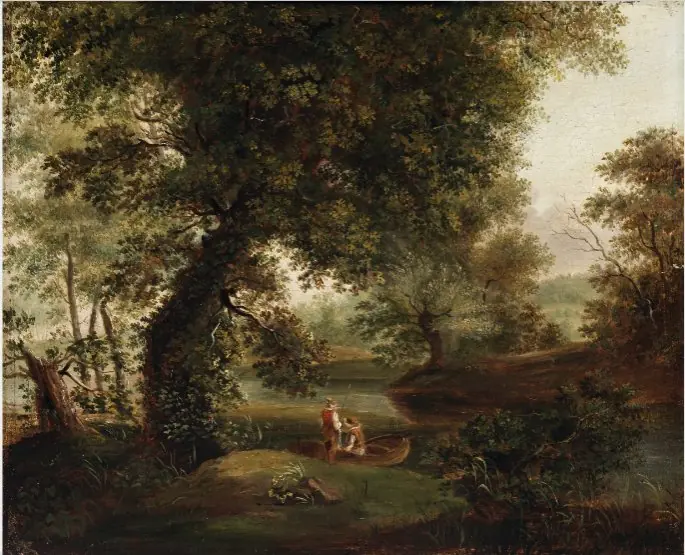 A Woodland Scene
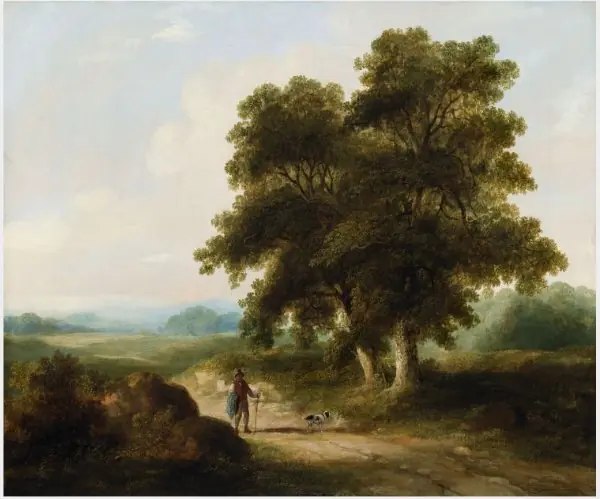 A Landscape, Homeward Bound
 Eichenwald mit Jäger
 The Weir in Lucan House Demesne