Artwork
The Battle of Zenta, 11 September 1697: Prince Eugene of Savoy beats the Ottoman army at while crossing the river Tisa
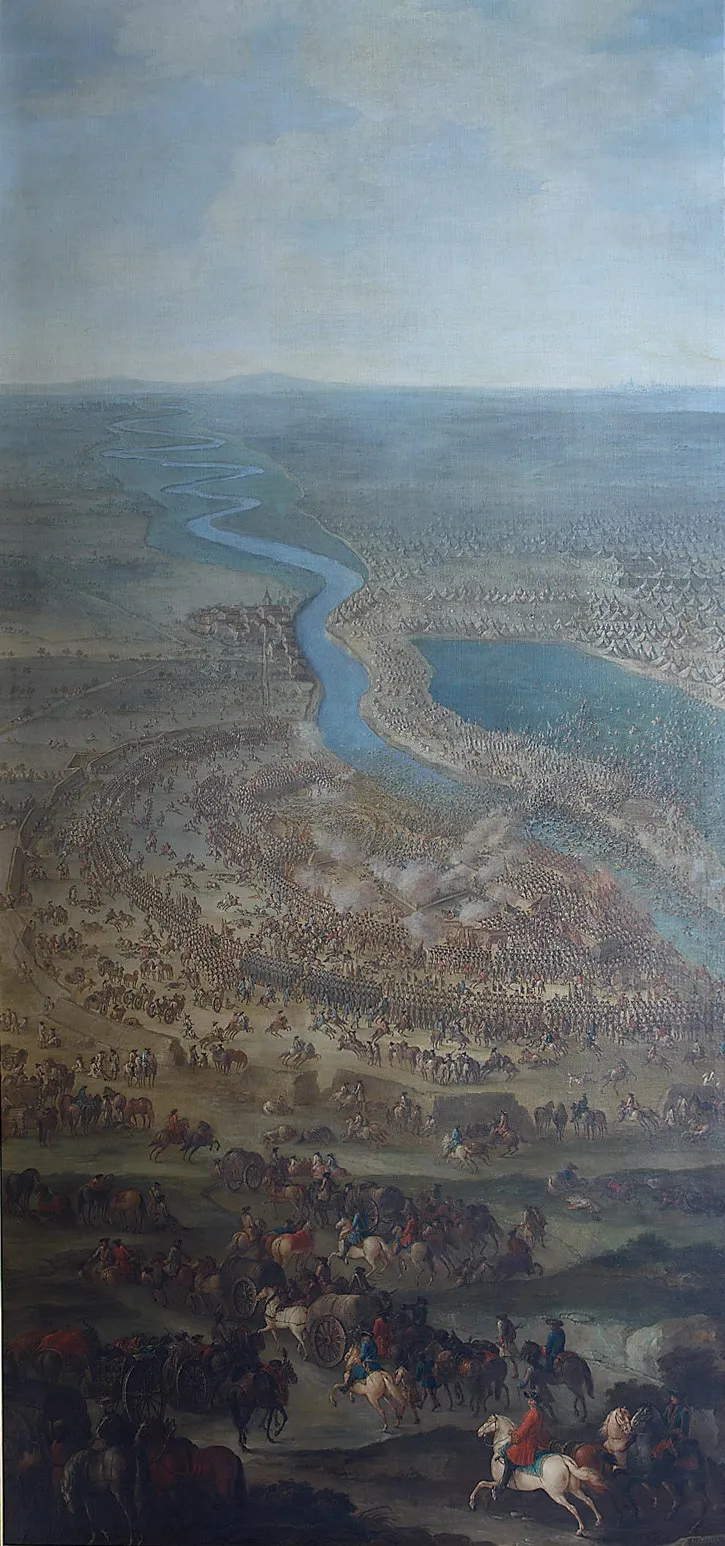
The Battle of Zenta, 11 September 1697: Prince Eugene of Savoy beats the Ottoman army at while crossing the river Tisa is an oil painting by the French Classical Baroque artist Jacques-Ignace Parrocel. It dates from 1715 and is held in the collection of the Kunsthistorisches Museum.
About this work
Overview
Jacques‑Ignace Parrocel’s oil canvas, completed in 1715, portrays the 1697 Battle of Zenta where Prince Eugene of Savoy halted an Ottoman crossing of the Tisa River. The work is part of the collection of Vienna’s Kunsthistorisches Museum and measures a substantial size, allowing the artist to fill the surface with a dense tableau of combatants, horses, and landscape.
Subject & Meaning
The painting captures the moment of decisive defeat for the Ottoman forces as they attempt to traverse the river. Soldiers and cavalry are shown in frantic motion—some engaged in close combat, others retreating—while the distant town and rolling hills frame the chaos, emphasizing the scale of the encounter and the strategic triumph of Eugene’s army.
Technique & Style
Parrocel employs a vivid palette, punctuating the muted earth tones of the terrain with striking reds and golds that highlight weaponry and banners. The composition is tightly packed, each figure rendered with careful attention to anatomy and attire, creating a sense of kinetic energy. Light falls across the scene to model forms and to draw the eye toward the central clash.
History & Provenance
Created in the early eighteenth century, the canvas reflects the period’s interest in commemorating military victories. It entered the Kunsthistorisches Museum’s holdings, where it has remained on public display, serving as a visual record of the Habsburg–Ottoman conflict and the celebrated career of Prince Eugene.
Context
The Battle of Zenta was a turning point in the Great Turkish War, leading to the Treaty of Karlowitz and reshaping the balance of power in Central Europe. Parrocel’s depiction aligns with contemporary French and Austrian traditions of history painting, which sought to glorify state triumphs through detailed, narrative-driven compositions.
Artist & collection

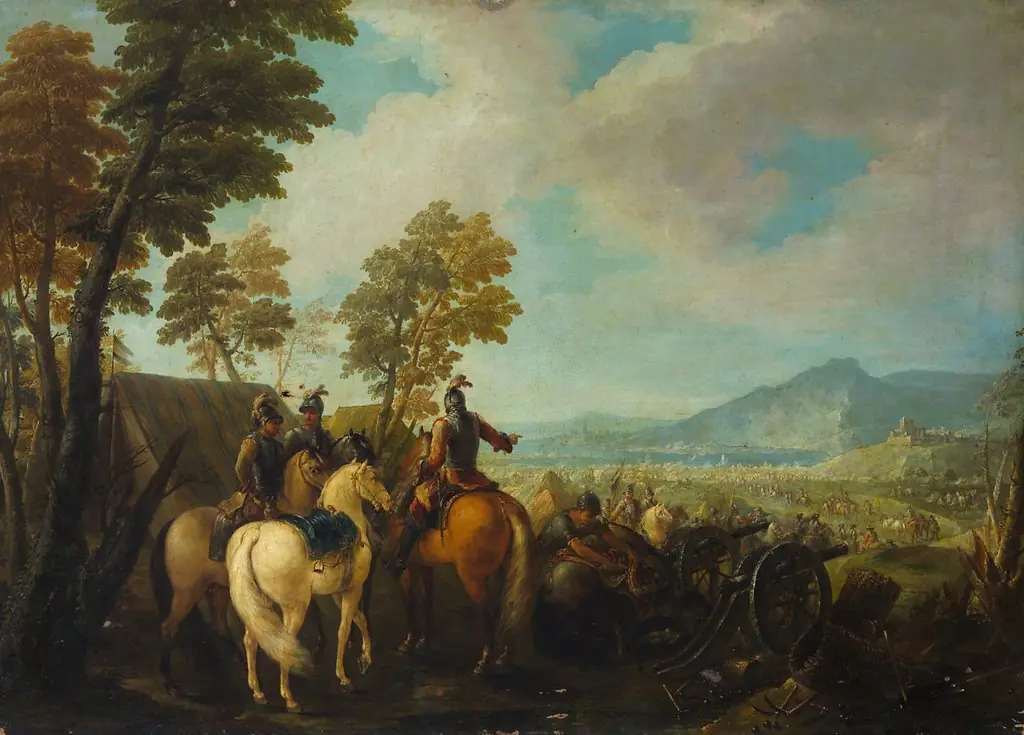
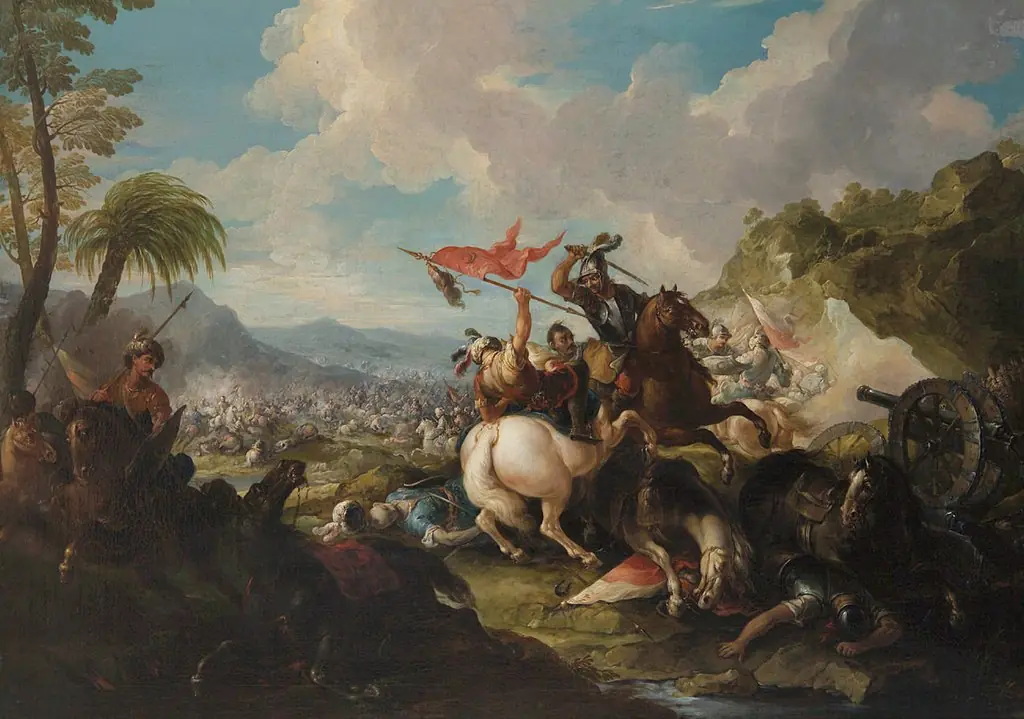
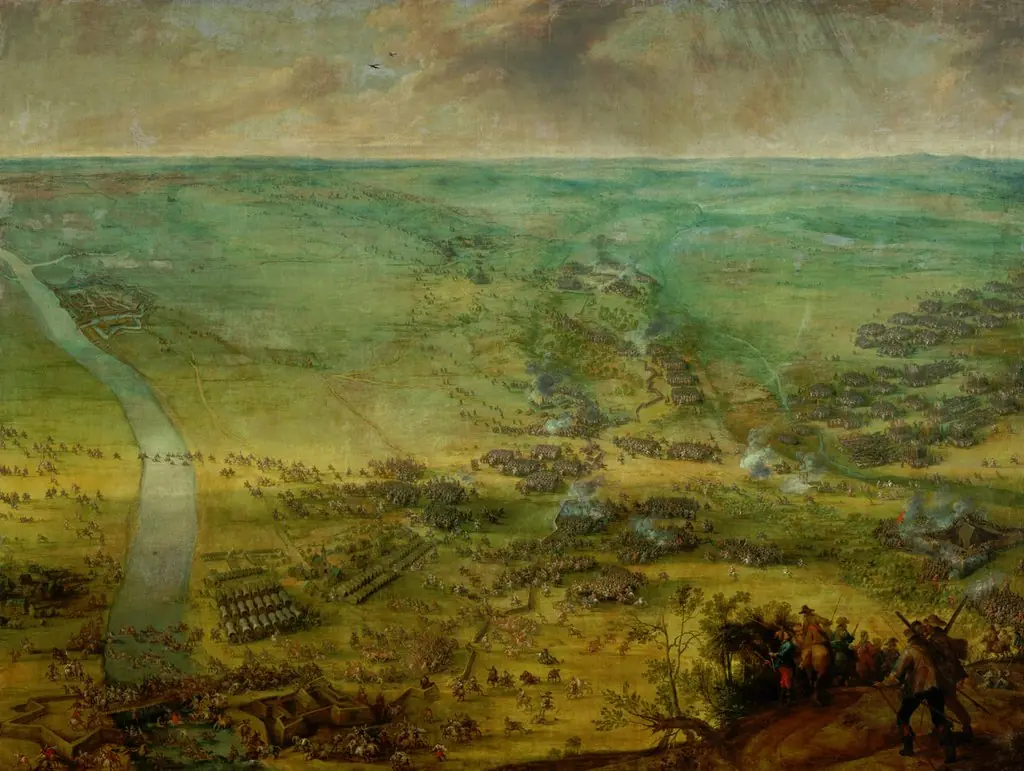 The Battle of Thionville, the Arrival of the Imperial forces under Piccolomini , 19 June 1639
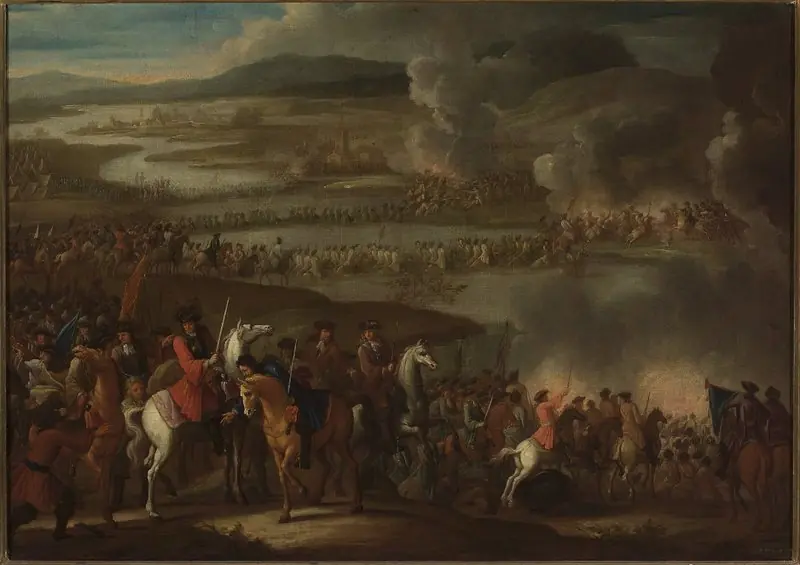 A battle scene
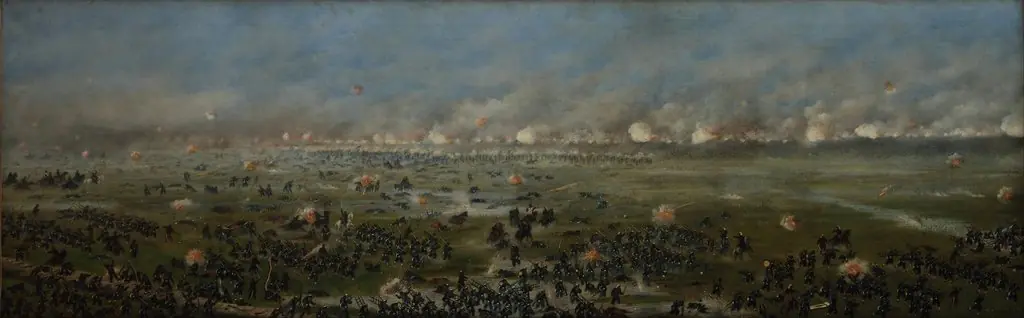 Asalto de la tercera columna argentina a Curupaytí
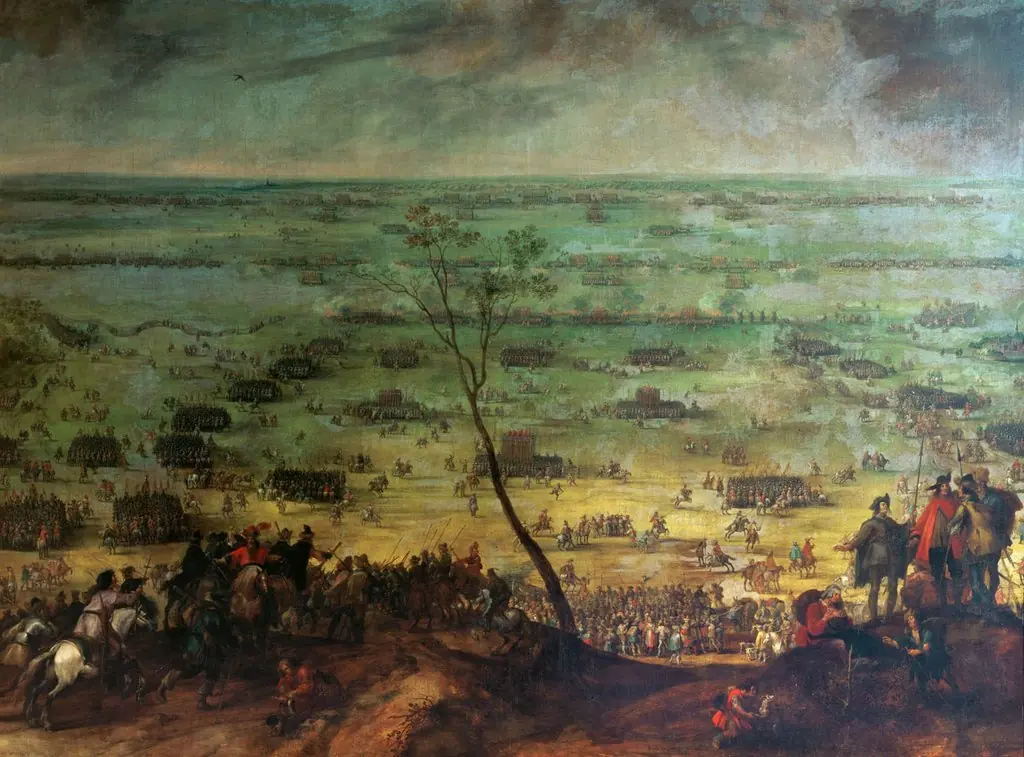 The battle at Lützen, 1632
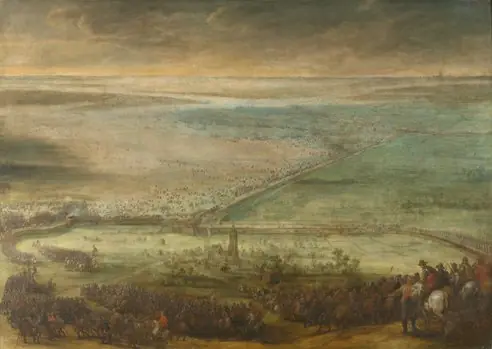 The Battle of Kallo, 1638
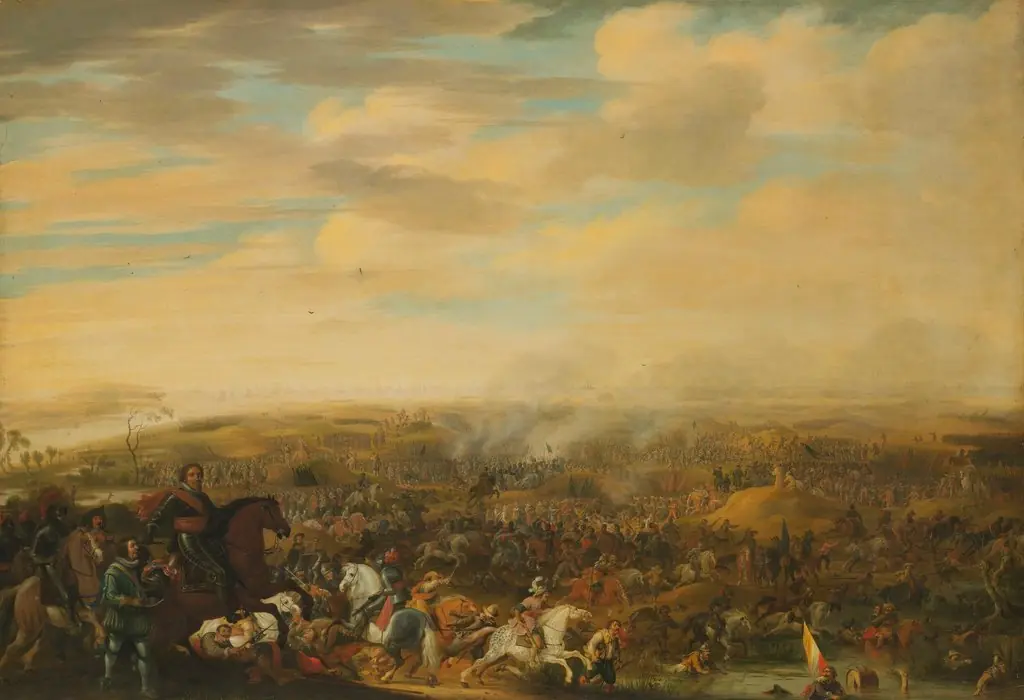 Prince Maurits at the Battle of Nieuwpoort, 2 July 1600
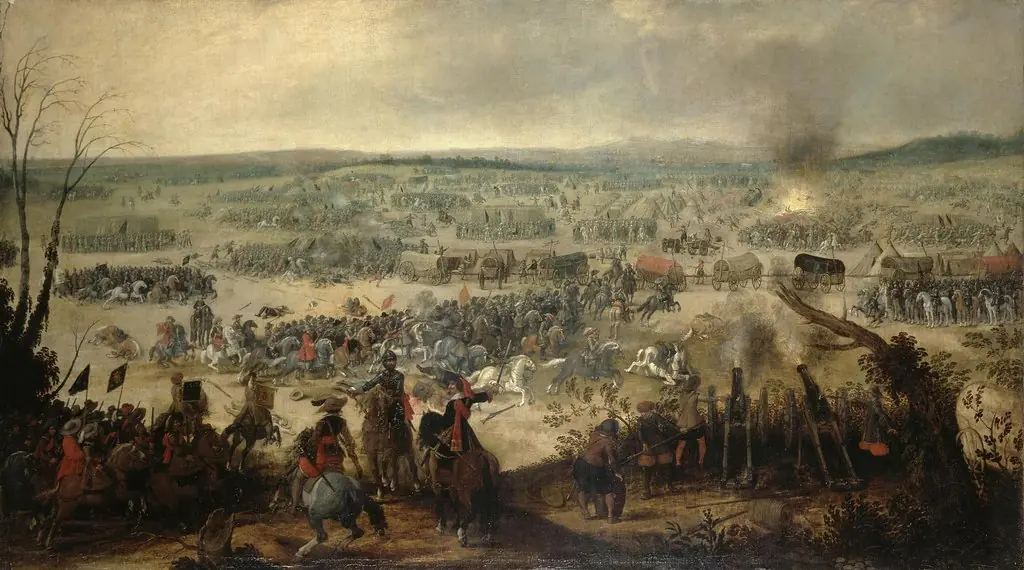 Battle of Vimpfen on 6 May 1622
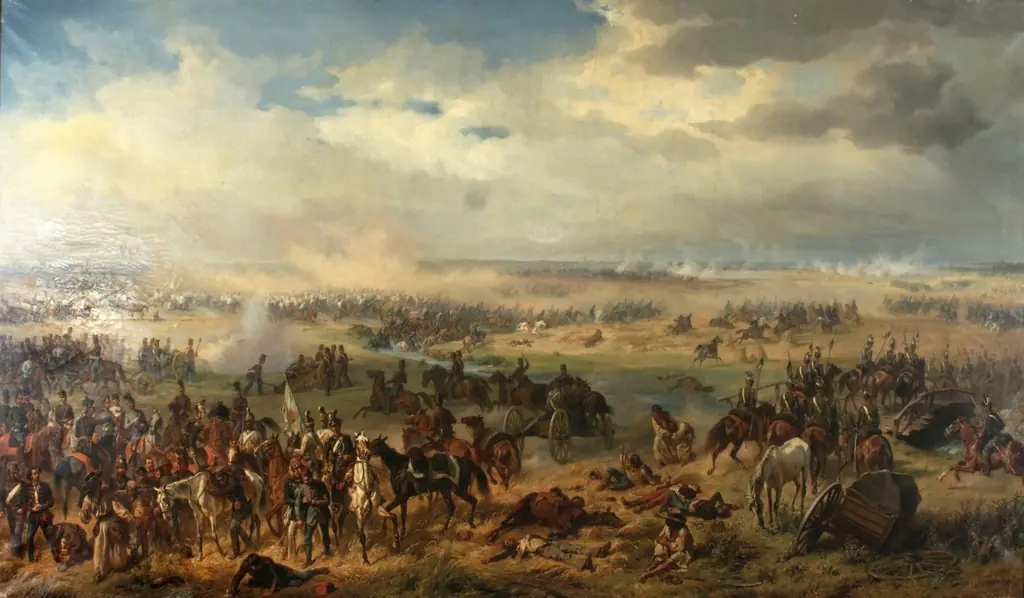 Die Schlacht bei Temesvár
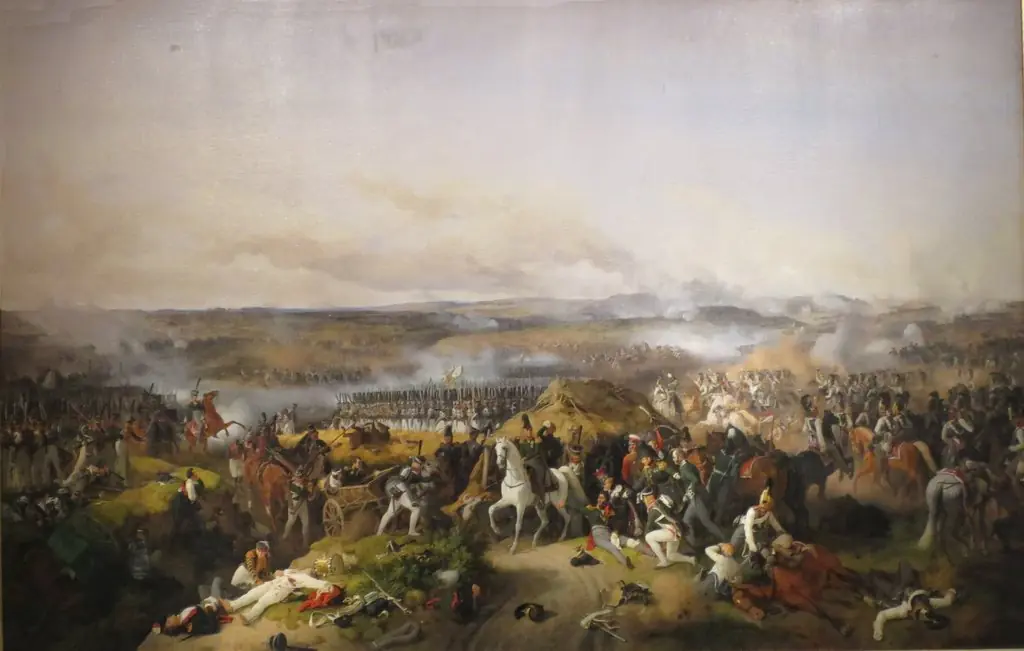 Battle of Borodino on 26 August (7 September) 1812