Artwork
Asalto de la tercera columna argentina a Curupaytí
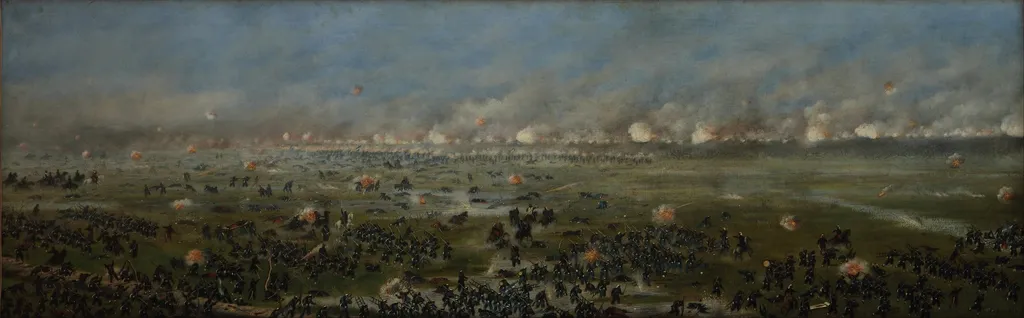
Asalto de la tercera columna argentina a Curupaytí is an oil painting by the Impressionist artist Luis Candido Lopez. It dates from 1897 and is held in the collection of the National Museum of Fine Arts, Argentina.
About this work
Overview
Painted in 1897 by Argentine soldier-artist Luis Cándido López, this oil work captures a moment from the Paraguayan War, a conflict in which he participated.
Painted in 1897 by Argentine soldier-artist Luis Cándido López, this oil work captures a moment from the Paraguayan War, a conflict in which he participated. Though often associated with naïve realism, the painting’s loose brushwork and atmospheric handling of light reflect influences from broader 19th-century European trends, including early Impressionist approaches to movement and environment. It resides in the National Museum of Fine Arts in Buenos Aires as part of Argentina’s national historical collection.
Subject & Meaning
The scene portrays the assault by Argentina’s Third Column on the Paraguayan fortifications at Curupaytí in 1866. López renders the chaos of close combat: soldiers on horse and foot clash amid smoke and dust, weapons raised, uniforms torn. The painting does not glorify victory but conveys the disarray and violence of battle, reflecting the artist’s firsthand experience. It serves as a personal record of a pivotal, costly engagement in a war that reshaped regional power dynamics.
Technique & Style
López employed oil paint to build layered textures, particularly in the depiction of uniforms, weapons, and terrain. His brushwork is energetic, with visible strokes suggesting motion and urgency. While not formally academic, the composition avoids idealization: figures are crowded, perspectives slightly skewed, and skies rendered with loose, atmospheric washes. These choices prioritize emotional immediacy over precision, aligning with a vernacular realism common among soldier-artists of the period.
History & Provenance
Created three decades after the battle, the painting was likely informed by López’s memories and sketches made during the war. It entered the collection of the National Museum of Fine Arts in Buenos Aires shortly after its completion, where it was recognized as a rare firsthand visual account of the conflict. Its preservation reflects Argentina’s postwar effort to document military history through personal testimony and artistic representation.
Context
The Paraguayan War (1864–1870) was the deadliest conflict in South American history, involving Argentina, Brazil, and Uruguay against Paraguay. López’s painting emerged during a period of national consolidation, when visual art was increasingly used to shape collective memory. Unlike official commissions, his work carries the rawness of personal recollection, offering a counterpoint to state-sanctioned narratives of heroism and order.
Legacy
López’s painting remains one of the few surviving visual records of the Paraguayan War created by a participant. While not widely exhibited internationally, it holds significance within Argentine art history as an example of civilian-soldier testimony rendered in paint. Its unpolished style and emotional directness have influenced later generations of artists seeking to depict war beyond propaganda, grounding historical narrative in lived experience.
Artist & collection
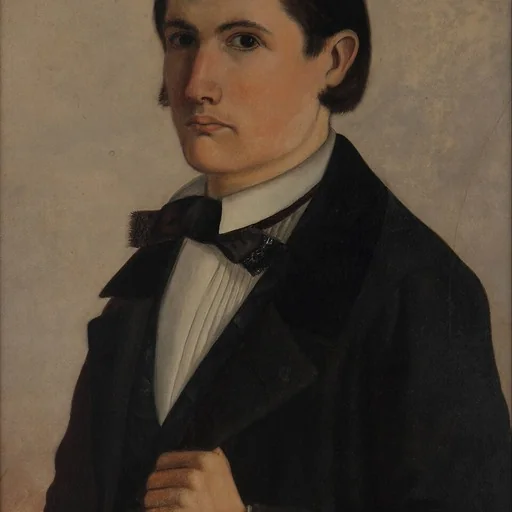
Artist
Cándido López (29 August 1840 – 31 December 1902) was an Argentine soldier and painter who worked in the Naïve style. He is best known for his historical scenes from the Paraguayan War in which he fought.

Museum
National Museum of Fine Arts, Argentina
Continue through works from the same source collection.
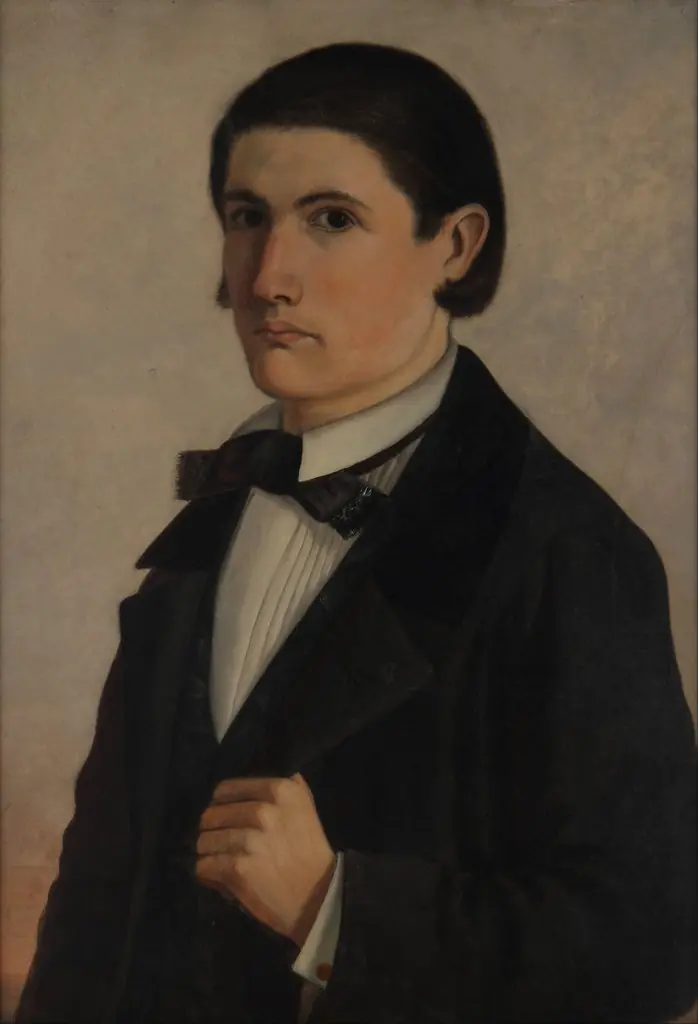 Autorretrato
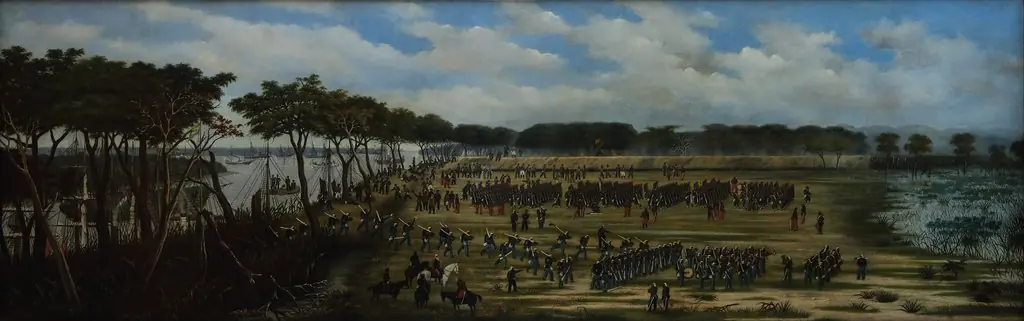 Desembarco del Ejército Argentino frente a las trincheras de Curuzú
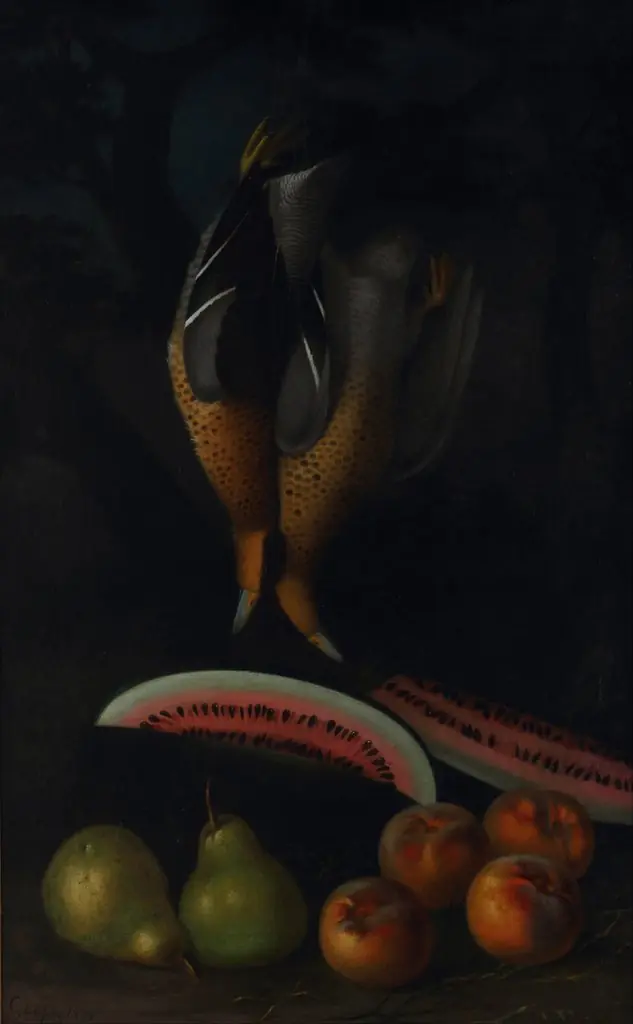 Naturaleza Muerta
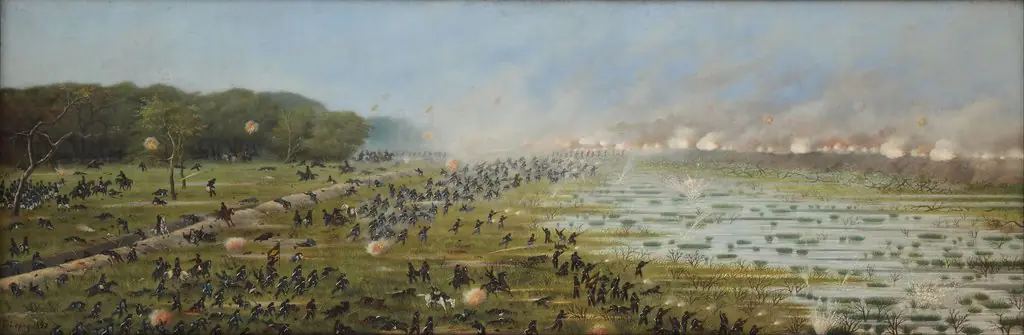 Asalto de la primera columna brasileña a Curupaytí
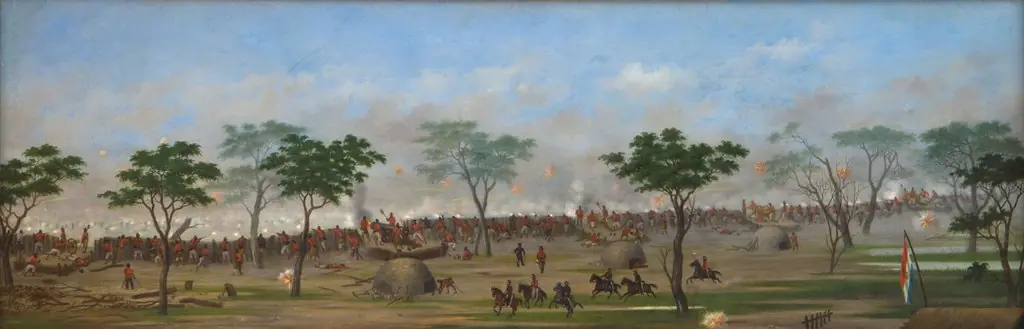 Trinchera de Curupaytí (Tít. ant.: Vista de las trincheras y parte del campo de batalla de Curupaytí)
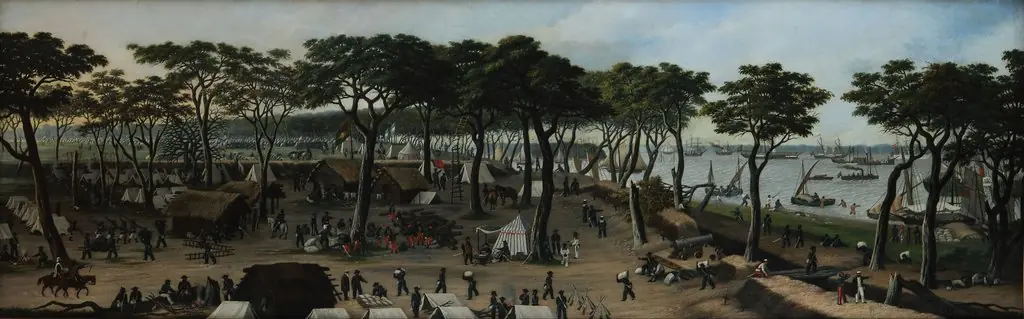 Vista interior de Curuzú mirado de aguas arriba
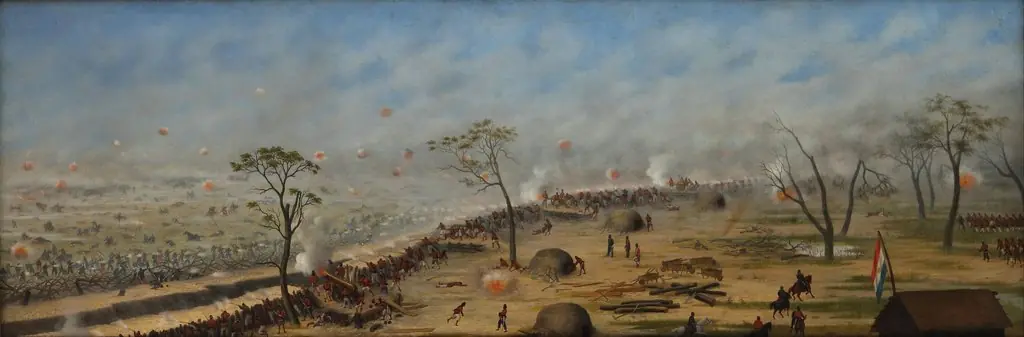 Trinchera de Curupaytí
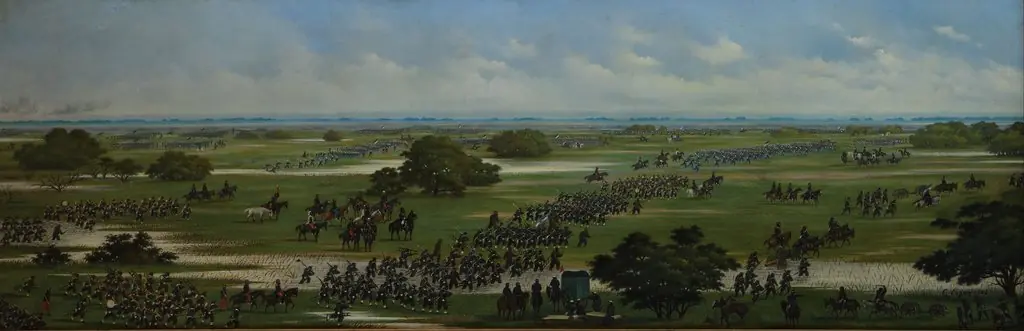 Marcha del Ejército Argentino a tomar posiciones para el ataque a Curupaytí el 22/09/1866
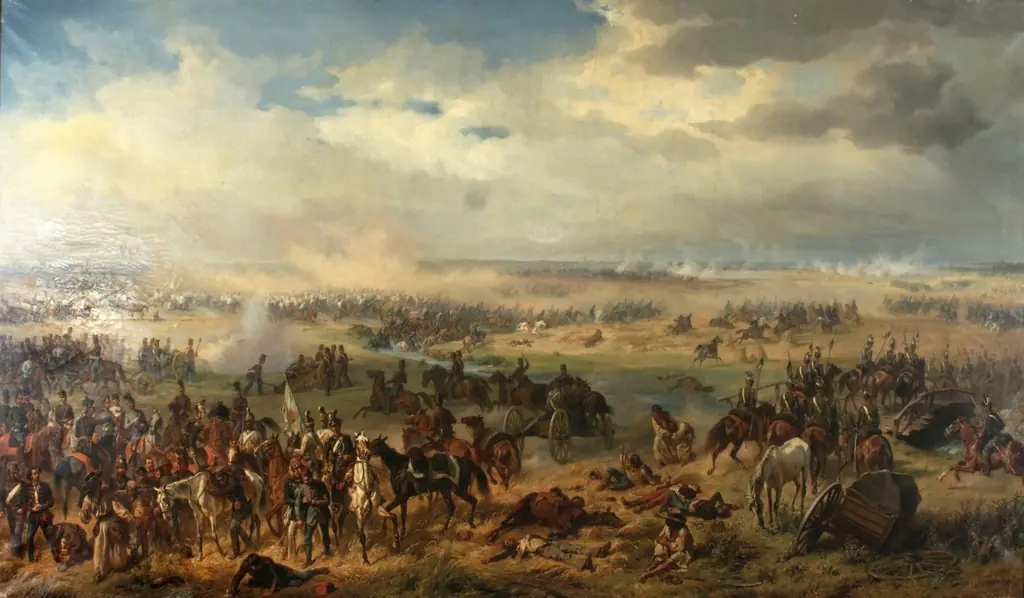 Die Schlacht bei Temesvár
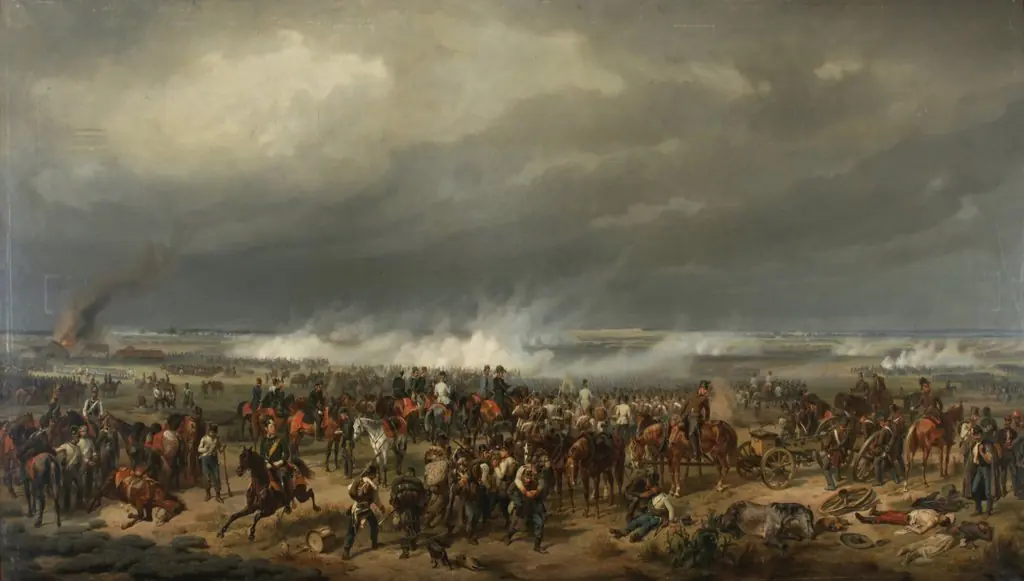 Die Schlacht bei Komorn
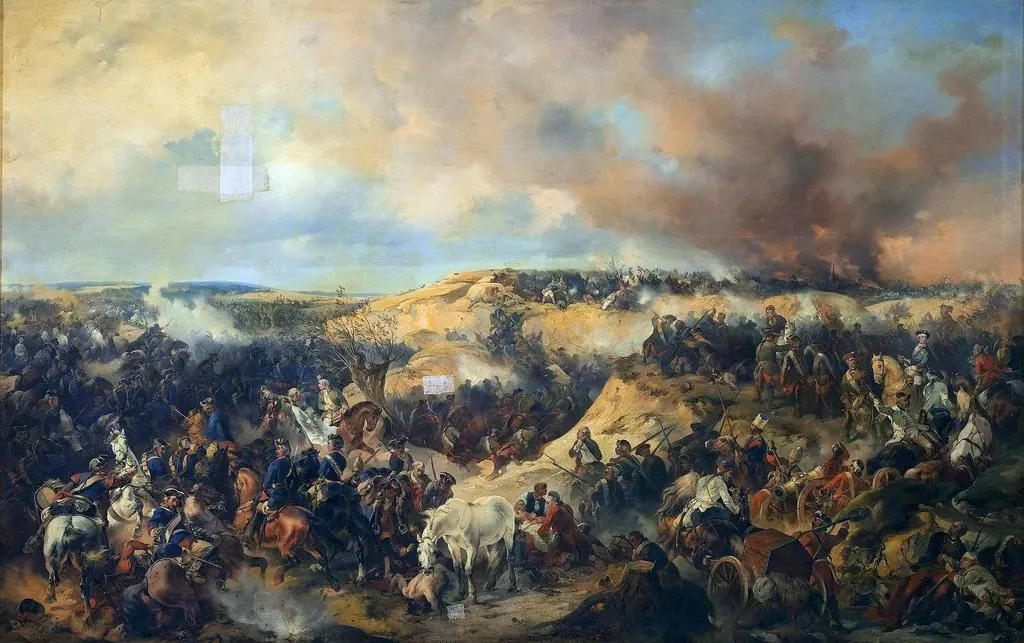 Battle of Kunersdorf on 1 August 1759
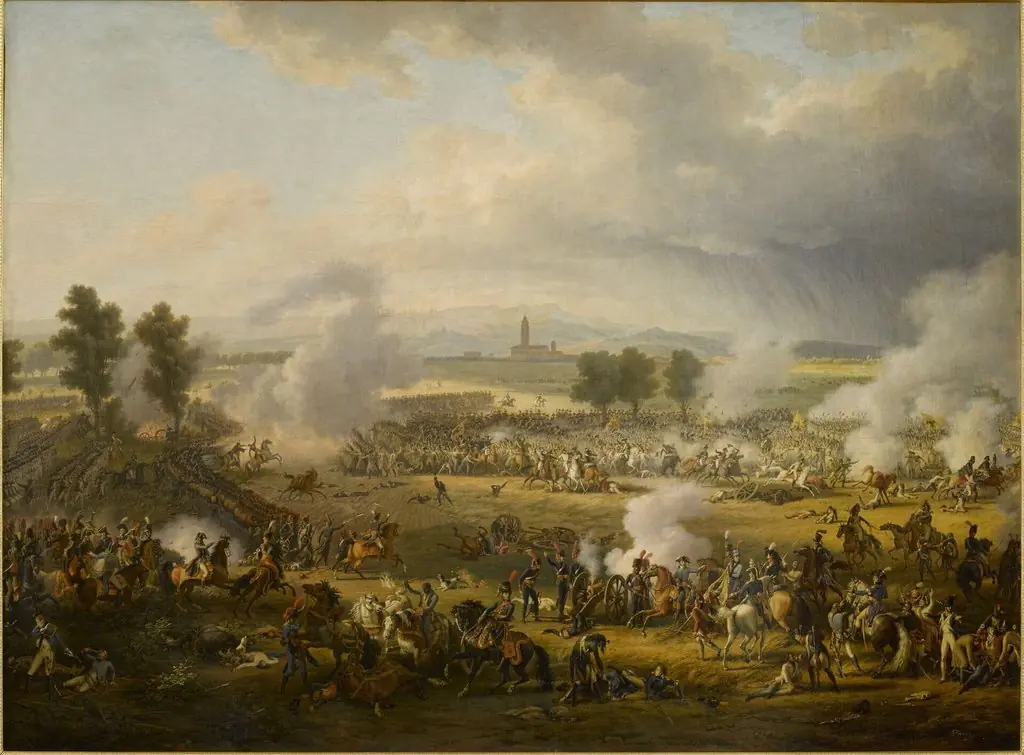 The Battle of Marengo
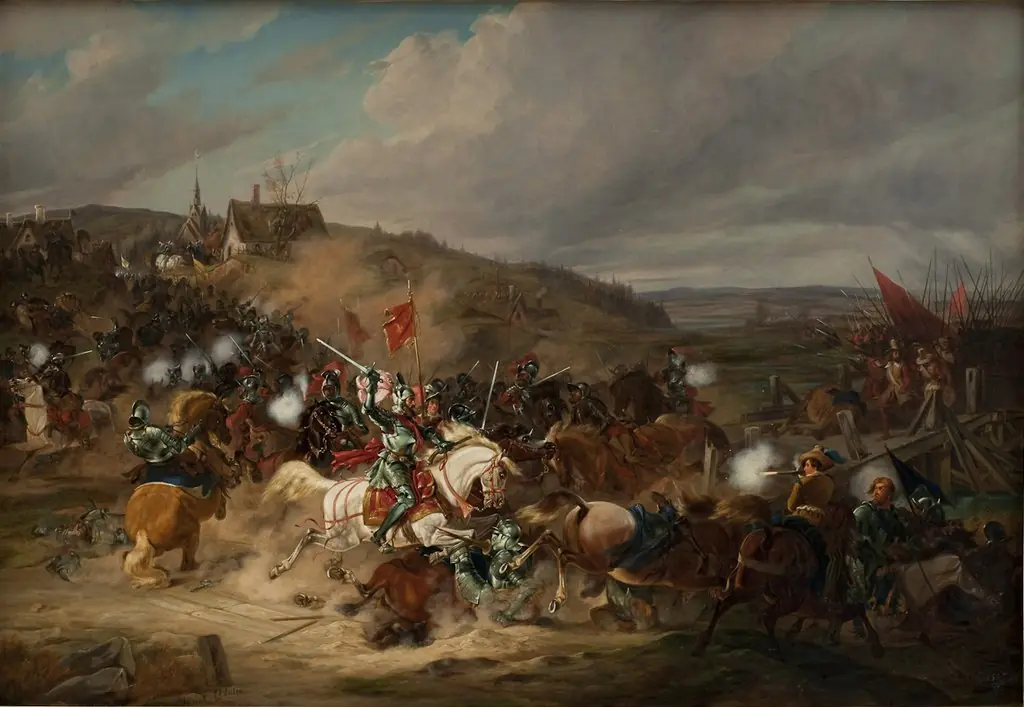 Daniel Rantzau bemægtiger sig Tureby Bro i Skåne under Syvårskrigen 1563-1570
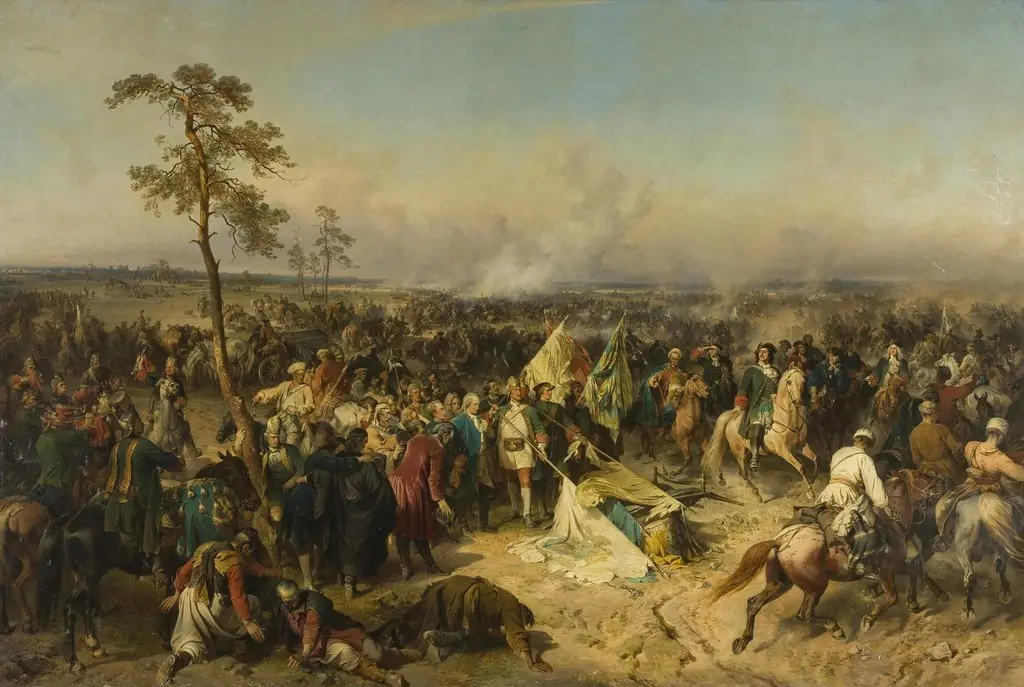 Battle of Poltava
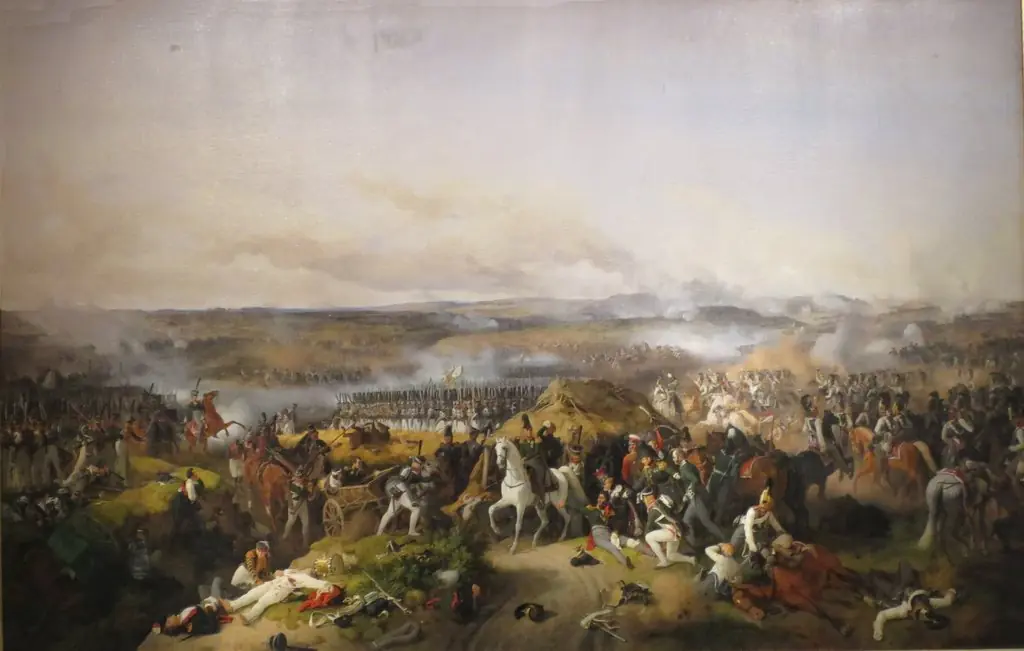 Battle of Borodino on 26 August (7 September) 1812
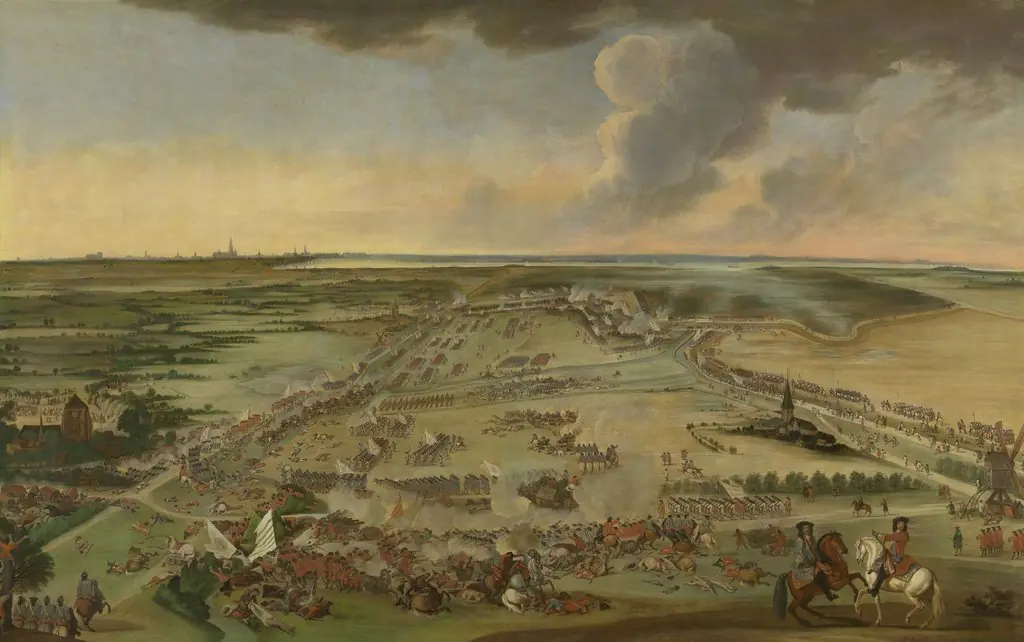 Battle of Ekeren
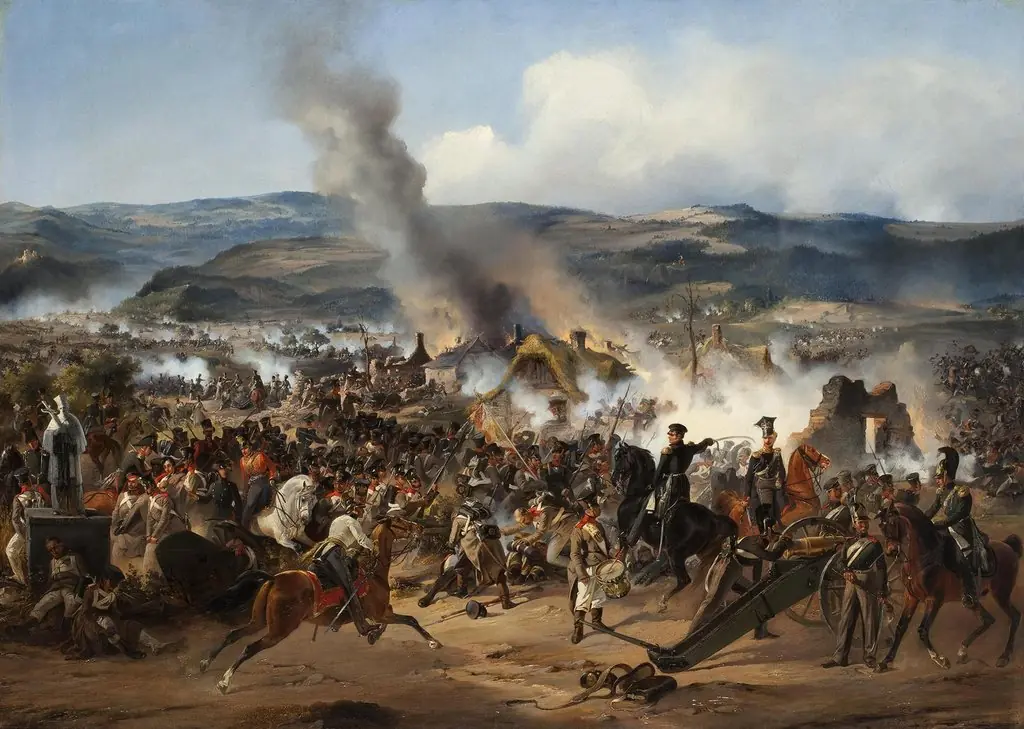 The Battle of Kulm, the 17th of August, 1813