Artwork
Portrait of Pope Pius VII and Cardinal Caprara
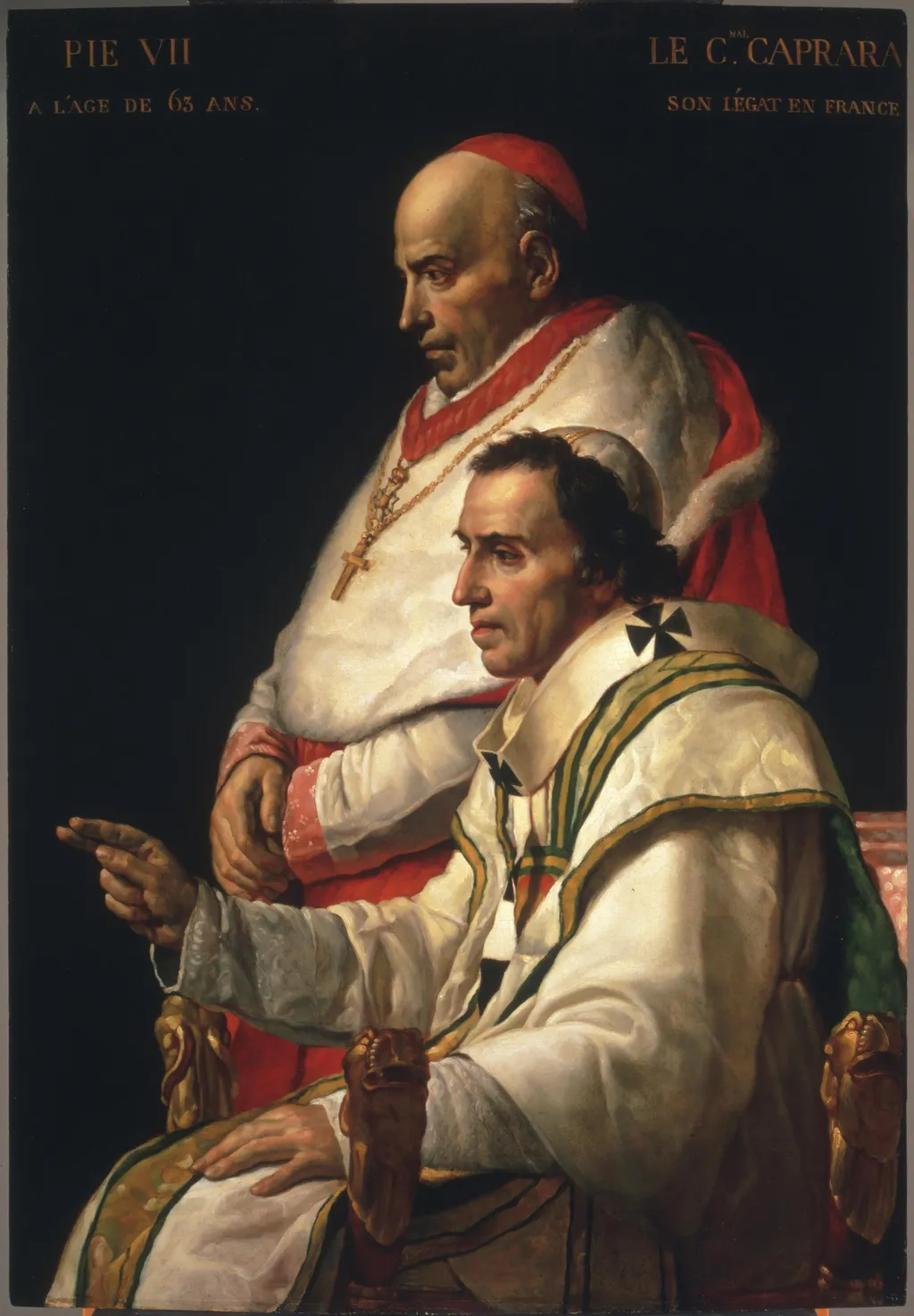
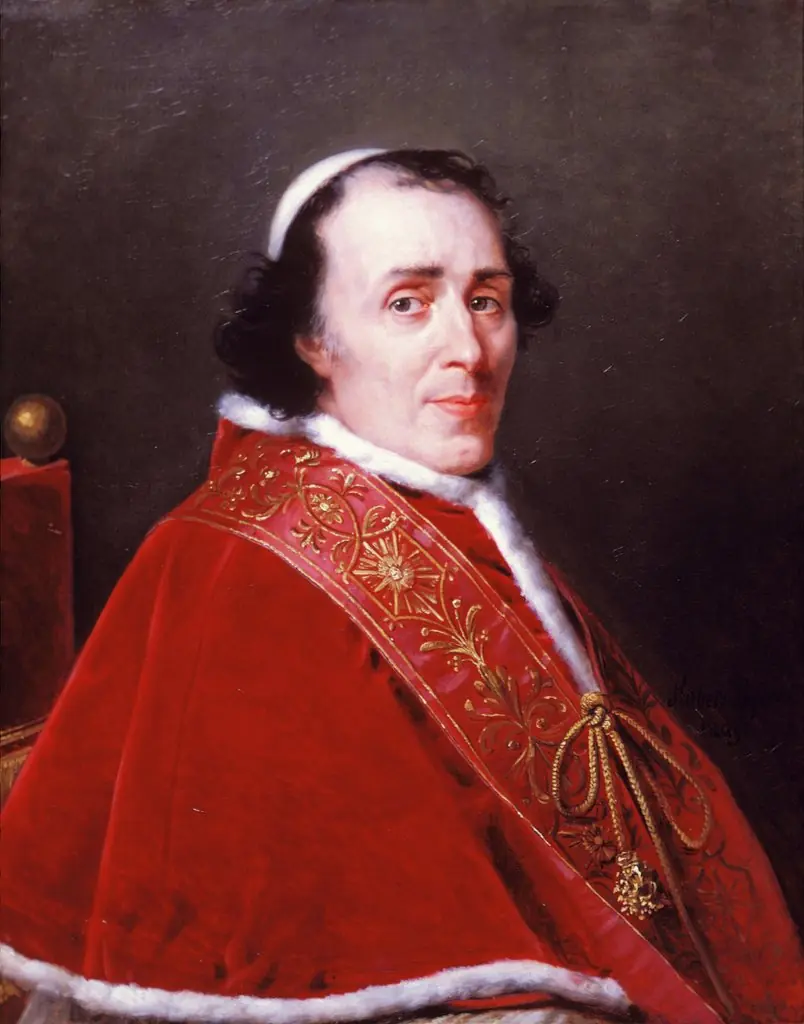
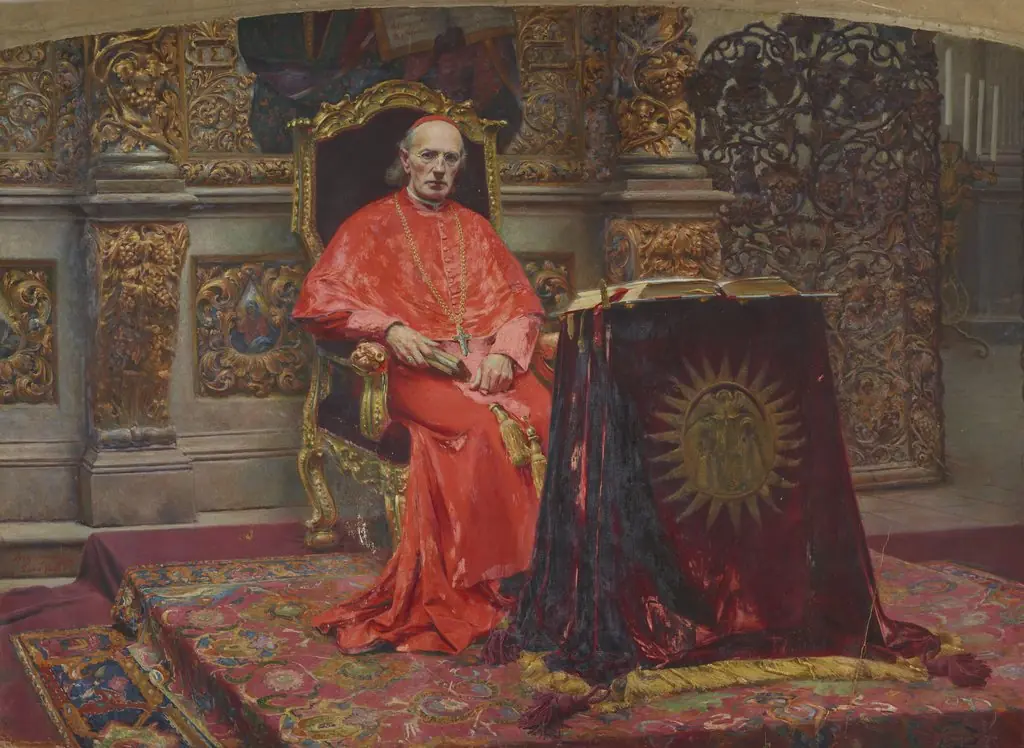
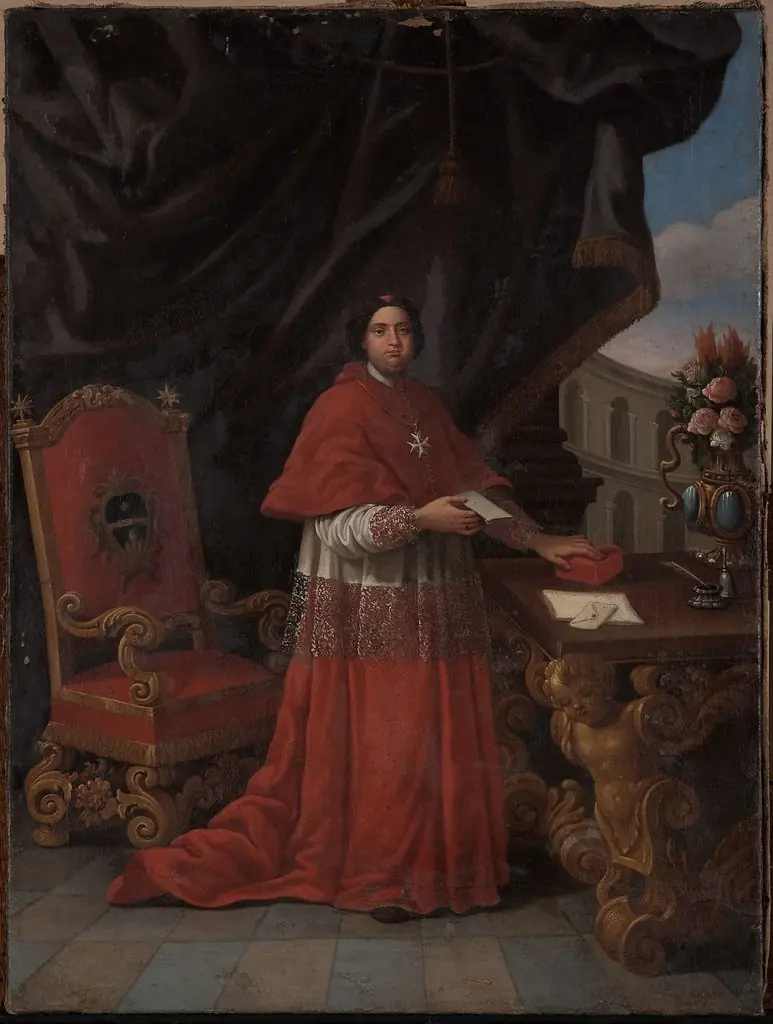
Portrait of Pope Pius VII and Cardinal Caprara is an oil painting by the Neoclassicist artist Jacques-Louis David. It dates from 1805 and is held in the collection of the Philadelphia Museum of Art.
About this work
Overview
It remains in the collection of the Philadelphia Museum of Art, where it is displayed as a significant example of early 19th-century ecclesiastical portraiture.
Painted in 1805 by Jacques-Louis David, this oil portrait captures Pope Pius VII and Cardinal Giovanni Battista Caprara Montecuccoli. The work was commissioned during a period of tense negotiation between the Vatican and Napoleon’s France. It remains in the collection of the Philadelphia Museum of Art, where it is displayed as a significant example of early 19th-century ecclesiastical portraiture.
Subject & Meaning
The portrait presents two key figures in the Catholic Church during a politically volatile era. Pius VII, the pope, is shown with the regalia of his office, while Caprara, a cardinal and diplomat, is depicted in prayerful stillness. Their proximity suggests alliance, reflecting their shared role in negotiating the Concordat of 1801. The solemn expressions and formal attire convey authority and restraint rather than personal emotion.
Technique & Style
David employs a restrained palette and sharp delineation of textures—fur, silk, metal—to emphasize the figures’ status. The dark, undefined background isolates the subjects, focusing attention on their gestures and garments. The pope’s face is rendered with smoother brushwork, contrasting with the more detailed modeling of Caprara’s features, subtly distinguishing their roles through technique rather than symbolism.
History & Provenance
Commissioned during David’s service to Napoleon’s court, the portrait was intended to legitimize the reconciliation between the French state and the papacy. It was likely sent to France after completion but eventually entered American collections. The Philadelphia Museum of Art acquired it in the 20th century, where it has remained as a rare David work depicting religious figures rather than political revolutionaries.
Context
Created shortly after the Concordat of 1801, the painting reflects the fragile alliance between Napoleon and the papacy. Caprara had been instrumental in securing the agreement, while Pius VII sought to restore Church authority under French dominance. David, though a former revolutionary, adapted his style to serve imperial interests, producing portraits that balanced religious dignity with political pragmatism.
Legacy
This portrait stands as one of the few major works by David that portrays religious leaders without overt propaganda. Its quiet dignity contrasts with his more dramatic revolutionary scenes. It offers insight into how art was used to stabilize power during a time of institutional transition, preserving the visual language of ecclesiastical authority amid political upheaval.
Artist & collection
Artist
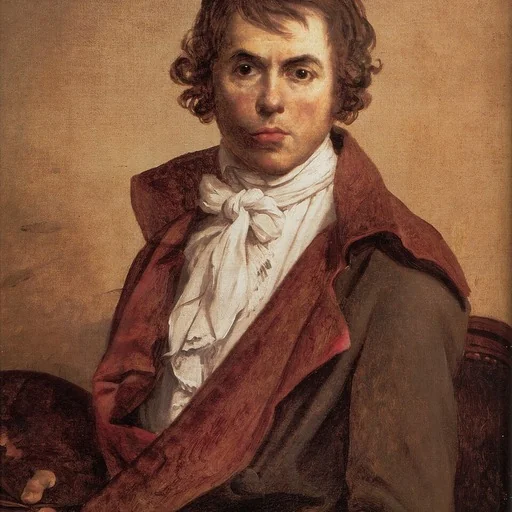
Jacques-Louis David was born in Paris on 30 August 1748 into a bourgeois family; his father died in a duel when the boy was nine, and a maternal uncle guided his education.

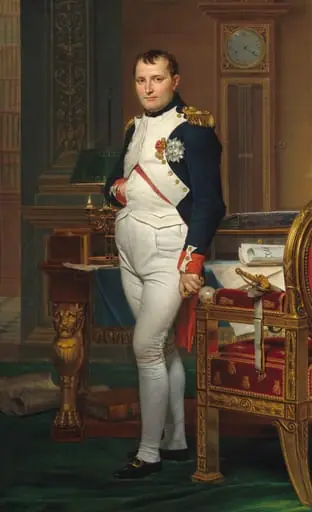 The Emperor Napoleon in His Study at the Tuileries
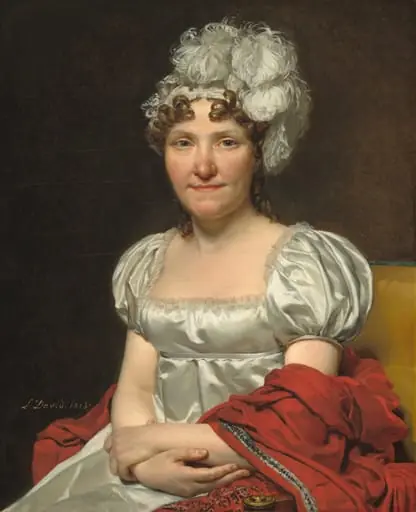 Madame David
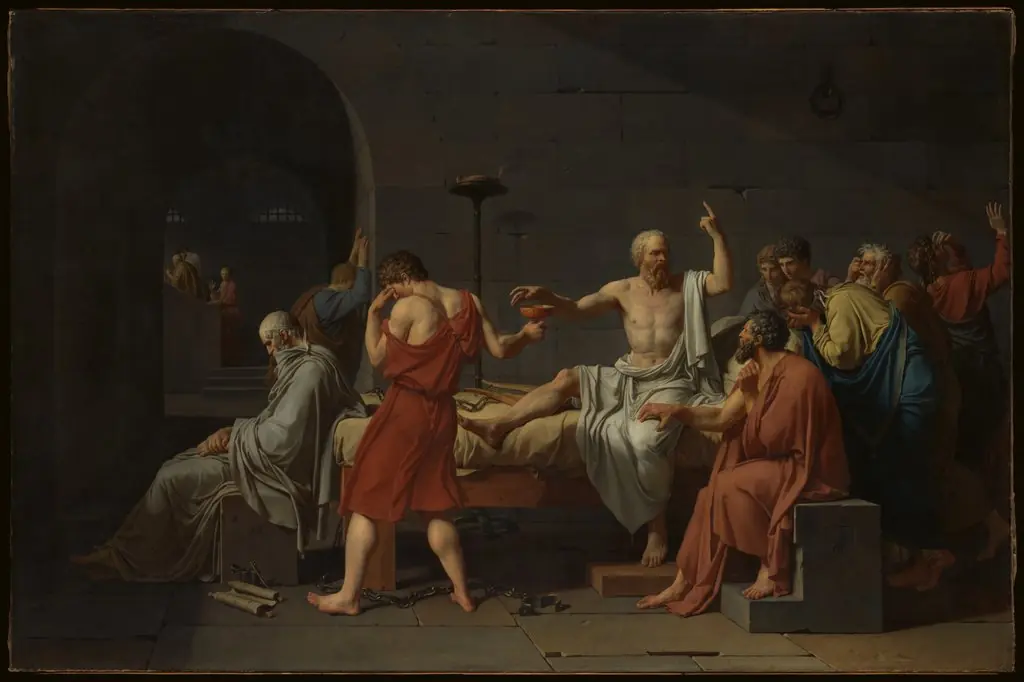 The Death of Socrates
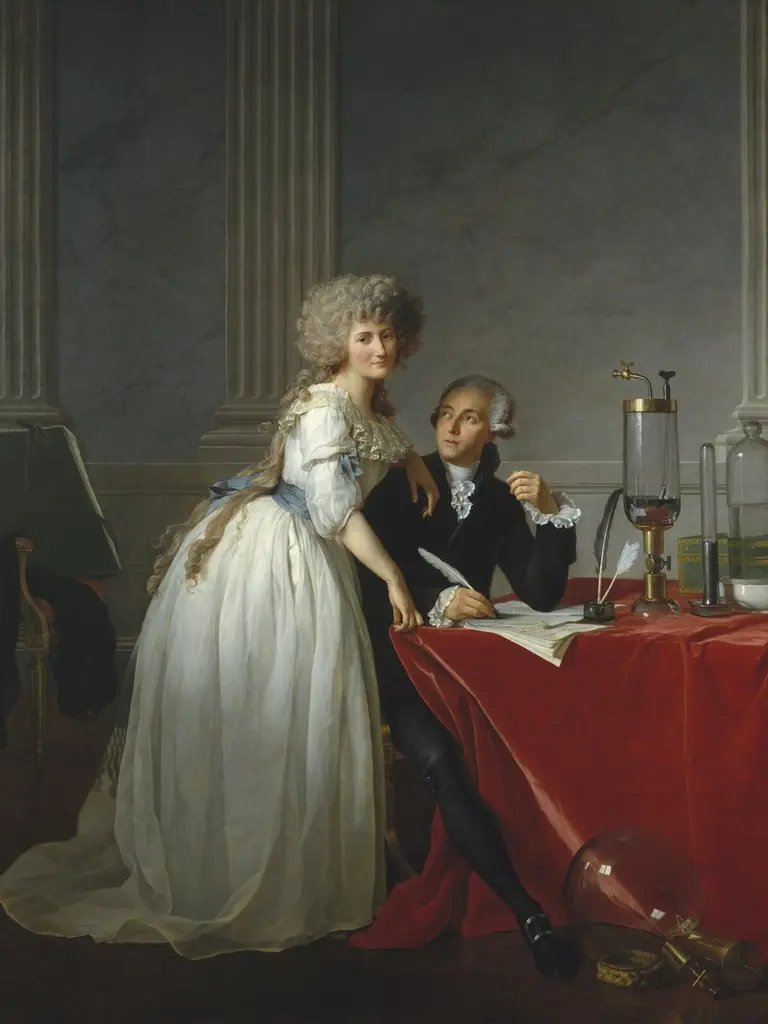 Portrait of Antoine-Laurent Lavoisier and his wife
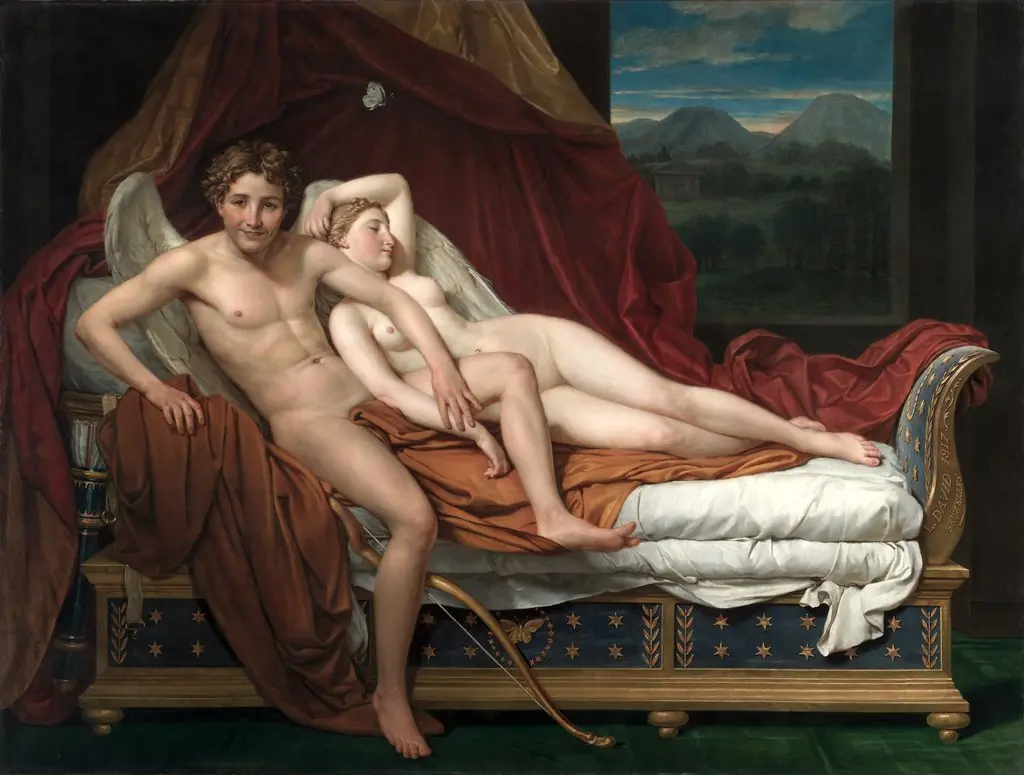 Cupid and Psyche
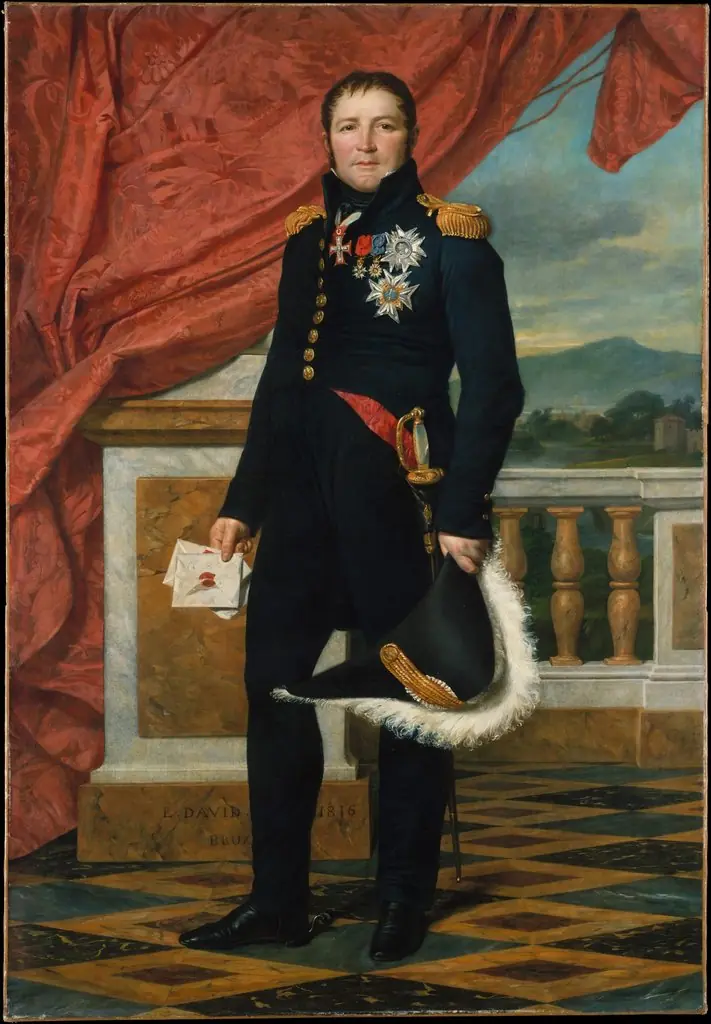 General Étienne-Maurice Gérard (1773–1852), Marshal of France
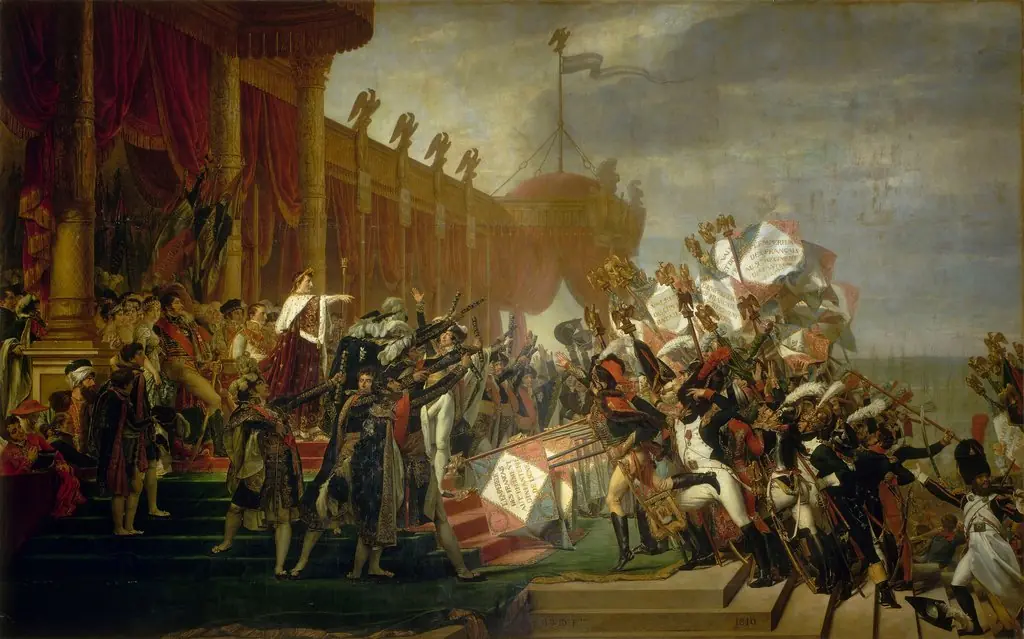 The Distribution of the Eagle Standards
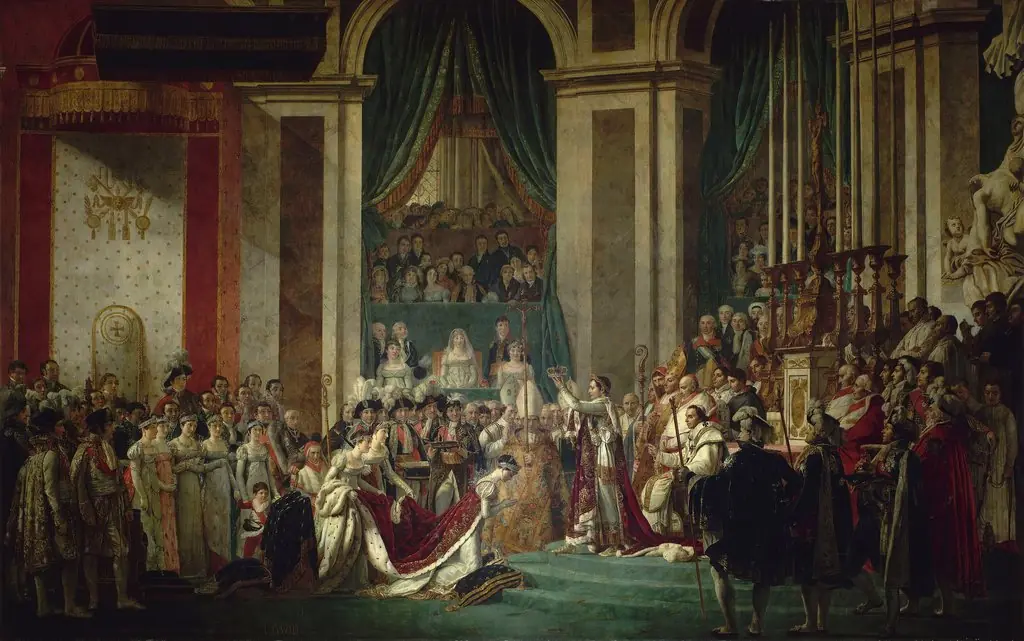 Coronation of Emperor Napoleon I and Coronation of the Empress Josephine