Artwork
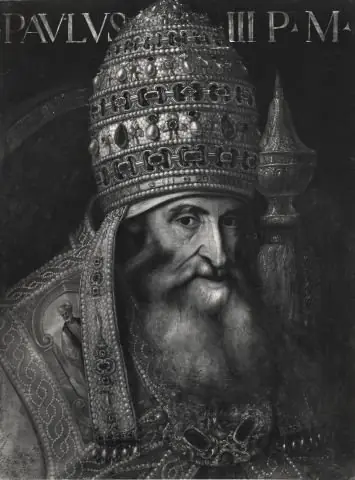
Portrait of Pope Pius II
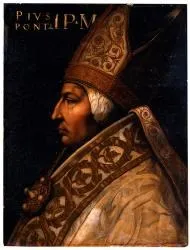
Portrait of Pope Pius II is an oil painting by the Mannerist artist Cristofano dell'Altissimo. It dates from 1567 and is held in the collection of the Uffizi Gallery.
About this work
Overview
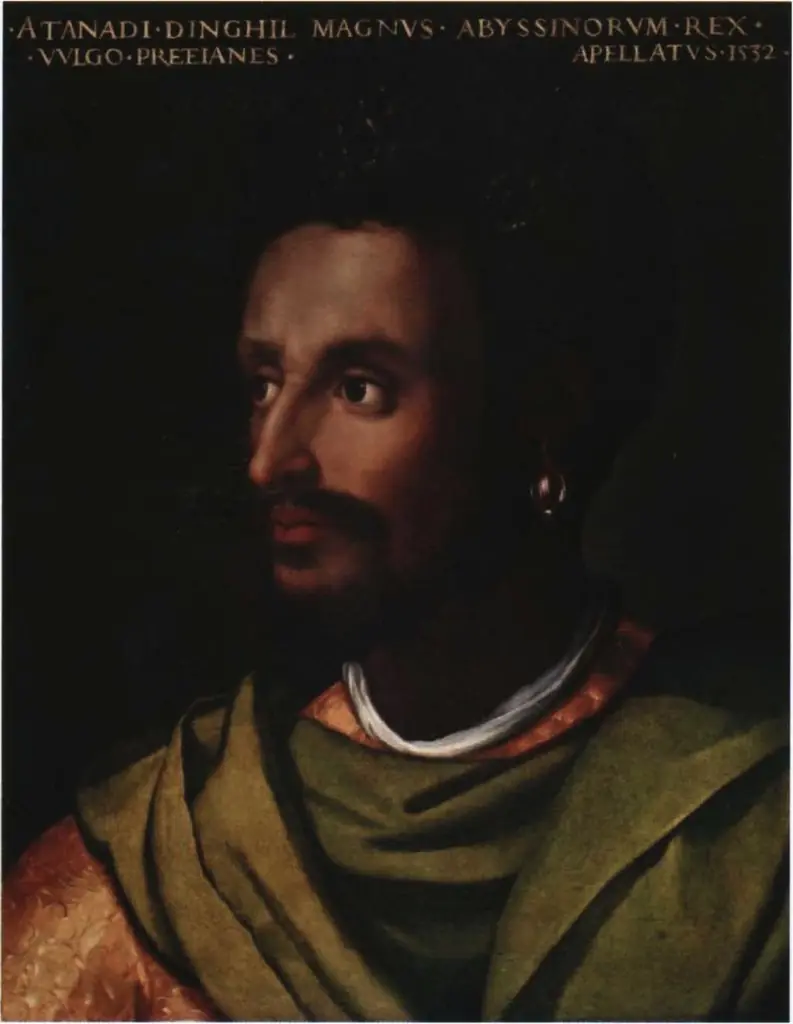
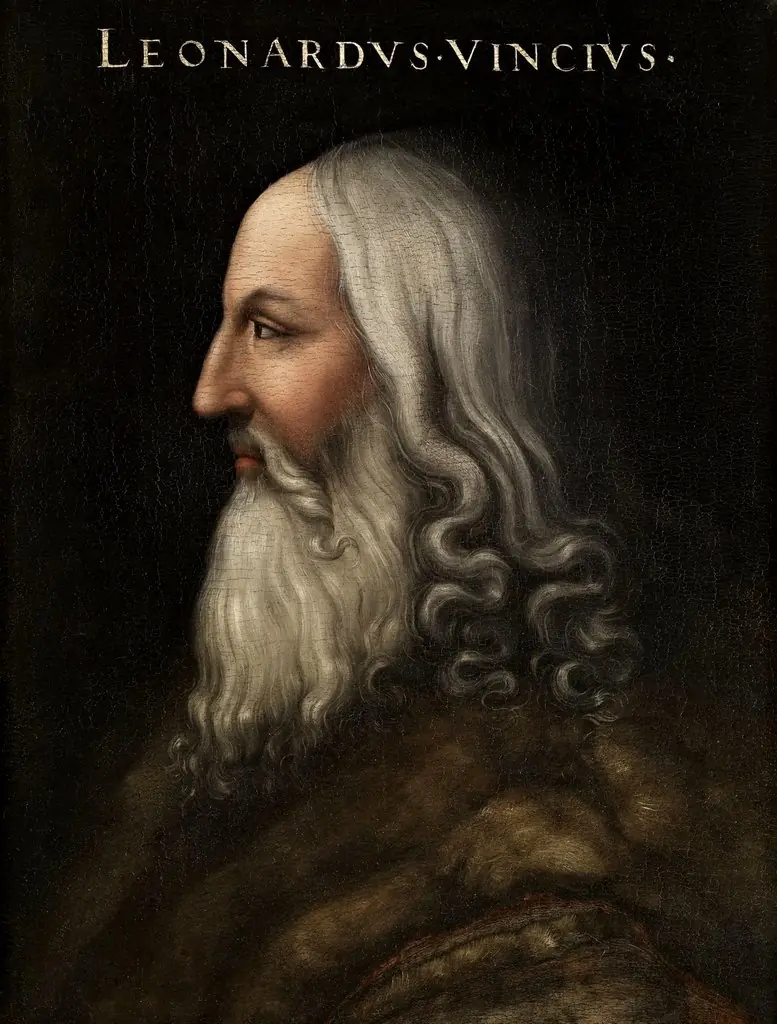
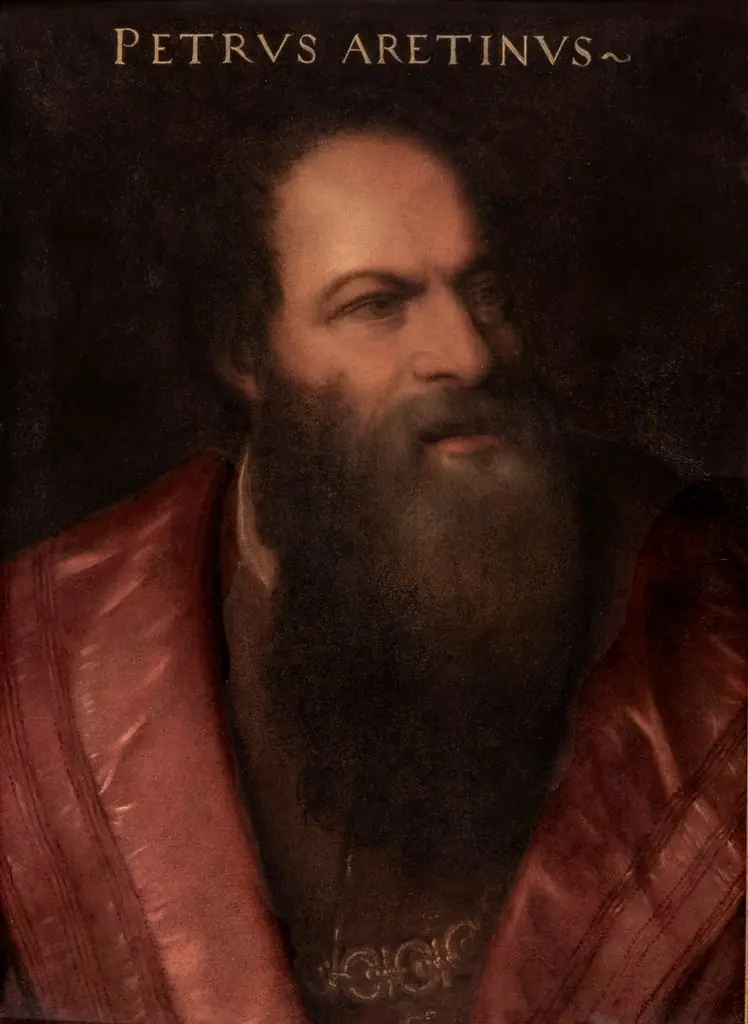
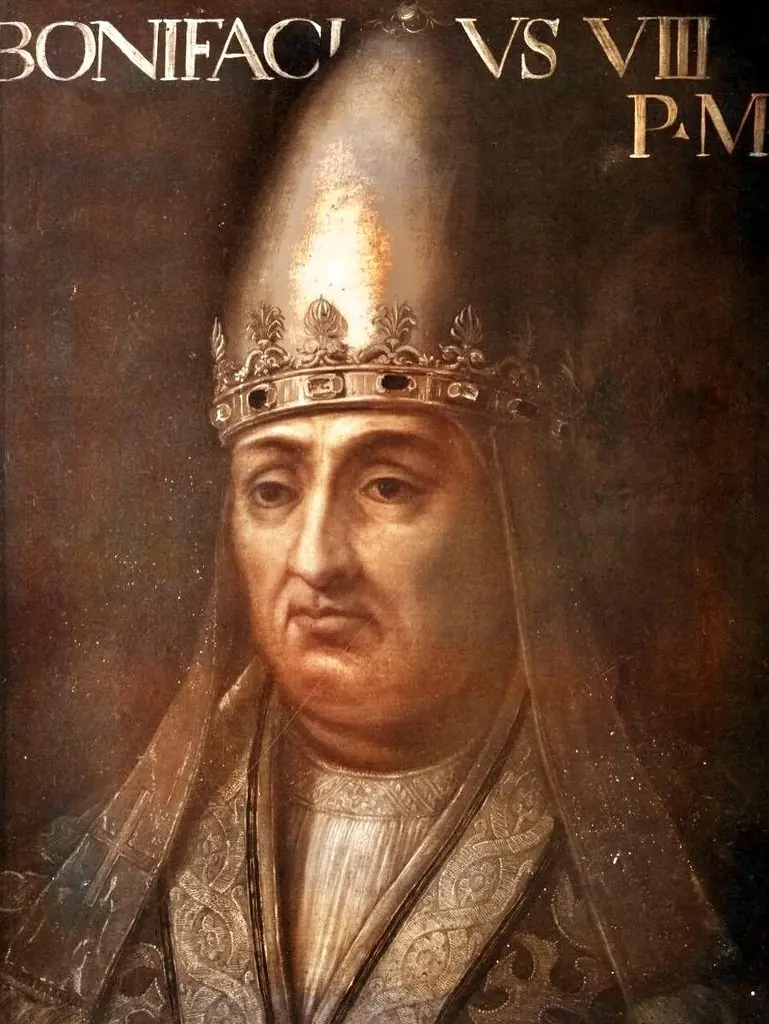
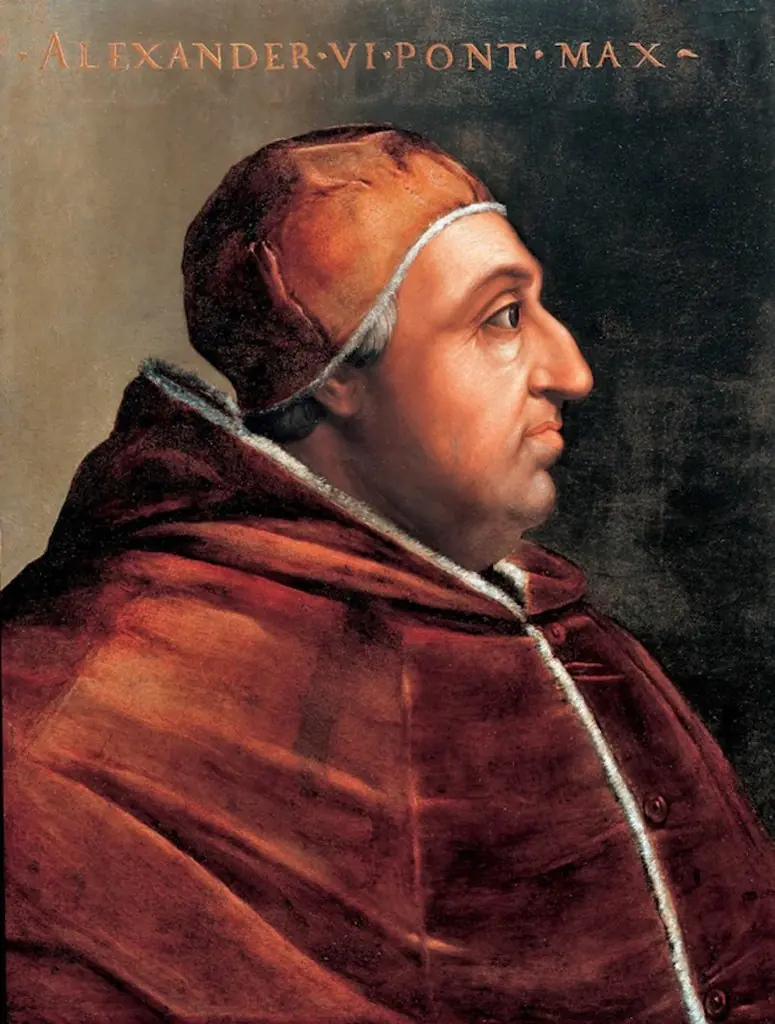
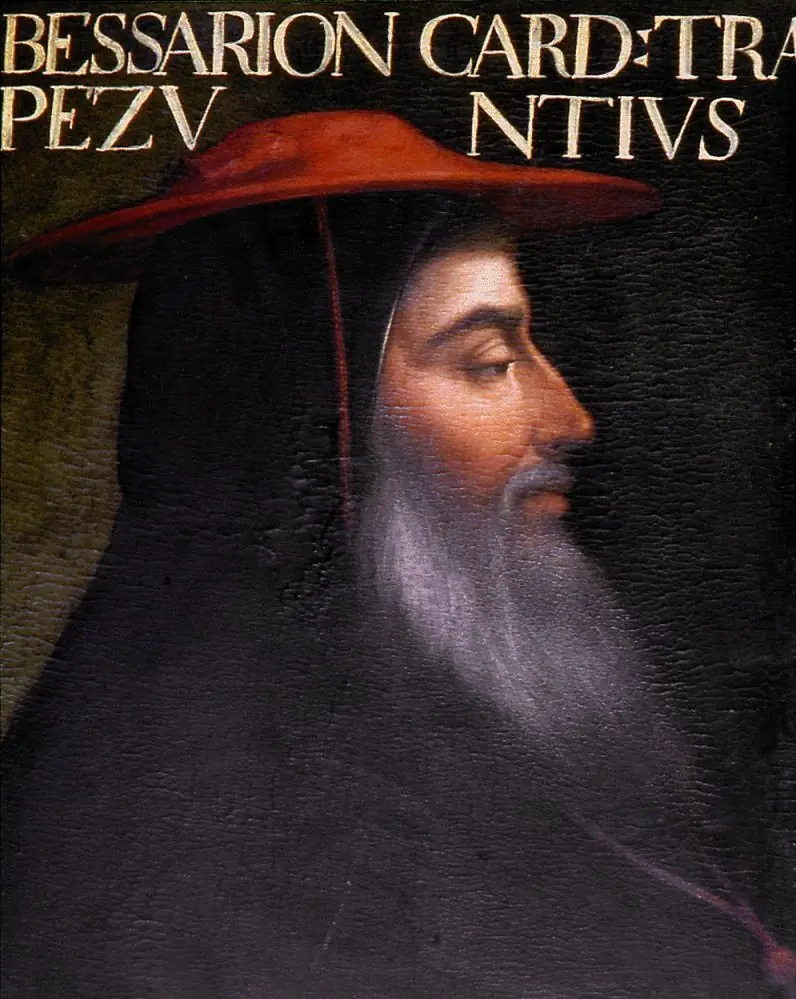
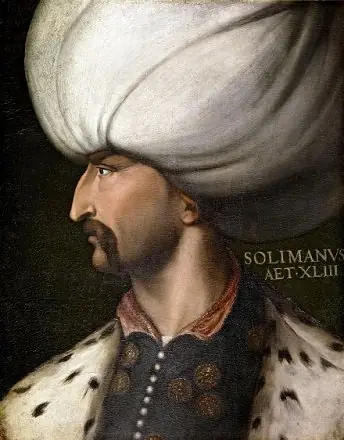
Cristofano dell'Altissimo painted the Portrait of Pope Pius II in 1567, one of over two hundred portraits produced for Cosimo I de' Medici.
Cristofano dell'Altissimo painted the Portrait of Pope Pius II in 1567, one of over two hundred portraits produced for Cosimo I de' Medici. Commissioned to replicate the collection assembled by historian Paolo Giovio, the work was executed in Como, where dell'Altissimo spent years copying likenesses from existing drawings and engravings. This oil painting is among the many now held in the Uffizi Gallery, forming part of a systematic visual archive of historical figures.
Subject & Meaning
The portrait depicts Pope Pius II, born Enea Silvio Piccolomini, a 15th-century pope known for his humanist scholarship and diplomatic efforts. Though painted nearly a century after his death, the image reflects his scholarly reputation through dignified bearing and refined attire. The inclusion of papal regalia—particularly the distinctive hat and embroidered robe—emphasizes his ecclesiastical authority and intellectual stature within Renaissance culture.
Technique & Style
Rendered in oil on panel, the painting displays meticulous attention to textile detail and subtle modeling of form, characteristic of Mannerist precision. The dark, unadorned background isolates the figure, heightening focus on the intricate gold patterns of the robe and the texture of the hat. The subject’s gaze, directed leftward, adds a quiet psychological presence, avoiding overt drama in favor of restrained realism typical of dell'Altissimo’s reproductive approach.
History & Provenance
The painting originated as part of a large-scale project commissioned by Cosimo I de' Medici to document historical and political figures. Dell'Altissimo worked from Giovio’s collection in Como, producing faithful copies where originals were unavailable. The portrait entered the Medici collections and later became part of the Uffizi’s holdings, where it remains as evidence of 16th-century efforts to consolidate visual memory through replication.
Context
In mid-16th-century Florence, the Medici court sought to reinforce its cultural authority by assembling a comprehensive gallery of historical leaders. Dell'Altissimo’s project aligned with broader Renaissance interests in antiquarianism and the preservation of lineage. His copies, though not original likenesses, served as authoritative references, bridging the gap between historical memory and contemporary political identity.
Legacy
The portrait stands as a representative example of reproductive portraiture in late Renaissance Italy. While not innovative in composition, it reflects the era’s emphasis on documentation and the transmission of historical imagery. Dell'Altissimo’s work preserved the visual identities of figures otherwise known only through texts, ensuring their continued presence in public and scholarly consciousness.
Artist & collection
Artist
Cristofano dell'Altissimo (c. 1525 – 1605) was an Italian painter in Florence. For duke Cosimo I de' Medici he copied in Como at least 280 of the portraits from the Collection of Paolo Giovio known as the Giovio Series…