Artwork
Presumed Portrait of the Duc de Choiseul and Two Companions
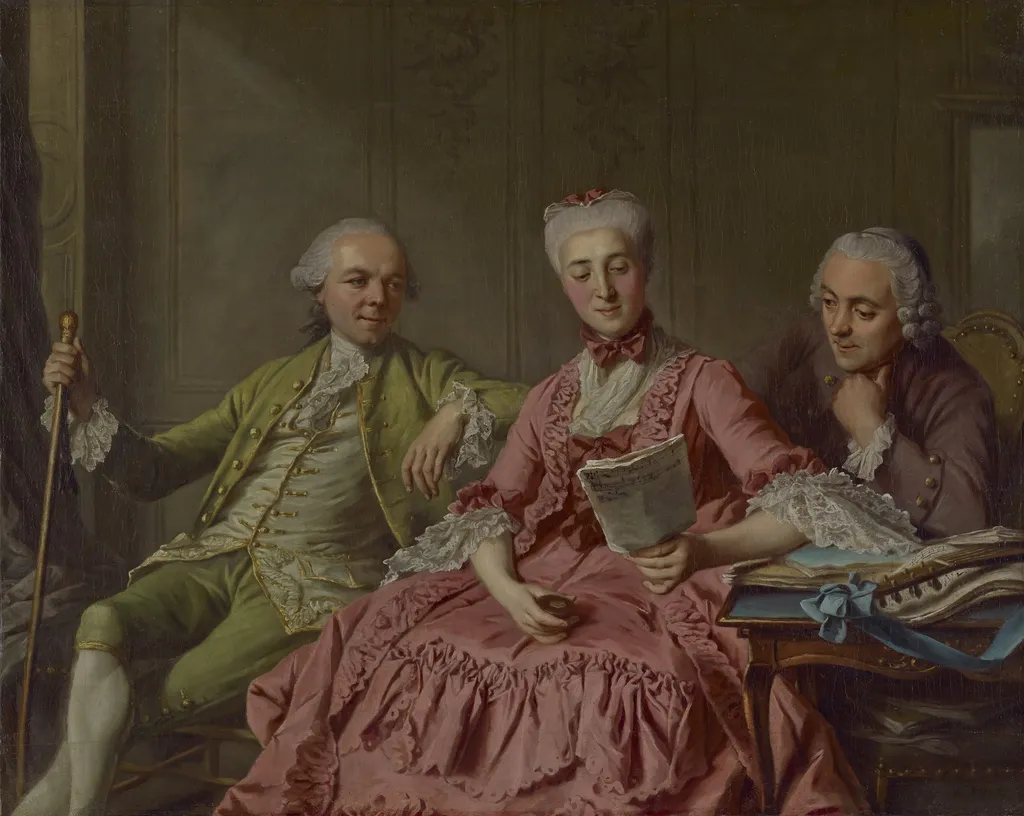
Presumed Portrait of the Duc de Choiseul and Two Companions is an oil painting by the Rococo painting artist Jacques Wilbaut. It dates from 1775 and is held in the collection of the J. Paul Getty Museum.
About this work
Overview
The composition captures a moment of quiet interaction among the figures, suggesting a private, domestic scene rather than a formal portrait.
This oil painting, attributed to Jacques Wilbaut and dated around 1775, portrays three individuals in an intimate interior setting. It is part of the collection at the J. Paul Getty Museum. The composition captures a moment of quiet interaction among the figures, suggesting a private, domestic scene rather than a formal portrait. The artist’s handling of light and posture conveys a sense of ease and familiarity among the subjects.
Subject & Meaning
The central figure is a woman in pink, holding what appears to be sheet music, implying a musical or intellectual engagement. To her left, a man in green leans back with a cane, suggesting a relaxed demeanor; to her right, a man in brown observes her attentively. Though traditionally identified as the Duc de Choiseul and companions, the identities remain unconfirmed. The scene likely reflects aristocratic leisure, with music serving as a symbol of cultivated refinement.
Technique & Style
Wilbaut employs soft, naturalistic lighting to model the figures and their garments, avoiding theatricality. The brushwork is precise yet unobtrusive, particularly in the rendering of fabric textures and facial expressions. The background is muted, drawing focus to the trio’s gestures and spatial arrangement. The composition’s asymmetry and subtle eye contact between figures create a sense of quiet narrative, characteristic of late 18th-century French portraiture.
History & Provenance
The painting entered the J. Paul Getty Museum’s collection through documented acquisitions, though its early ownership history prior to the 20th century remains unclear. Attribution to Jacques Wilbaut is based on stylistic analysis and archival comparisons, as no definitive documentation links the work directly to the artist. The title referencing the Duc de Choiseul is speculative, reflecting historical assumptions rather than verified evidence.
Context
Created during the reign of Louis XVI, the painting reflects the growing interest in informal, psychologically nuanced portraiture among French elites. Unlike official state portraits, this work emphasizes personal interaction and domesticity. Music, as a cultural pursuit, was a common motif in aristocratic imagery, signaling education and taste. Wilbaut’s approach aligns with contemporaries who favored intimacy over grandeur in private commissions.
Legacy
Though not widely known outside scholarly circles, the painting contributes to understanding the evolution of French portraiture beyond royal iconography. Its quiet realism and focus on interpersonal dynamics offer insight into the private lives of the ancien régime’s upper classes. As a work by a lesser-documented artist, it underscores the diversity of artistic production in pre-revolutionary France.
Own this work as a print
Artist & collection

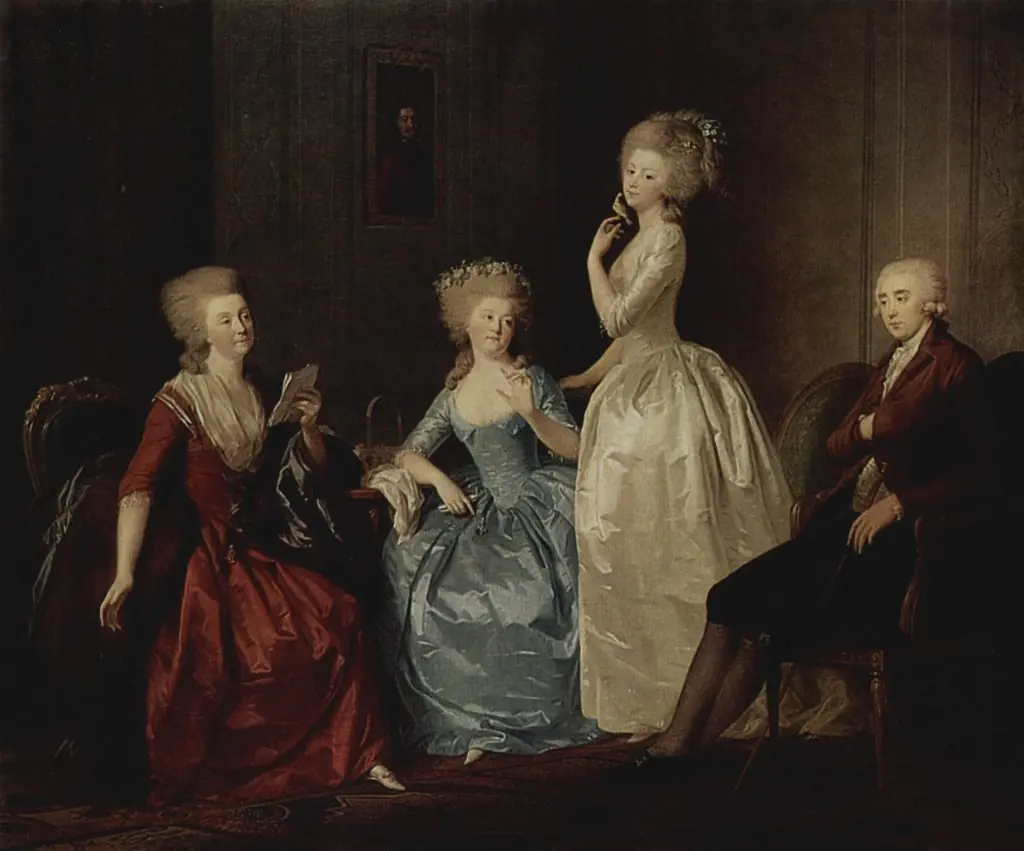 Portrait of the Saltykov Family
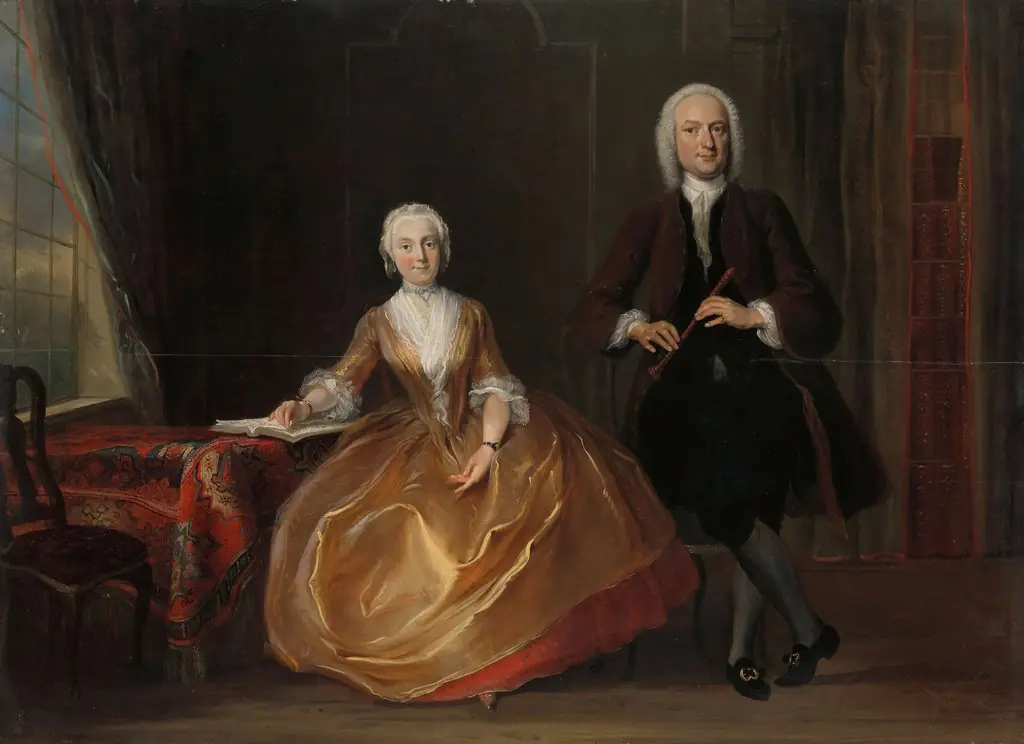 A Couple Making Music
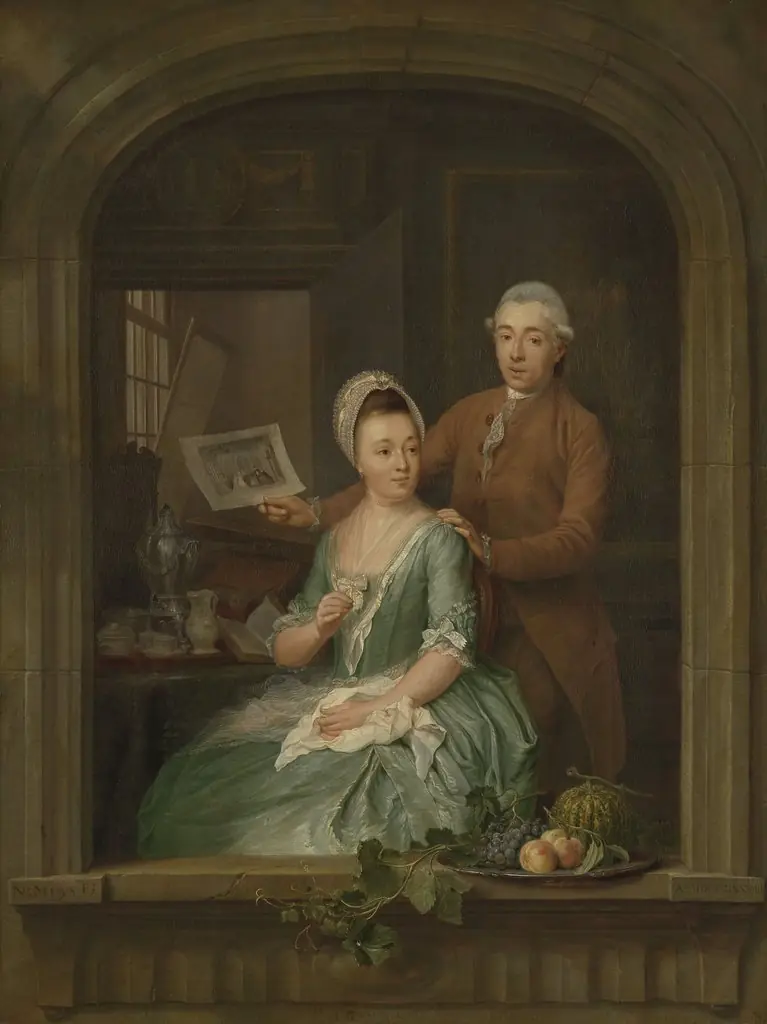 Portrait of Robert Muys and his Wife Maria Nozeman
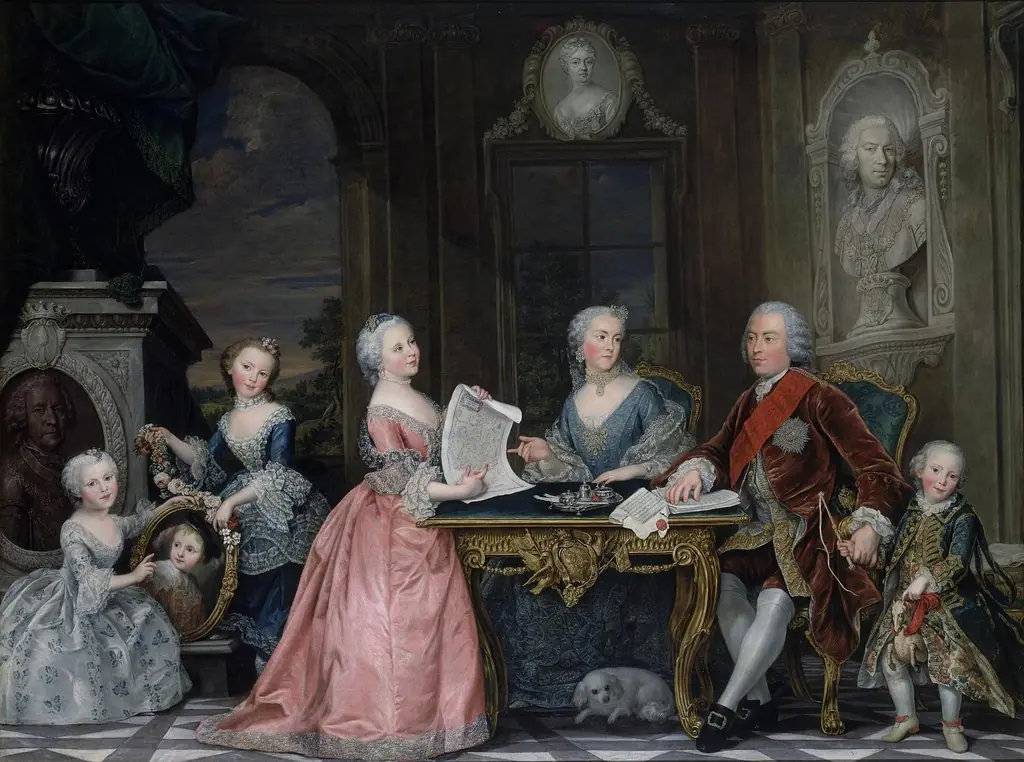 Portrait of Ambassador P.G. Chernyshev with Family
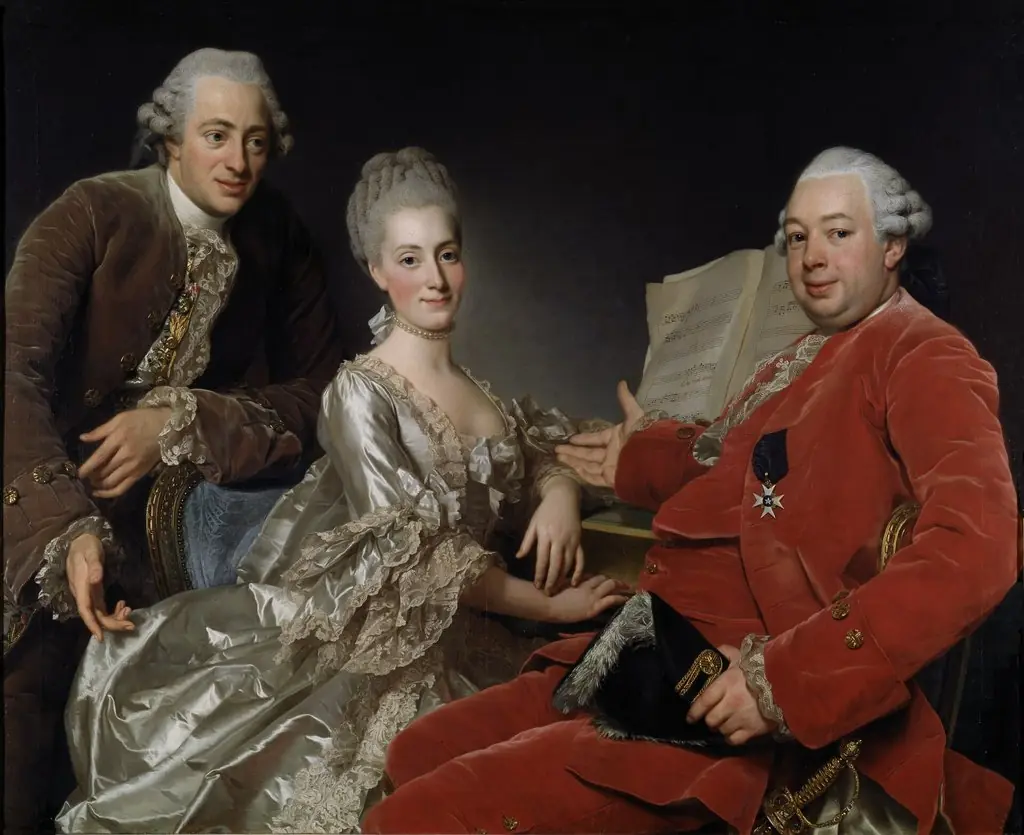 John Jennings Esq., his Brother and Sister-in-Law
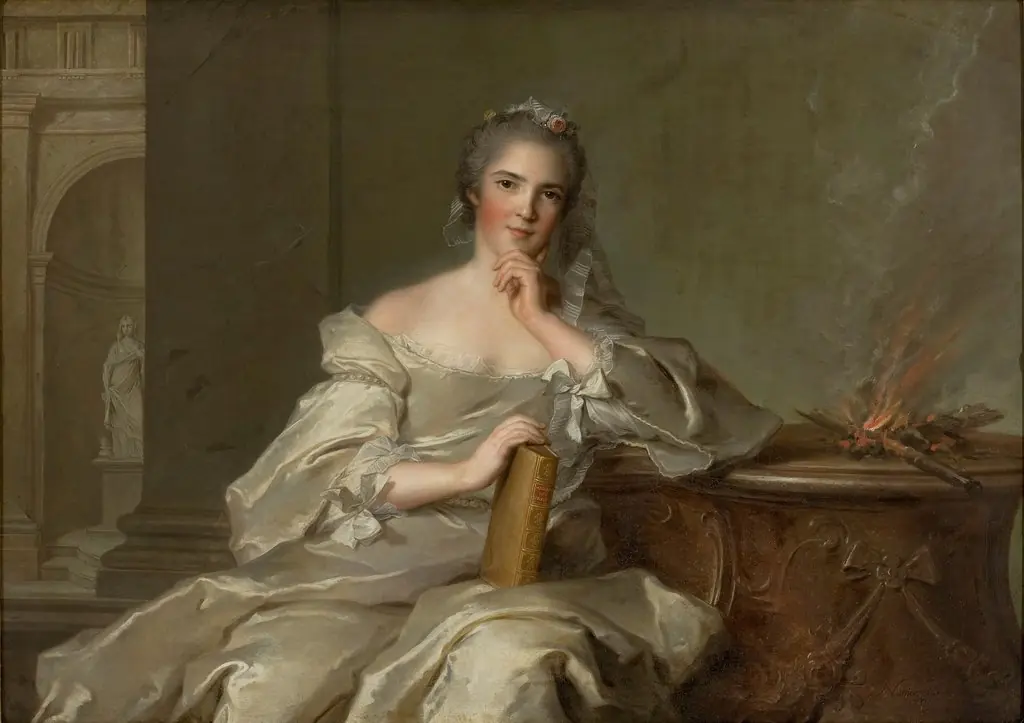 Princess Anne-Henriette of France - The Fire
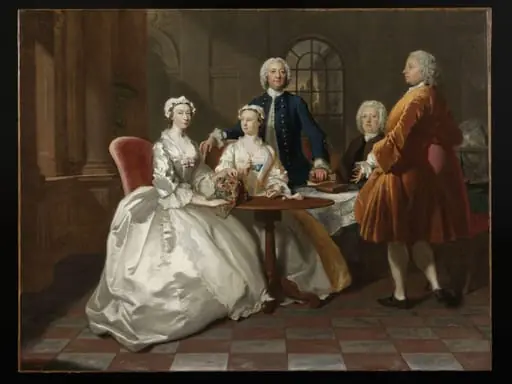 A portrait of the Vigor Family: Jane Vigor, Joseph Vigor, Ann Vigor, William Vigor and probably John Penn
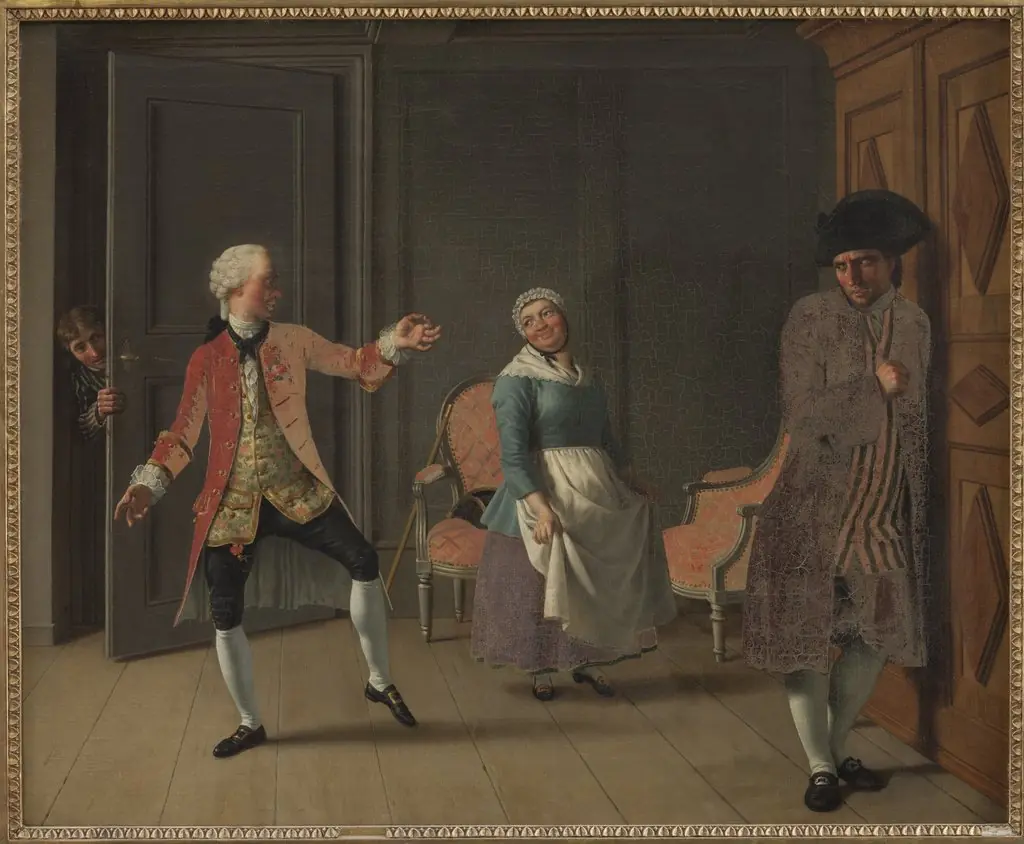 From Ludvig Holberg's "Jean de France", Act 1, Scene 6
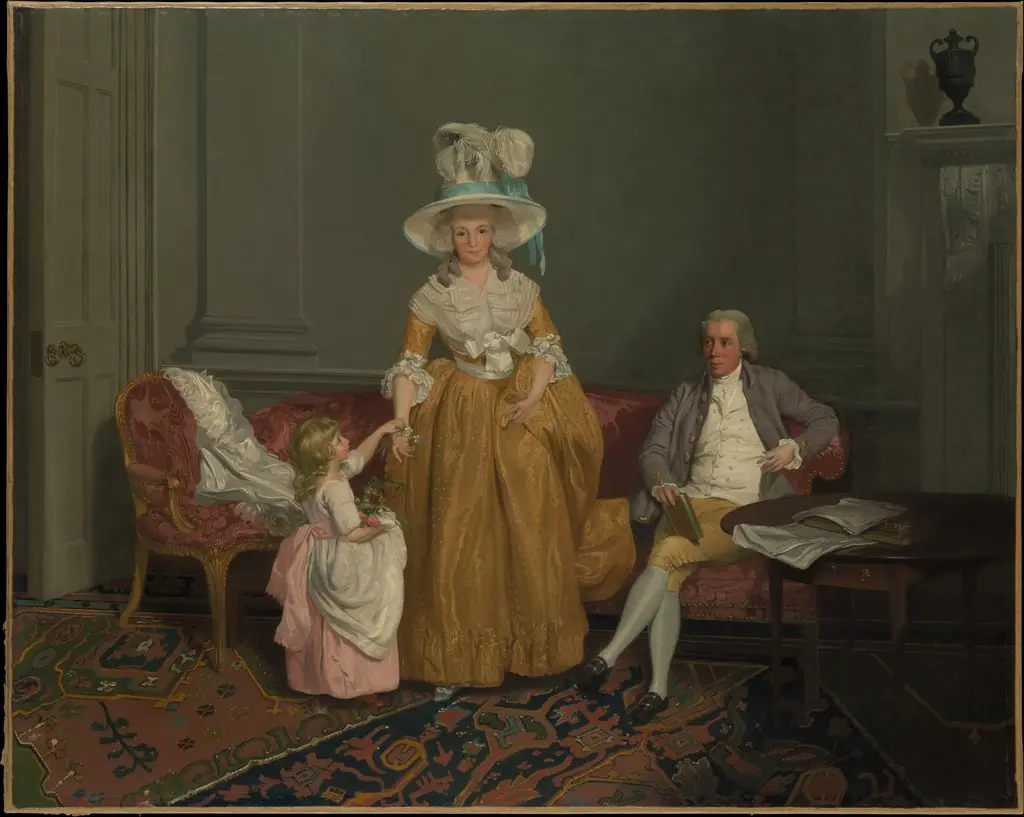 The Saithwaite Family
 From Ludvig Holberg's "Jean de France", Act 1, Scene 6
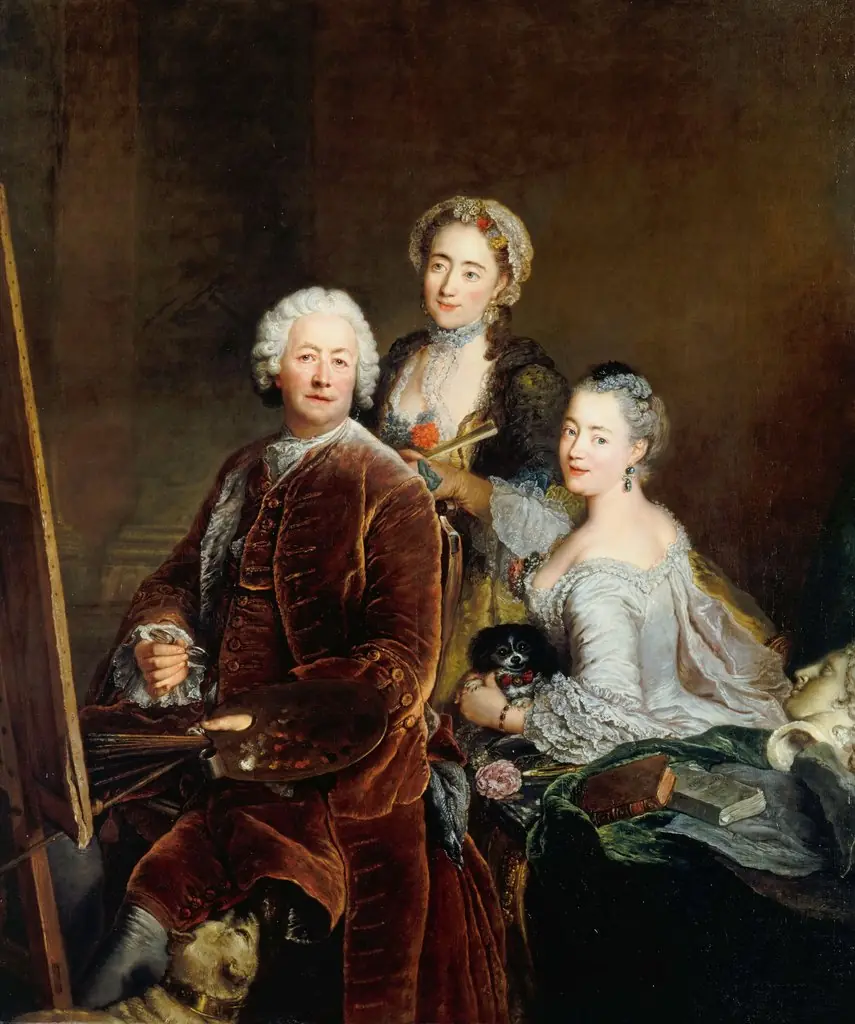 Self-portrait with Daughters Henriette Joyard and Marie de Rège in front of the easel
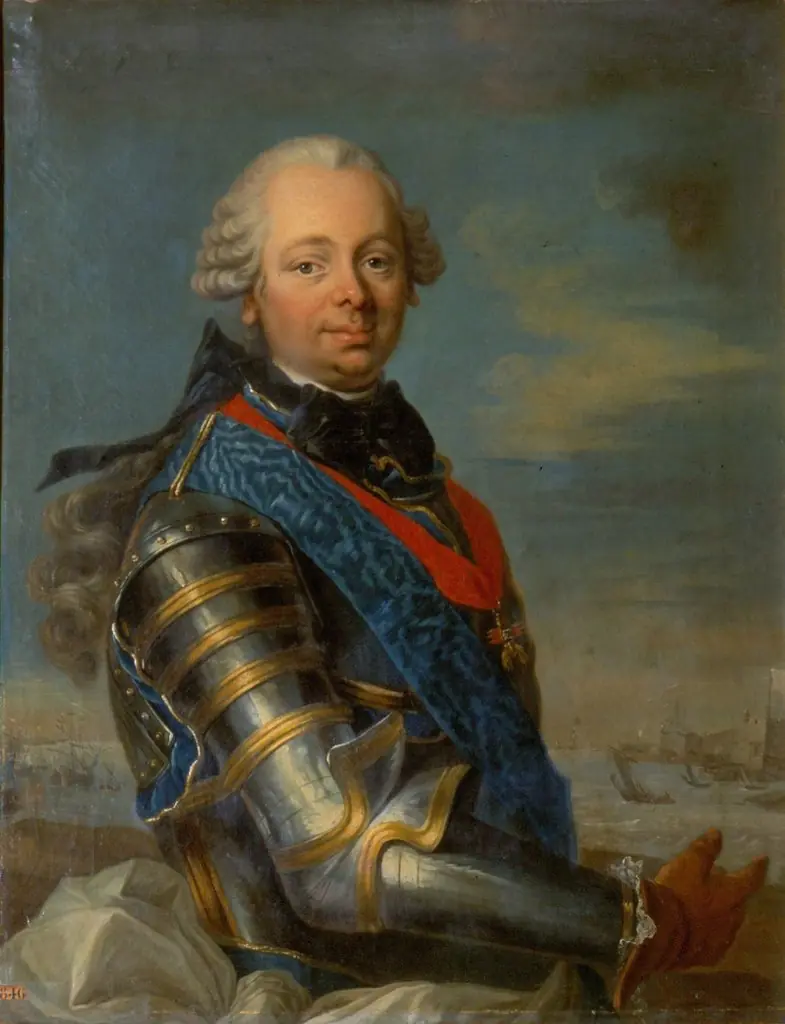 Portrait of Étienne-François de Choiseul (1719-1785)