Artwork
Greek Woman
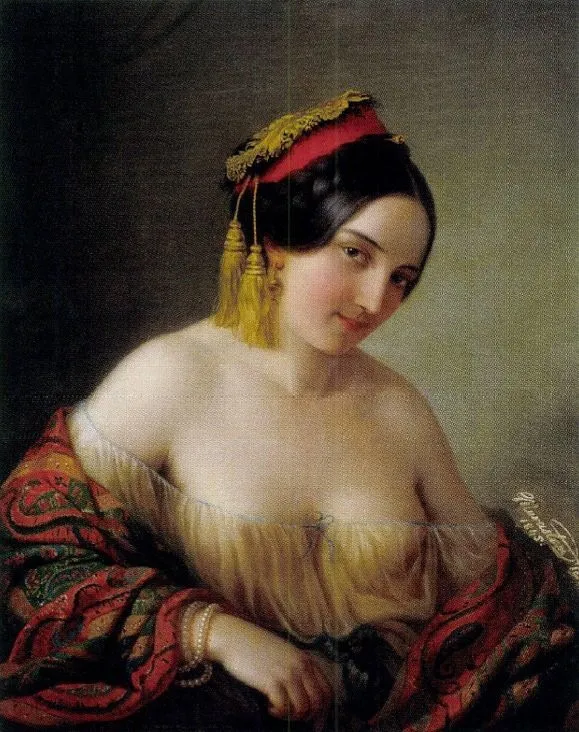
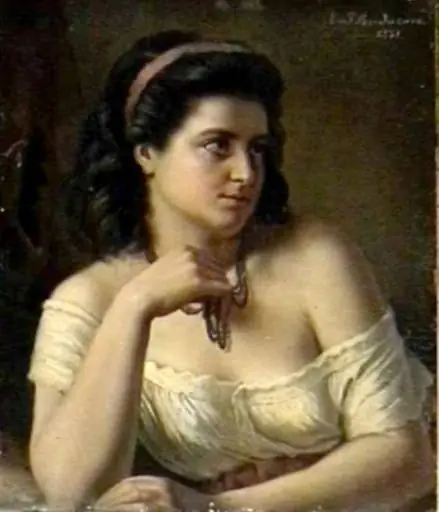
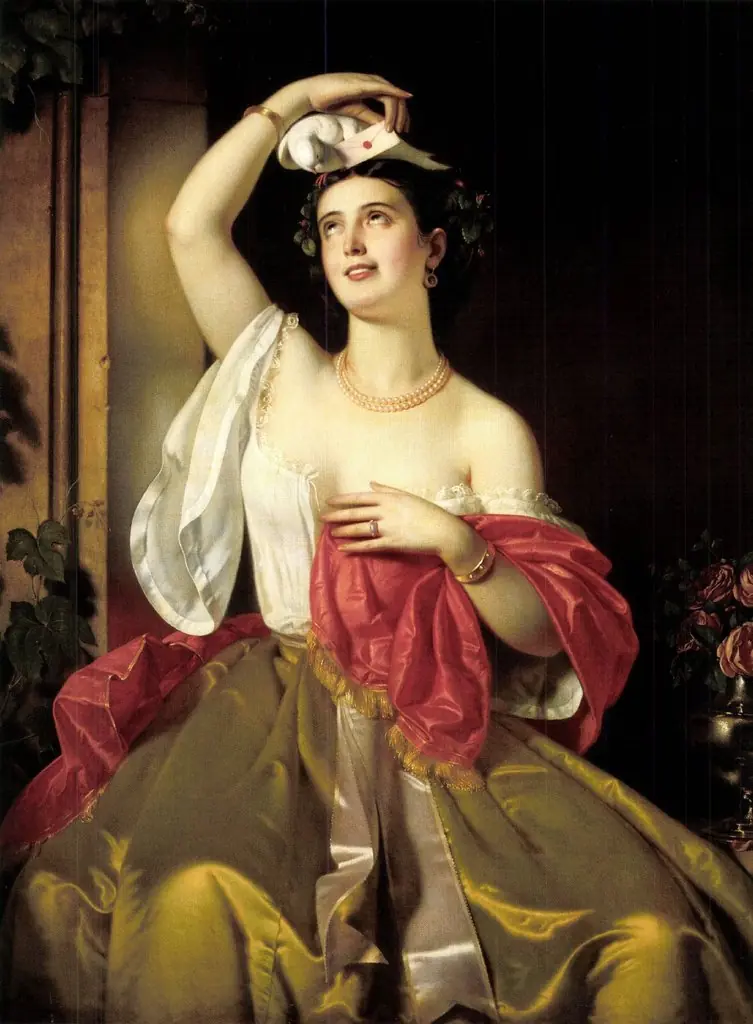
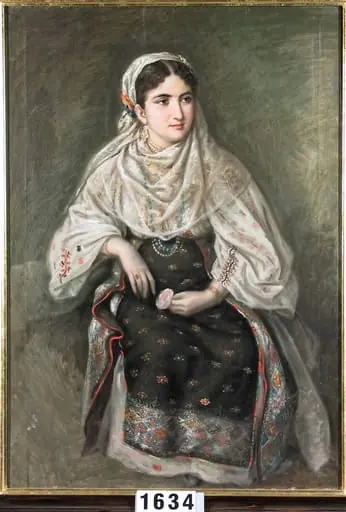
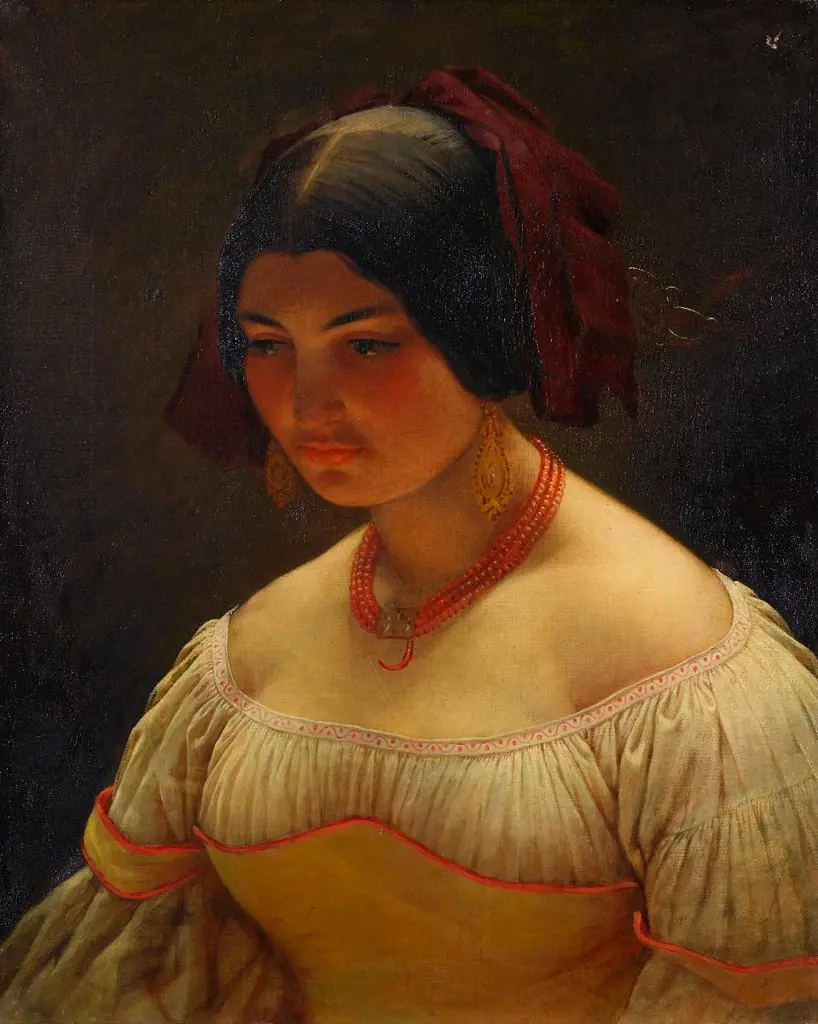
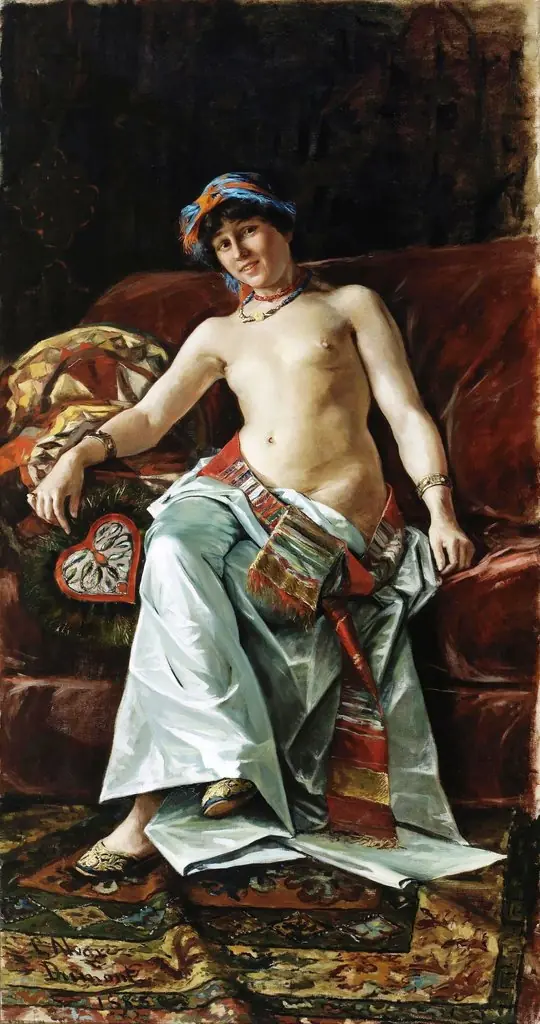
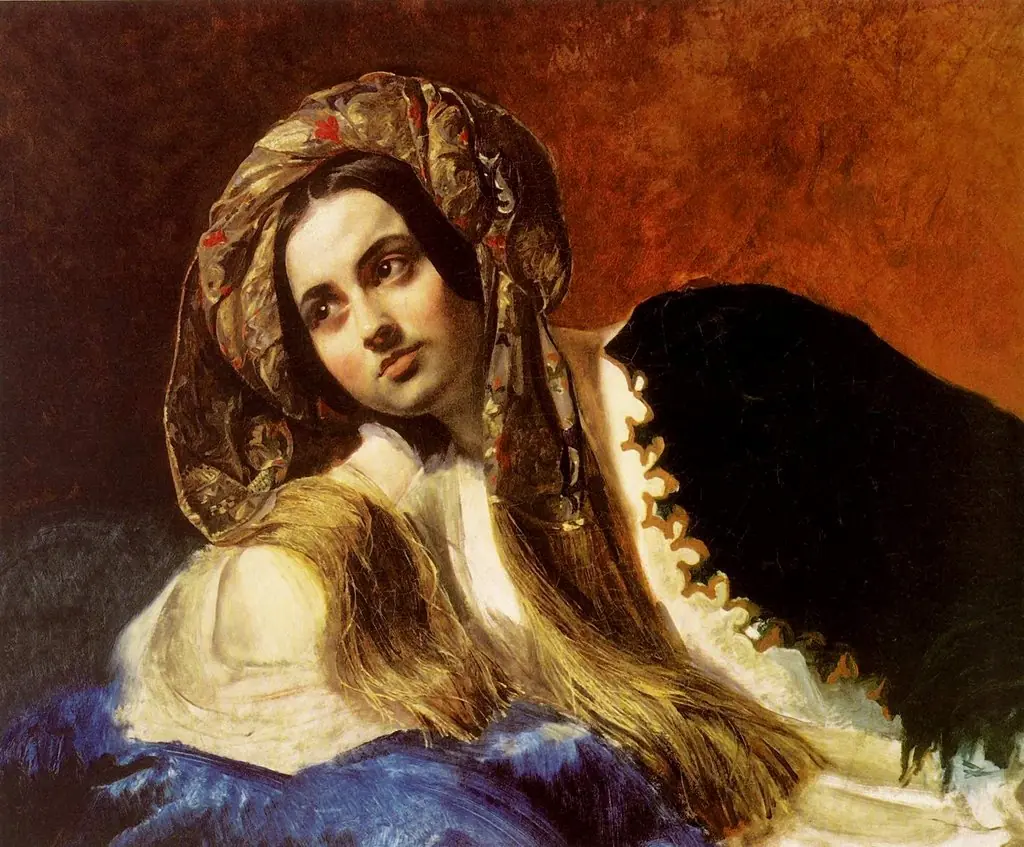
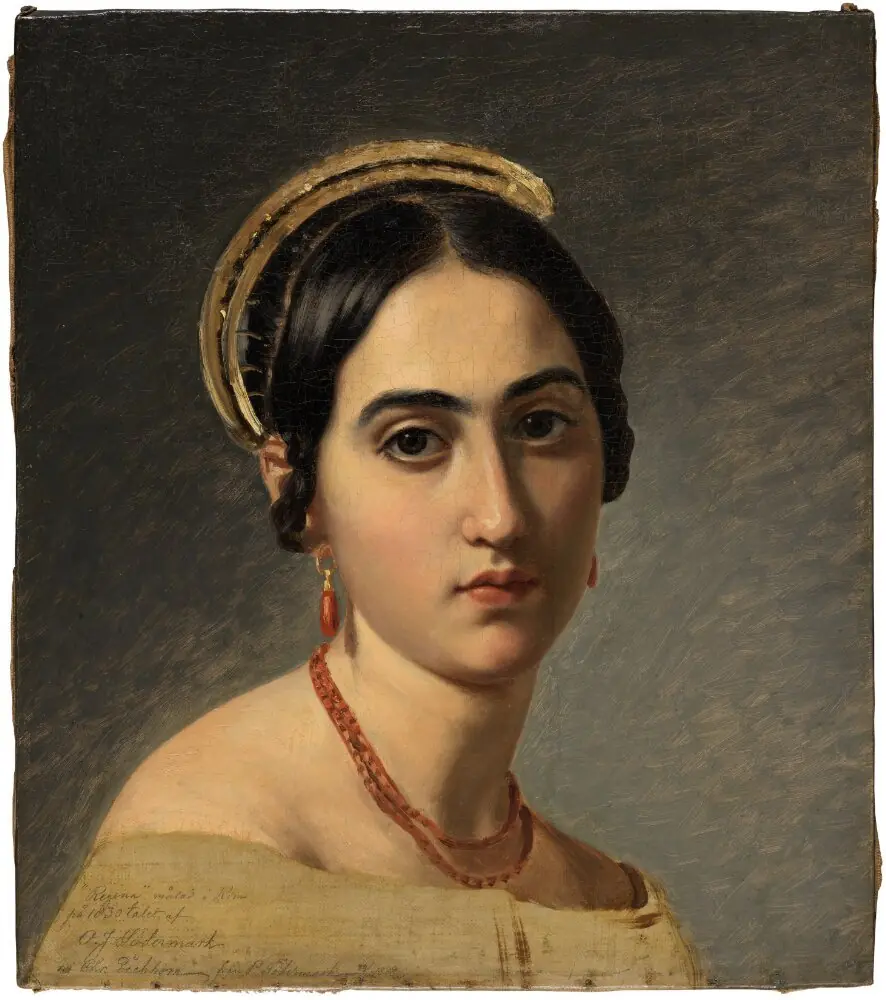
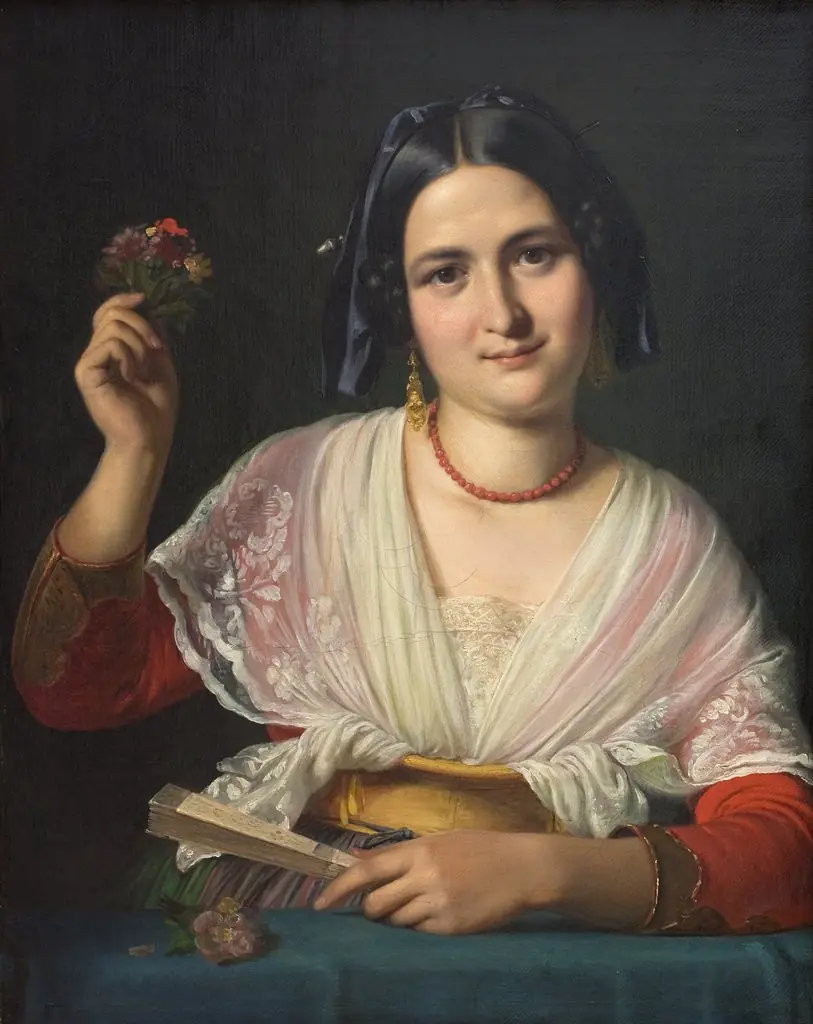
Greek Woman is an oil painting by the Realist artist Jakab Marastoni. It dates from 1845 and is held in the collection of the Hungarian National Gallery.
About this work
Overview
The work belongs to the Realist tradition, prioritizing direct observation over idealization.
Painted in 1845 by Jakab Marastoni, a Venetian-born artist active in the Austrian Empire, this oil portrait depicts a woman whose attire and presentation suggest Greek cultural identity. The work belongs to the Realist tradition, prioritizing direct observation over idealization. It is currently held in the Hungarian National Gallery, where it represents 19th-century portraiture from a region engaged with broader European artistic currents.
Subject & Meaning
The subject is a woman dressed in a yellow tunic and a patterned shawl, with dark hair secured by a red headband adorned with gold tassels. Her attire, though not documented as ethnographically precise, evokes regional dress associated with the Greek world during the post-independence era. The portrait conveys dignity through stillness and modest adornment, reflecting a broader 19th-century interest in national and cultural identity through personal representation.
Technique & Style
Marastoni employed oil paint with restrained brushwork, emphasizing texture in fabric and subtle shifts in skin tone. The background is a neutral gray-brown, drawing focus to the figure’s form and clothing. While not overtly dramatic, the lighting suggests a gentle chiaroscuro, modeling the face and garments with soft contrast. The composition avoids theatricality, aligning with Realist principles of unembellished observation.
History & Provenance
Created during Marastoni’s time in the Austrian Empire, the painting entered the Hungarian National Gallery’s collection in the 19th or early 20th century. Its acquisition likely reflects the gallery’s broader mission to document regional artistic output and cultural representation. No record of prior ownership or exhibition history is widely documented, suggesting it remained within institutional or private Hungarian circles after its creation.
Context
In the mid-1840s, European artists increasingly turned to regional identities as national movements gained momentum. Marastoni’s depiction of a 'Greek Woman' aligns with this trend, even as he worked outside Greece itself. The portrait may have responded to Western fascination with the newly independent Greek state, blending ethnographic curiosity with the aesthetic norms of Realist portraiture prevalent in Central Europe.
Legacy
Though not widely reproduced or studied, the painting remains a quiet example of 19th-century portraiture that bridges Central European technique with Mediterranean subject matter. It contributes to understanding how artists outside Greece interpreted and represented Hellenic identity during a period of cultural redefinition. Its preservation in a national collection underscores its role as a historical artifact of visual representation.
Artist & collection
Artist
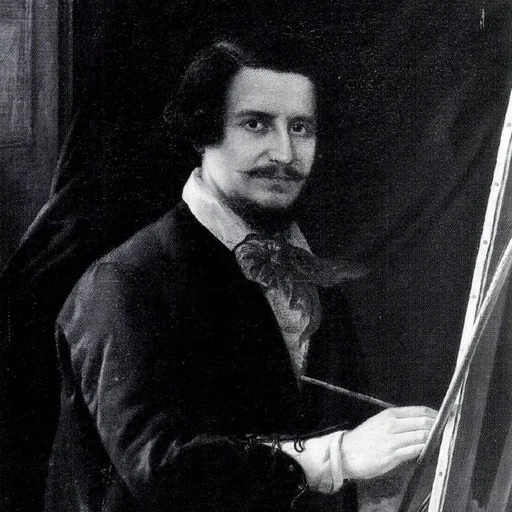
Jakab Marastoni, originally Jacopo Antonio Marastoni (24 March 1804, Venice – 11 July 1860, Pest) was a portrait painter and lithographer in the Austrian Empire.