Art Museum
Hungarian National Gallery

Image: Wikimedia Commons.
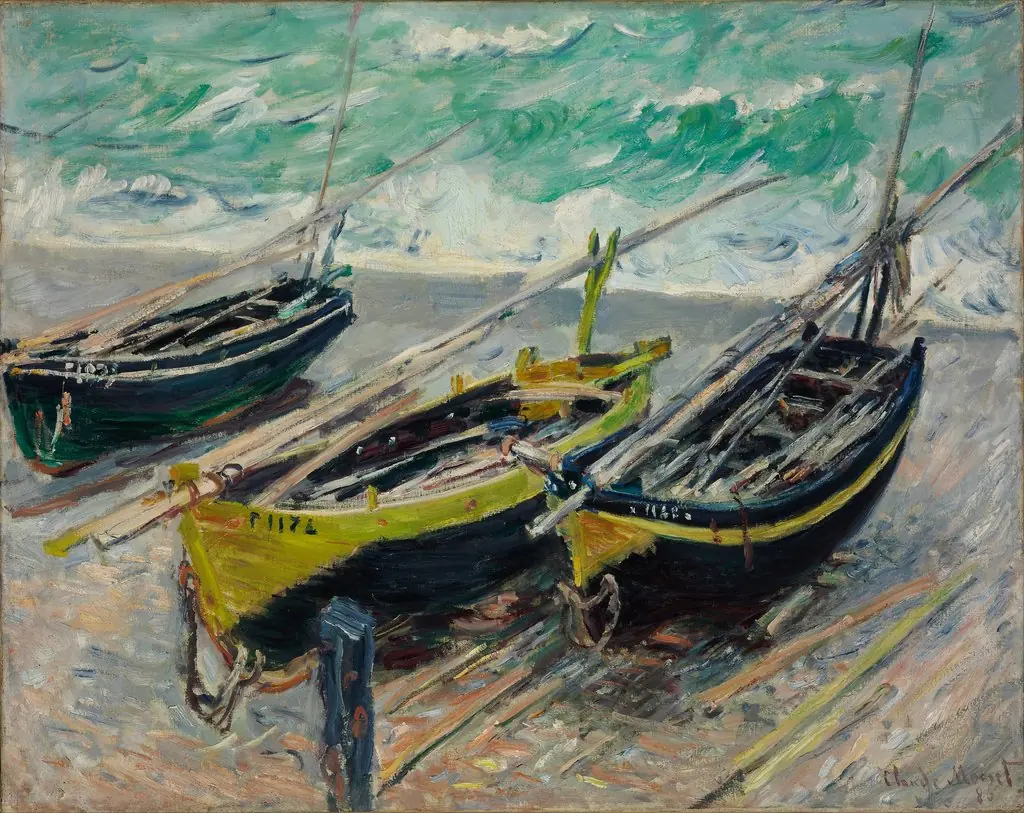
Hungarian National Gallery is an art museum in Budapest District I, Hungary. 1 work from its collection is in this catalog, including Jean Baptiste Camille Corot and Claude Monet.
About Hungarian National Gallery
Overview & Identity
The Hungarian National Gallery (Magyar Nemzeti Galéria) serves as the national art museum of Hungary, established on October 5, 1957. Located within the historic Buda Castle complex in Budapest, the institution is dedicated to presenting the history of Hungarian art from the 11th century to the present day. Unlike the Museum of Fine Arts, which focuses on international art, the National Gallery's primary mission is to showcase the nation's artistic heritage, including works by Hungarian artists who worked in Western centers like Paris. The museum is accredited as the national art museum and holds a central position in Hungary's cultural landscape.
History & Founding
The gallery was founded in 1957, following the turbulent events of the 20th century, including the destruction of World War II. While the Buda Castle complex has a history dating back to the 14th century as a royal residence, the specific establishment of the National Gallery as a distinct institution occurred in the mid-20th century to consolidate and display Hungarian art. The museum's creation was part of a broader post-war effort to preserve and promote national culture. In 2008, there were proposals to merge the gallery with the Museum of Fine Arts, though these plans faced significant professional and political opposition, highlighting the gallery's distinct institutional identity.
Building & Architecture
The museum is housed within Buildings A, B, C, and D of the Buda Castle complex, a site recognized as a UNESCO World Heritage Site since 1987. The palace itself has a complex architectural history, originating as a 14th-century royal residence under King Louis the Great and King Sigismund, and later expanded in the Gothic and Renaissance styles under King Matthias Corvinus. After severe damage during the Ottoman siege and subsequent decay, the palace was rebuilt in the Baroque style by the Habsburgs in the 18th century and further expanded in the 19th century. The complex suffered extensive damage during World War II, particularly in 1945, and was subsequently restored to house the gallery and other cultural institutions.
Collection Highlights & Notable Holdings
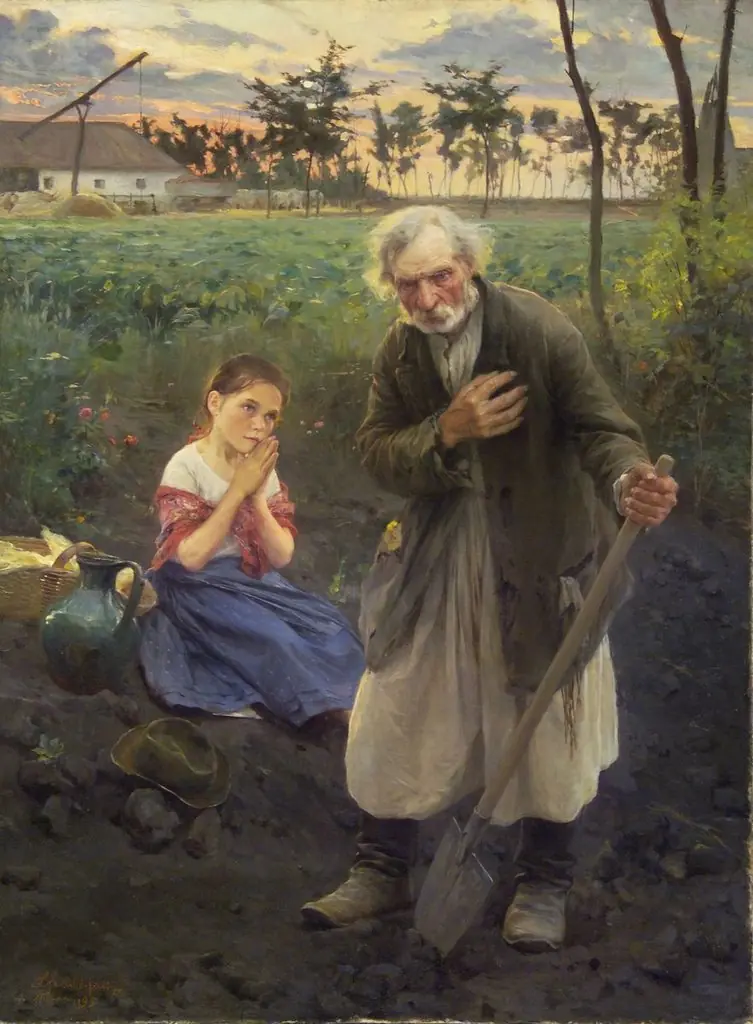
The collection spans medieval, Renaissance, Gothic, and Baroque Hungarian art, featuring significant 15th-century wooden altarpieces. The gallery holds major works by 19th and 20th-century masters, including Mihály Munkácsy's 'Christ in front of Pilate' (1881), László Paál, and Tivadar Kosztka Csontváry's 'Ruins of Ancient Theatre, Taormina'. It also features paintings by József Rippl-Rónai, Károly Lotz, Pál Szinyei Merse, and István Csók. The sculpture collection includes works by Károly Alexy, István Ferenczy, and Miklós Borsos. Additionally, the museum displays photographs by Brassaï and Ervin Marton, capturing the circle of Hungarian artists who worked in Paris before World War II.
Significance & Legacy
The Hungarian National Gallery is of immense cultural significance as the primary repository of Hungarian artistic heritage, offering a comprehensive overview of the nation's visual arts from the Middle Ages to contemporary times. By housing these collections within the Buda Castle, a symbol of Hungarian power and history, the museum physically and symbolically links the country's artistic achievements to its national identity. The gallery plays a crucial role in preserving the works of artists who defined Hungarian modernism and in presenting the continuity of Hungarian art despite historical upheavals. It stands as a key component of the Buda Castle District, attracting visitors interested in the deep historical and artistic roots of Hungary.
What to see at Hungarian National Gallery
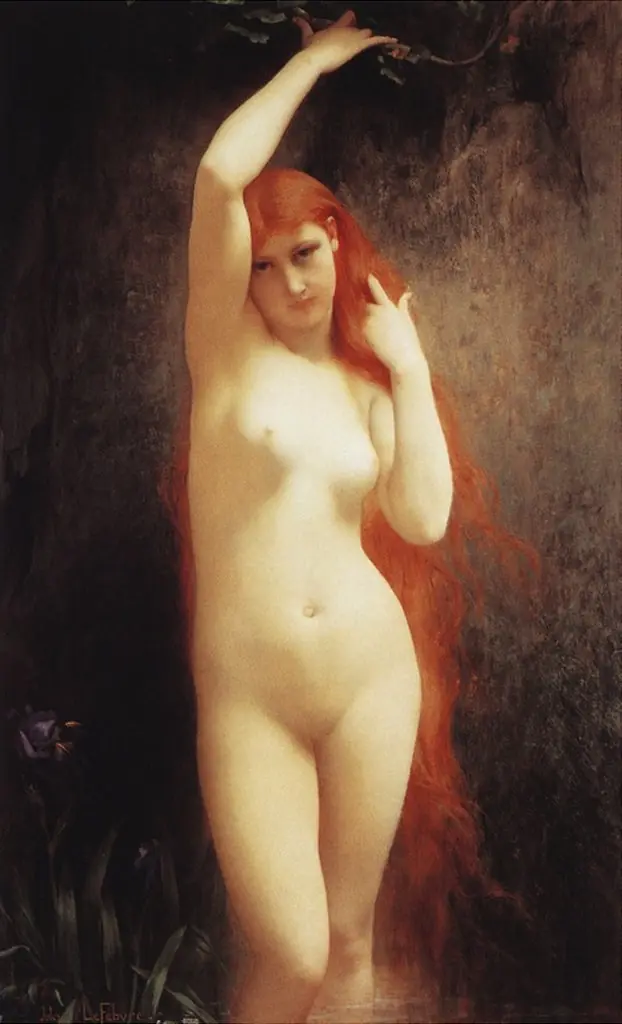
Start with Ondine by Jules Lefebvre.
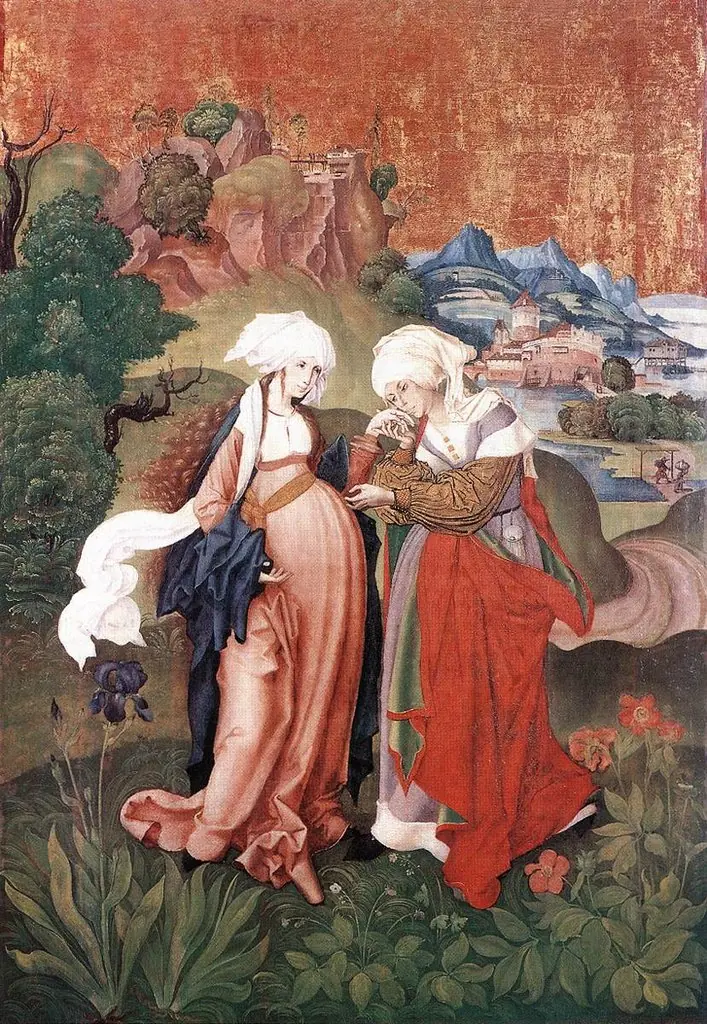
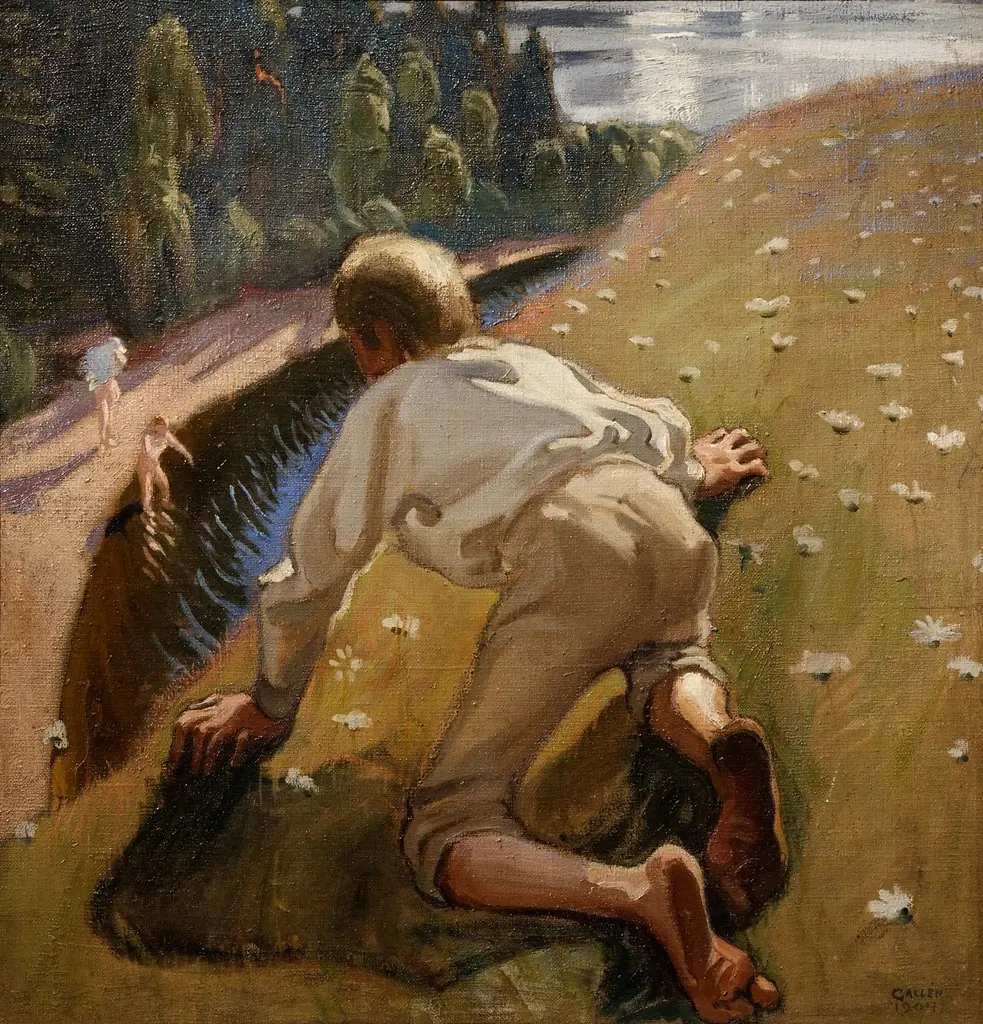
Works from Hungarian National Gallery
Plan your visit
Hungarian National Gallery
- Website
- www.mng.hu