Artwork
Head of the Holy Loch
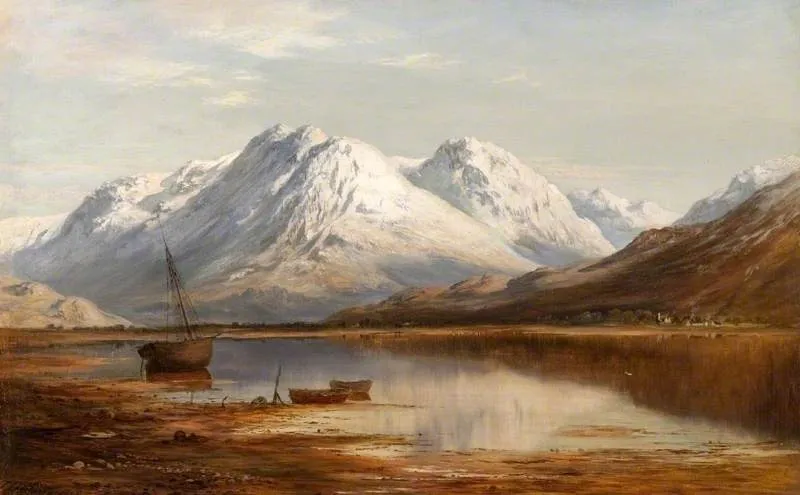
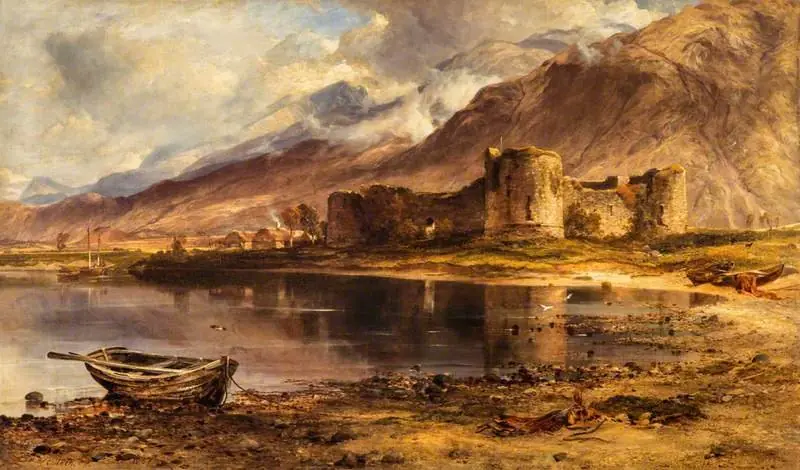
Head of the Holy Loch is an oil painting by the Realist artist James Docharty. It dates from 1868 and is held in the collection of the Kelvingrove Art Gallery and Museum.
About this work
Overview
Painted in 1868 by Scottish artist James Docharty, *Head of the Holy Loch* is an oil-on-canvas work depicting a quiet coastal landscape in western Scotland.
Painted in 1868 by Scottish artist James Docharty, *Head of the Holy Loch* is an oil-on-canvas work depicting a quiet coastal landscape in western Scotland. Though Docharty began his career in textile design, he transitioned to fine art in the early 1860s, gaining recognition through exhibitions in Edinburgh and London. This piece reflects his mature engagement with naturalistic representation and the Scottish landscape tradition.
Subject & Meaning
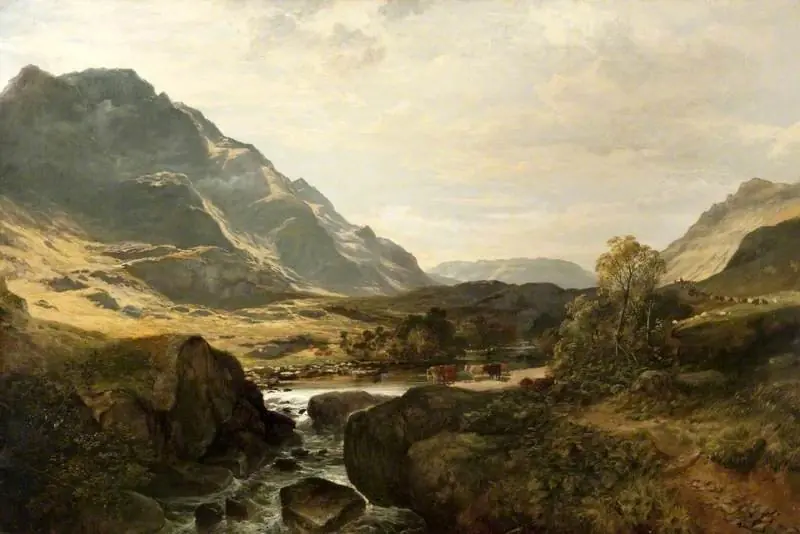
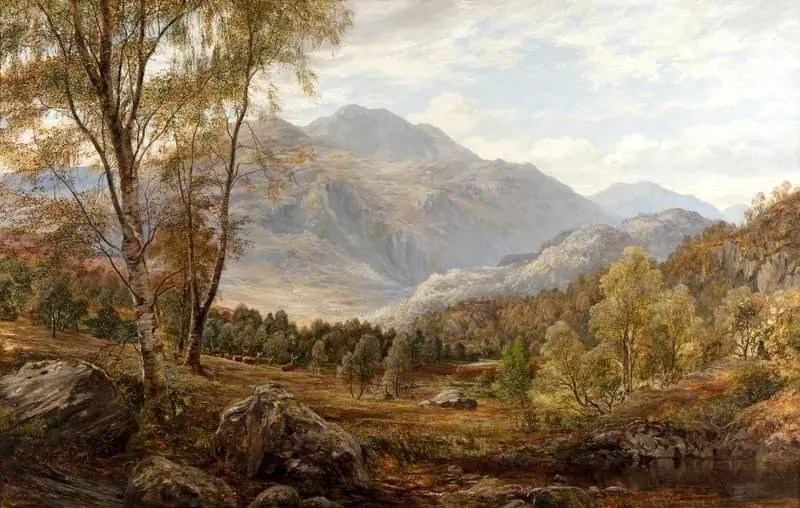
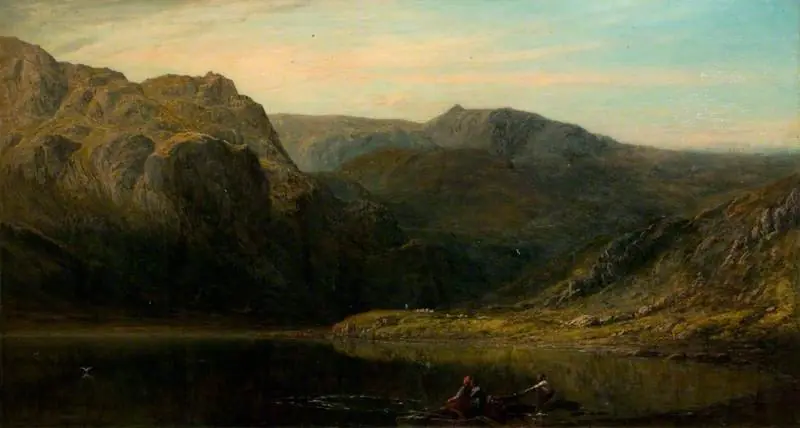
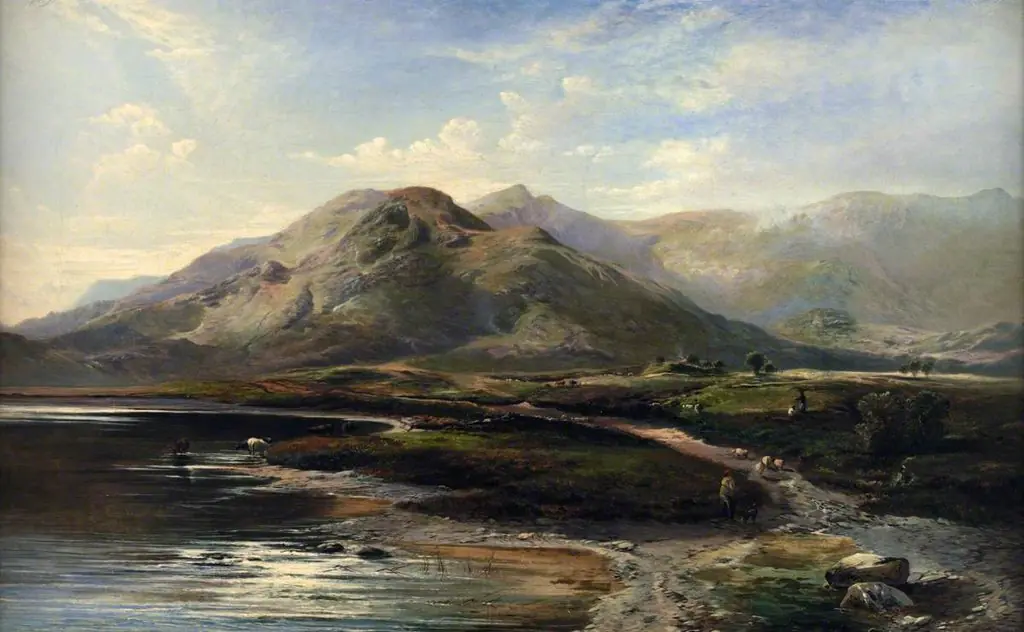
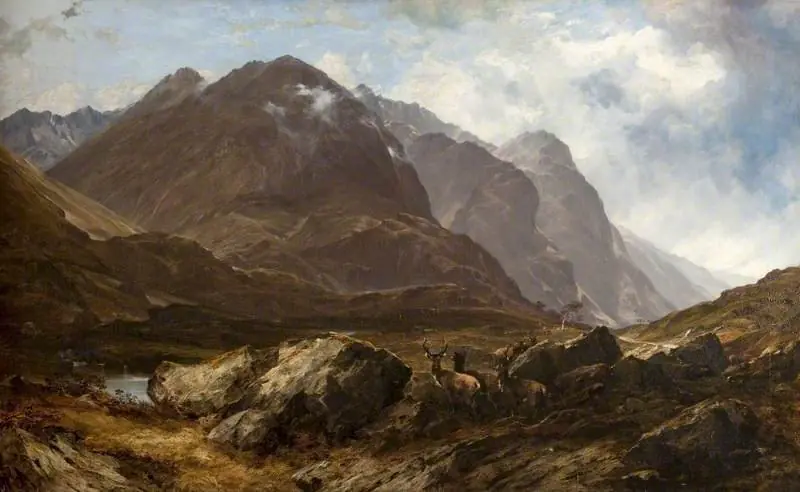
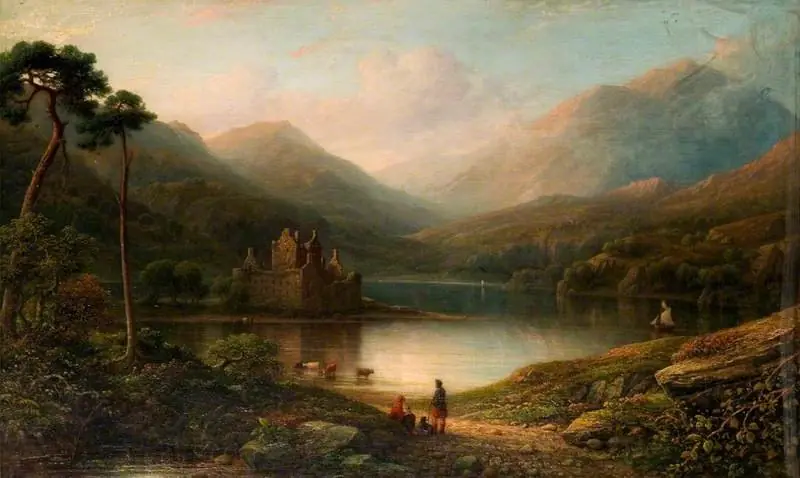
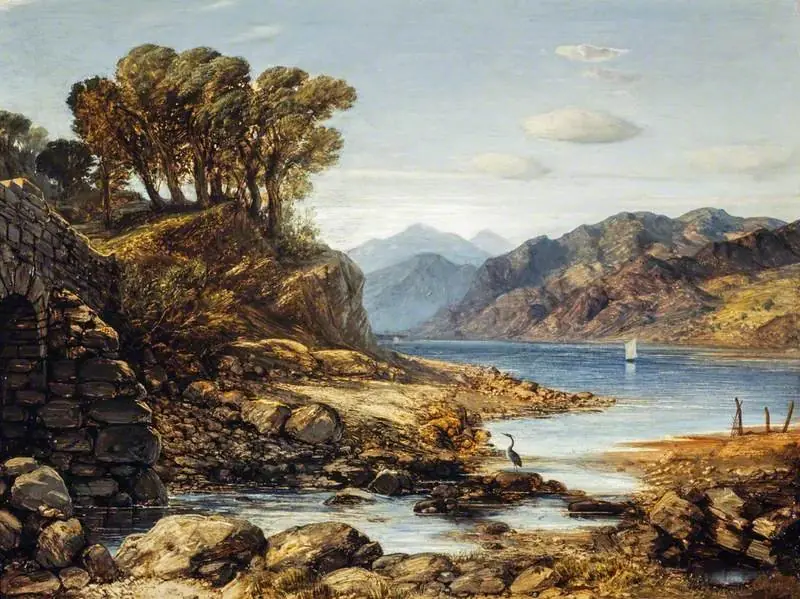
The painting captures the Holy Loch, a sea inlet near Dunoon, framed by snow-dusted peaks and still water. Two small boats, one nearer to the viewer, suggest human presence without narrative intrusion. The scene conveys stillness and solitude, emphasizing the quiet grandeur of the natural environment. There is no overt symbolism; the meaning lies in the contemplative observation of place and light.
Technique & Style
Docharty employs subtle tonal gradations to render the snow-covered mountains and their reflections in the loch. The palette is restrained, dominated by cool blues, grays, and whites, with minimal contrast to preserve the scene’s calm. Brushwork is precise yet unobtrusive, favoring atmospheric cohesion over dramatic detail. Light is handled with sensitivity to natural conditions, avoiding theatrical chiaroscuro in favor of diffuse, ambient illumination.
History & Provenance
Created during Docharty’s early period of exhibition activity, the painting entered the collection of Kelvingrove Art Gallery and Museum in Glasgow, where it remains today. It was likely acquired in the late 19th or early 20th century as part of broader efforts to document Scottish artistic output. No significant changes in ownership are recorded, and it has been consistently displayed as an example of regional Realism.
Context
In the mid-19th century, Scottish artists increasingly turned to local landscapes as subjects worthy of serious attention, moving away from idealized or foreign vistas. Docharty’s work aligns with this trend, reflecting a growing cultural interest in the authenticity of native scenery. The Holy Loch, though not a major tourist destination, was familiar to residents and artists alike, lending the painting a sense of intimate familiarity.
Legacy
While Docharty is not widely known outside Scotland, *Head of the Holy Loch* exemplifies the quiet realism that characterized many regional painters of his generation. The work contributes to a broader understanding of 19th-century Scottish art beyond the more celebrated figures, offering a modest but enduring record of how ordinary landscapes were observed and valued in their time.
Artist & collection
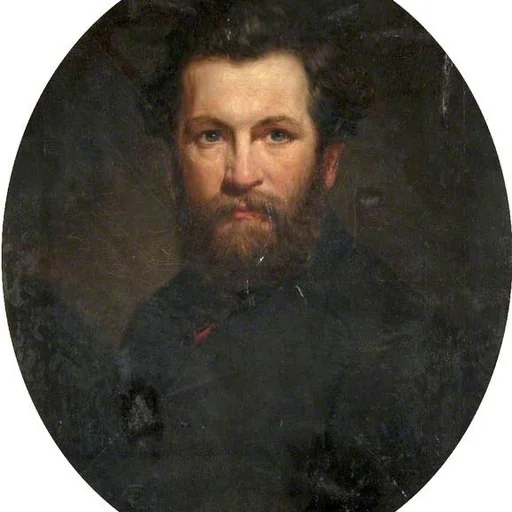
Artist
James Docharty (1829–1878) was a Scottish landscape painter. He was born at Bonhill, near Dumbarton, in 1829. He first worked for his father as a designer of calico fabric. Docharty did not turn to art till 1862. His…