Artwork
Afternoon in Ostend
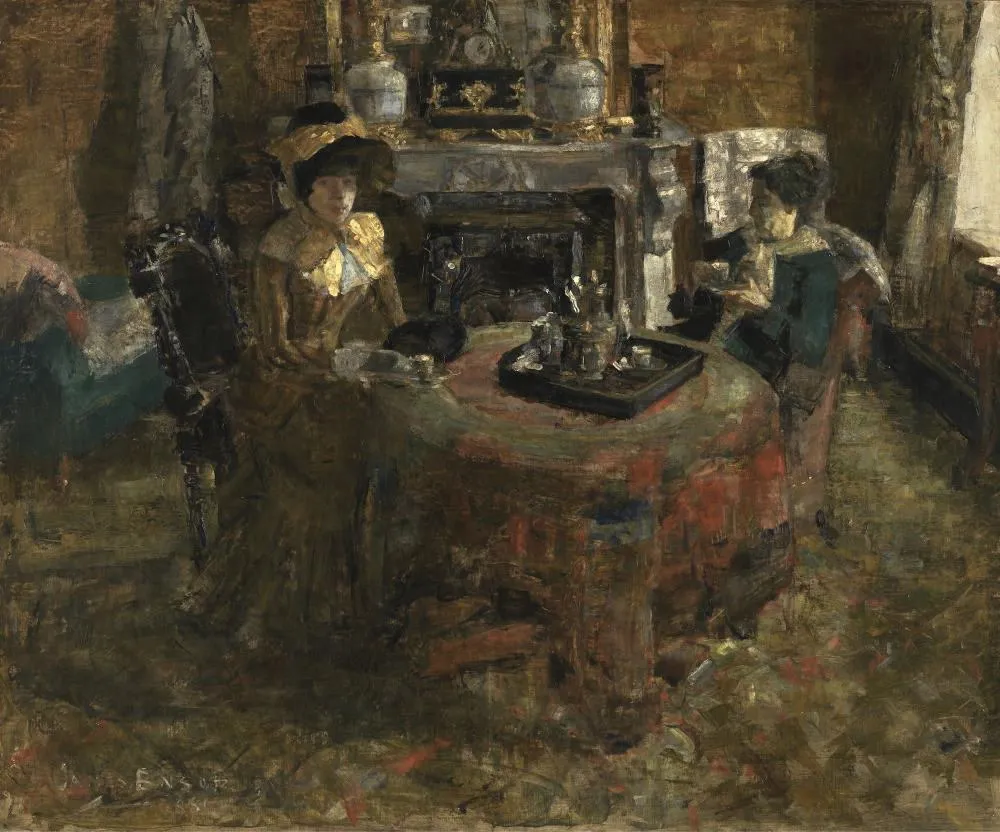
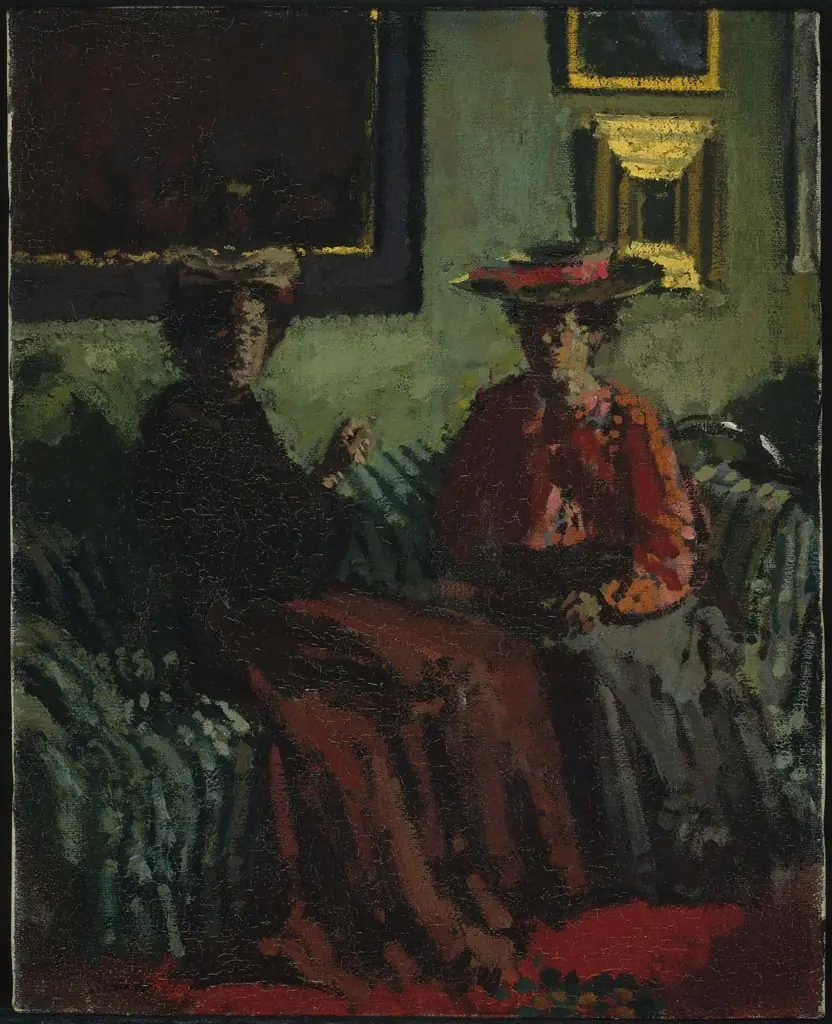
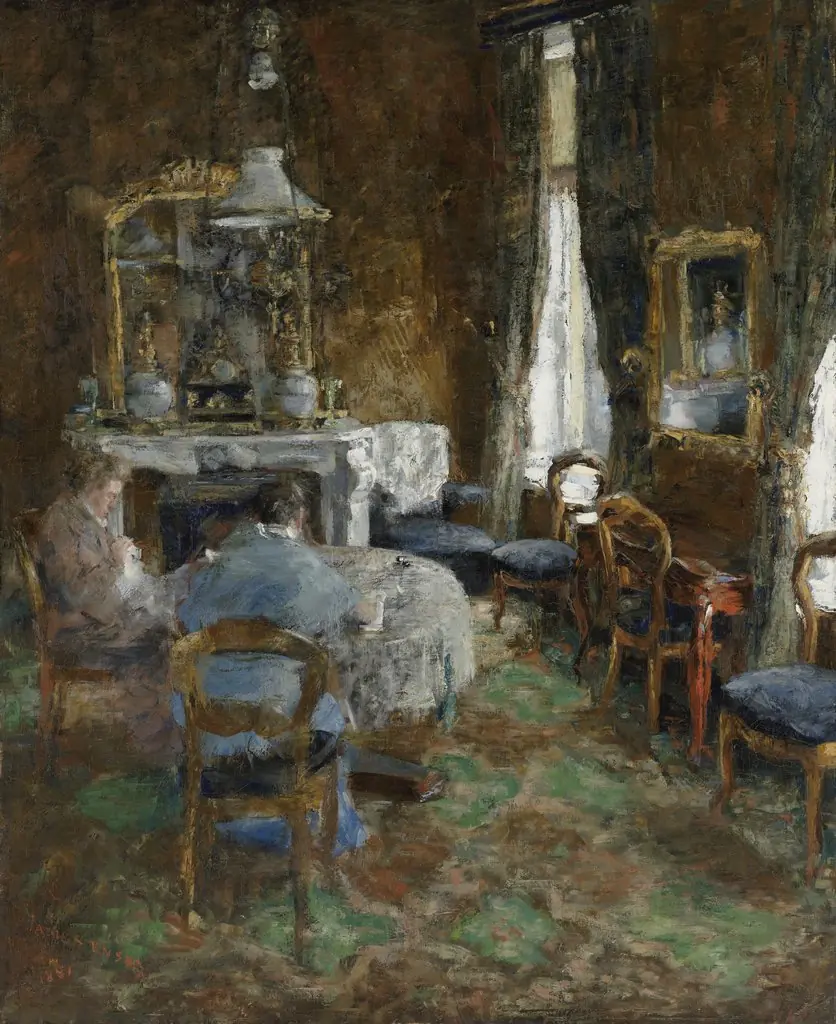
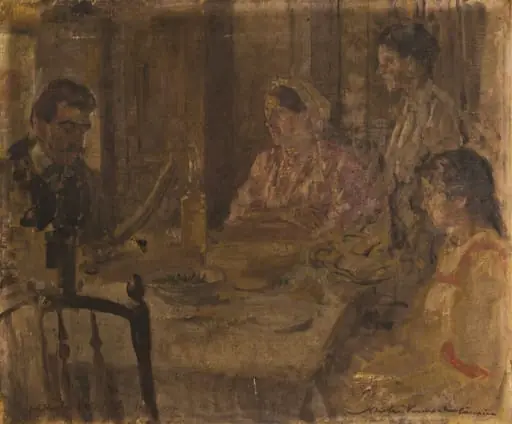
Afternoon in Ostend is an oil painting by the Impressionist artist James Ensor. It dates from 1891 and is held in the collection of the Royal Museum of Fine Arts Antwerp.
About this work
Overview
Painted in 1891, *Afternoon in Ostend* is an oil-on-canvas work by Belgian artist James Ensor.
Painted in 1891, *Afternoon in Ostend* is an oil-on-canvas work by Belgian artist James Ensor. It captures a quiet interior scene in the coastal town where Ensor lived and worked. The painting belongs to the collection of the Royal Museum of Fine Arts Antwerp and reflects his engagement with contemporary European painting practices during the late 19th century, particularly through his association with the avant-garde group Les XX.
Subject & Meaning
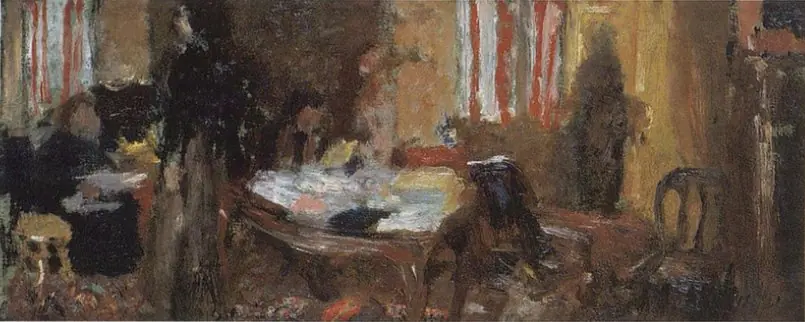
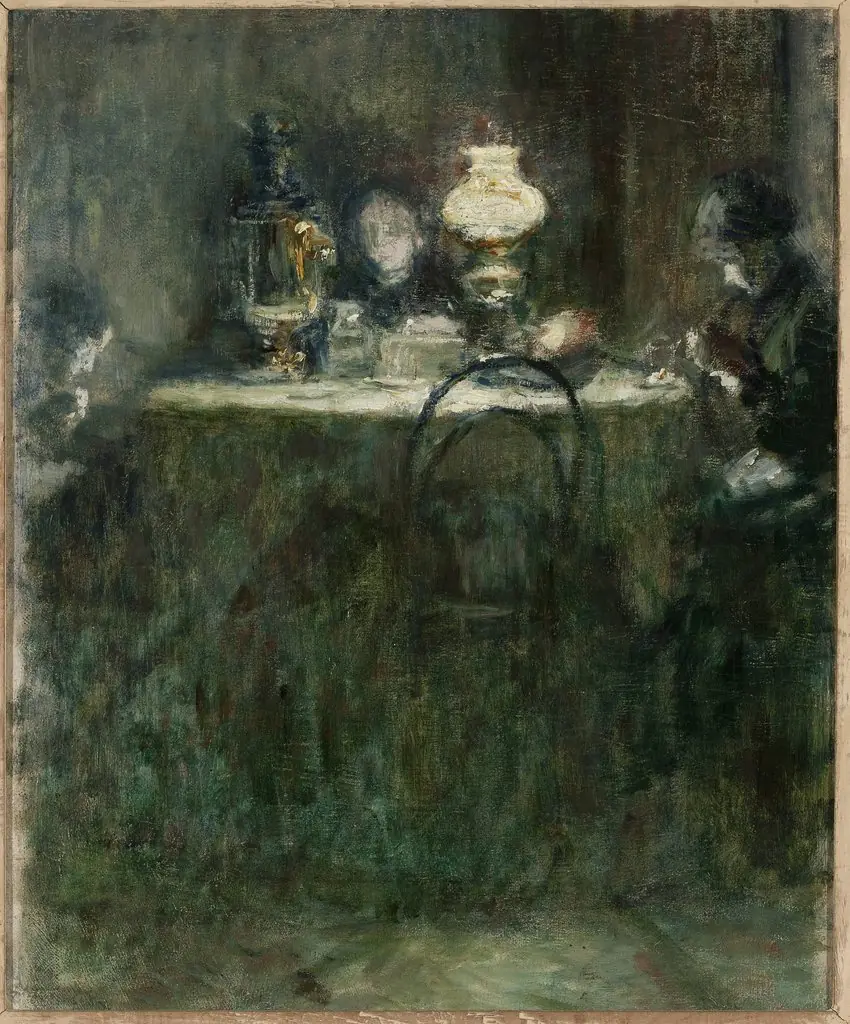
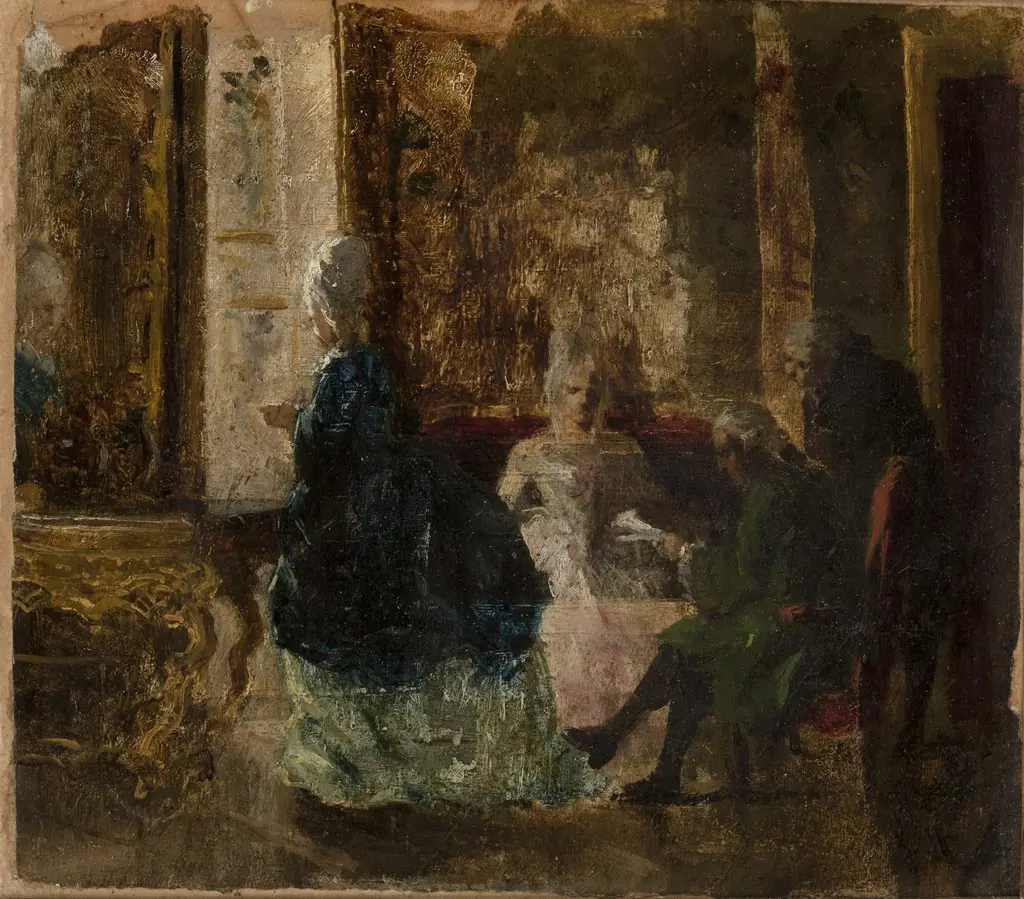
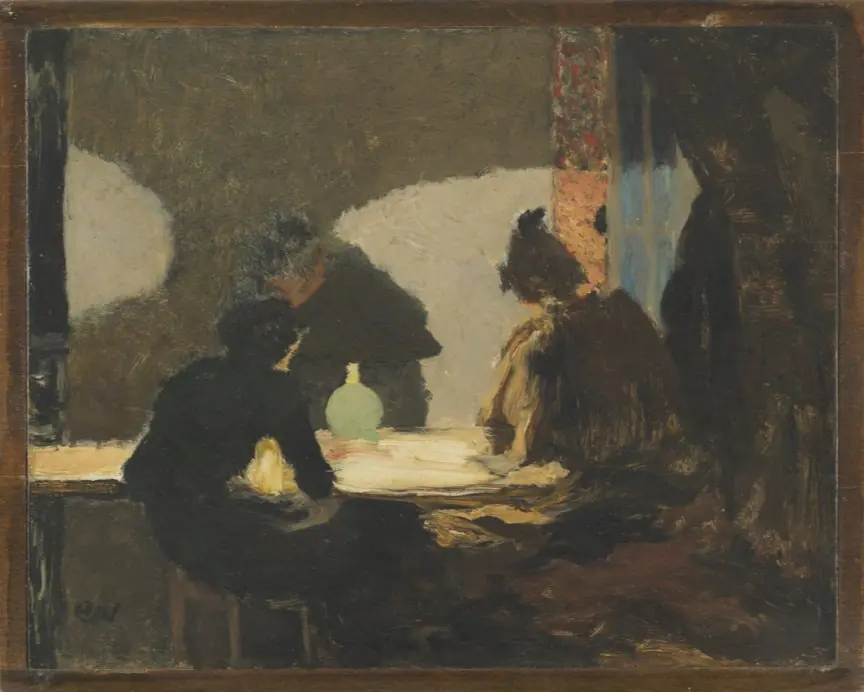
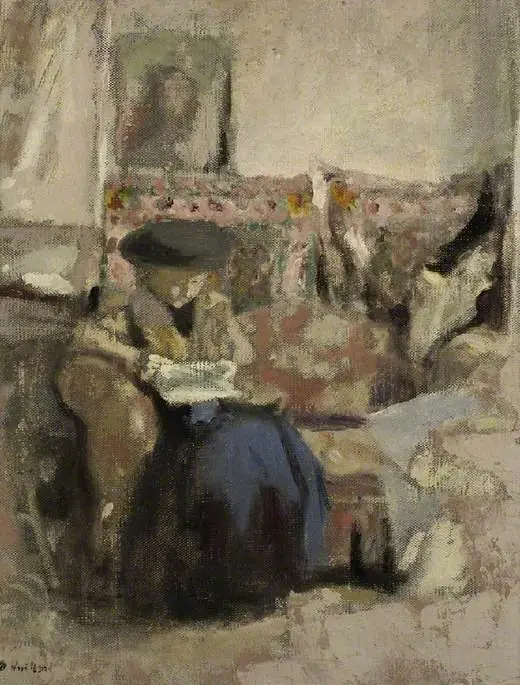
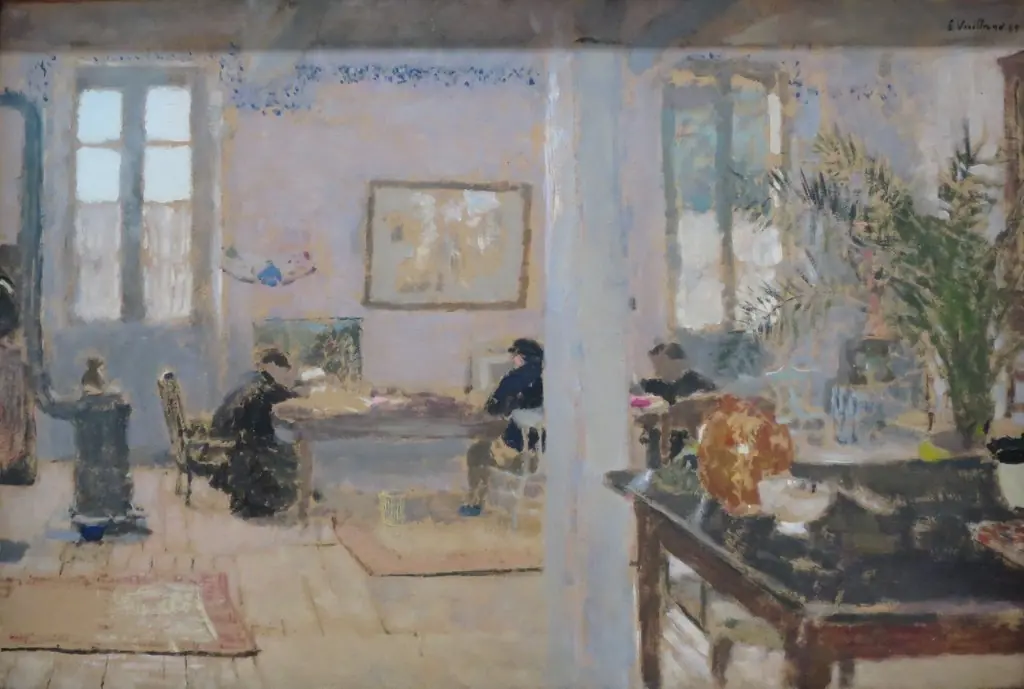
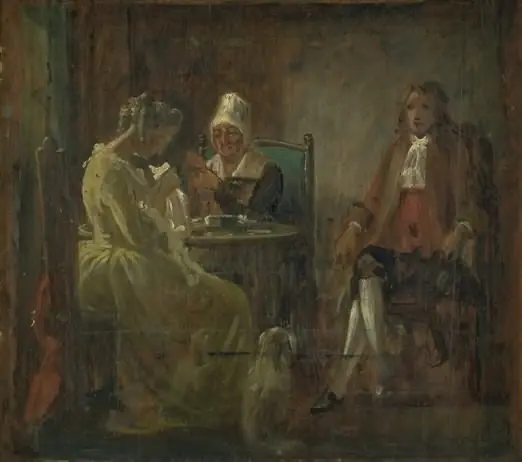
Two women sit in stillness within a modest interior, their postures suggesting contemplation rather than interaction. The setting—a drawing room with a fireplace, shelf, and draped table—hints at domestic routine. Ensor avoids narrative drama, instead emphasizing atmosphere and solitude. The absence of clear identity or action invites quiet reflection on private moments, a recurring theme in his work during this phase.
Technique & Style
Ensor employs a restrained palette of browns, grays, and muted tones, aligning with the subdued light of an overcast afternoon. Brushwork is deliberate but not highly textured, avoiding the luminosity typical of Impressionism while retaining its attention to ambient conditions. The composition is balanced and spatially contained, with attention to the arrangement of furniture and objects to define the room’s quiet rhythm.
History & Provenance
Created during Ensor’s mature period in Ostend, the painting emerged from a time when he was actively participating in Les XX, a progressive Belgian artists’ collective. It remained in his possession until entering the Royal Museum of Fine Arts Antwerp’s collection, where it has been preserved as part of his broader oeuvre documenting Belgian domestic life and psychological subtlety.
Context
In the 1890s, Ensor was navigating between realism and emerging symbolic tendencies. While *Afternoon in Ostend* appears conventional in subject, its muted tone and deliberate stillness contrast with his more theatrical or grotesque works. It reflects a quieter strand of his practice, influenced by the everyday rhythms of Ostend and the broader European turn toward psychological interiority in art.
Legacy
Though less known than Ensor’s fantastical or satirical pieces, *Afternoon in Ostend* contributes to understanding his range as an observer of ordinary life. It stands as a quiet counterpoint to his more flamboyant works, illustrating his ability to convey emotional resonance through restraint. The painting remains a key example of late 19th-century Belgian interior scenes outside mainstream Impressionist trends.
Artist & collection
Artist
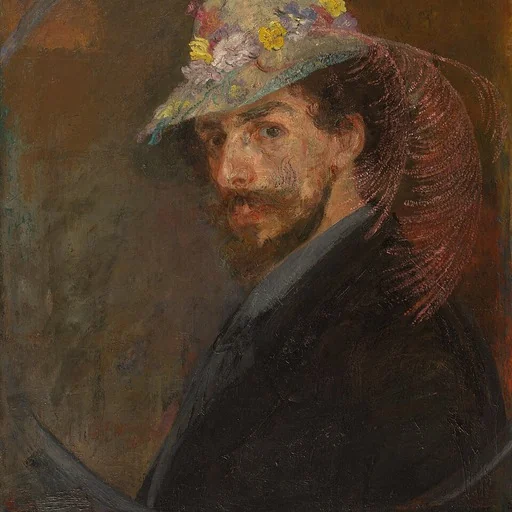
James Sidney Edouard, Baron Ensor (13 April 1860 – 19 November 1949) was a Belgian painter and printmaker, an important influence on expressionism and surrealism who lived in Ostend for most of his life.