Artwork
Les Petites Belges (Young Belgian Women)
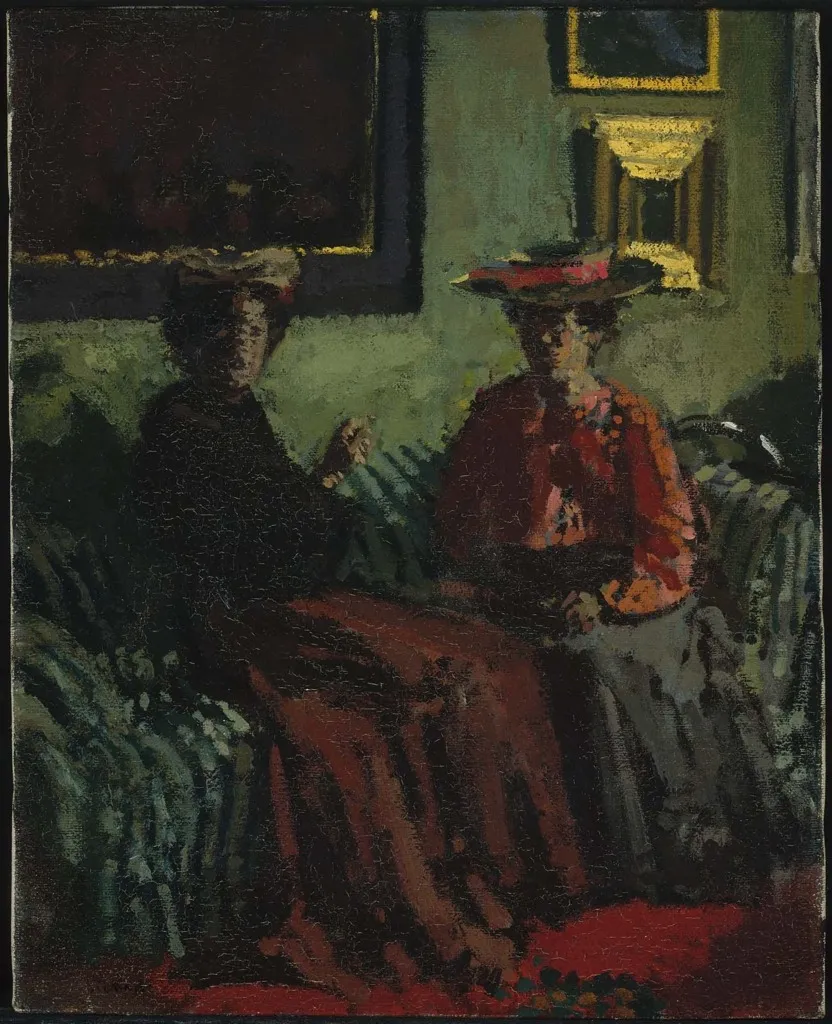
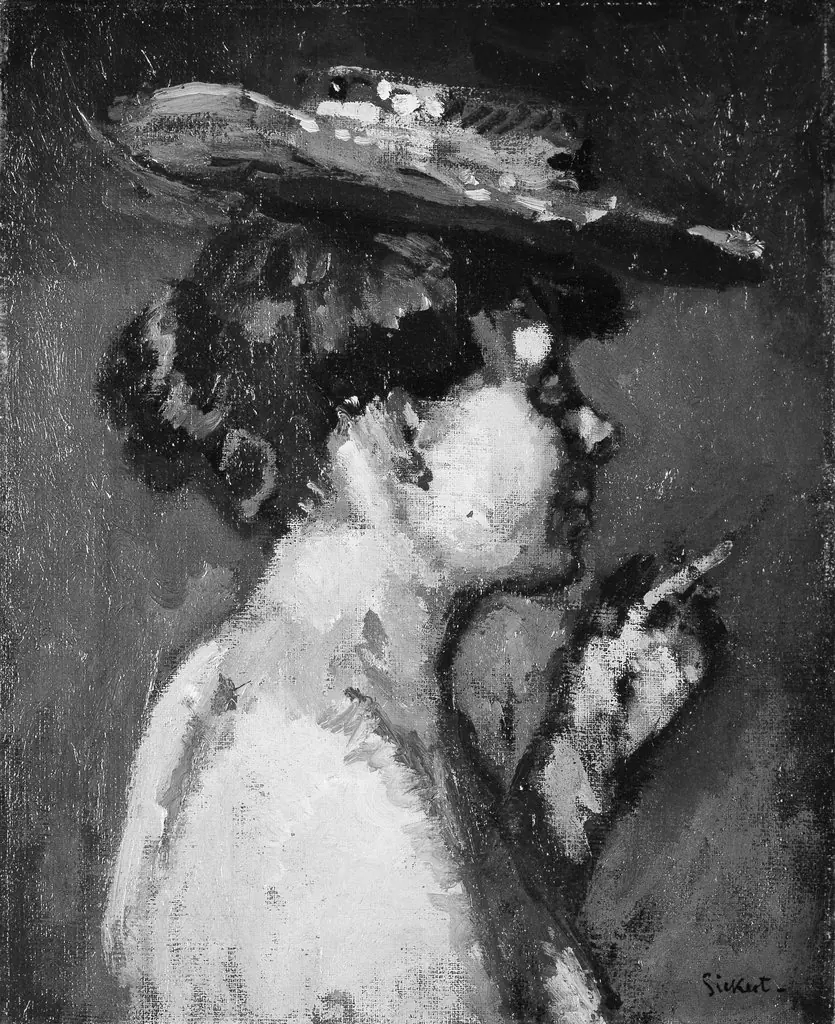
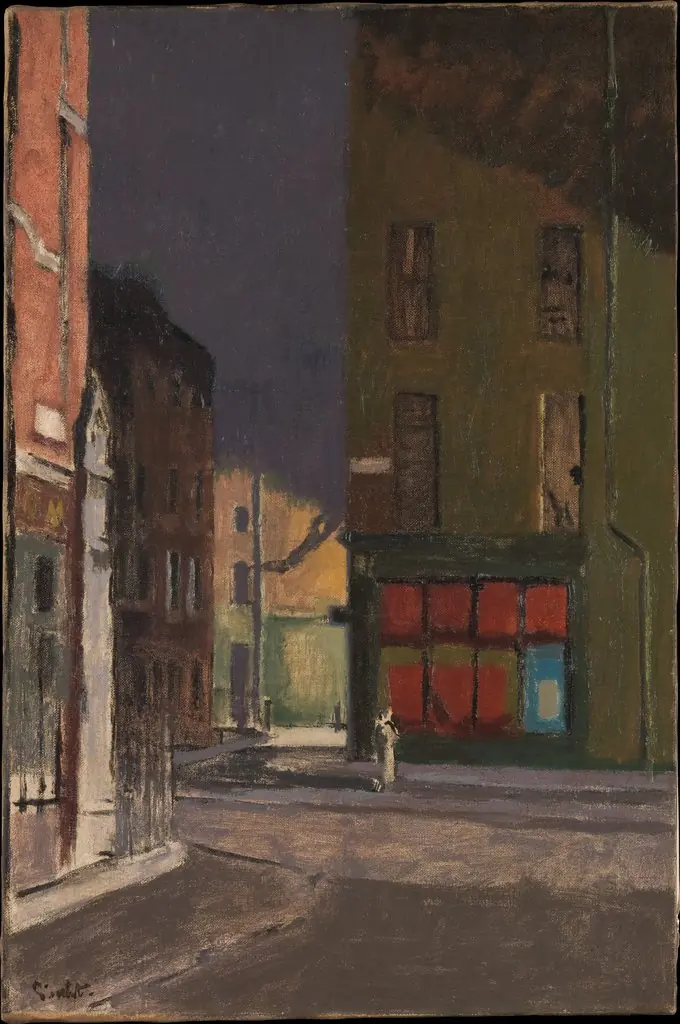
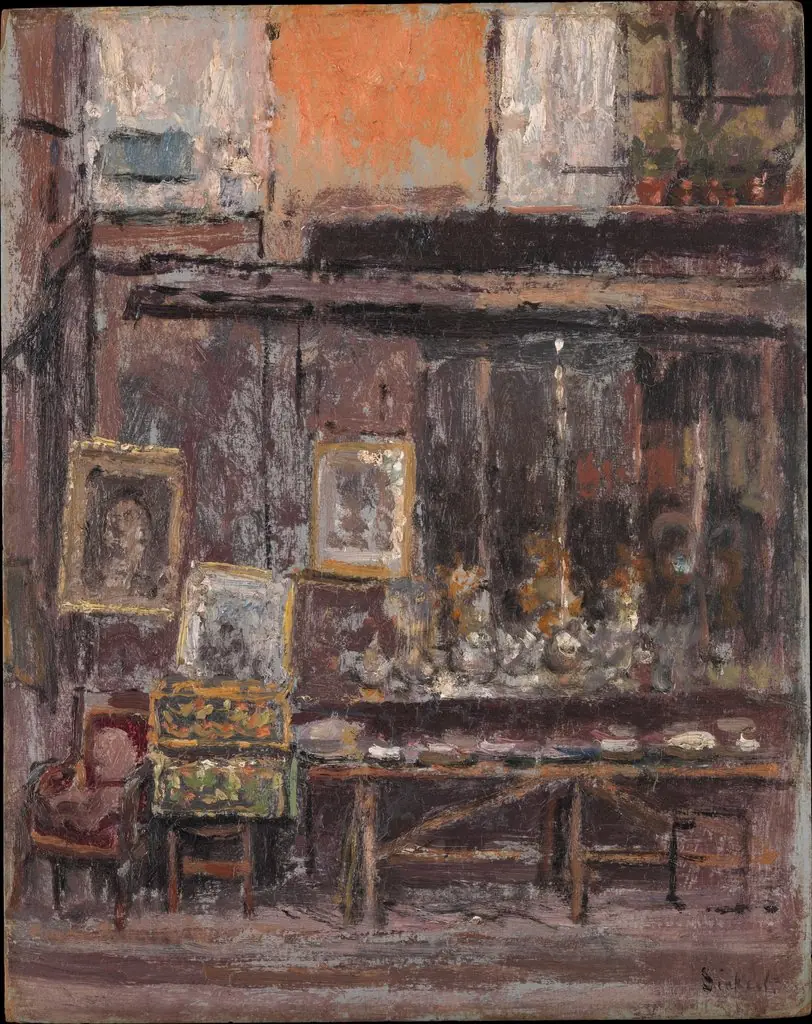
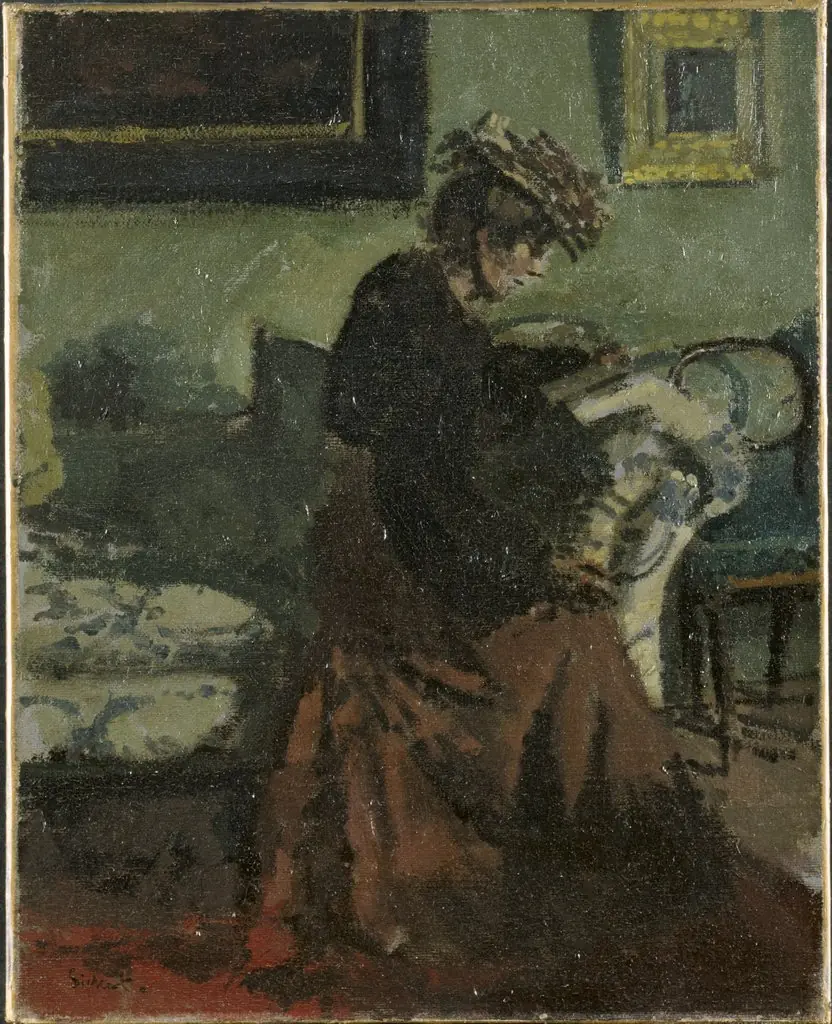
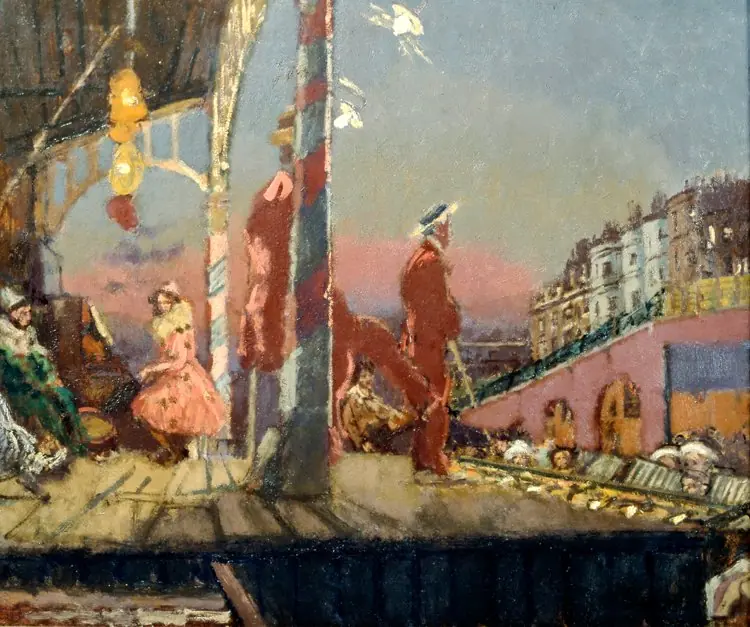
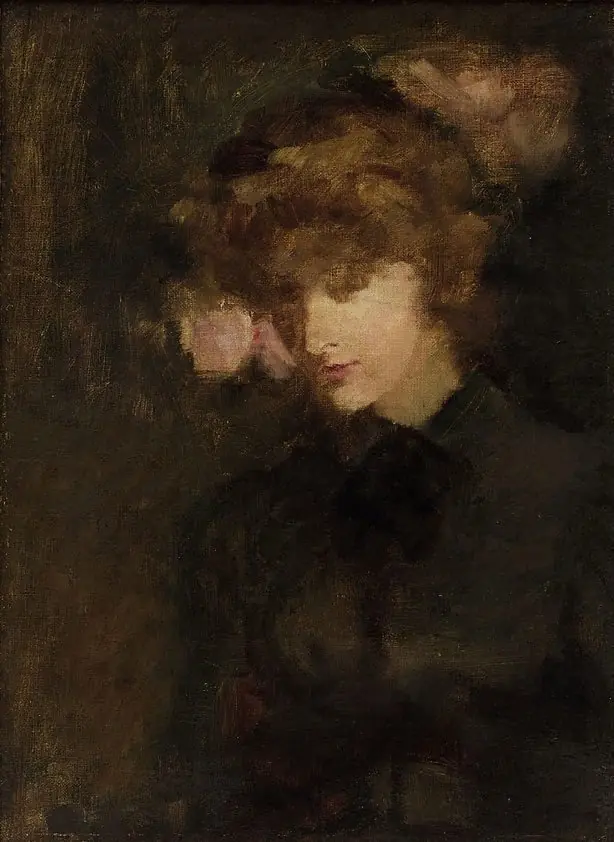
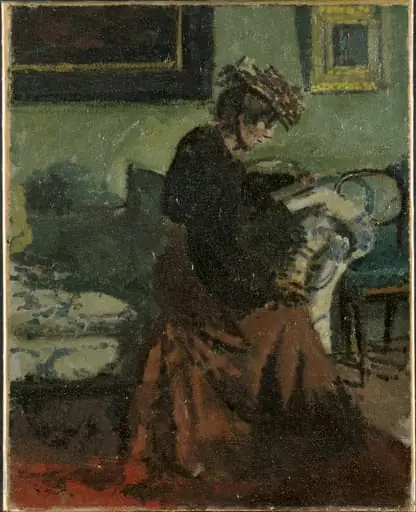
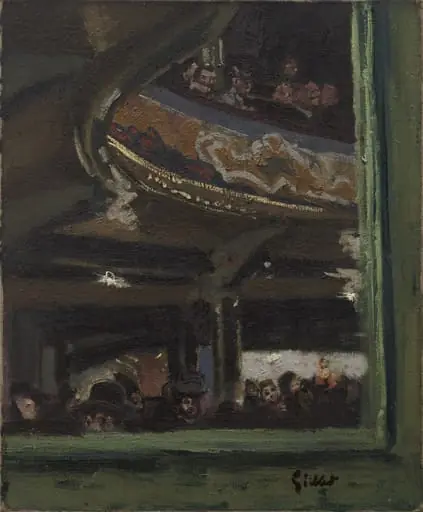
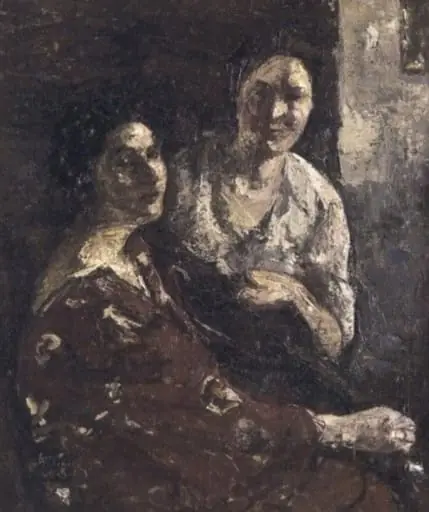
Les Petites Belges (Young Belgian Women) is an oil painting by the Post-Impressionist artist Walter Sickert. It dates from 1906 and is held in the collection of the Museum of Fine Arts Boston.
About this work
Overview
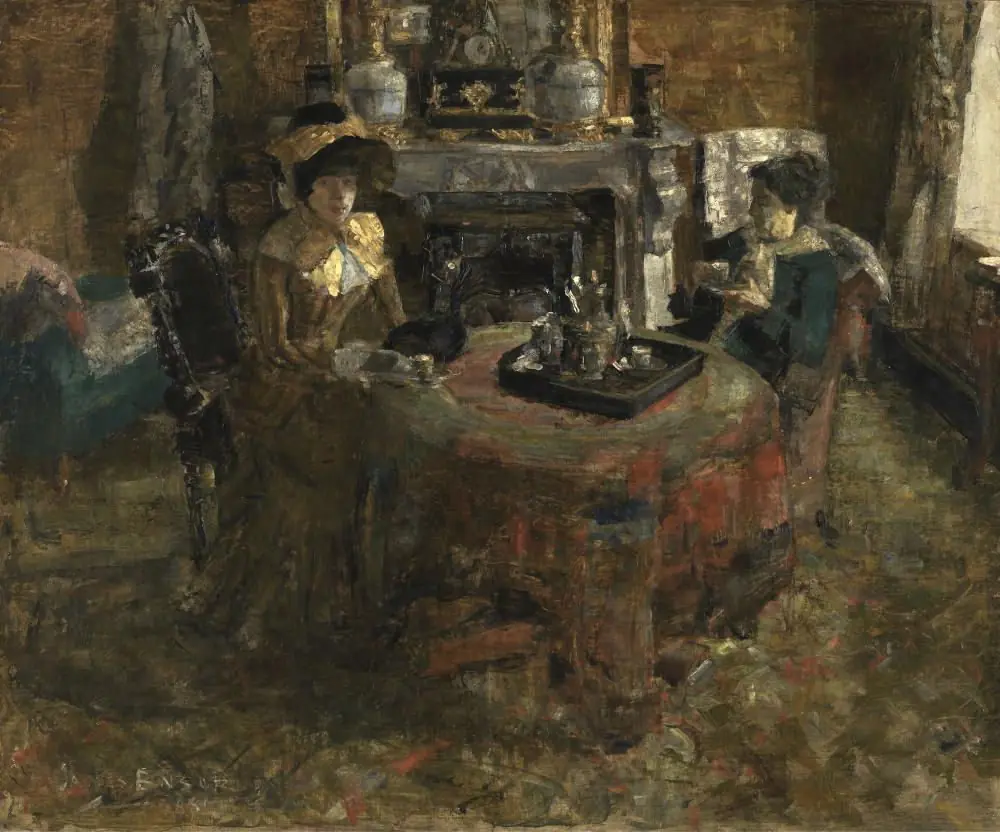
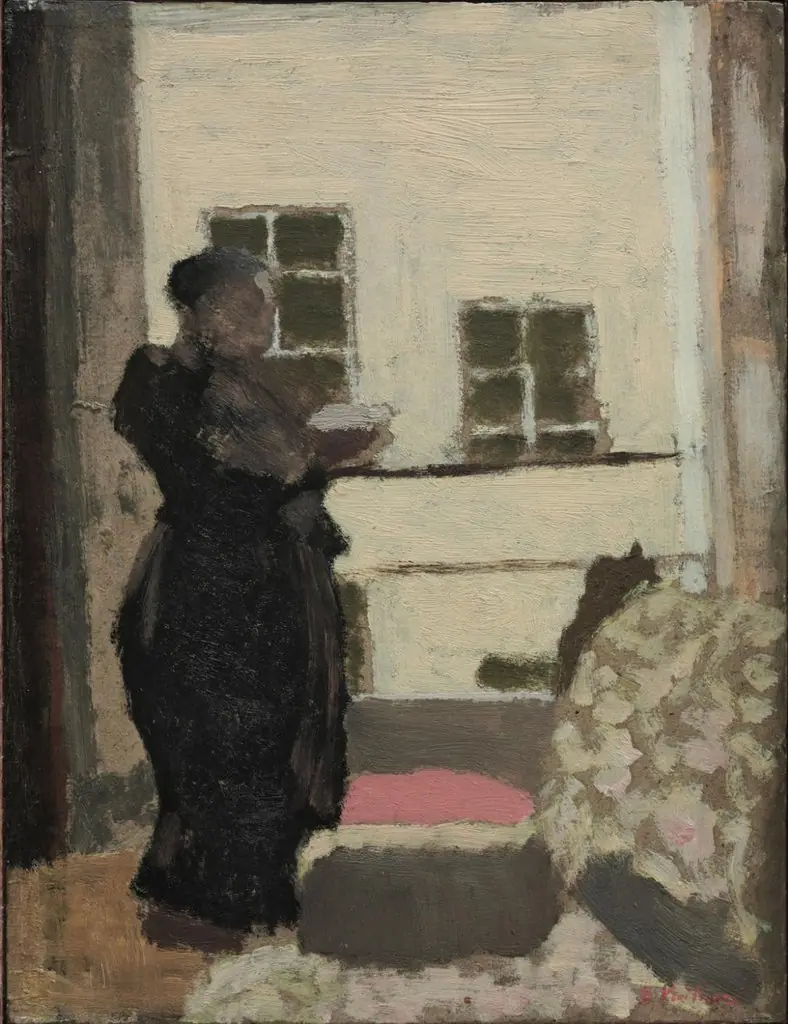
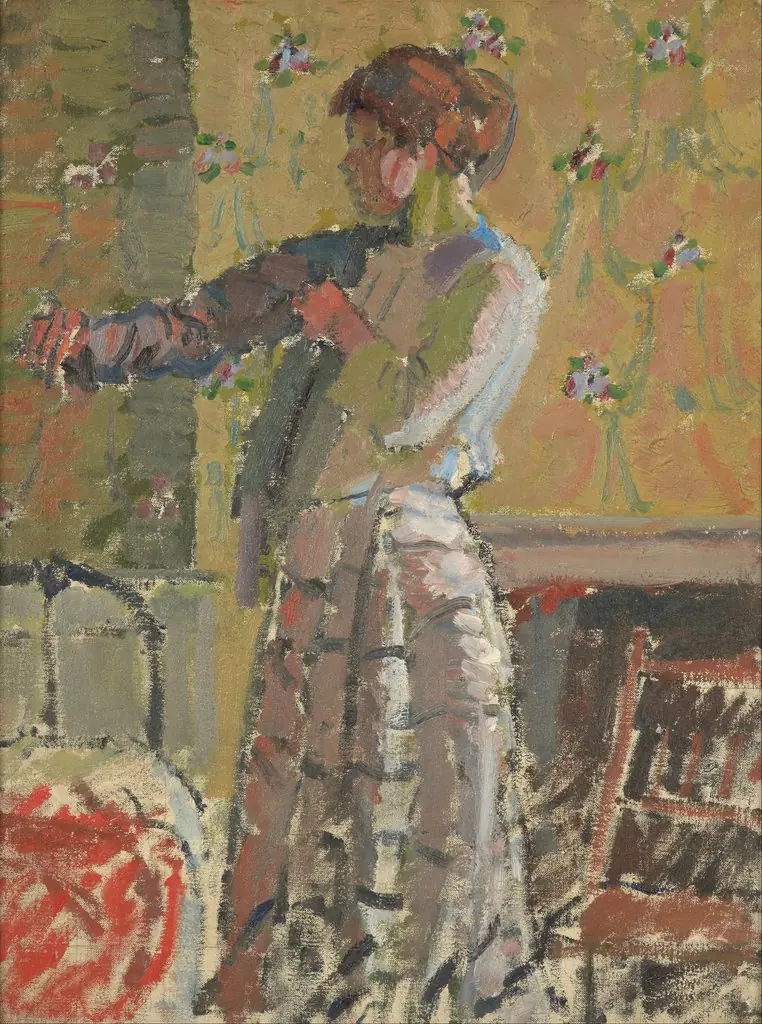
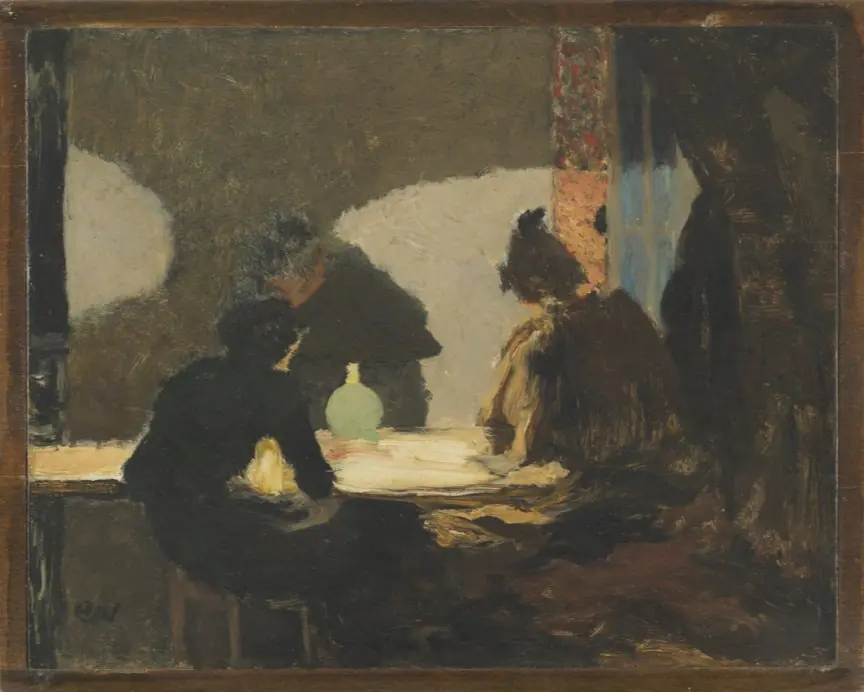
Walter Sickert’s *Les Petites Belges* (1906) is an oil painting portraying two women seated indoors, rendered with quiet observation.
Walter Sickert’s *Les Petites Belges* (1906) is an oil painting portraying two women seated indoors, rendered with quiet observation. Created during Sickert’s time in London, the work aligns with the Camden Town Group’s focus on everyday urban life. Though the subjects are Belgian, the setting and tone reflect Sickert’s broader interest in intimate, unidealized domestic spaces, avoiding theatricality in favor of restrained realism.
Subject & Meaning
The two women, dressed in modest, layered clothing and hats, sit side by side in a modest interior. Their stillness and lack of direct engagement suggest introspection or quiet companionship. Sickert avoids narrative drama, instead emphasizing presence over action. The title’s reference to their nationality hints at migration or displacement, subtly framing them as figures within a larger social landscape rather than as individuals with defined identities.
Technique & Style
Sickert employs a muted palette dominated by earth tones and subdued contrasts, with the red of one woman’s top serving as the only deliberate accent. Brushwork is deliberate but unobtrusive, favoring flat planes of color over detailed modeling. Light falls evenly, minimizing dramatic shadows, yet subtle tonal shifts define form and space. The composition is tightly framed, drawing attention to the figures’ proximity and the enclosed atmosphere of the room.
History & Provenance
Painted in 1906, the work emerged during Sickert’s most productive period in London, following his exposure to French Impressionism and his growing engagement with British social realism. It remained in private hands for much of the 20th century before entering a public collection. Its provenance reflects its status as a representative work of the Camden Town Group, valued more for its cultural resonance than for public acclaim during Sickert’s lifetime.
Context
In early 20th-century London, artists like Sickert turned away from grand historical themes toward the lives of ordinary people. *Les Petites Belges* reflects this shift, capturing immigrants or travelers in a domestic setting—a quiet counterpoint to the bustling city outside. The painting resonates with broader European anxieties about identity, mobility, and class, rendered without sentimentality or moral judgment.
Legacy
The painting contributes to Sickert’s reputation as a painter of psychological subtlety and spatial restraint. It influenced later British realists who sought to depict modern life with emotional neutrality. Though not widely exhibited during his career, *Les Petites Belges* is now recognized as a key example of how Post-Impressionism in Britain evolved into a distinct mode of social observation, grounded in quietude rather than spectacle.
Artist & collection

Artist
Walter Richard Sickert (31 May 1860 – 22 January 1942) was a German-born British painter and printmaker who was a member of the Camden Town Group of Post-Impressionist artists in early 20th-century London.