Artwork
Still Life with Chinoiseries
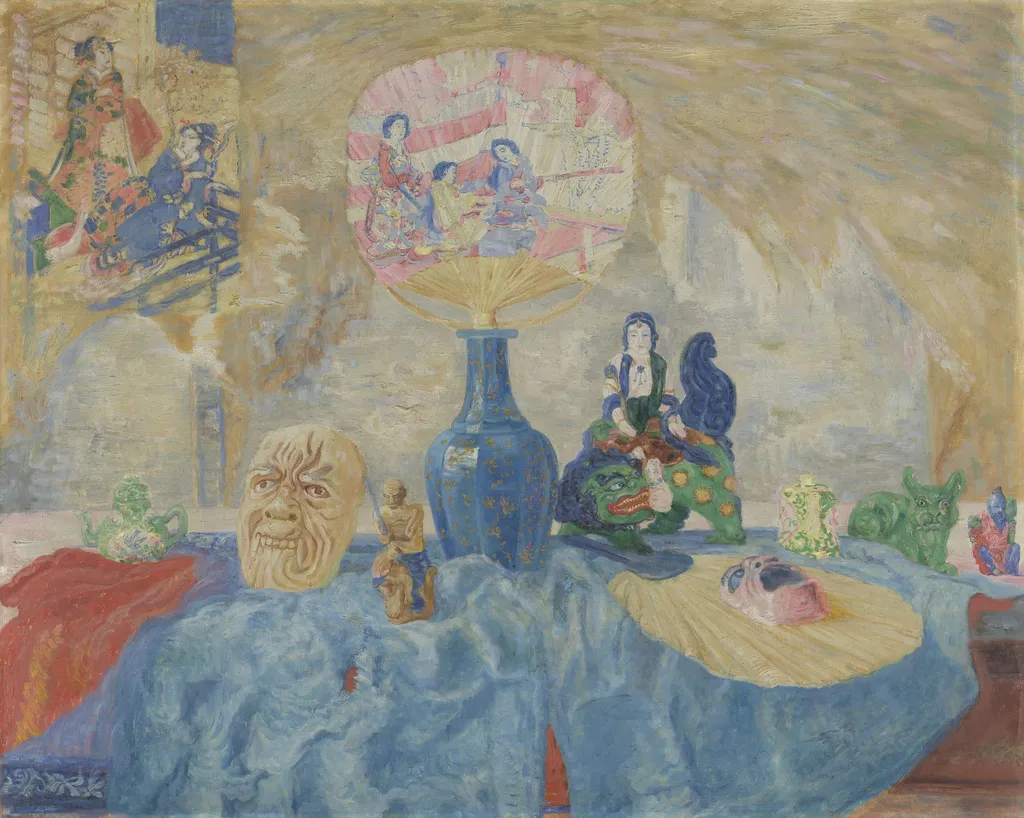
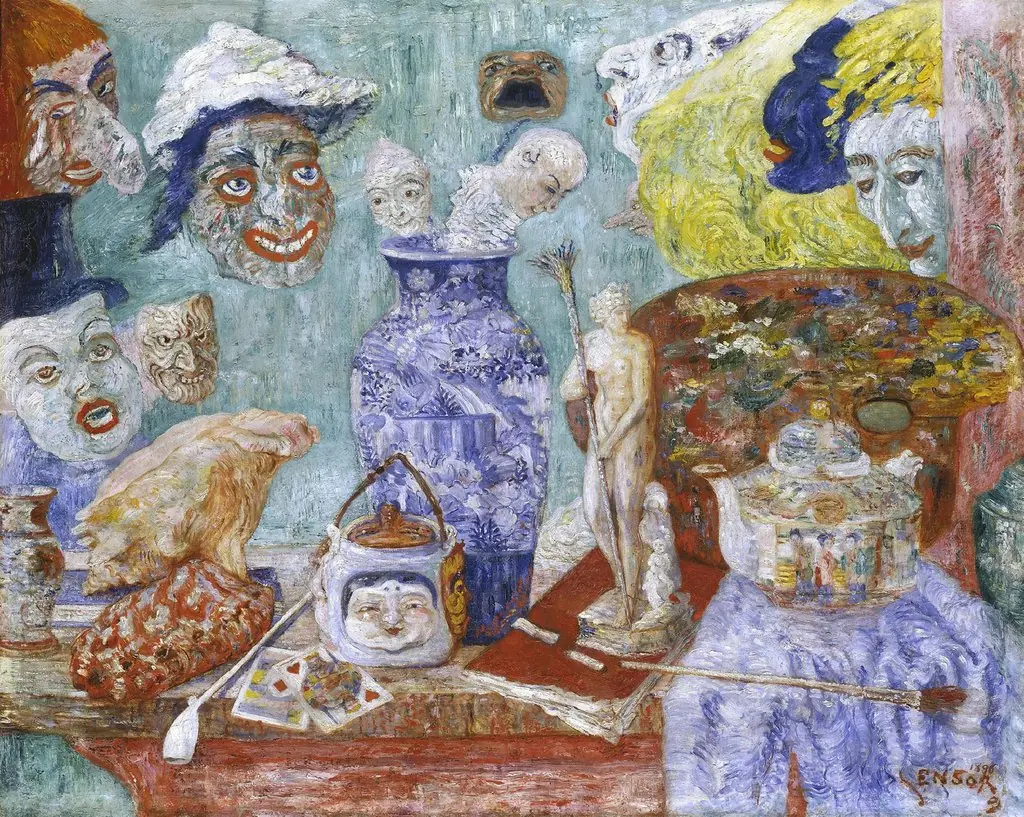
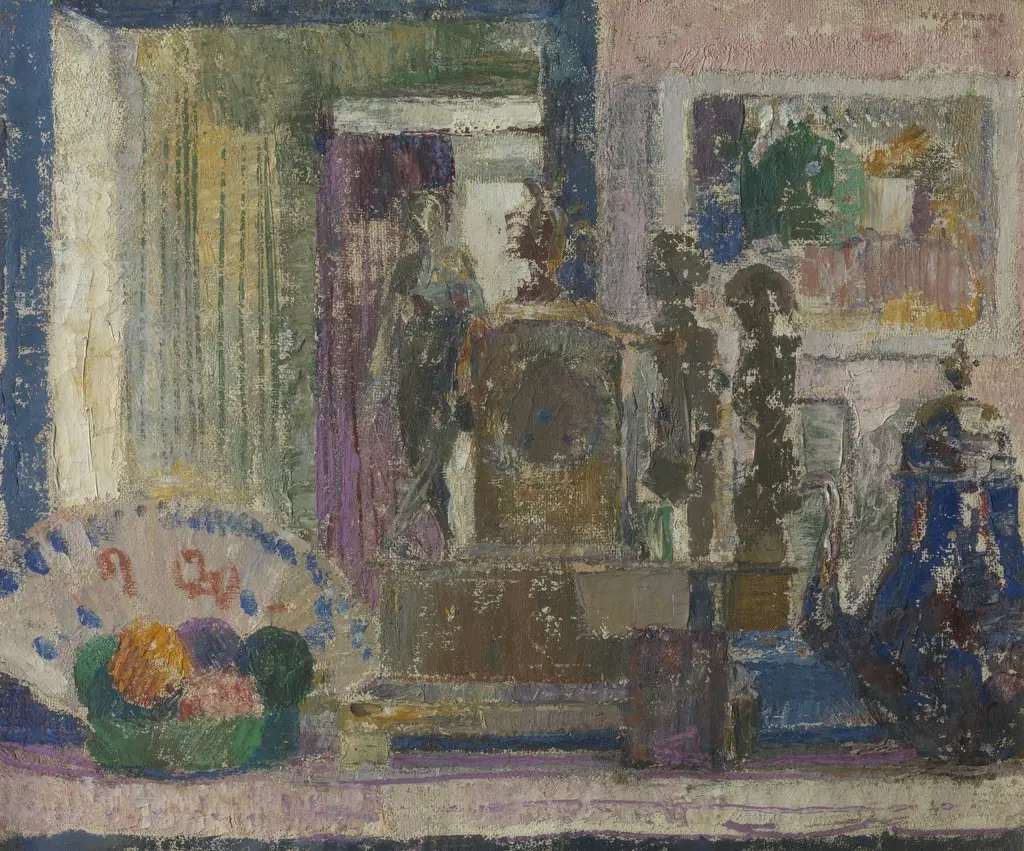
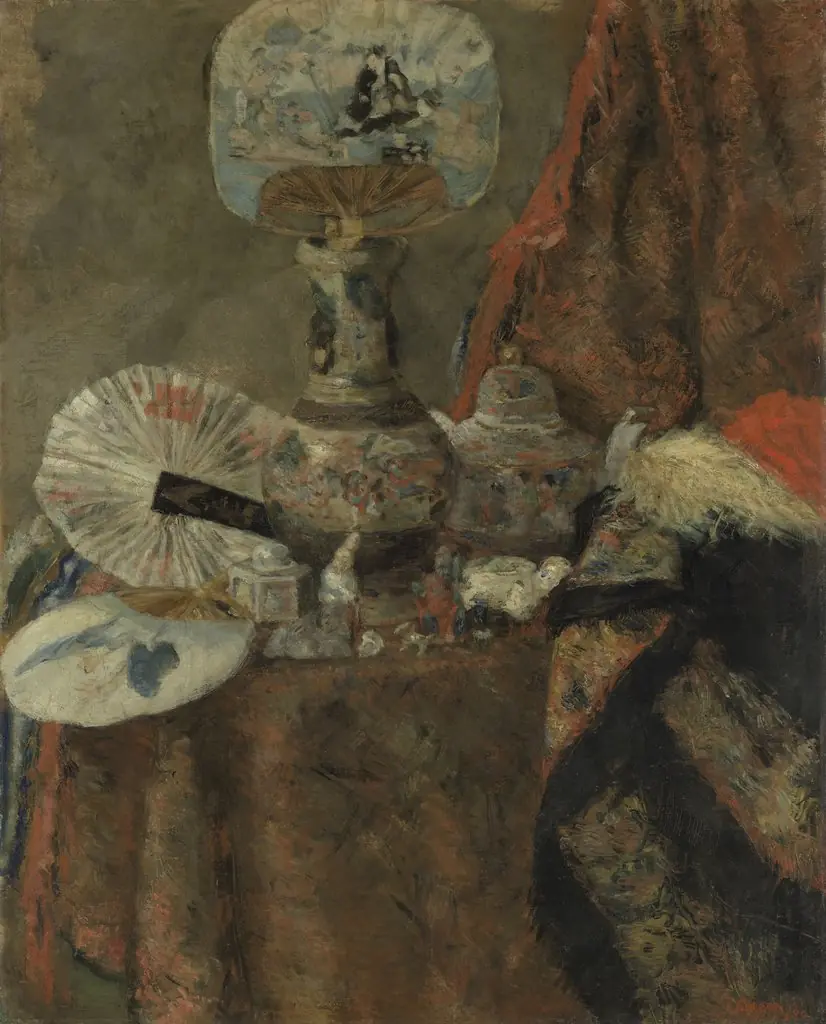
Still Life with Chinoiseries is an oil painting by the Post-Impressionist artist James Ensor. It dates from 1906 and is held in the collection of the Royal Museum of Fine Arts Antwerp.
About this work
Overview
Still Life with Chinoiseries is a 1906 oil painting by James Ensor, a Belgian artist associated with the post-impressionist movement and the group Les XX. The work features a cluttered still life arrangement.
Subject & Meaning
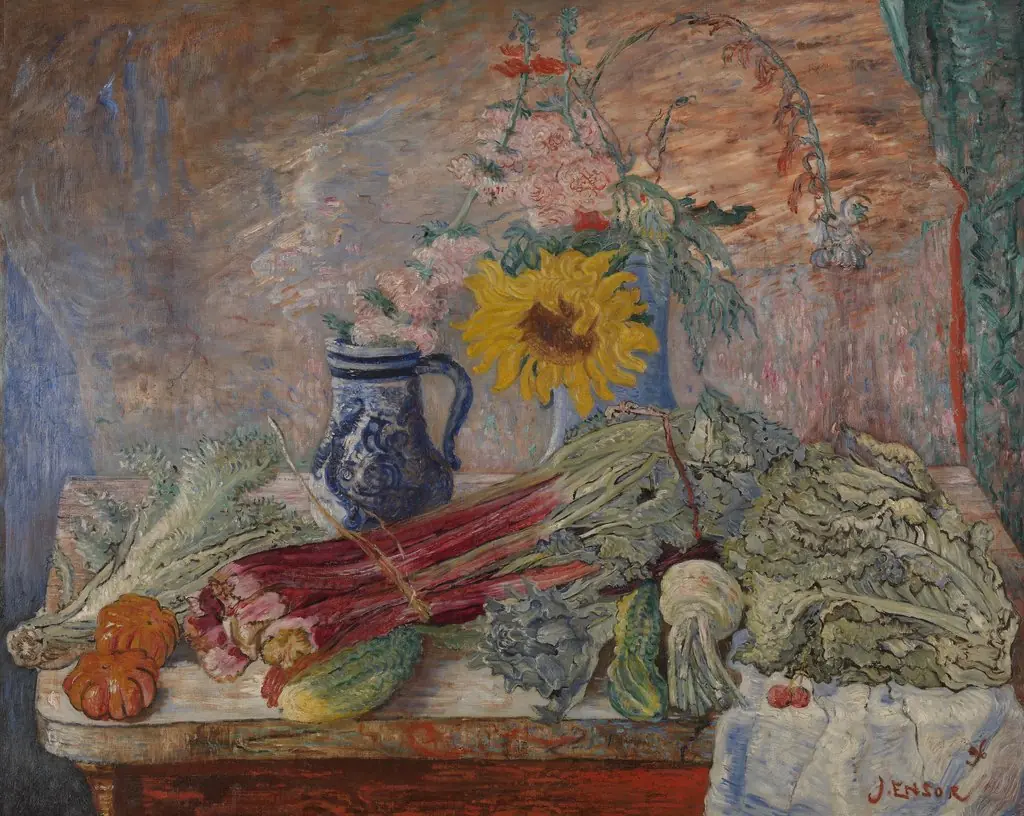
The painting depicts a table crowded with diverse objects, including a blue and gold chinoiserie vase, a grotesque mask with a menacing grin, small statues, a doll, and a fan-shaped artwork inspired by traditional Chinese scenes. These elements create a sense of eclectic, chaotic composition.
Technique & Style
Ensor employed thick, uneven brushstrokes and impasto techniques, applying paint in heavy layers to achieve a rough, almost haphazard texture. The color palette, though bright, contributes to the overall impression of disorder.
History & Provenance
Still Life with Chinoiseries is part of the collection at the Royal Museum of Fine Arts Antwerp.
Context
Created in 1906, the painting reflects Ensor's engagement with post-impressionist principles, emphasizing expressive brushwork and vivid color over realistic representation. The inclusion of chinoiserie elements also touches on the early 20th-century European fascination with Asian aesthetics.
Legacy
While specific legacy details of *Still Life with Chinoiseries* are not highlighted in the provided information, as a work by James Ensor, it contributes to the broader understanding of his contribution to post-impressionism and the evolution of European modern art.
Own this work as a print
Artist & collection
Artist
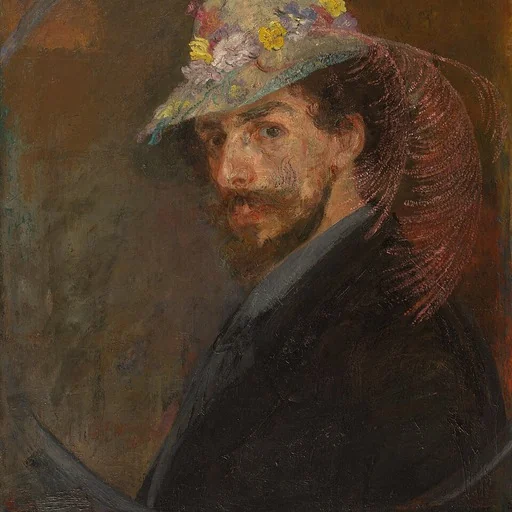
James Sidney Edouard, Baron Ensor (13 April 1860 – 19 November 1949) was a Belgian painter and printmaker, an important influence on expressionism and surrealism who lived in Ostend for most of his life.