Artwork
The Sombre Lady
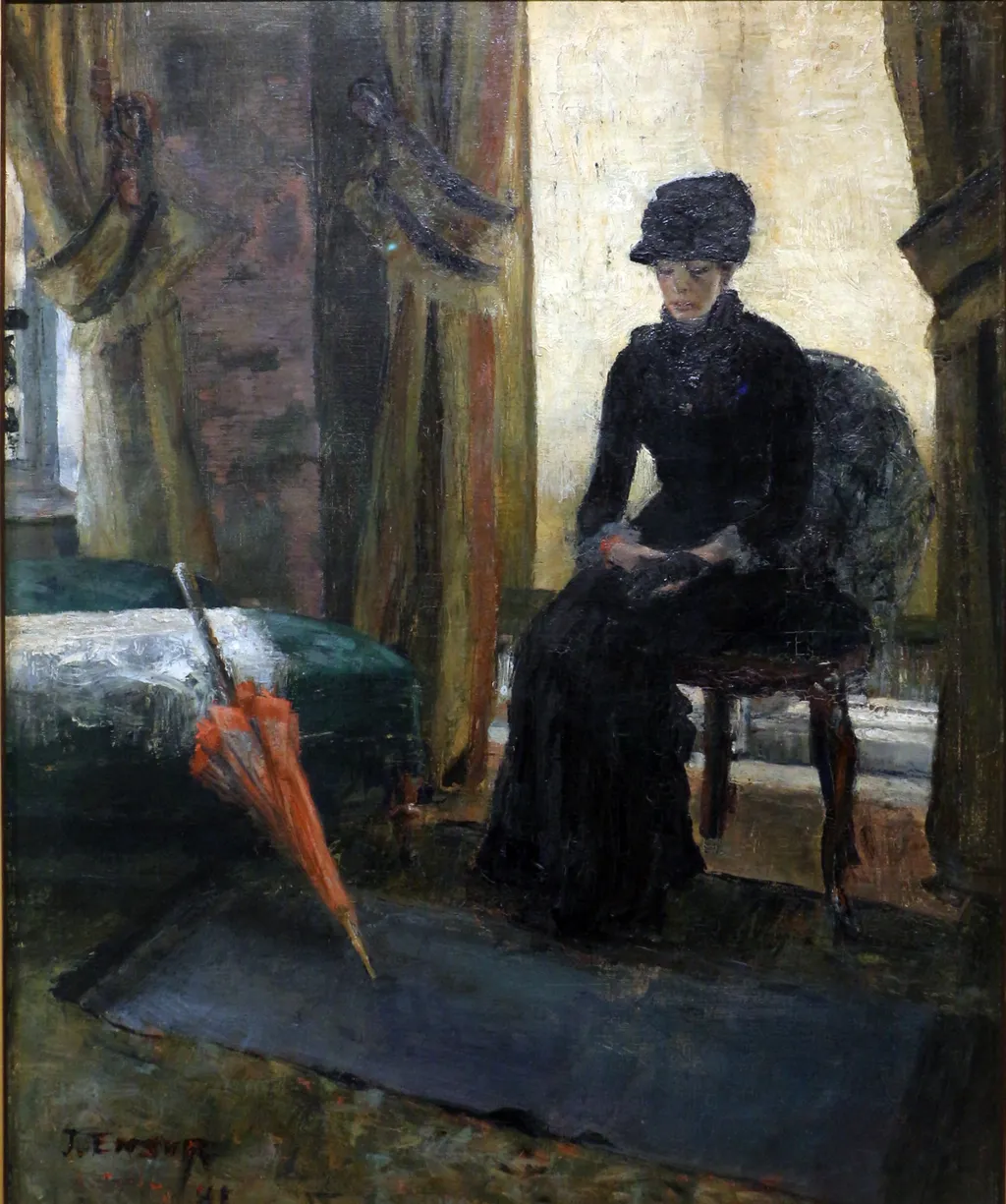
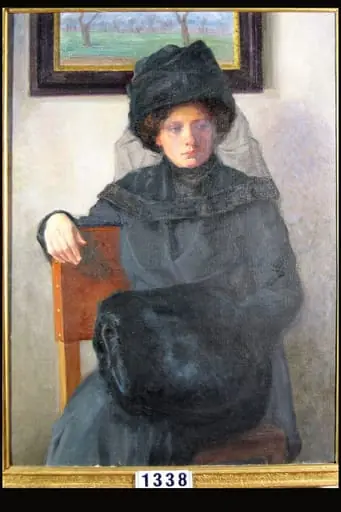
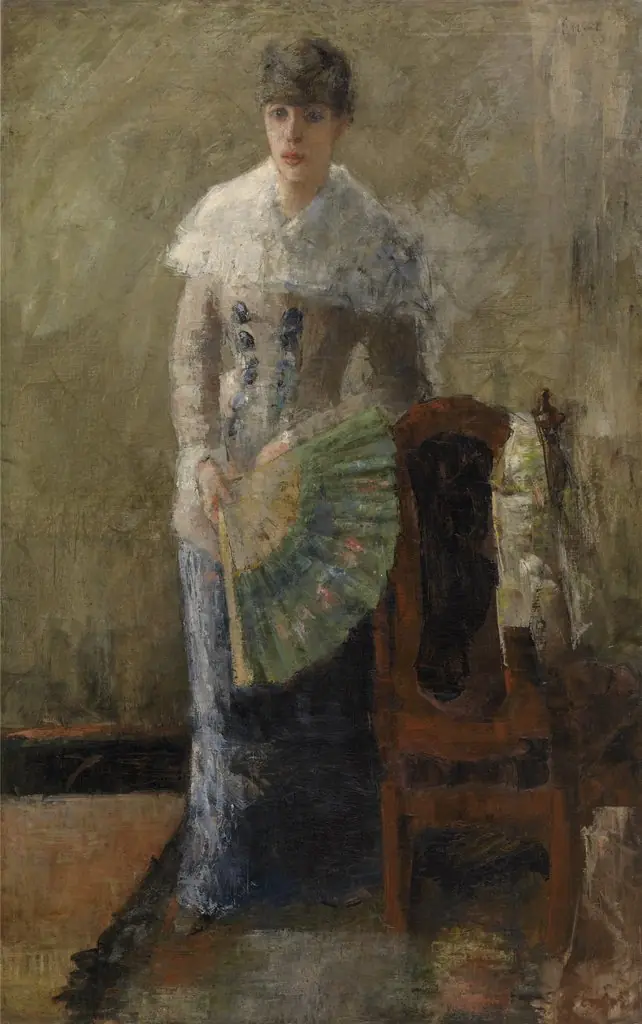
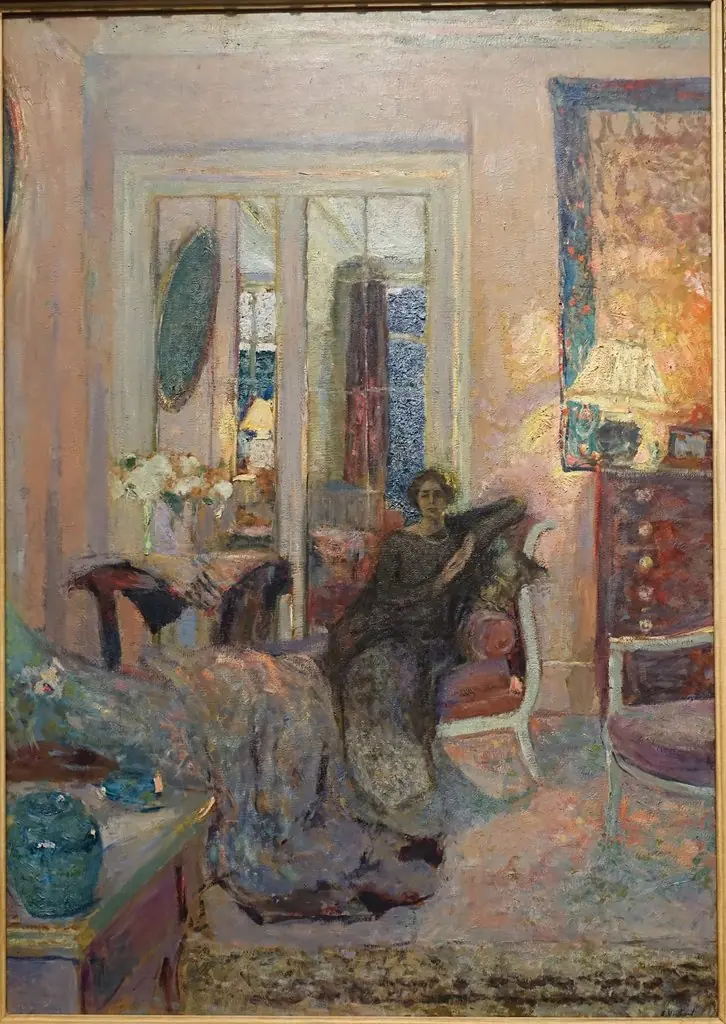
The Sombre Lady is an oil painting by the Post-Impressionist artist James Ensor. It dates from 1891 and is held in the collection of the Royal Museums of Fine Arts of Belgium.
About this work
Overview
Painted in 1891 by Belgian artist James Ensor, *The Sombre Lady* is an oil on canvas work that reflects his engagement with post-impressionist sensibilities.
Painted in 1891 by Belgian artist James Ensor, *The Sombre Lady* is an oil on canvas work that reflects his engagement with post-impressionist sensibilities. Created during a period of intense personal and artistic exploration, the piece is part of the Royal Museums of Fine Arts of Belgium’s collection. Ensor, who lived and worked primarily in Ostend, developed a distinctive visual language that diverged from mainstream trends of his time.
Subject & Meaning
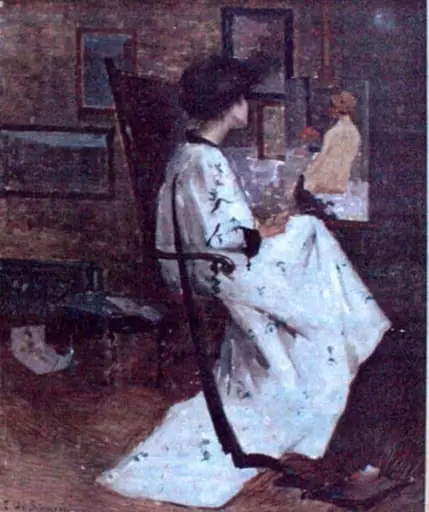
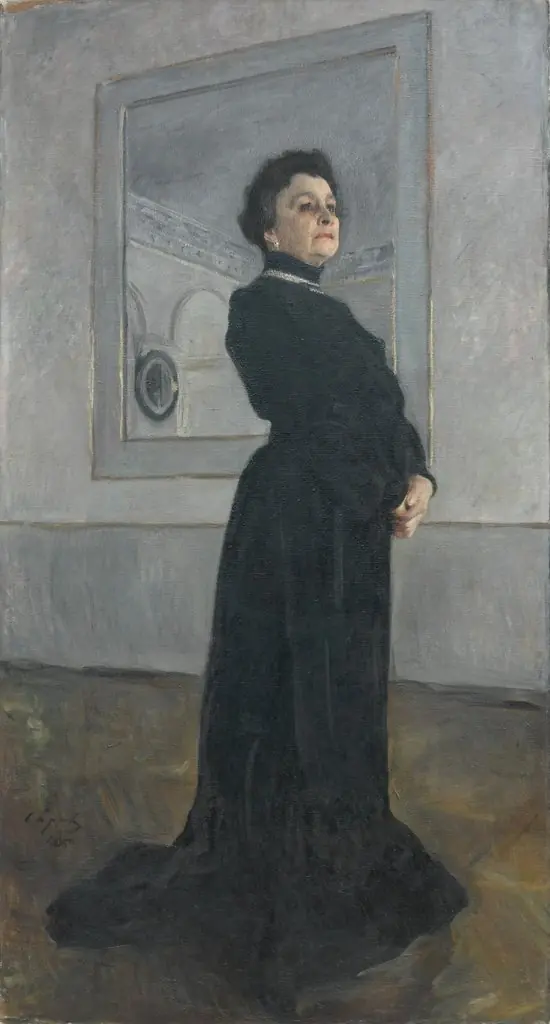
The painting portrays a woman seated in a dim interior, her face obscured and posture withdrawn. Dressed in black with a hat and holding an orange umbrella, she appears isolated within a sparse room. The absence of facial detail invites ambiguity, suggesting inner solitude rather than narrative specificity. The muted palette and quiet composition evoke a mood of contemplation, possibly reflecting themes of alienation or psychological depth common in Ensor’s later work.
Technique & Style
Ensor employed oil paint with restrained brushwork, favoring subdued tones and soft transitions to convey atmosphere over detail. Light enters faintly through a window, casting minimal illumination across the room’s dark furnishings and the woman’s form. The contrast between the muted surroundings and the vivid orange of the umbrella introduces a subtle tension. The composition avoids dramatic perspective, emphasizing stillness and psychological weight over spatial realism.
History & Provenance
Created in 1891, the painting remained within Ensor’s circle until it entered the collection of the Royal Museums of Fine Arts of Belgium. It was not widely exhibited during his lifetime but gained recognition as part of broader reassessments of his oeuvre in the 20th century. Its preservation in a major national institution underscores its significance in documenting Ensor’s evolution beyond his early satirical prints toward more introspective imagery.
Context
Ensor was associated with the avant-garde group Les XX, which championed experimental art in late 19th-century Belgium. While contemporaries explored color and form in new ways, Ensor turned inward, using domestic scenes to explore emotional states. *The Sombre Lady* aligns with his growing interest in psychological ambiguity, foreshadowing themes later central to expressionism and surrealism, even as it resists easy categorization.
Legacy
Though not among Ensor’s most famous works, *The Sombre Lady* exemplifies his shift from social satire to intimate, enigmatic portraiture. Its quiet intensity influenced later artists drawn to psychological depth and atmospheric ambiguity. The painting contributes to the understanding of how Belgian modernism developed distinctively, emphasizing inner life over external spectacle, and remains a quiet anchor in the narrative of early modern European painting.
Artist & collection
Artist
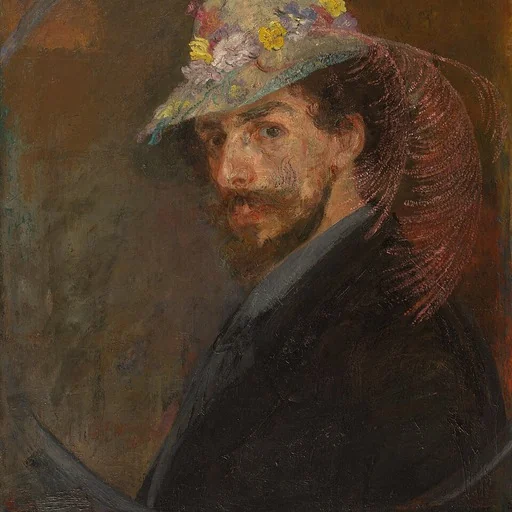
James Sidney Edouard, Baron Ensor (13 April 1860 – 19 November 1949) was a Belgian painter and printmaker, an important influence on expressionism and surrealism who lived in Ostend for most of his life.

Museum
Royal Museums of Fine Arts of Belgium
Continue through works from the same source collection.