Artwork
Untitled
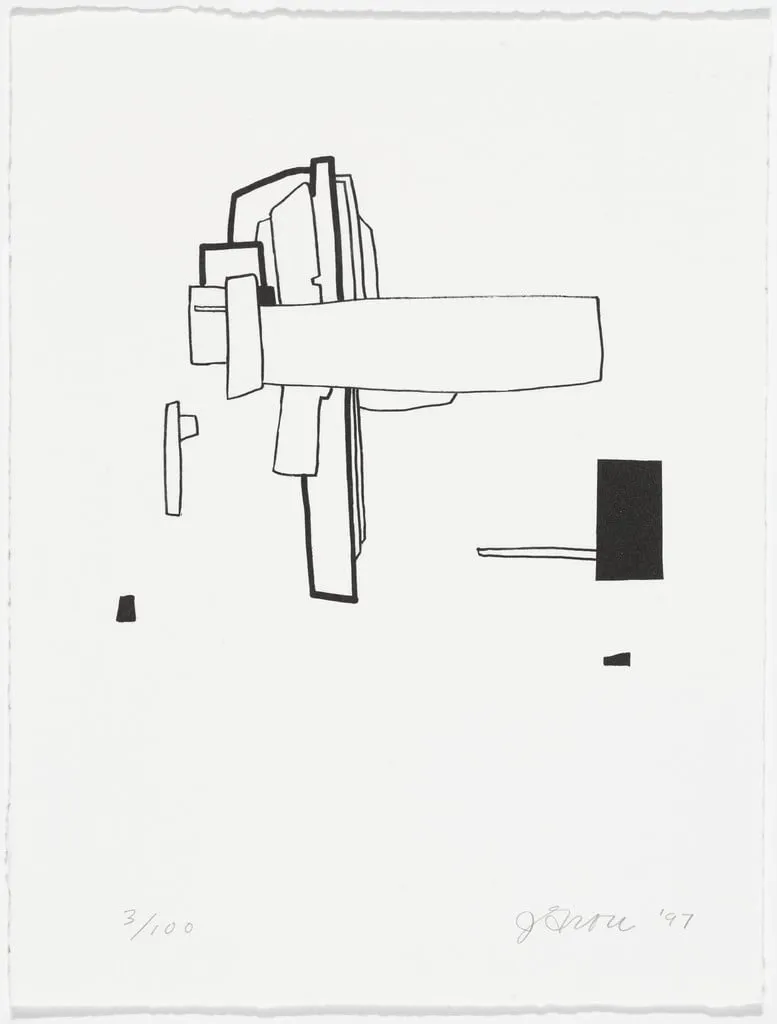
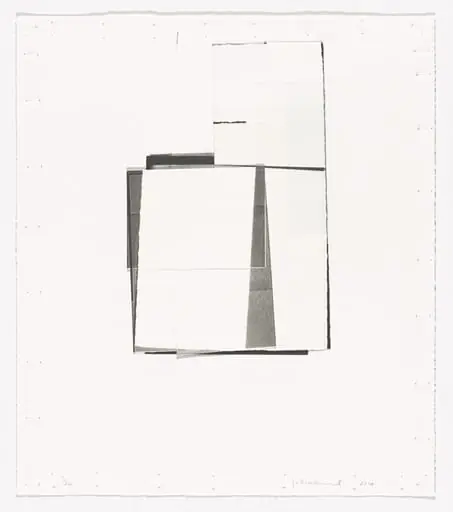
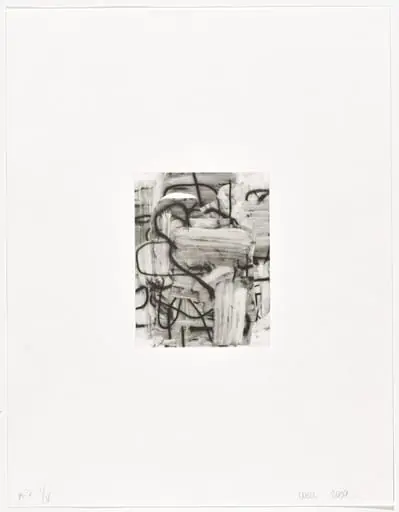
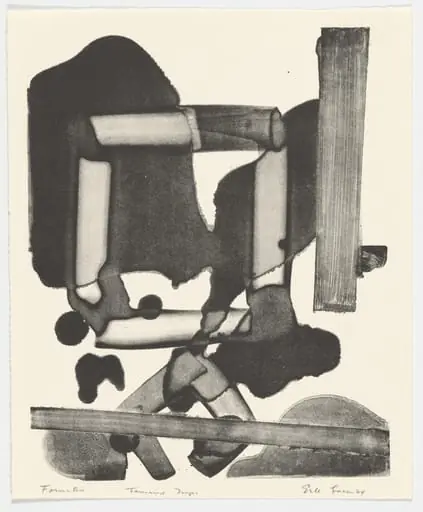
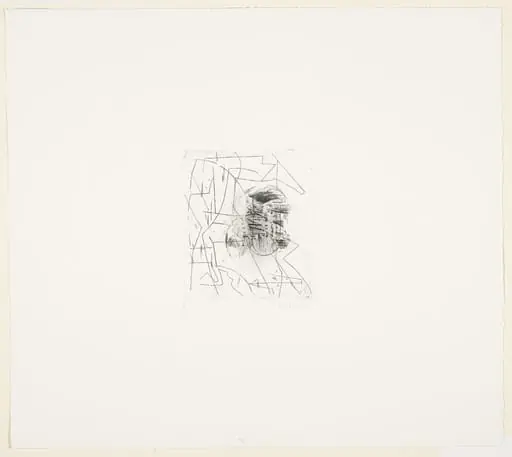
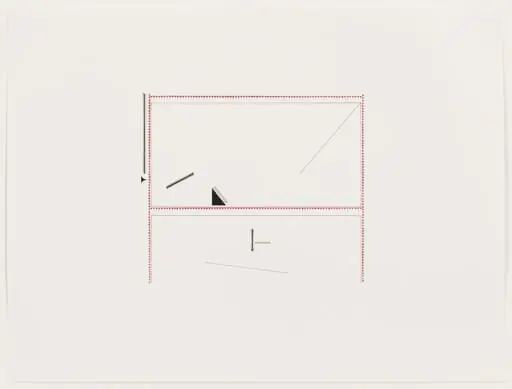
Untitled is an ink print by James Gross. It dates from 1997 and is held in the collection of the Museum of Modern Art.
About this work
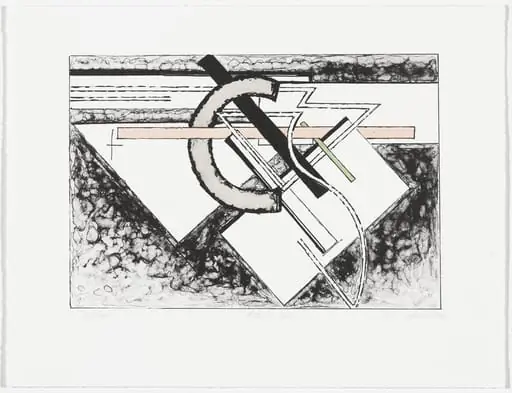
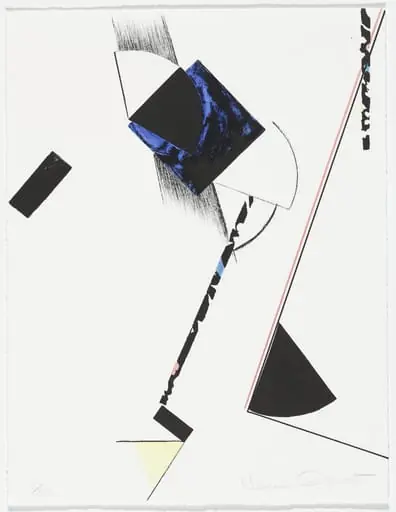
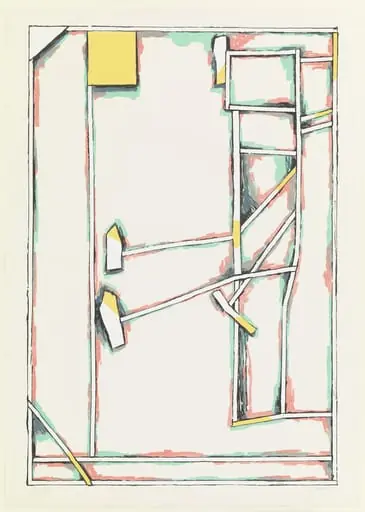
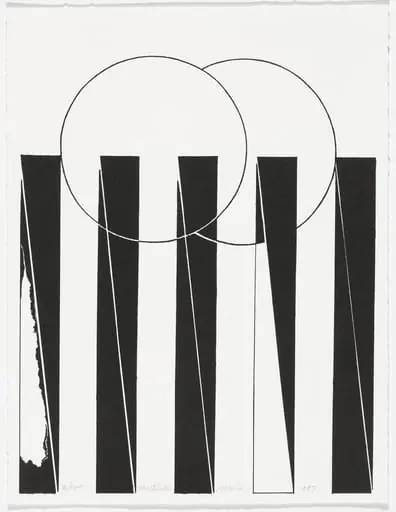
This drawing looks like a simple kitchen sink. It’s just black lines and shapes on white paper. The faucet sticks out funny, and there’s a small dark square next to it—maybe a soap dispenser.
The artist made this in 1997 as part of a set of 40 prints. It’s not flashy, but the way he simplifies things makes it feel fresh.
Check out how this was made using lithography.
Overview
Untitled is a lithograph from 1997, one of forty prints in a portfolio by James Gross. It resides in the collection of The Museum of Modern Art. The work presents a minimalist depiction of a kitchen sink using only black ink on white paper, with no color or shading. Its restrained visual language emphasizes form over detail, inviting quiet contemplation rather than dramatic effect.
Subject & Meaning
The subject is a domestic sink, rendered with sparse, precise lines. A faucet extends at an unusual angle, and a small dark shape beside it suggests a soap dispenser. No other elements are present. The absence of context or narrative focuses attention on the object’s geometry and function, transforming an ordinary fixture into a neutral, almost abstract study of everyday form.
Technique & Style
Executed in lithography, the print relies on the medium’s capacity for fine, linear precision. Gross uses clean, unmodulated contours to define the sink’s structure, avoiding texture or tone. The stark contrast between ink and paper enhances clarity, while the deliberate simplification reflects a modernist tendency to distill objects to their essential outlines.
History & Provenance
Created in 1997, the work belongs to a portfolio of forty lithographs produced by Gross that year. It entered The Museum of Modern Art’s collection shortly after its completion, likely as part of the museum’s broader interest in postwar American printmaking. No public record of prior ownership exists, suggesting direct acquisition from the artist or publisher.
Context
Made during a period when many artists revisited minimalism and everyday subjects, Gross’s print aligns with a trend of stripping domestic scenes to their structural core. Unlike photorealism or narrative-driven work, this piece avoids symbolism, instead engaging with the quiet dignity of mundane objects through reduction and clarity.
Legacy
Though not widely exhibited outside institutional settings, the print contributes to a quieter lineage of 20th-century American printmaking that values restraint. Its inclusion in MoMA’s collection affirms its role as a representative example of late-century lithographic experimentation focused on ordinary subjects, influencing later artists who prioritize simplicity over spectacle.
Artist & collection