Artwork
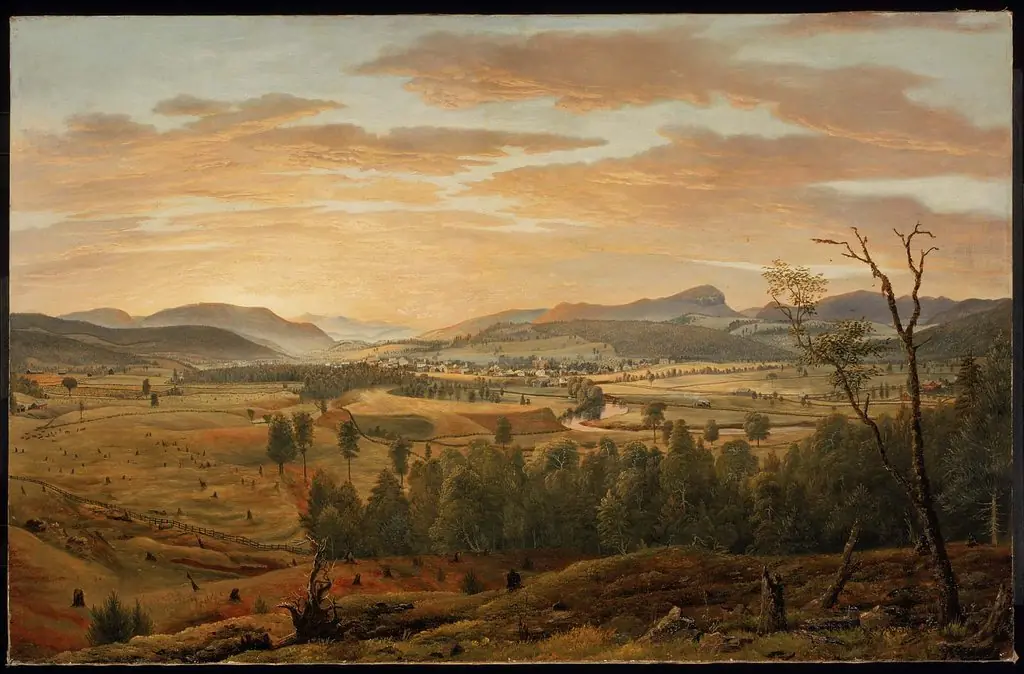
Burragorang Valley near Picton
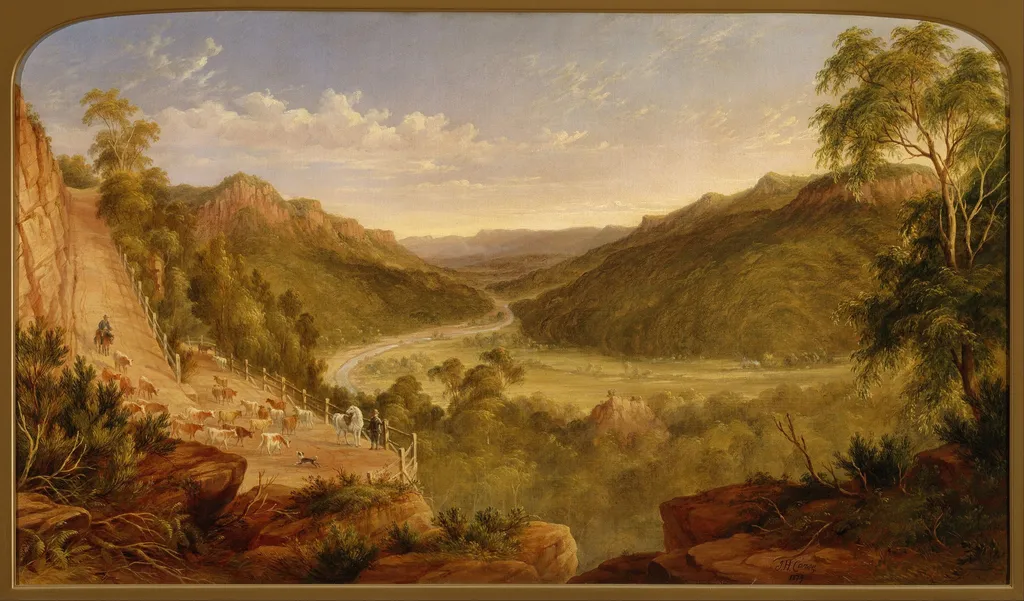
Burragorang Valley near Picton is an oil painting by the Impressionist artist James Howe Carse. It dates from 1890 and is held in the collection of the Art Gallery of New South Wales.
About this work
Overview
Burragorang Valley near Picton is a landscape painting created by James Howe Carse in 1890, utilizing oil paint. The work captures a serene scene of the Burragorang Valley in New South Wales, featuring natural beauty and everyday life, and is part of the Art Gallery of New South Wales collection.
Subject & Meaning
The painting depicts a tranquil Burragorang Valley landscape with mountains, a winding road, and figures engaged in peaceful activities among horses and cattle. The scene conveys a sense of calm and serenity, highlighting the coexistence of nature and human presence.
Technique & Style
Carse employed an impressionist approach in this work, characterized by vivid color and thoughtful composition. These elements create a deep sense of atmosphere and depth, inviting the viewer to engage with the depicted landscape.
History & Provenance
Created in 1890 while Carse worked in New South Wales, the painting is now held in the collection of the Art Gallery of New South Wales, reflecting the artist's noted contribution to the region's artistic landscape.
Context
As a British-born artist in colonial New South Wales, Carse's work reflects the intersection of European artistic traditions with Australian landscapes, contributing to the local art scene where he was esteemed as a prominent painter.
Legacy
Burragorang Valley near Picton stands as a representative work of Carse's impressionist landscapes in Australia, enduring as part of the country's cultural and artistic heritage within the Art Gallery of New South Wales.
Artist & collection
Artist
James Howe Carse (ca. 1819–1900) was a British Australian oil painter who specialised in landscapes. He was born in Edinburgh to a family of painters. He exhibited in the UK, won a gold medal in Chicago and rose to be…

 In the Housatonic Valley
 In the Housatonic Valley
 View of Saleve, near Geneva
 View of Saleve, near Geneva
 Patterdale farm
 View at West Point
 Wiseman's Ferry in 1838
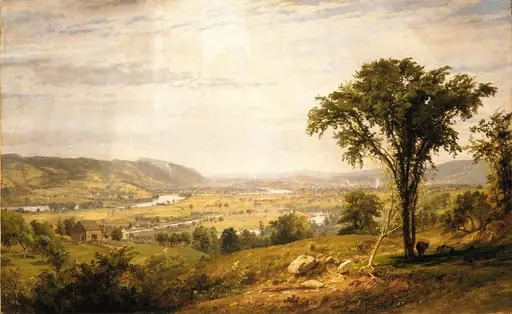 Wyoming Valley, Pennsylvania
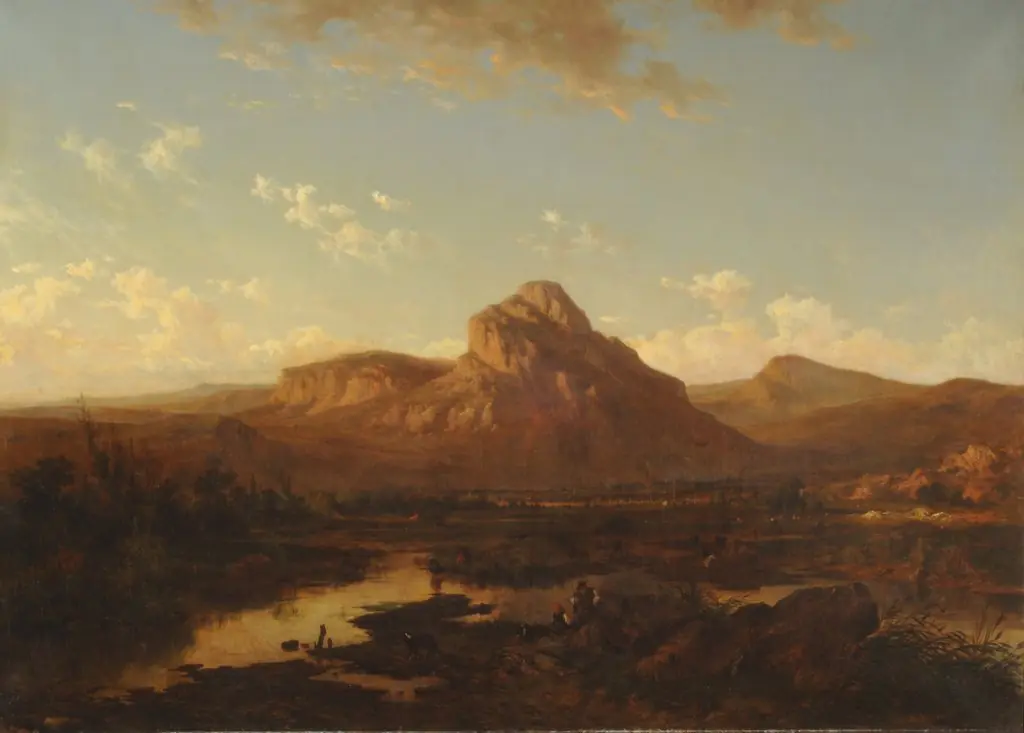 Landscape
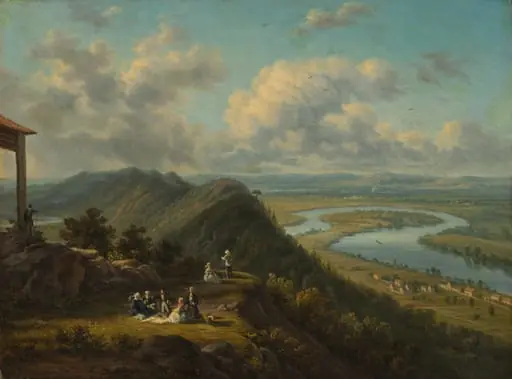 The Oxbow Seen from Mount Holyoke
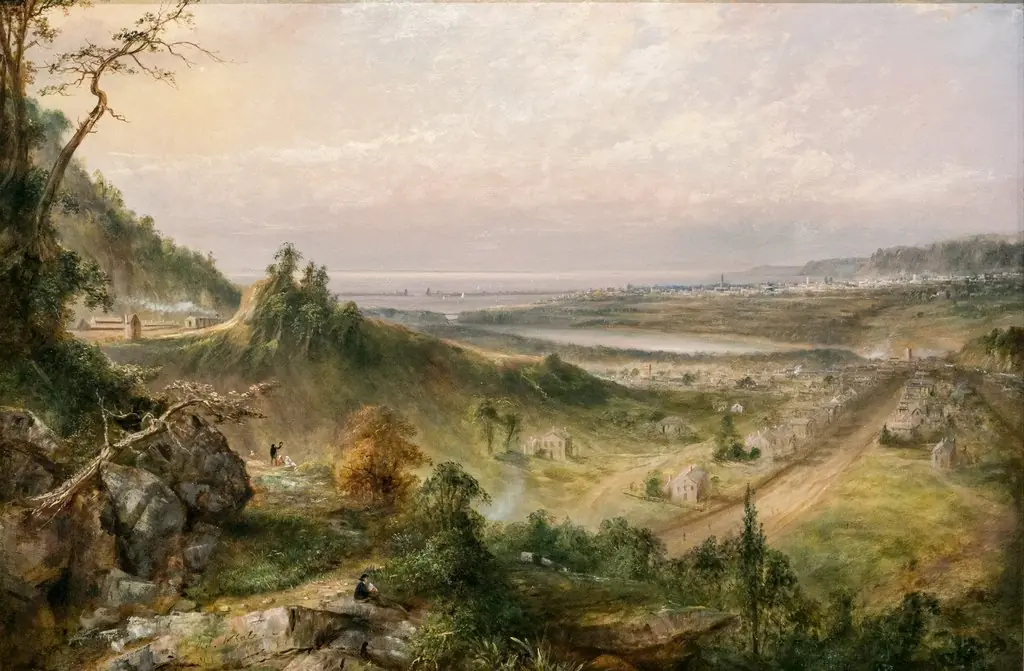 View of Hamilton and Lake Ontario from Dundas
 Bird Mountain, Castleton, Vermont