Artwork
The Oxbow Seen from Mount Holyoke
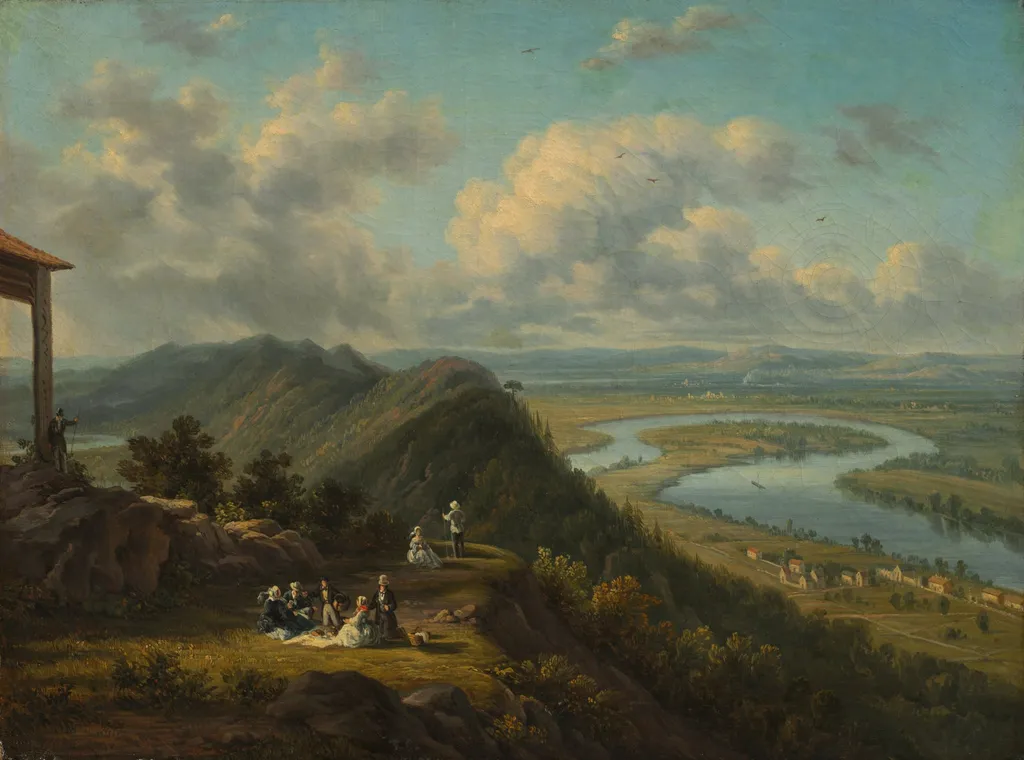
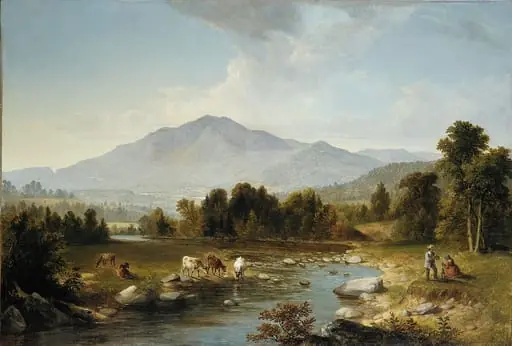
The Oxbow Seen from Mount Holyoke is an unspecified painting by the Romanticist artist Victor de Grailly. It dates from 1840 and is held in the collection of the Cleveland Museum of Art.
About this work
Overview
Painted in 1840, *The Oxbow Seen from Mount Holyoke* captures a panoramic vista of the Connecticut River Valley as viewed from Mount Holyoke in Massachusetts.
Painted in 1840, *The Oxbow Seen from Mount Holyoke* captures a panoramic vista of the Connecticut River Valley as viewed from Mount Holyoke in Massachusetts. Though often associated with the Hudson River School, the artist Victor de Grailly was French by birth and brought a European sensibility to American topographical painting. The work reflects a mid-19th-century interest in documenting the natural landscape with precision and quiet reverence.
Subject & Meaning
The scene presents a tranquil, inhabited wilderness: figures rest on a grassy slope, one stands on a distant rock, another near the riverbank. The winding oxbow of the river divides the painting, contrasting cultivated land with wilder terrain. The composition suggests harmony between human presence and nature, without overt narrative—offering a contemplative pause rather than a moral or spiritual message.
Technique & Style
De Grailly employed soft, muted tones and delicate gradations of light to render the rolling hills and cloud-filled sky. Brushwork is precise yet unobtrusive, emphasizing atmospheric depth and subtle shifts in terrain. The painting avoids dramatic contrasts, favoring a serene equilibrium between shadow and daylight that aligns with the quieter, observational tendencies of Romantic landscape tradition.
History & Provenance
Created during de Grailly’s time in the United States, the painting entered the collection of The Cleveland Museum of Art in the 20th century. Its provenance traces back to private holdings in New England, where it was likely acquired by collectors interested in regional landscapes. Unlike more famous works of the Hudson River School, it remained relatively obscure, preserved as a quiet example of transatlantic landscape practice.
Context
In the 1840s, American artists increasingly turned to local scenery as subjects worthy of serious artistic attention. De Grailly’s work emerged amid this shift, influenced by European Romantic ideals but grounded in the specific topography of New England. His painting reflects a broader cultural moment in which nature was seen as both a physical reality and a space for quiet reflection.
Legacy
Though not widely exhibited or reproduced, the painting contributes to the understanding of lesser-known figures within the Hudson River School orbit. It illustrates how international artists participated in shaping American landscape traditions, blending European techniques with indigenous scenery. Its preservation in a major museum underscores its role as a modest but authentic record of 19th-century visual culture.
Own this work as a print
Artist & collection
Artist
Victor DeGrailly (25 October 1804 – 4 September 1887) was a French landscape painter. He is considered a member of the Hudson River School of painters.

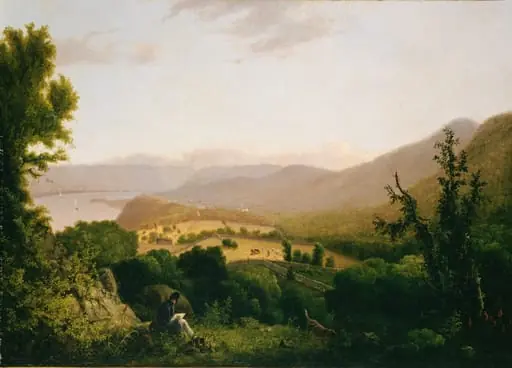 View at West Point
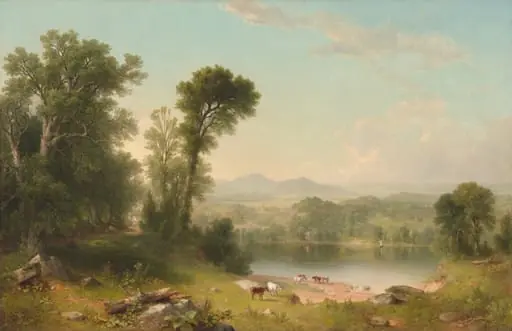 Pastoral Landscape
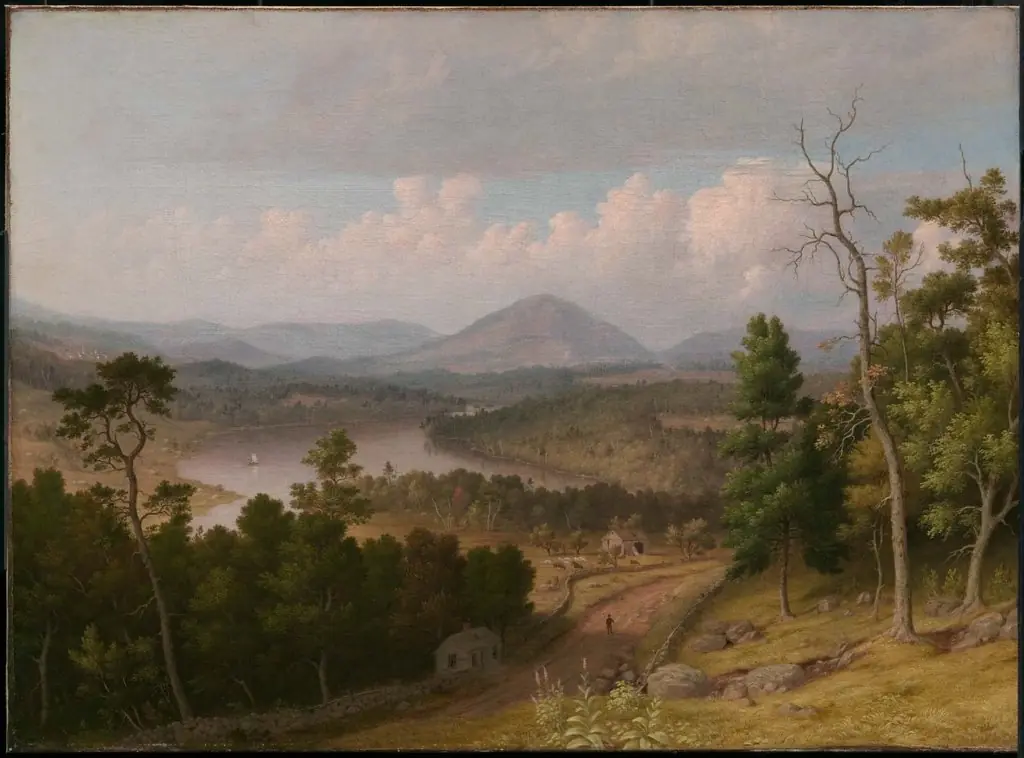 View from Stacey Hill, Stoddard, New Hampshire
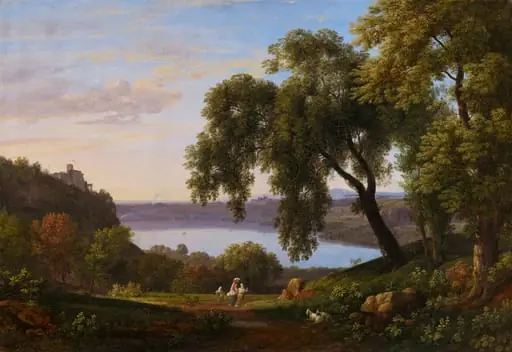 Lago di Nemi
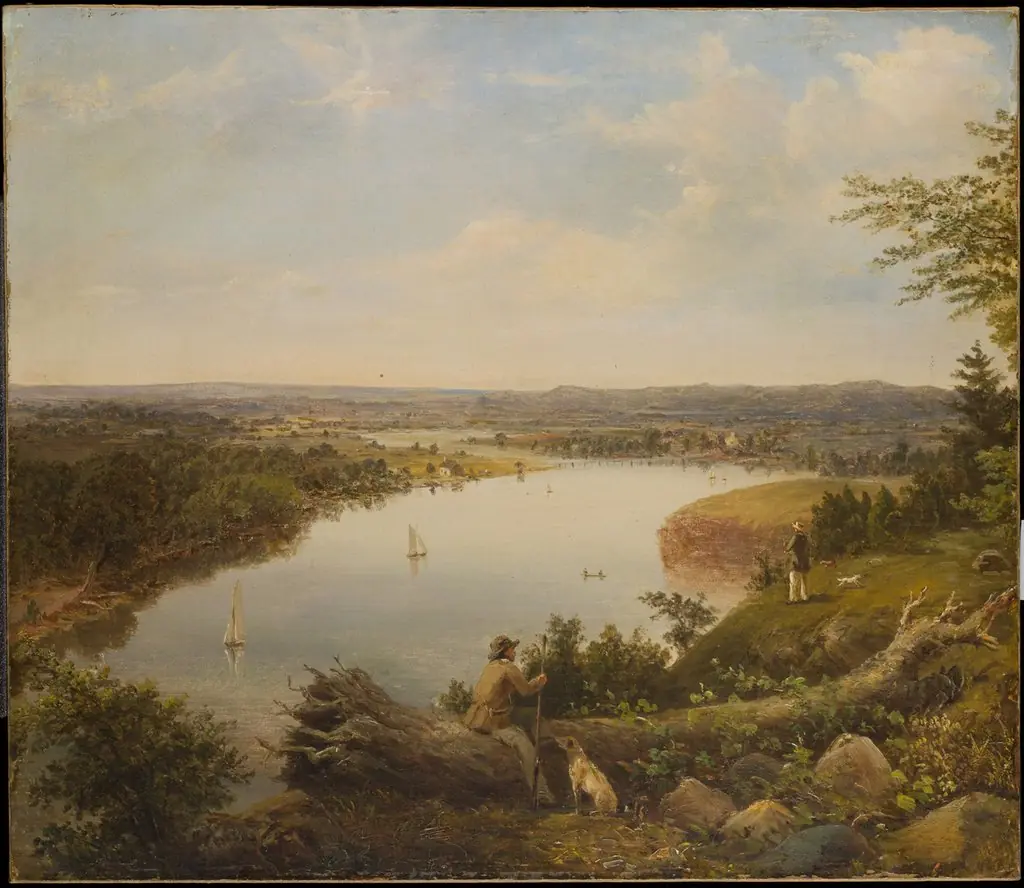 The Hudson River Valley near Hudson, New York
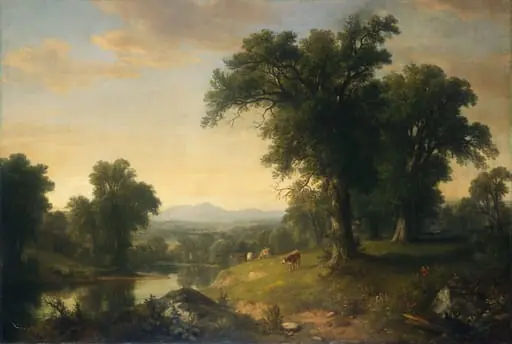 A Pastoral Scene
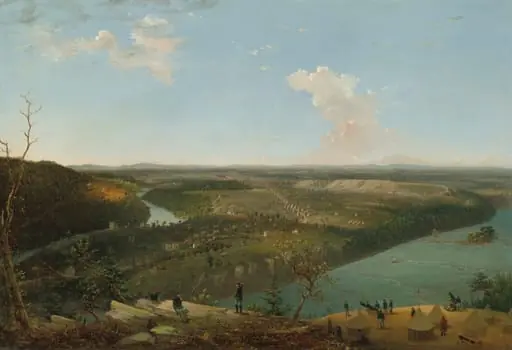 Maryland Heights: Siege of Harpers Ferry
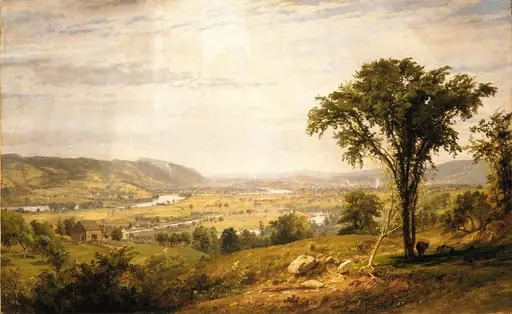 Wyoming Valley, Pennsylvania
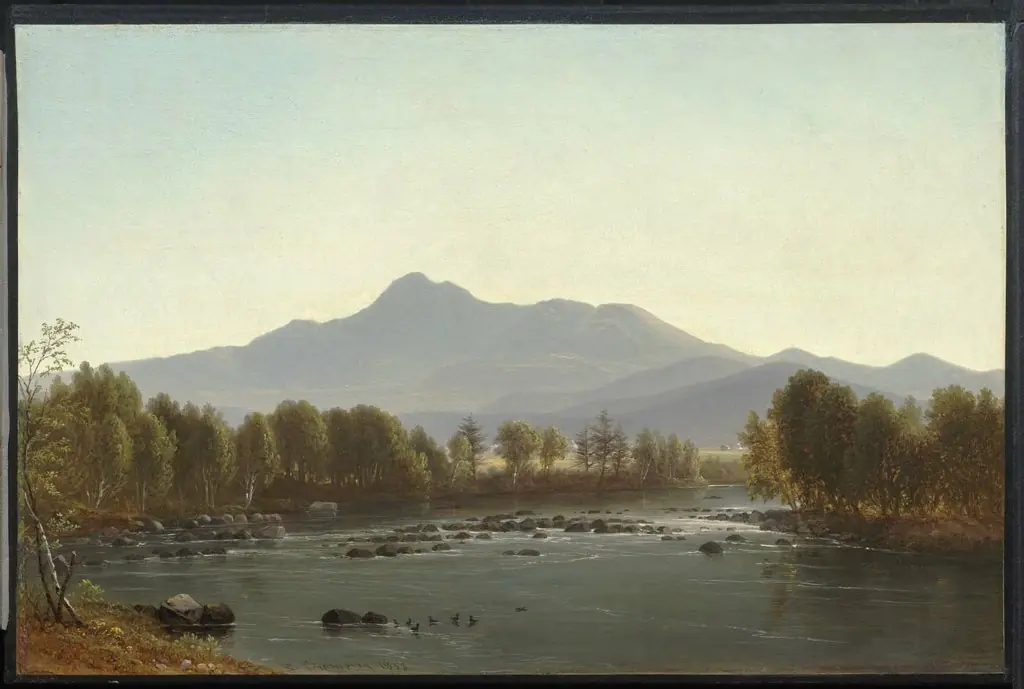 Mount Chocorua, New Hampshire
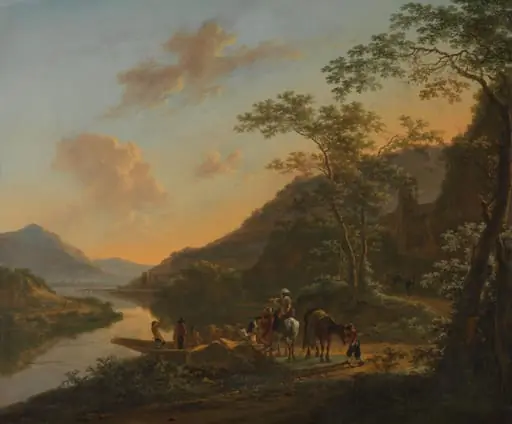 Italiaans landschap met overzetveer
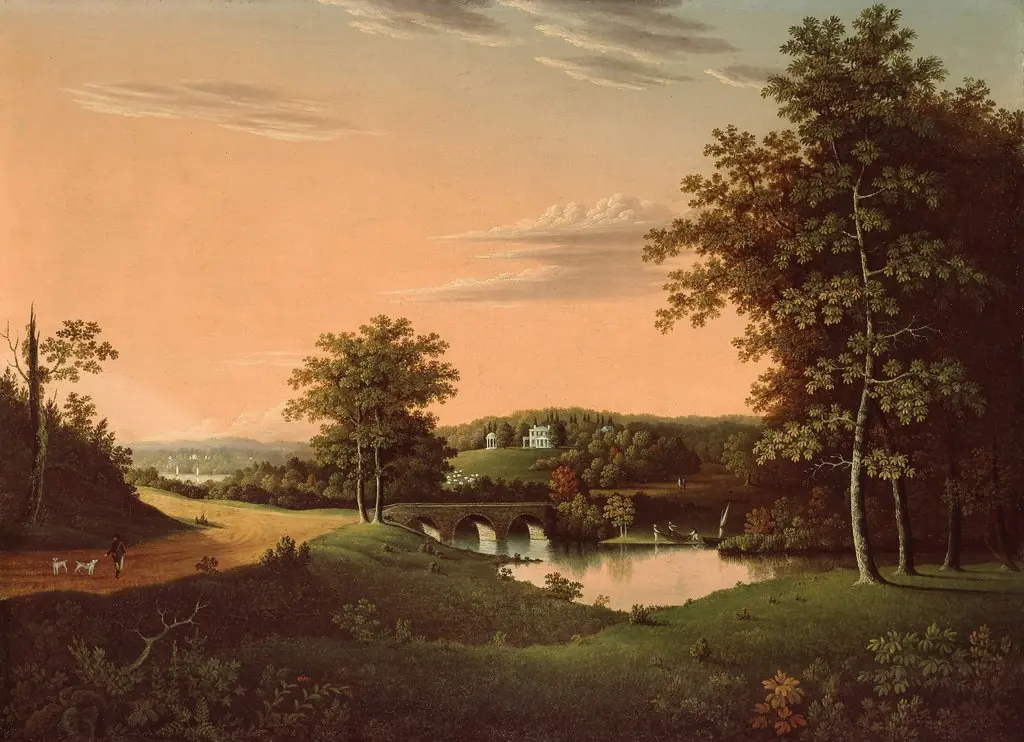 Point Breeze, the Estate of Joseph Napoleon Bonaparte at Bordentown, New Jersey
 High Point: Shandaken Mountains