Artwork
Interior of a Lottery
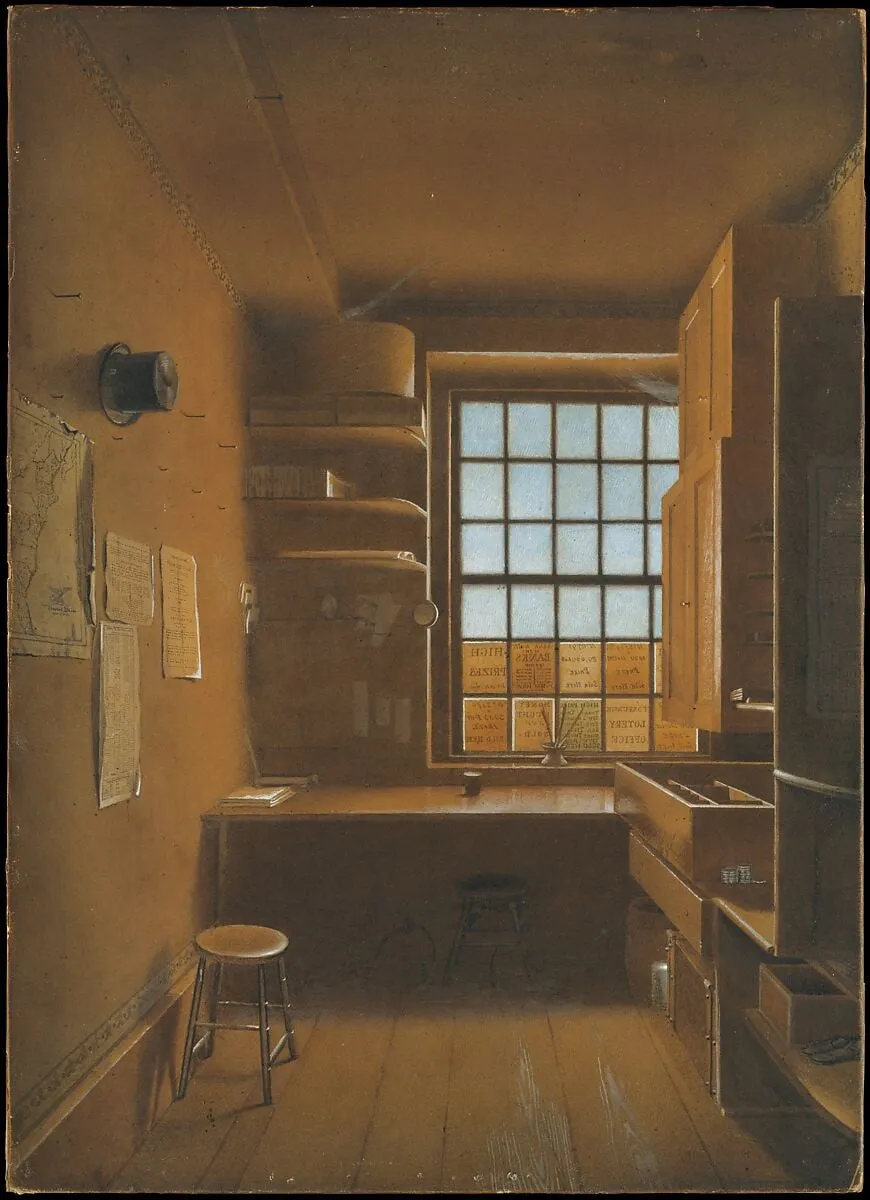
Interior of a Lottery is a watercolor work on paper by the American Folk Art artist James Kidder. It dates from 1821 and is held in the collection of the Metropolitan Museum of Art.
About this work
Overview
James Kidder’s 1821 work, Interior of a Lottery, combines gouache, watercolor, and graphite on toned wove paper. The composition presents a sunlit interior where a tall window frames the scene, and a modest desk anchors the activity of several figures engaged in purchasing lottery tickets from a clerk.
Subject & Meaning
The painting captures a routine commercial transaction of its era, portraying the lottery—then a lawful form of public gambling—as an ordinary facet of daily life. By presenting the scene without overt drama, Kidder emphasizes the quiet, everyday nature of the activity.
Technique & Style
Kidder employs a delicate watercolor palette enhanced with gouache to render soft, diffused light entering through the window. Graphite outlines provide structural definition, while the tonal paper background contributes to the subdued atmosphere characteristic of early American interior genre scenes.
History & Provenance
Created in 1821, Interior of a Lottery stands among the earliest American paintings to focus on an indoor domestic setting. The work has remained within the American Wing collection, illustrating early 19th‑century interests in genre subjects.
Context
During the early 1800s, lotteries were legally sanctioned in the United States and functioned as commonplace public enterprises. Kidder’s depiction aligns with contemporary attitudes that treated such games as routine civic activities rather than sensational events.
Artist & collection

Artist
James Kidder was a quiet guy who spent his days sketching London’s back alleys and shopfronts before crowds showed up.

 Sculptor's Studio
 Women's Art Class
 A Country Grocer
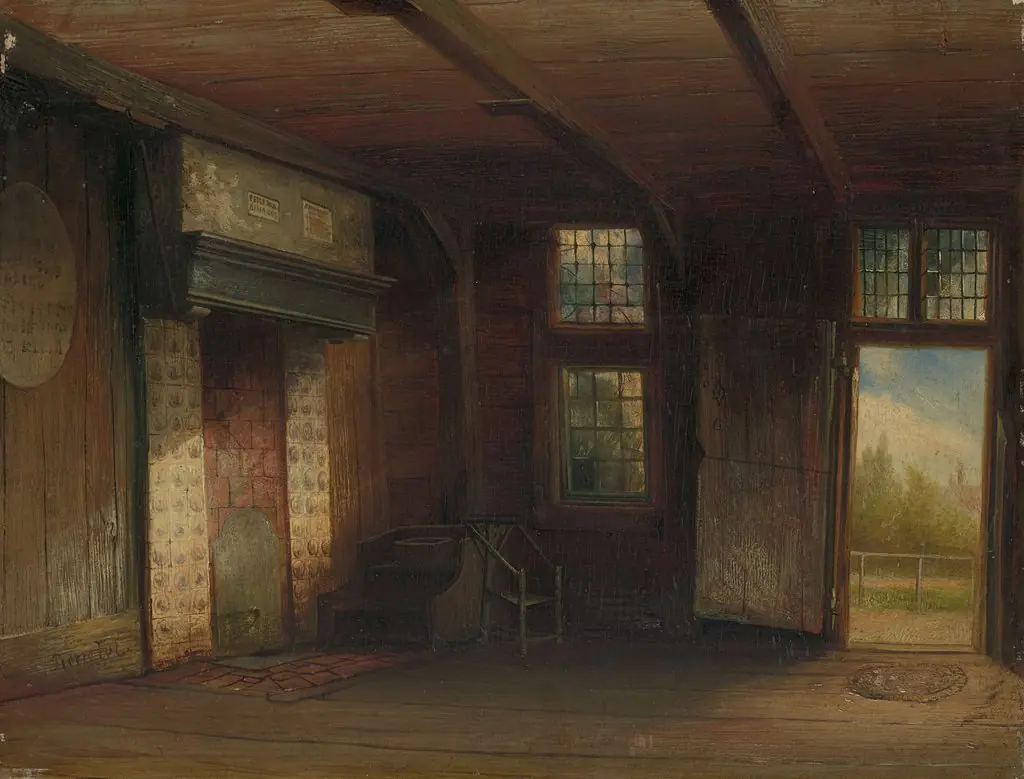 Interieur van het Tsaar Peterhuisje te Zaandam
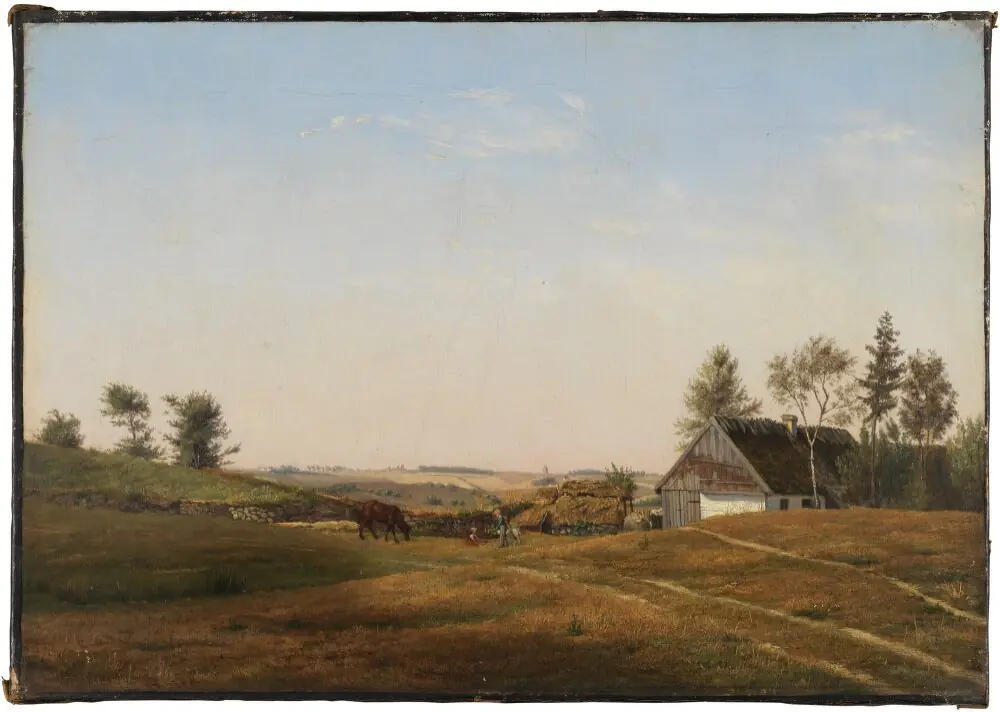 Landscape with a Farm
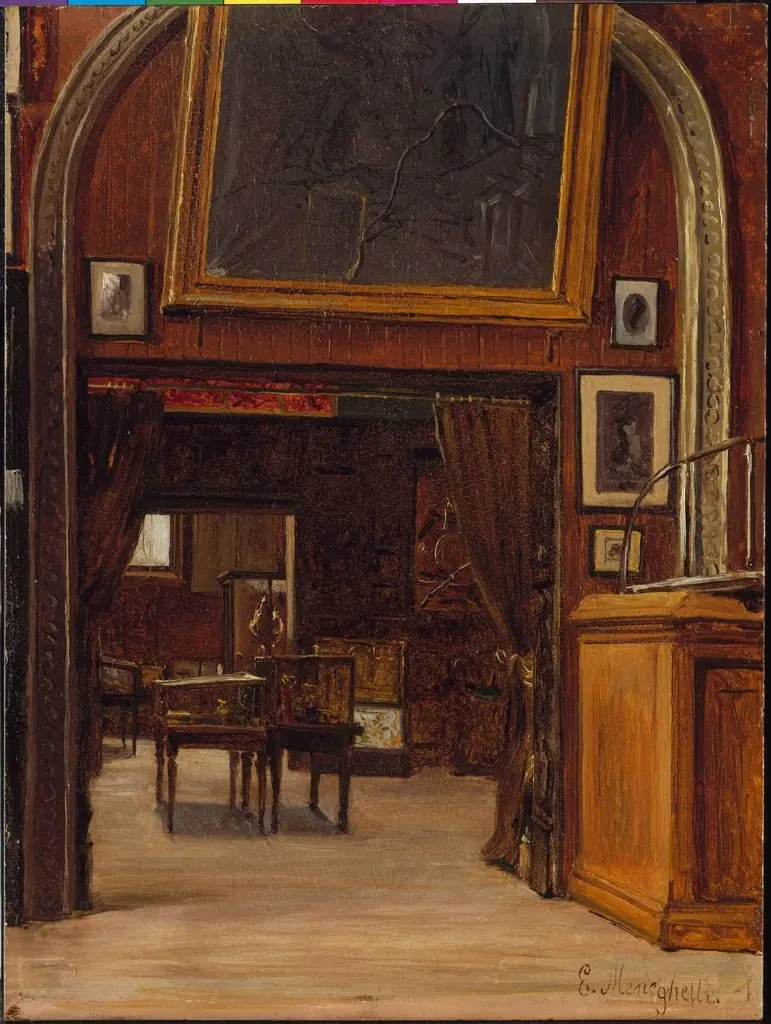 A Gallery in the Old Museum
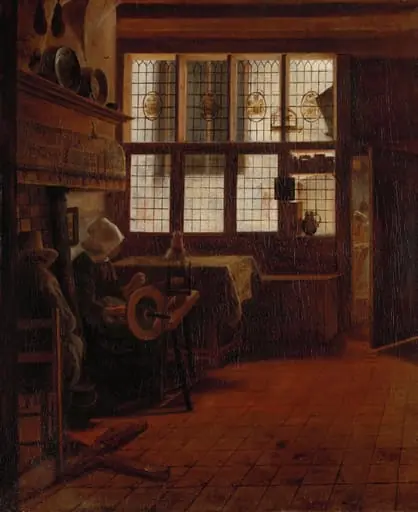 Interior with Woman at the Spinning Wheel
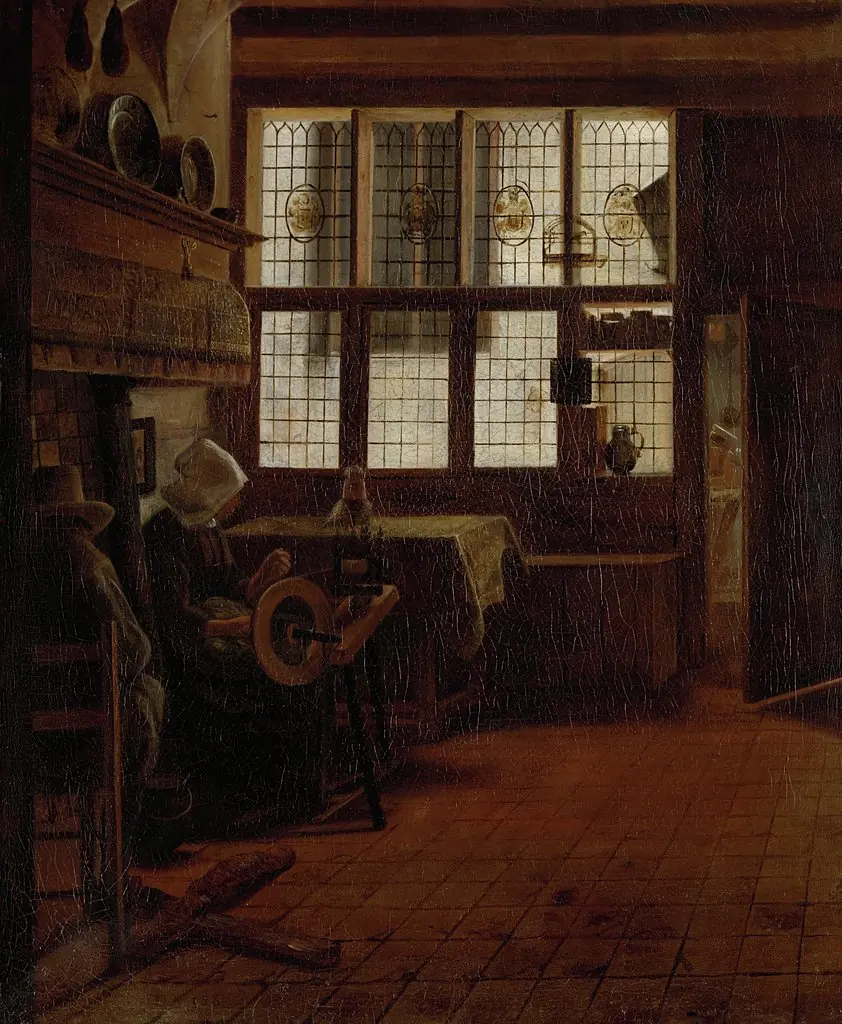 Interior with Woman at the Spinning Wheel
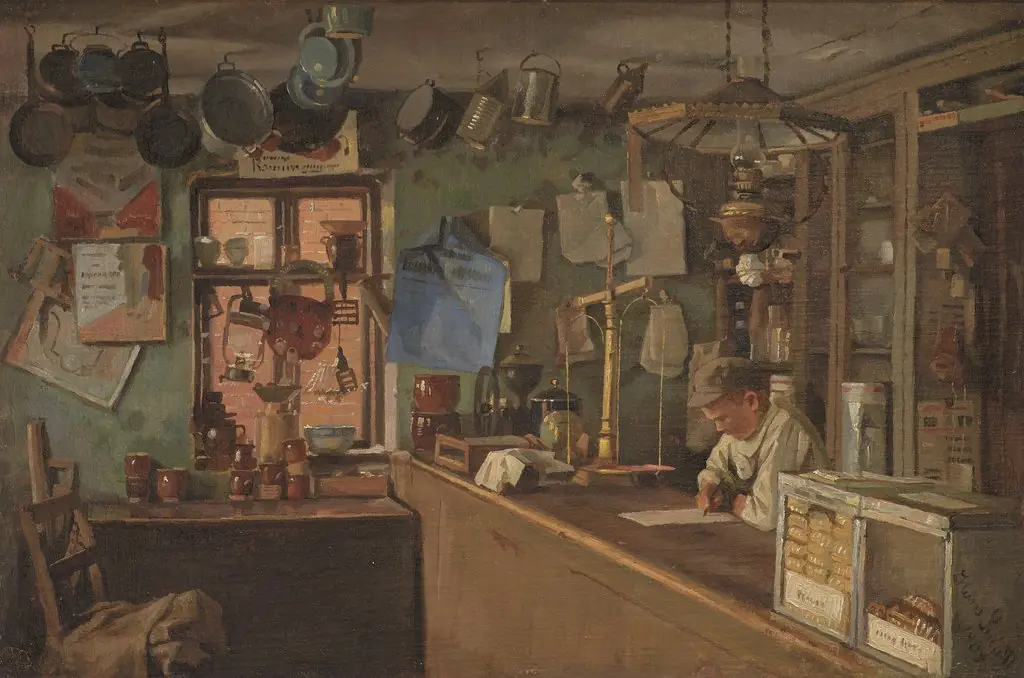 A Country Grocer
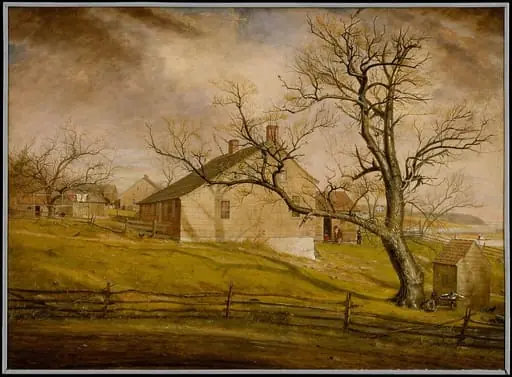 Long Island Farmhouses
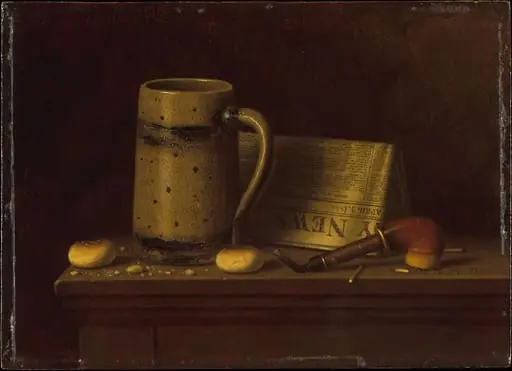 New York Daily News
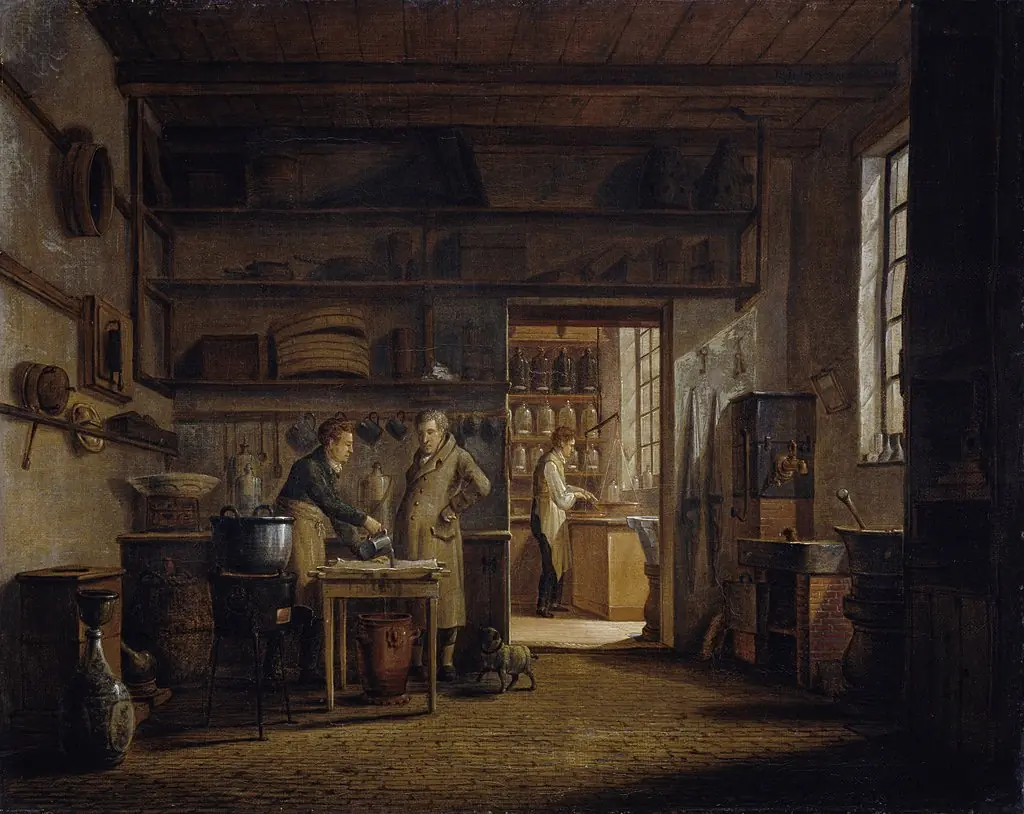 The Distillery of Apothecary A. d'Ailly