Artwork
Daniel in the Lions' Den
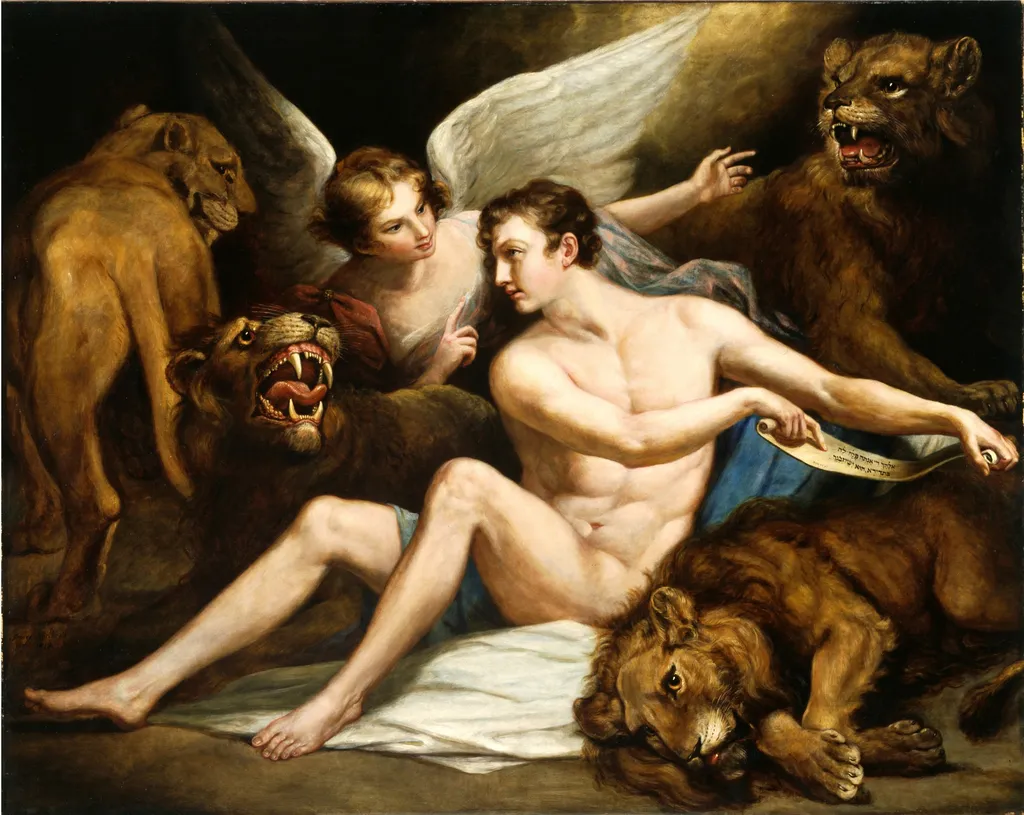
Daniel in the Lions' Den is an oil painting by James Northcote. It dates from 1818 and is held in the collection of the Museum of Fine Arts, Houston.
About this work
Overview
The composition centers on Daniel’s stillness amid surrounding danger, rendered with dramatic lighting and careful attention to anatomical form.
Painted in 1818 by James Northcote, this oil on canvas work illustrates the biblical story of Daniel in the lions' den. It is part of the permanent collection at the Museum of Fine Arts, Houston. The composition centers on Daniel’s stillness amid surrounding danger, rendered with dramatic lighting and careful attention to anatomical form. The scene avoids theatricality, favoring quiet resolve over spectacle.
Subject & Meaning
Daniel, a figure from the Book of Daniel, is shown in a moment of divine protection after being cast into a den of lions for refusing to worship royal decrees. His calm posture and outstretched arm holding a scroll suggest spiritual composure and faith. The lions, though snarling and bared-toothed, do not attack, implying divine intervention. The winged figure above may represent an angel sent to guard him, reinforcing the theme of heavenly deliverance.
Technique & Style
Northcote employs chiaroscuro to model the figures with strong contrasts between light and shadow, giving volume to Daniel’s bare torso and the lions’ musculature. The light, emanating from the upper right, illuminates Daniel and the animals while leaving the background in deep shadow. This directional lighting enhances the emotional tension and focuses attention on the central figures, aligning the work with late Enlightenment approaches to narrative painting.
History & Provenance
Commissioned during Northcote’s later years, the painting was completed in 1818 and remained in private hands until acquired by the Museum of Fine Arts, Houston. It reflects the artist’s continued engagement with religious subjects despite shifting artistic trends. The work’s journey into public collection underscores its recognition as a significant example of early 19th-century British religious art.
Context
Created during a period when British art increasingly valued moral and biblical narratives, Northcote’s work aligns with the tradition of history painting promoted by the Royal Academy. While Romanticism emphasized emotion and nature, this piece retains a classical restraint, emphasizing stoicism and divine order. Its production coincided with renewed interest in Old Testament stories among Protestant audiences in Britain.
Legacy
Though not widely exhibited outside institutional settings, the painting remains a representative example of Northcote’s mature style and his commitment to biblical themes. It contributes to the understanding of how religious subjects were visually interpreted in early 19th-century Britain, bridging neoclassical discipline with emerging Romantic sensibilities through controlled drama and psychological depth.
Own this work as a print
Artist & collection
Artist
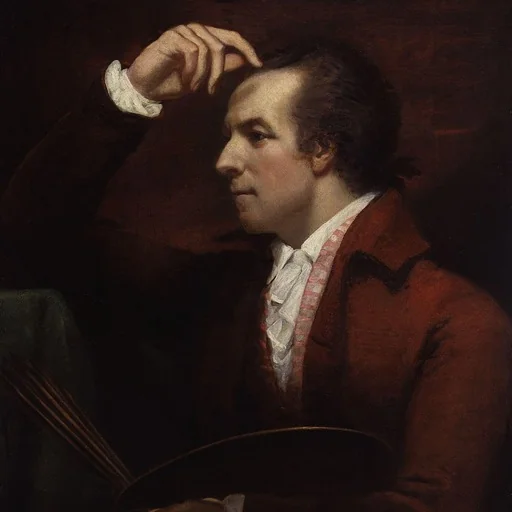
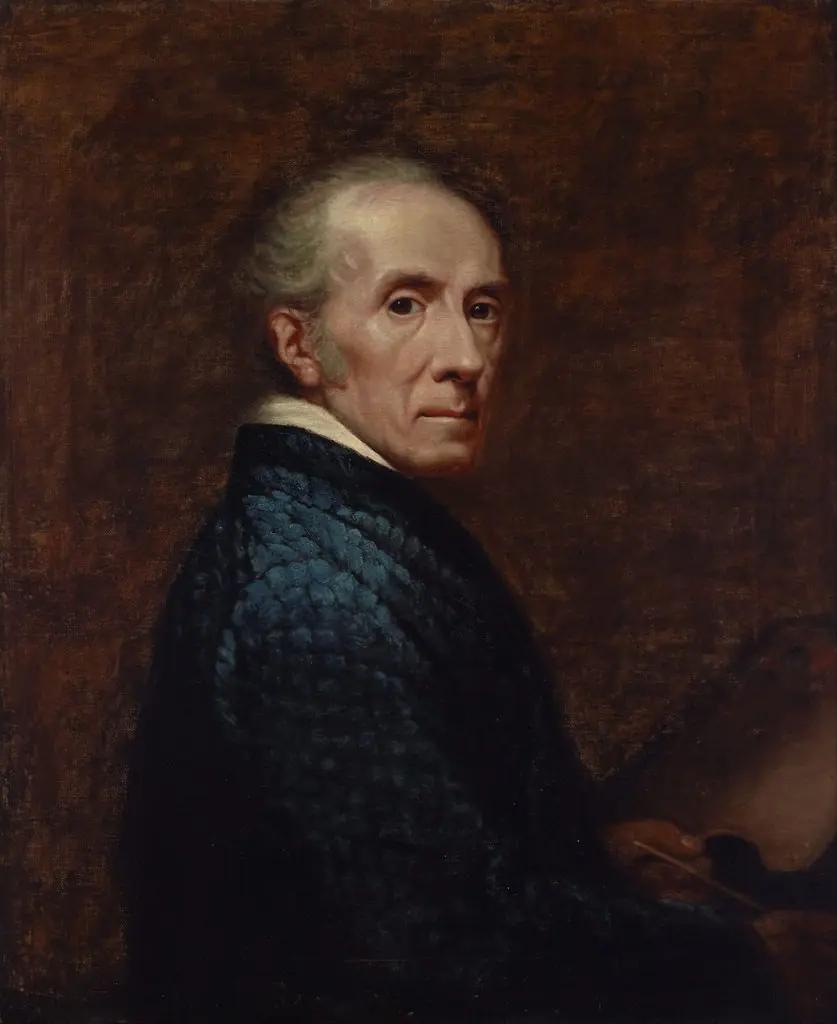
James Northcote was a British painter. He became a member of the Royal Academy in 1787, and a member of the Royal Institute of the Netherlands in 1809.

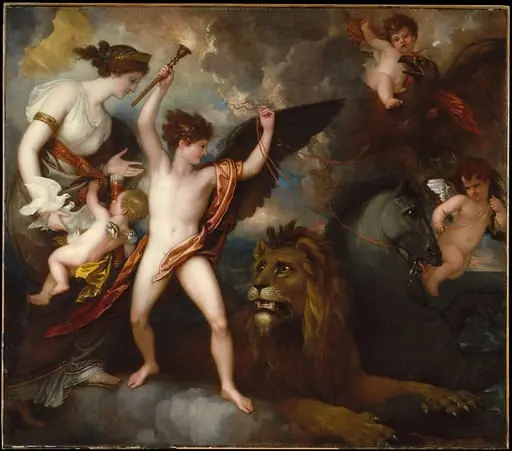 Omnia Vincit Amor, or The Power of Love in the Three Elements
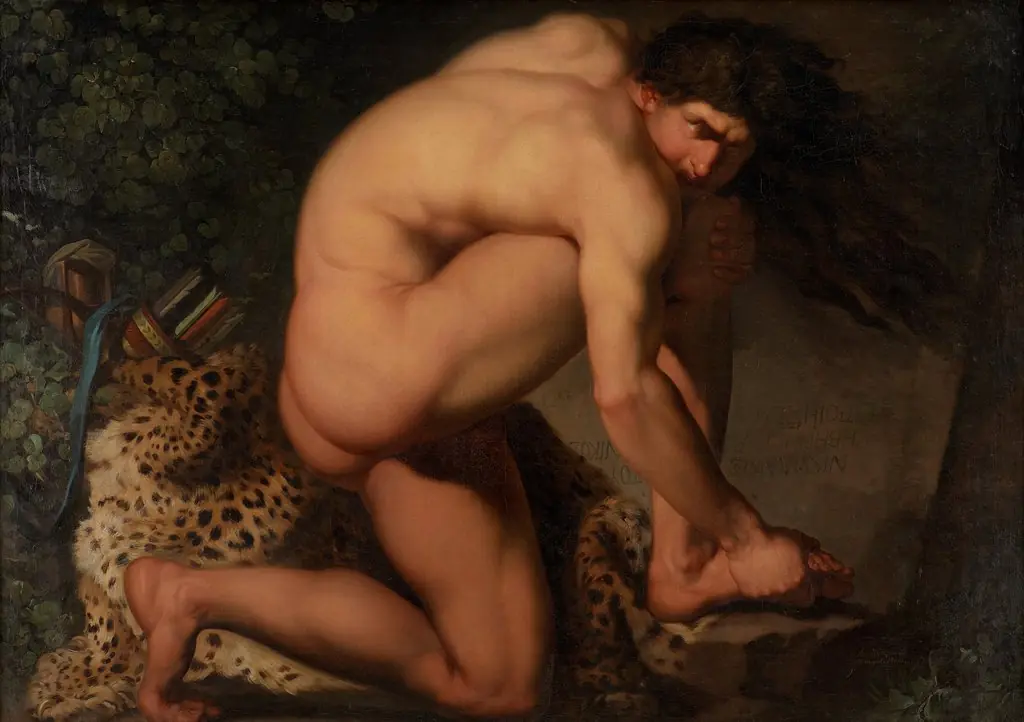 The Wounded Philoctetes
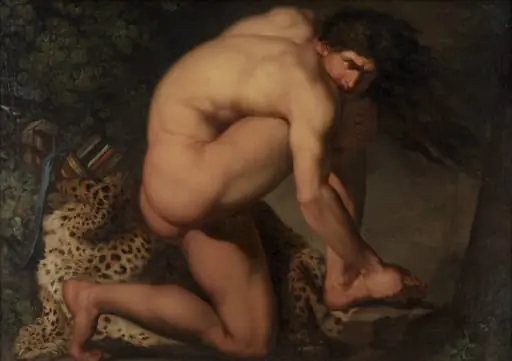 The Wounded Philoctetes
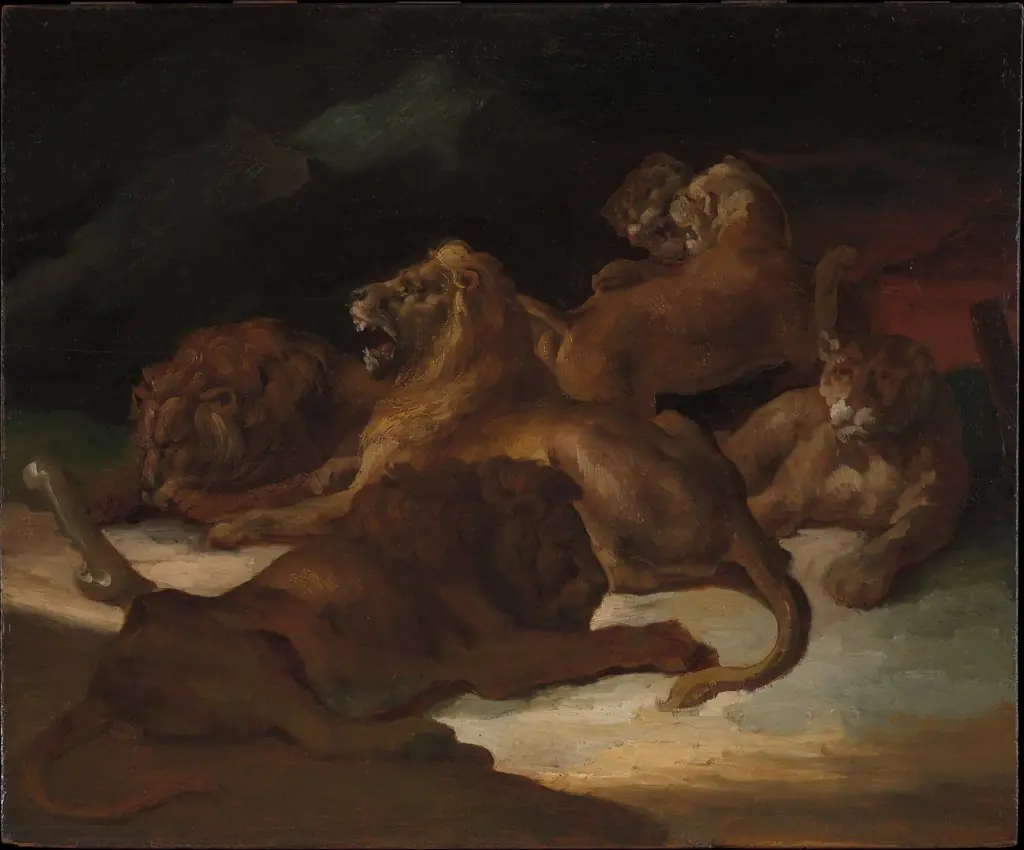 Lions in a Mountainous Landscape
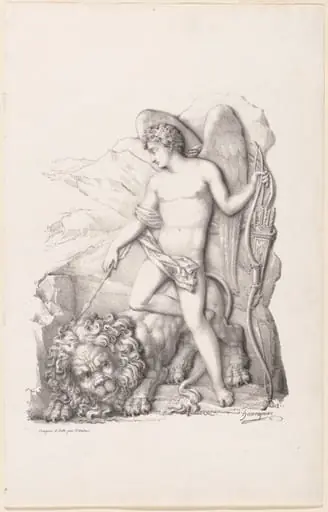 L’Amour terrassant un lion (Personification of Love Vanquishing a Lion)
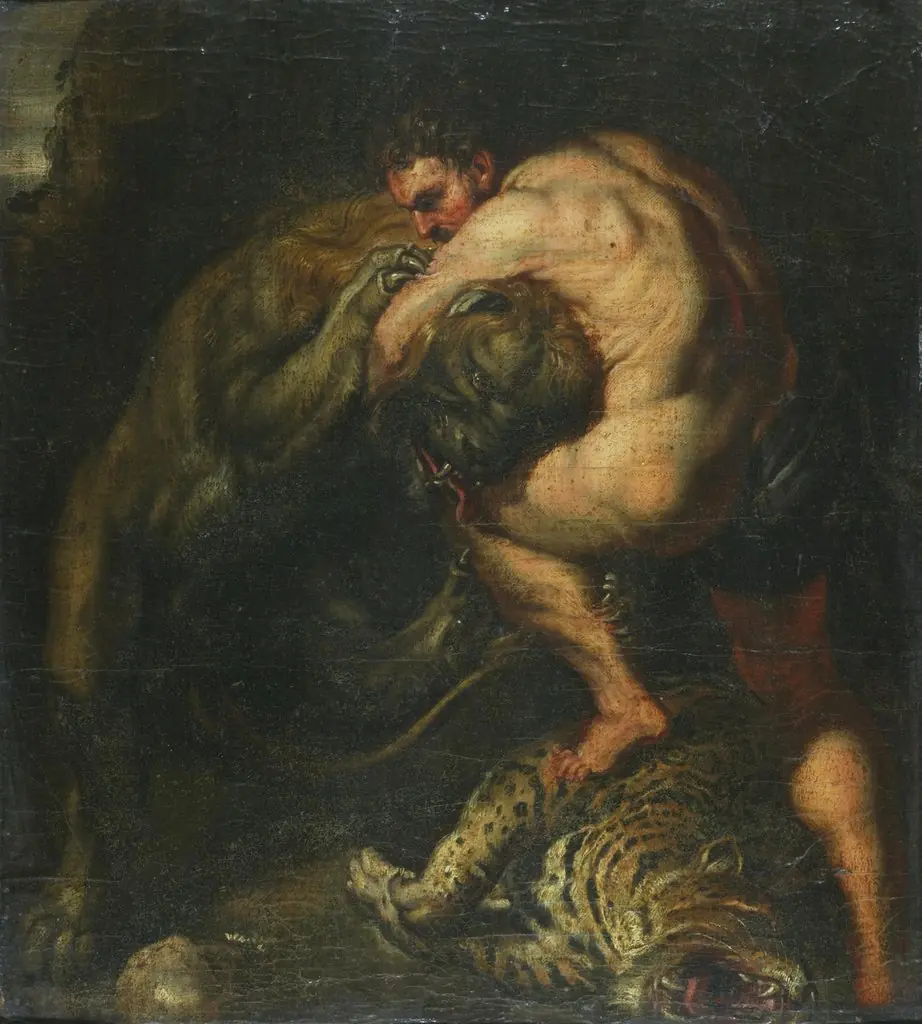 Hercules and the Nemean lion
 Cupid and Psyche
 Theodore Meets in the Wood the Spectre of His Ancestor Guido Cavalcanti