Artwork
Untitled
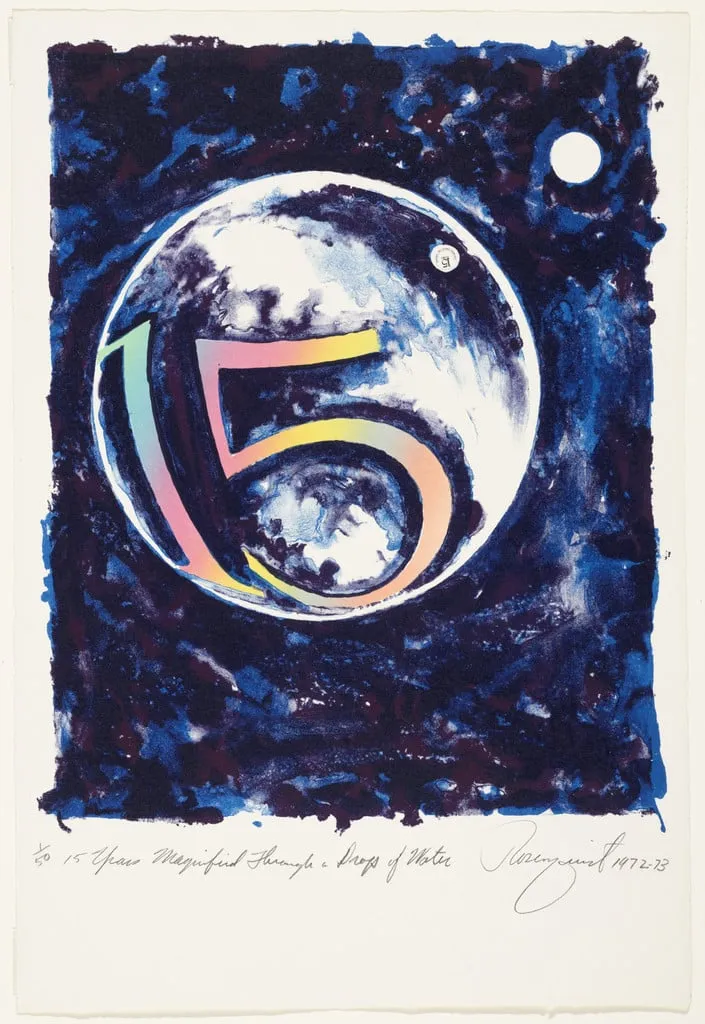
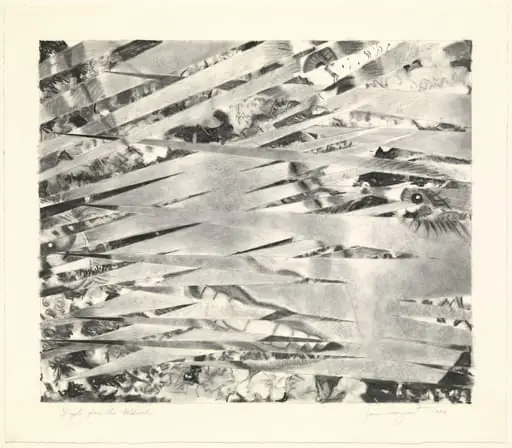
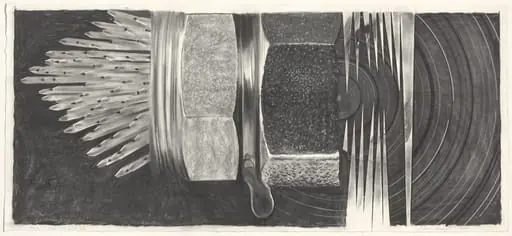
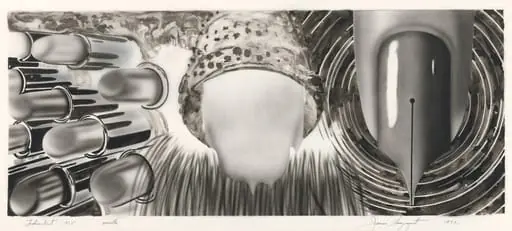
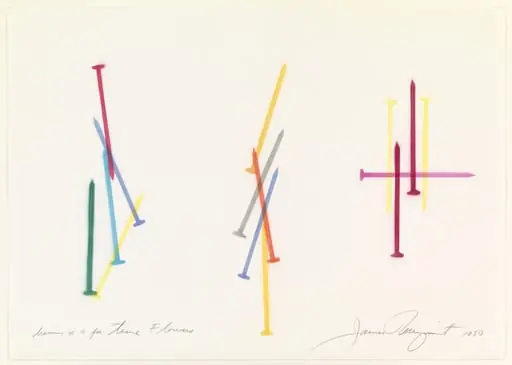
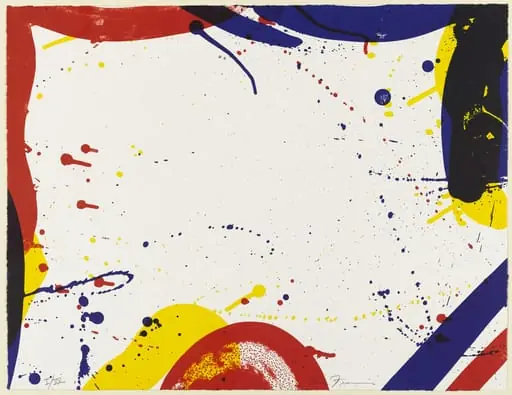
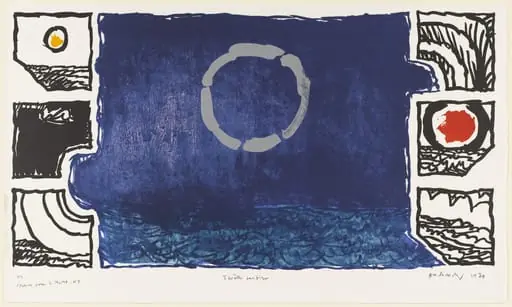
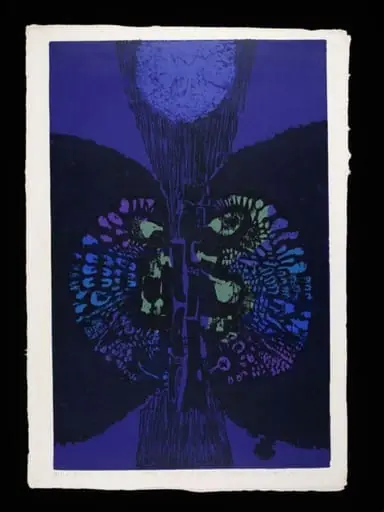
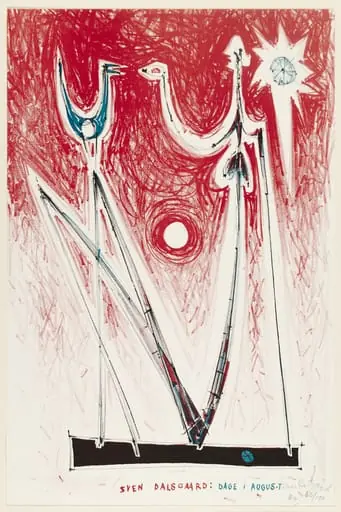
Untitled is an ink print by James Rosenquist. It dates from 1972 and is held in the collection of the Museum of Modern Art.
About this work
Overview
Created in 1972, this lithograph by James Rosenquist is part of his exploration of visual language drawn from mass media and advertising.
Created in 1972, this lithograph by James Rosenquist is part of his exploration of visual language drawn from mass media and advertising. Unlike the bold, flat imagery of many Pop Art peers, Rosenquist layered fragmented forms with atmospheric textures. The work is held in The Museum of Modern Art’s collection, reflecting its significance in postwar American printmaking and its engagement with the sensory overload of consumer culture.
Subject & Meaning
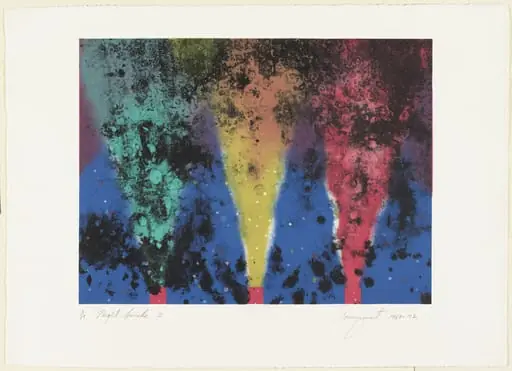
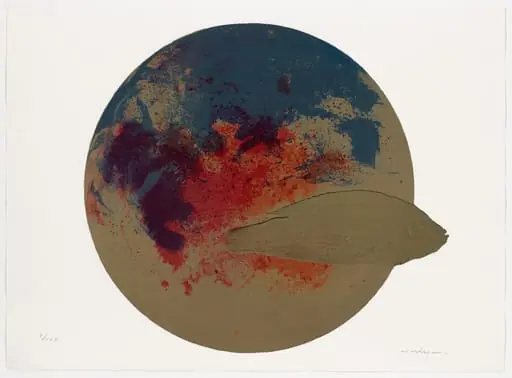
The central form—a large white numeral five—appears wrapped in irregular, multicolored bands that suggest both liquid motion and industrial packaging. A hazy, celestial shape within the number evokes planetary bodies or atmospheric distortion. The dark, speckled background implies a chaotic sky or spilled medium. Though untitled, the work’s palette and drips hint at water’s fluidity, possibly commenting on the erosion of meaning in commercial imagery.
Technique & Style
Rosenquist employed lithography to achieve subtle gradations and textured overlays, departing from the crisp lines typical of Pop Art. The rainbow stripes were printed with uneven pressure, creating a sense of organic decay. Splattered blacks and whites mimic ink flung or dripped, blending hand-made gesture with mechanical reproduction. This hybrid technique mirrors his background in sign painting, merging commercial methods with fine art’s expressive potential.
History & Provenance
The work entered The Museum of Modern Art’s collection shortly after its creation, recognized for its innovative use of print media to interrogate visual saturation in postwar America. Rosenquist produced limited editions of this image, and this particular impression bears his signature in the lower corner. Its acquisition by MoMA underscores its role in expanding the boundaries of print as a vehicle for critical commentary rather than mere reproduction.
Context
Emerging in the early 1970s, this piece reflects a shift in Pop Art from celebrating consumer icons to questioning their psychological weight. Rosenquist’s work responded to the proliferation of advertising imagery and media saturation, using fragmentation and scale to unsettle familiar symbols. Unlike Warhol’s repetition or Lichtenstein’s comic stylization, his approach emphasized ambiguity, texture, and the instability of meaning in a visually overloaded world.
Legacy
This lithograph exemplifies Rosenquist’s influence on later generations of artists who merged printmaking with conceptual inquiry into media and perception. Its layered, unstable forms prefigured concerns with digital noise and information overload. While less widely reproduced than his large-scale paintings, this work remains a key reference in discussions of how print technology can convey psychological depth within the language of mass culture.
Artist & collection
Artist
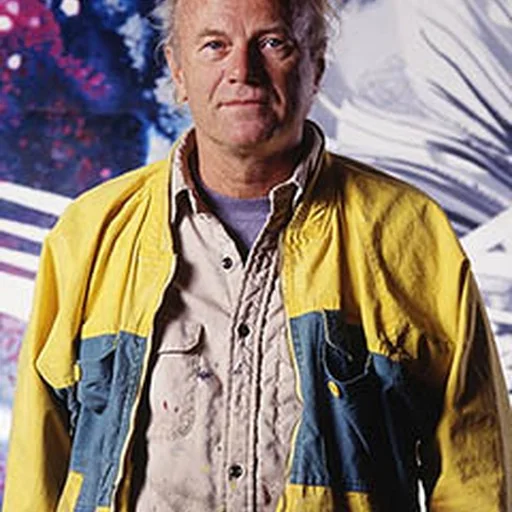
James Albert Rosenquist (November 29, 1933 – March 31, 2017) was an American artist and one of the proponents of the pop art movement.