Artwork
Teegesellschaft
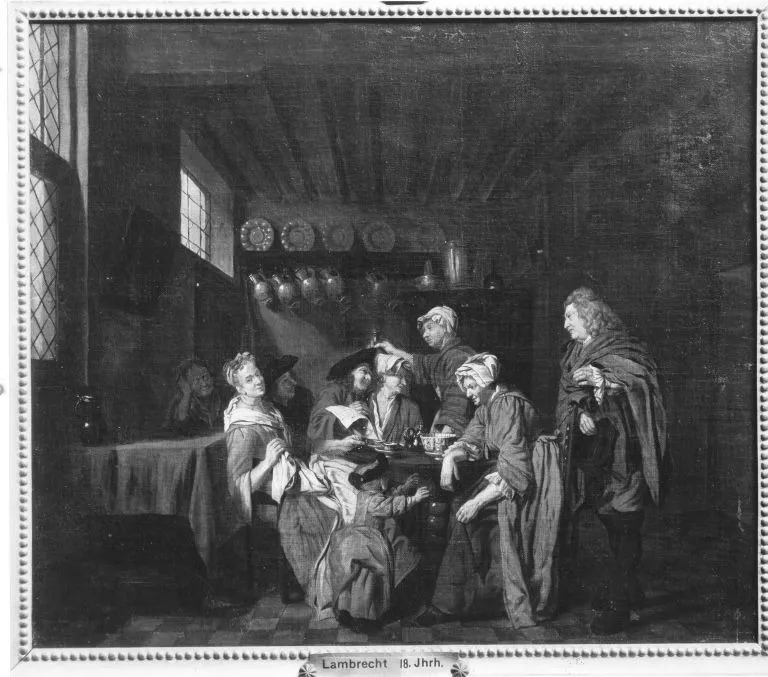
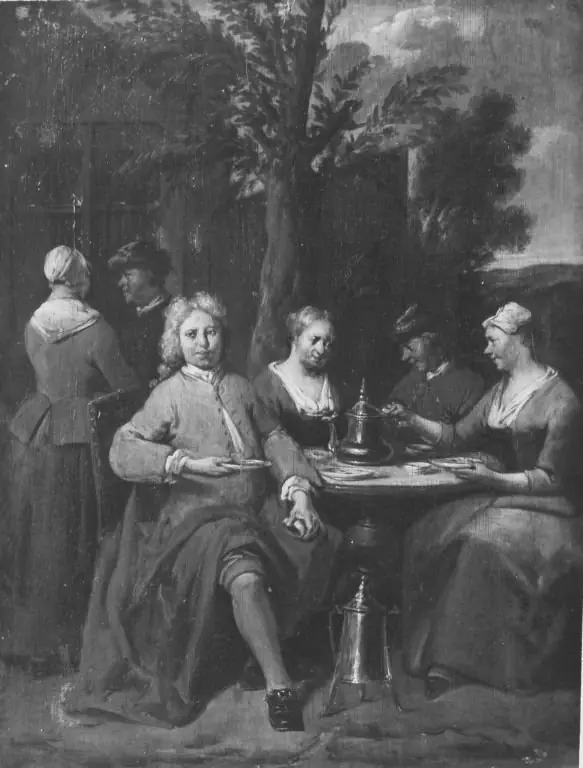
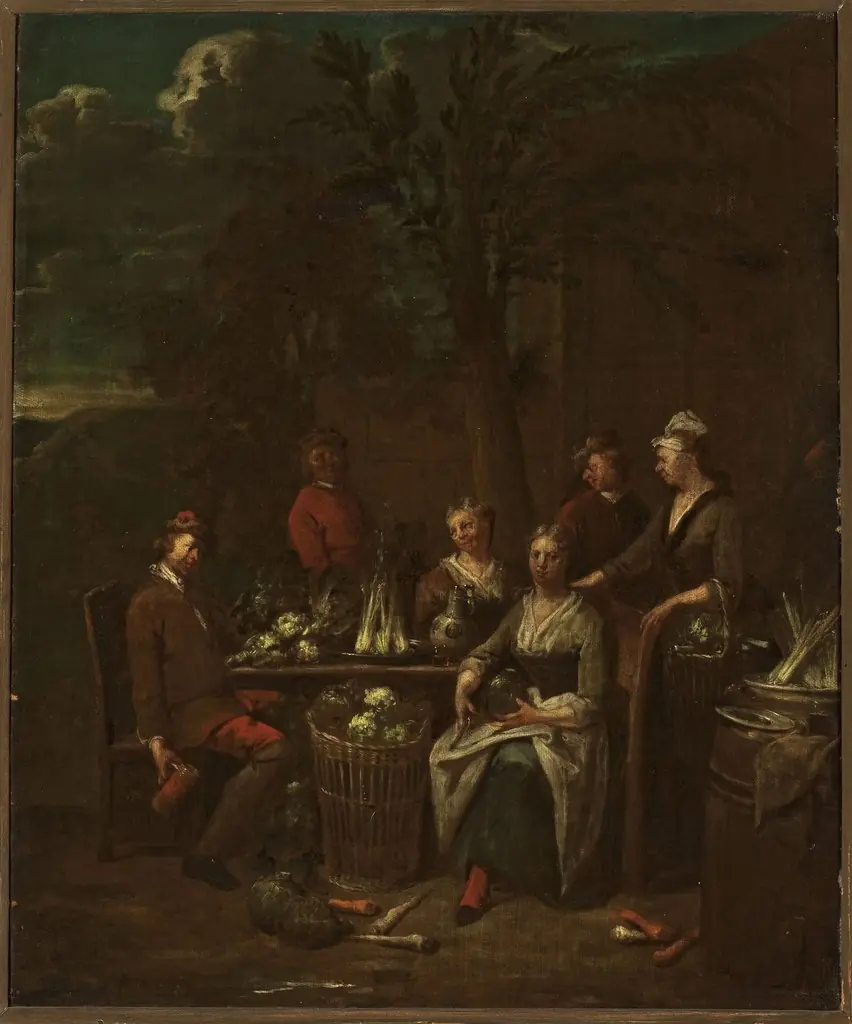
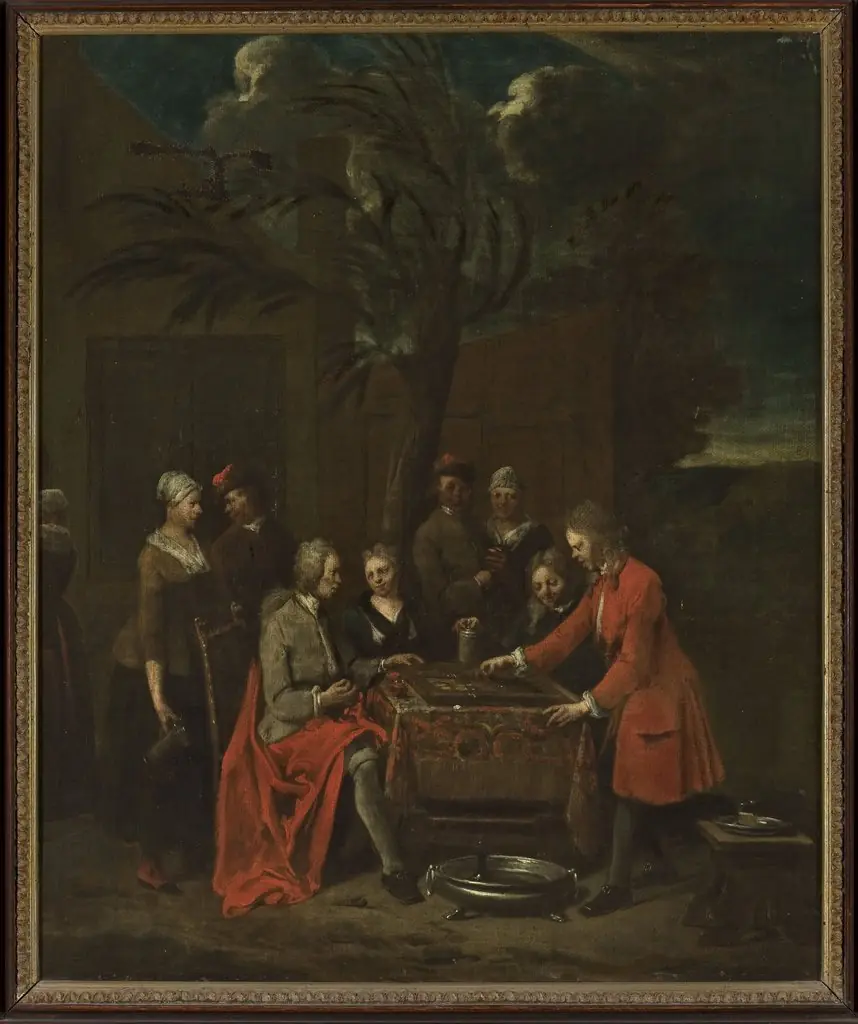
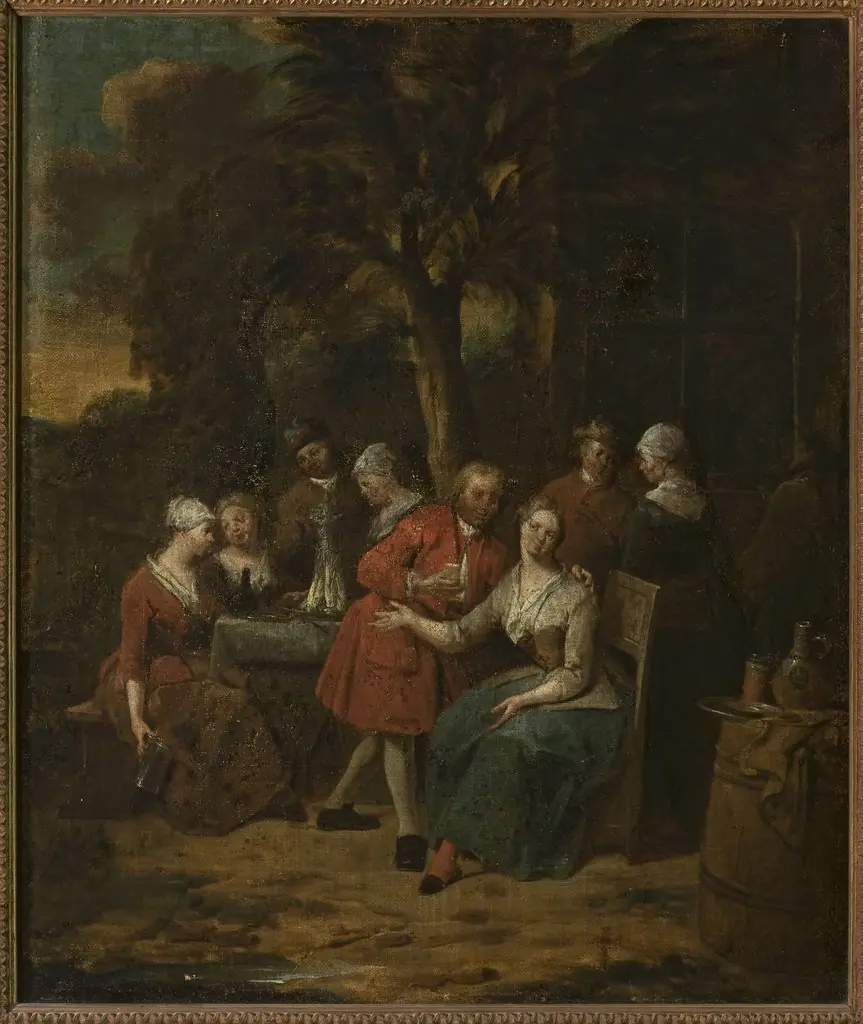
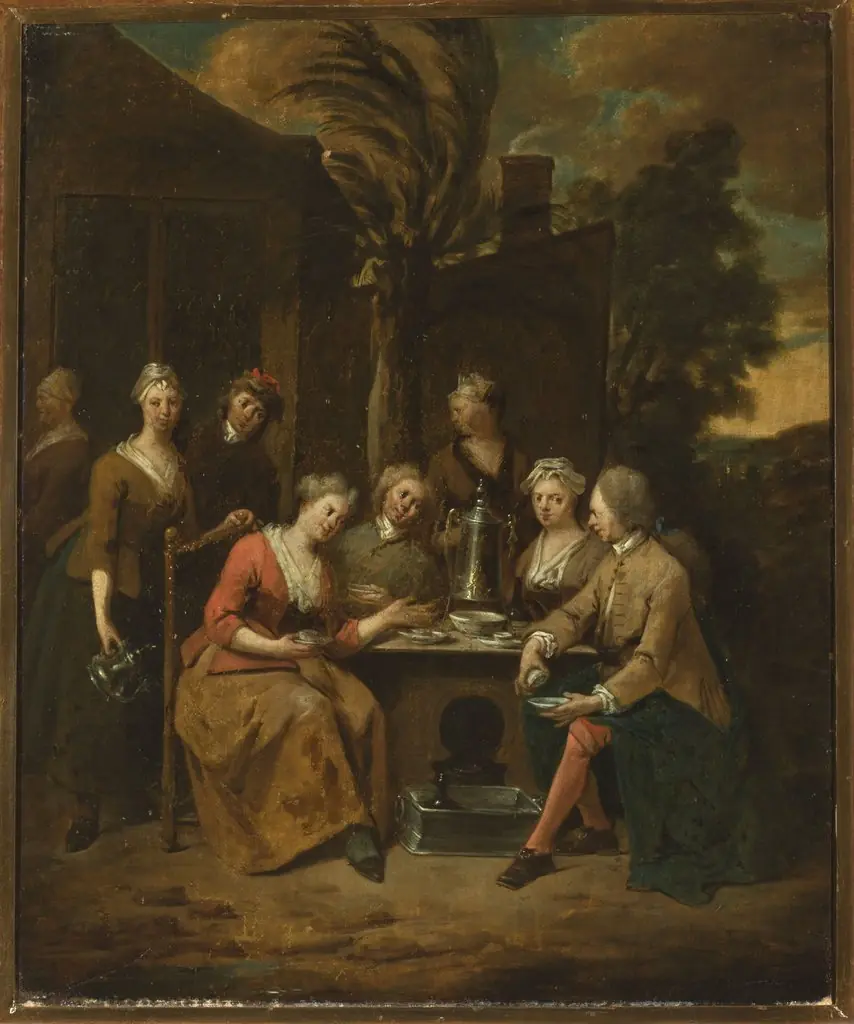
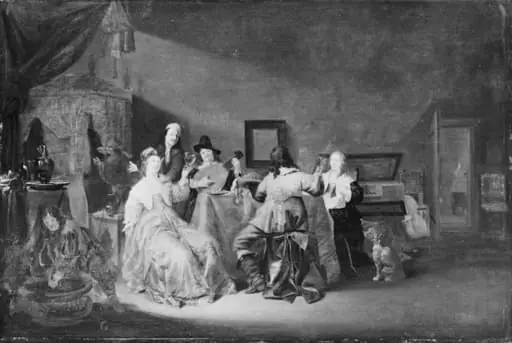
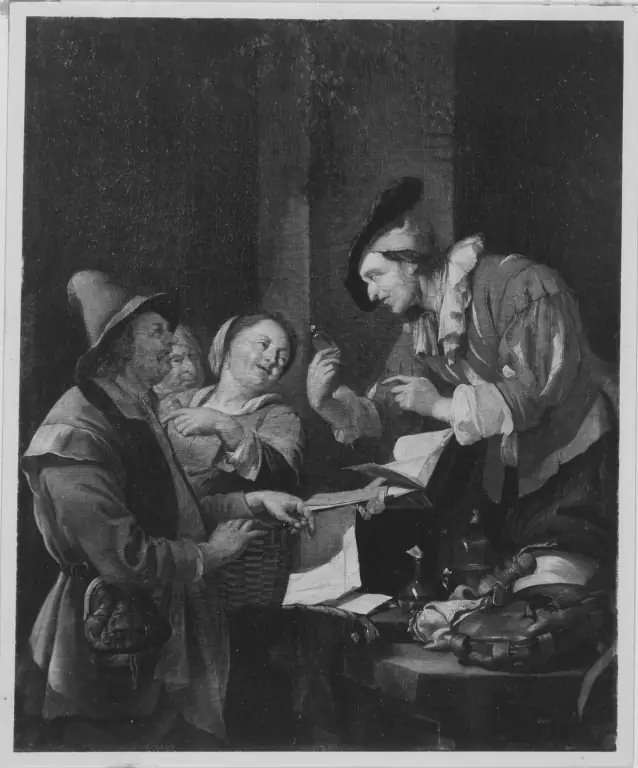
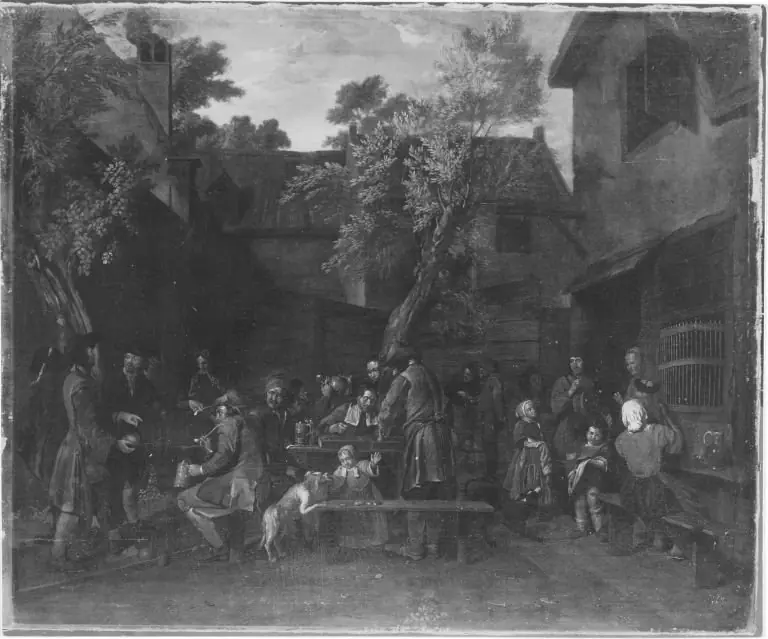
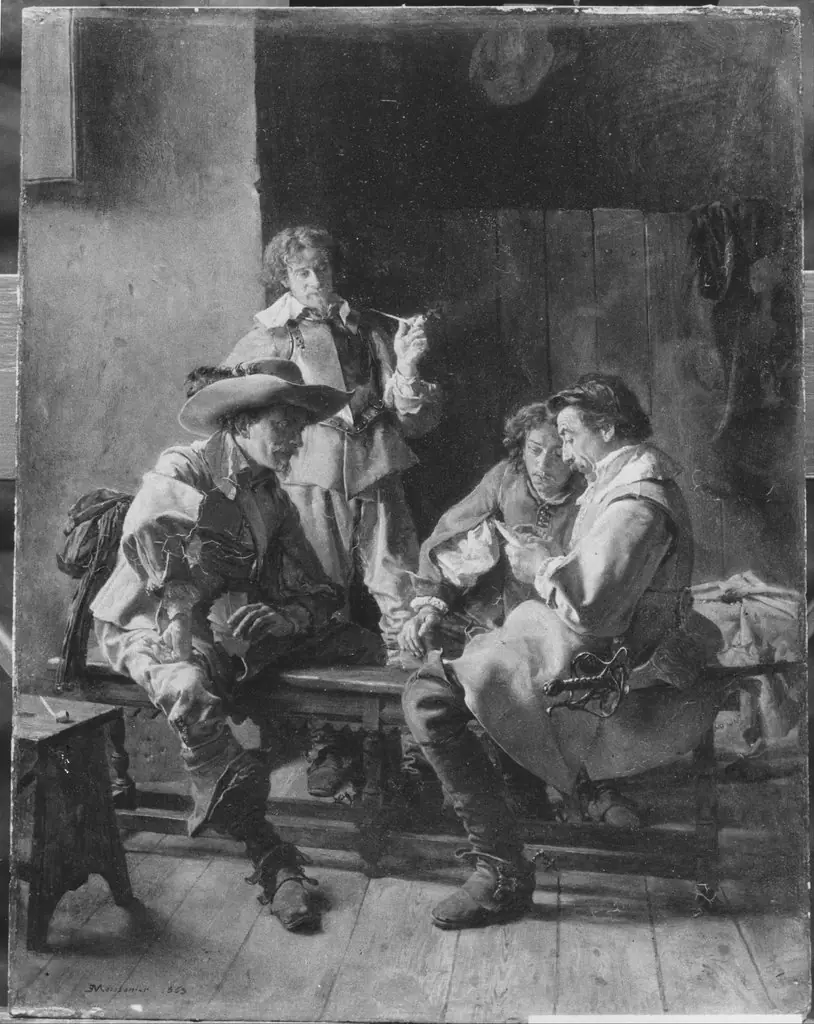
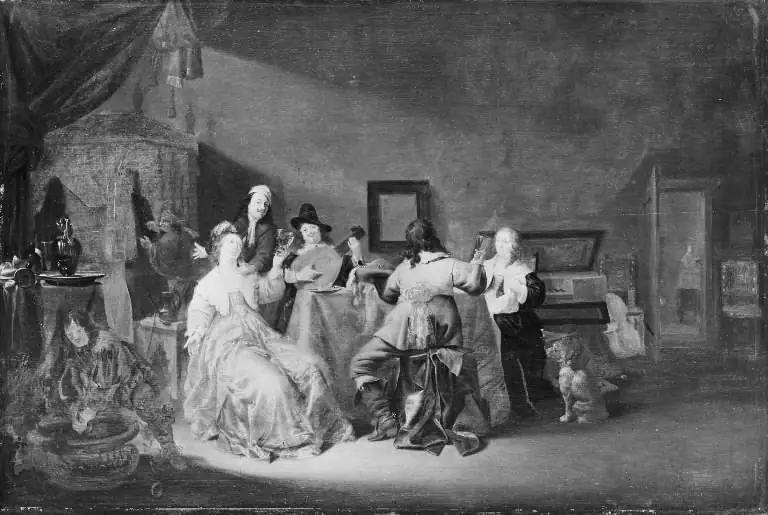
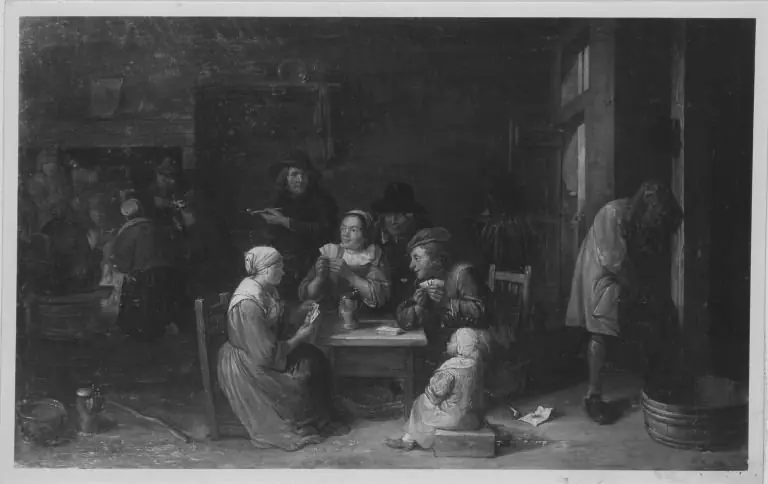
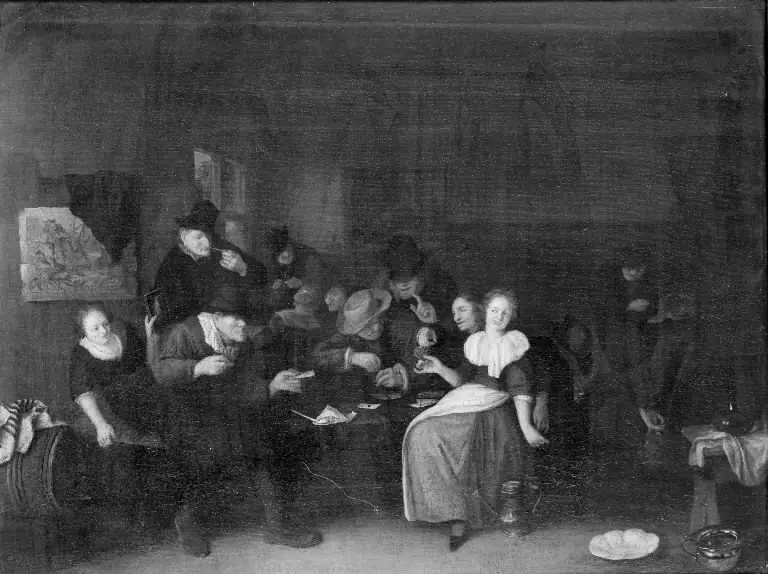
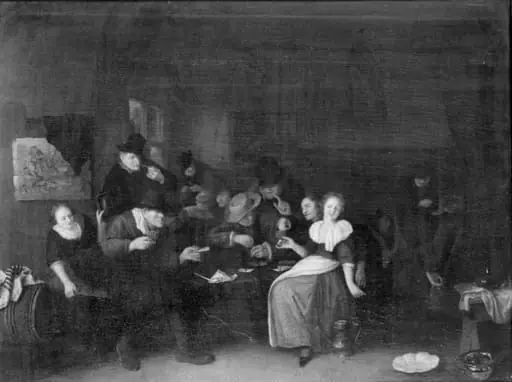
Teegesellschaft is an unspecified painting by the Rococo painting artist Jan Baptist Lambrechts. It dates from 1705 and is held in the collection of the Bavarian State Painting Collections.
About this work
Overview
Painted in 1705 by Jan Baptist Lambrechts, *Teegesellschaft* is a genre scene capturing a quiet moment of social interaction.
Painted in 1705 by Jan Baptist Lambrechts, *Teegesellschaft* is a genre scene capturing a quiet moment of social interaction. Active in Flanders during the early 1700s, Lambrechts specialized in depictions of ordinary life, and this work exemplifies his focus on domestic and communal rituals. It resides today in the Alte Pinakothek in Munich, where it is recognized as a representative example of regional painting from the transition into the Rococo era.
Subject & Meaning
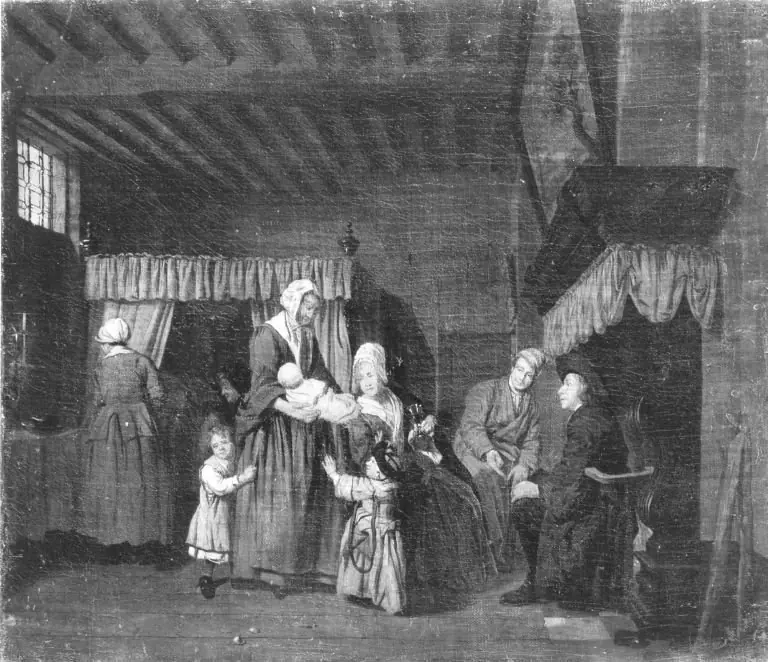
The painting portrays a small group engaged in the act of tea drinking, a practice still emerging in European domestic life at the time. Rather than emphasizing luxury or ceremony, Lambrechts presents an intimate, unpretentious gathering. The figures’ subdued gestures and modest attire suggest a focus on quiet companionship, reflecting the growing cultural significance of private social rituals over public spectacle.
Technique & Style
Lambrechts employs soft, muted tones and careful attention to texture, particularly in fabrics and ceramics, to ground the scene in tactile realism. Brushwork is precise but not ornate, avoiding the exuberant flourishes typical of later Rococo works. The composition is balanced and contained, with figures arranged naturally within a modest interior, prioritizing psychological presence over theatricality.
History & Provenance
The painting entered the Alte Pinakothek’s collection in the 19th century, likely through acquisitions of Flemish and Dutch genre works. Its attribution to Lambrechts is supported by stylistic parallels with his other known pieces, though documentation from its early ownership remains sparse. It has been consistently cataloged as a work from the early 18th century since its inclusion in the museum’s holdings.
Context
In early 18th-century Flanders, tea drinking was becoming a domestic habit among the middle classes, distinct from elite European tea rituals. Lambrechts’ depiction aligns with a broader trend in Northern European art that valued quiet, everyday moments over grand narratives. The work reflects local customs rather than international fashion, situating it within a regional artistic tradition that favored observation over idealization.
Legacy
Though not widely reproduced or studied outside specialized circles, *Teegesellschaft* contributes to the understanding of how ordinary life was rendered in Flemish painting after the Baroque period. It stands as a quiet testament to the shift in artistic focus toward domesticity and subtle human interaction, influencing later genre painters who sought authenticity over embellishment.
Artist & collection
Artist
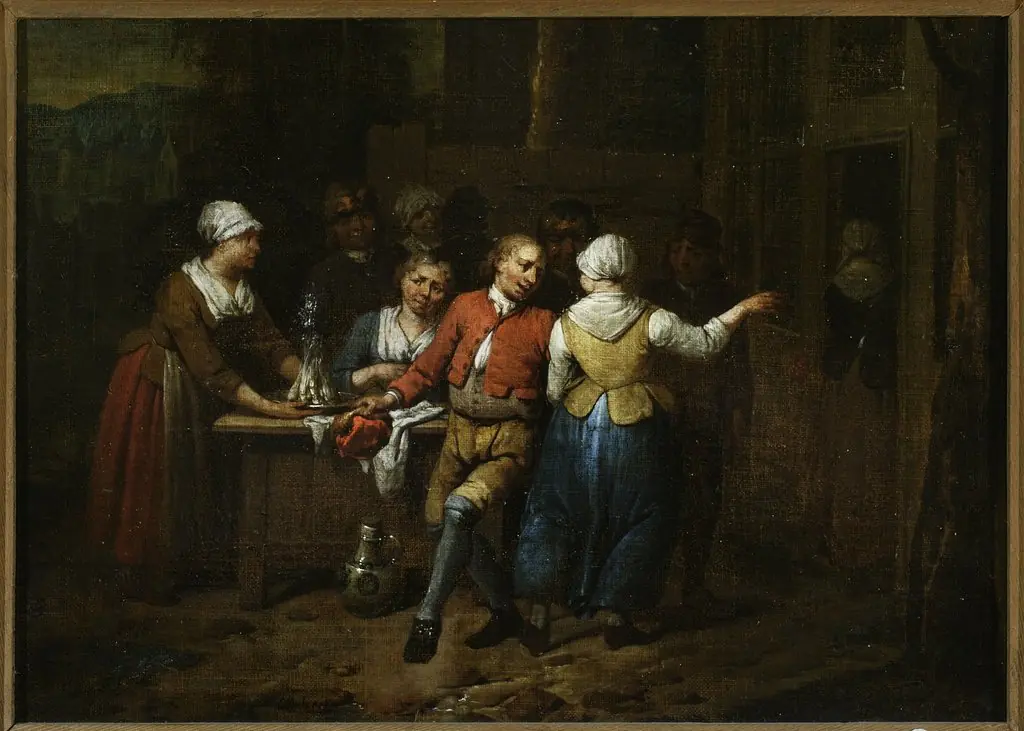
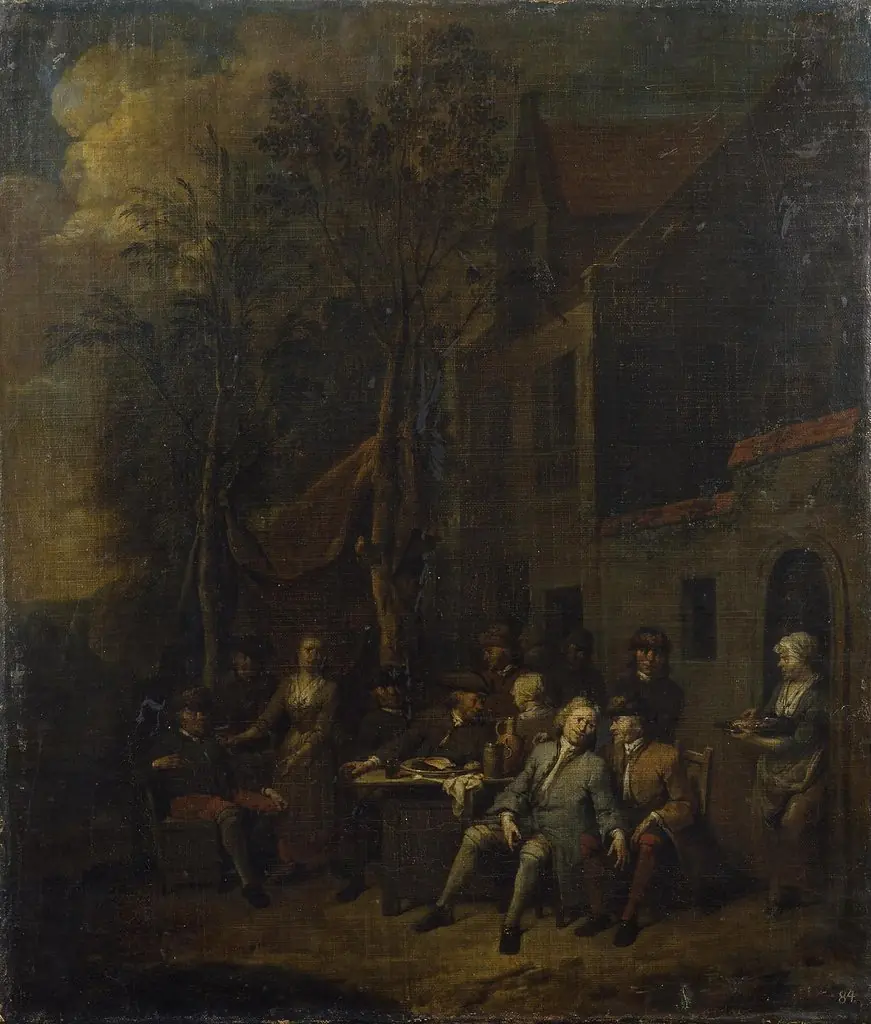
Jan Baptist Lambrechts (baptised 28 February 1680 - after 1731) was an 18th-century Flemish painter. He is mainly known for his genre scenes of drinkers, cooks, maids, vegetable salesmen and dancing farmers.