Artwork
Gemüsemarkt (Juli-August)
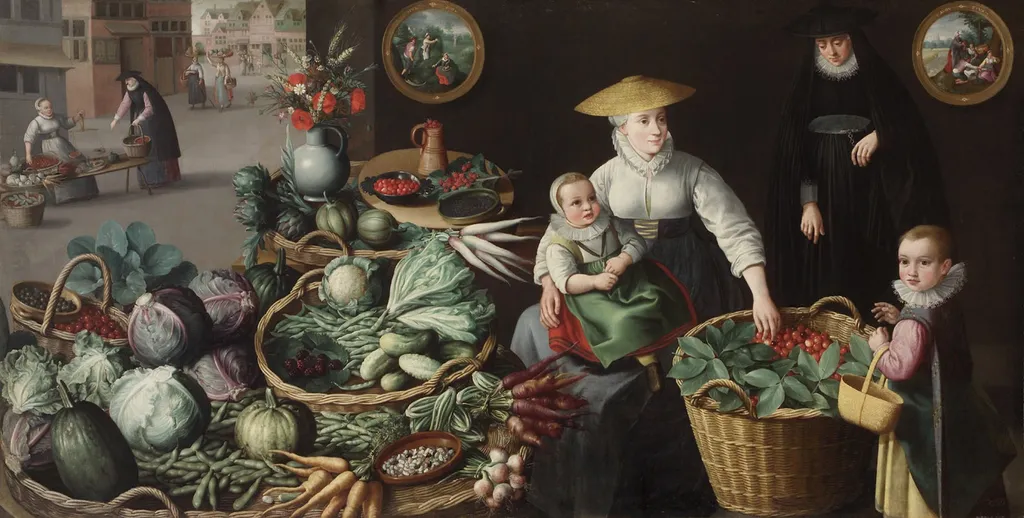
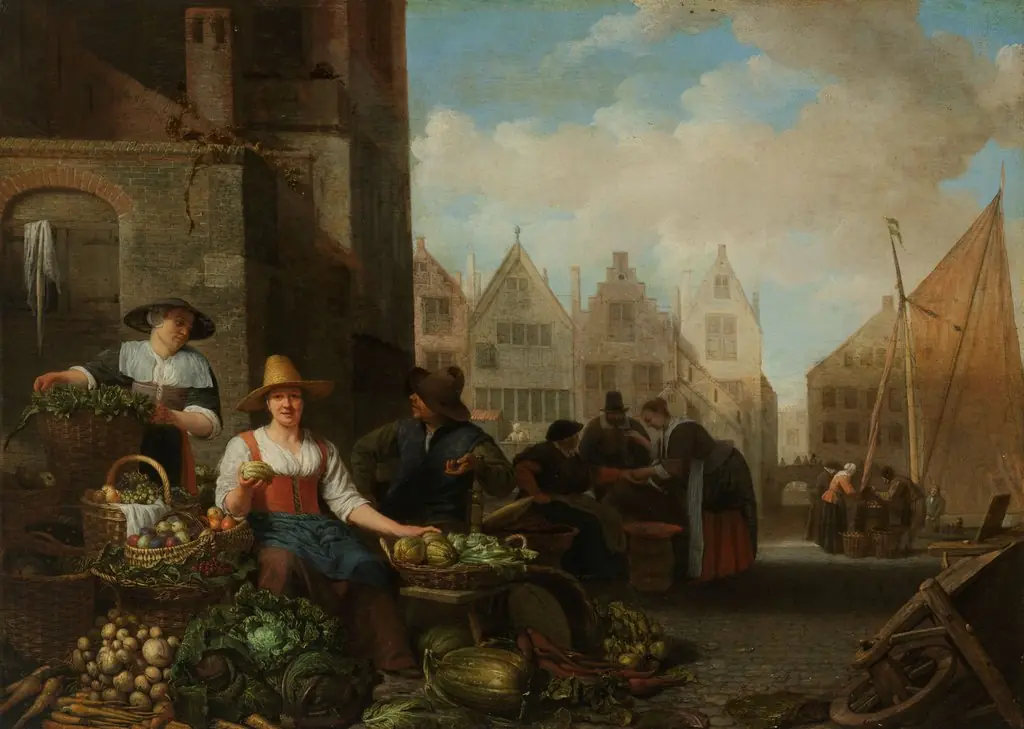
Gemüsemarkt (Juli-August) is an unspecified painting by the Early Baroque Italian artist Jan Baptiste le Saive II. It dates from 1596 and is held in the collection of the Kunsthistorisches Museum.
About this work
Overview
Gemüsemarkt (Juli-August) is a 1596 painting by Jan Baptiste le Saive II, currently part of the collection at the Kunsthistorisches Museum. The work depicts a lively market scene, focusing on a woman and her children amidst an array of vegetables and fruits.
Subject & Meaning
At its core, the painting captures a moment of domestic intimacy within a public setting. The woman's gentle engagement with her children conveys warmth and care, contrasting with the bustling market activity. The vibrant display of produce serves as a visual anchor, highlighting the everyday beauty of market life.
Technique & Style
Le Saive II employed chiaroscuro to create a pronounced contrast between light and dark, enhancing the scene's depth. The meticulous arrangement of colorful produce adds texture and visual appeal, drawing the viewer's eye through the composition.
History & Provenance
Created in 1596, Gemüsemarkt (Juli-August) is attributed to Jan Baptiste le Saive II. The painting is now held in the collection of the Kunsthistorisches Museum, though specific details of its acquisition or earlier ownership are not provided here.
Context
The painting reflects 16th-century European market life, emphasizing both the commercial and personal aspects of such gatherings. The depiction of everyday people in a mundane yet vibrant setting aligns with the period's interest in genre scenes.
Legacy
While specific influences or direct artistic legacies of Gemüsemarkt (Juli-August) are not detailed here, it contributes to the broader understanding of 16th-century genre painting and the use of chiaroscuro in capturing daily life.
Artist & collection

 Greengrocery Stall
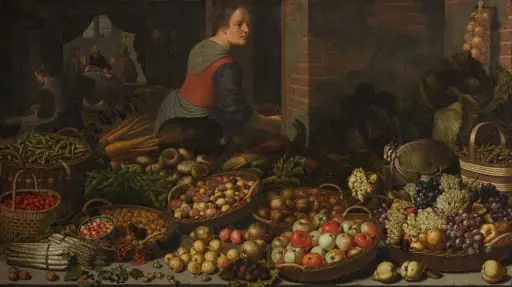 Still Life with Fruit and Vegetables, with Christ at Emmaus in the background
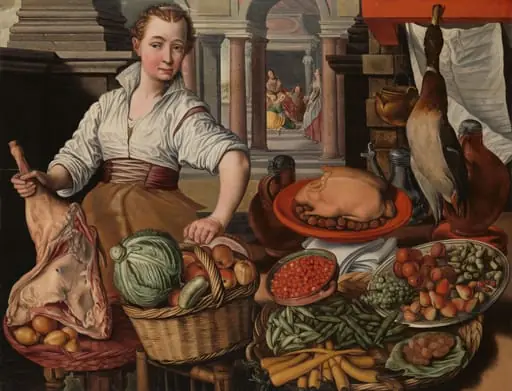 Kitchen Scene, with Jesus in the House of Martha and Mary in the background
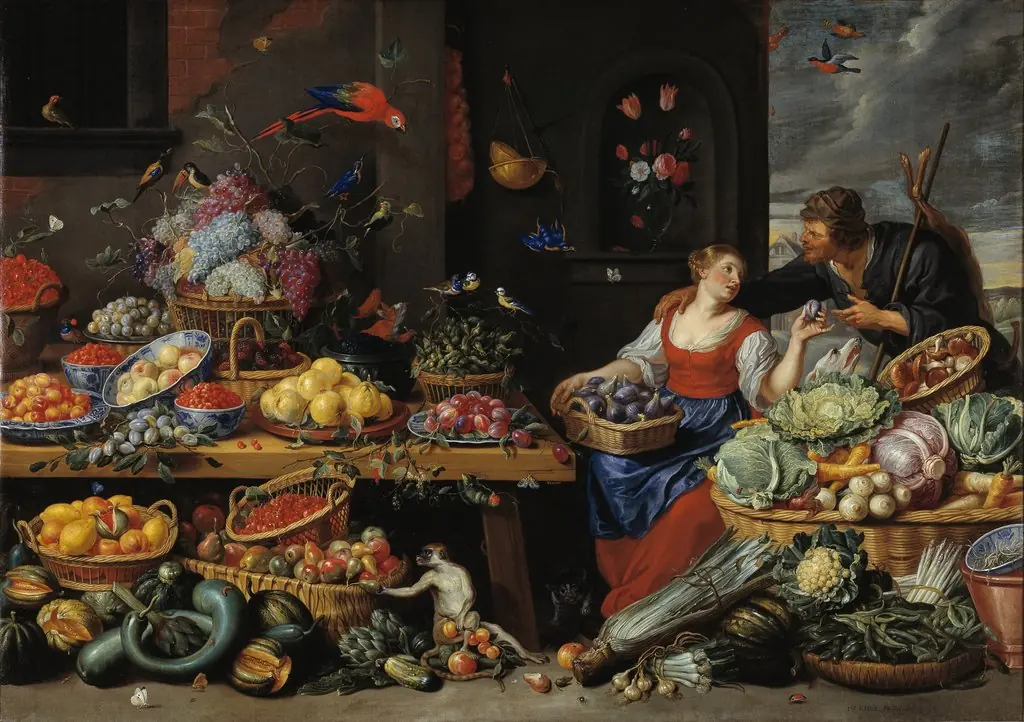 Fruit and Vegetable Market with a Young Fruit Seller
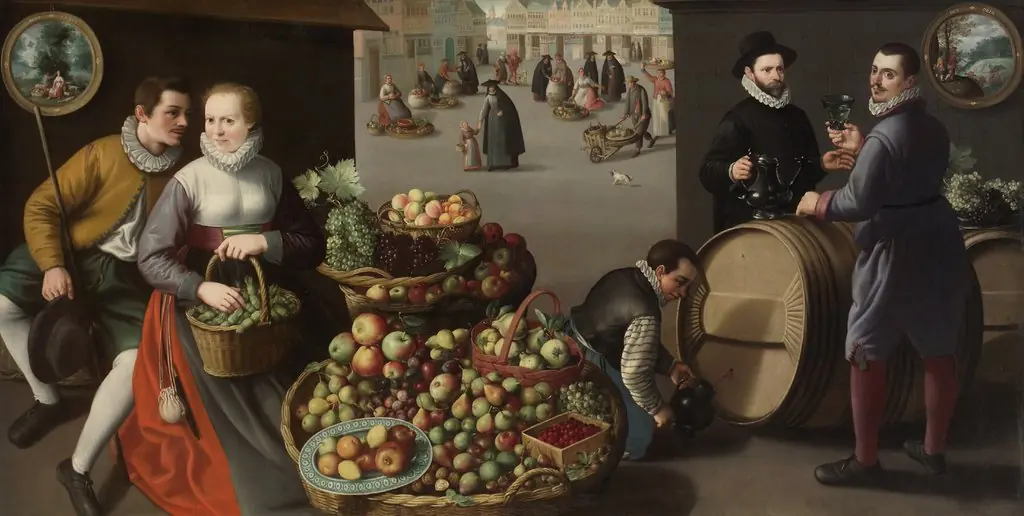
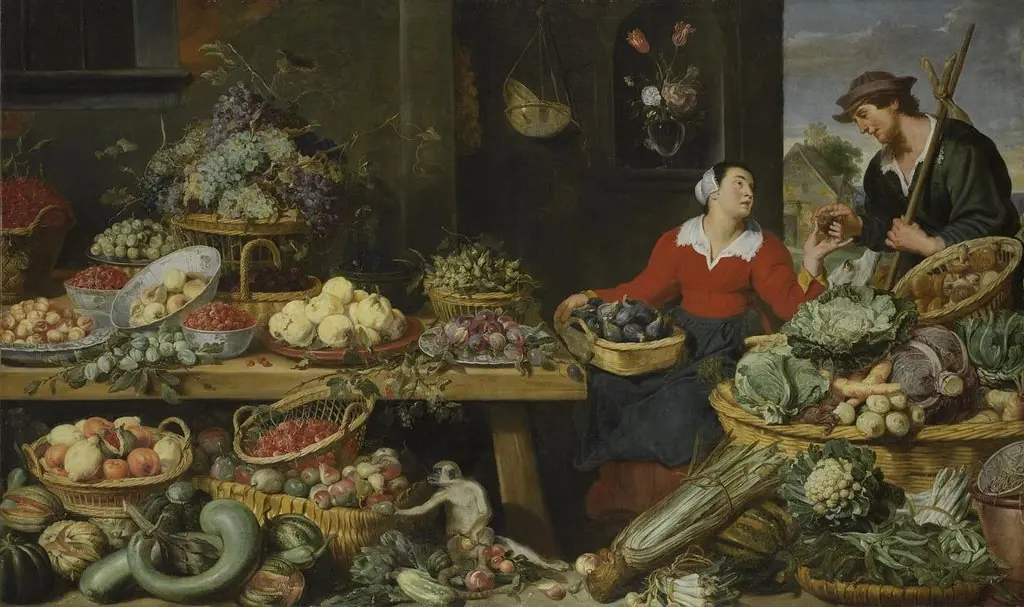 Market scene with fruit and vegetables, and an amorous couple
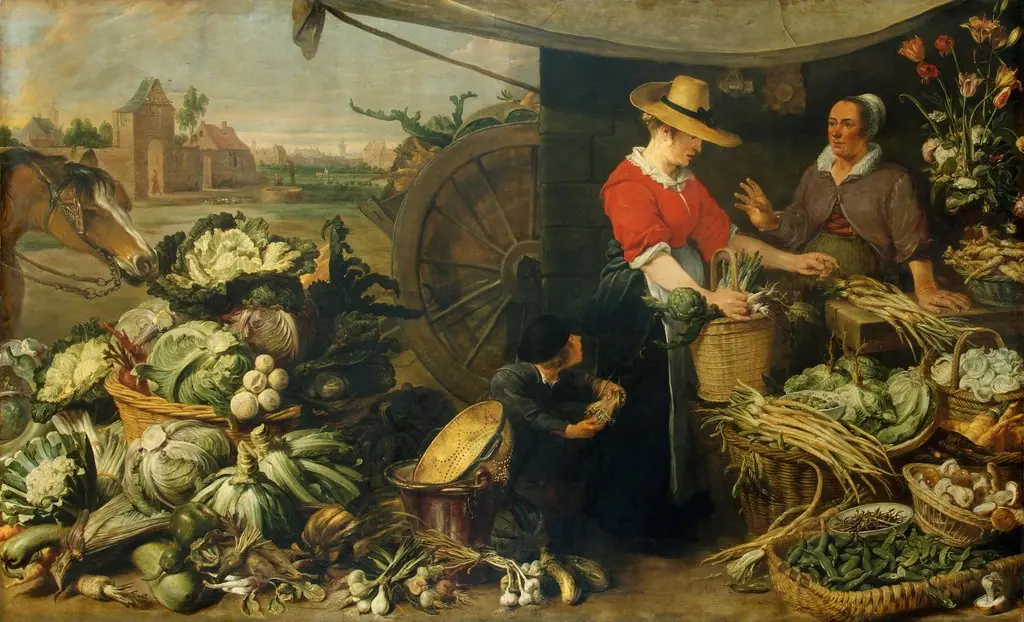
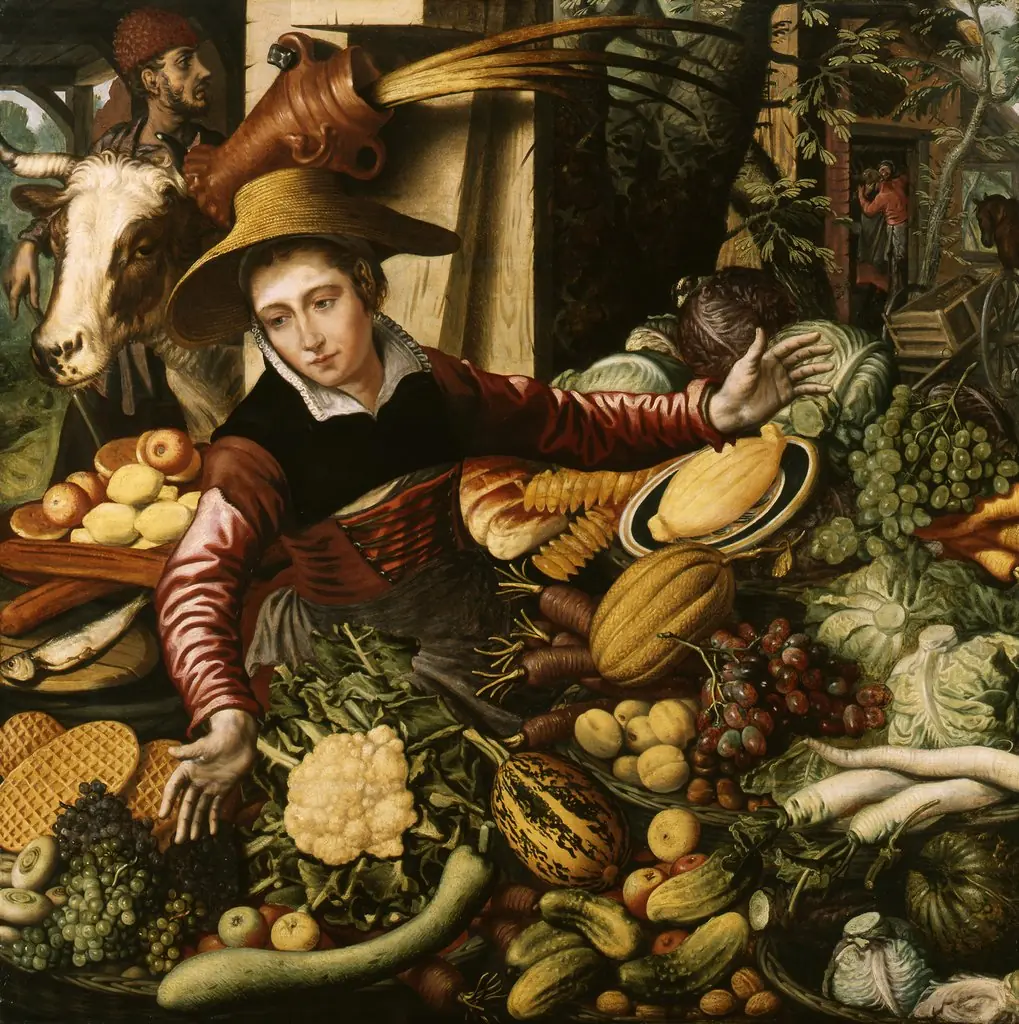 Market Woman at the Vegetable Stall
 The Fat Kitchen. An Allegory
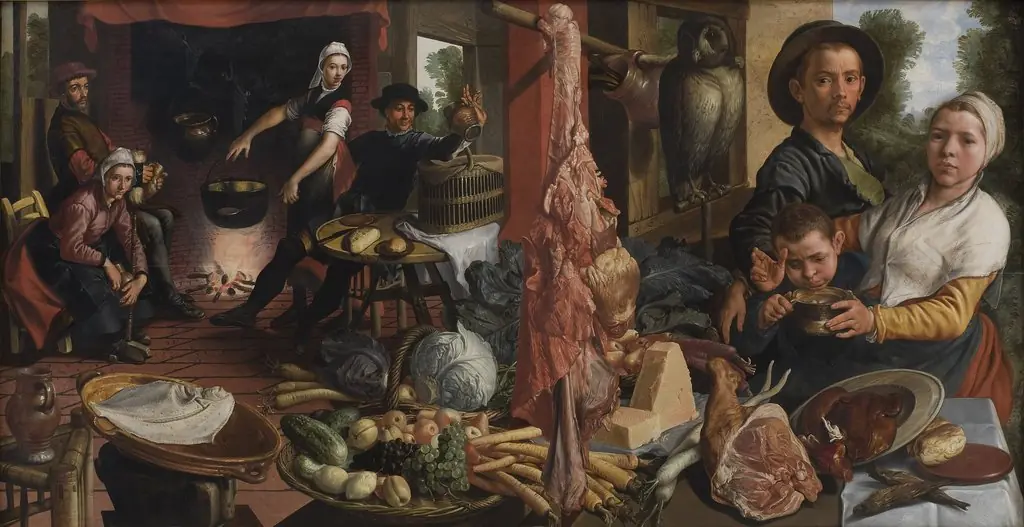 The Fat Kitchen. An Allegory
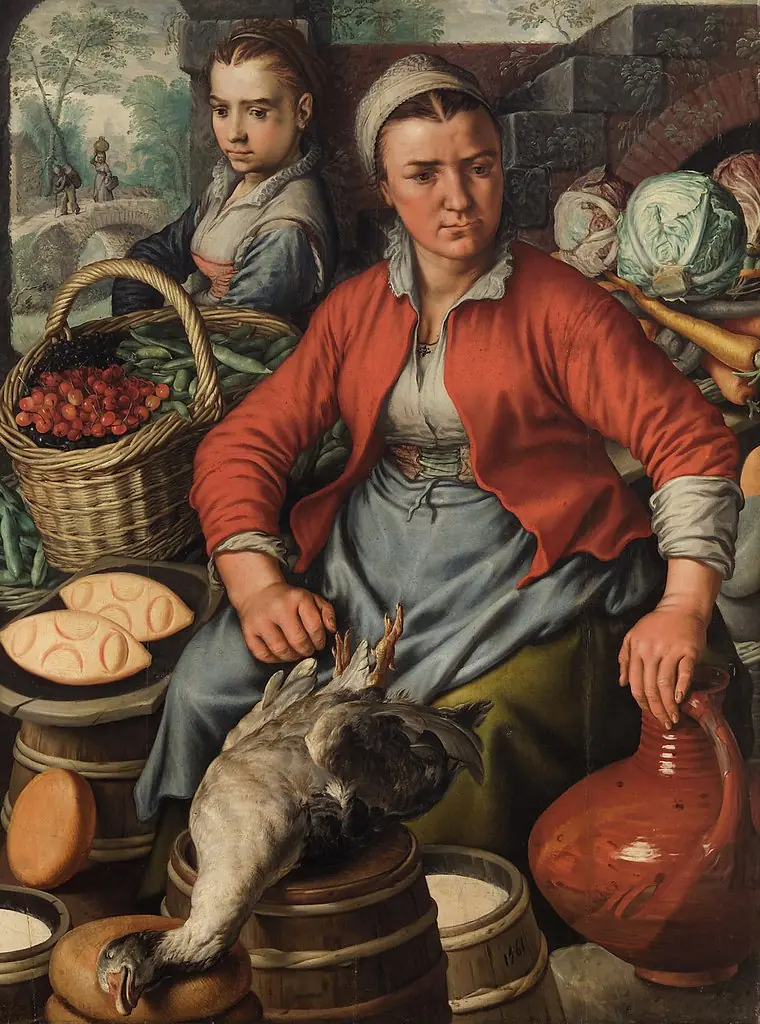 Market Woman
 The Vegetable Market
 Still Life