Artwork
Bacchus (Allegory of Autumn)
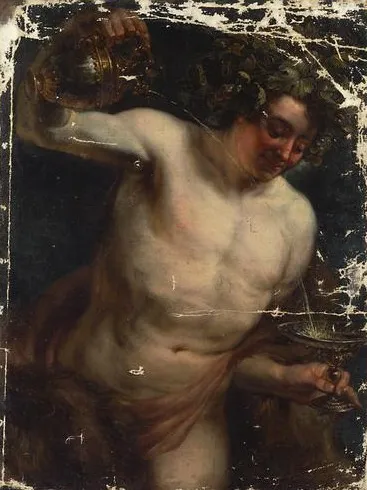
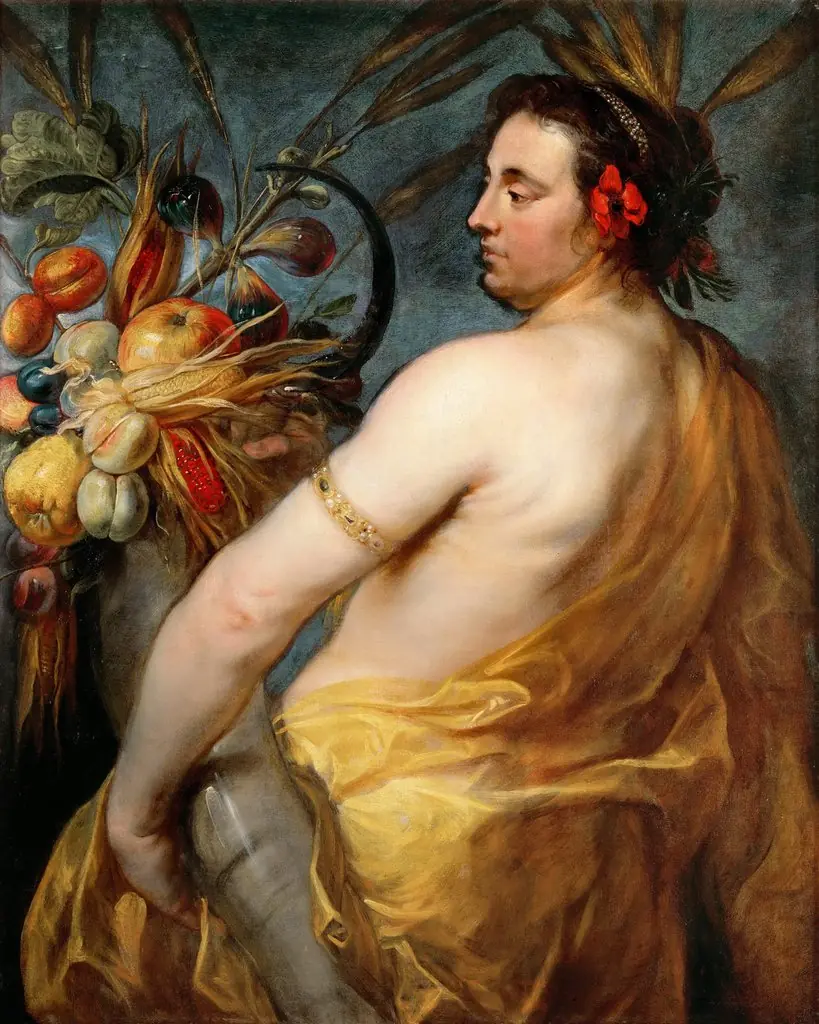
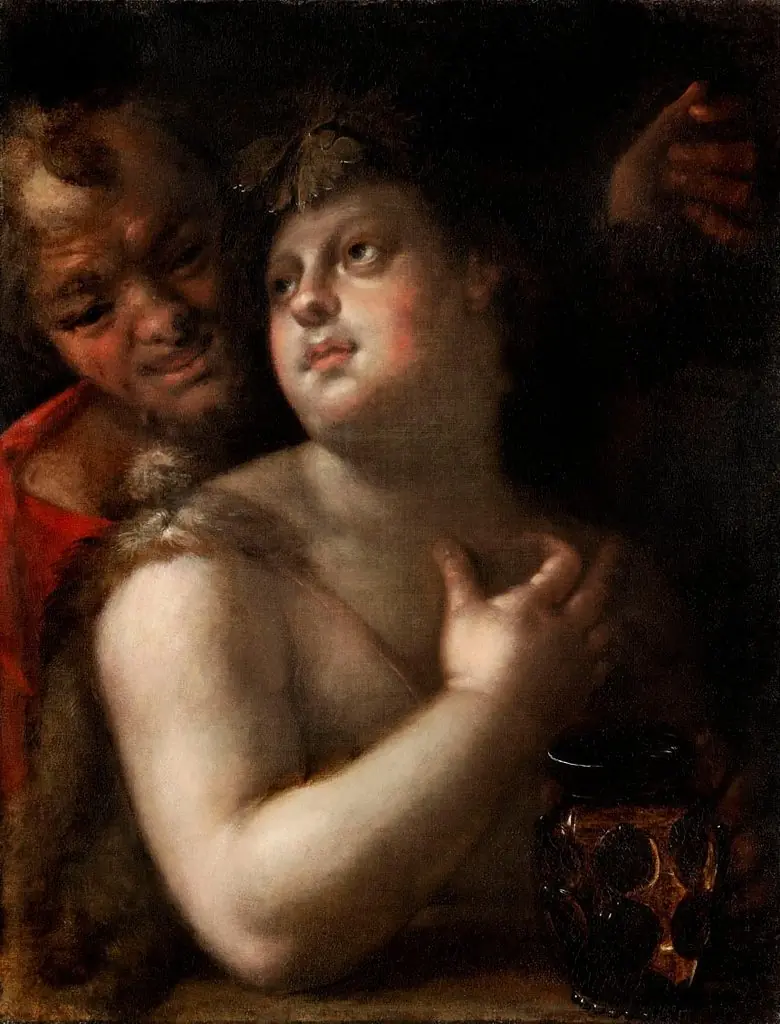
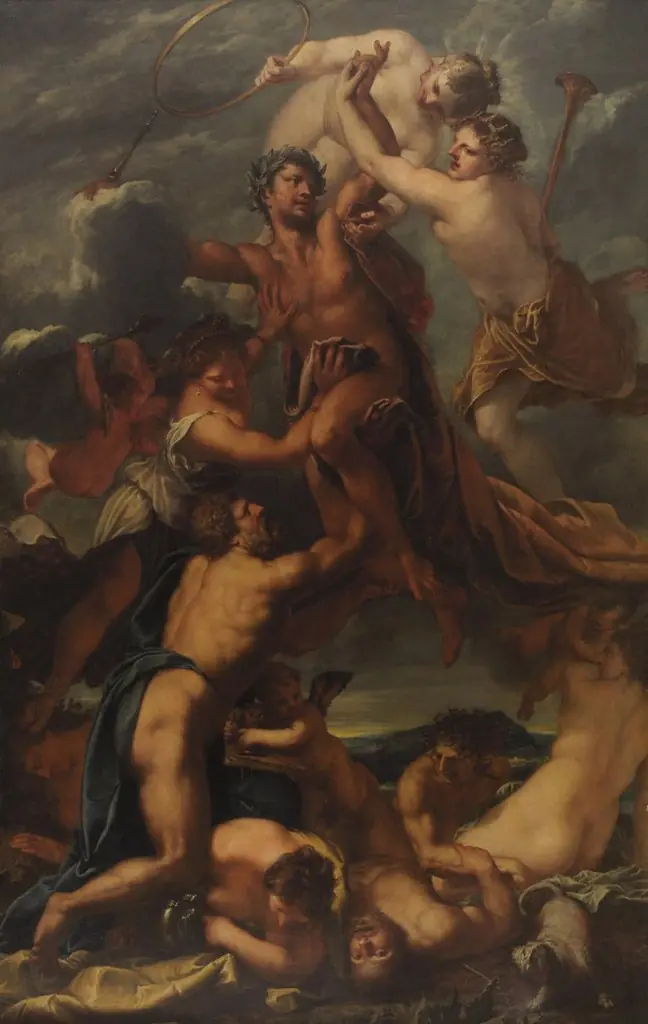
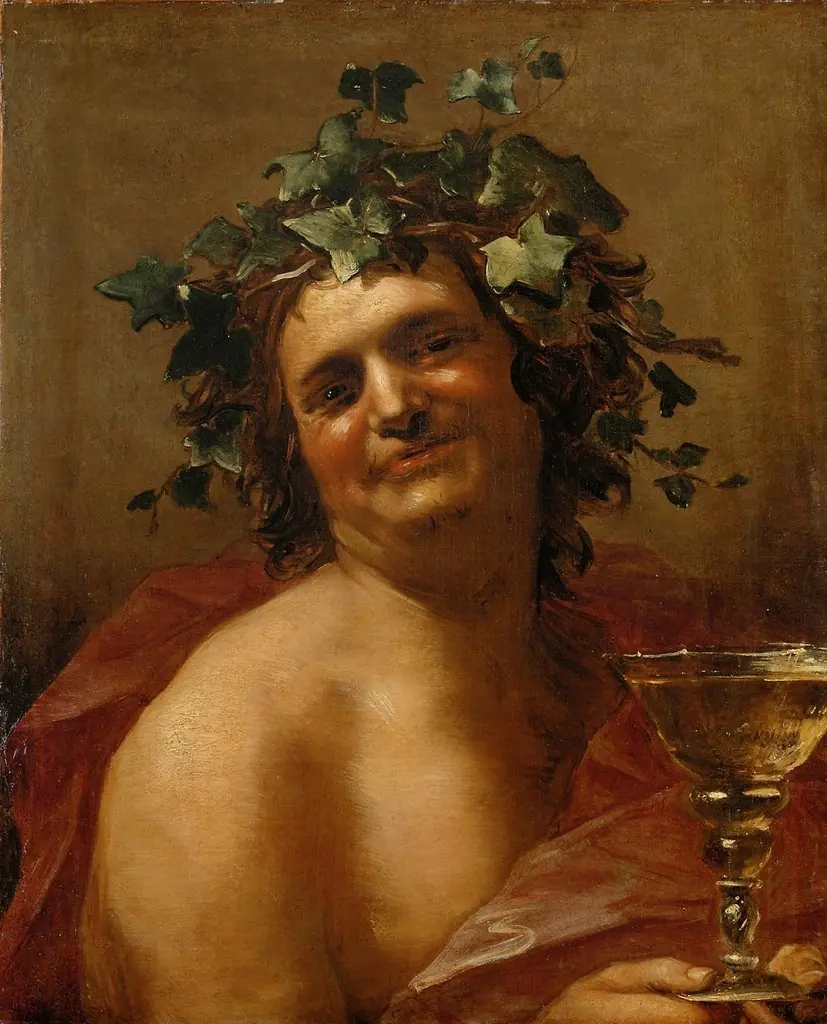
Bacchus (Allegory of Autumn) is an oil painting by the Flemish Baroque painting artist Jan Boeckhorst. It dates from 1643 and is held in the collection of the Kunsthistorisches Museum.
About this work
Overview
Bacchus (Allegory of Autumn) is a 1643 oil painting by Jan Boeckhorst, a Flemish Baroque artist of German origin. The work is part of the Kunsthistorisches Museum's collection.
Subject & Meaning
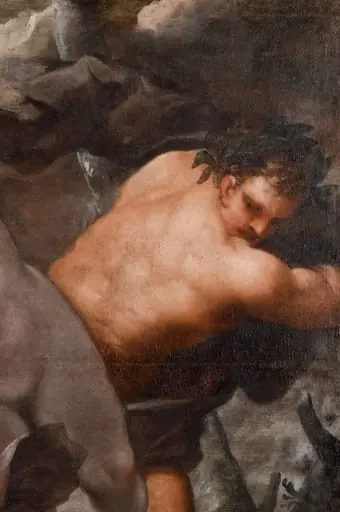
The painting depicts Bacchus, the god of wine and revelry, as an allegory for Autumn. The figure is shown shirtless, holding grapes and a wine cup, symbolizing the season's harvest.
Technique & Style
Boeckhorst's use of chiaroscuro creates a three-dimensional effect, with strong contrasts between light and dark. Thick paint application accentuates the figure's muscular form, while a dark, blurred background emphasizes the subject.
History & Provenance
Created in 1643, the painting reflects the influence of Boeckhorst's contemporaries, including Rubens, van Dyck, and Jordaens. It is characteristic of his work in history painting and allegorical subjects.
Artist & collection
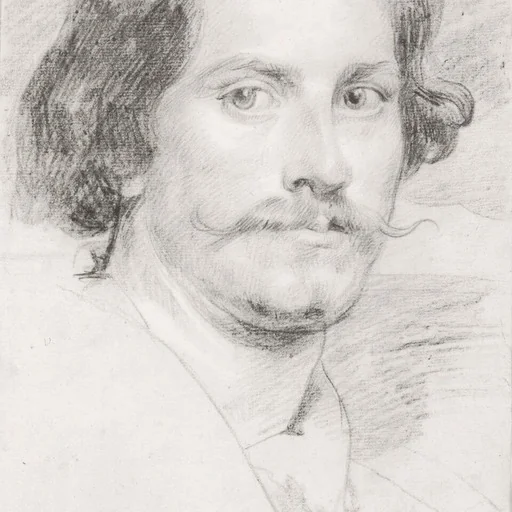
Artist
Jan Boeckhorst or Johann Bockhorst (c. 1604 – 21 April 1668) was a German-born Flemish Baroque painter and draughtsman who worked most of his career in Antwerp. He was a versatile artist who produced history paintings,…