Artwork
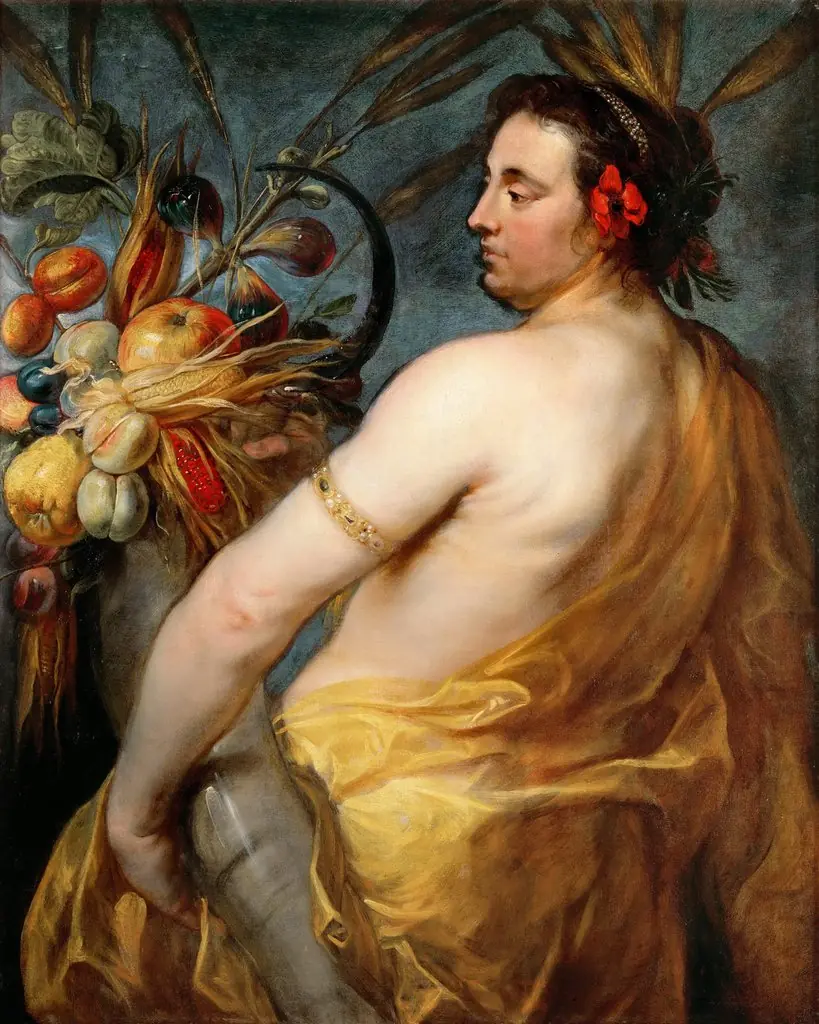
Flora (Allegory of Spring)
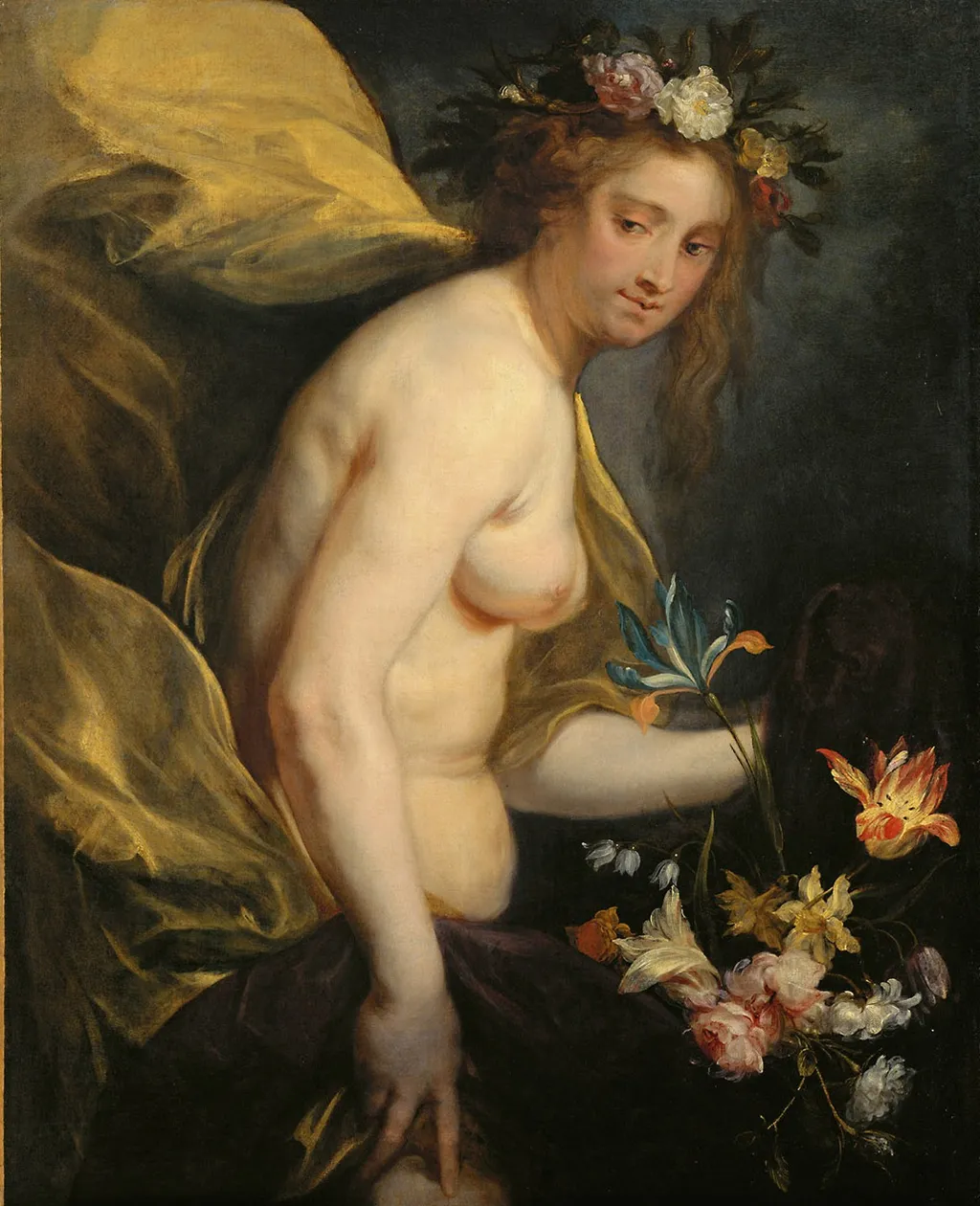
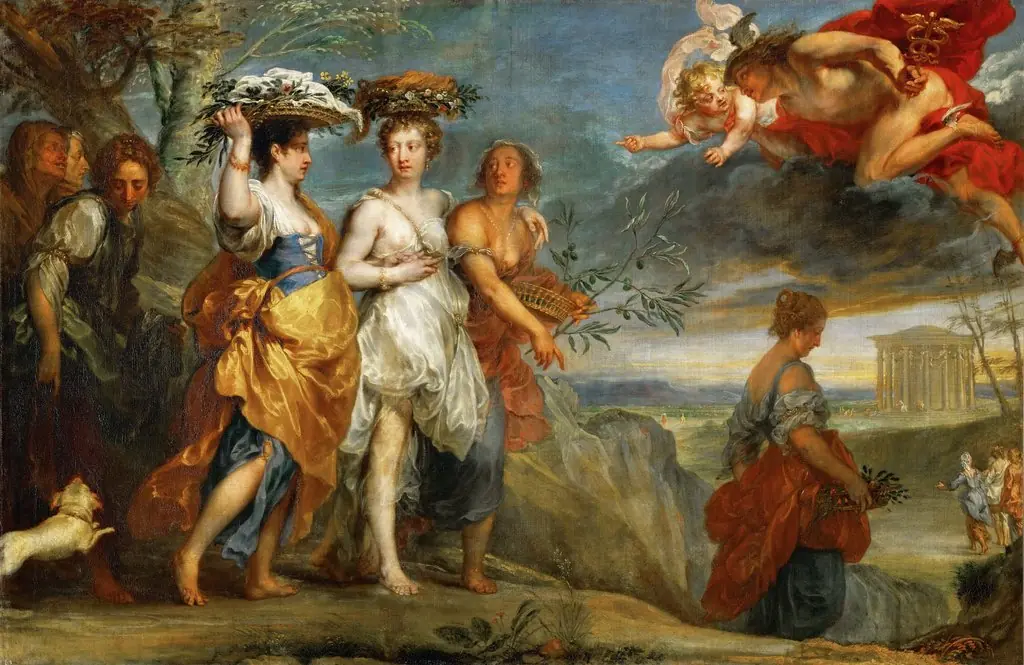
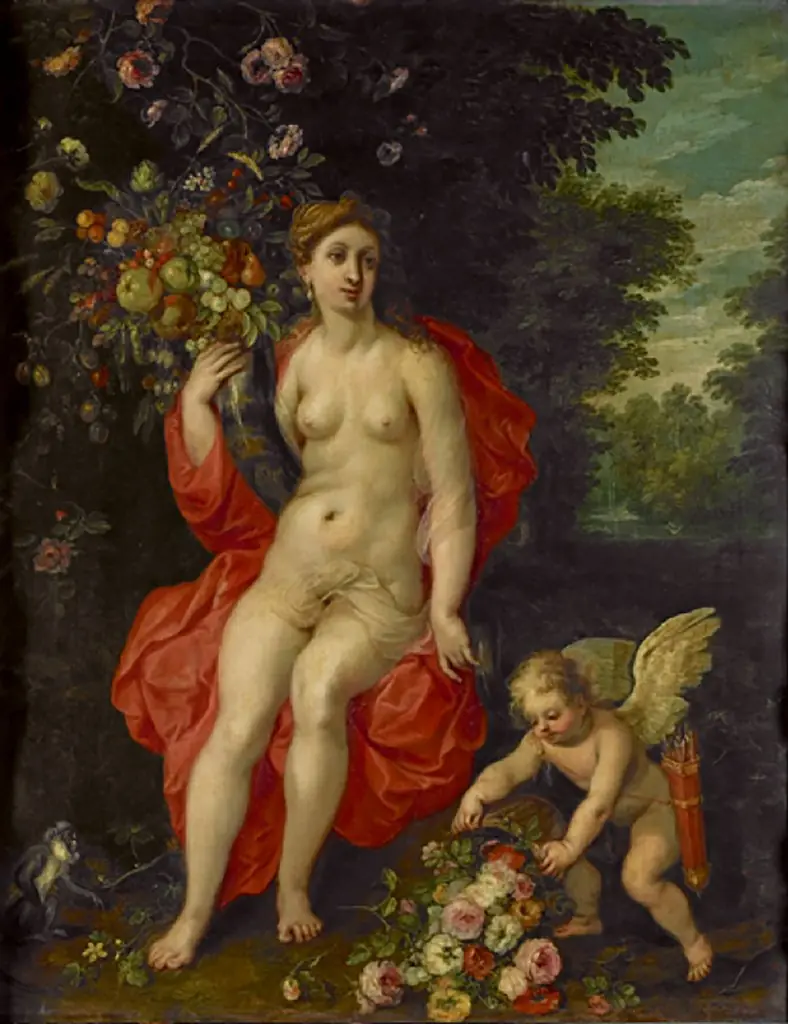
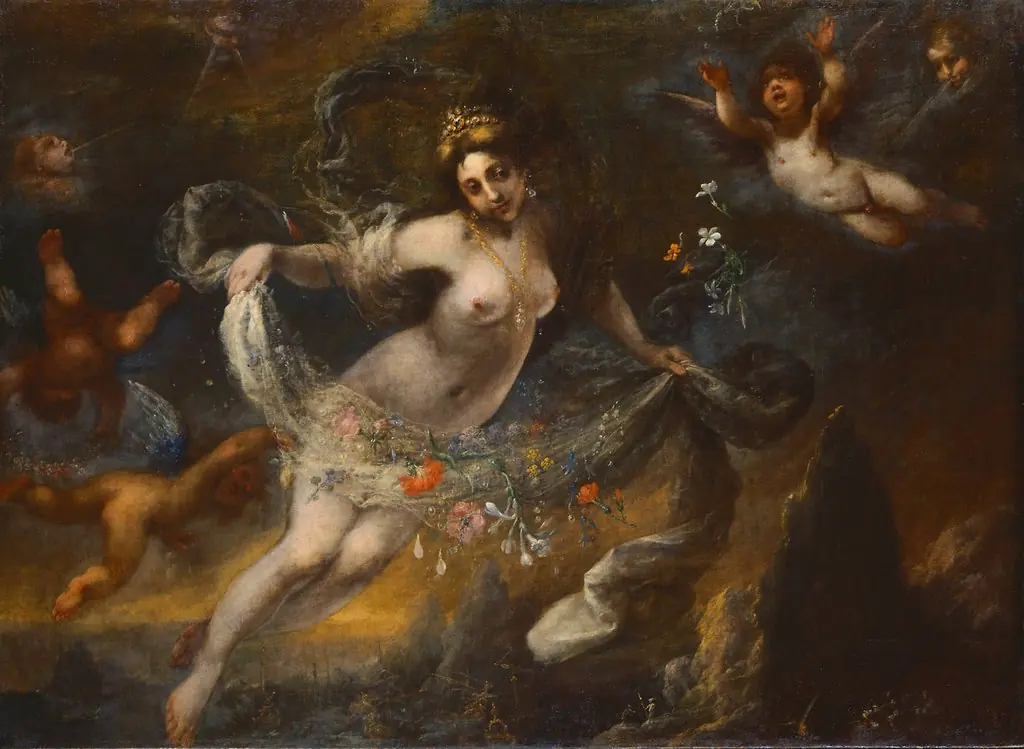
Flora (Allegory of Spring) is a color painting by the Flemish Baroque painting artist Jan Boeckhorst. It dates from 1630 and is held in the collection of the Kunsthistorisches Museum.
About this work
Overview
Painted in 1630 by Jan Boeckhorst, a German-born artist active in Antwerp, this work presents an allegorical figure of Flora, personifying spring.
Painted in 1630 by Jan Boeckhorst, a German-born artist active in Antwerp, this work presents an allegorical figure of Flora, personifying spring. Executed in oil on panel, the painting reflects the influence of leading Flemish Baroque painters, particularly in its handling of form and light. Boeckhorst, known for diverse subject matter, here merges mythological symbolism with naturalistic observation, a hallmark of his mature style.
Subject & Meaning
The central figure, Flora, is depicted as a nude or semi-nude woman crowned with blossoms, holding a bouquet of seasonal flowers. Her poised stance and serene expression evoke renewal and fertility, aligning with classical traditions of spring deities. The garden setting, though sparse, suggests abundance through meticulously rendered flora, reinforcing the allegory without overt narrative. The dark background isolates her, focusing attention on the symbolic interplay of life and season.
Technique & Style
Boeckhorst employs chiaroscuro to model the figure’s skin with subtle gradations, lending it a tactile, lifelike quality. The flowers and foliage are rendered in precise, vibrant hues, contrasting with the muted background. Brushwork varies: soft transitions define the flesh, while finer strokes capture individual petals and leaves. This technical dexterity reflects his training under Rubens and Jordaens, balancing idealized form with observed detail.
History & Provenance
The painting entered the collection of the Kunsthistorisches Museum in Vienna, where it remains today. Its early ownership is undocumented, but its presence in a major Habsburg collection suggests it was acquired during the 17th or early 18th century, likely through diplomatic or artistic networks linking Antwerp and Vienna. No significant alterations or restorations are recorded in its modern conservation history.
Context
In early 17th-century Antwerp, allegorical subjects like Flora were popular among patrons seeking refined, humanist themes. Boeckhorst’s work emerged amid a flourishing art market that valued mythological imagery as much as religious or historical scenes. His synthesis of Rubensian dynamism with Jordaens’ earthy realism positioned him as a bridge between grand manner and intimate observation in Flemish painting.
Legacy
Though less widely known than his contemporaries, Boeckhorst’s *Flora* exemplifies the nuanced allegorical tradition in Flemish Baroque art. His ability to merge myth with naturalism influenced later genre painters who favored symbolic figures in domestic or garden settings. The painting endures as a quiet testament to the period’s fascination with nature as both aesthetic and philosophical subject.
Artist & collection
Artist
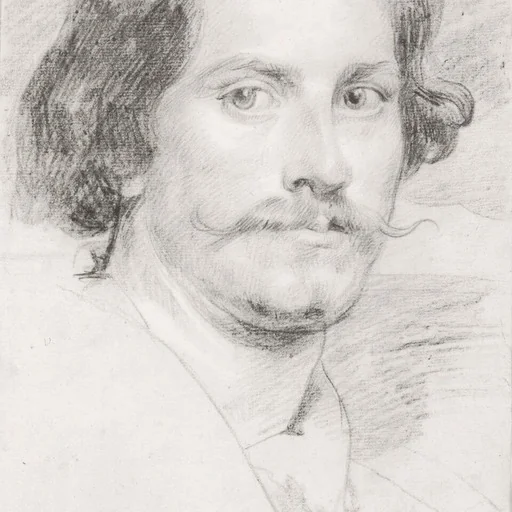
Jan Boeckhorst or Johann Bockhorst (c. 1604 – 21 April 1668) was a German-born Flemish Baroque painter and draughtsman who worked most of his career in Antwerp. He was a versatile artist who produced history paintings,…