Artwork
Rest on the Flight into Egypt
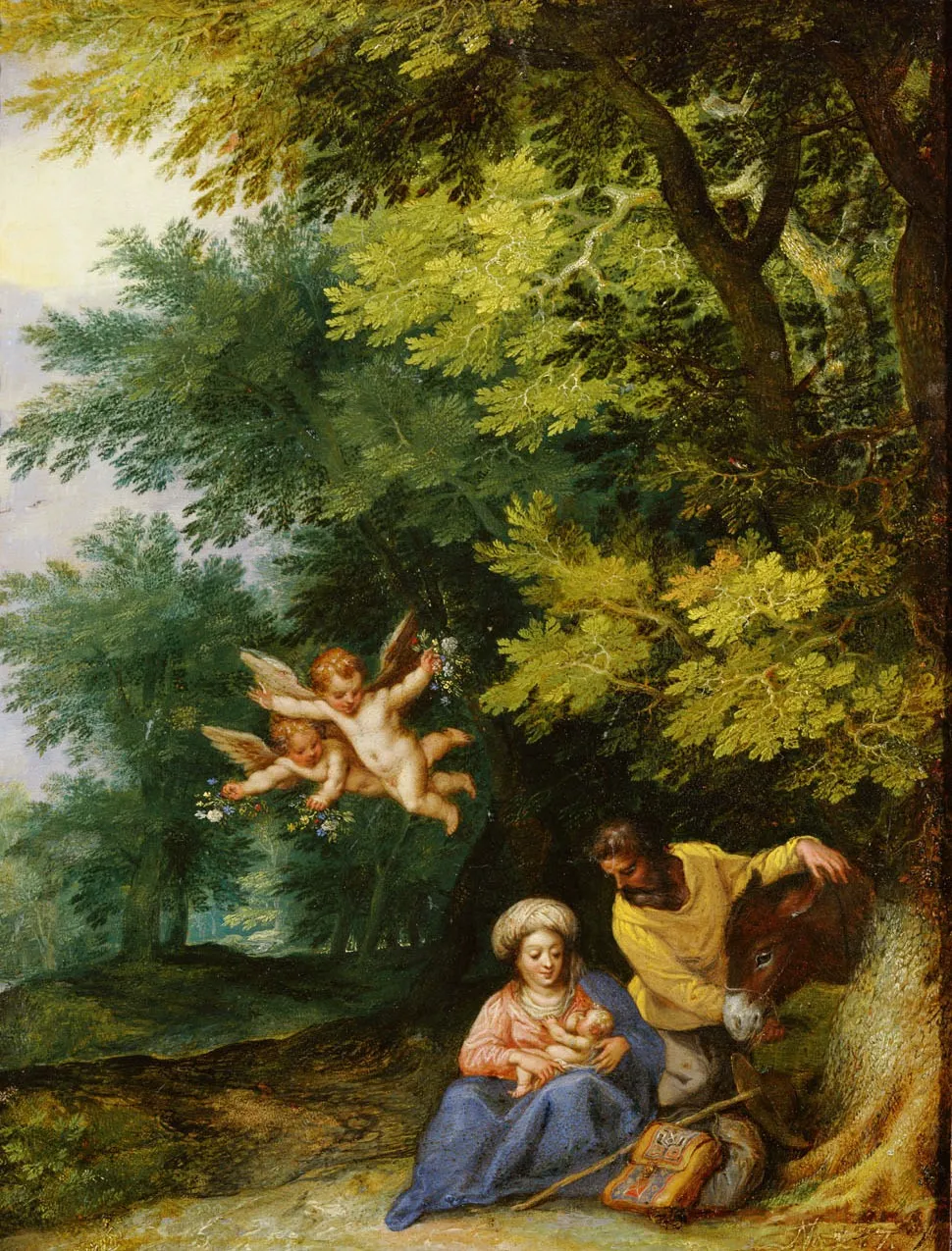
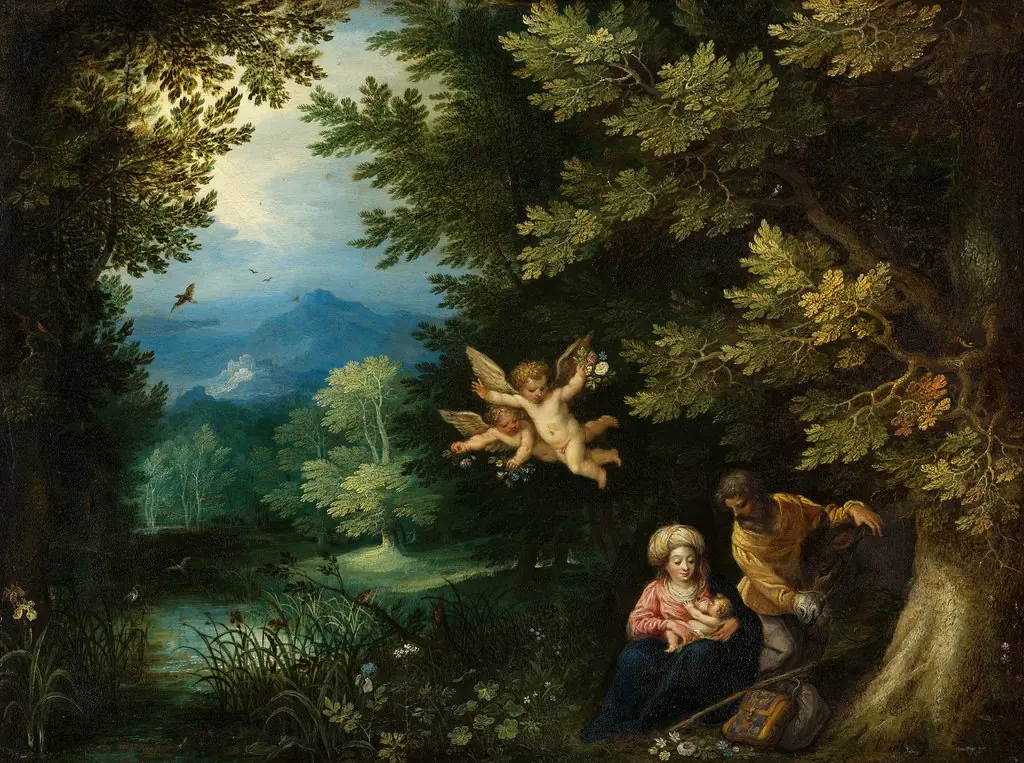
Rest on the Flight into Egypt is a color painting by the Flemish Baroque painting artist Jan Brueghel, the elder. It dates from 1598 and is held in the collection of the Kunsthistorisches Museum.
About this work
Overview
The piece belongs to a series of intimate biblical scenes Brueghel produced during this period, often emphasizing tranquility over drama.
Painted in 1598 on a copper panel, *Rest on the Flight into Egypt* is a small-scale devotional work by Jan Brueghel the Elder. Executed in the late 16th century, it reflects the Flemish tradition of detailed naturalism and religious narrative. Copper was favored for its smooth surface, allowing fine brushwork and luminous color effects. The piece belongs to a series of intimate biblical scenes Brueghel produced during this period, often emphasizing tranquility over drama.
Subject & Meaning
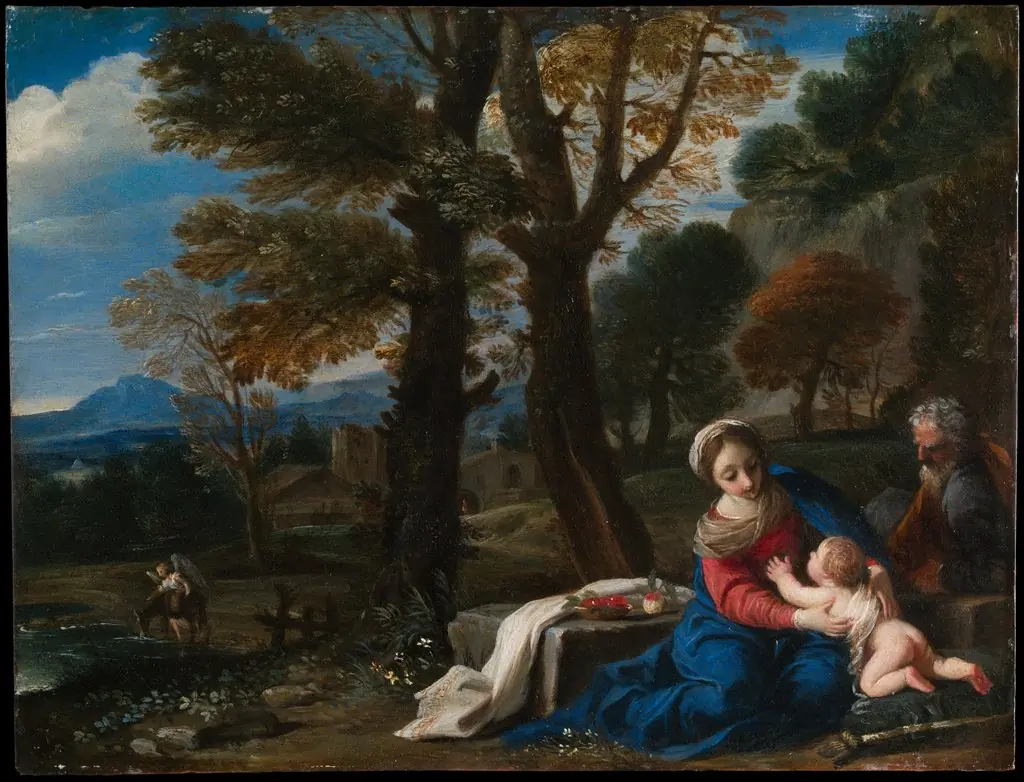
The painting illustrates a moment of respite during the Holy Family’s flight to Egypt, as described in the Gospel of Matthew. Mary, seated beneath a tree, holds the infant Jesus, while Joseph leans against their donkey, resting after travel. A cherub hovers above, symbolizing divine protection. The scene avoids grandeur, instead conveying quiet devotion and human vulnerability, aligning with Counter-Reformation ideals that emphasized personal piety and emotional restraint.
Technique & Style
Brueghel employed fine brushwork to render textures with precision: the soft folds of fabric, the layered foliage, and the delicate skin tones. Light is diffused gently across the composition, modeling forms without harsh contrasts. The copper support enhances the luminosity of pigments, particularly in the greens and blues. The cherub’s translucent wings and the dappled sunlight suggest an awareness of contemporary advances in optical realism, though without the dramatic chiaroscuro of later Baroque painters.
History & Provenance
Created in 1598, the painting emerged during Brueghel’s early career, before his well-documented collaborations with Rubens. It likely originated in Antwerp, where Brueghel was active and part of a network of artists and collectors. The work’s survival in relatively intact condition reflects its value as a devotional object. While its early ownership is undocumented, it entered institutional collections by the 19th century, preserving its attribution to the artist’s hand.
Context
In late 16th-century Flanders, religious imagery remained central despite Protestant upheavals. Artists like Brueghel catered to Catholic patrons seeking contemplative scenes that avoided overt spectacle. His focus on nature and quiet moments aligned with broader trends in Flemish painting, where landscape and detail served spiritual ends. The use of copper, though costly, signaled the work’s intended status as a private devotional piece rather than a public altarpiece.
Legacy
Though less celebrated than his later collaborations, this early work exemplifies Brueghel’s skill in blending narrative restraint with meticulous observation. It influenced his son, Jan Brueghel the Younger, and contributed to the evolution of intimate religious painting in the Southern Netherlands. The piece remains a quiet testament to the artist’s ability to elevate the mundane into the sacred through careful composition and refined technique.
Artist & collection
Artist
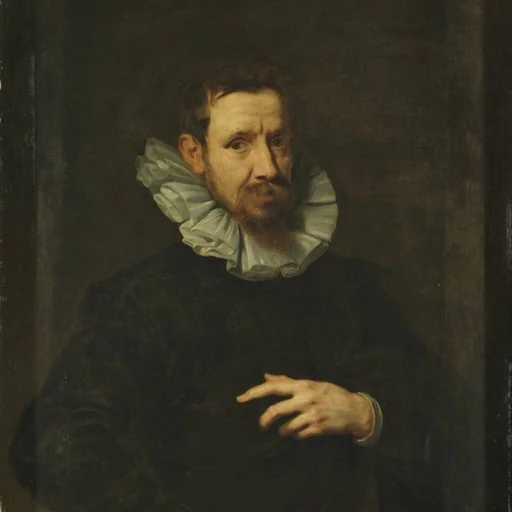
Jan Brueghel the Elder ( BROY-gəl, US also BROO-gəl; Dutch: ; 1568 – 13 January 1625) was a Flemish painter and draughtsman.

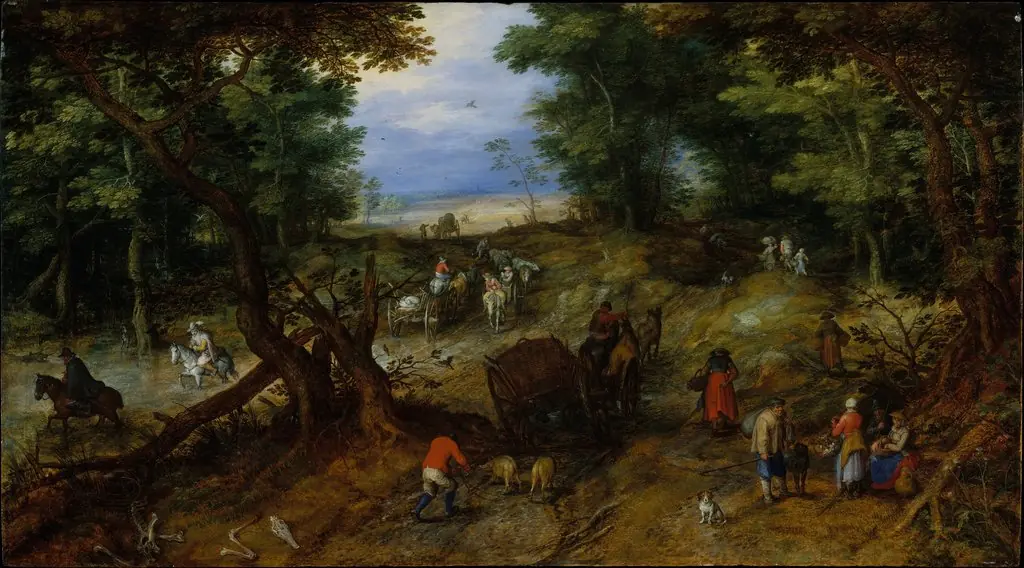
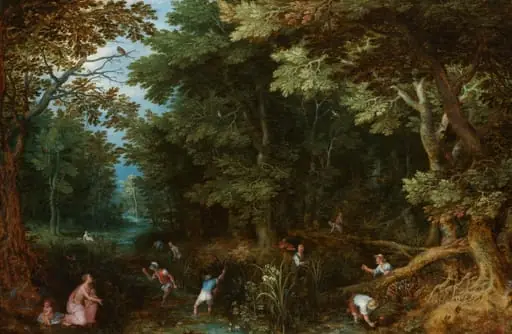
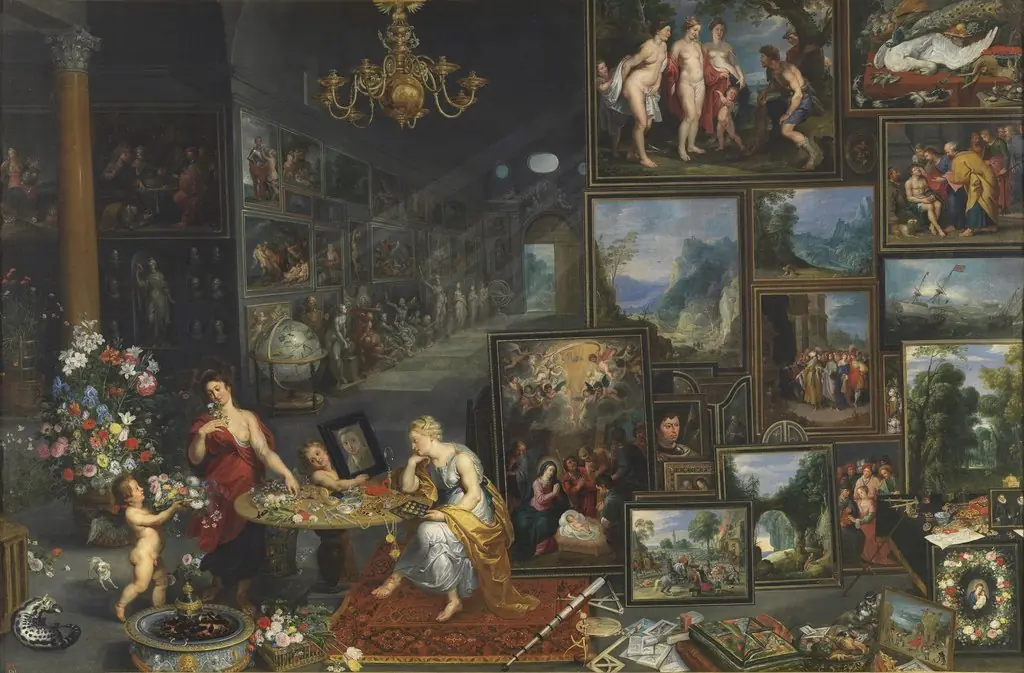
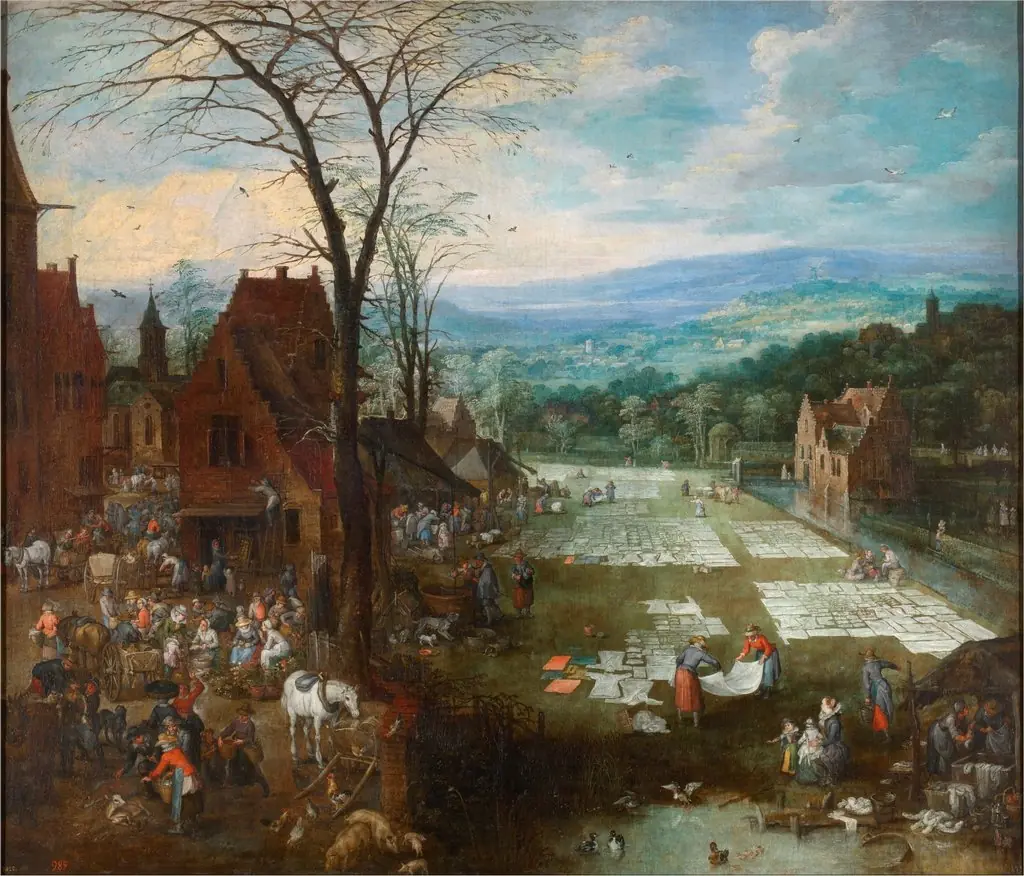
 Rest on the Flight into Egypt
 Rest on the Flight into Egypt
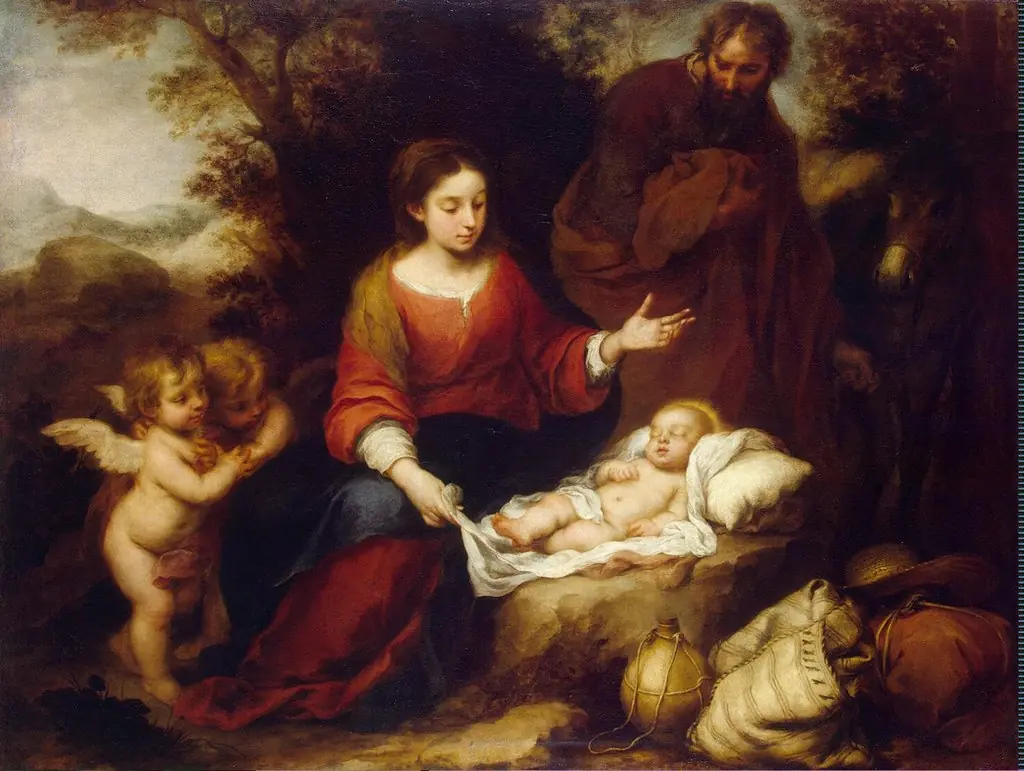 Rest on the Flight into Egypt
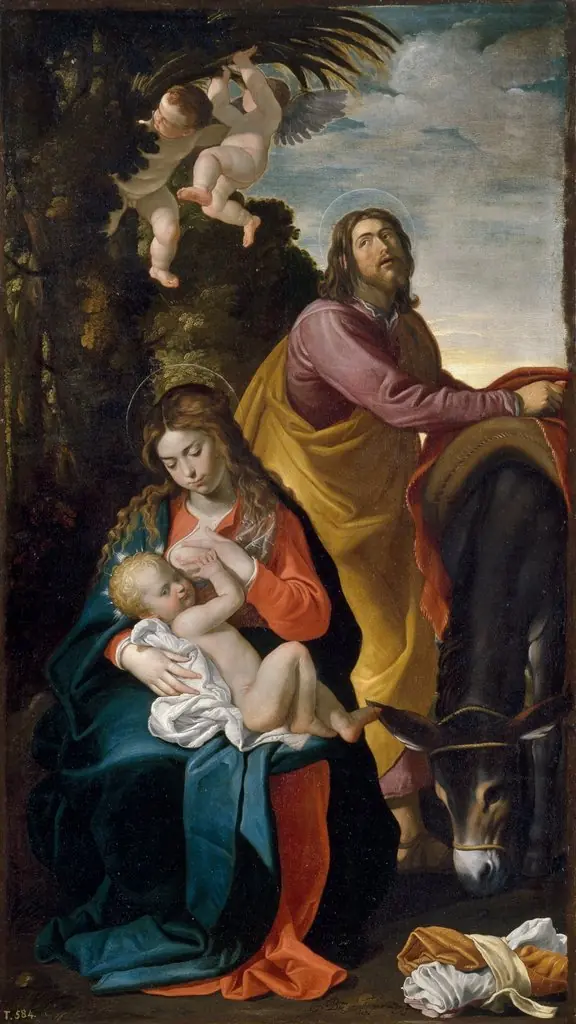 Rest on the Flight into Egypt
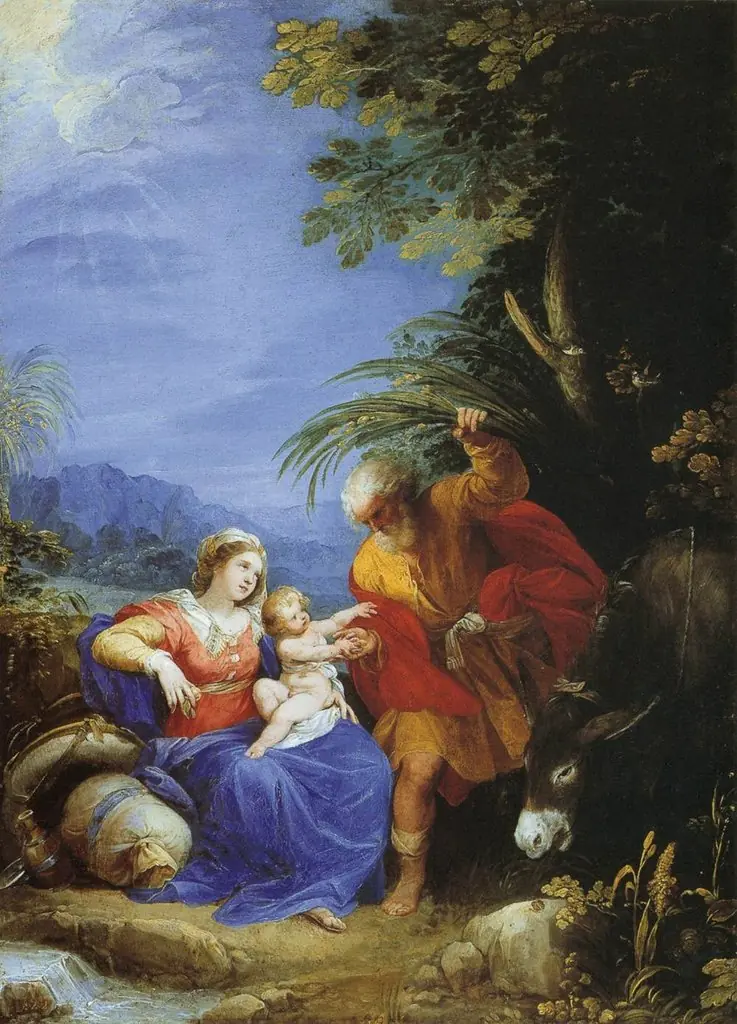 Rest on the Flight into Egypt
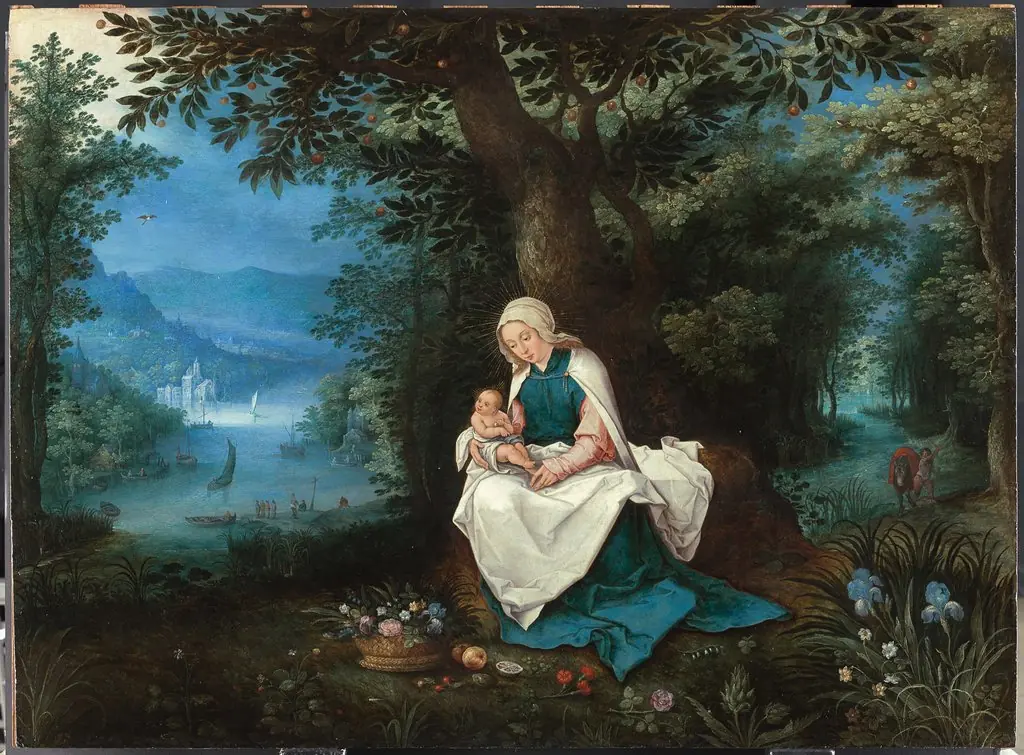 Rest on the Flight into Egypt
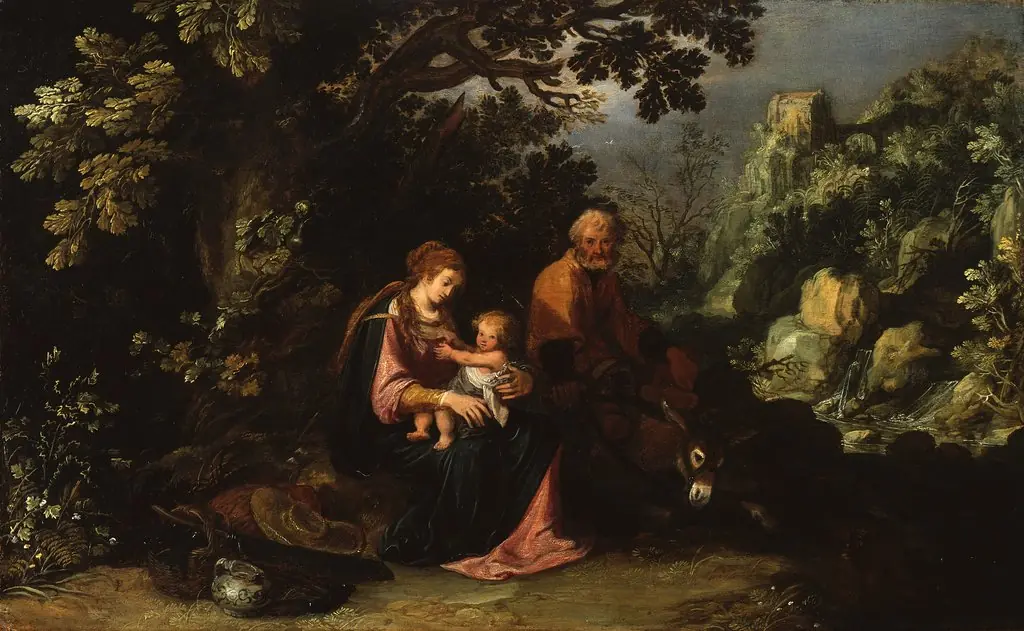 The Rest on the Flight to Egypt
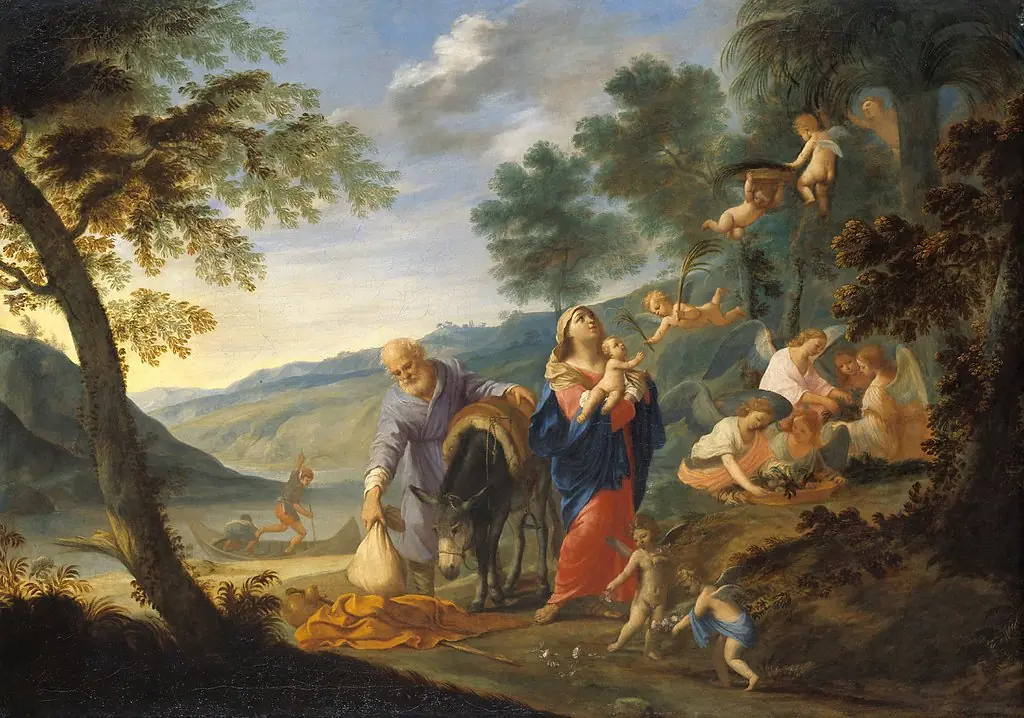 The Rest on the Flight into Egypt
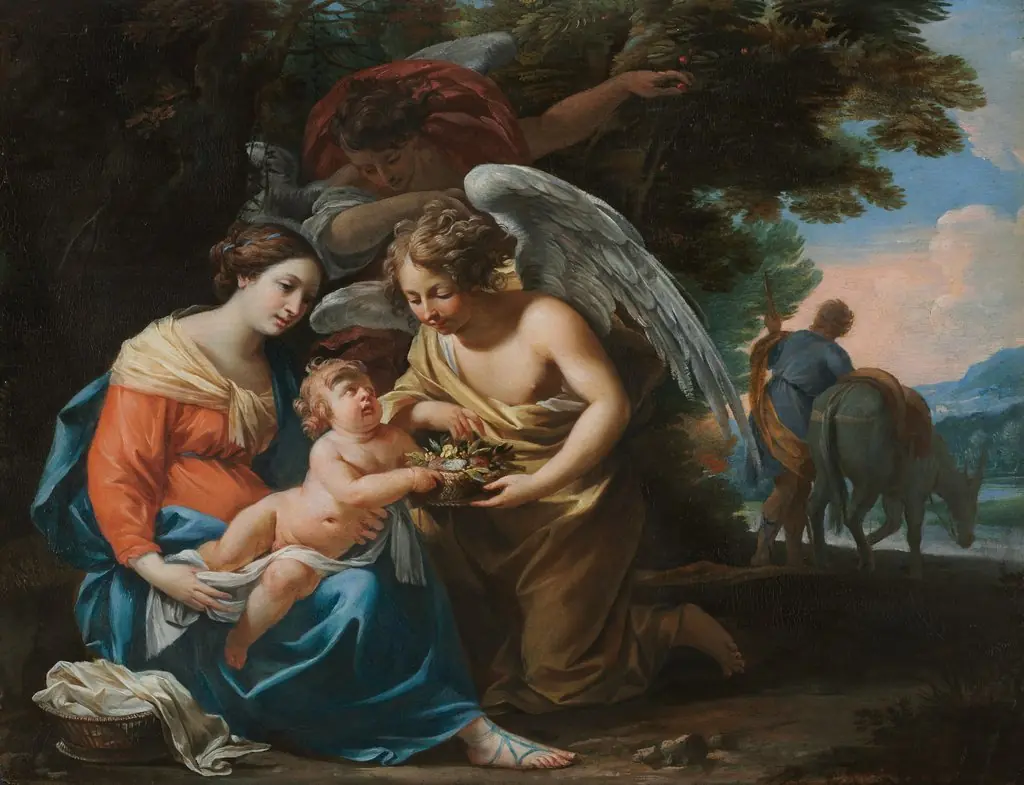 Rest on the Flight into Egypt
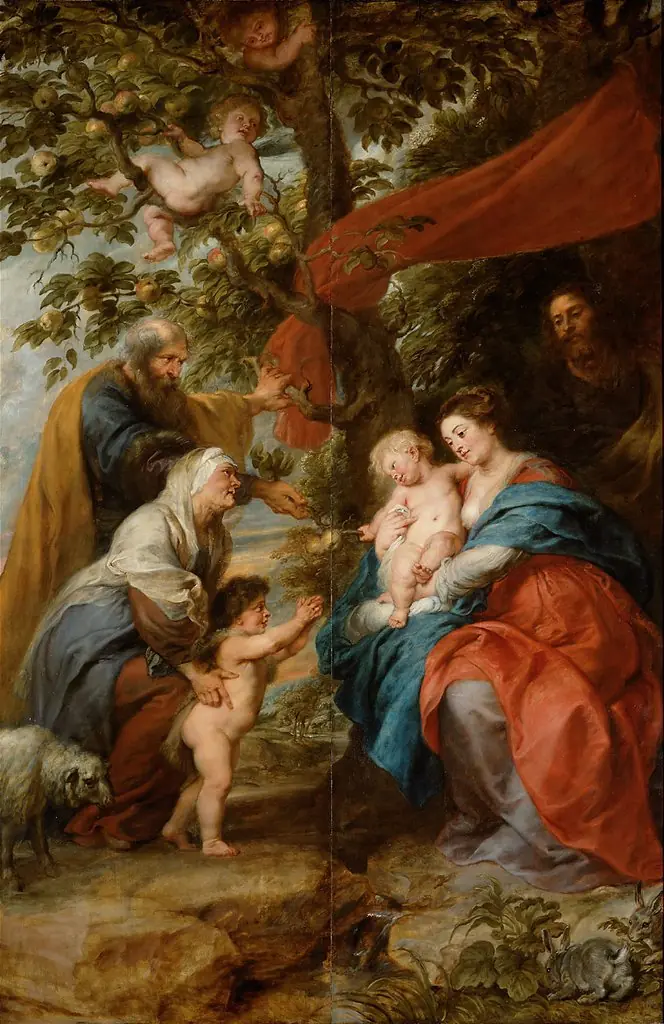 The Holy Family under the Apple Tree
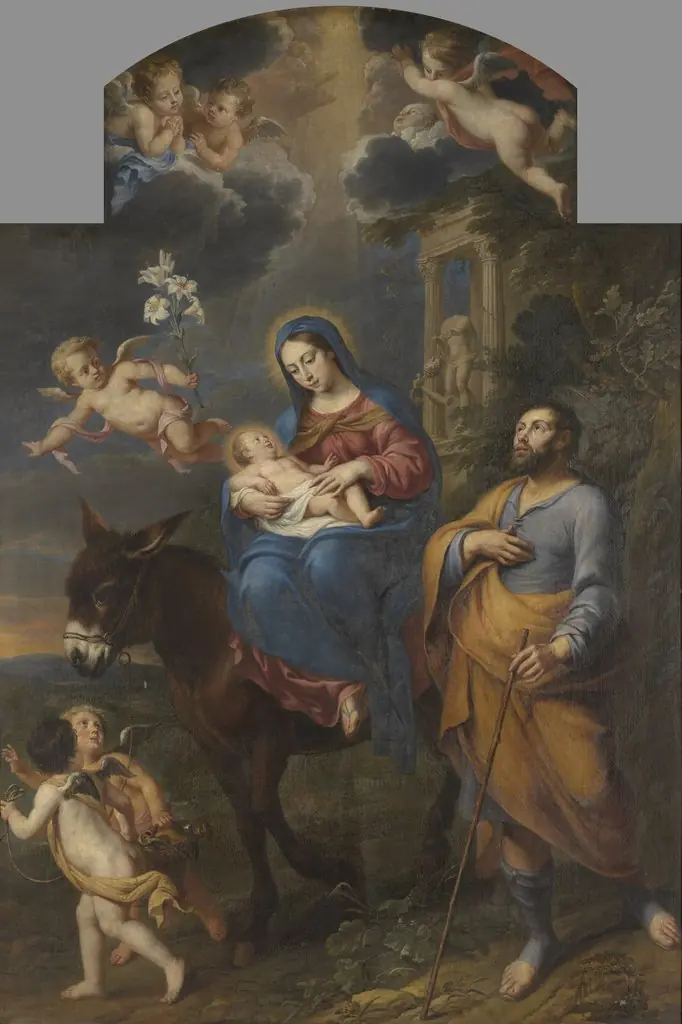 The Flight into Egypt
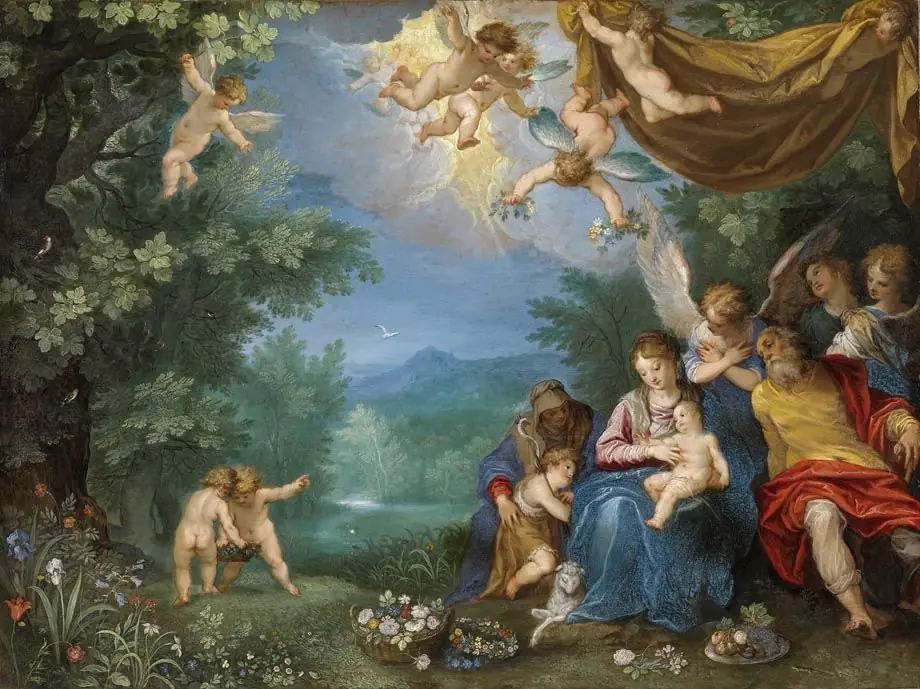 Rest on the Flight into Egypt