Artwork
Rest on the Flight into Egypt
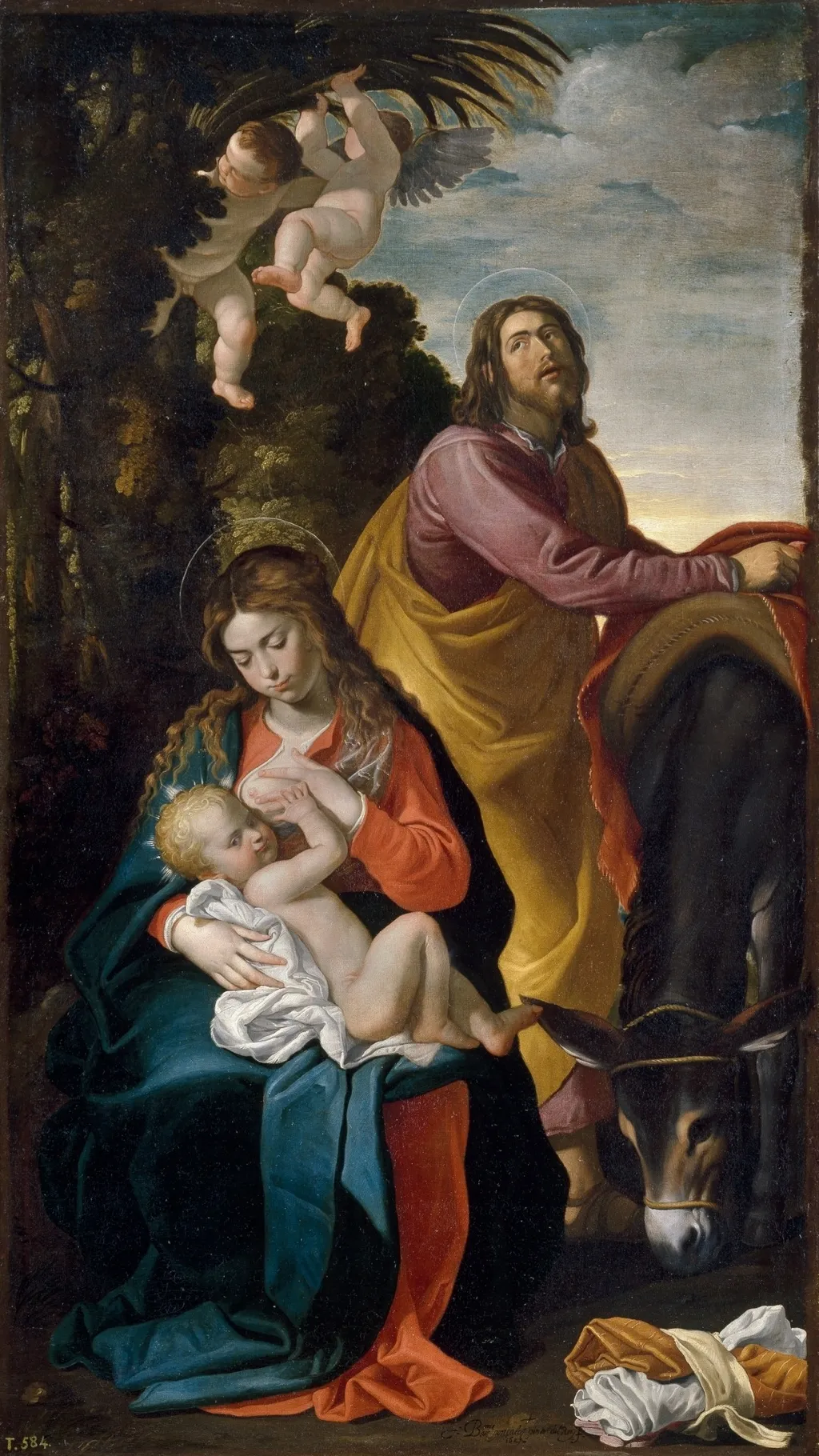
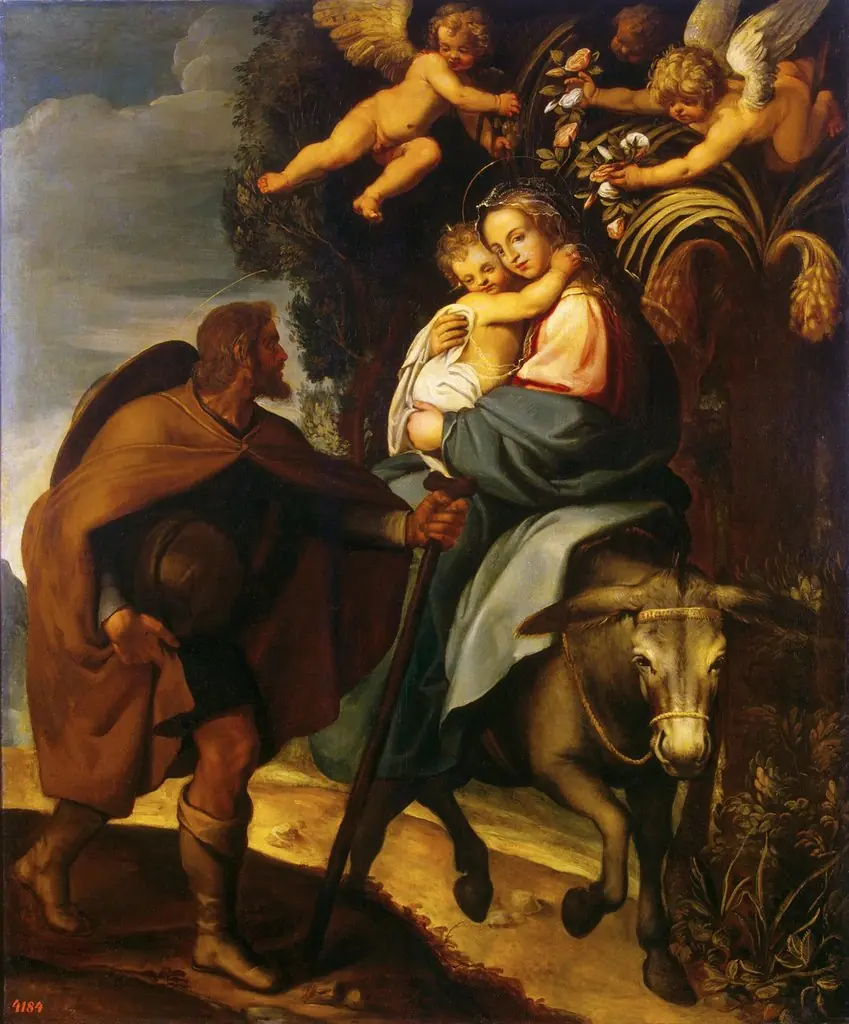
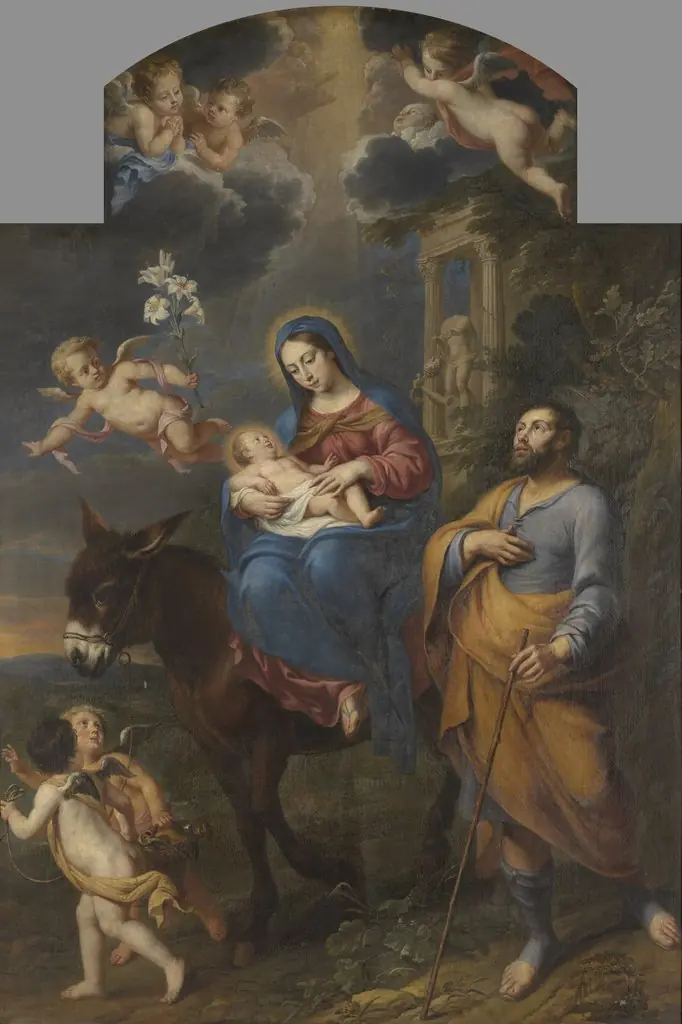
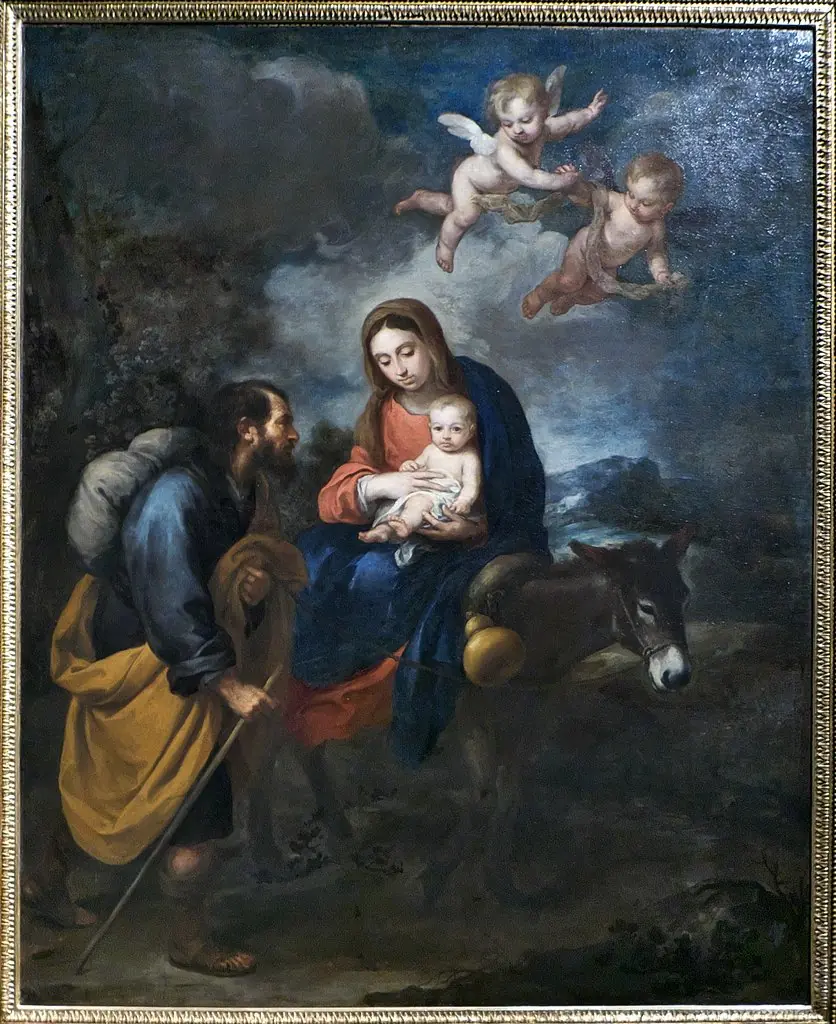
Rest on the Flight into Egypt is an oil painting by the Early Baroque Italian artist Bartolomé González y Serrano. It dates from 1627 and is held in the collection of the Museo del Prado.
About this work
Overview
Executed in the early Baroque era, it reflects the artist’s transition from court portraiture to religious narrative.
Bartolomé González y Serrano’s 1627 oil painting depicts a quiet moment from the biblical Flight into Egypt. Executed in the early Baroque era, it reflects the artist’s transition from court portraiture to religious narrative. The work is held in the Museo del Prado, Madrid, and exemplifies González’s refined handling of form and color, rooted in Spanish Renaissance traditions yet adapted to devotional themes.
Subject & Meaning
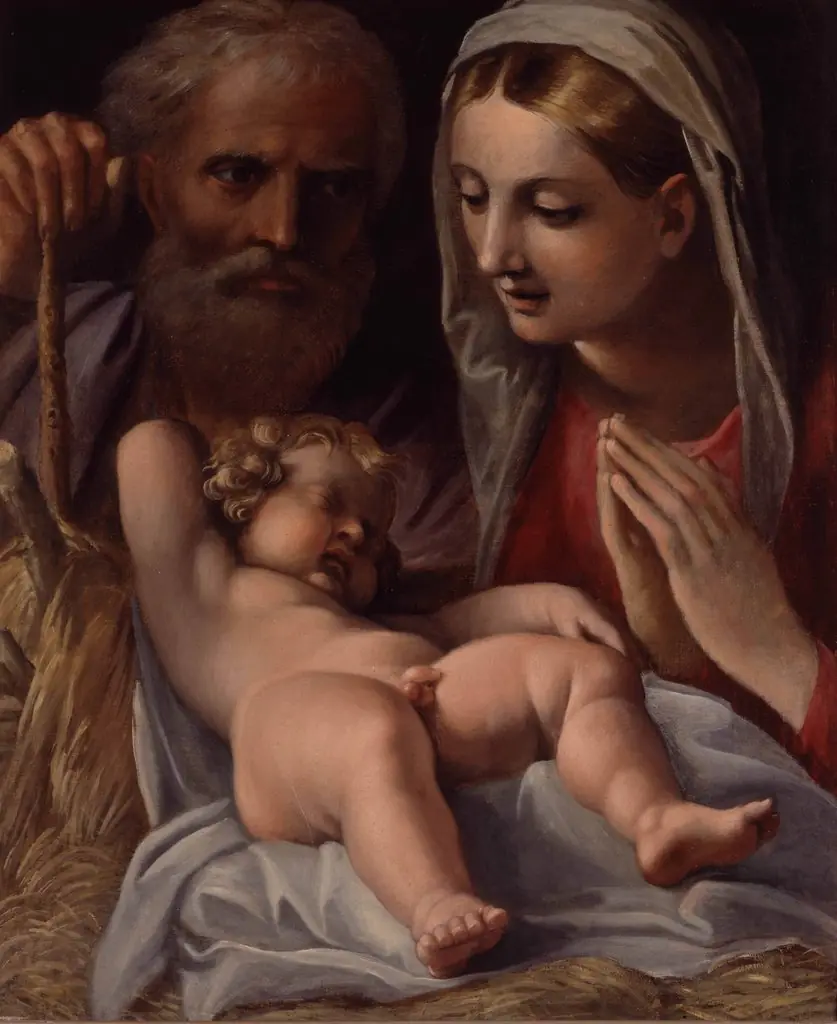
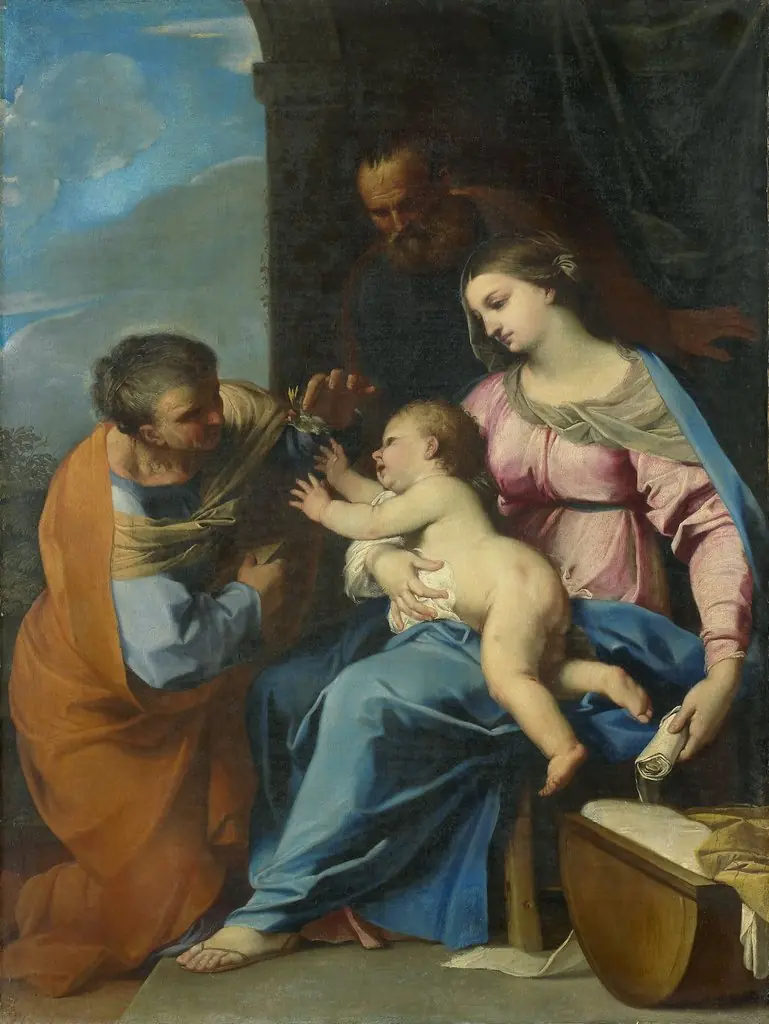
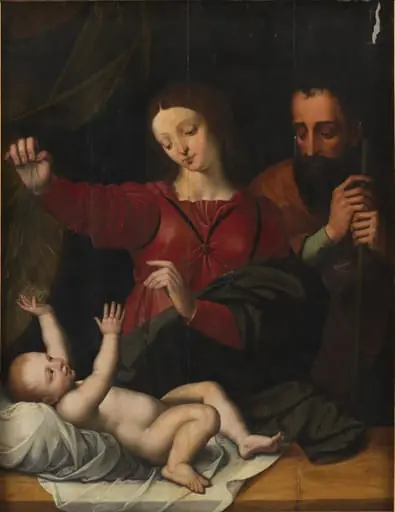
The scene illustrates the Holy Family’s pause during their journey to escape Herod’s persecution. Mary, seated with the infant Jesus swaddled in white, rests beside a donkey, while Joseph stands nearby, vigilant yet composed. The calm atmosphere underscores divine protection amid hardship, a common theme in Counter-Reformation art meant to evoke quiet devotion and maternal tenderness.
Technique & Style
González employs soft modeling and restrained chiaroscuro to define forms, avoiding dramatic intensity in favor of serene clarity. The figures are rendered with precise detail, particularly in fabric folds and skin tones, echoing the courtly precision of his earlier portraits. Warm hues of red, blue, and yellow are balanced against muted earth tones, creating harmony without theatricality.
History & Provenance
Commissioned during González’s later years, the painting entered the Spanish royal collection before being transferred to the Prado. Its survival in good condition reflects its status as a private devotional work rather than a public altarpiece. Documentation links it to royal patronage, consistent with González’s long service to the Habsburg court.
Context
Painted during Spain’s Golden Age, the work aligns with a broader trend of intimate religious imagery favored by the monarchy and clergy. While Italian Baroque art emphasized movement and emotion, Spanish artists like González retained a quieter, more contemplative approach, influenced by Flemish realism and the enduring legacy of earlier Spanish portraiture.
Legacy
Though less known than his contemporaries, González’s religious works demonstrate a unique synthesis of courtly technique and spiritual subject matter. This painting remains a key example of how Spanish artists adapted Italianate themes to suit domestic piety, preserving a restrained aesthetic that distinguished Spanish Baroque from its more exuberant neighbors.
Artist & collection
Artist
Bartolomé González y Serrano (1564–1627) was a Spanish Baroque painter specializing in portraits that represent a continuation of Renaissance court portrait types practiced by Alonso Sánchez Coello and especially by Juan Pantoja de la Cruz.

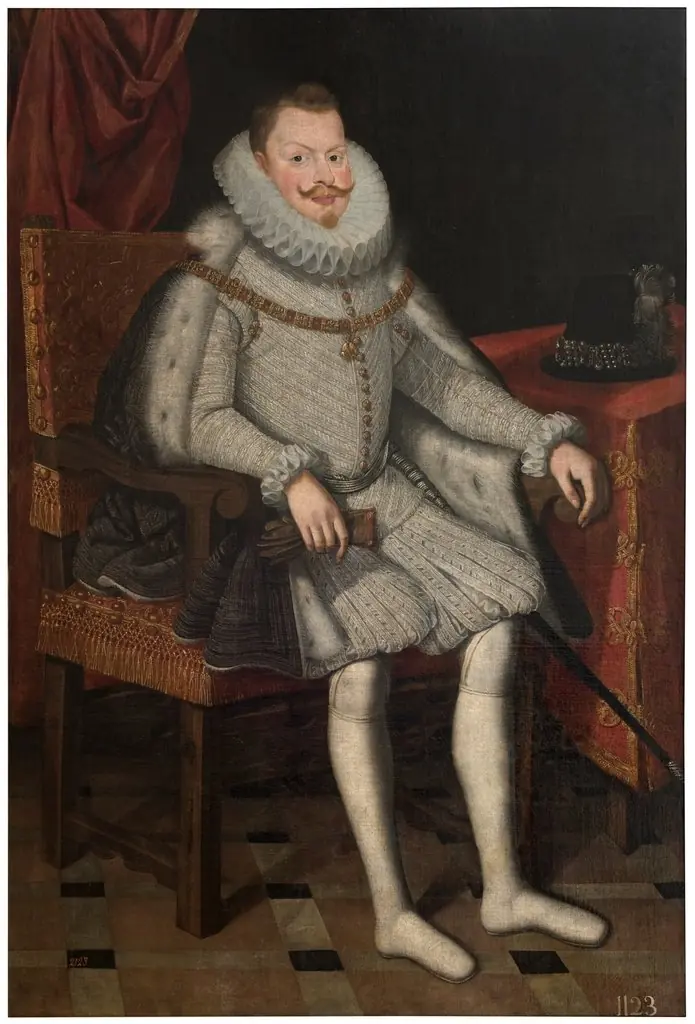 Felipe III rey de España sedente
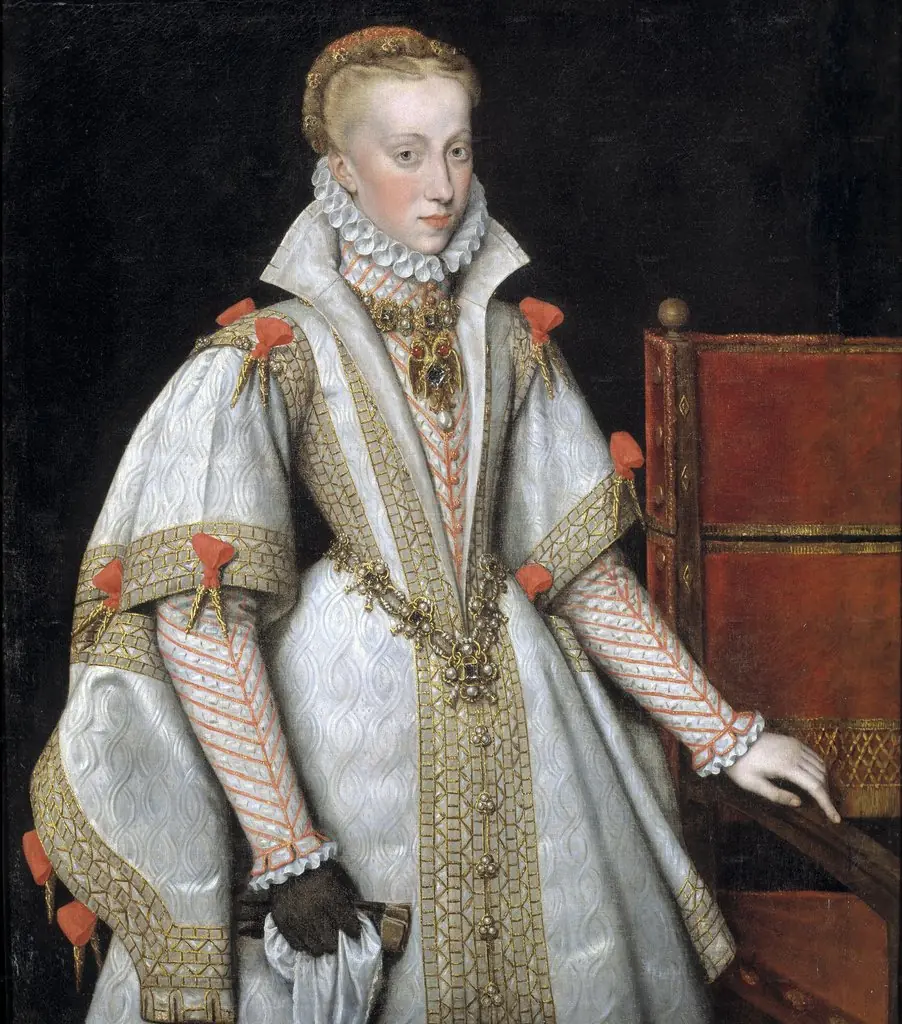 Queen Anne of Austria, fourth Wife of Philip II
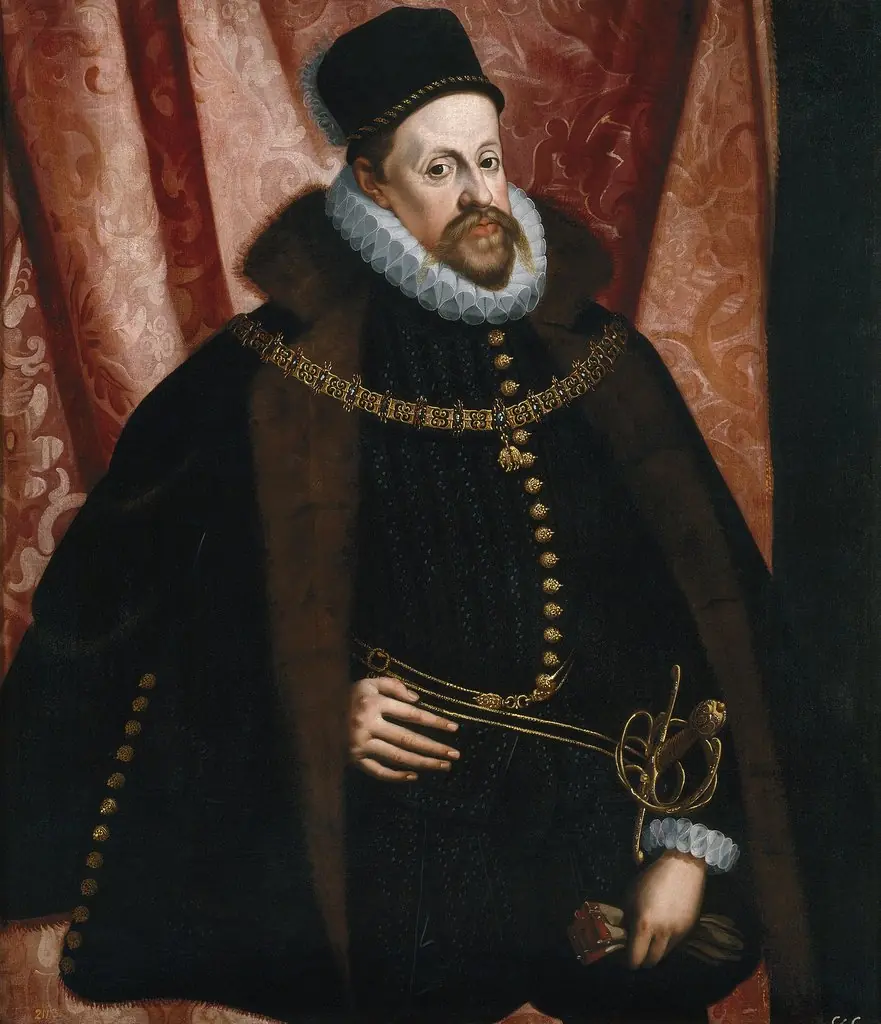 El archiduque Carlos de Austria, duque de Stiria
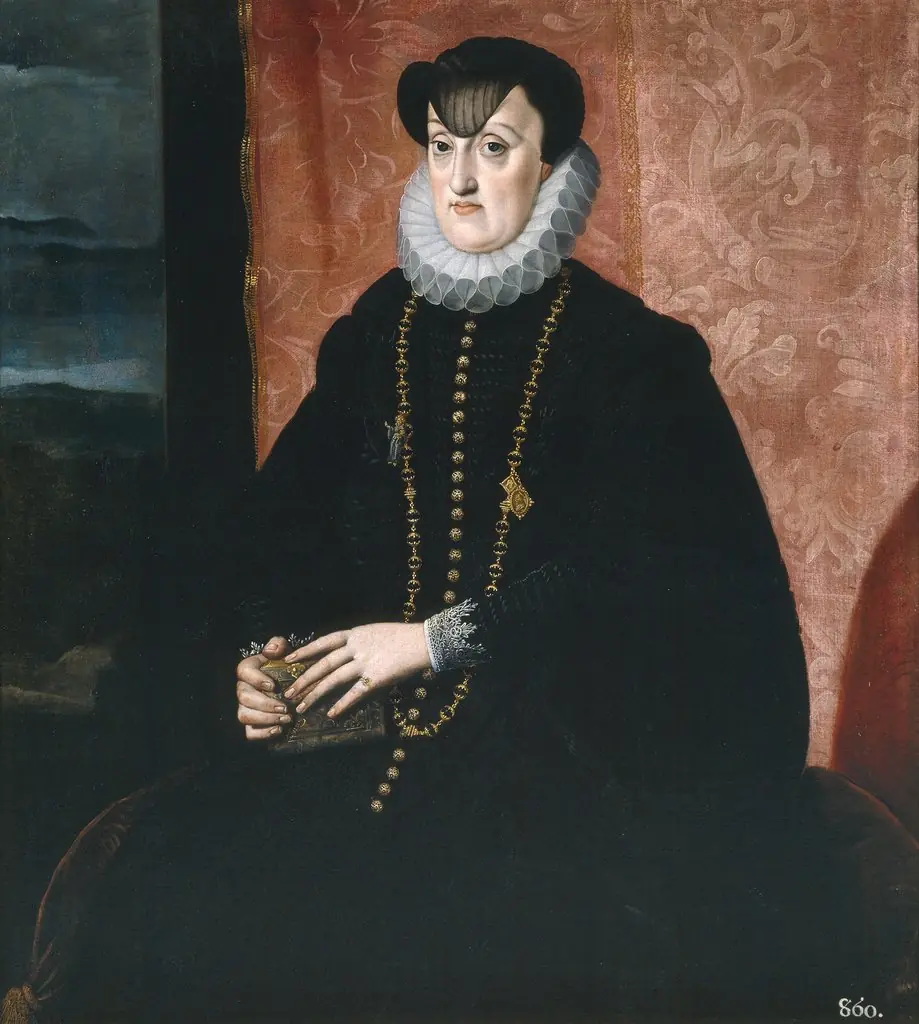 La archiduquesa María de Baviera duquesa de Stiria
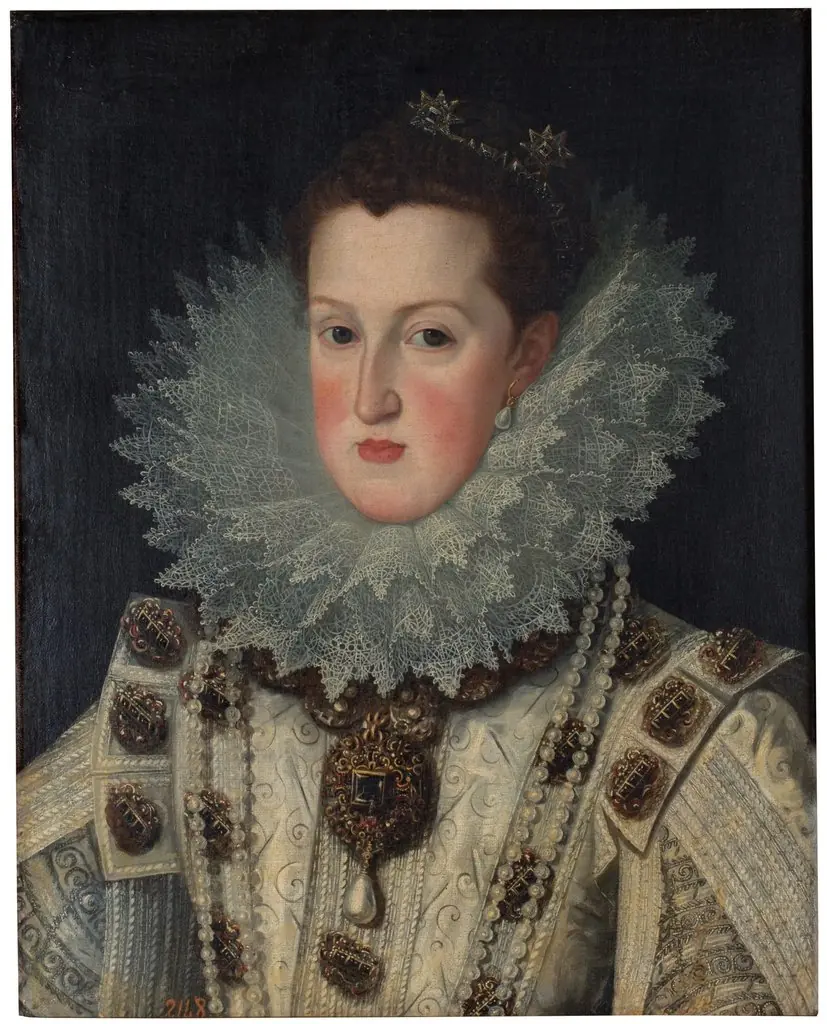 Margarita de Austria, reina de España
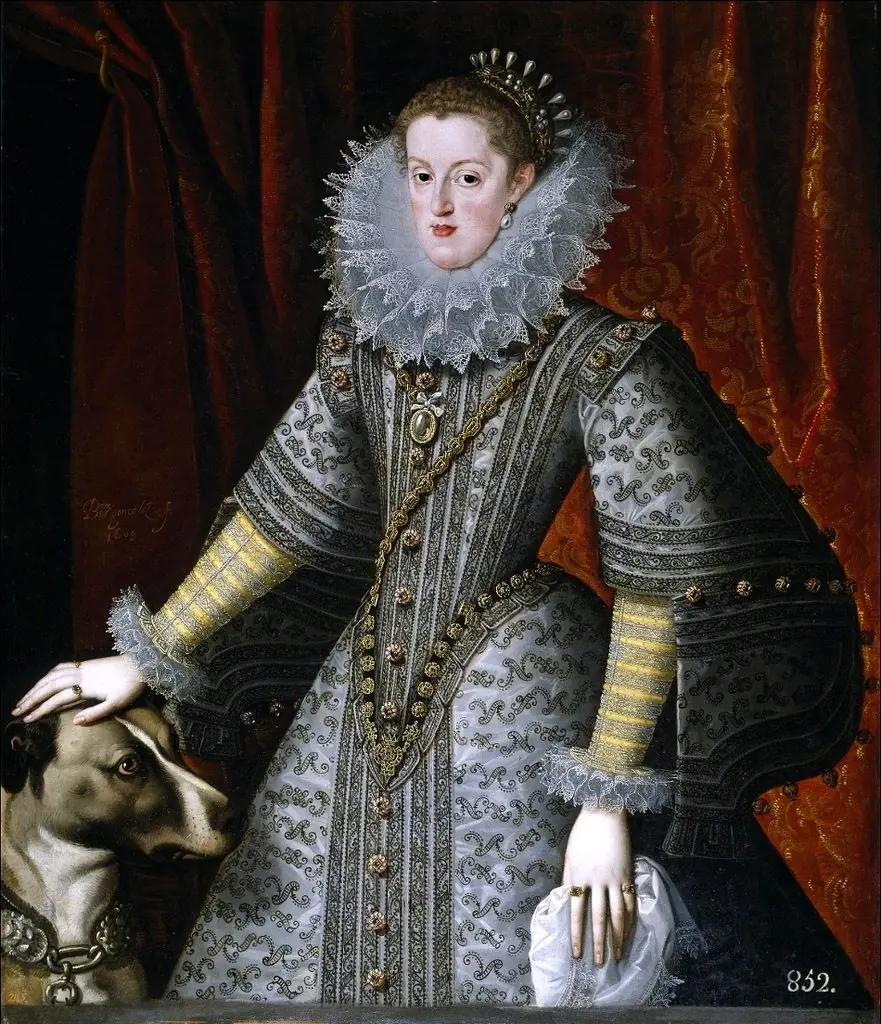 Queen Margaret of Austria
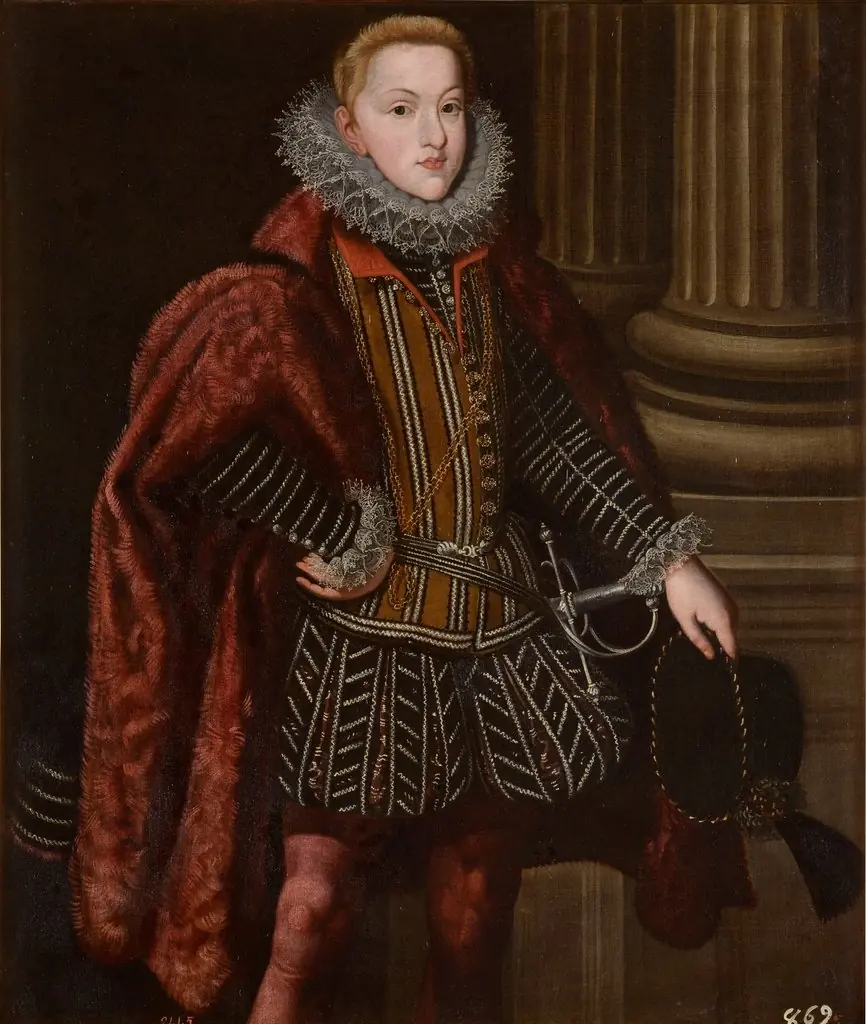 El archiduque Leopoldo cuñado de Felipe III
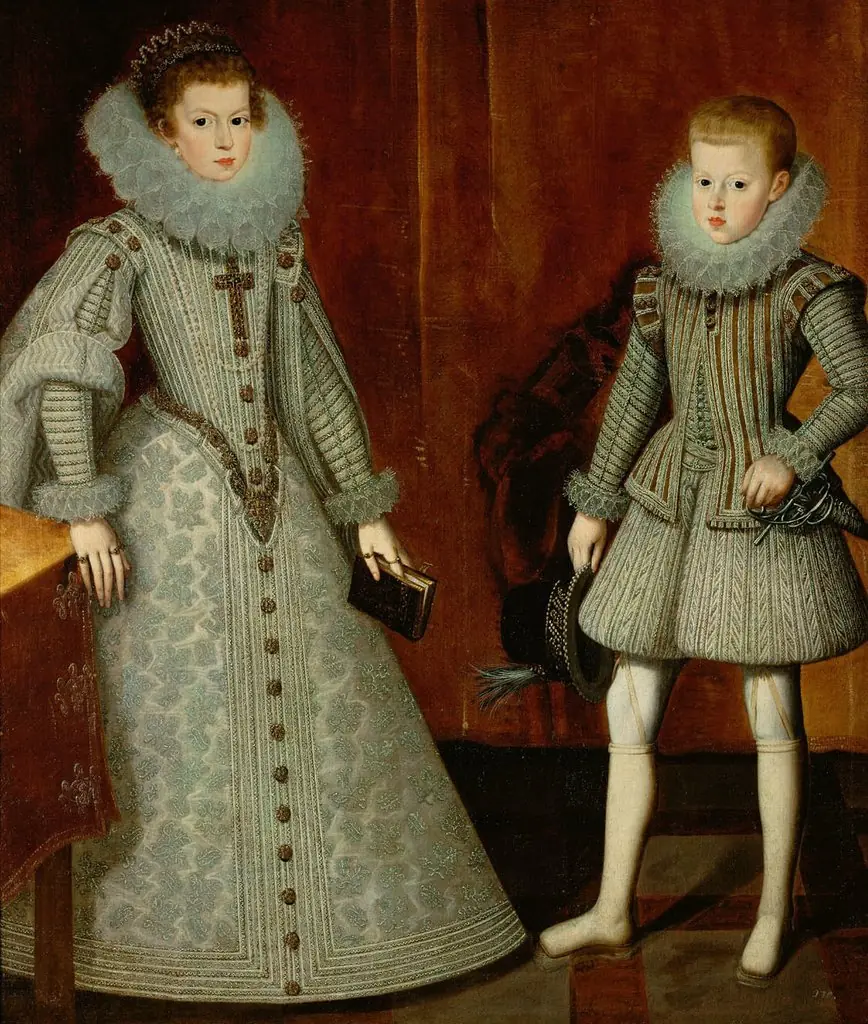 König Philipp IV. von Spanien (1605-1665) mit seiner Schwester, der Infantin Anna (1601-1666), Bildnis in ganzer Figur