Artwork
Bursa
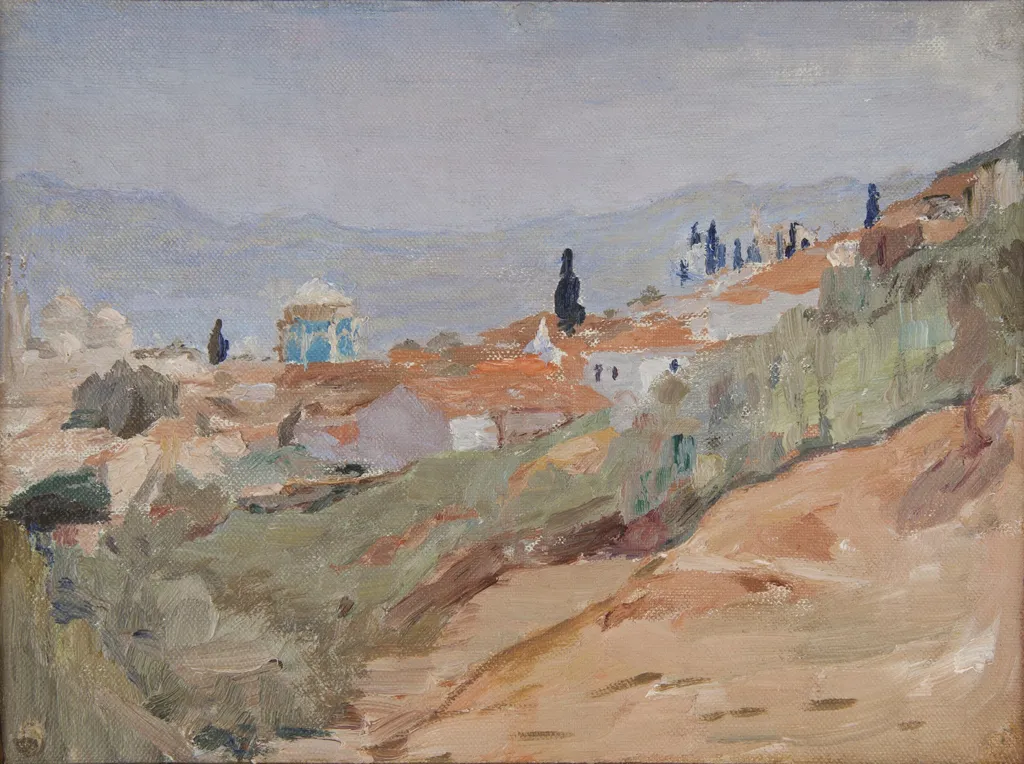
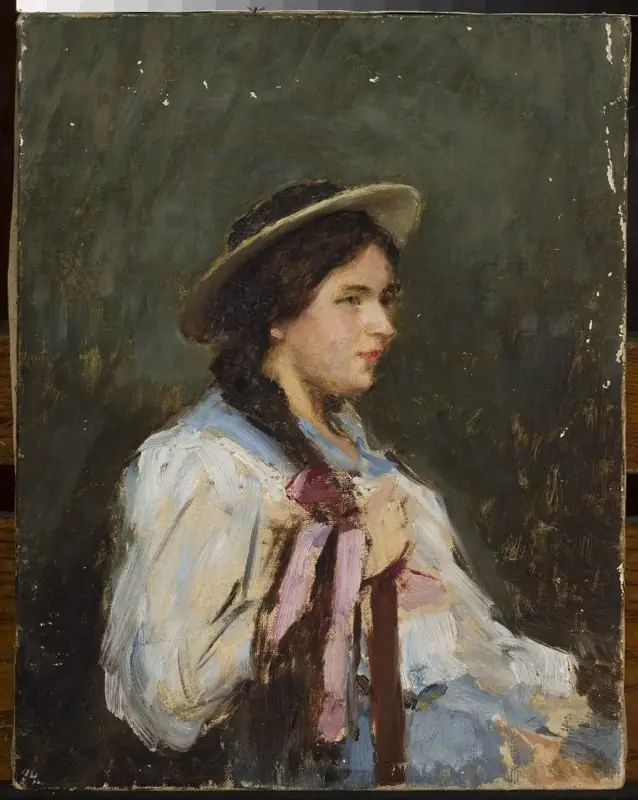
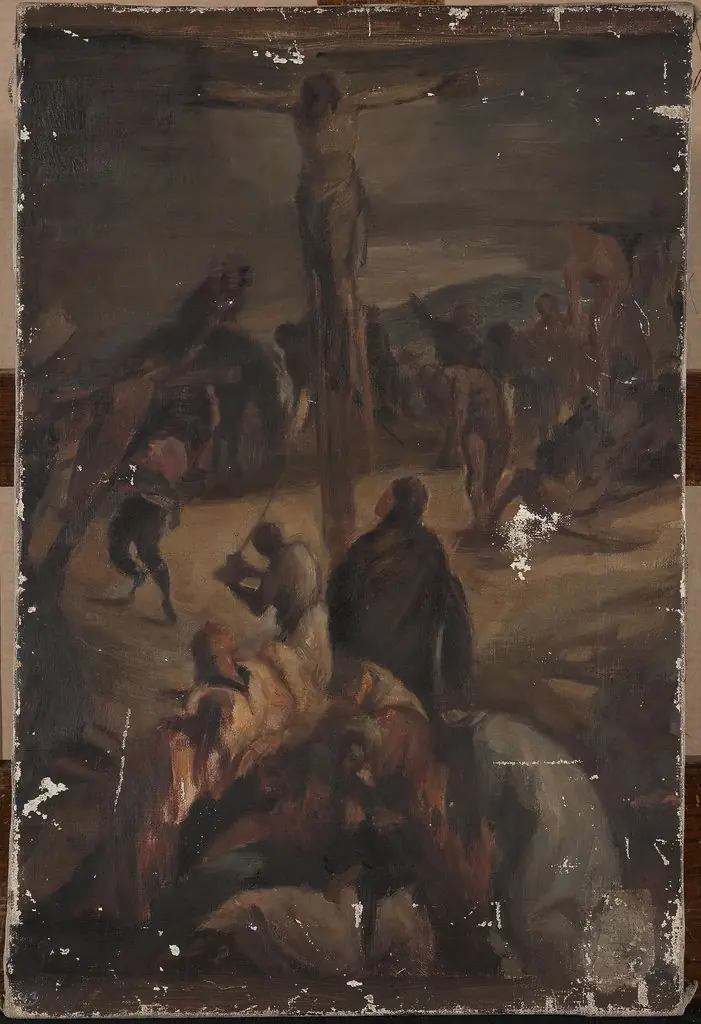
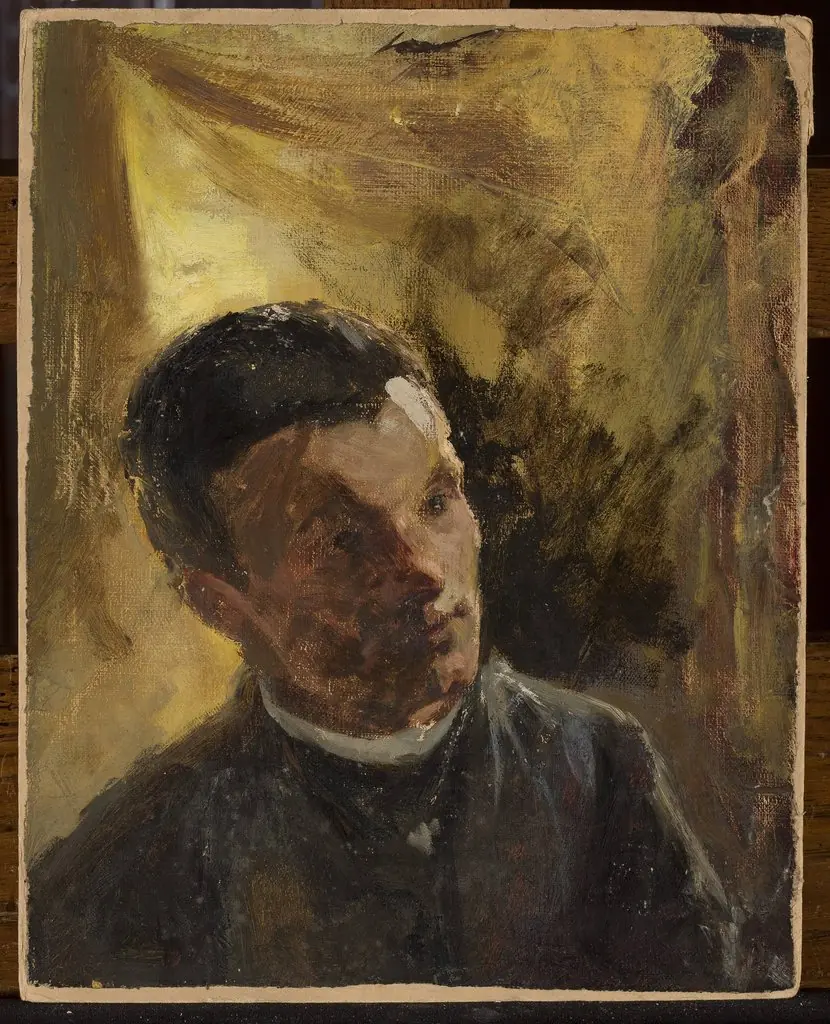
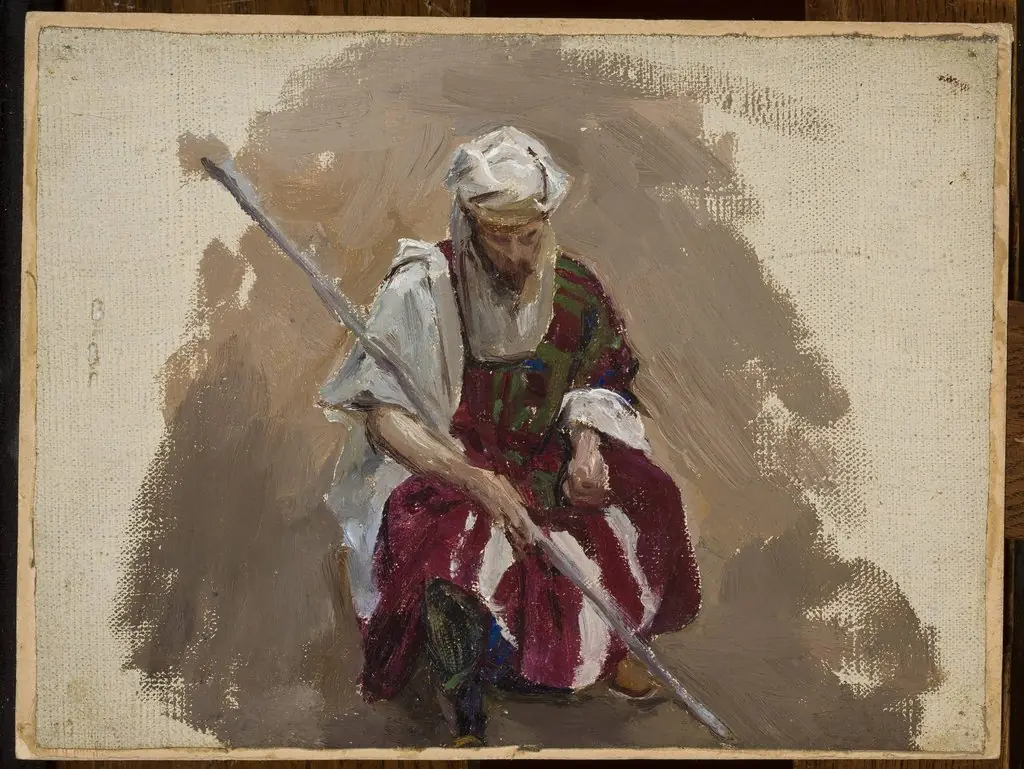
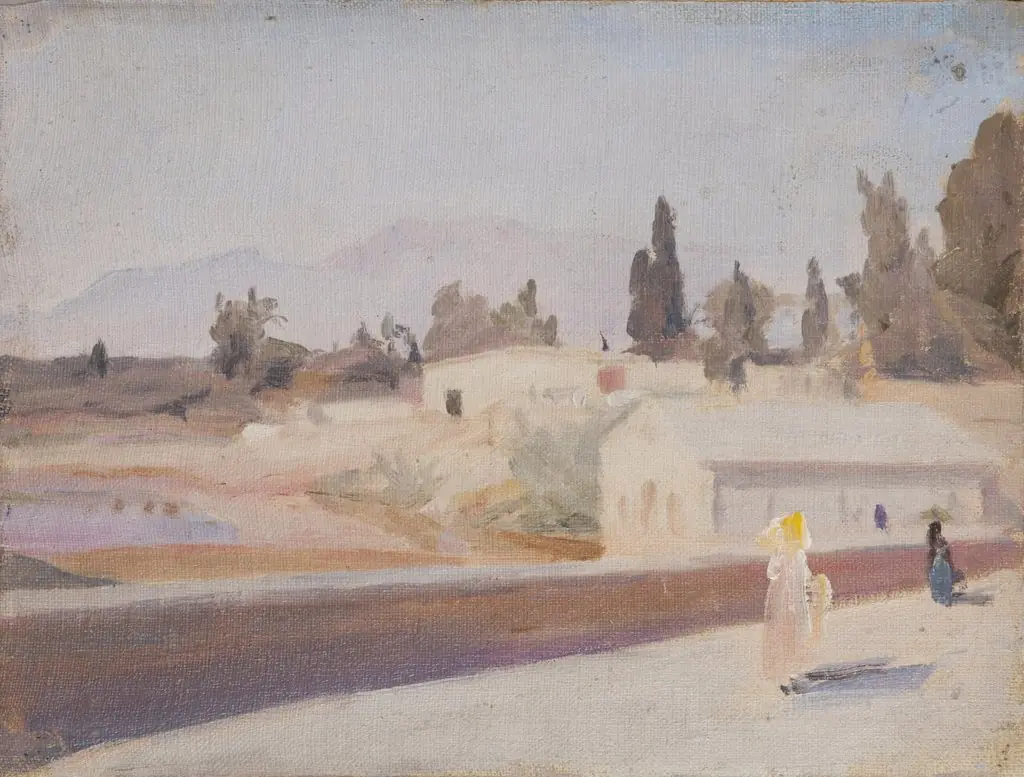
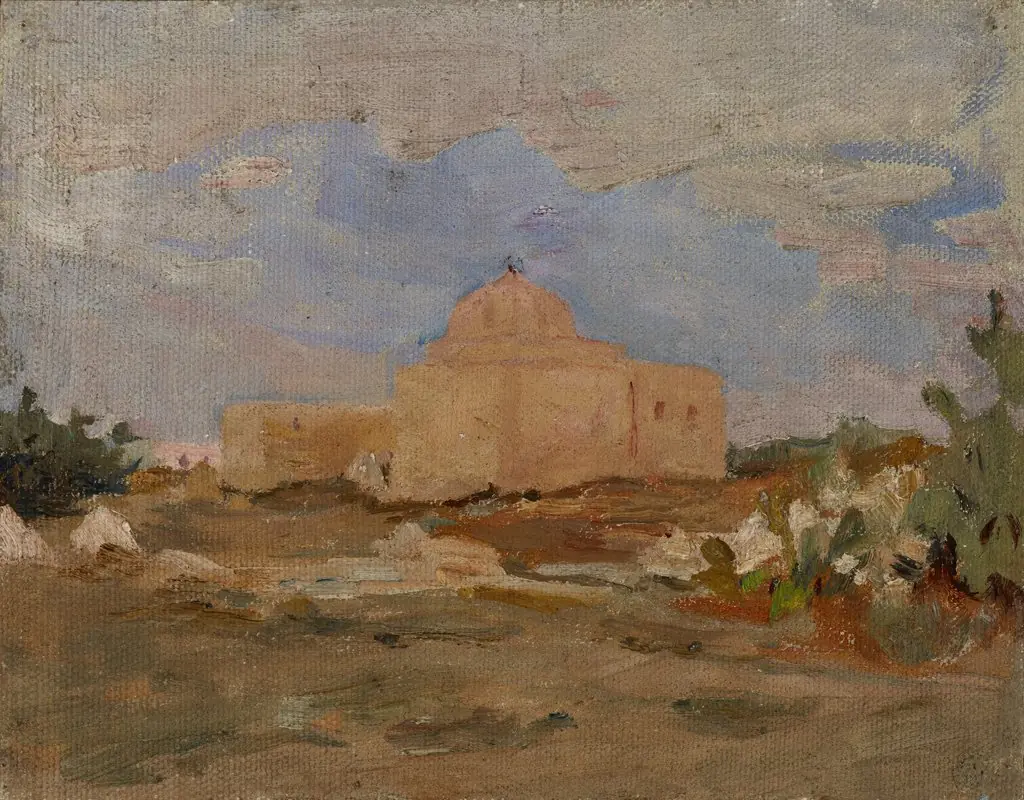
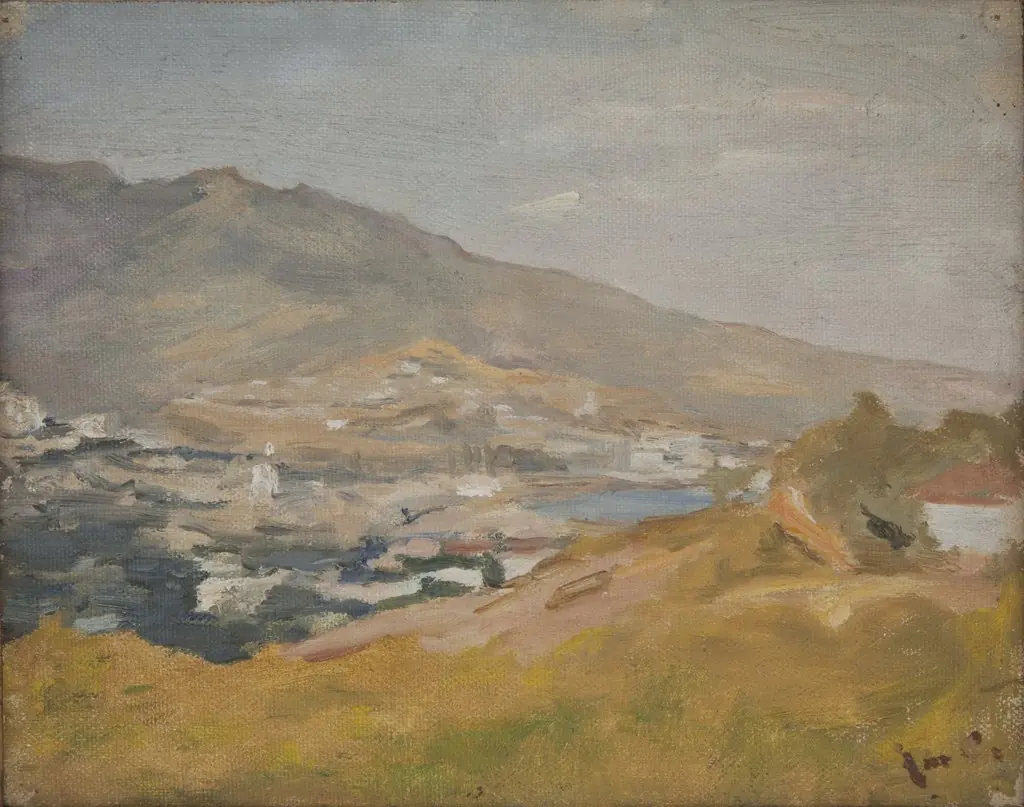
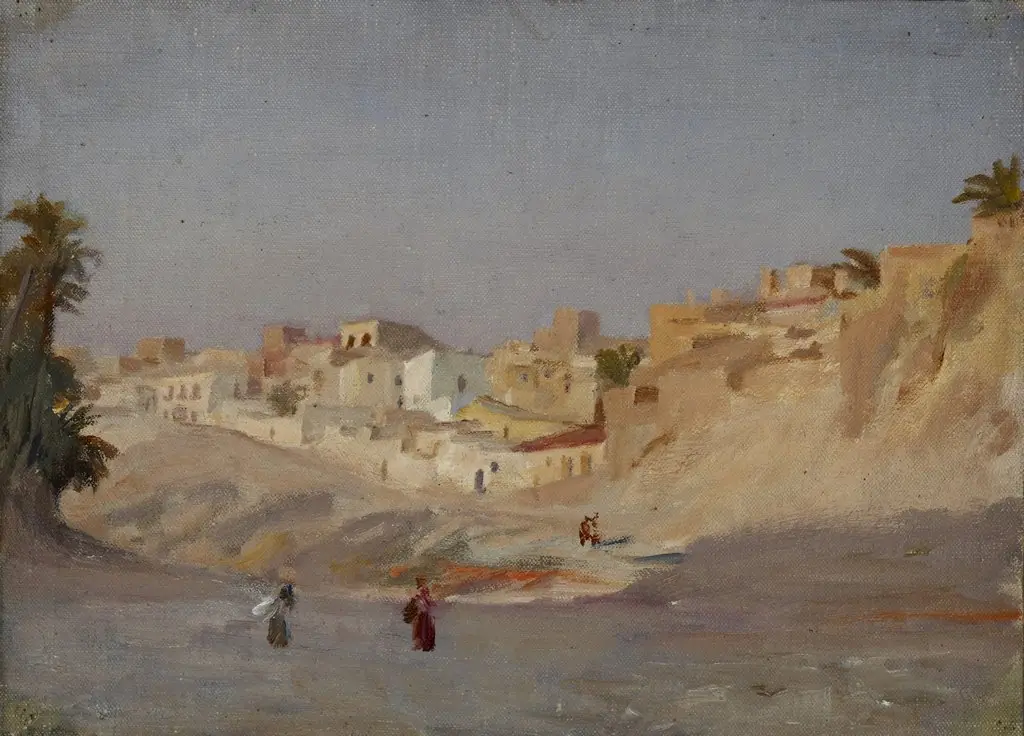
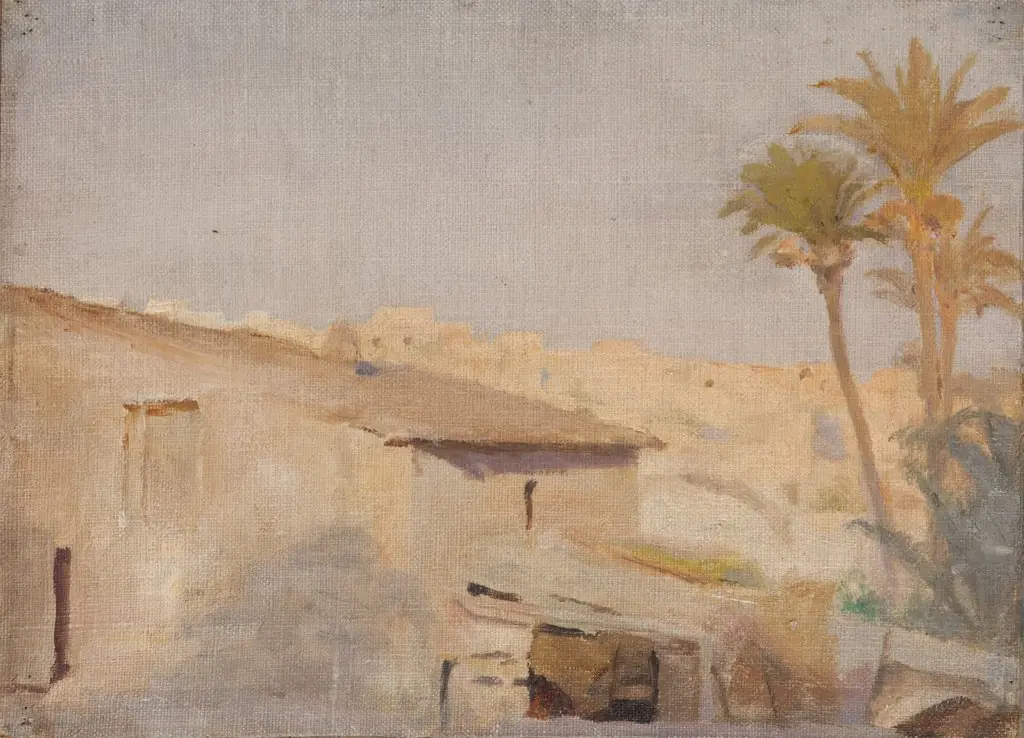
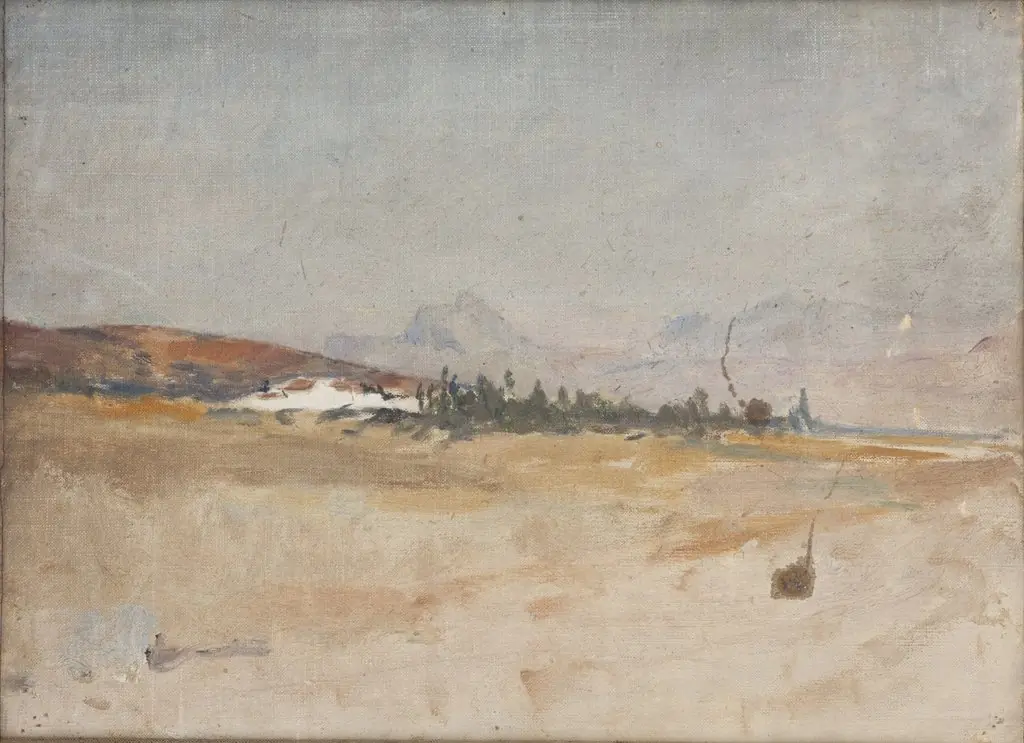
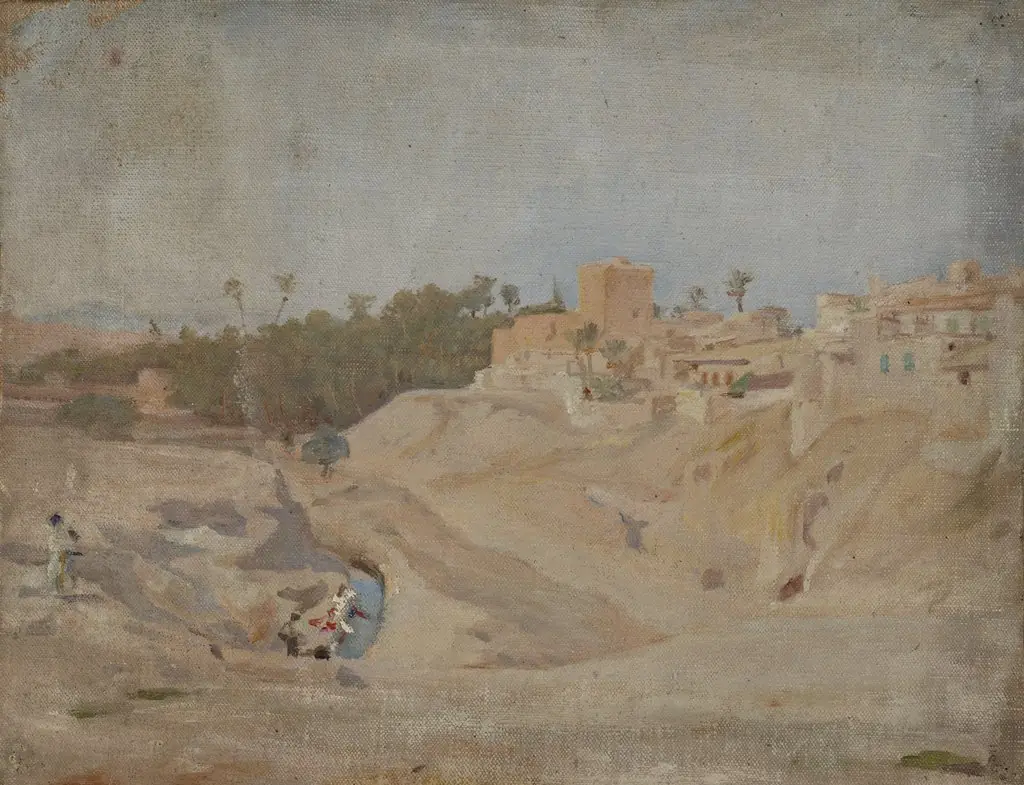
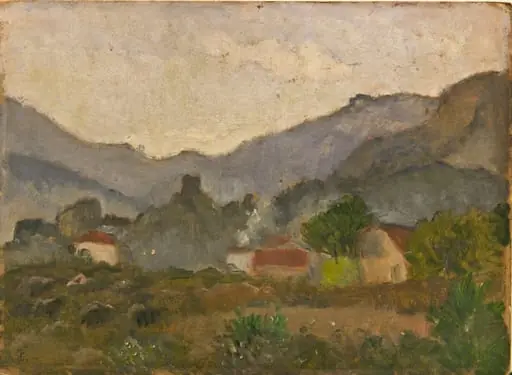
Bursa is an unspecified painting by the Impressionist artist Jan Ciągliński. It dates from 1910 and is held in the collection of the National Museum in Kraków.
About this work
Overview
The painting is part of the National Museum in Kraków’s collection and represents his engagement with Impressionist principles.
Jan Ciągliński, a Polish artist working in St. Petersburg during the late Russian Empire, completed Bursa in 1910. The painting is part of the National Museum in Kraków’s collection and represents his engagement with Impressionist principles. Though based in Russia, Ciągliński maintained ties to Polish artistic traditions, and this work reflects his efforts to adapt European landscape painting to the quiet rural scenes of the region.
Subject & Meaning
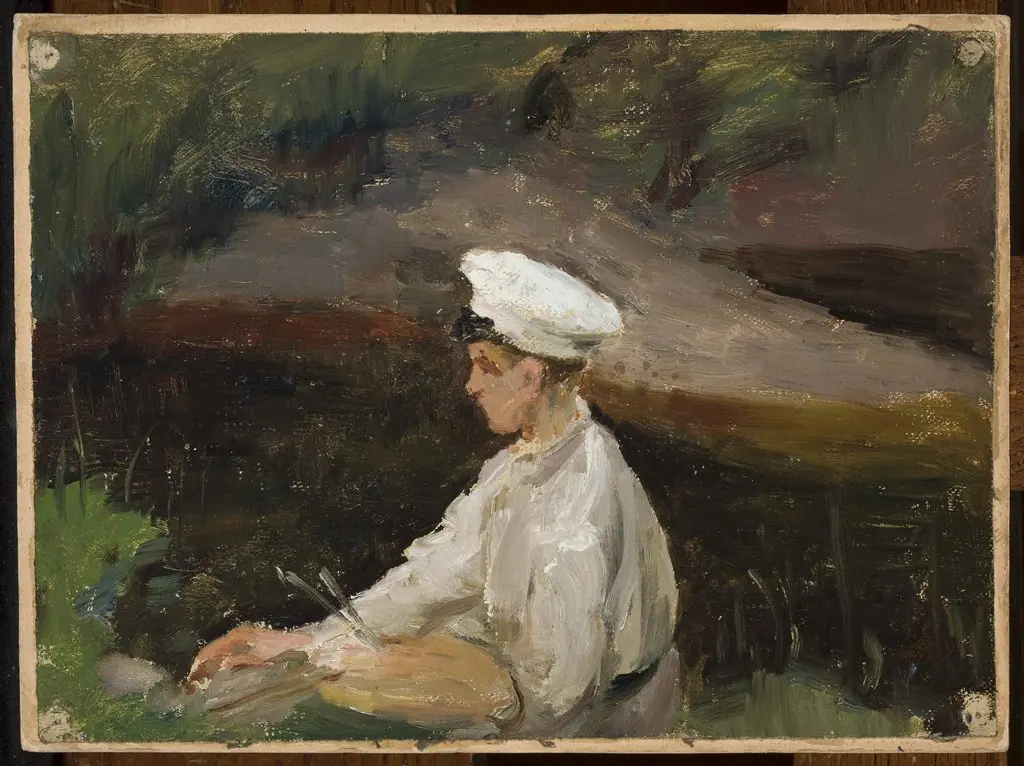
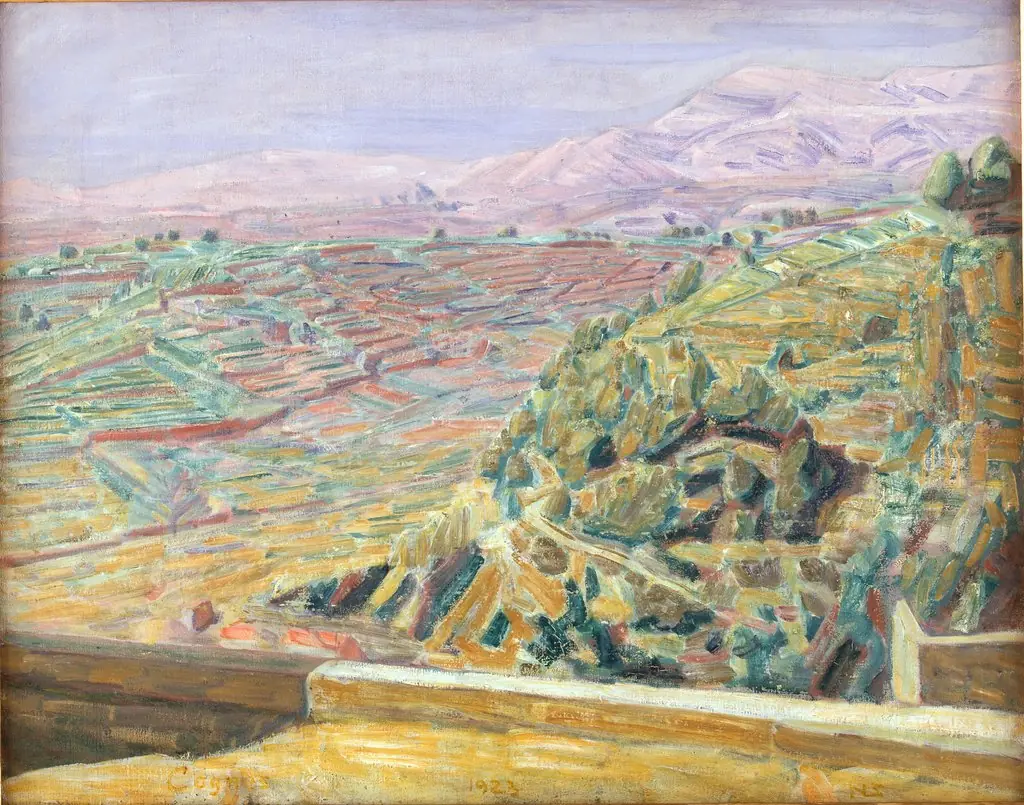
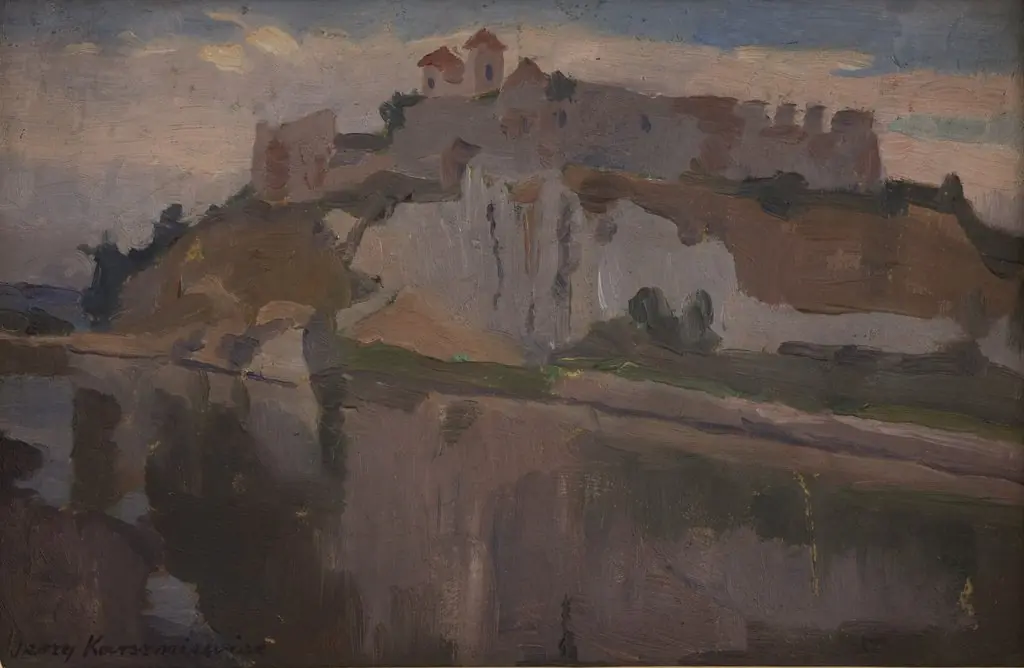
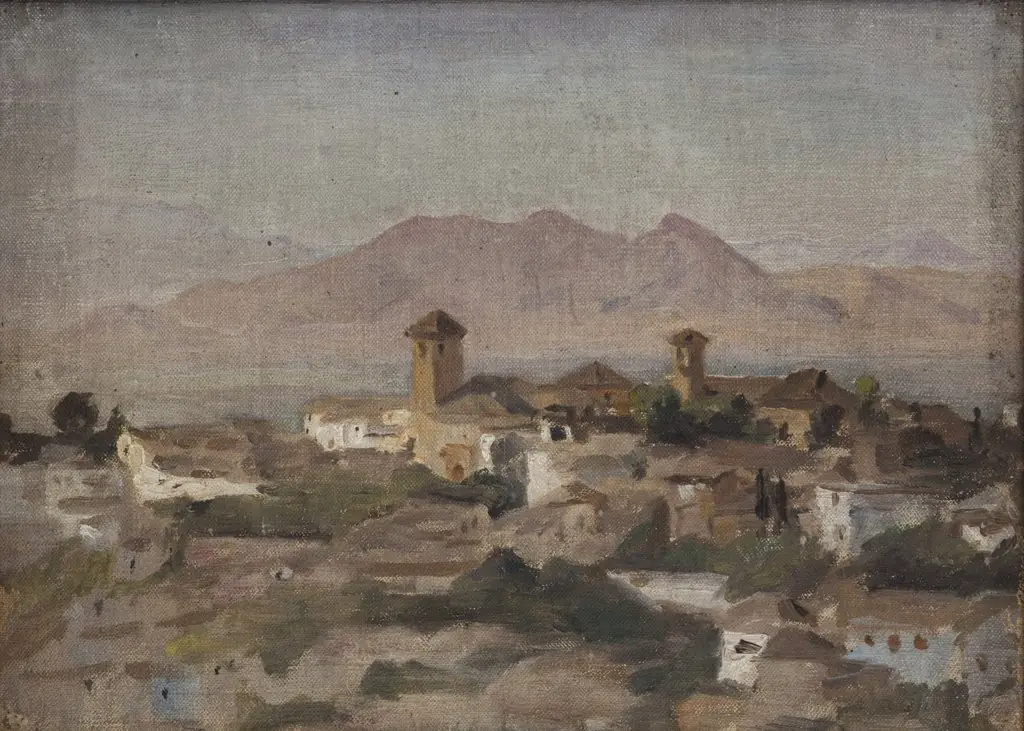
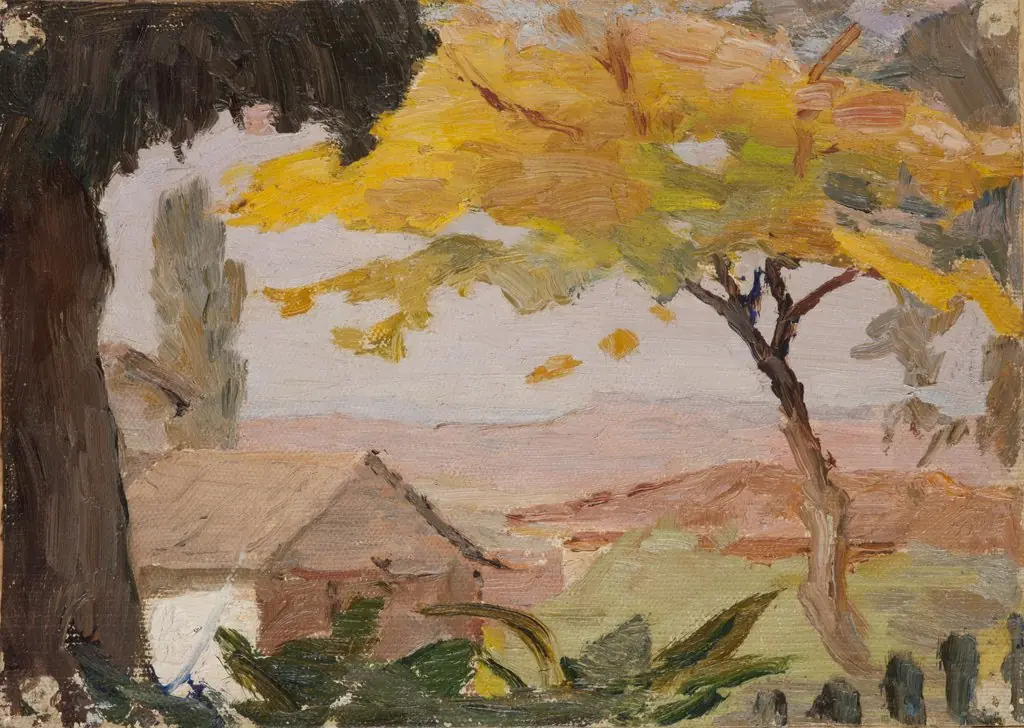
Bursa depicts a tranquil rural landscape with gently rolling hills, a winding dirt path, and distant structures. The absence of human figures and the subdued activity suggest a contemplative stillness. The title, referencing a type of market or exchange, may allude to the quiet economic rhythms of village life, though the scene emphasizes atmosphere over narrative, inviting reflection rather than storytelling.
Technique & Style
Ciągliński employed a restrained palette of earthy browns and greens, avoiding vivid contrasts in favor of tonal harmony. Brushwork is loose yet deliberate, capturing the texture of land and foliage without overt detail. Subtle shifts in light and shadow, influenced by chiaroscuro, lend spatial depth, guiding the viewer’s gaze from the foreground path toward the hazy horizon, reinforcing the painting’s meditative tone.
History & Provenance
Painted in 1910, Bursa emerged during Ciągliński’s mature period in St. Petersburg, when he was actively promoting Impressionist approaches in Russian art circles. After his death, the work entered the National Museum in Kraków’s collection, likely through post-war cultural reorganization. Its preservation there underscores its significance as a bridge between Polish identity and Russian artistic developments of the era.
Context
In early 20th-century Russia, Impressionism was still gaining traction among artists seeking alternatives to academic realism. Ciągliński, though Polish by origin, contributed to this shift by integrating plein air practices and atmospheric effects into his work. Bursa reflects this broader movement, aligning with contemporaneous landscape studies across Europe that prioritized mood over detail.
Legacy
Bursa stands as a quiet example of how Impressionist techniques were adapted beyond France, particularly in Eastern Europe. Ciągliński’s role in introducing these methods to Russian audiences is documented, though his own legacy remains less prominent than his Western peers. The painting endures as a testament to cross-cultural artistic exchange during a period of political and aesthetic transition.
Own this work as a print
Artist & collection
Artist
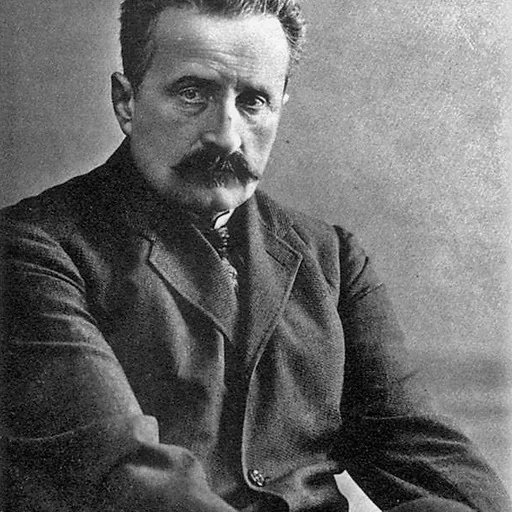
Jan Ciągliński (Polish: ; Russian: Ян/Иван Францевич Ционглинский, romanized: Yan/Ivan Frantsevich Tsionglinskiy; 20 February 1858 – 6 January 1913) was a Polish painter, active in St.