Artwork
Crete
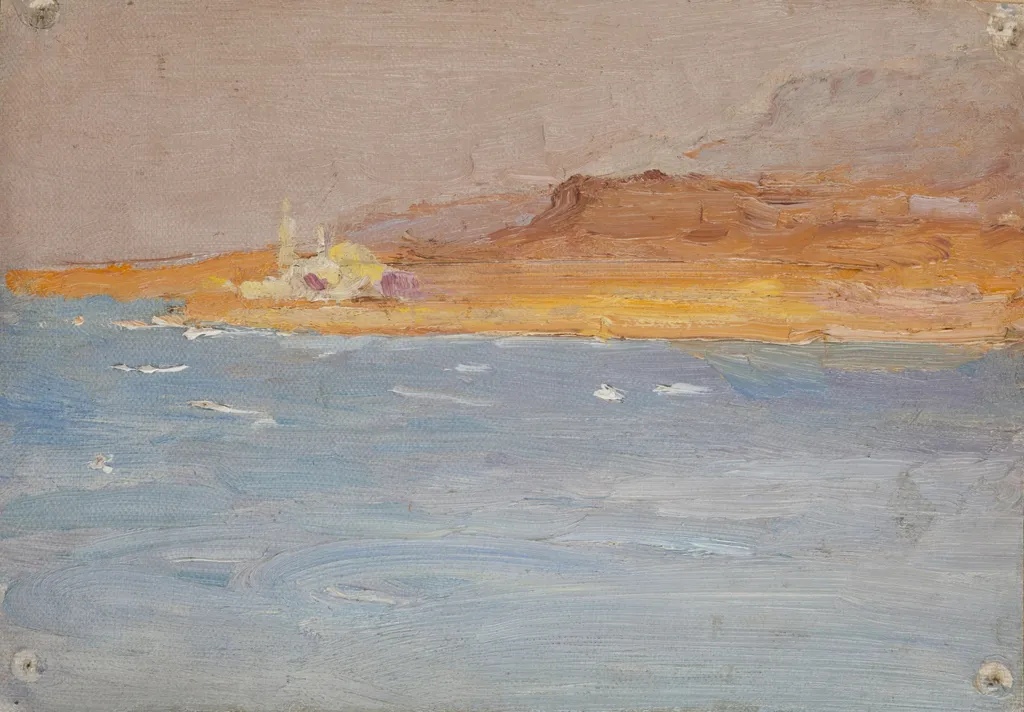
Crete is an unspecified painting by the Impressionist artist Jan Ciągliński. It dates from 1910 and is held in the collection of the National Museum in Kraków.
About this work
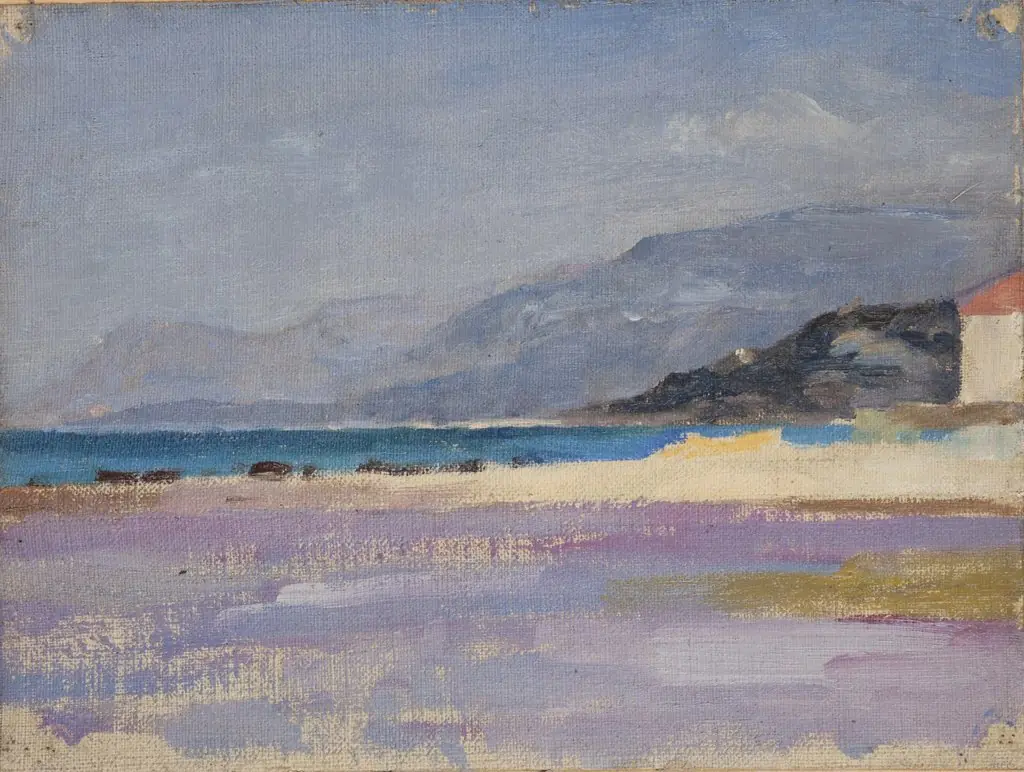
Above the water, a thin strip of yellow sand stretches across the middle, punctuated by a few small, indistinct shapes that could be buildings or rocks.
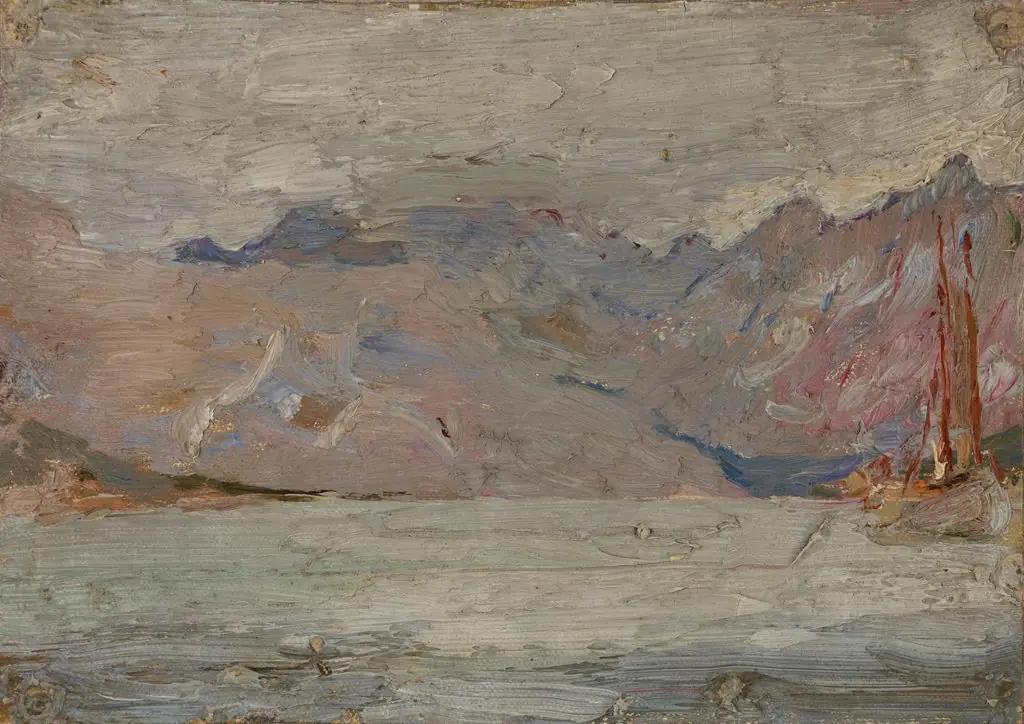
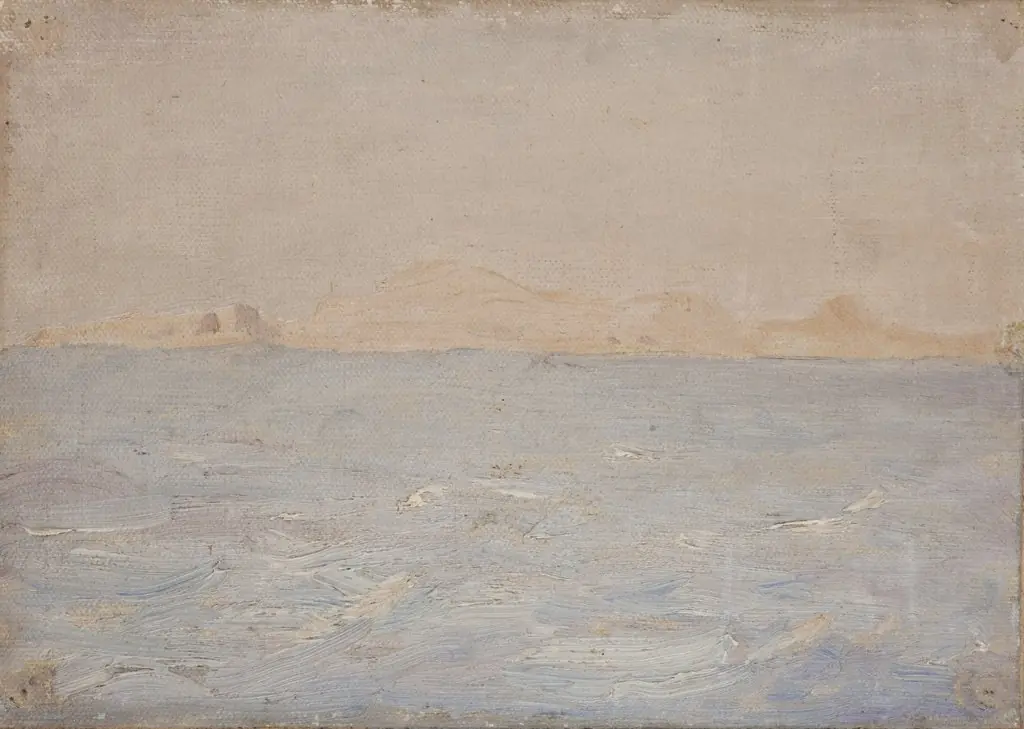
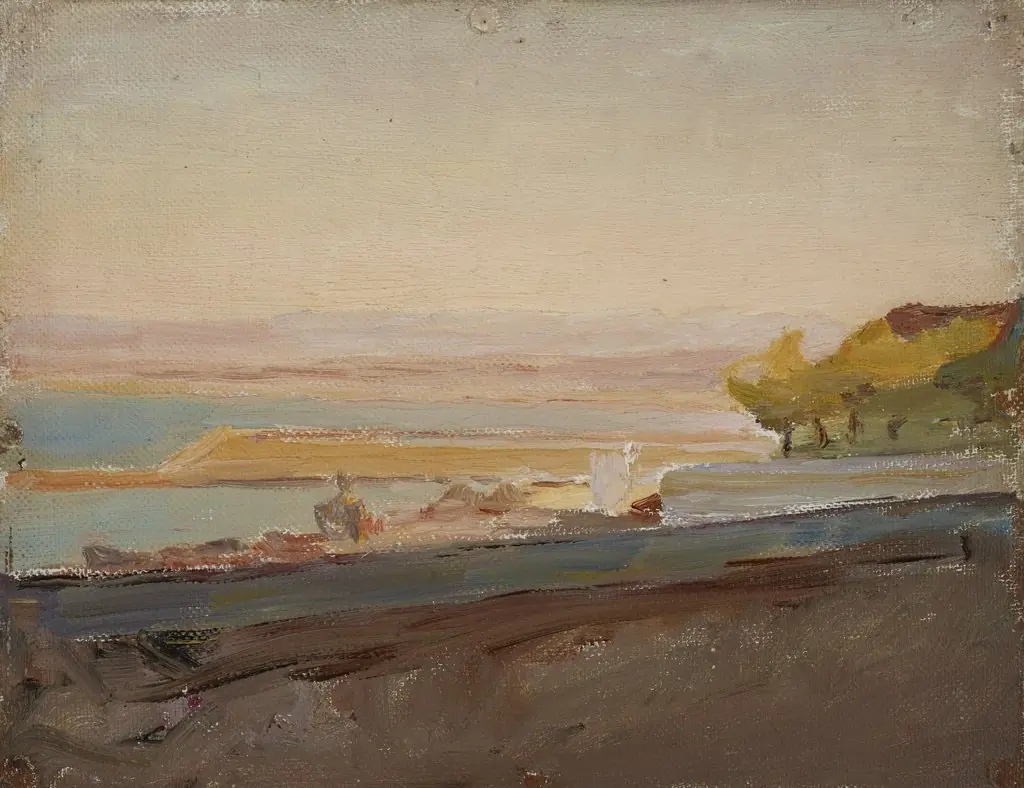
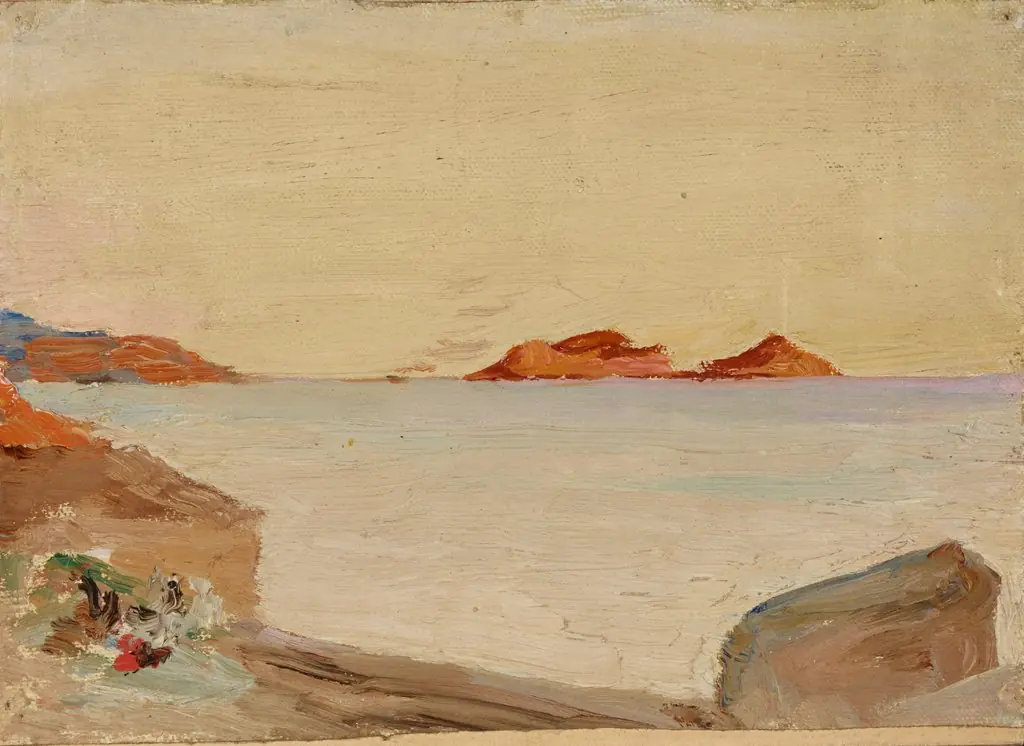
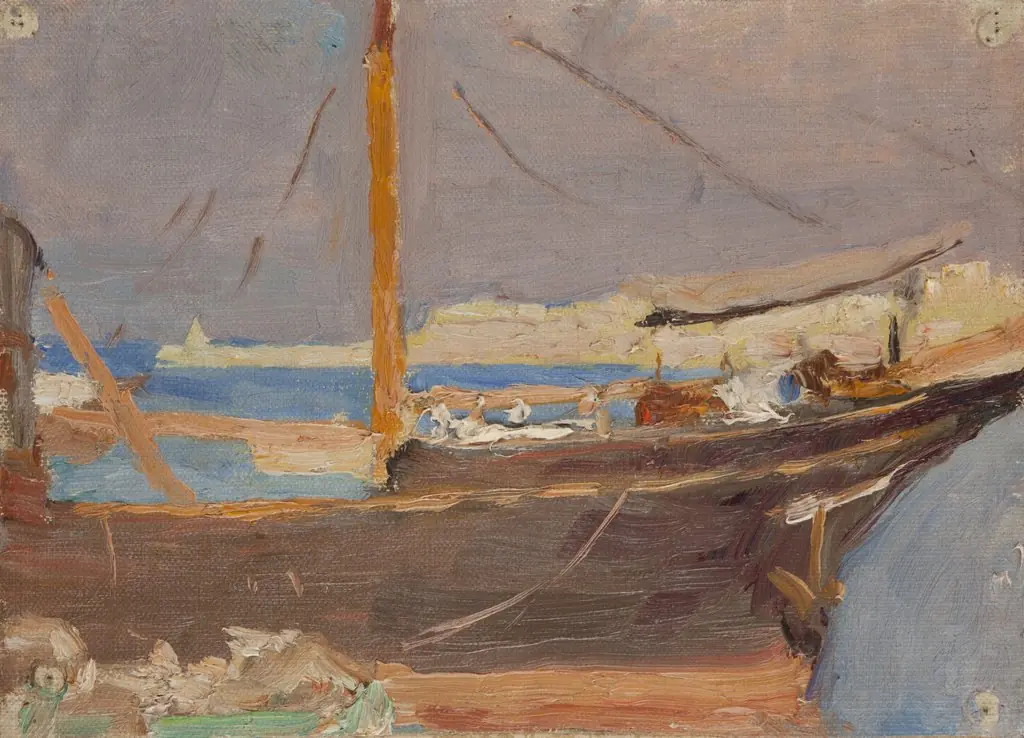
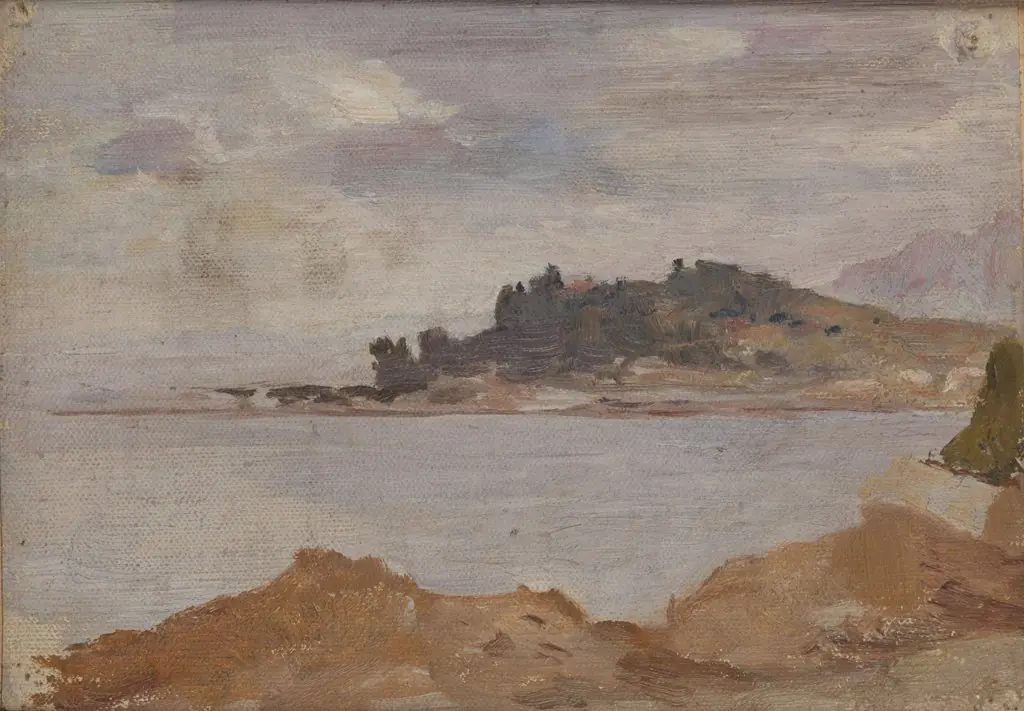
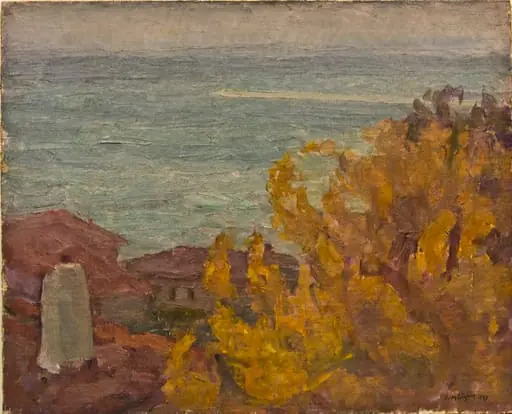
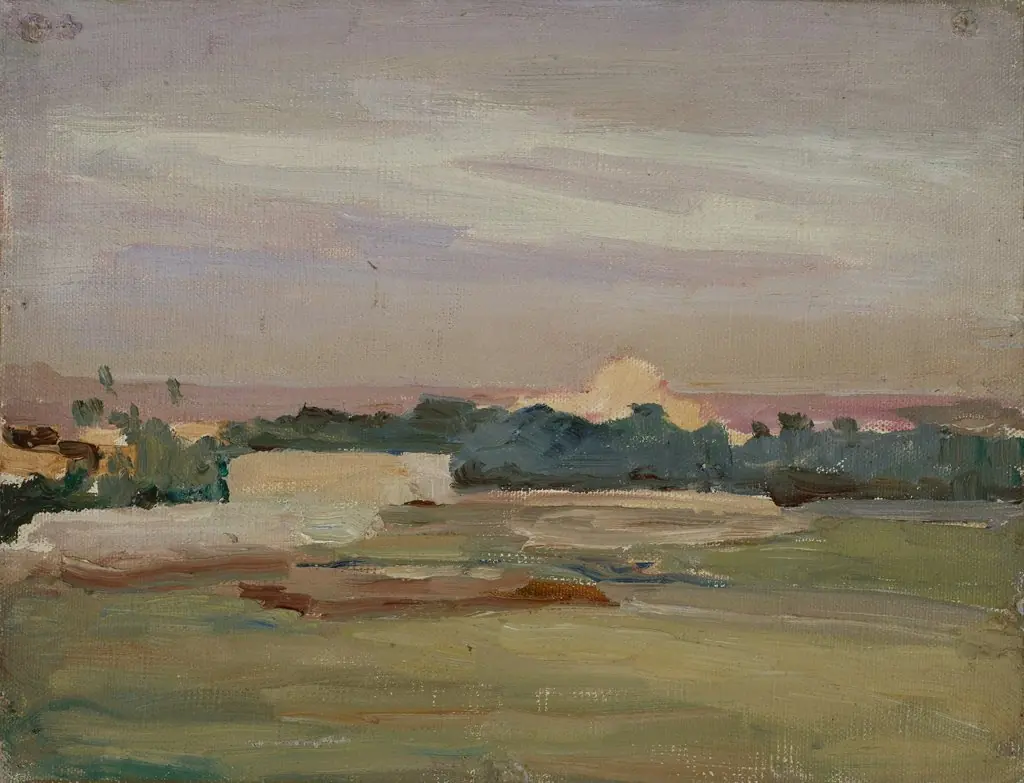
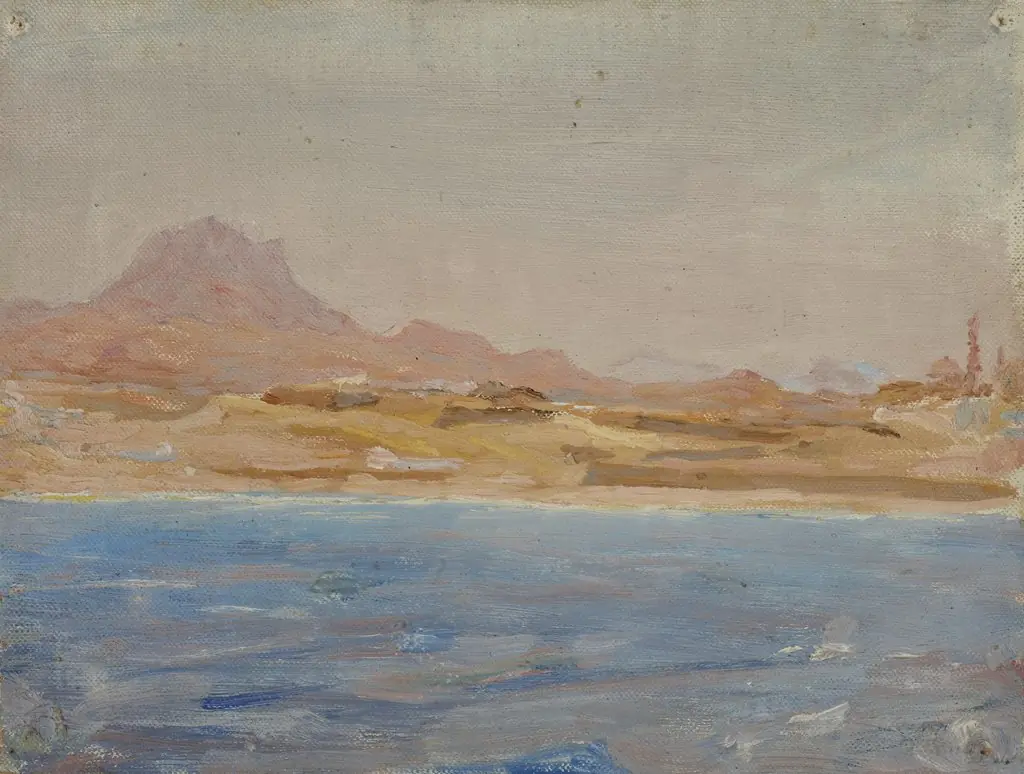
The painting "Crete" by Jan Ciągliński, created in 1910, presents a serene landscape. The dominant feature is a vast expanse of blue water, which occupies the lower half of the canvas. Above the water, a thin strip of yellow sand stretches across the middle, punctuated by a few small, indistinct shapes that could be buildings or rocks. The sky above is a soft blend of pink and orange hues. The overall effect is one of calmness and simplicity.
Upon closer inspection, the brushstrokes are visible, adding texture to the painting. The colors are muted, with no bold contrasts, contributing to the peaceful atmosphere. The scene appears to be a tranquil coastal setting, possibly at dawn or dusk given the soft light.
To explore more works in a similar vein, consider visiting the National Museum in Kraków, where "Crete" is held.
Overview
Jan Ciągliński, a Polish artist working in St. Petersburg during the late Russian Empire, painted *Crete* in 1910. Though Polish by birth, his artistic development occurred within the cultural milieu of imperial Russia. This landscape belongs to his body of work associated with early Russian Impressionism, characterized by an emphasis on natural light and subtle atmospheric effects rather than detailed representation.
Subject & Meaning
The painting depicts a quiet coastal scene, likely inspired by the Mediterranean island of Crete. A horizontal band of pale sand separates a calm expanse of blue water from a softly graded sky in pink and orange tones. The absence of clear figures or architectural detail invites contemplation rather than narrative. The composition suggests a moment of stillness—perhaps dawn or twilight—emphasizing tranquility over specificity.
Technique & Style
Ciągliński employed loose, visible brushwork to convey texture and light without sharp definition. Colors are muted and blended, avoiding strong contrasts in favor of tonal harmony. The sky and sea merge through delicate gradations, while the shoreline is suggested rather than rendered precisely. This approach aligns with Impressionist principles, prioritizing sensory impression over topographical accuracy.
History & Provenance
Created in 1910, *Crete* remained in private hands until it entered the collection of the National Museum in Kraków. Its presence there reflects post-war efforts to preserve works by Polish artists active abroad. The painting’s journey from St. Petersburg to Kraków underscores the transnational nature of artistic production in the late Russian Empire and its subsequent integration into national collections.
Context
Ciągliński worked during a period when Russian artists were increasingly engaging with Western European styles, particularly French Impressionism. Though not formally trained in France, he absorbed its techniques through reproductions and exhibitions in St. Petersburg. His landscapes, including *Crete*, reflect a broader trend among non-French artists adapting Impressionism to local sensibilities and subjects.
Legacy
Ciągliński’s work, including *Crete*, contributes to the recognition of a distinct branch of Impressionism outside France. While not widely known internationally, his paintings are studied as examples of how regional artists interpreted and localized the movement. The painting remains a quiet testament to cross-cultural artistic exchange in the early 20th century.
Own this work as a print
Artist & collection
Artist
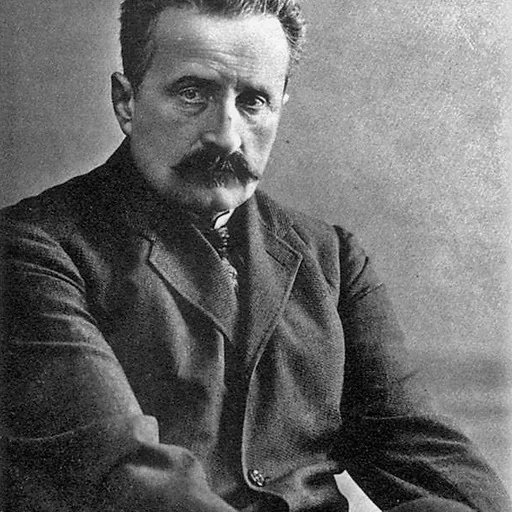
Jan Ciągliński (Polish: ; Russian: Ян/Иван Францевич Ционглинский, romanized: Yan/Ivan Frantsevich Tsionglinskiy; 20 February 1858 – 6 January 1913) was a Polish painter, active in St.