Artwork
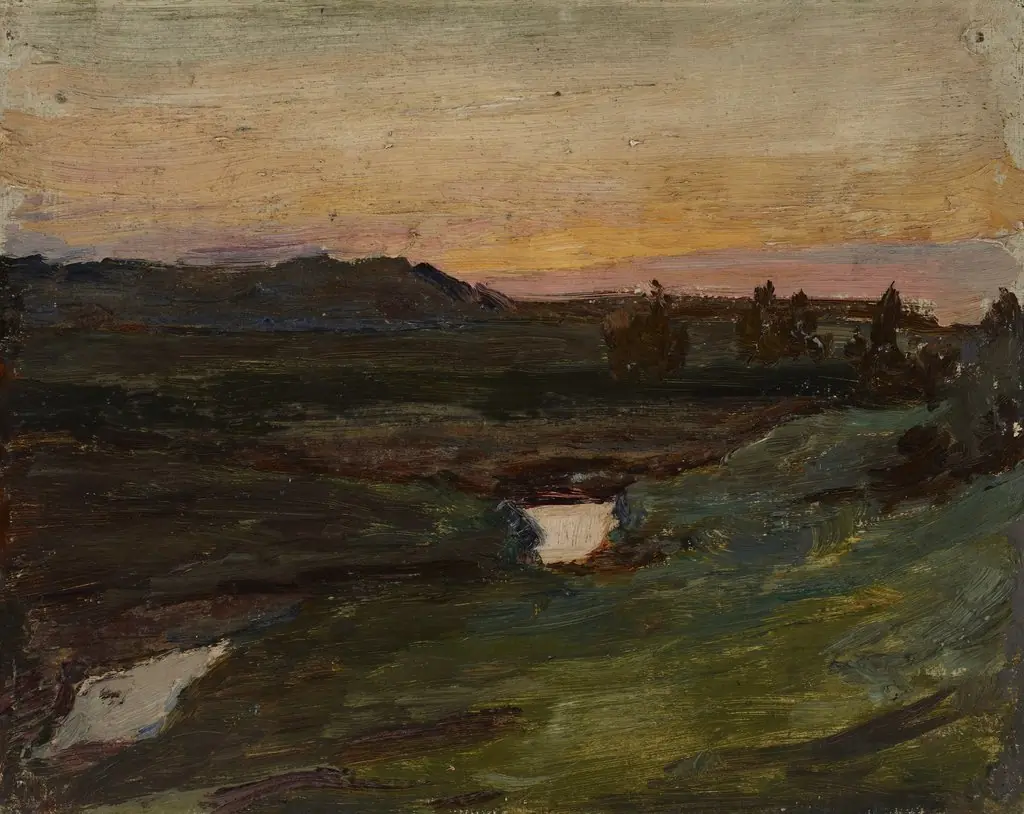
Northern Studies (Evening)
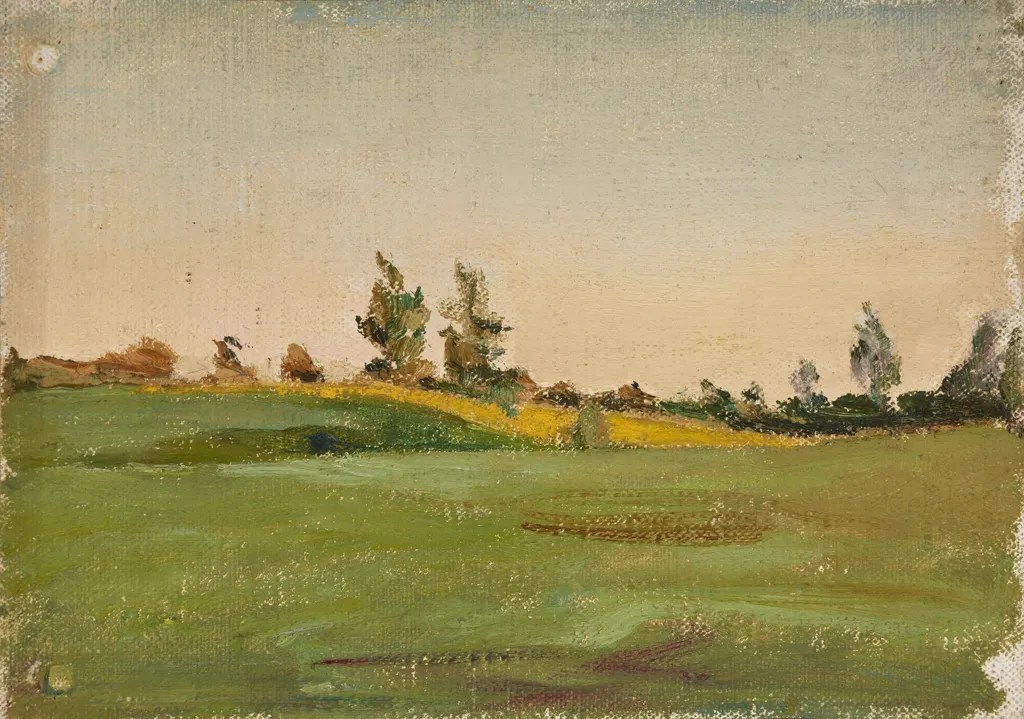
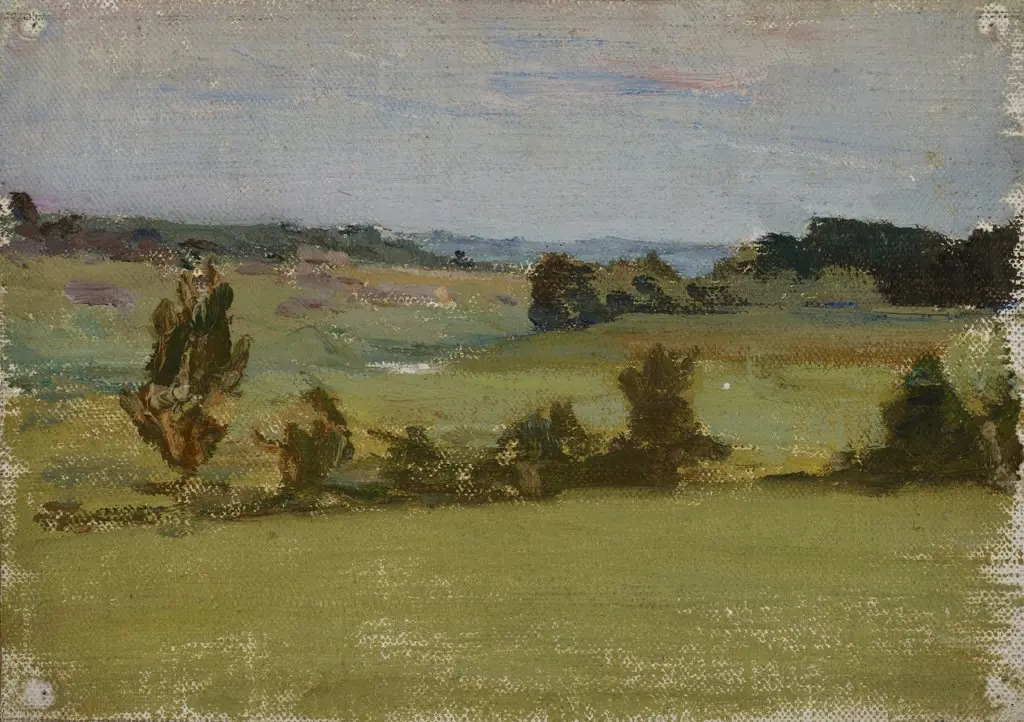
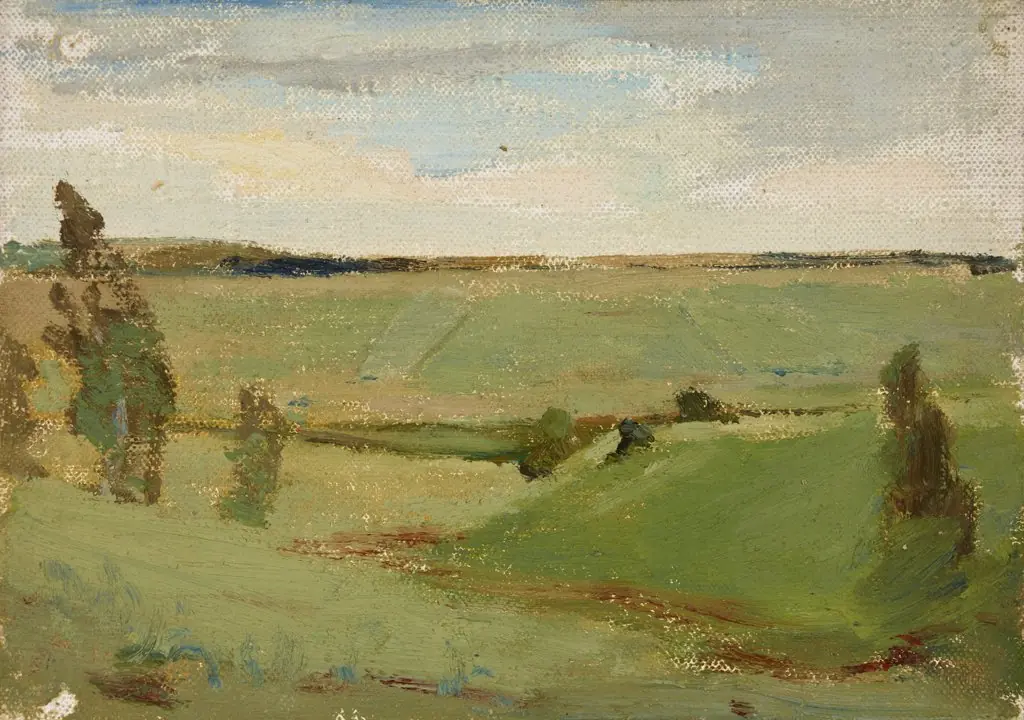
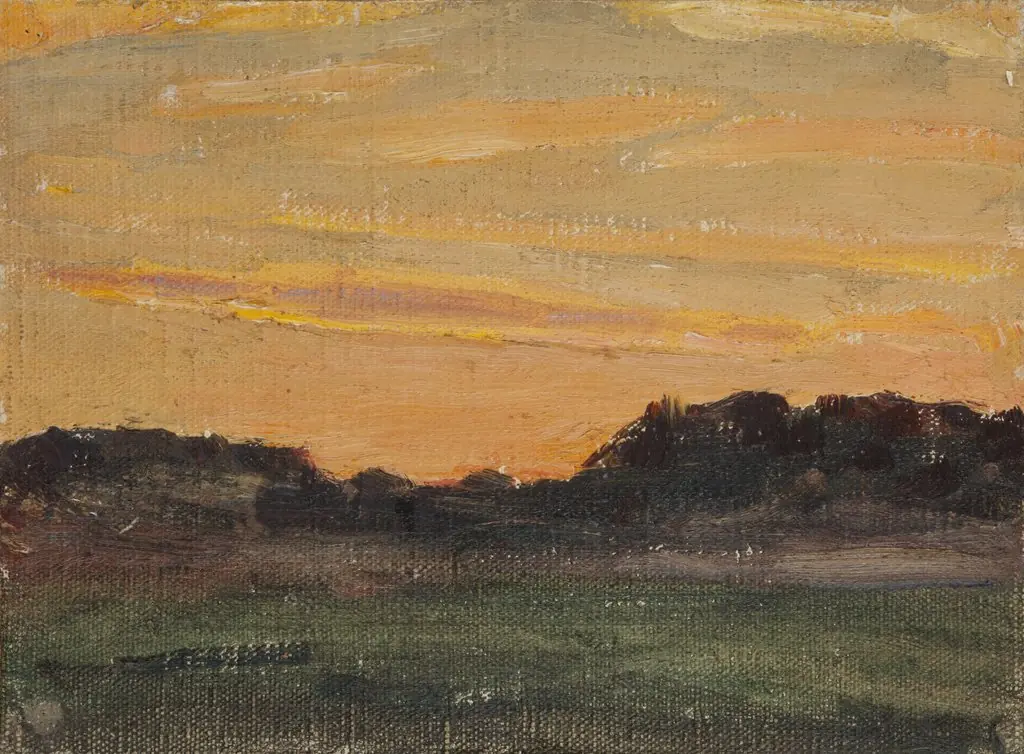
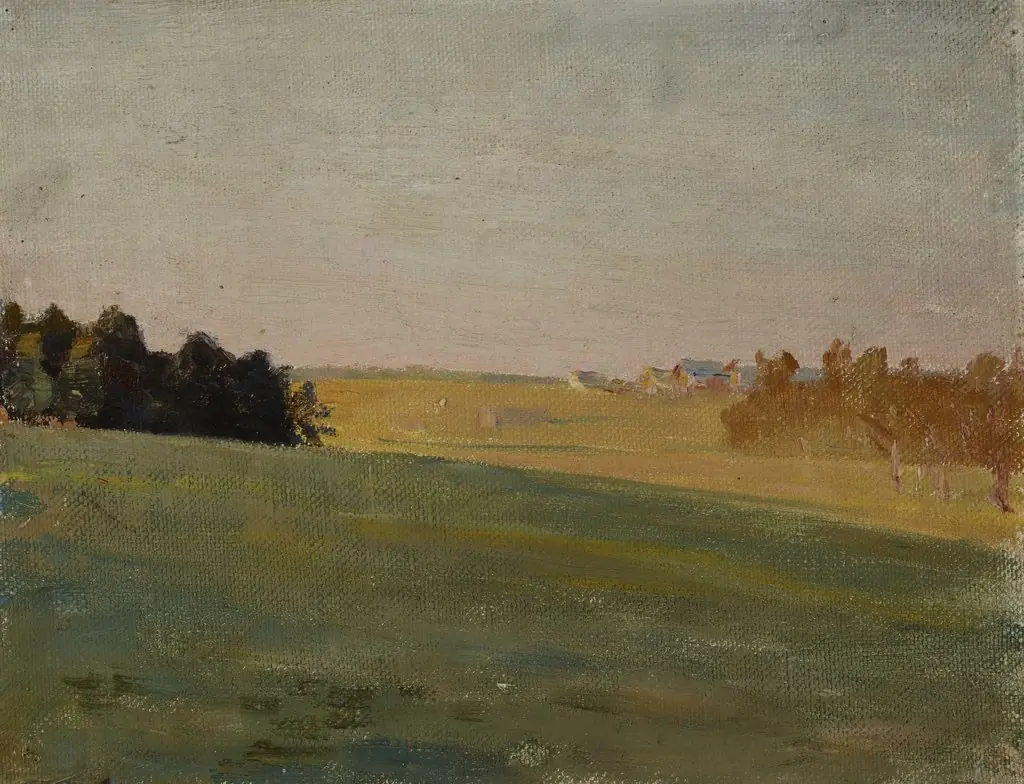
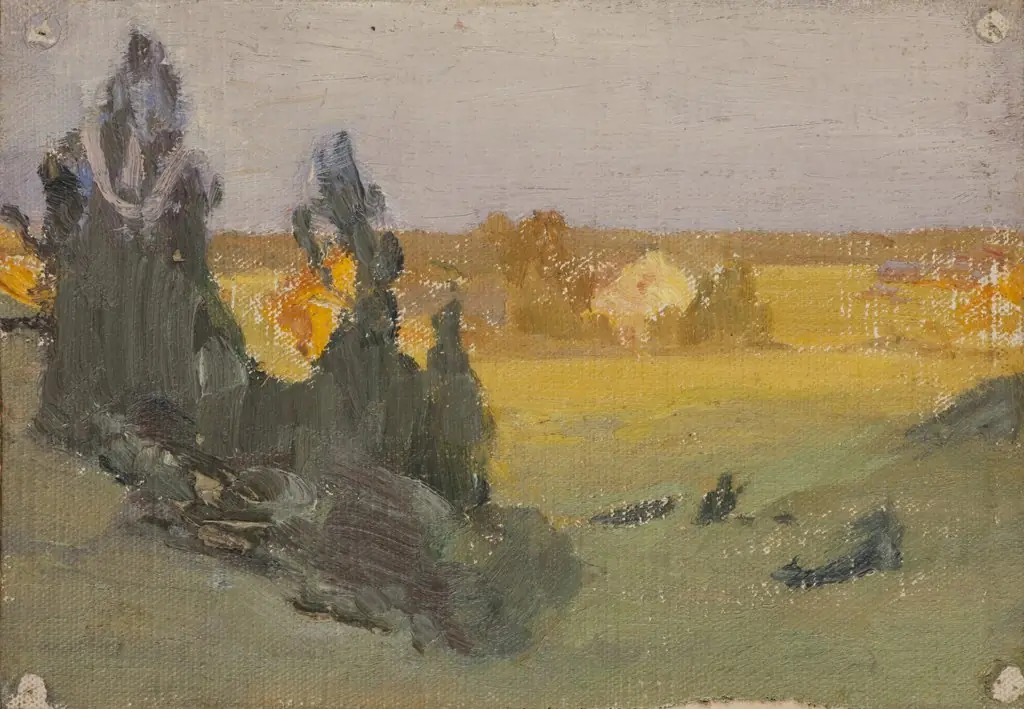
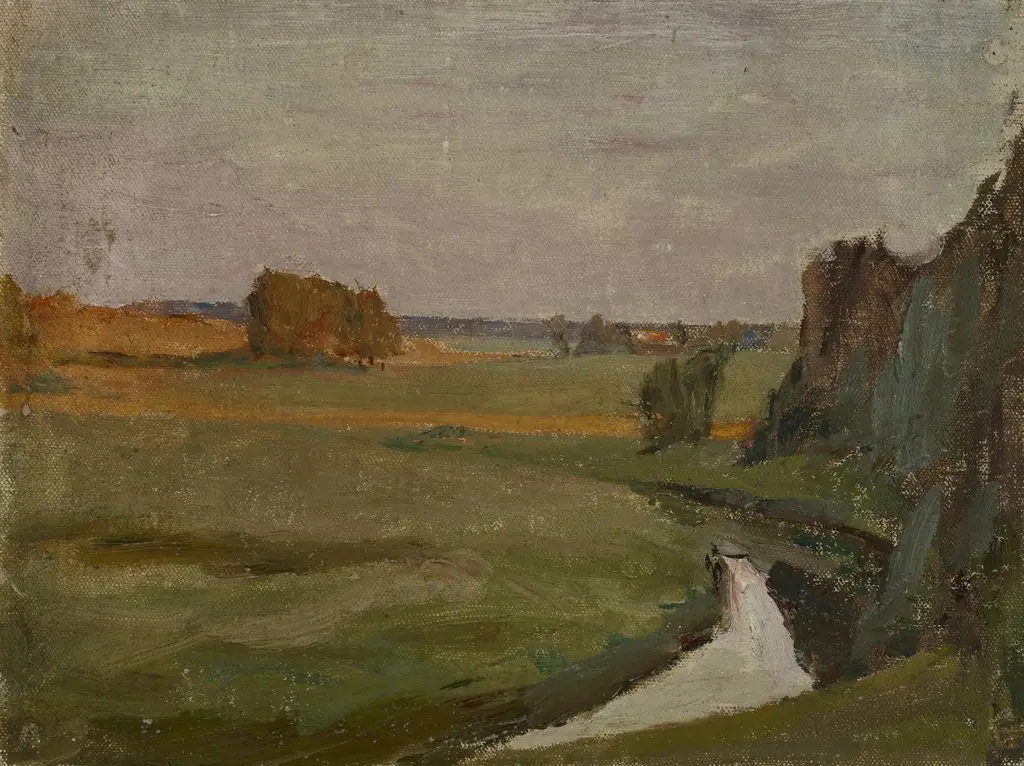
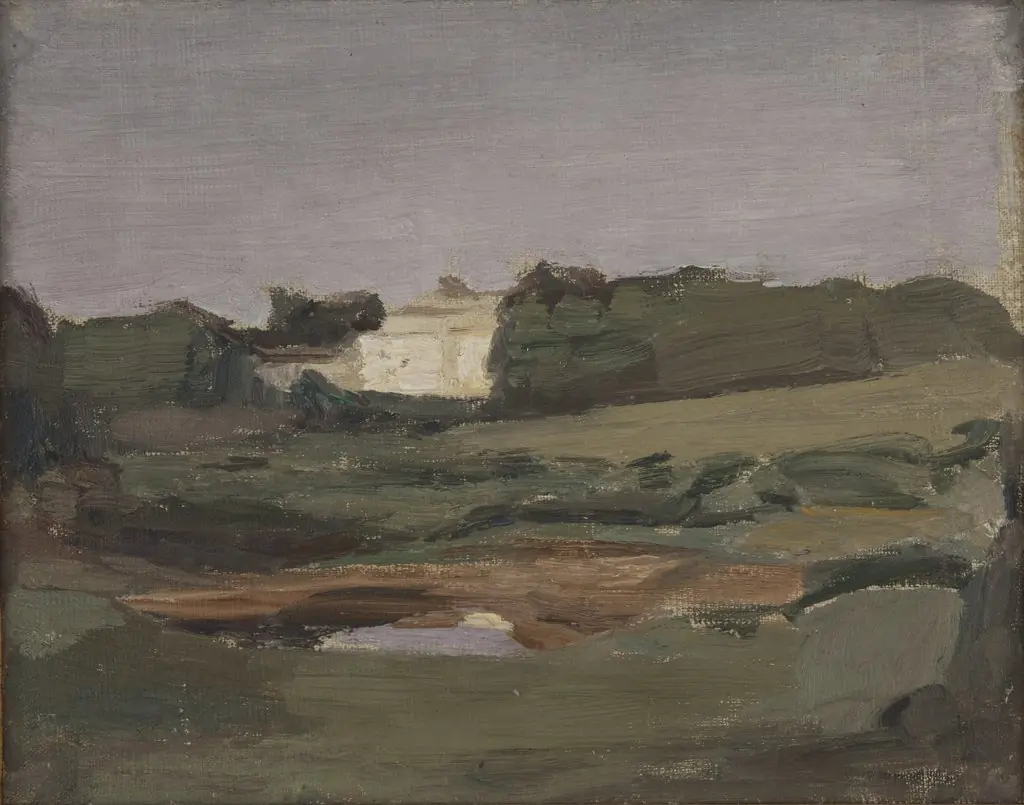
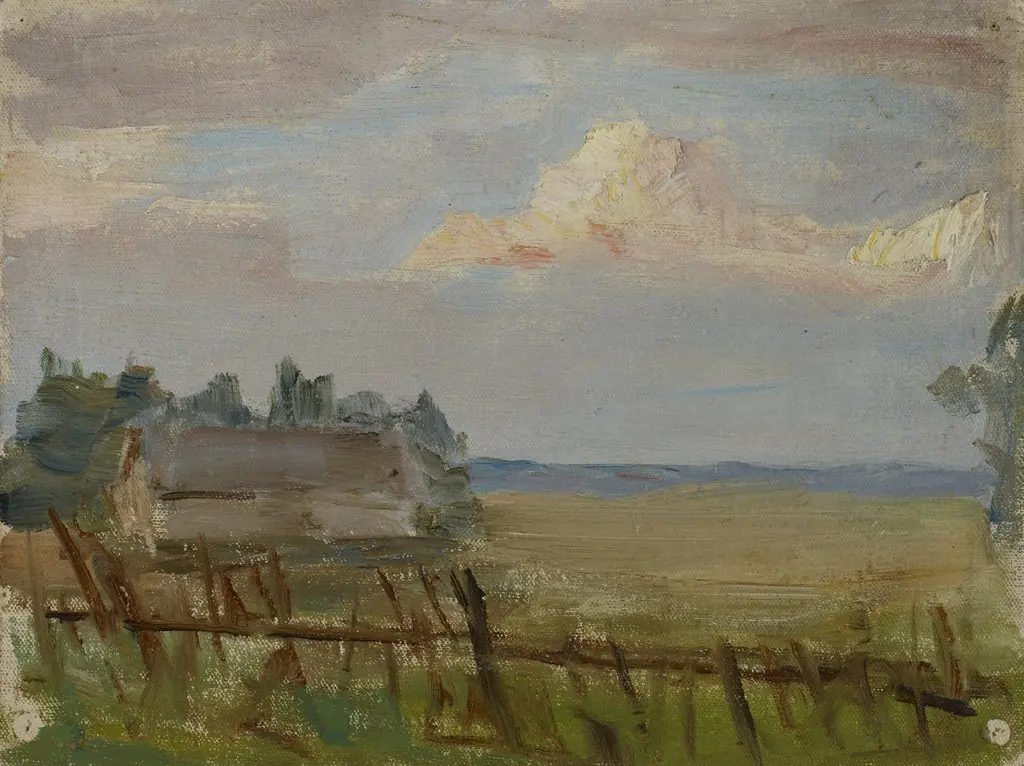
Northern Studies (Evening) is an unspecified painting by the Impressionist artist Jan Ciągliński. It dates from 1908 and is held in the collection of the National Museum in Kraków.
About this work
Overview
The painting is part of the National Museum in Kraków’s collection and represents his engagement with Impressionist techniques.
Jan Ciągliński, a Polish artist working in St. Petersburg during the late Russian Empire, created *Northern Studies (Evening)* in 1908. The painting is part of the National Museum in Kraków’s collection and represents his engagement with Impressionist techniques. Though not widely known outside regional circles, Ciągliński contributed to the adaptation of Western European styles in Russian artistic circles during a period of cultural transition.
Subject & Meaning
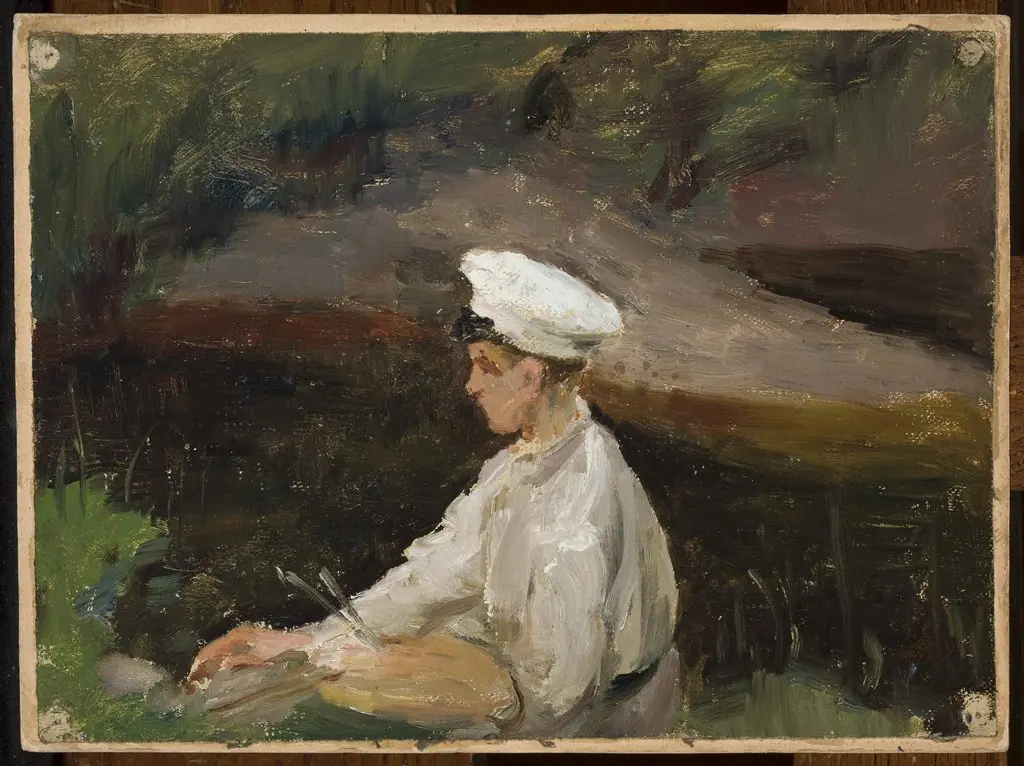
The painting depicts a quiet northern landscape at twilight, featuring a gently sloping field and distant trees under a pale sky. There is no human presence or narrative event; the focus lies in the atmosphere of stillness and fading light. The scene evokes a contemplative mood, reflecting the artist’s interest in capturing transient natural conditions rather than telling a story or conveying symbolism.
Technique & Style
Ciągliński employed soft, loose brushwork to suggest form and light without sharp definition. The palette is restrained, dominated by muted greens and earthy browns, with subtle shifts in tone to indicate depth and time of day. His approach aligns with Impressionist concerns for optical effects and atmospheric mood, though the composition remains more subdued than the vibrant experiments of French contemporaries.
History & Provenance
Painted in 1908, the work remained in private hands before entering the National Museum in Kraków’s collection. Its journey reflects the movement of artworks across borders following the collapse of empires and shifting national identities in early 20th-century Eastern Europe. The painting’s presence in Kraków underscores its recognition as a significant example of Polish artists working within Russian cultural spheres.
Context
During the early 1900s, Russian art institutions were gradually opening to Western influences, including Impressionism. Ciągliński, trained in Warsaw and active in St. Petersburg, acted as a conduit for these ideas among Polish and Russian artists. His landscapes, like this one, offered an alternative to academic historicism, emphasizing sensory experience over idealized form in a period of artistic experimentation.
Legacy
Though Ciągliński did not achieve international fame, his work contributed to the regional spread of Impressionist aesthetics in Eastern Europe. *Northern Studies (Evening)* stands as a quiet testament to his sensitivity to light and place. It remains a reference point for understanding how non-French artists adapted Impressionism to local landscapes and cultural contexts during a time of political and artistic change.
Artist & collection
Artist
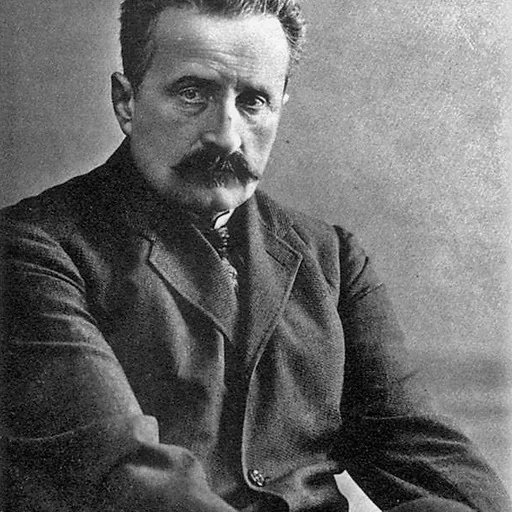
Jan Ciągliński (Polish: ; Russian: Ян/Иван Францевич Ционглинский, romanized: Yan/Ivan Frantsevich Tsionglinskiy; 20 February 1858 – 6 January 1913) was a Polish painter, active in St.