Artwork
Syracuse (The Greek Theater, Evening)
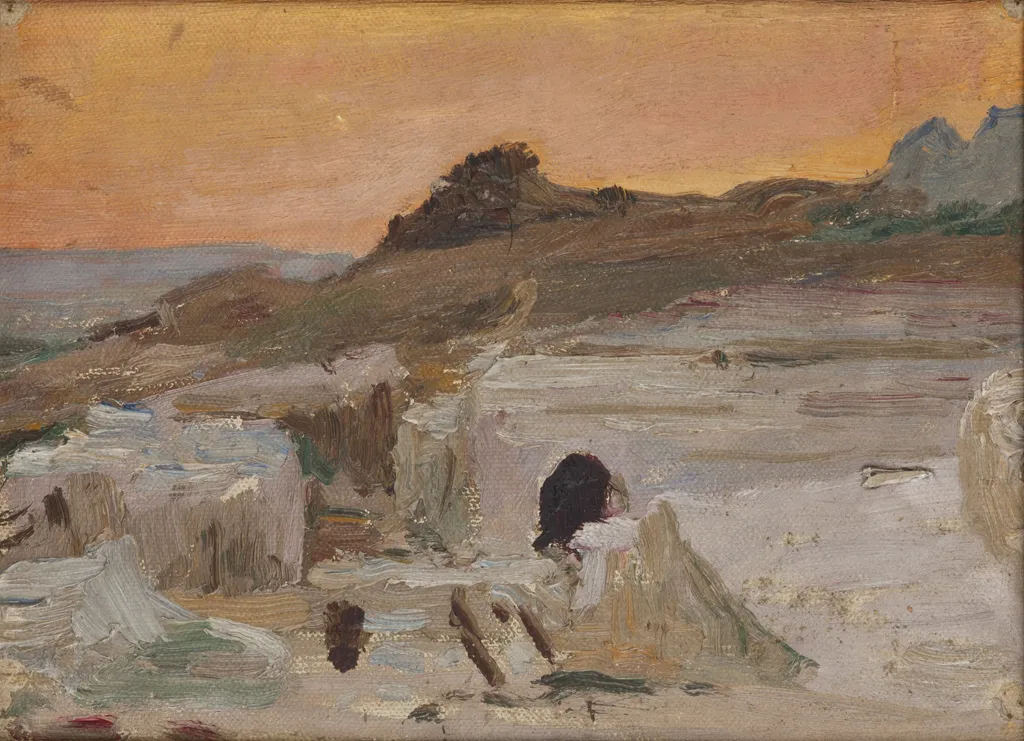
Syracuse (The Greek Theater, Evening) is an unspecified painting by the Impressionist artist Jan Ciągliński. It dates from 1910 and is held in the collection of the National Museum in Kraków.
About this work
Overview
Syracuse (The Greek Theater, Evening), completed in 1910 by Polish artist Jan Ciągliński, captures a quiet evening at the ancient Greek theater in Sicily.
Syracuse (The Greek Theater, Evening), completed in 1910 by Polish artist Jan Ciągliński, captures a quiet evening at the ancient Greek theater in Sicily. Painted during the artist’s time in St. Petersburg, the work reflects his engagement with Impressionist principles, emphasizing atmospheric light and tactile surface rather than precise detail. It is now part of the National Museum in Kraków’s collection.
Subject & Meaning
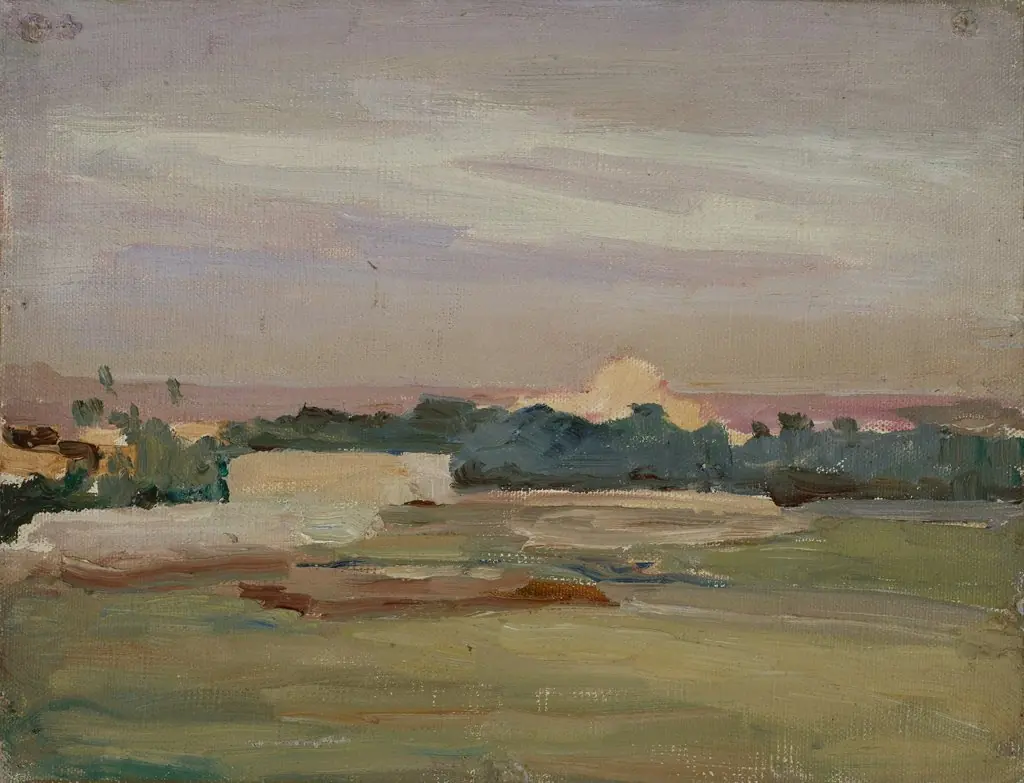
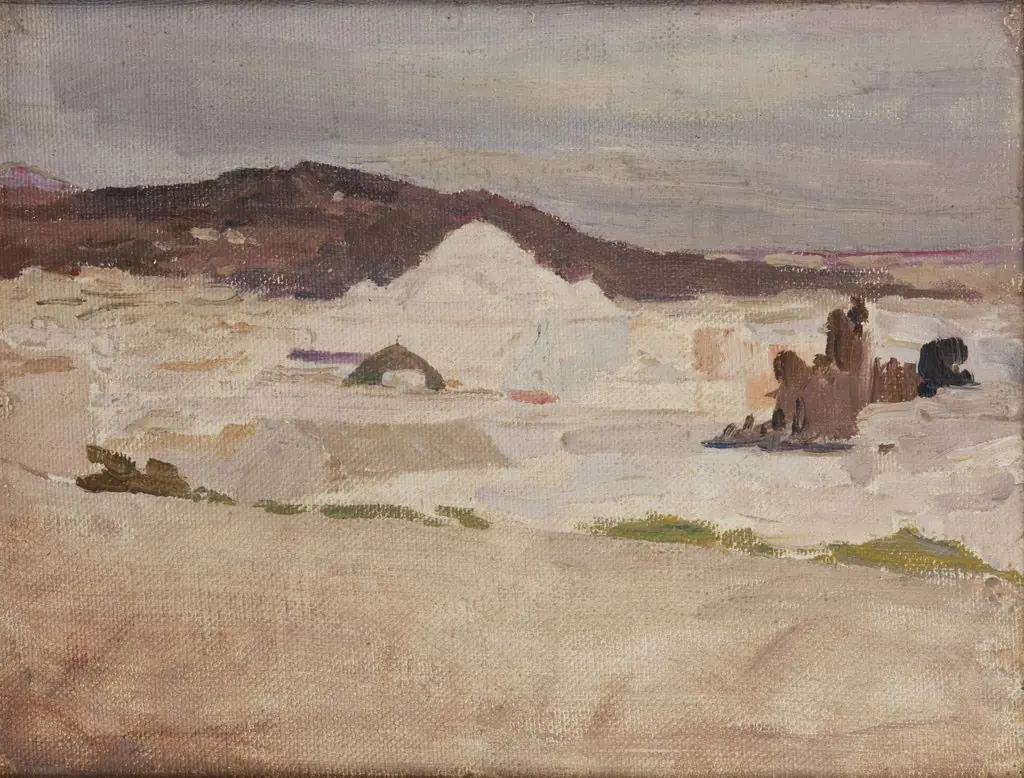
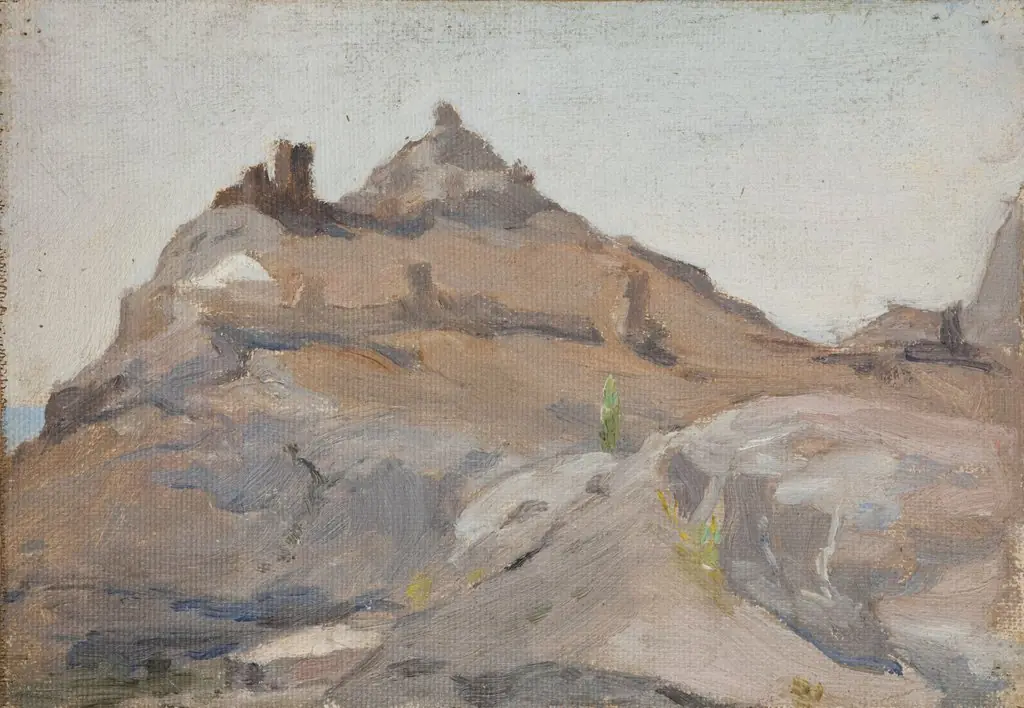
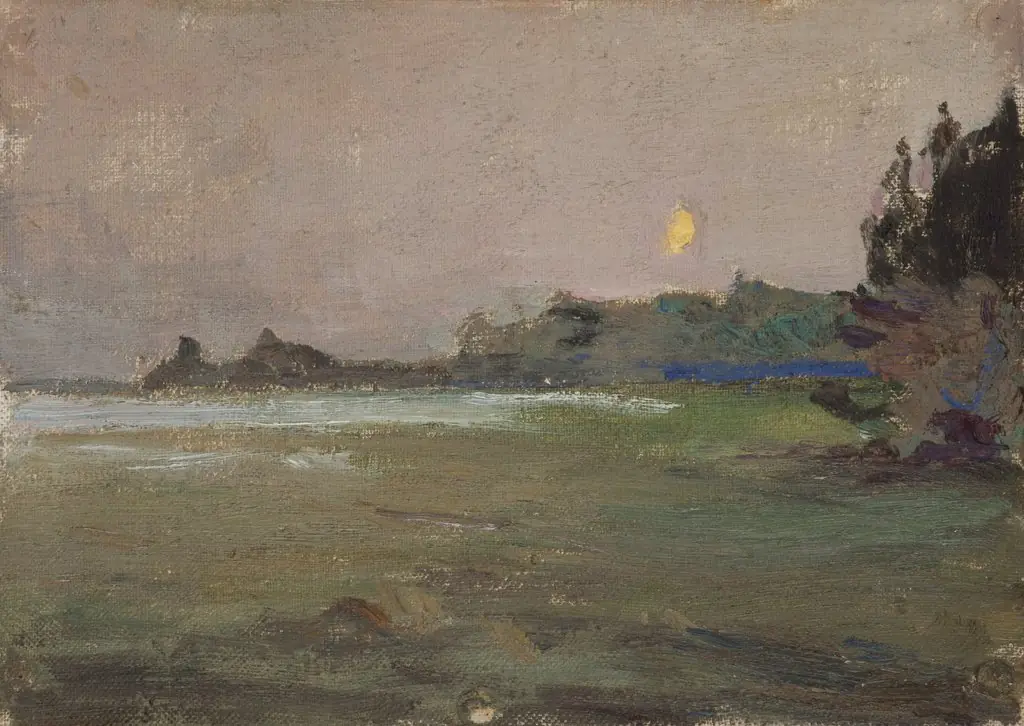
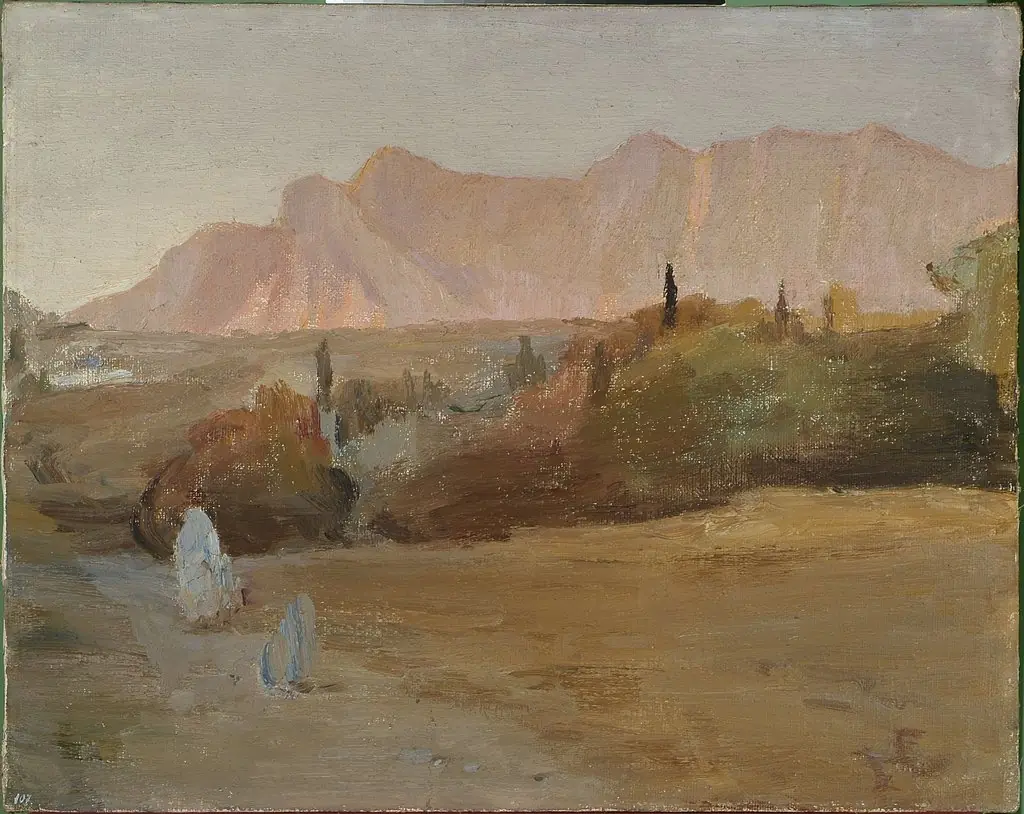
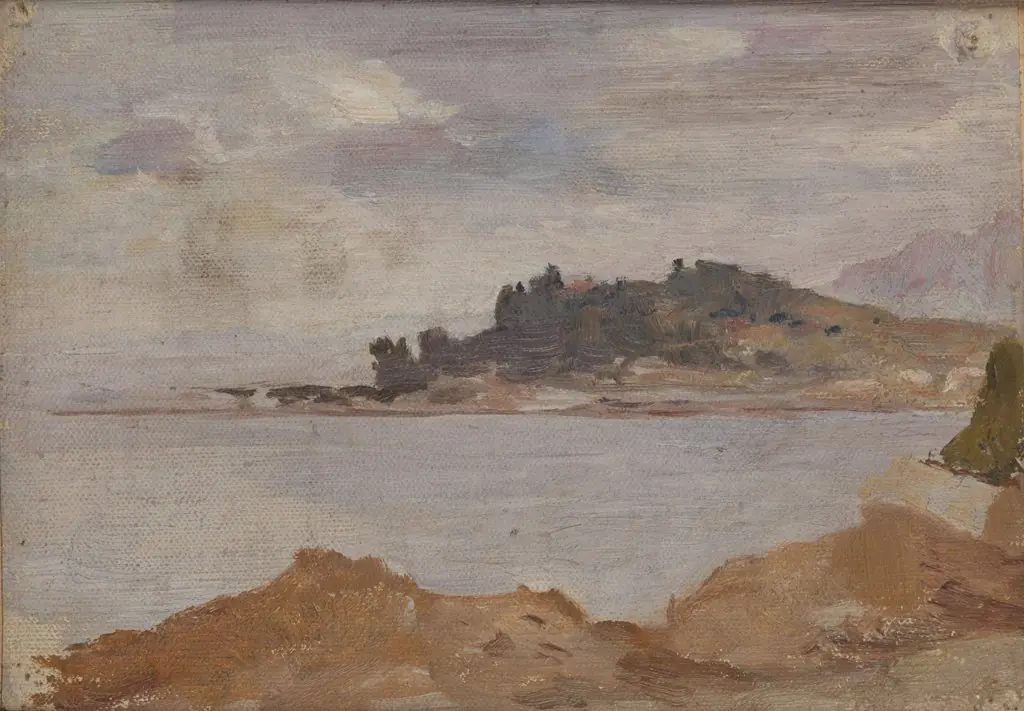
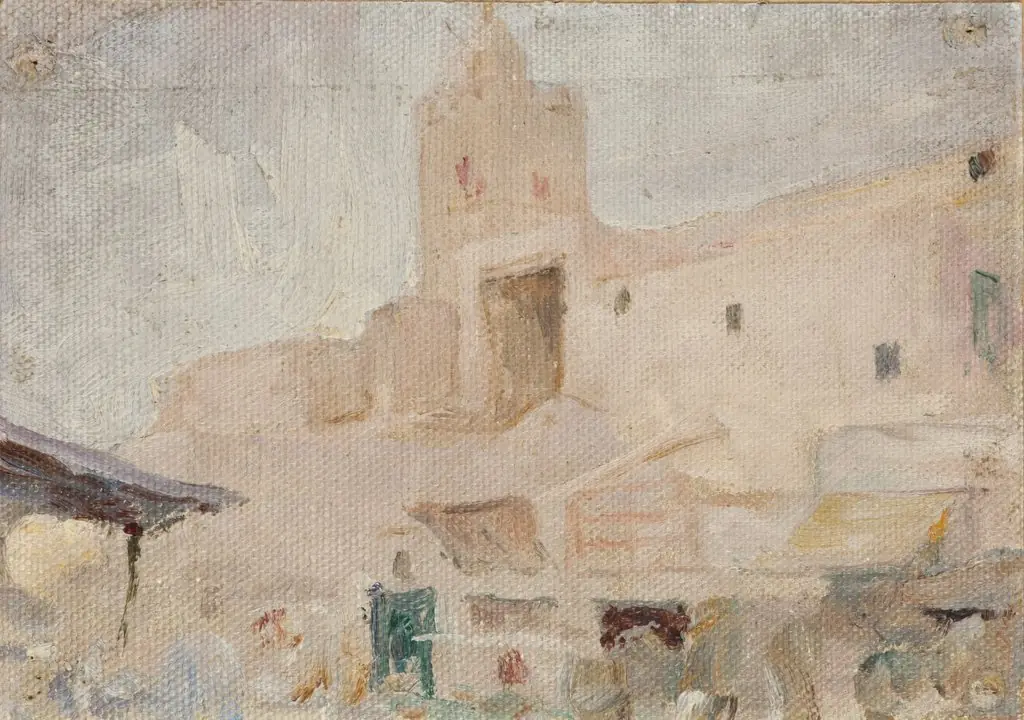
The scene portrays the ruins of the Greek theater nestled against a rugged hillside at twilight. No figures are present, and the focus lies in the interplay of fading daylight and ancient architecture. The absence of human activity invites contemplation of time’s passage, framing the theater not as a monument to grandeur but as a quiet, weathered presence within the landscape.
Technique & Style
Ciągliński employed thick, deliberate brushstrokes to build texture in the rocky terrain and sky, rejecting smooth blending in favor of visible, tactile marks. The palette is subdued, with earthy browns and grays dominating the land, while the sky glows with warm, muted orange. This contrast enhances the sense of dusk, aligning with Impressionist concerns for transient light and sensory impression over narrative clarity.
History & Provenance
Painted during Ciągliński’s years in St. Petersburg, the work reflects his travels to southern Italy and his interest in classical ruins. It remained in private hands until entering the National Museum in Kraków’s collection, where it is preserved as an example of Polish Impressionism shaped by broader European artistic currents of the early 20th century.
Context
In the early 1900s, Polish artists often studied abroad and absorbed Western movements like Impressionism. Ciągliński’s depiction of a Sicilian site reflects a broader trend among Eastern European painters who sought to engage with Mediterranean antiquity through modern visual language, blending local sensibilities with international styles.
Legacy
The painting stands as a quiet testament to Ciągliński’s ability to merge personal observation with Impressionist technique. While not widely known outside Poland, it contributes to the understanding of how artists from the region interpreted classical landscapes through the lens of light, texture, and mood, expanding the geographic scope of Impressionist practice.
Own this work as a print
Artist & collection
Artist
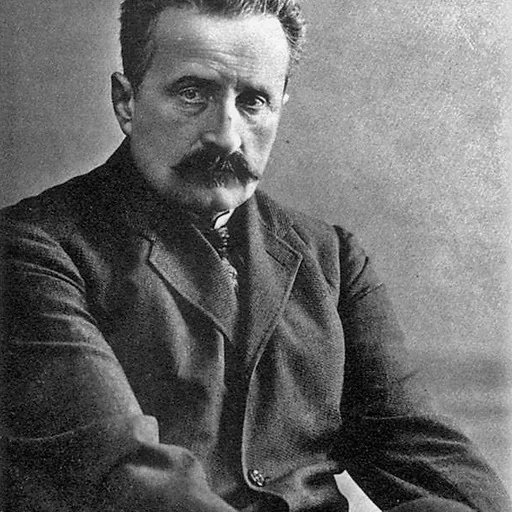
Jan Ciągliński (Polish: ; Russian: Ян/Иван Францевич Ционглинский, romanized: Yan/Ivan Frantsevich Tsionglinskiy; 20 February 1858 – 6 January 1913) was a Polish painter, active in St.